Markes Air Monitoring Equipment Ranks Top in Independent US EPA Field Trials

22 Sept 2016

Lois Manton-O'Byrne, PhD
Executive Editor

Product news

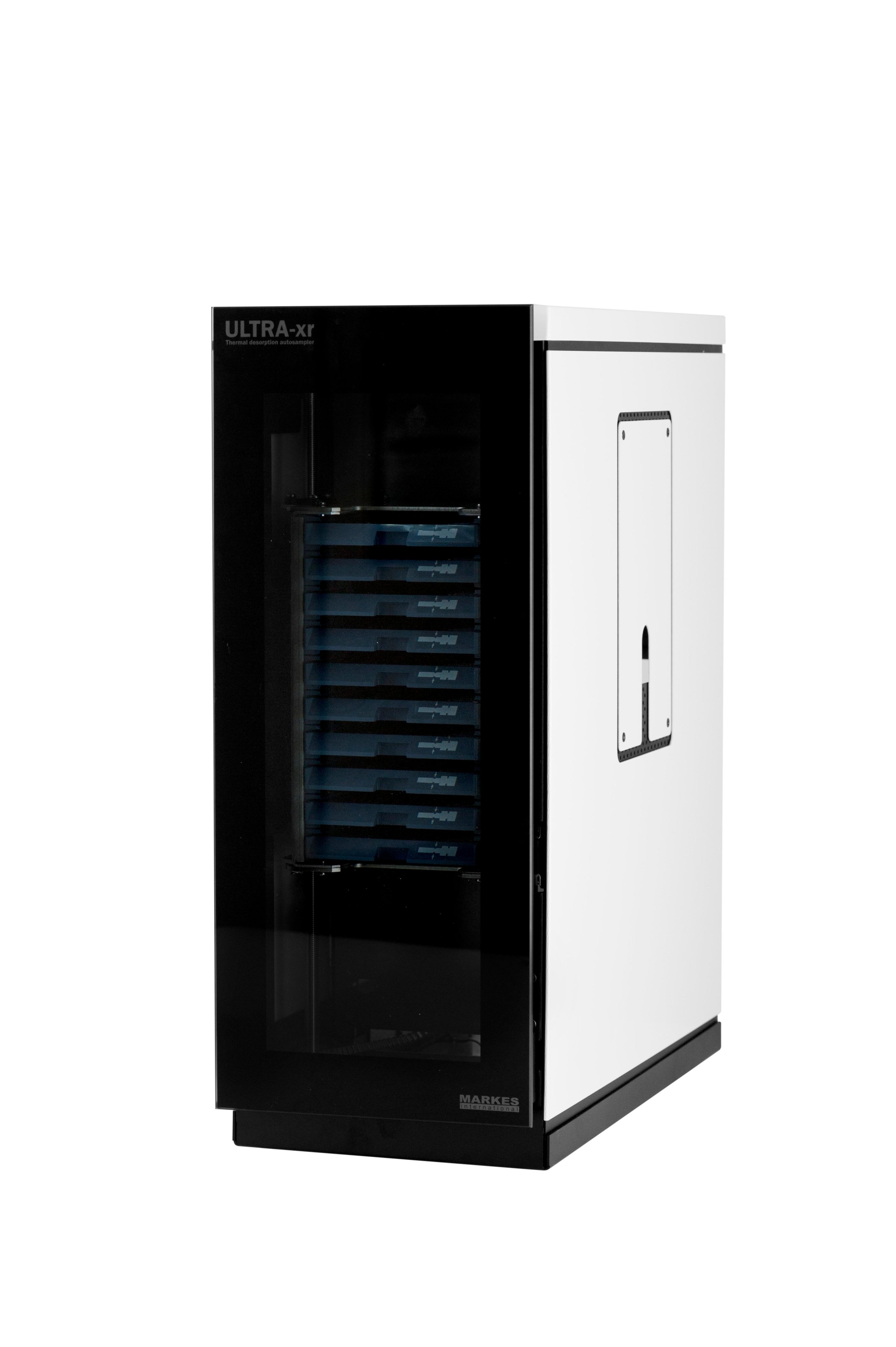
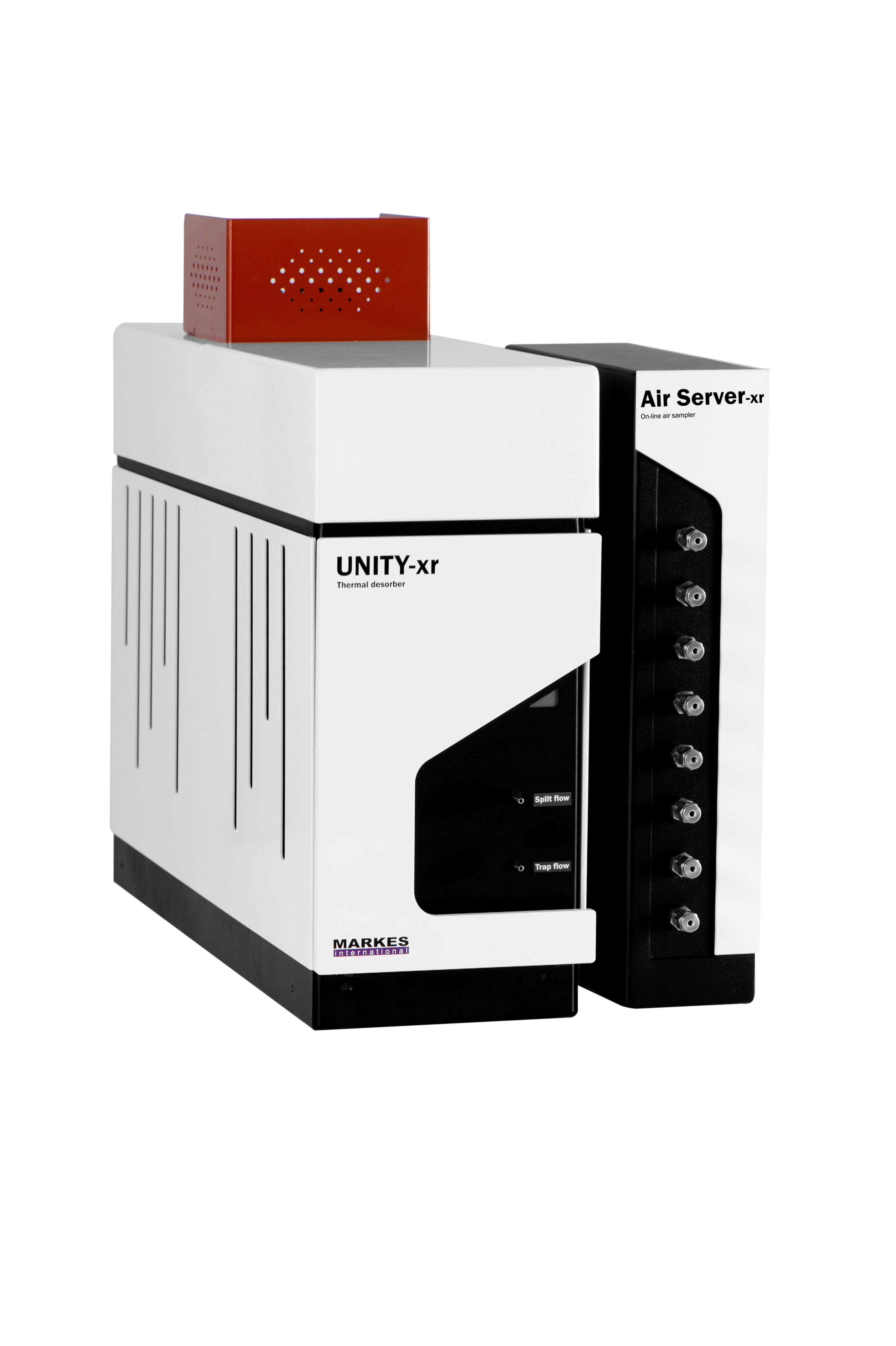
Markes International (Cincinnati, OH, USA) has come first and second in independent field-trials of air monitoring equipment carried out by the US Environmental Protection Agency. The results of this second rigorous phase of assessment were announced on 10 August to an audience of air-monitoring experts at the National Ambient Air Monitoring Conference in St Louis, MO, and reinforce the results of the 2014 laboratory trials, in which Markes’ systems also came out on top.

The report summarizes the results of two intensive 45-day field assessments of six commercially-available air monitoring systems, organized to assess their suitability for continuous monitoring of 28 volatile organic air pollutants by the US network of Photochemical Assessment Monitoring Stations (PAMS).

From a performance perspective, both the Agilent/Markes TD–GC–dual FID system and the Thermo Scientific/Markes TD–GC–MS setup showed clearly superior results to all other instruments. Both systems were able to report on 100% of the target compounds, had very low levels of instrumental bias, and showed excellent precision between replicate measurements.

Dr Massimo Santoro, Technical Marketing Director at Markes, said, “We’re absolutely delighted to have come out on top in both the laboratory and field trials for this EPA assessment, and believe these results are a strong endorsement both of our TD systems and the close collaborations we enjoy with Agilent and Thermo Scientific. It’s worth noting that although the assessment focused on compounds of relevance to urban air pollution, the same equipment is also ideal for monitoring a wide range of volatile organic compounds, including odorous sulfur species.”

Since 1993, the PAMS program has required US states and local environmental agencies to measure volatile hydrocarbons in urban areas affected by significant ground-level ozone pollution. Much of the air monitoring equipment in the current network is now over 15 years old and needs replacing, so the US EPA commissioned these laboratory and field trials in order to inform the choice of the best automated GC technologies for the purpose.

Dr Santoro adds “As well as assisting those choosing equipment to be used in the US PAMS network, we believe that this authoritative report will be inspected closely by air-monitoring laboratories worldwide that are keen to choose the best system for their own programs. Technical capabilities are of course fundamental to this, but it’s worth pointing out that the report also describes in detail the practicalities of using the candidate systems. In this regard too, Markes’ systems impressed the assessors with their outstanding ease-of-use, complementing the headline benefits of analytical performance.”
Links

Tags

Gas ChromatographyGas chromatography (GC) is an analytical technique used to separate and quantitate mixtures of small and volatile compounds. Gas chromatographs or GC systems include components such as GC columns, detectors, pumps and autosamplers. Choose from packed or capillary GC columns, flame ionization (FID), photoionization (PID) electron capture detectors and selective or non-selective detectors. Find the best gas chromatographs in our peer-reviewed product directory: compare products, check customer reviews and receive pricing direct from manufacturers.Environmental Monitoring and TestingEnvironmental monitoring and testing uses handheld portable analyzers, kits, spectrometers or chromatography systems for air, water, soil, food and other sample testing. Useful features of analyzers such as BOD and COD include portability, easy calibration, automation and sensitivity.  Environmental test kits for pH, water, moisture, etc, should be accurate, sensitive, reliable, fast and easy to use.Particle CharacterizationParticle characterization instruments are used to determine particle size distribution, shape, surface area, zeta potential, density and porosity of particles and materials. Multiple tecchniques are available for determining particle size, shape and count including dynamic light scattering (DLS), laser diffraction, electrozone (Coulter technique), imaging particle analysis and single particle optical sensing. Determine the density of your material with a gas pycnometer or examine its surface area and porosity with gas adsorption analyzers and mercury porosimeters. Find the best particle characterization instruments in our peer-reviewed product directory: compare products, check customer reviews and receive pricing direct from manufacturers.ChromatographyChromatography is a powerful technique used to separate and analyze components of mixtures based on their chemical properties. It is widely used in fields like biochemistry, pharmaceuticals, and environmental analysis. By exploiting differences in the interaction of substances with a stationary phase and a mobile phase, chromatography enables precise purification and quantification of compounds. Whether you're working with complex biological samples or industrial chemicals, chromatography is essential for obtaining high-quality results. Browse our peer-reviewed product directory to find the best chromatography systems, compare products, read customer reviews, and get pricing directly from manufacturers.Environmental ContaminationContaminants in the environment are harmful chemicals that are present in the air, land and water. These include pesticides, pharmaceuticals, persistent organic pollutants (POPs) and many more.Thermal DesorptionThermal desorption is a technique used to release volatile compounds from solid samples by heating them. It is often used in environmental testing and analysis of complex materials. Explore thermal desorption systems in our peer-reviewed product directory; compare products, check reviews, and get pricing directly from manufacturers.Airborne PollutantsAirborne pollutants are particulates, biological molecules or other harmful materials that exist in the atmosphere. These pollutants are known to cause harm to health and the environment. Examples include persistent organic pollutants (POPs), carbon monoxide, sulfur oxides, and nitrogen oxides.Air Quality