SmartFlare RNA Detection Probes
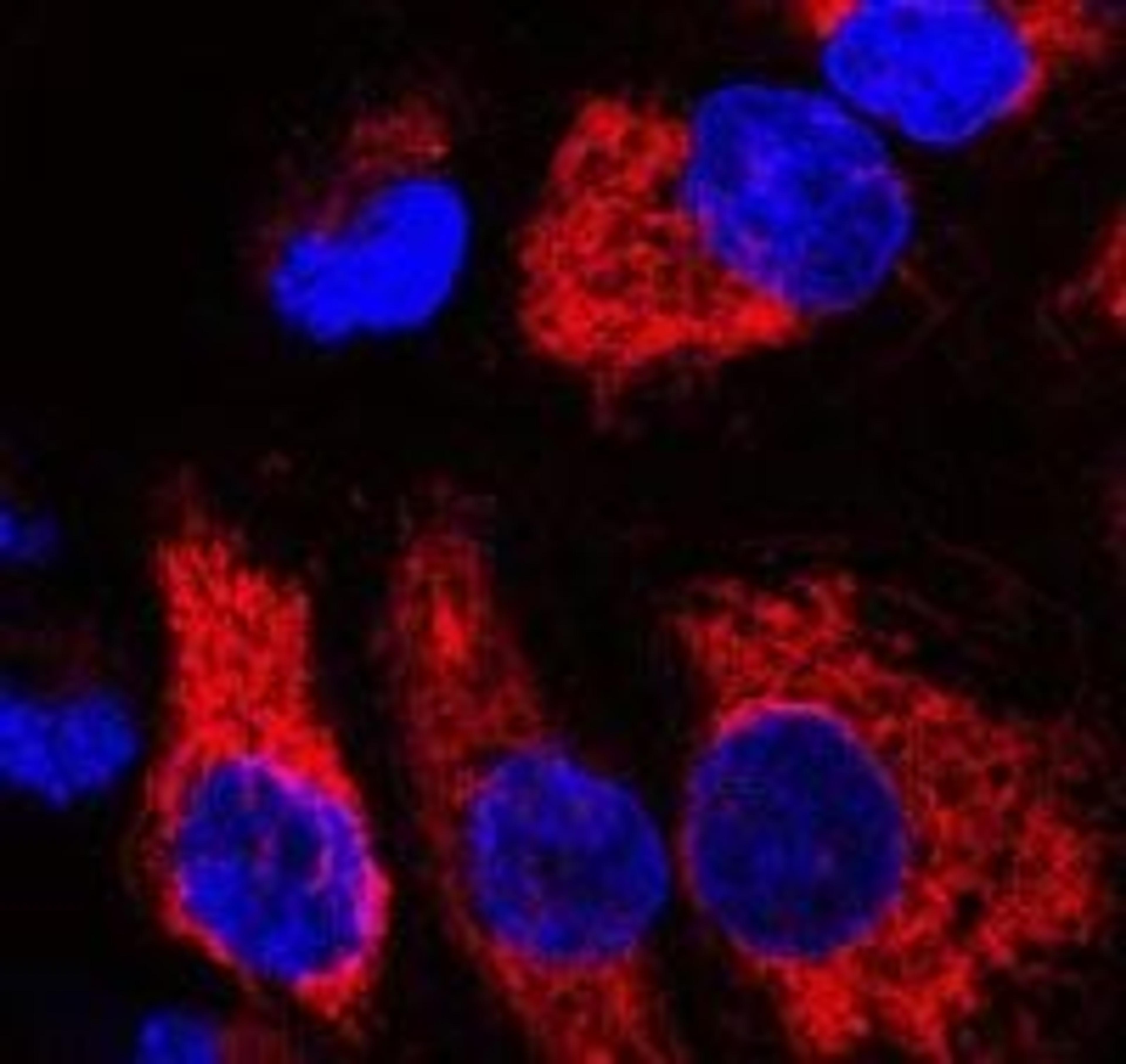
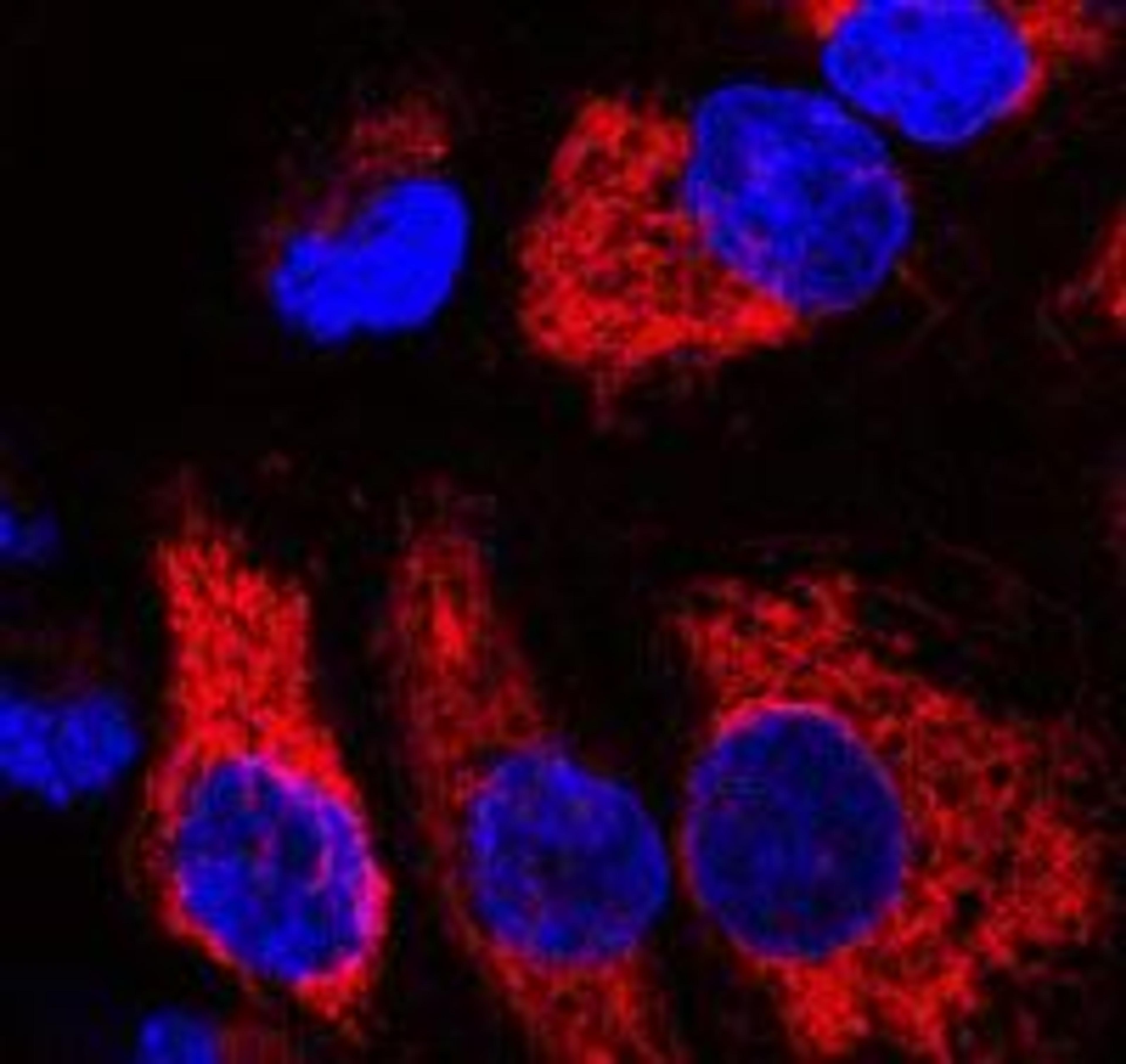
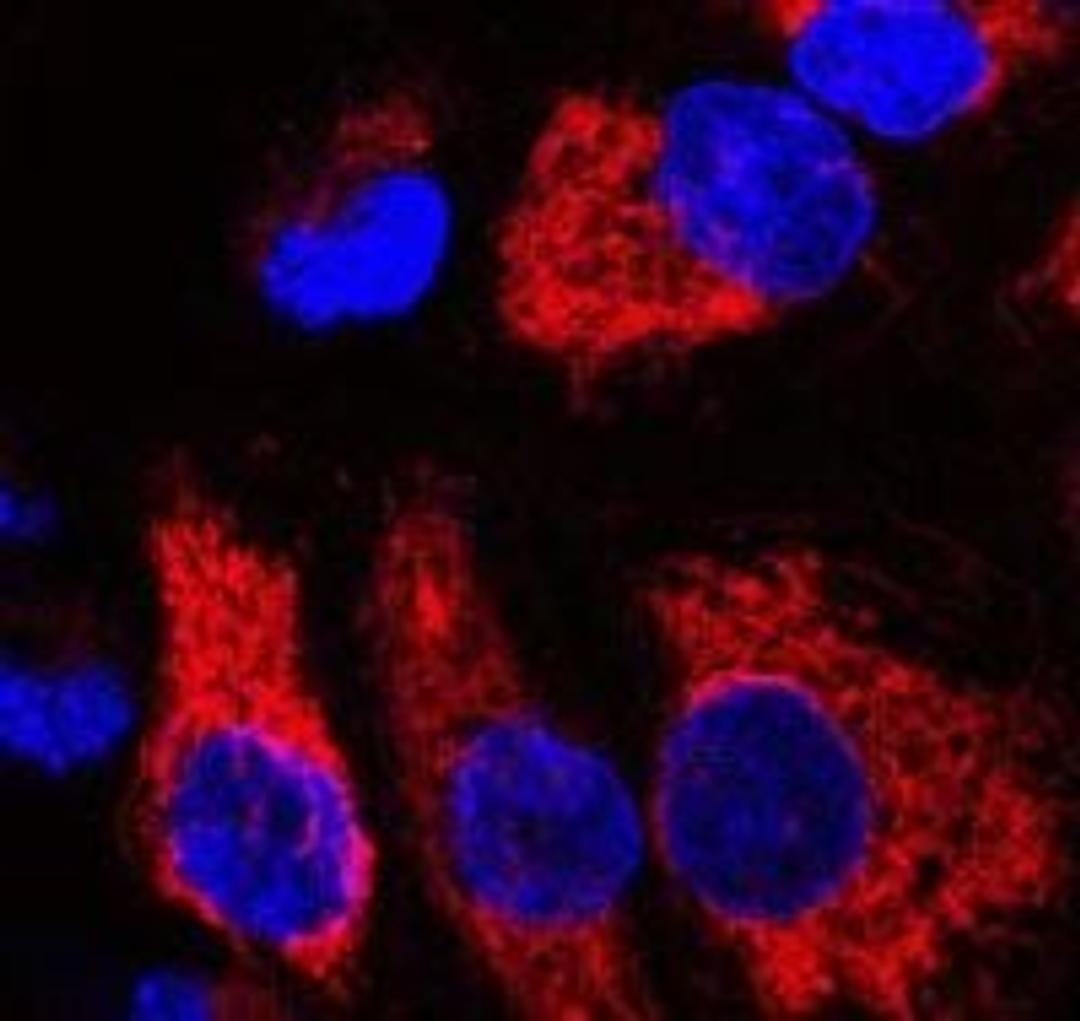
SmartFlare Probes work by recognizing specific native RNA sequences within living cells, therefore there are many possible sequences that you could design to recognize your target of interest. Instead of lysed cells, switch to live cells. And while you’re at it, eliminate sample preparation and transfection steps all together. Live cell RNA detection is now possible, in a single incubation step using inert nanoparticle techno…

The supplier does not provide quotations for this product through SelectScience. You can search for similar products in our Product Directory.
SmartFlare Probes work by recognizing specific native RNA sequences within living cells, therefore there are many possible sequences that you could design to recognize your target of interest.
Instead of lysed cells, switch to live cells. And while you’re at it, eliminate sample preparation and transfection steps all together. Live cell RNA detection is now possible, in a single incubation step using inert nanoparticle technology to specifically detect native RNA. And when you’re done, the probes exit the cells allowing you to perform downstream analyses with the same, unperturbed cells. Make the smart change!
SmartFlare RNA Detection Probes are fueled by the NanoFlare technology developed by renowned chemist Dr. Chad Mirkin.
What's Smart?
- Detect RNA expression in live cells for real time, physiologically relevant data
- Eliminate laborious, costly sample preparation
- Easy analysis on the fluorescent detection platform of your choice
- Nanoparticle based technology that allows cells to be used for downstream assays

SmartFlare™ RNA Detection Probes: Principles, Protocols and Troubleshooting
RNA detection traditionally requires transfection, laborious sample prep, RNA amplification and/or detection based on standard curves. In contrast, SmartFlare™ RNA Detection Probes are endocytosed by live cells using existing cellular endocytosis machinery. This technical note describes how to use SmartFlare probes and how to fix any problems you may experience.
Enumeration of Live, Circulating Tumor Cells Using SmartFlare™ Probes and an Amnis® Imaging Flow Cytometer
Circulating tumor cells (CTCs) are released into the bloodstream from primary and metastatic cancers and are potentially useful for early cancer detection, diagnosis, and treatment. In this study, an Amnis ImageStream®X Mark II imaging flow cytometer was employed along with SmartFlare™ fluorescent RNA detection probes to collect imagery from large numbers of WBCs that were spiked with live SKBR-3 human breast cancer cells.
Cell Sorting Based on RNA Detection in Living Cells using SmartFlare RNA Detection Reagents
This application note demonstrates that by using the novel SmartFlare RNA detection probes have the ability to sort and further propagate live cell populations purely based on gene expression levels or in combination with surface markers detected with antibodies.
A Novel Approach to Detecting RNA Expression in Living Breast Cancer Cells
When studying the complexities of cancer biomarkers, the ability to monitor gene expression within live that have become cancerous, provides better insight than examining fixed or lysed tissues. However, monitoring RNA within intact cells can prove to be challenging with current techniques, which involve complex RNA isolation procedures that compromise cell viability. Further, amplification methods can create false positives or erroneously inflate differences. In this poster read about a probe-based detection method that allows for the detection of ErbB-2 and EGFR mRNA levels across live intact SKBR-3 breast cancer cells without the need for transfection reagents. The detection methodology is based upon an oligonucleotide gold nanoparticle conjugate capable of detecting intracellular levels of mRNA and miRNA in living cells. The probes enter the cell by means of the cell’s native endocytosis machinery.
Detection of siRNA-Mediated Gene Modulation Using SmartFlare™ Detection Probes
Modulation of gene expression using techniques such as RNAi has become a fundamental tool in the study of gene function and biological pathways. To determine the efficiency of gene knockdown using most widely used detection methods, cell samples must be sacrificed by lysis or permeabilization and fixation. In addition to sample destruction, another disadvantage of these techniques is that they yield results that only reflect the average expression of the gene in the collected cell population. One nondestructive option is the use of transfected reporter constructs. However, although the cells remain alive, the technique cannot reveal endogenous gene expression and can have negative effects on cell health. An ideal RNA detection agent provides a noninvasive approach to interrogating gene expression while enabling sorting of live cells that can be separated and directly used for downstream studies. In this application note read how SmartFlare™ RNA detection probes provide efficient, non-destructive detection of siRNA mediated gene knockdown on a cell-by-cell basis.
Cell Sorting Based on RNA Detection in Living Cells Using SmartFlare™ RNA Detection Reagents
Cell sorting enables the isolation of highly pure cell subpopulations, increasing the statistical significance of observed relationships between gene expression and phenotype, especially for rare events. Live cell sorting has traditionally been accomplished by detecting the presence of unique cell surface proteins, which have been identified through the use of fluorescently labeled antibodies. However, live cells cannot be sorted based on endogenous intracellular protein markers, because cells have to be fixed and permeabilized for antibody staining. Sometimes cells can be sorted on the basis of transfected reporter constructs; however, this treatment also compromises cell integrity and may perturb cellular pathways, confounding downstream analyses. In this application note read how live cells can be sorted based on RNA expression levels. The ability to detect and separate live cells based on the level of a specific RNA target provides a new opportunity to study cellular functions and identify rare cell types such as certain tumor cells and cancer stem cells.
Cell Sorting Based on RNA detection in Living Cells Using SmartFlare™ RNA Detection Reagents
Identifying cell types and sorting cells based on RNA expression levels without any transfection reagents or intrusive sample preparation can drastically improve live cell sorting efficiency, physiological relevance, and post-sorting survival rate. In this application note it is demonstrated that SmartFlare™ RNA detection probes, which are capable of detecting levels of RNA inside living cells, can be used to sort and further propagate live cell populations purely based on gene expression levels or in combination with surface markers detected with antibodies.
A novel RNA Detection Reagent Enables Gene Expression Analysis in Living Cells
Detecting gene expression has traditionally been limited to technologies that examine expression in lysed or fixed cell populations. The ability to detect RNAs in individual, live cells can enable an unequivocal assessment of gene expression changes that occur in direct response to specified perturbations. This application note demonstrates how the new SmartFlare™ detection reagent can be used for detecting specific mRNAs and miRNAs in live, intact cells. The applications of this novel technology are also discussed.