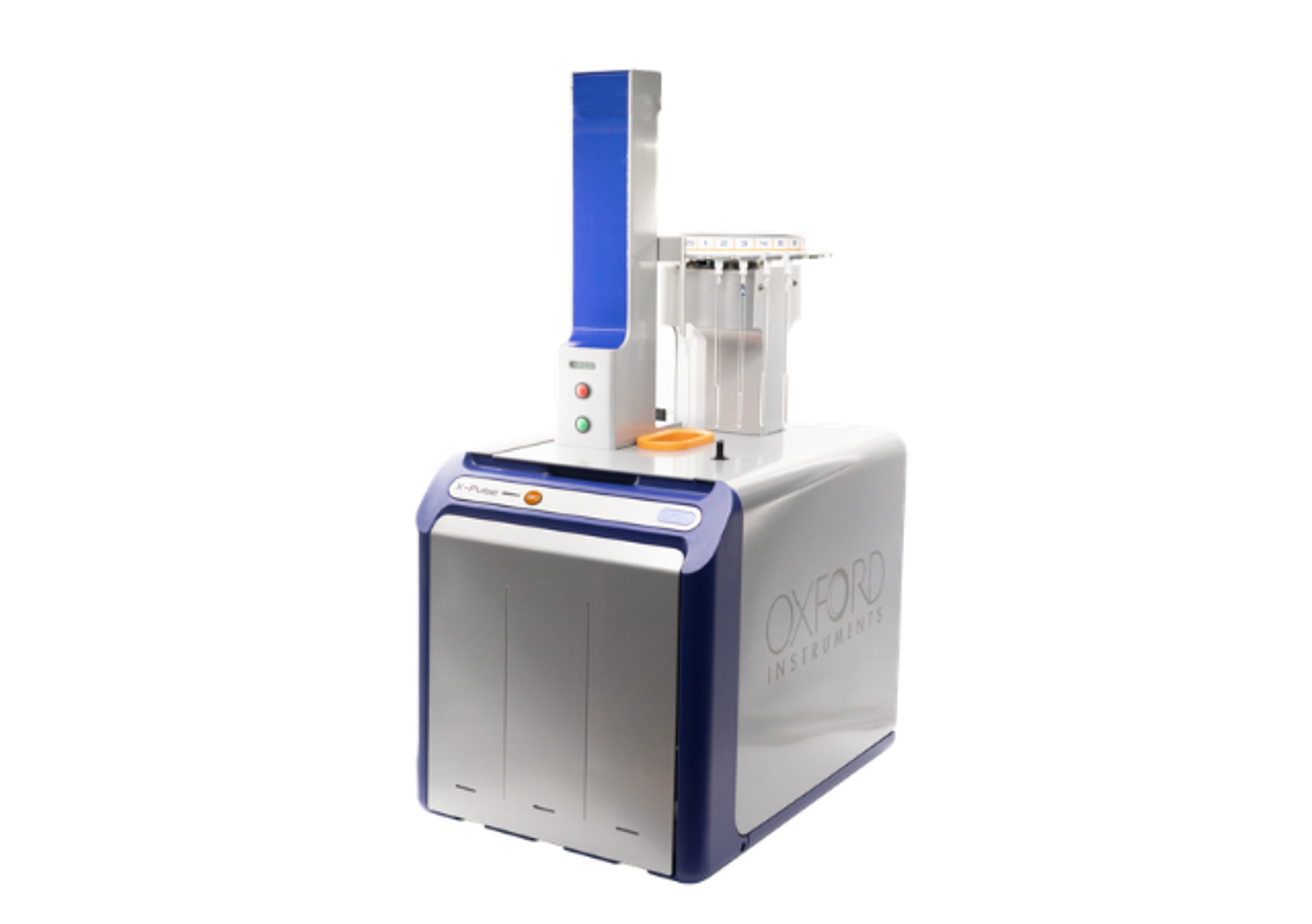
Sindie Online
Online Sulfur Analysis in Petroleum Fuels

The supplier does not provide quotations for this product through SelectScience. You can search for similar products in our Product Directory.
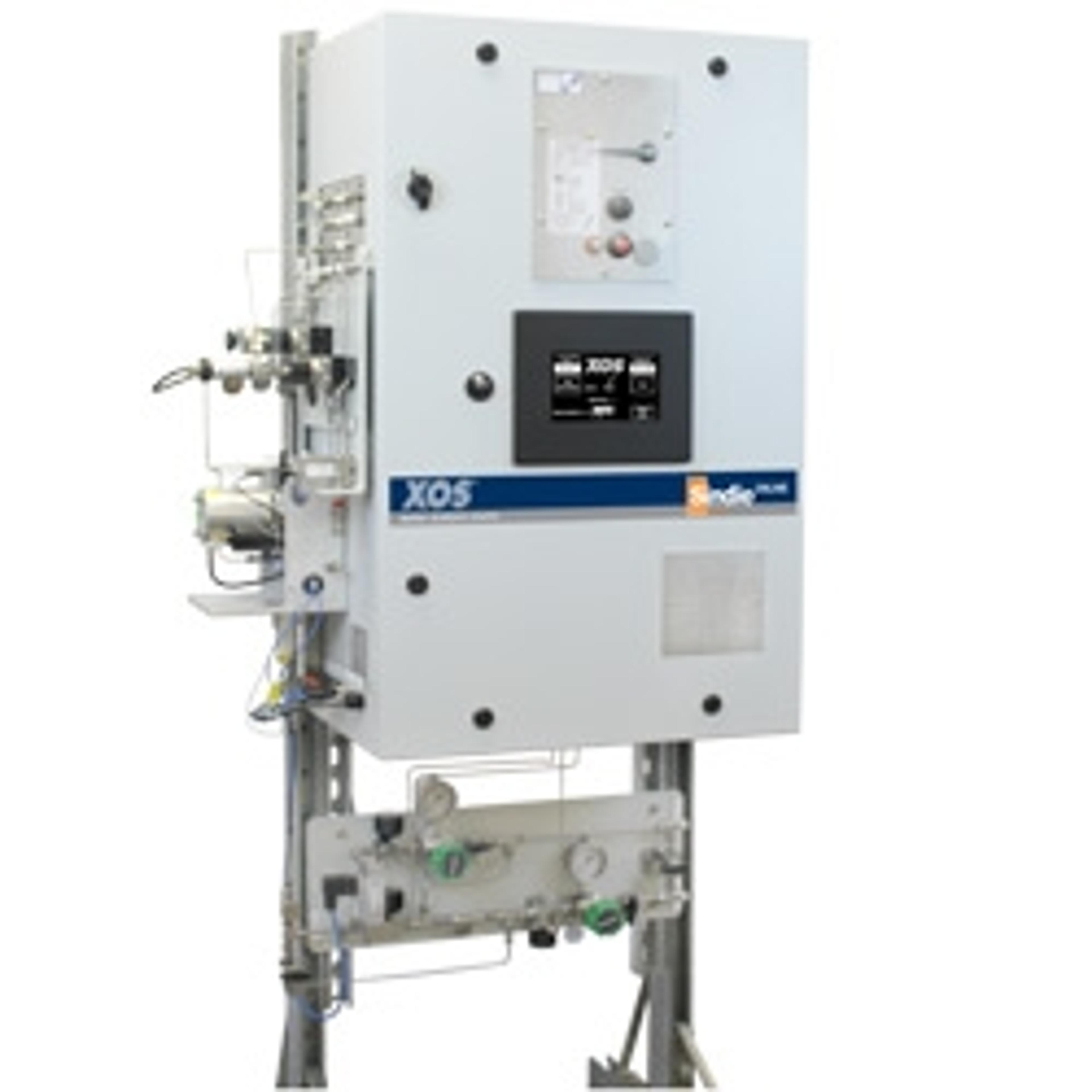
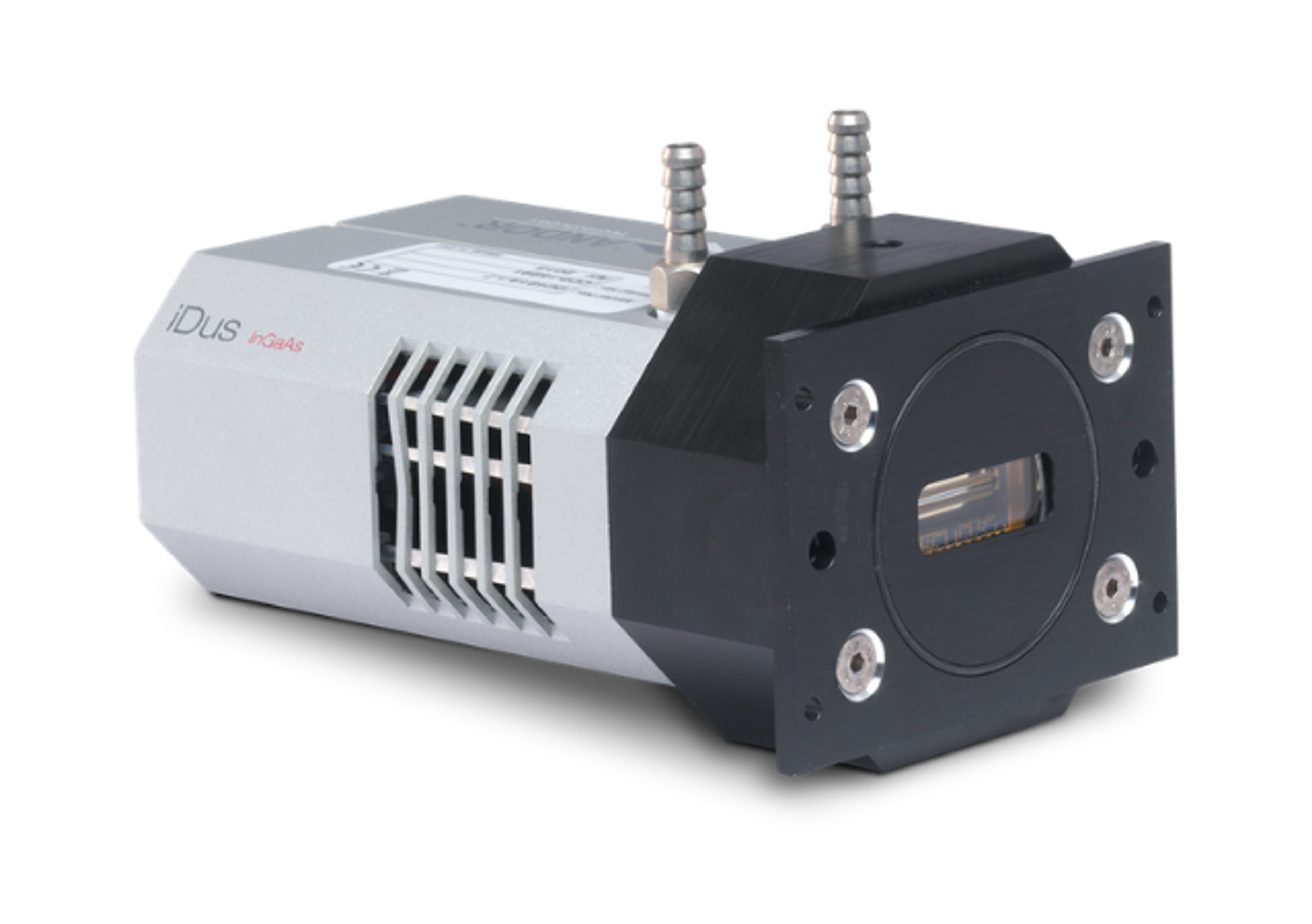
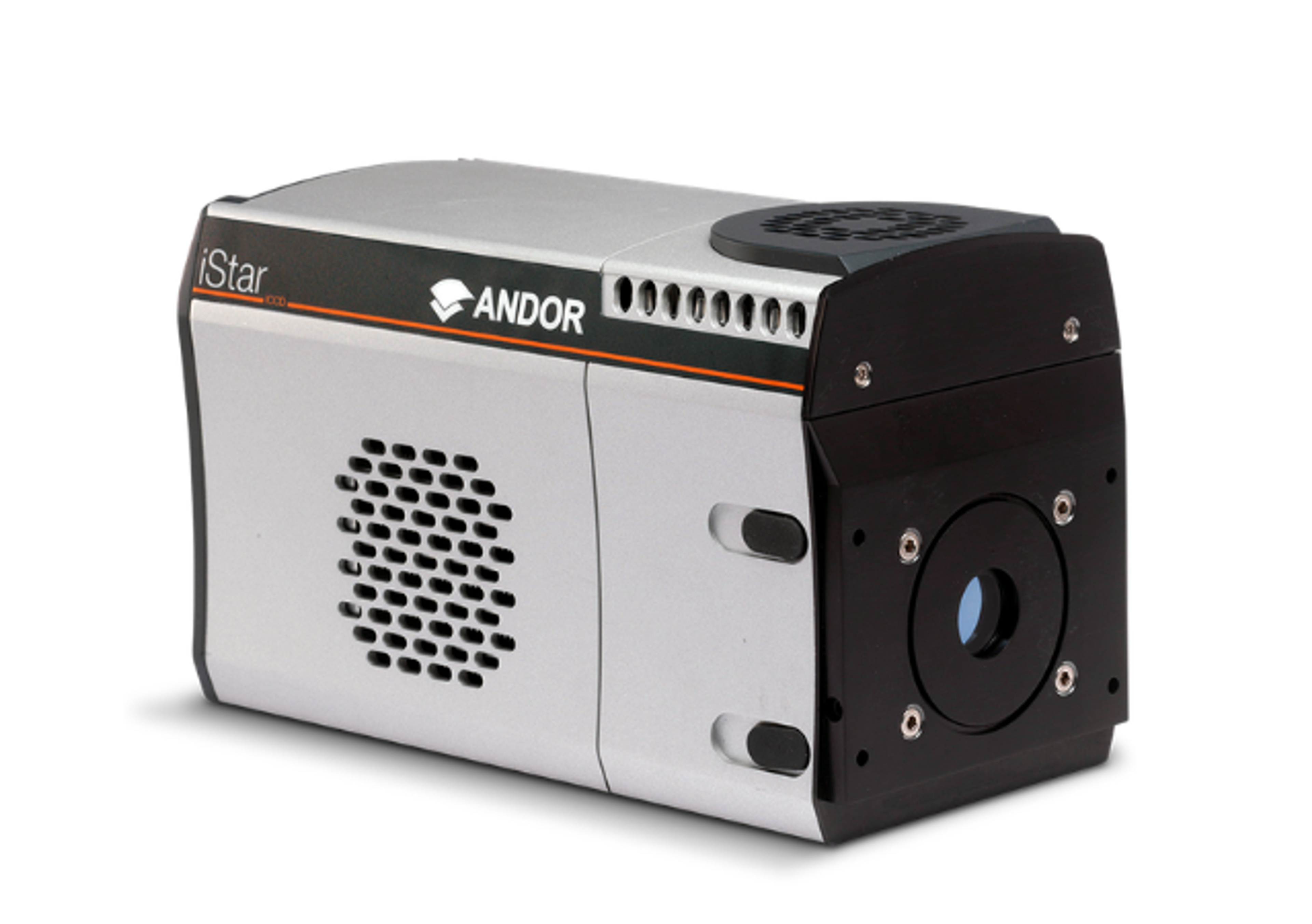
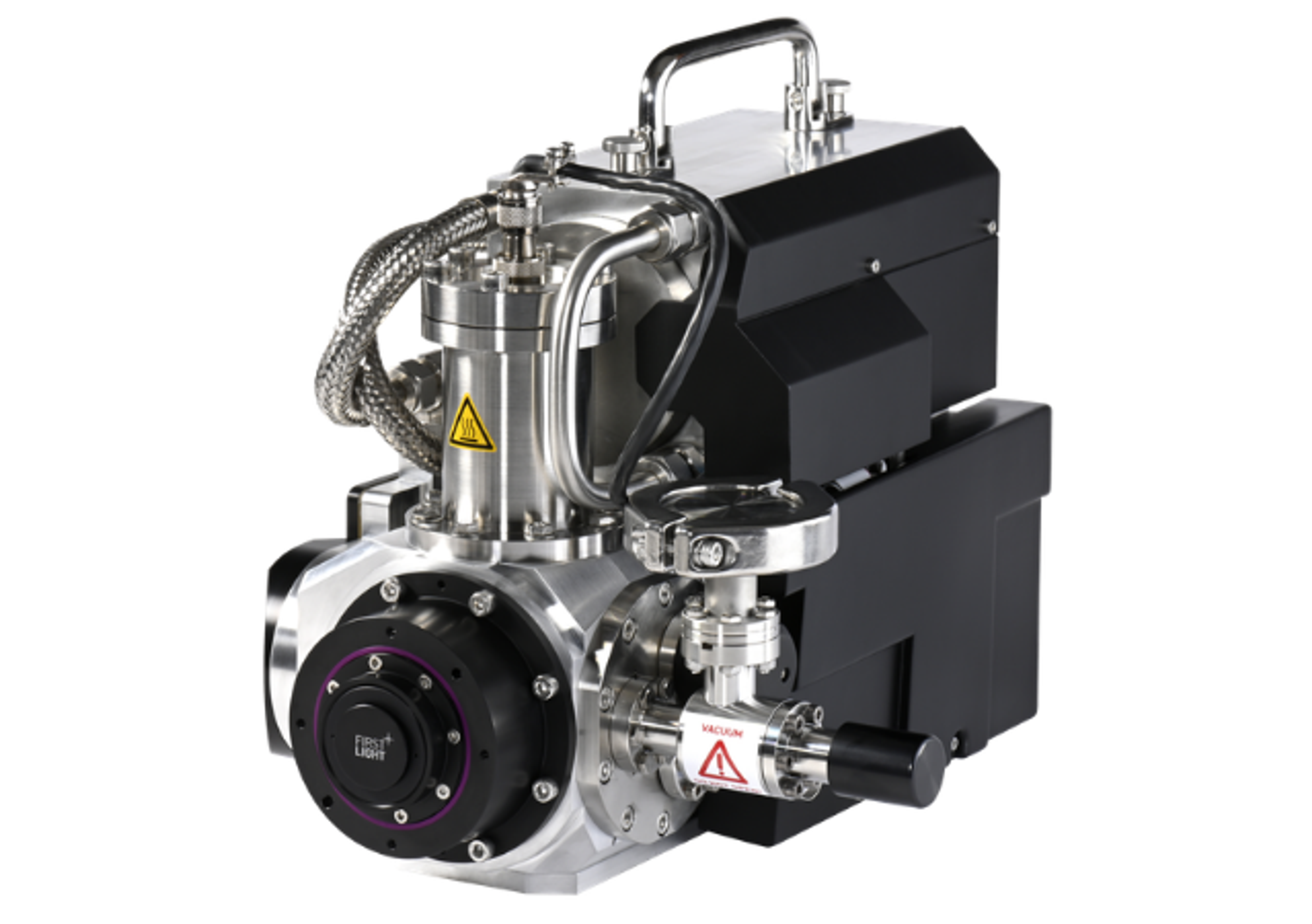
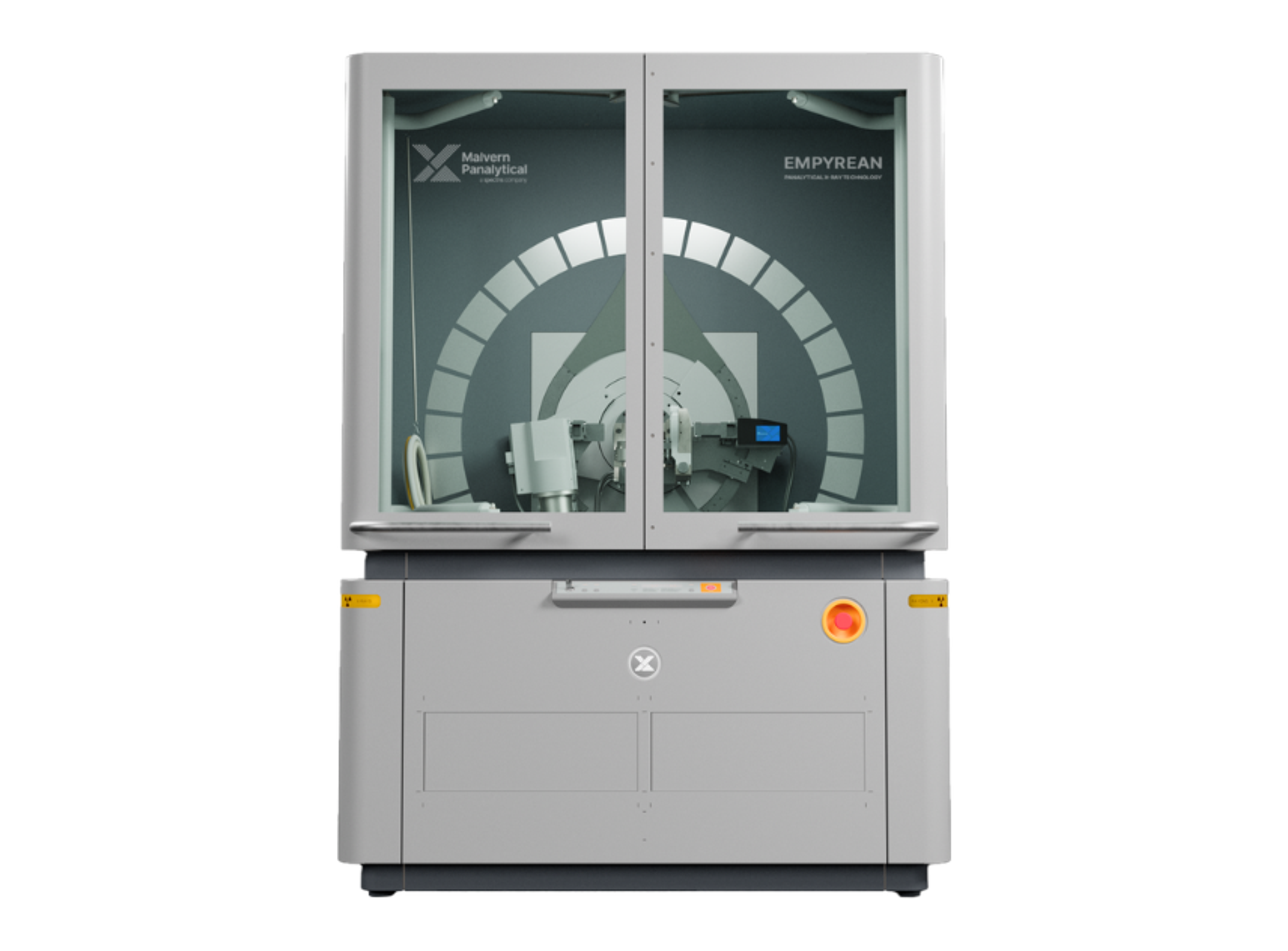
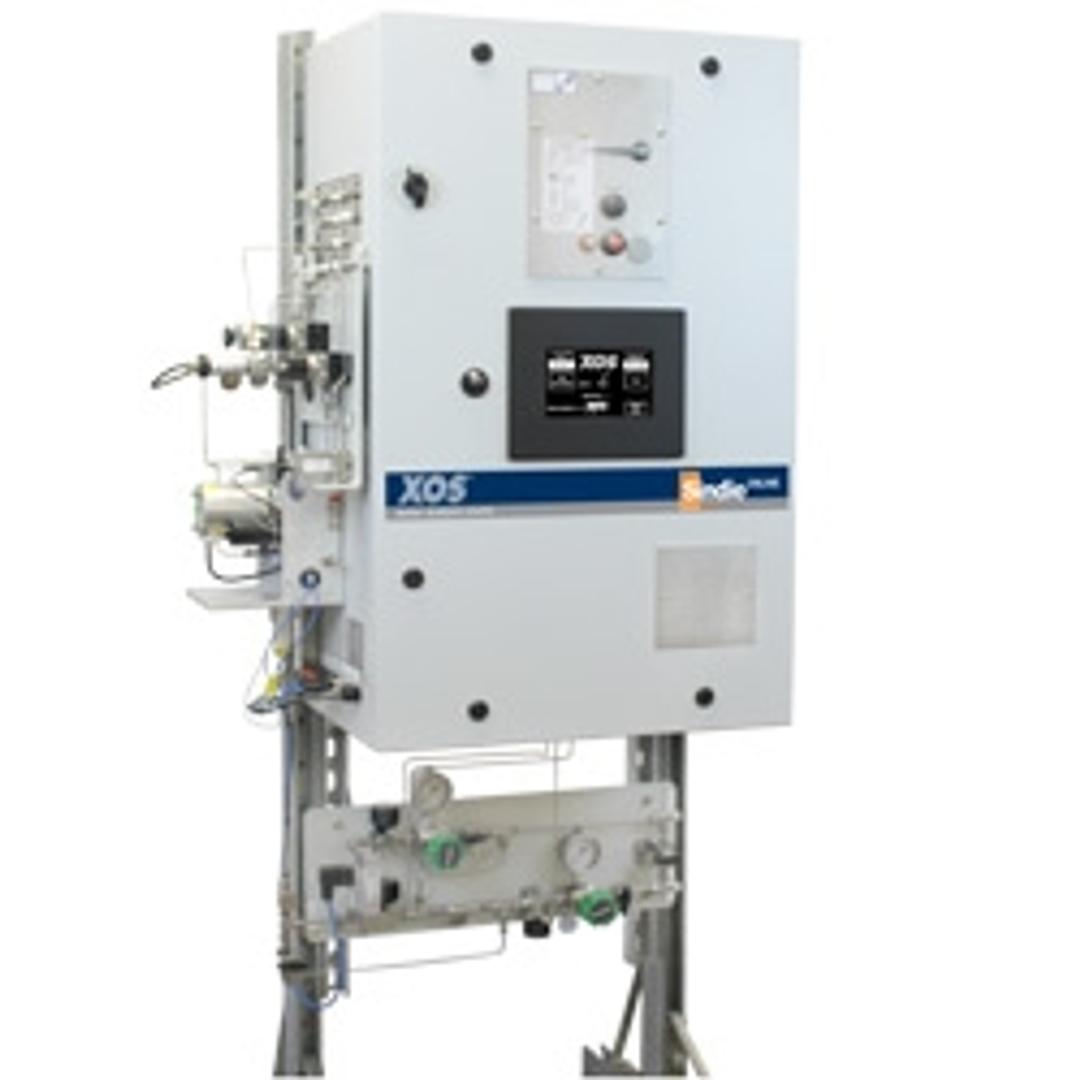
Sindie Online is an industrial-grade process analyzer delivering continuous sulfur detection to monitor fuel streams and help to prevent tank contamination. It has many advantages over competing technologies: Powered by MWDXRF, Sindie Online has an exceptional signal-to-noise ratio using monochromatic excitation of the X-ray source characteristic line – a technique that is faster, safer and cleaner than UVF.
Brochures

Certify Sulfur and Monitor Critical Elements at Sub-ppm Levels
Benchtop, Process and Portable Analysis Solutions
Rapid and accurate analysis of sulphur and chlorine in biofuels by XRF
In this study, XOS demonstrates the use of Sindie +Cl to test sulfur and chlorine in eight real-world samples, including both first- and second-generation biofuels as well as the traditional biofuels they are typically blended with. They also apply correction factors to mitigate biased results. Sindie +Cl was used in this study due to its convenient ability to measure total sulfur and chlorine concurrently.
Sindie Online enables cost savings in biorefinery by optimising production with real-time results
The most important characteristics of a valuable analyzer are reliable performance, a high degree of uptime, superior stability, and satisfactory reproducibility, especially in the range of ≤10 ppm for sulfur. Delivering superior precision at the control target is critical to sulfur measurements—even more, valuable than the lowest possible detection limit. Powered by MWDXRF, Sindie Online is designed to deliver the precision, hassle-free operation, and flexibility to meet the application needs of the industry’s dynamic landscape.
Effective Online Sulfur Analysis in Petroleum Process Streams
Sindie® Online is an industrial grade process sulfur analyzer with breakthrough detection capability to monitor ultra low sulfur in petroleum or aqueous process streams. This process analyzer presents the ultimate solution for refineries and pipeline terminals where measurements speed and reliability are essential. Powered by MWDXRF®, Sindie Online uses ASTM D7039 technology and delivers real-time, continuous analysis of total sulfur from 0.5 ppmw up to 3000 ppmw. This process analyzer is ATEX and NEC certified for hazardous area locations.
Ultra Low Sulfur Analysis in Petroleum Process Streams Using MWDXRF
Tougher regulations are challenging refiners to produce higher quality products while trying to maximize efficiency. In the last decade, national regulators in places like the US, Europe, China, and India have implemented or plan to implement requirements for total sulfur in gasoline and diesel levels as low as 10 ppm. Increased hydrotreating and modifying crude slate are some of the levers that can be pulled to help lower sulfur levels in finished products. Hydrotreating catalyst life depends on the feed and operation of the unit. Increased monitoring will be critical in meeting these requirements and maximizing efficiency. Wavelength Dispersive X-ray Fluorescence (WDXRF) has proven to be a fast, easy, and precise method to measure sulfur in hydrocarbon streams. In order to meet these lower sulfur levels, refineries must invest in new or upgraded equipment, modify operations or a combination of both. Regardless, it will increase the cost of producing diesel and gasoline.
Transmix Reduction with Rapid Sulfur Monitoring
Many different types and grades of petroleum products travel through pipelines in batches. Some mixing occurs at the interface between batches which results in transmix generation and product downgrading. Transmix is the portion of the pipeline flow that is diverted to a separate tank to avoid contamination between two dissimilar product batches. Transmix generates millions of dollars in costs to shippers and pipeline operators. These costs occur because the transmix must be stored, transported, and reprocessed to decontaminate and separate the mixed products. Product downgrade or regrade happens when a portion of higher value, but mixable product, is diverted to a tank that holds a batch of lower value product, such as premium gasoline being diverted to a regular gasoline tank. The higher value product batch is protected from contamination, but a portion is downgraded to the lower value product, resulting in a loss of value equal to the difference in price between the two products.