Sartorius Pipettes and Tips
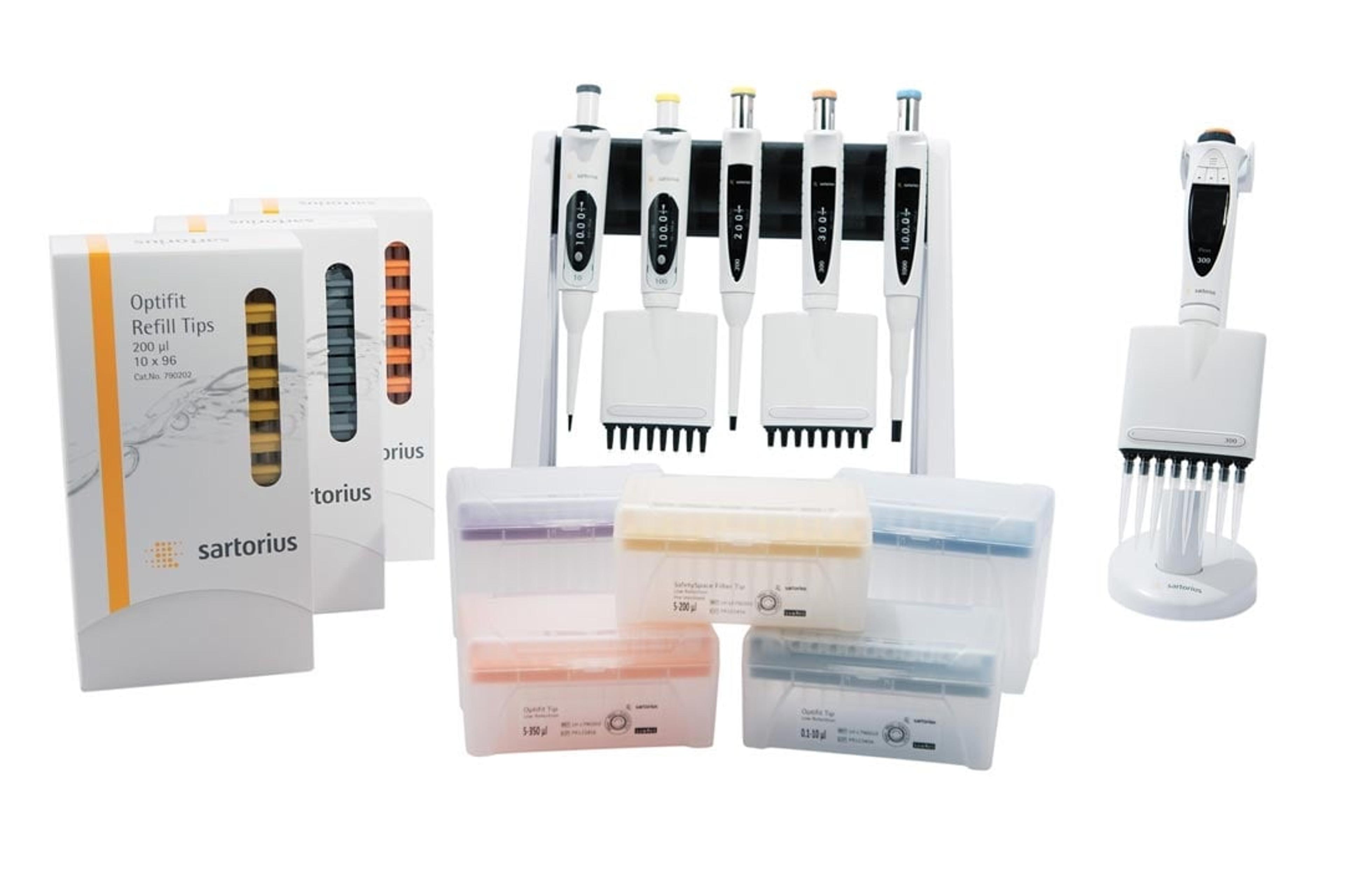
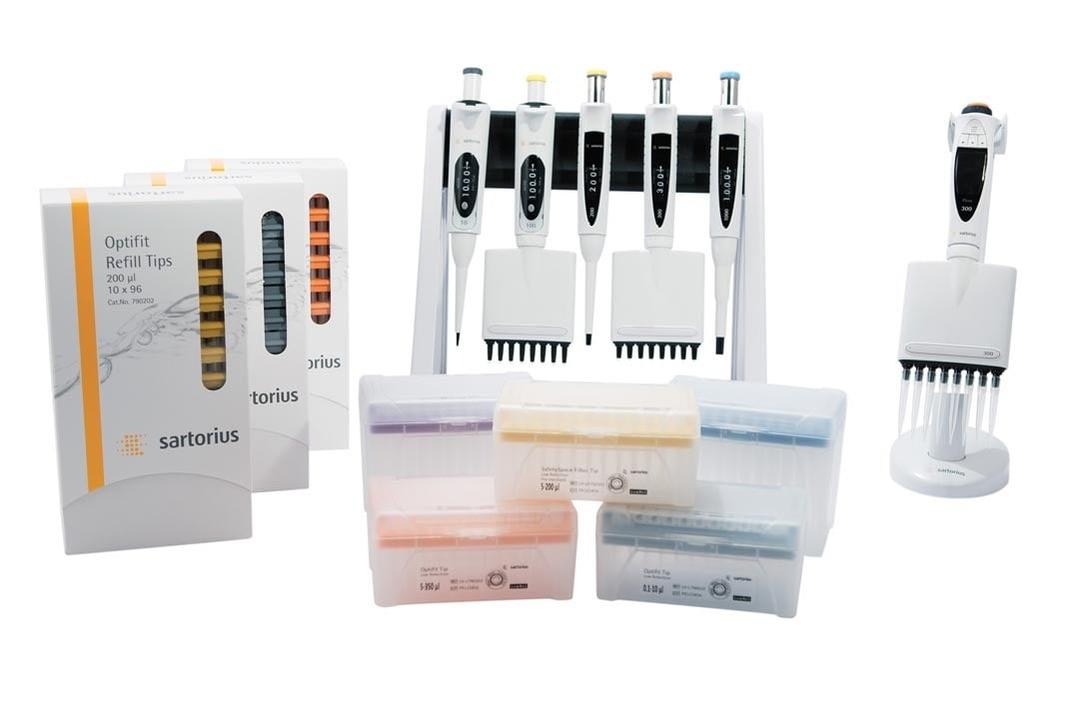
Sartorius pipettes, both mechanical and electronic, are appreciated the world over for their user friendliness and accuracy, as well as their attractive, yet practical, design. They are used across the globe in research institutes, universities, healthcare and industrial laboratories. Why Choose a Sartorius Pipette? Ergonomic pipettes reduce the risk of repetitive strain injury (RSI) High accuracy and precision ensure rel…


The supplier does not provide quotations for this product through SelectScience. You can search for similar products in our Product Directory.
Every lab must have!
Laboratory
Sartorius micropipettes are great addition to our core facility. They work great, truly Ergonomic. We have to do extensive manual pipetting into 96 well assay plates, and it's a great tool. No stress on fingers!
Review Date: 23 Apr 2025 | Sartorius Group
Sartorius pipettes, both mechanical and electronic, are appreciated the world over for their user friendliness and accuracy, as well as their attractive, yet practical, design.
They are used across the globe in research institutes, universities, healthcare and industrial laboratories. Why Choose a Sartorius Pipette?
Ergonomic pipettes reduce the risk of repetitive strain injury (RSI)
High accuracy and precision ensure reliable pipetting results
Their award-winning design combines top-class functionality and ergonomics along with a sleek, appealing look
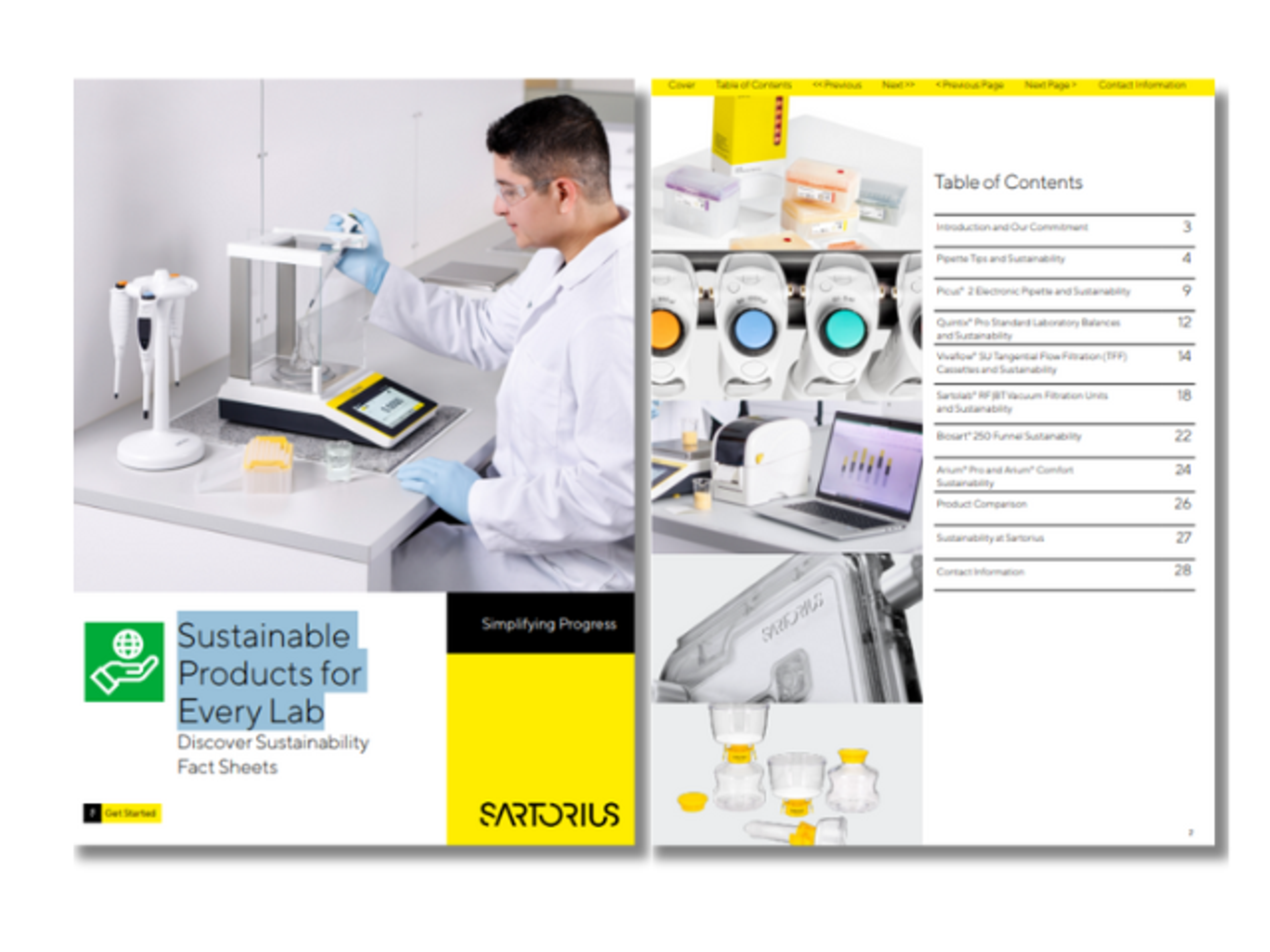
Sustainable products for every lab: Fact sheets
Explore how Sartorius is driving sustainability in the lab with this comprehensive collection of fact sheets. From pipette tips and electronic pipettes to filtration units and water purification systems, each product is designed with life cycle thinking to minimize environmental impact. Learn about innovations in eco-friendly manufacturing, packaging, energy use, and recyclability across Sartorius’s Lab Essentials portfolio. Whether you're aiming to reduce plastic waste, lower CO₂ emissions, or improve energy efficiency, this resource offers actionable insights to help make your lab greener.

The new ISO 8655:2022 “Piston-operated volumetric apparatus”
In this application note from Sartorius, explore the frequently asked questions (FAQs) for the new ISO 8655:2022 “Piston-Operated Volumetric Apparatus”. The questions cover various aspects, including testing methods, alternative measurement standards, reference measurement procedures, pipette calibration, and more.
Pipette check to standard DIN
In this application note, Sartorius provides information on how to ensure pipettes meet the required ISO certification. According to Standard DIN EN ISO 8655-2 volumetric measuring instruments such as piston pipettes must be checked at regular intervals, and at least once per year. Shorter time intervals may be specified by the users depending upon the frequency of use, number of users, aggressive nature of the pipetted liquids and the acceptable maximum permissible errors established by the user.
Pipette calibration resource guide
In this application note, Sartorius introduces a solution for effectively performing, managing, and maintaining ISO-compliant pipette calibrations. The focus is on enhancing data integrity, lab efficiency, and compliance through the use of data and fleet management software. The note emphasizes the challenges labs face in tracking tools and equipment, especially when shared among multiple groups, leading to increased paperwork and data management. Sartorius addresses these challenges with the Ingenix Suite, offering a central digital database for the storage of compliance and calibration data, with the newly introduced Ingenix Suite Advanced Pipette Calibration Module providing additional functionality to the Fleet Manager platform.
Pipette calibration solutions
In this application note, Sartorius presents Cubis® MPS, a specialized system tailored for the calibration of single-channel pipettes. Designed for customers who prioritize fast stabilization times and ergonomic handling, Cubis MPS offers automatic operation features. This includes a touch-free automatic draft shield equipped with motion sensor technology. This innovation allows for error-free and ergonomic workflows by recognizing user proximity and automatically adjusting the shield accordingly, ensuring optimal calibration processes.
ISO 8655:2022 and the pipette-tip system
In this infographic, Sartorius outlines key details from ISO 8655:2022, which updates requirements for producing and controlling piston-operated volumetric apparatus (POVA), specifically focusing on part 2: pipettes. The note highlights that ISO 8655:2022 treats a pipette and its tip as a unified system, necessitating comprehensive testing of each pipette-tip combination to ensure compliance with the standard's specifications.
Gravimetric calibration and testing of piston-operated volumetric apparatus (POVA) according to part 6 and 7 of the ISO 8655:2022
Reliable and reproducible liquid handling results depend crucially on the regular test and calibration of the instruments. The globally most accepted International Standardization Organization (ISO) standard that details requirements for producing and in-use control of piston-operated volumetric apparatus (POVA) is the ISO 8655. In this whitepaper, Sartorius discusses the requirements for gravimetric calibration and testing of piston-operated volumetric apparatus (POVA) according to part 6 and part 7 of the ISO 8655 revised in 2022. The paper presents the differences between calibration and testing according to chapters 6 and 7, and describes the testing method as well as the testing environment, testing equipment, and reporting requirements.
The new ISO 8655:2022
In this application note, Sartorius discusses the new ISO 8655:2022, outlining its provisions for the production and in-use control of piston-operated volumetric apparatus (POVA). The standard encompasses various aspects, including testing methods, environmental conditions, equipment requirements, reporting guidelines, measurement uncertainty criteria, and general operational requirements for pipettes, burettes, dilutors, dispensers, and manually operated precision laboratory syringes.
Pipette cleaning: Your pipette and samples are precious
In this poster, Sartorius highlights the importance of cleaning your pipette for sample integrity as well as providing a step-by-step guide on how to clean your pipette.
Pipette Essentials - Make Your Choice
How do you find the perfect pipette? There are several simple checks you can make on an electronic or pipette’s features to ensure it matches your performance expectations, whether it be in terms of reliability and accuracy, ease-of-use, ergonomics or other criteria. This simple guide should help ensure you make the best choice for your lab’s needs.

TechTalk: How to improve lab efficiency and sustainability with Picus® 2 pipettes and consumables
Friday, July 17 at 16:30 BST | 17:30 CEST | 11:30 EDT | 08:30 PDT
Join this TechTalk to discover how the Sartorius Picus® 2 electronic pipette and its connected ecosystem can improve laboratory efficiency, ergonomics, and traceability. Learn about advanced pipetting features, Bluetooth connectivity, workflow management, and reporting capabilities.
The session will also highlight Sartorius' latest sustainable innovation, the Light Pack pipette tip box, which reduces plastic usage and waste volume and has earned ACT EcoLabel certification. In addition, you will hear about the Safetyspace tip system and its benefits for laboratory workflows.
This TechTalk will be presented by Pia Ojala, Product Manager for Pipette Tips at Sartorius, and Patrik Salminen, Product Manager for Pipettes at Sartorius. Drawing on their combined expertise in liquid handling, product management, laboratory applications, customer support, and product innovation, they will share practical insights into improving pipetting performance, user comfort, data integrity, and sustainability in everyday laboratory work.
Certificate of attendance
If you attend the live TechTalk, you will automatically receive a certificate of attendance, including a learning outcomes summary, for continuing education purposes. If you view the on-demand TechTalk, you can request a certificate of attendance by emailing editor@selectscience.net.
TechTalk details
- Cost: Free to attend
- Location: Online
- Duration: 20 minutes
Registration is required to secure your place. If you register but can’t attend live, you will receive a link to the on-demand recording once it becomes available.
How to Accurately Calibrate Your Pipette
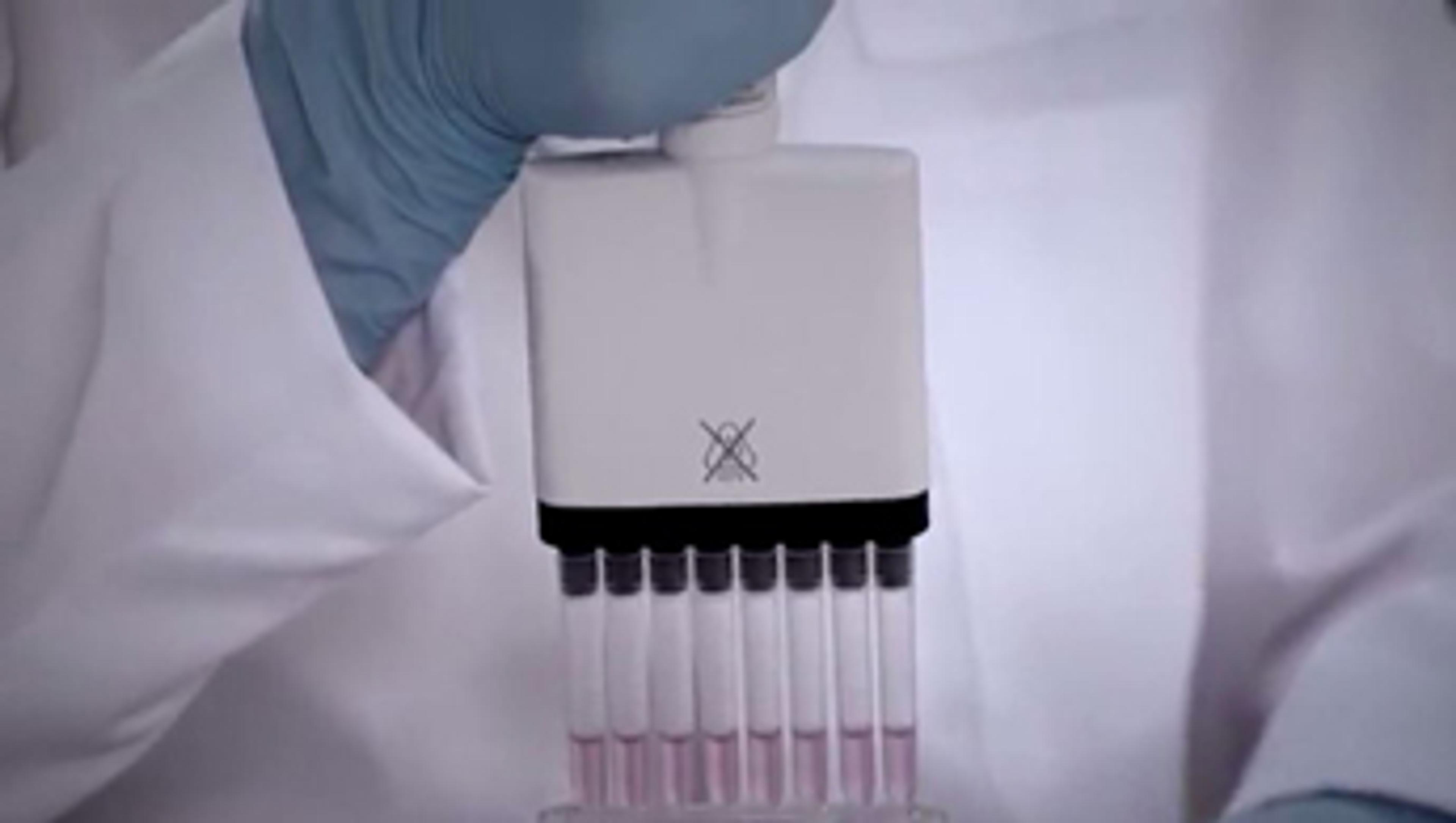
In this video from Sartorius, learn how to accurately calibrate your pipette to improve the precision of your work.
How to Improve Your Pipetting Ergonomics
Learn how to improve your pipetting ergonomics and prevent strain with these recommendations from Sartorius.

Upcoming life science webinars to ease life in the lab
Discover the latest tools and techniques to expand your life sciences research capacity with expert-led presentations on oligonucleotide analysis, AI utilization in cancer research, effective air monitoring for disease surveillance, and more

Artel to Hold Popular Pipetting Challenge at 2015 AACC Clinical Lab Expo!
Participants will vie to earn medals by testing their skills using pipettes from four leading manufacturers