Saphyr® System
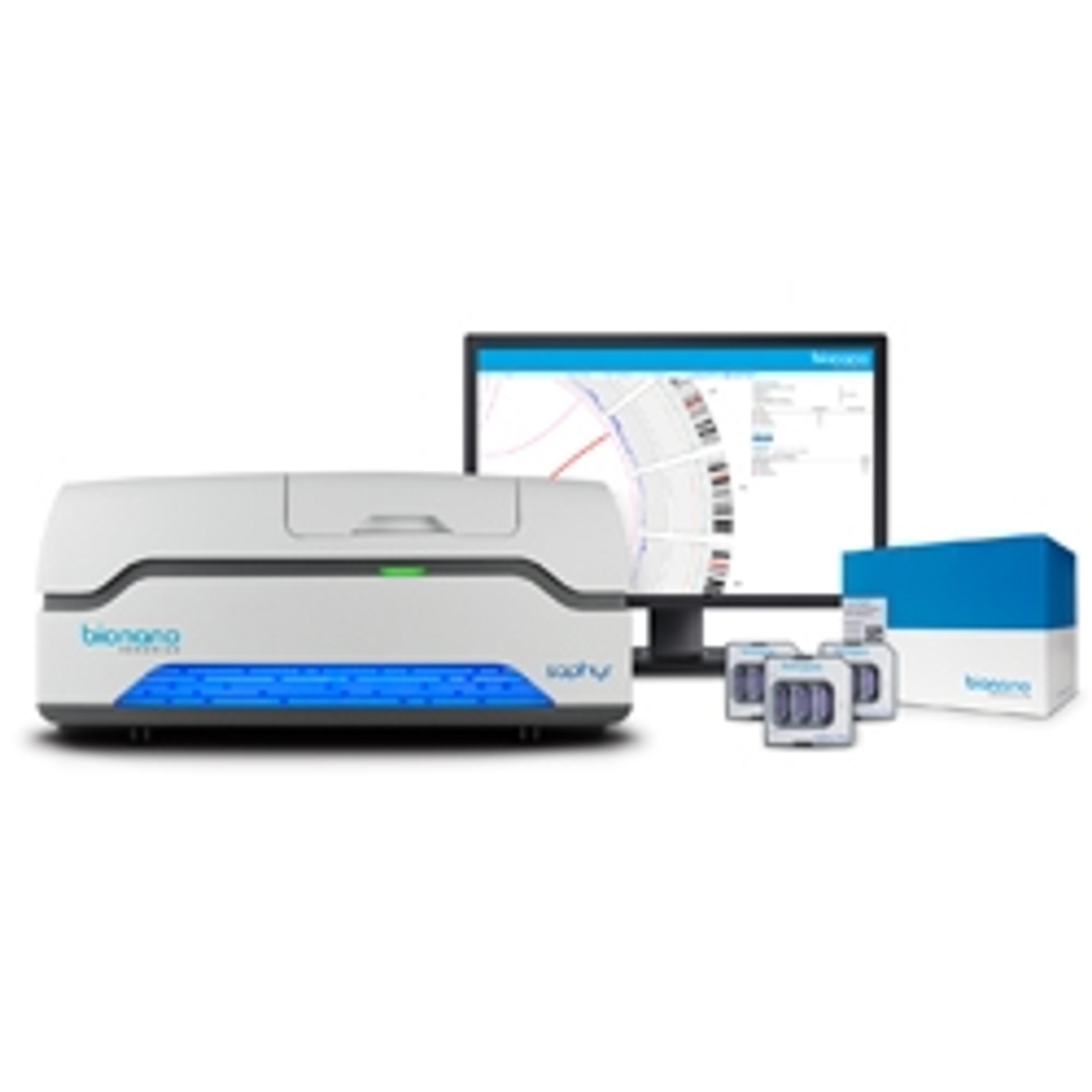
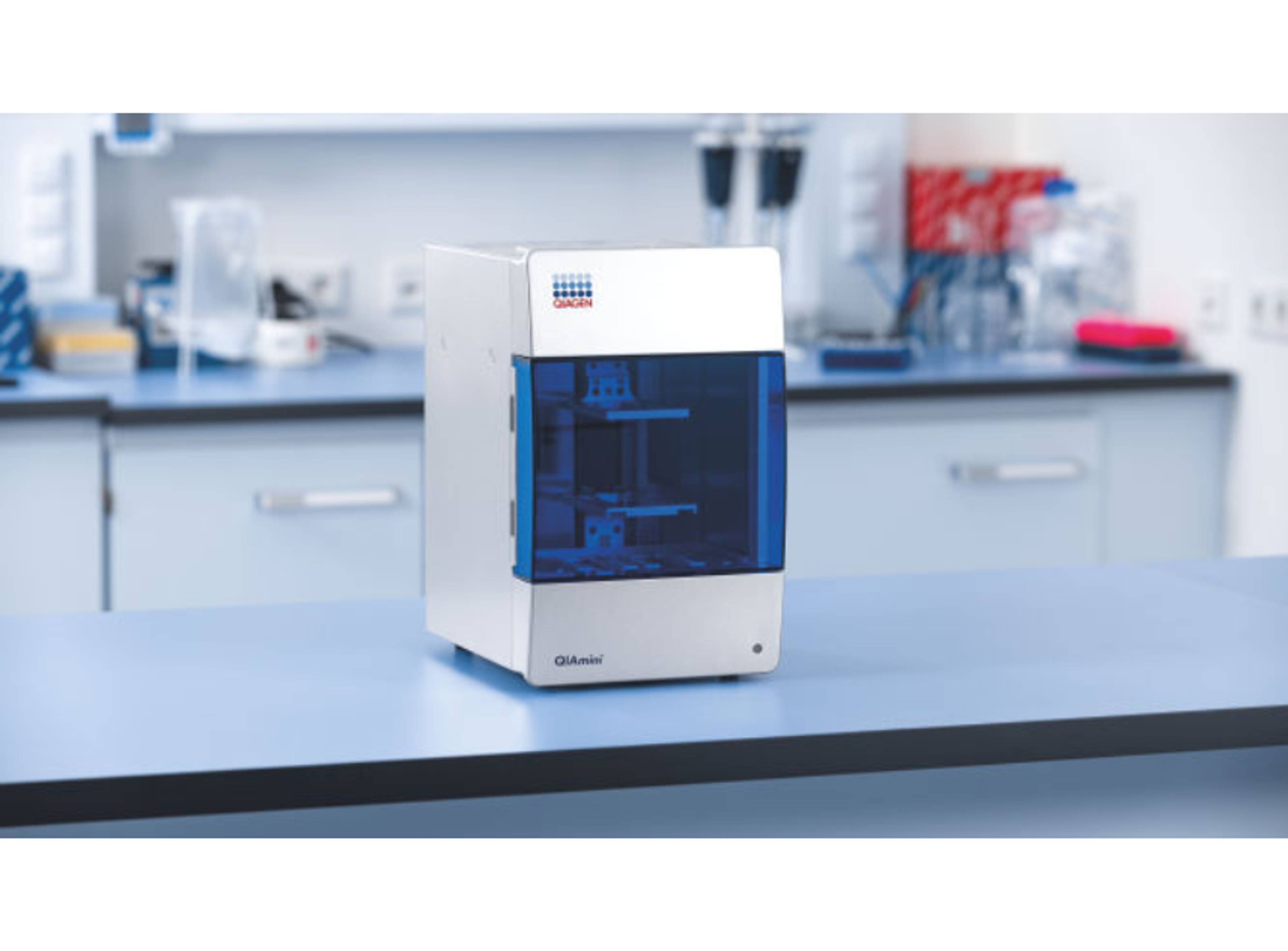
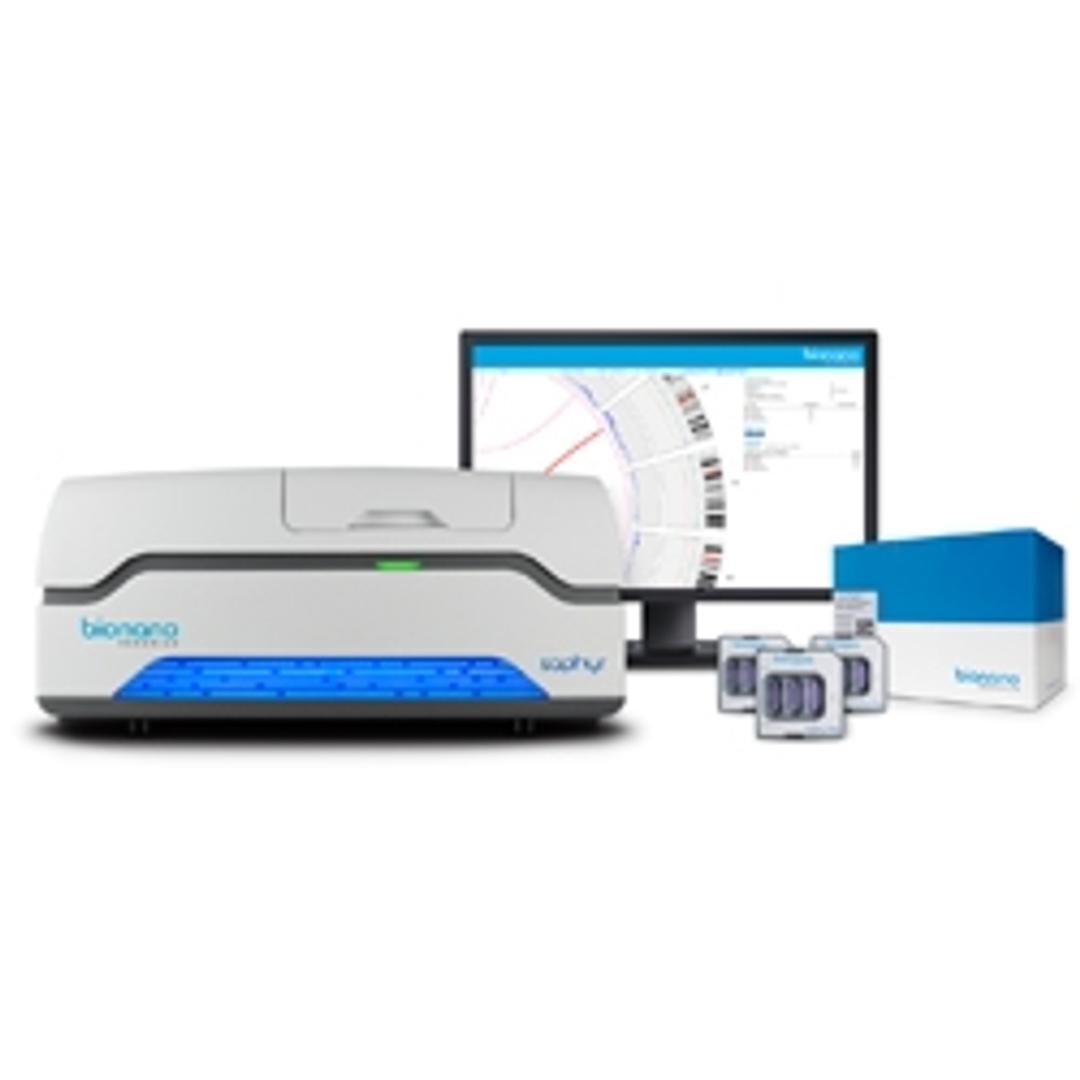
Saphyr, Bionano’s high-speed, high-throughput genome mapping solution, detects and analyzes genome-wide structural variations with exceptional sensitivity and specificity to reveal the true structure of any genome. Saphyr’s breakthrough speed and throughput combined with unmatched structural variation sensitivity make it the ideal solution for identifying disease-associated structural variants in human genetics and oncology tr…




The supplier does not provide quotations for this product through SelectScience. You can search for similar products in our Product Directory.
Bionano Saphyr OGM is a promising technology!
Cytogenomics
Bionano Genomics Saphyr is an instrument of cytogenomics that is responsible for Optical Genome Mapping, a promising technique that can revolutionize the field with new data and new knowledge about the etiology of rare diseases, it has showed 100% concordance with SoC techniques and is very easy to use. You don't need a bioinformatician to analyze data. Bionano's support is excellent and they really care about the customer, helping and teaching everything is needed. The price of OGM is still a little high, but is the same with all emerging techniques.
Review Date: 3 Feb 2023 | Bionano Genomics
OGM is powerful in the cytogenetics field , Saphyr is a must buy instrument !
Optical gnome mapping, a high resolution instrument for Cytogenomics study
The instrument is for optical genome mapping. A new technology in the field of Cytogenomics field with a wide function which other methods can be available all. This technology can detected balanced and unbalanced structural abnormalities, copy number change , it has a high resolution and can detect complex chromosomal rearrangements, and with the integration of exome or NGS sequencing , it can be find find the new disease genetic changes. The technology has only the advantages for its application and high resolution over other current technologies such as chromosome analysis , FISH, chromosomal microarray and also can be integrated with sequencing technology to compensate what sequence technique can not detect , such as large size copy number change, structural abnormalities. While, Saphyr is the instrument for this test. The instrument is easy to use, cost effective and a good after service service and technical support. The disadvantage is that only three samples can be run in one 8 hours period running, and the number of cases to be tested is limited per day.
Review Date: 26 Jul 2022 | Bionano Genomics
This data is instrumental in the QC of our WG assemblies
Used to detect SVs, find potential assembly issues, as well as for scaffolding assemblies
We use the Saphyr for our own projects as well as within our service center. We are very pleased with the results we get from this instrument. The Saphyr and DLE is a big improvement over the previous instrument and chemistry. This data is instrumental in the QC of our whole genome assemblies as well as scaffolding the assemblies.
Review Date: 19 Dec 2019 | Bionano Genomics
Excellent instrument for optical genome mapping.
Analyze bacterial and mamalian DNA
Bionano is the innovative company producing optical genome mapping devices and providing tools for acquisition and analysis of the results. The instrument is easy to use and maintenance is simple. Optical mapping is an easy way to check for chromosome rearrangements and verify genome integrity. In general this device in not expensive and achieves high quality results.
Review Date: 12 Dec 2019 | Bionano Genomics
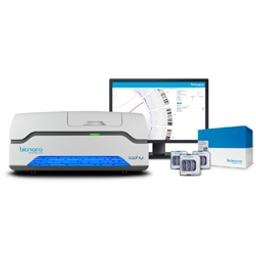
Saphyr, Bionano’s high-speed, high-throughput genome mapping solution, detects and analyzes genome-wide structural variations with exceptional sensitivity and specificity to reveal the true structure of any genome. Saphyr’s breakthrough speed and throughput combined with unmatched structural variation sensitivity make it the ideal solution for identifying disease-associated structural variants in human genetics and oncology translational and clinical research studies.
Saphyr enables Bionano's high-resolution optical genome mapping.
The instrument scans Bionano's proprietary NanoChannel arrays to image extremely long, single DNA molecules in their native state. This technology allows for unparalleled structural variation detection sensitivity, improved genome assembly contiguity up to 1000 times that of short-read sequencing alone and the accuracy to correct sequencing-based assembly errors.
Resolve structural variations missed by next-generation sequencing (NGS) and cytogenetic systems
Structural variations are responsible for many diseases and conditions, including cancers and developmental disorders. Saphyr detects structural variations and chromosomal abnormalities ranging from 500 bp to megabase pairs in length and offers assembly and discovery algorithms that far outperform sequencing-based technologies in sensitivity.
- 99% sensitivity for homozygous insertions/deletions larger than 500 base pairs
- 95% sensitivity for heterozygous insertions/deletions larger than 500 base pairs
- 95% sensitivity for balanced and unbalanced translocations larger than 50,000 base pairs
- 99% sensitivity for inversions larger than 30,000 base pairs
- 97% sensitivity for duplications larger than 30,000 base pairs
- 97% sensitivity for copy number variants larger than 500,000 base pairs
In mosaic samples or complex heterogeneous tumors, Saphyr can detect all above mentioned structural variant types with 90% sensitivity in as low as 5% allele fraction. Saphyr provides this performance typically with a false positive rate of less than 2%. Saphyr also measures repeat arrays and solves complex rearrangements.
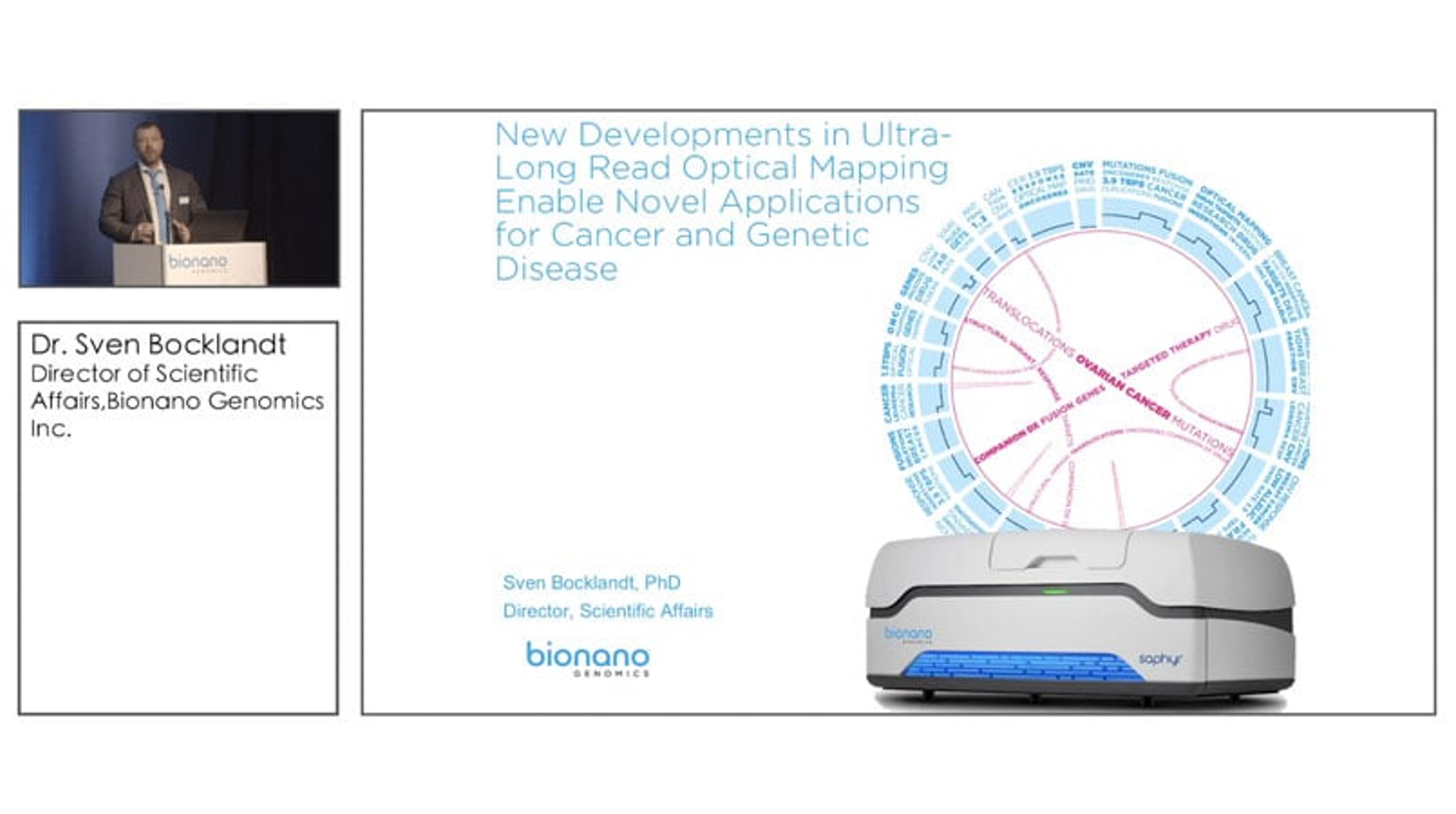
Novel Applications for Ultra-Long Read Optical Mapping in Cancer and Genetic Disease
In this video, Dr. Sven Bocklandt, Director of Scientific Affairs at Bionano Genomics Inc., discusses how the new genome-mapping workflow addresses the difficulty in identifying structural variation with clinical-grade sensitivity and precision. Here, Bocklandt focuses on how the workflow provides high-throughput, high-resolution imaging to detect structural variants directly from megabase-length DNA molecules. However, the workflow is also designed for building high-quality reference genomes and modernizing clinical cytogenetics.
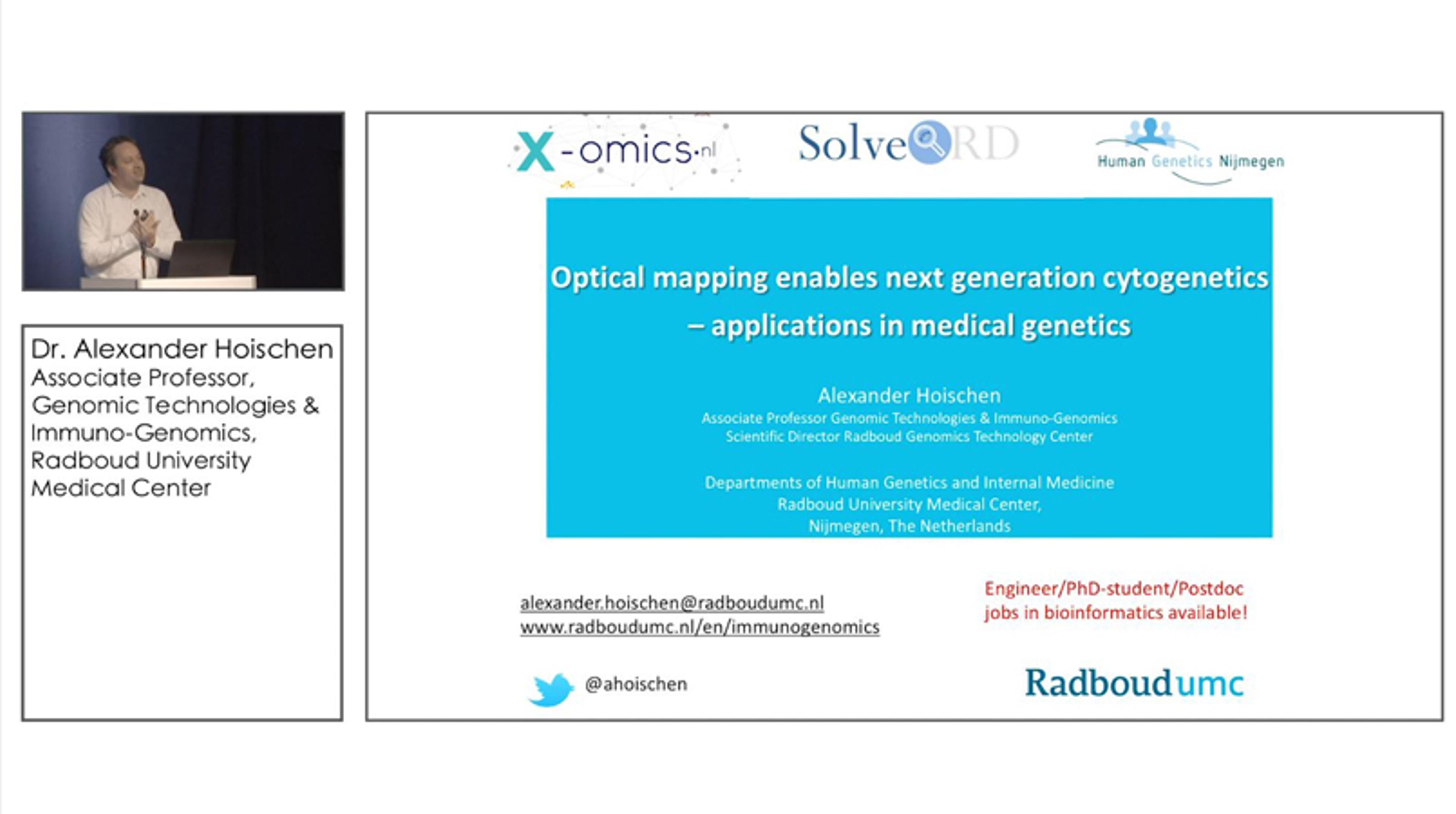
Enabling Next-Generation Cytogenetics with Optical Mapping - Applications in Medical Genetics
Structural variants (SVs) represent an important source of genetic variation in the human genome and are involved in a multitude of diseases, such as cancer and developmental disorders. In this presentation at the European Society of Human Genetics (ESHG) conference 2019, Dr. Alexander Hoischen, Associate Professor, Immuno-Genomics Radboud University Medical Center, discusses SV detection using optical mapping technology and the new Saphyr system from Bionano Genomics. Supported by data presented in this talk, Hoischen hypothesizes that optical mapping technology may largely replace classical cytogenetic tests in the future.
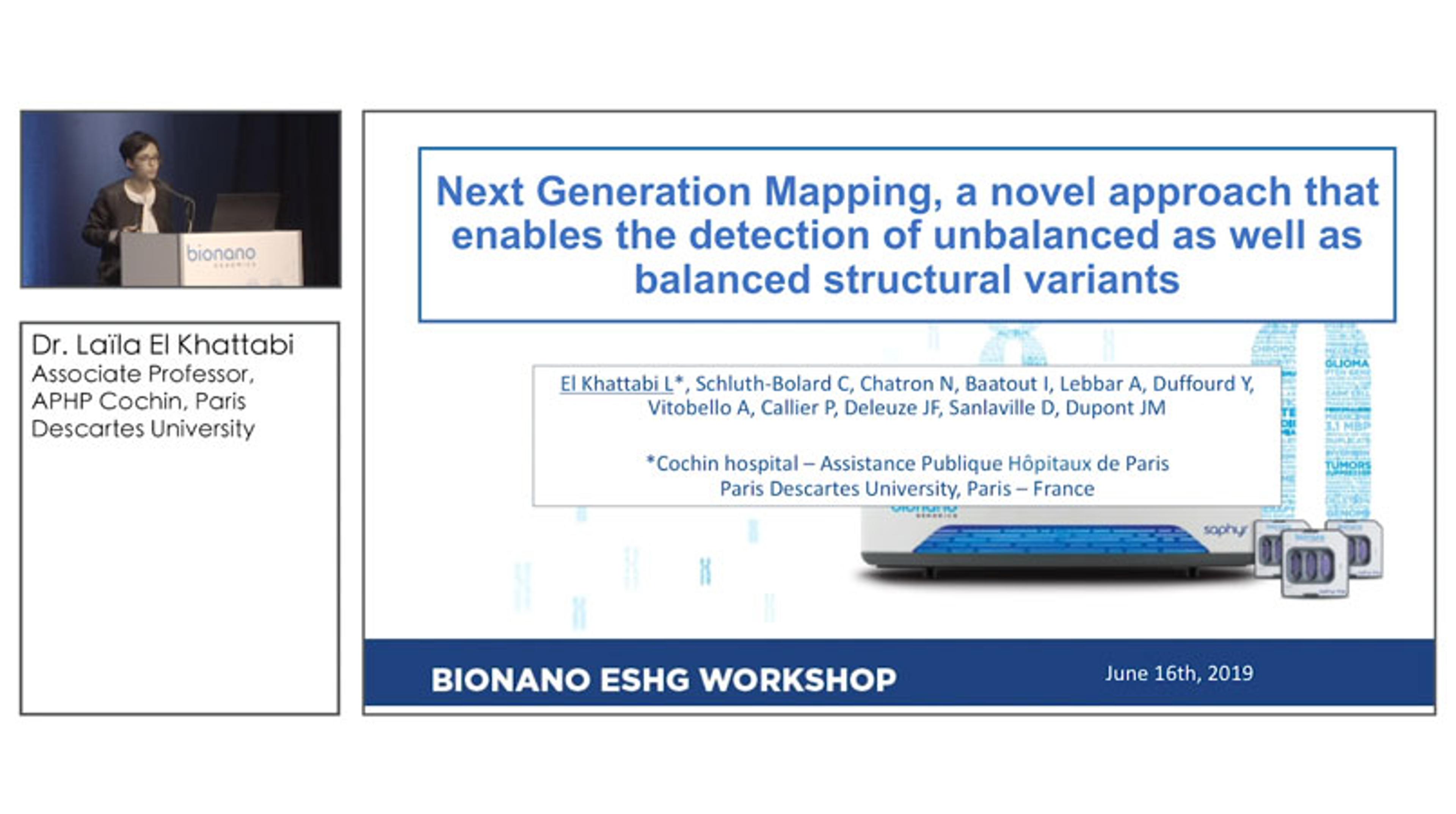
Next-Generation Mapping: Detecting Unbalanced and Balanced Structural Variants
In this video, Dr. Laïla El Khattabi, Associate Professor, APHP Cochin, Paris Descartes University, discusses the use of next-generation mapping using Bionano Genomic’s novel, non-sequencing-based technology and how this enables the identification of structural variants (SVs) within the human genome that can be missed by current massively parallel sequencing methods.
Through a study of 29 patients in a routine cytogenetic laboratory setting, the data presented here demonstrates the potential to improve the resolution of the pan-genome detection of different sorts of SVs in a simple, comprehensive test. This approach could have a significant clinical impact on SV-associated diseases, such as developmental disorders, as well as reproductive diseases and recurrent miscarriages.

International consortium expands COVID-19 susceptibility research with Bionano genome imaging
Saphyr’s extremely sensitive structural variation detection technology will be used to analyze samples from COVID patients from dozens of clinical sites throughout North America and Europe

Next-generation cytogenetics for clinical-grade sensitivity and precision
Discover the latest technology for the identification of structural variants (SVs) within the human genome