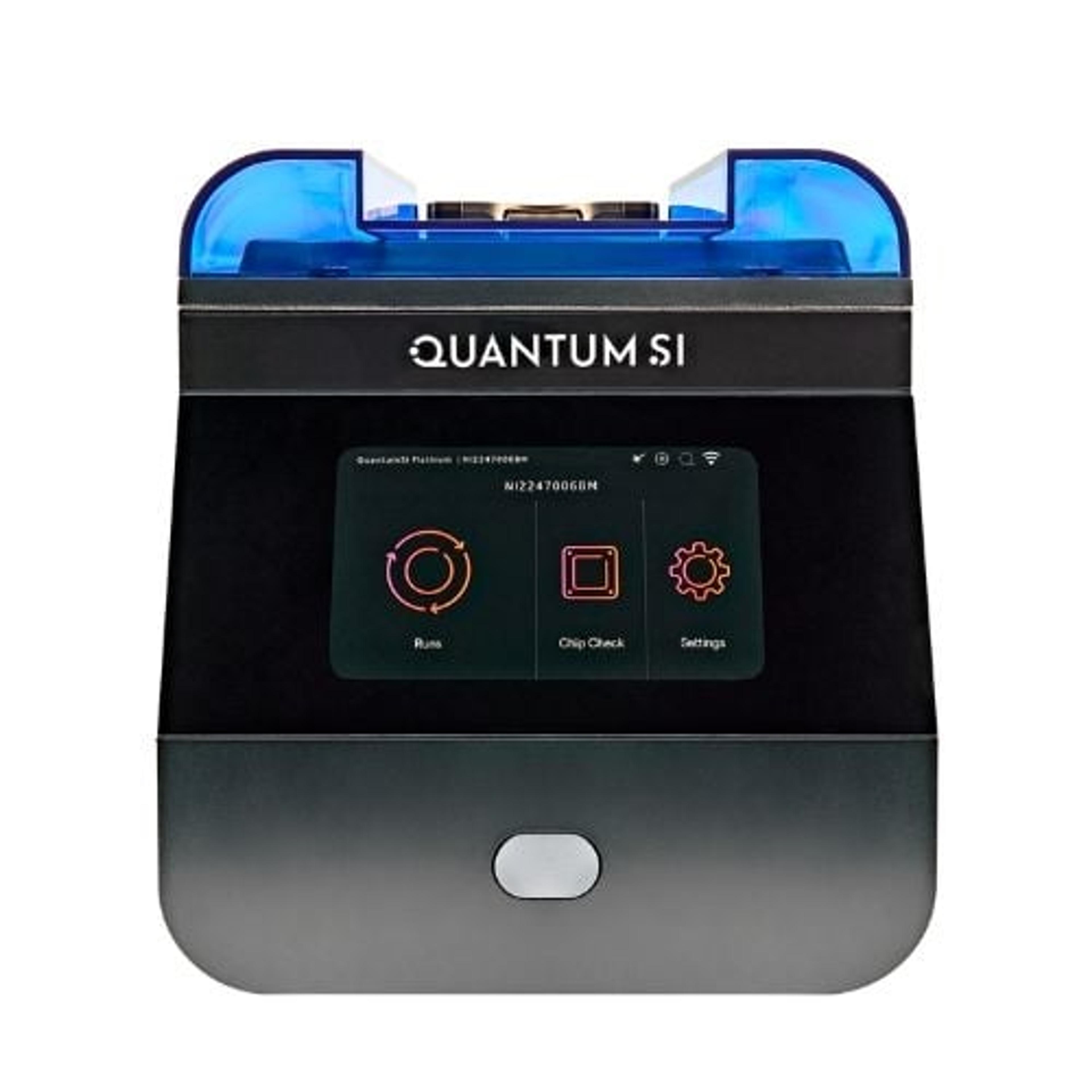
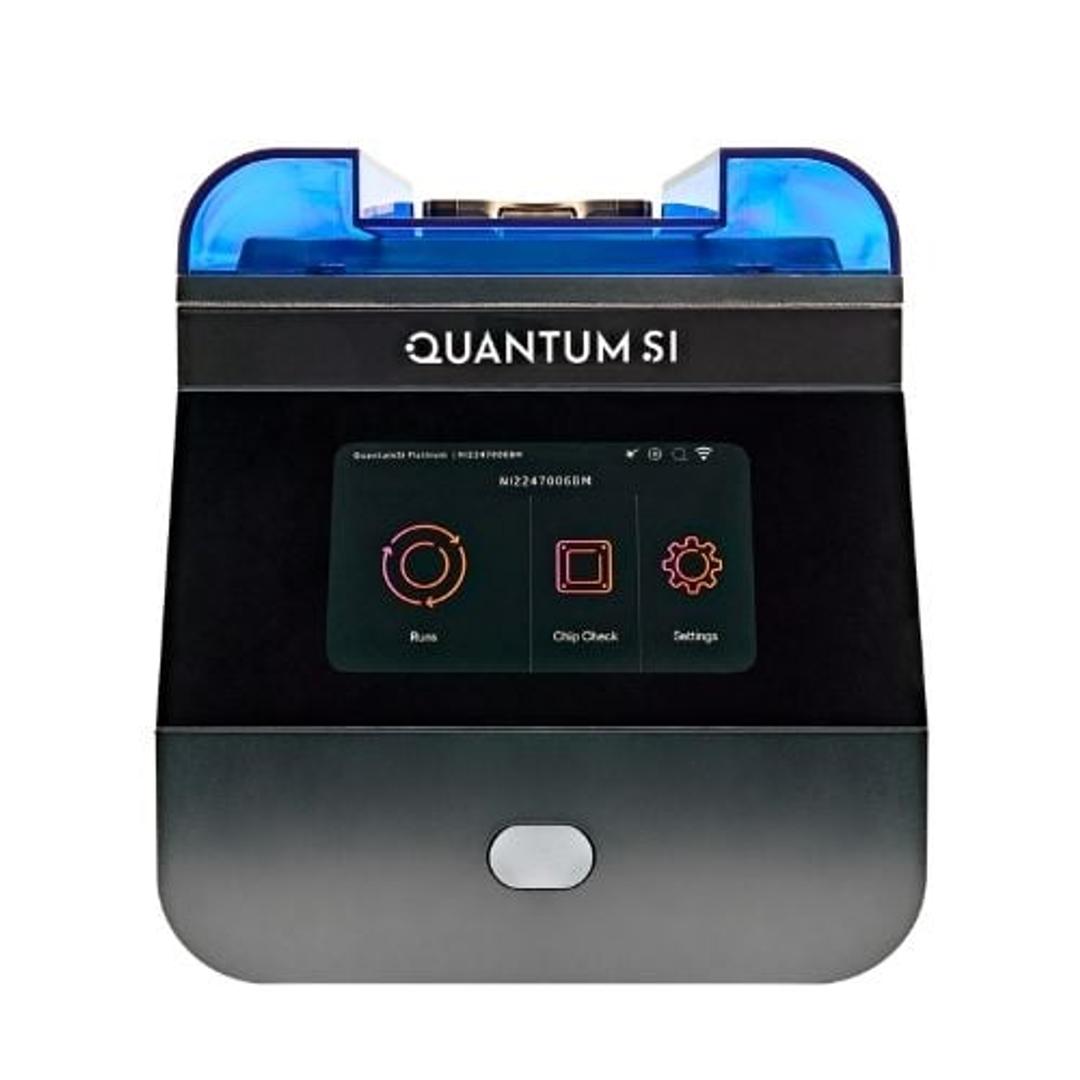
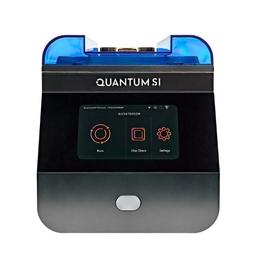
Platinum® Next-Generation Protein Sequencer™
Easy-to-use, accessible benchtop single-molecule protein sequencing platform that empowers any lab, anywhere to obtain critical proteomic insights quickly and efficiently from the convenience of your lab, no expertise or infrastructure required.



The supplier does not provide quotations for this product through SelectScience. You can search for similar products in our Product Directory.
Unleash the power of proteomics in your lab. The first-of-its-kind Platinum® benchtop solution conveniently brings protein sequencing to every lab, everywhere with a simple workflow, small footprint, and single-molecule resolution that enables interrogation of protein variants and modifications for deeper proteomic insights.
Uncover what is there, not just what could be there, and how it relates to biological phenotypes. Our end-to-end solution integrates seamlessly into your existing workflow and includes everything you need to prepare libraries, sequence proteins, and analyze results. Our simple workflow requires less than three hours of hands-on time and includes automated, cloud-based analysis software to deliver proteoform information without the need for bioinformatics expertise, added turnaround time, or extensive infrastructure. With Platinum®, protein sequencing is:
- Convenient—the benchtop instrument and collaboration-friendly cloud-based analysis software easily fit into everyone’s lab and research projects.
- Accessible—with simple, straightforward workflows and automated cloud-based analysis software, any lab can generate protein sequence and PTM data.
- Insight-generating—single amino acid variation and PTMs can be detected directly by sequencing without the need to acquire or generate highly specific affinity reagents directed against these variants and modifications.

Overcoming the RNA therapeutics delivery challenge
Nucleic acid-based therapeutics have potential in treating a range of diseases, but they can be challenging to deliver to intended sites in the body. While lipid nanoparticles (LNPs) have emerged as a powerful tool for delivery, therapeutic applications have been predominantly limited to liver indications. Find out how Liberate Bio is advancing the development of next-generation LNP delivery systems aimed at tissue-specific targeting of nucleic acid therapeutics beyond the liver. Discover how the protein barcoding application on the Quantum-Si Platinum® Next-Generation Protein Sequencer™ is helping Liberate Bio achieve this goal.
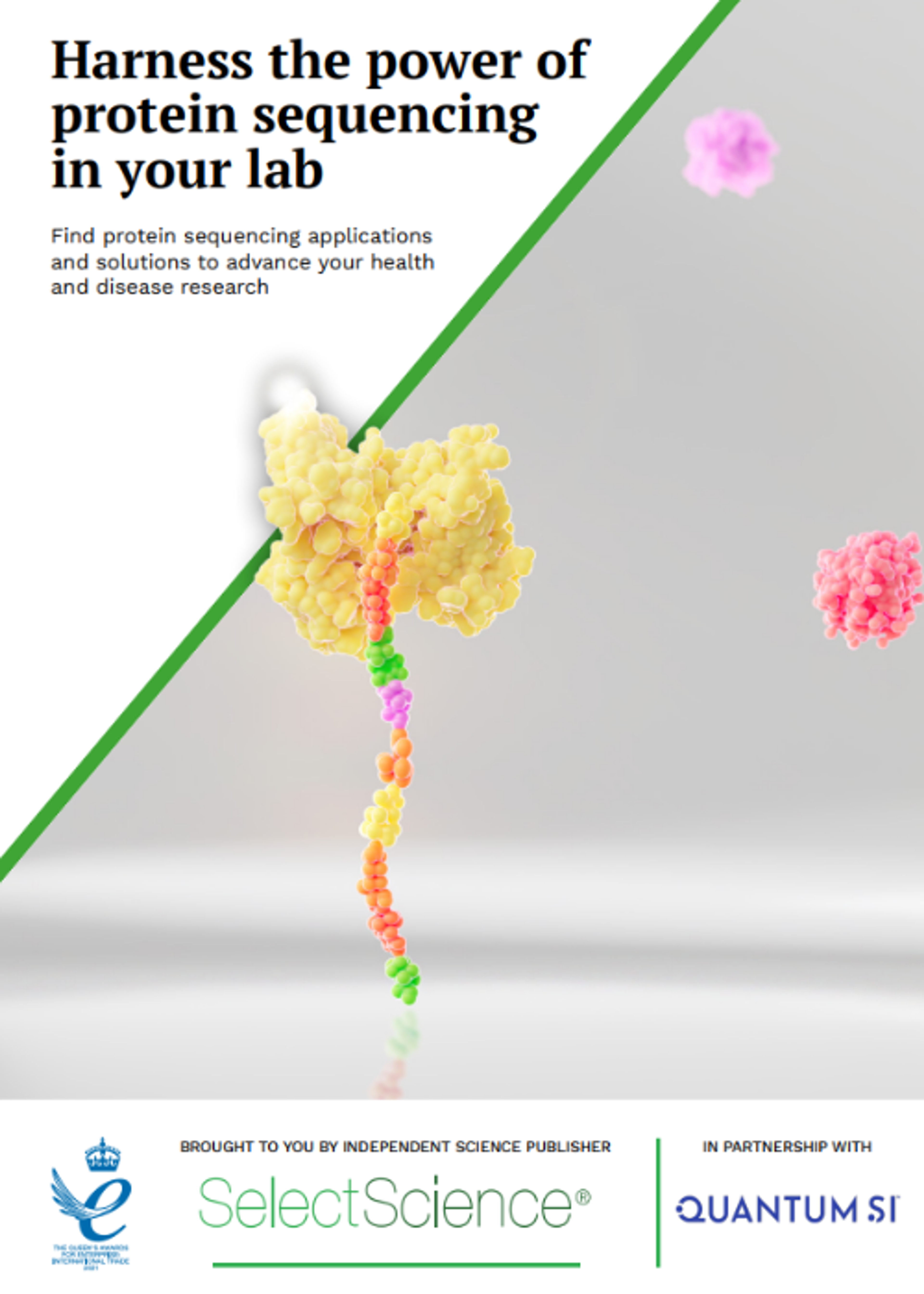
Harness the power of protein sequencing in your lab
Next-Generation Protein Sequencing™ (NGPS) offers a unique means to investigate proteins at a level of resolution inaccessible with other technologies. Moreover, with advanced single-molecule protein sequencing technologies like Quantum-Si’s Platinum® Next-Generation Protein Sequencer™, researchers can now reliably identify changes to proteins at the amino acid level.
Download our latest eBook and explore how NGPS can advance your health and disease research. Plus, learn more about the power of NGPS for:
- Protein identification
- Protein screening for barcodes
- Protein variant distinction
- Detecting post-translational modifications (PTMs)
Detecting scarce isoform-specific peptides using Next-Generation Protein Sequencing
Disruptions in post-transcriptional mechanisms and post-translational modifications (PTMs) can result in the expression of aberrant proteoforms that can lead to a wide range of diseases, including cancer and tumor formation. Given the role of such protein variants in disease, there is an urgent need to identify disease-associated proteoforms to enable the development of proteoform-based biomarkers and therapies.
In this application note, understand how Dr. Gloria Sheynkman, Ph.D., and her team are using advanced analytical and computational approaches to investigate how proteoform variation underlies human disease. Learn how Next-Generation Protein Sequencing™ (NGPS) on the Quantum-Si Platinum® instrument serves as a powerful and complementary technology, enabling access to and interrogation of the full proteome.
Quantum-Si’s next generation protein sequencing technology enables rapid and accurate distinction of variants of the SARS-CoV-2 virus
Accurate and rapid identification of SARS-CoV-2 variants is crucial for effective surveillance and disease monitoring. Furthermore, patients with long COVID may still have residual spike protein in their blood. Distinguishing variants in long COVID patients via protein sequencing could lead to new understandings and treatment of the disease. In this application note, Quantum-Si presents a method utilizing the protein sequencing technology on the Platinum® instrument to distinguish the Alpha, Delta, and Omicron variants based on differences in the amino acid sequence of their spike proteins.
Comparison of protein sequencing analysis of CDNF, IL6, and FGF2 on Platinum and mass spectrometry
In this application note, Quantum-Si discusses the challenges associated with traditional mass spectrometry (MS) methods for protein identification, including missed cleavages, chemical modifications, and the differentiation of similar amino acids. These factors often limit the accuracy of peptide mapping in proteomic analysis. Quantum-Si introduces its Platinum® instrument, which utilizes dye-tagged N-terminal amino acid recognizers and semiconductor chip technology to sequence proteins at the single-molecule level. This innovative approach overcomes the limitations of traditional MS methods by providing a user-friendly benchtop instrument and cloud-based analysis software, allowing researchers to achieve deeper proteomic insights without the need for expensive equipment or specialized expertise.
Protein identification using next-generation protein sequencing of in-gel digested proteins
Western blot is one of the most widely used methods for protein identification but achieving reliable and reproducible results depends on quality antibodies with validated specificity for the target protein. Furthermore, differences in amino acid sequences and isoforms cannot be easily differentiated by western blot if the size of the protein is similar. To overcome these limitations, non-antibody-based approaches are highly desired. In this application note, Quantum-Si describes an in-gel protein digestion and peptide extraction procedure compatible with Quantum-Si’s library preparation and protein sequencing workflows. This method can be used for the separation and enrichment of single proteins from complex mixtures using SDS-PAGE, followed by their identification on Quantum-Si’s Platinum® next-generation protein sequencing instrument.
Detecting arginine post-translational modifications in p38MAPKα and vimentin proteins using Quantum-Si’s next-generation protein sequencing technology
In this application note, Quantum-Si demonstrates the application of its Platinum® technology, showcasing its ability to detect arginine methylation and citrullination in p38MAPKα and Vimentin proteins with single-molecule resolution and sensitivity. These modifications are biomedically significant, playing key roles in diseases like cardiovascular disease, autoimmune disease, and cancer. Post-translational modifications (PTMs) of amino acid side chains greatly influence protein function and cellular events, making their measurement crucial for understanding health and disease. Despite the complexity of proteoforms in the human proteome and the challenges in PTM detection, new, more sensitive methods like Platinum offer promise in biomarker discovery, drug development, and personalized medicine.
Enrichment and sequencing of albumin protein from urine
In this application note, the emphasis is on the importance of identifying and analyzing protein markers in biofluids, particularly in urine for non-invasive disease monitoring. Traditional methods for detecting biomarkers are critiqued for overlooking crucial protein variants and employing complex techniques. The note introduces Quantum-Si's next-generation protein sequencing Platinum® workflow, highlighting its potential to revolutionize biomarker analysis. A demonstration is provided, showcasing the enrichment of human serum albumin (HSA) from urine and its subsequent sequencing on Platinum®.
Immunoprecipitation of IL-6 from human serum for next-generation protein sequencing on Platinum
In this application note, the focus is on enriching low-abundant proteins from complex biological matrices in proteomic workflows. The technical note introduces an immunoprecipitation protocol compatible with Quantum-Si's next-generation protein sequencing workflow. This protocol involves an on-bead digestion approach, eliminating the sample elution step and proceeding directly to the preparation of digested peptide libraries. The feasibility of this method is demonstrated through the specific enrichment of IL-6 via immunoprecipitation from human serum, followed by protein sequencing and identification on Quantum-Si's Platinum® Next-Generation Protein Sequencer™.
Identifying monoclonal antibodies with Quantum-Si’s next-generation protein sequencing technology
Identifying low-abundance monoclonal antibodies in a population of polyclonal antibodies can provide critical insights for diverse applications such as understanding disease mechanisms, disease diagnostics, vaccine development, therapeutic antibody discovery, and serological surveillance. Existing methodologies, despite their utility, come with significant disadvantages including high costs, complex procedures, and time-intensive workflows, which often limit their broad application. In this application note, Quantum-Si presents a method utilizing Quantum-Si’s next-generation protein sequencing technology on the Platinum® instrument to successfully identify two low-abundance monoclonal antibodies in a population of polyclonal antibodies.
Integrating top-down mass spectrometry and single-molecule sequencing for proteoform analysis
Given the numerous sources of protein variation, ranging from biological factors to sample preparation and instrument settings, there is a pressing need for next-generation analytical platforms capable of driving proteoform analysis with complete molecular precision.
In this webinar, Dr. Michael Caldwell, Scientific Officer at Northwestern Proteomics Center of Excellence, will explore top-down mass spectrometry (TD-MS) and Platinum®. Platinum is a benchtop instrument that provides single amino acid resolution of single protein molecules to characterize IL-6, including pyroglutamate (pE), a post-translational modification (PTM) produced via enzymatic and spontaneous cyclization of N-terminal glutamine (Q)/glutamate (E) residues.
Find out how TD-MS enables intact protein analysis, limiting formation of N-terminal Q/E (MS1). During MS2, analysis of daughter ions reveals modifications and artifactual formation. Platinum employs dye-labeled N-terminal amino acid recognizers that reveal primary structure and variants, and aminopeptidases that expose the next amino acid for recognition until the peptide is sequenced. TD-MS and Platinum detect not only functionally relevant regions of IL-6 primary structure, but also sites prone to pE formation.
Key learning objectives
- Learn how TD-MS and Next-Generation Protein SequencingTM can be used as complementary platforms for protein analysis
- Find out more about bridging discovery and targeted protein analysis with different instruments and detection methods
- Discover how TD-MS distinguishes native and artifactual proteoforms
Who should attend?
Protein specialists, mass spectrometrists, synthetic biologists, protein engineers, and technology innovators.
Certificate of attendance
All webinar participants can request a certificate of attendance, including a learning outcomes summary, for continuing education purposes.
Platinum a next-generation protein sequencer accelerating scientific exploration
Advances in protein identification and characterization are key to unlocking new discoveries in health and disease. Quantum-Si present its pioneering technology, Platinum® Next-Generation Protein Sequencer™. Discover how Platinum® detects and characterizes proteins in a simple, sophisticated, and affordable benchtop instrument. Plus, learn how sequencing data is rapidly processed using an automated software analysis workflow, enabling protein detection and characterization without the need for complex bioinformatic expertise.
Discover the possibilities in protein sequencing using Quantum-Si technology
In this talk held at the Festival of Genomics, Dr. Gloria Sheynkman from the University of Virginia discusses the capacity of Next-Generation Protein Sequencing™ to detect disease-relevant proteoforms. Dr. Sheynkman expresses the need for analytical tools that directly detect protein isoforms and presents new technologies and approaches that she is using in the lab to advance the field. Introducing Quantum-Si’s benchtop platform, Platinum®, she discusses how the technology was established in the lab and explores how single molecule protein sequencing technology works.
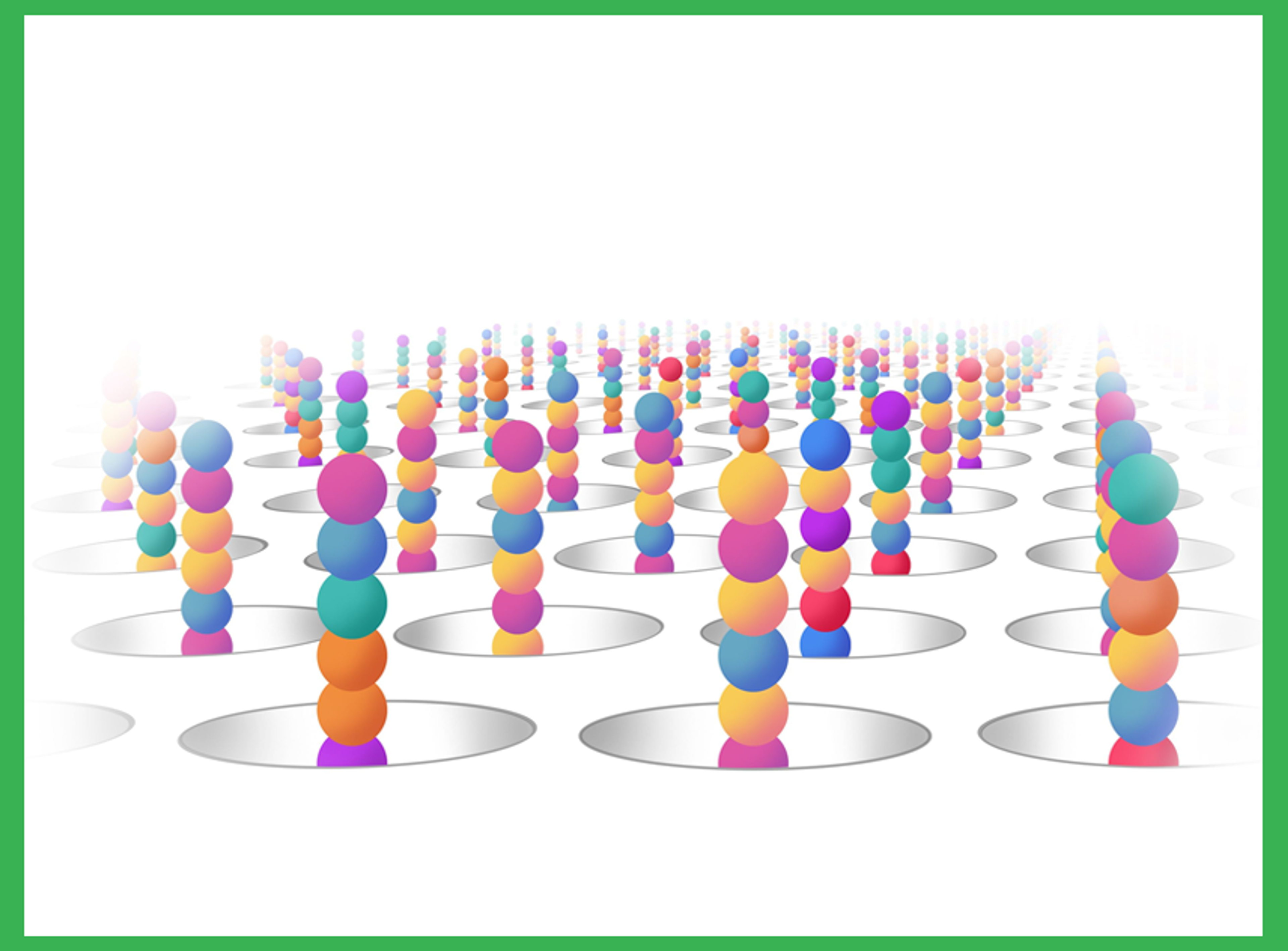
Protein sequencing sheds light on protein misfolding diseases
With the help of next-gen protein sequencing tools, researchers have developed a new way to find, trap, and characterize altered protein shapes underlying multiple diseases

Next-generation single-molecule, protein sequencing platform set to transform proteomics
Platinum®, Quantum-Si’s innovative protein sequencing platform, could bring affordable, benchtop protein sequencing with automated analysis to every lab