Enrichment and sequencing of albumin protein from urine

23 Jan 2024

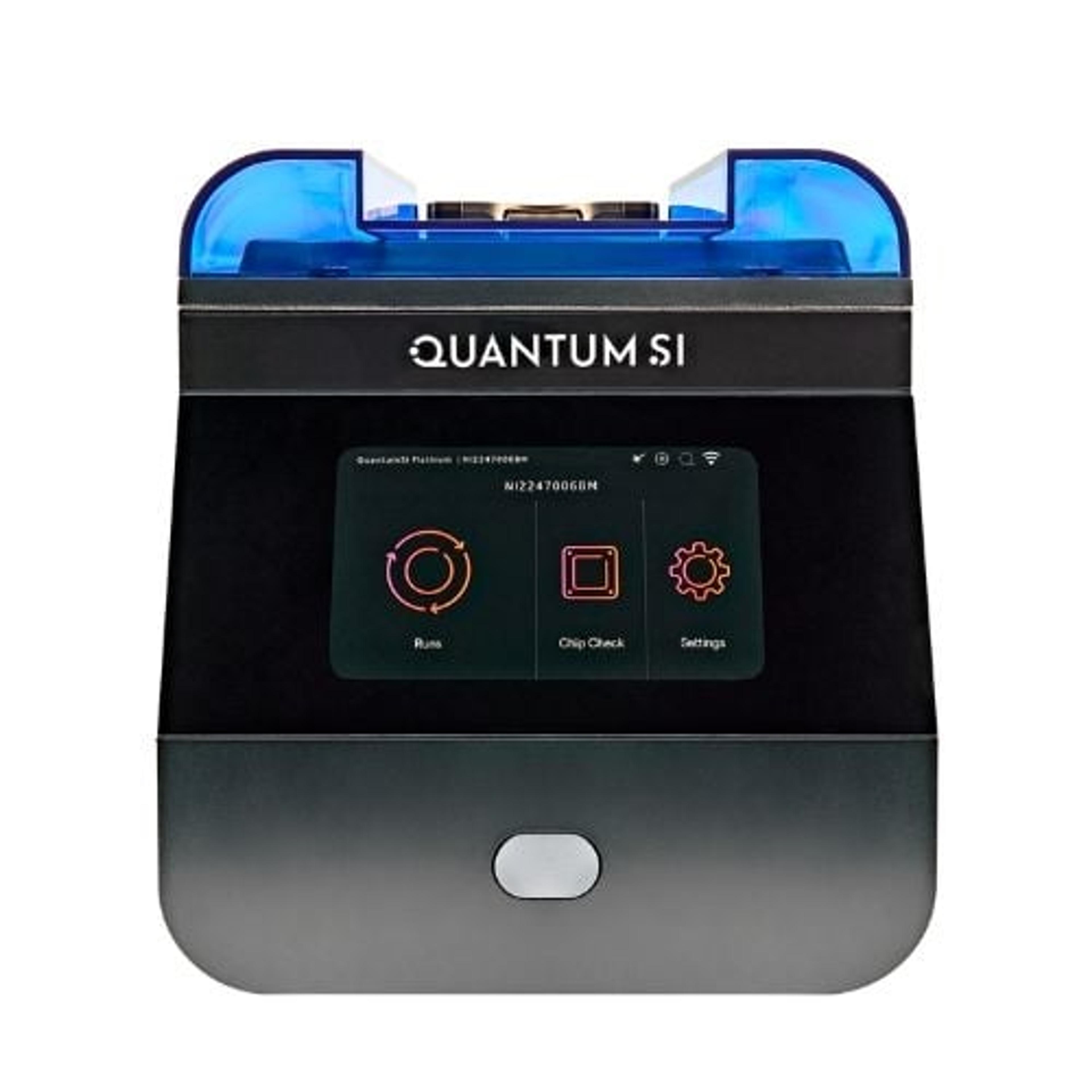
In this application note, the emphasis is on the importance of identifying and analyzing protein markers in biofluids, particularly in urine for non-invasive disease monitoring. Traditional methods for detecting biomarkers are critiqued for overlooking crucial protein variants and employing complex techniques. The note introduces Quantum-Si's next-generation protein sequencing Platinum® workflow, highlighting its potential to revolutionize biomarker analysis. A demonstration is provided, showcasing the enrichment of human serum albumin (HSA) from urine and its subsequent sequencing on Platinum®.

Platinum® Next-Generation Protein Sequencer™

Quantum-Si

Easy-to-use, accessible benchtop single-molecule protein sequencing platform that empowers any lab, anywhere to obtain critical proteomic insights quickly and efficiently from the convenience of your lab, no expertise or infrastructure required.

(0)

Links

Tags

AntibodiesAntibodies are used in techniques such as confocal and fluorescence microscopy, flow cytometry, ELISA, ELISPOT, immunohistochemistry, western blotting and immunopreciptation. Select specific antigen reactivity, high specific affinity, low non-specific binding, monoclonal or polyclonal, primary or secondary antibodies and associated conjugates such as an enzyme or dye for visualization.Flow Cytometry / Cell CountingFlow cytometers are used to count, sort and examine multiple characteristics of cells. Other cell analysis equipment includes image cytometers, cell counters, fluorescence-activated cell sorters (FACS), magnetic-activated cell sorters (MACS), and a range of flow cytometry assay kits. Flow cytometers can reveal information on cell viability, cell proliferation, apoptosis and cell cycle progression, as well as identify cell populations and intracellular or cell-surface molecules. Additionally, some flow cytometers, known as FACS, have an additional sorting function after analysis. Cell counters and image cytometers count live and dead cell populations and can also conduct cell proliferation assays. Find the best flow cytometers, cell counters and cell sorters in our peer-reviewed product directory: compare products, check customer reviews and receive pricing direct from manufacturers.BiomarkersBiomarkers are biological markers which can be measured and evaluated to indicate a biological state. The use of biomarkers in research and diagnosis can indicate a normal or disease state or drug response of cells / tissues. Biomarkers include genetic markers, cell surface markers such as antigens, antibodies or receptors and secreted molecules such as cytokines. An assay system is required for identification of biomarkers. :Next Generation SequencingNext-generation sequencing (NGS), also known as whole-genome sequencing, high-throughput sequencing and massive parallel sequencing, produces and analyses thousands to millions of nucleotide sequences at once. Sequencing systems operate via varying technologies depending on the manufacturer, including sequencing by synthesis, ligation, pyrosequencing, ion semiconductor and single-molecule real-time sequencing. For NGS, library preparation is paramount to successful sequencing. In this section, explore a range of library preparation kits, from targeted, amplicon-based or hybridization-based kits including epigenomic, transcriptomic and genomic workflows to fragmentation kits. Find the best next-generation sequencing products in our peer-reviewed product directory: compare products, check customer reviews and receive pricing direct from manufacturers.Protein QuantificationThe detection and quantification of proteins in a sample is vital across life sciences, pharmaceutical research and clinical diagnostics, and a variety of equipment is available to scientists to simplify the workflow. Proteins of interest can be easily labeled and detected on light-based detection instruments. Immunoassay kits allow you to identify a specific protein of interest and protein detection beads or antibody microarrays allow you to identify multiple specific proteins at once. Protein interactions and enzyme activity can also be monitored with protein-protein interaction assays. Additionally, the biophysical characterization of proteins is made easy with biokinetic analyzers. Find the best protein detection and quantification products in our peer-reviewed product directory: compare products, check customer reviews and receive pricing direct from manufacturers.PeptidesPeptides are short chains of amino acids that play key roles in biological processes, including signaling, immune responses, and enzyme regulation. Peptide research is critical in drug discovery, diagnostics, and vaccine development. Browse our peer-reviewed product directory to find the best peptides and peptide-related products, compare options, check reviews, and get pricing directly from manufacturers.SequencingSequencing refers to determining the order of nucleotides in a DNA or RNA molecule. This process is essential in genomics, diagnostics, and evolutionary biology. Techniques like next-generation sequencing (NGS) and Sanger sequencing provide high-throughput and precise data for analyzing genomes and transcriptomes. Browse our peer-reviewed product directory to find the best sequencing tools and reagents, compare products, check reviews, and get pricing directly from manufacturers.Protein BiologyBiomarker DiscoveryClinical biomarkers refer to substances related to known medical conditions that can be accurately measured <i>in vitro</i>. Biomarkers can be used to diagnose presence of a disease and indicate disease severity. The discovery of new biomarkers is incredibly valuable in the field of diagnostics.