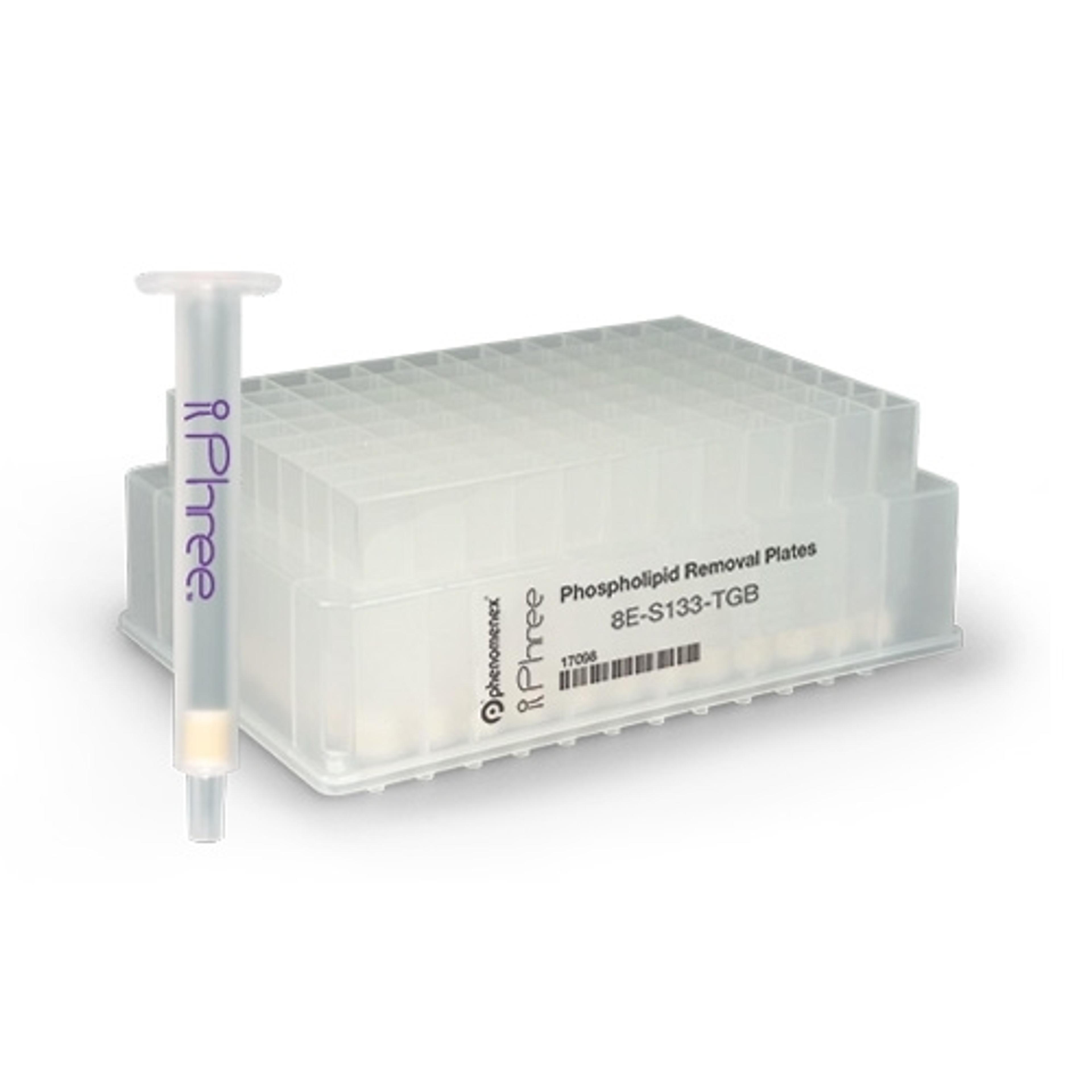
Phree Phospholipid Removal Solutions
One Quick Method, Three Big Advantages

The supplier does not provide quotations for this product through SelectScience. You can search for similar products in our Product Directory.
Clean LCMSMS samples, nearly no peak suppression.
sample preparation
We started with this product with samples we had bad results due strong matrix effects on the LC MSMS. The first tests were not successful. With help and tips from manufacturer sales representative we create a method that now is used for 1.5 years. The "old" method was good for 20 Samples per day, the new with phree 96well plate is good for 40-80 samples per day.
Review Date: 29 Jun 2016 | Phenomenex Inc
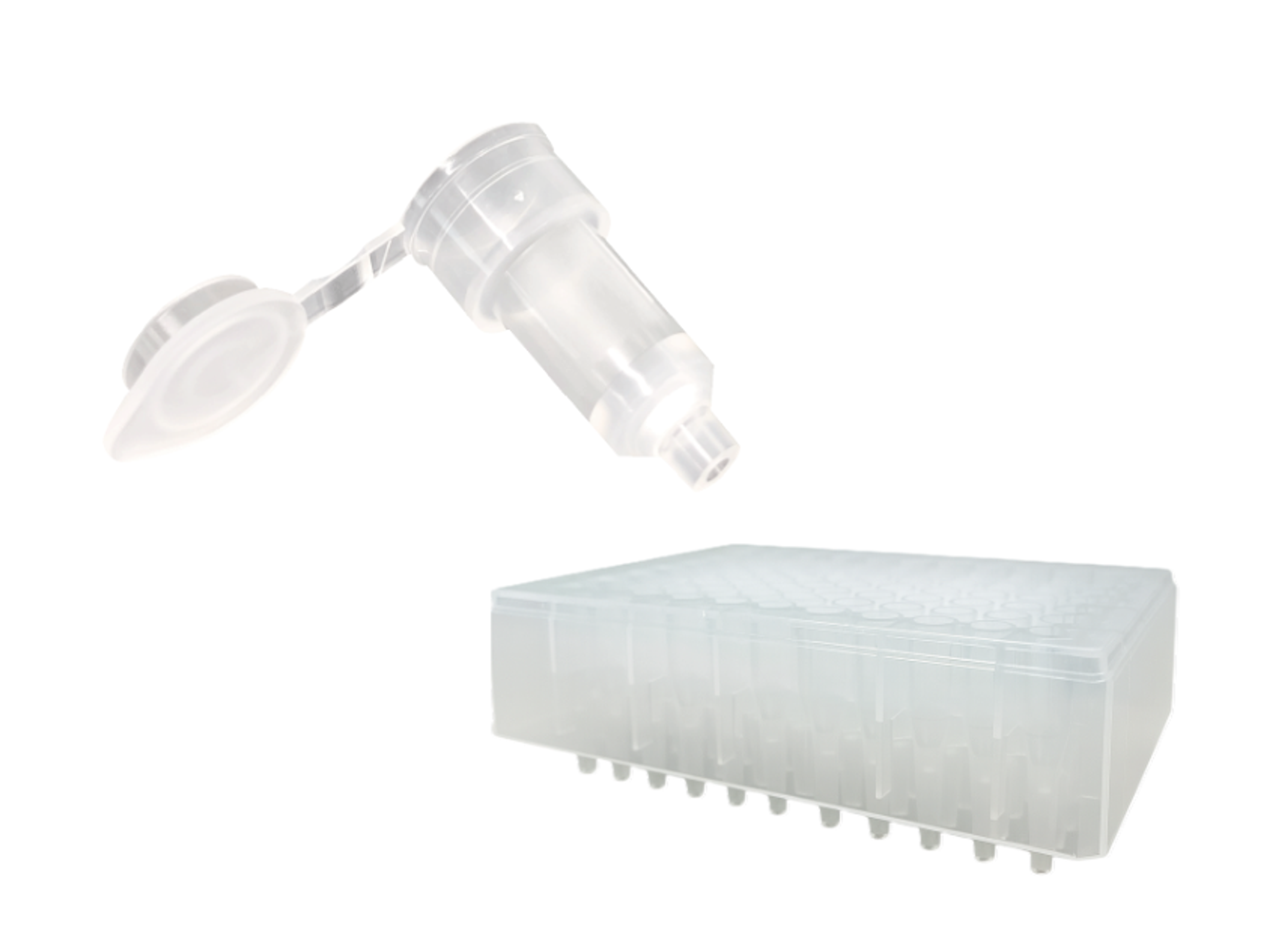
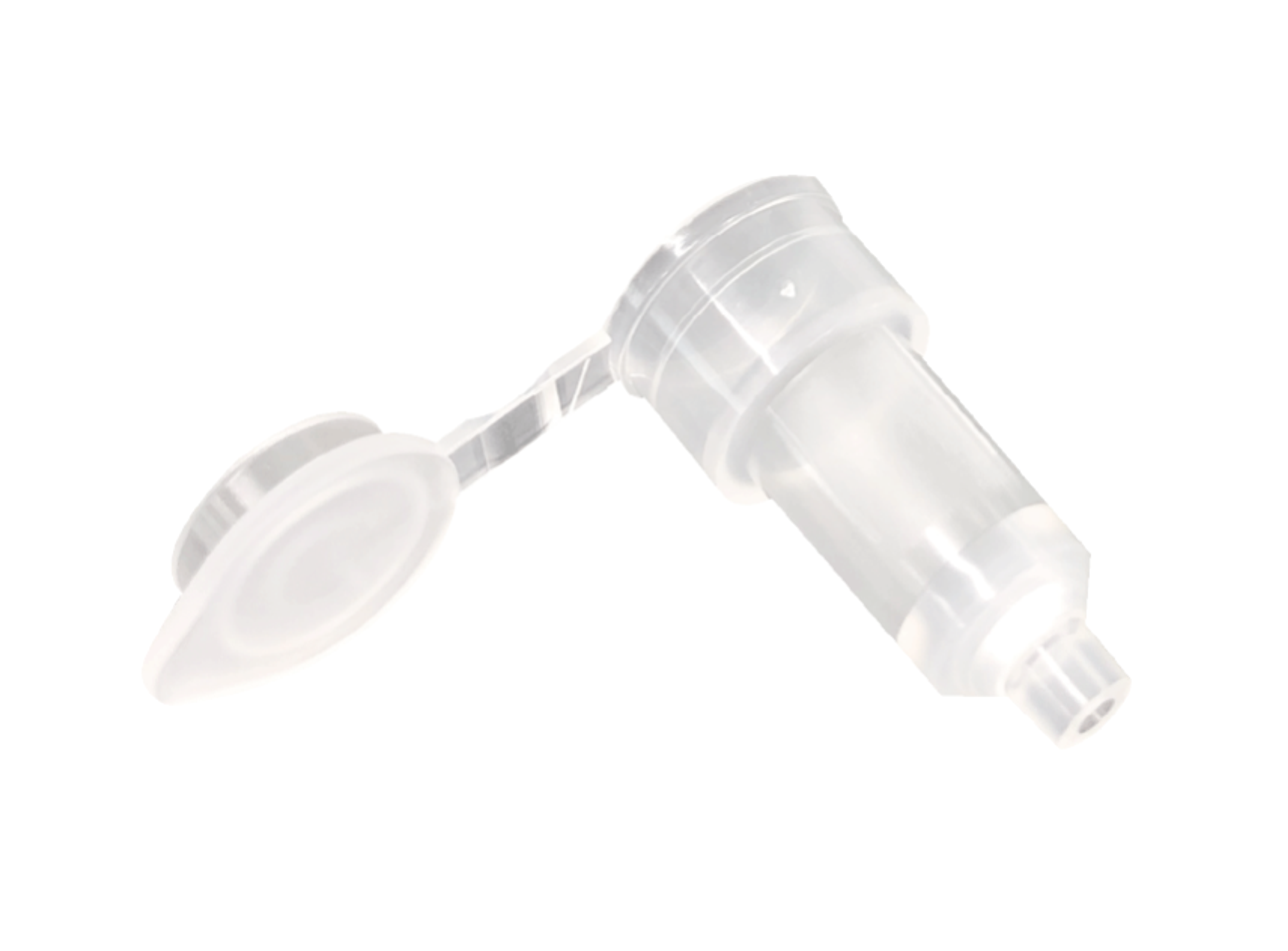
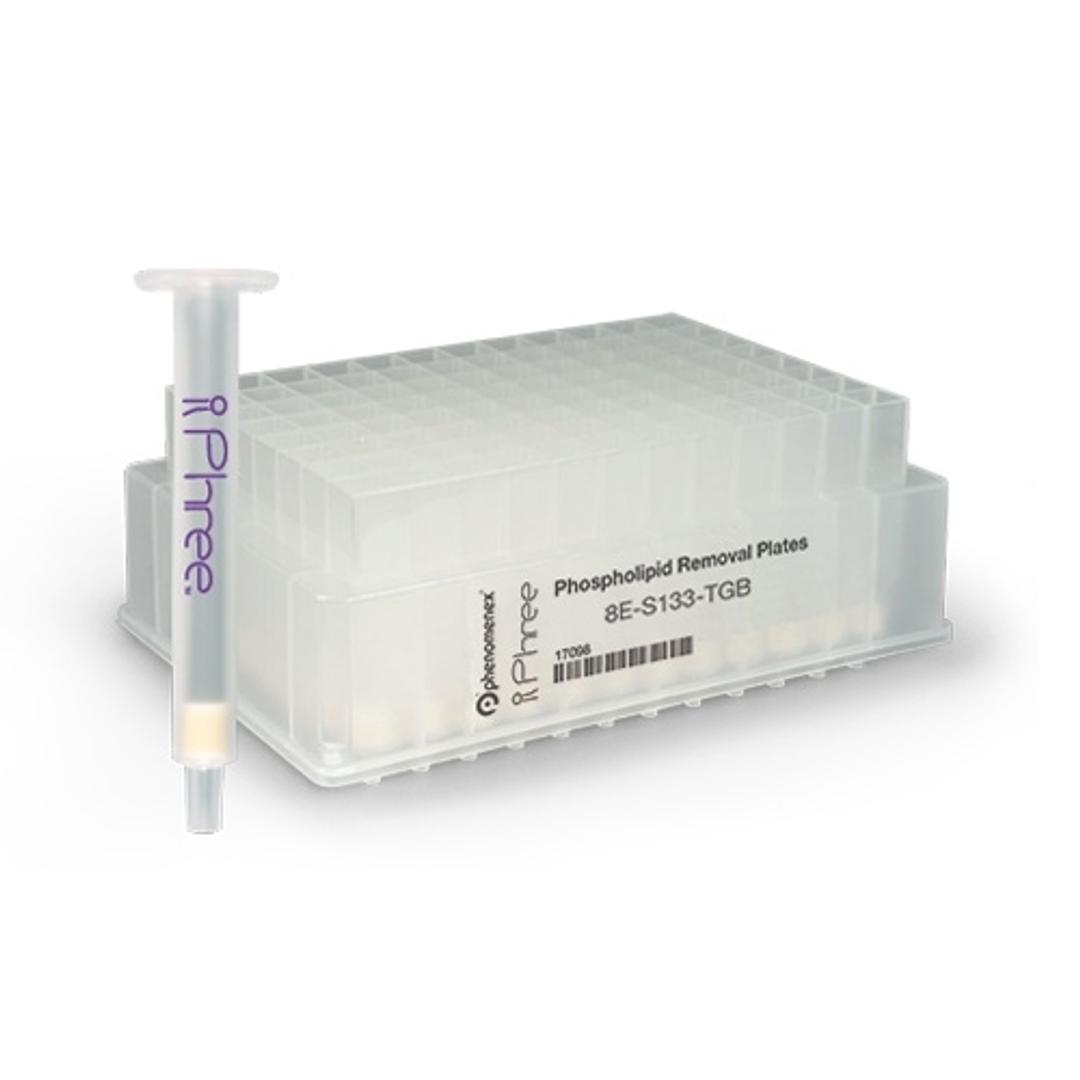
Phree Phospholipid Removal Solutions offer a fast effective way to remove proteins AND phospholipids from plasma samples without negatively affecting the recovery of your target analytes.
Brochures

Phree™ - Phospholipid Removal Solutions
Learn how labs across the world are advancing their protein precipitation with Phree™ - Phospholipid Removal Solutions.
Sample preparation made simple: Selection and user guide
Sample preparation is crucial in achieving desired LC or GC analytical results. Sample matrix effects can result in an array of interferences which can lead to poor chromatography as well as instrumentation drawbacks, hindering your approach and goal for the analysis.
In this user guide, Phenomenex Inc provides all the information you need to choose and use the best sample preparation technique for your work, whether it's filtration, QuEChERS, SLE, PPT, PLR, or SPE. Download your free copy below to read recommendations for your industry, general methods, protocols for easy method development, and much more.
Fast clean up of whole blood using Phree Phospholipid Removal and analysis of 39 pain management drugs
Whole blood is a common matrix for toxicology testing, yet it can be very complicated to clean up. Using Phree Phospholipid Removal as a pass through with an easy protein precipitation, the whole blood matrix is efficiently cleaned up while still yielding high recoveries and low variation before analysis on LC MS/MS using a Kinetex Biphenyl LC column.
Clean-Up and Analysis of 12 Cannabinoids in Whole Blood by LC-MS/MS
Non-psychoactive cannabinoids are a promising avenue for medical research with potential therapeutic uses, however due to their chemistry phospholipid contamination can be an issue for chromatographic separation. This application note presents an LC-MS/MS method with an extra phosphate-removal step for reduced ion suppression/matrix effects.
Faster, Easier and More Targeted Bioanalytical Sample Preparation
This application note aims to help you improve your methods for more effective and quicker bioanalytical sample preparation.
LC-MS/MS Environmental Applications
The world is changing and we need to widen our Environmental Scope. Although analytical techniques and established regulated methods are not easily changed; more complex targets, larger lists, and a variety of sample matrices create a daily challenge for environmental chemists. By using the latest technologies and techniques in HPLC/ UHPLC and Sample Preparation, laboratories and chemists are able to develop better approaches to make their work Faster, Cheaper and Easier. Phenomenex is committed to supporting the industry through a comprehensive product portfolio of Sample Preparation, HPLC/UHPLC, and LC-MS, columns and accessories, along with application and method development services to meet industry needs.
Clinical Sample Preparation Guide
This application note discusses sample preparation techniques for a variety of clinical samples for simplified liquid extractions (SLE) and solid phase extraction (SPE).
Rapid Improvements for LC/MS/MS Analysis without Additional Method Development Using Phree™ Phospholipid Removal Plates
In this application note, protein precipitation is compared to a phospholipid removal product, Phree Phospholipid Removal Plates, to assess the clean up capabilities of each technique. LC/MS/MS analysis of the phospholipids present each sample indicates that Phree Phospholipid Removal Plates result in significantly cleaner samples, reduced ion suppression, and extended HPLC/UHPLC column lifetime. Phree Phospholipid Removal is a simple procedure similar to protein precipitation, requires no method development and can be automated to provide higher throughput.
Phree Phospholipid Removal Solutions Guide
This application note describes how one quick method that can be used to remove proteins that clog up HPLC columns, eliminate phospholipids that cause ion suppression and increase column lifetime. This method can be used for acids, bases and neutrals, saving time spent on method development. Tips on selecting organic solvents, loading capacities and ordering products are also provided.
How Phree Phospholipid Removal Products Can Advance Protein Precipitation
Phospholipids left in a sample after protein precipitation can decrease your HPLC/UHPLC column lifetime and reduce analyte sensitivity due to build-up on your column and can also increase mass spec maintenance. This application note demonstrates how a very simple protocol using Phree Phospholipid removal plates can remove almost all phospholipid to produce cleaner samples and provides ordering information.
A Unified Sample Preparation Procedure for General Unknown Screening (GUS) of Compounds in Whole Blood Samples
General Unknown Screening (GUS) is the screening of many compounds from a whole blood matrix, which is especially important in cases where an affected individual is incapacitated, unaware of what was taken, or deceased. This application note describes a universal sample preparation procedure for whole blood samples and a method for neutralising the undesirable effects of strong solvents to allow immediate chromatographic analyses. This is a simple and fast procedure that yields successful and reliable analyte identification.

How to advance clinical research with polymeric mixed-mode solid phase extraction
In this webinar, Dr. Stephanie Marin, Global Clinical Market Development Manager at Phenomenex, will provide a comprehensive overview of polymeric mixed-mode solid phase extraction (SPE) fundamentals and the properties of polymeric hydrophobic interaction (reversed-phase) SPE sorbents. Attendees will learn how to choose the appropriate SPE phase for their specific compounds of interest, along with an explanation of the ionic functional groups that provide the mixed-mode functionalities, including both weak and strong cation and anion exchange.
Dr. Marin will also delve into the initial extraction conditions required to initiate method development for each type of SPE sorbent, as well as specialized SPE products tailored for drug testing, phospholipid removal, and microelution SPE. This webinar will include numerous clinical research applications to exemplify these concepts.
Key learning objectives
- Discover how to differentiate different polymeric mixed-mode SPE sorbents
- Explore starting conditions for each sorbent type
- Learn how to choose the best SPE sorbent for different analytes
- Understand how to use an SPE method development plate
Who should attend?
- Scientists doing SPE method development
- Labratorians who want to increase their knowledge of polymeric mixed-mode SPE
- Lab managers who want to implement SPE methods in their laboratories
Certificate of attendance
All webinar participants can request a certificate of attendance, including a learning outcomes summary, for continuing education purposes.

Webinar Highlights: Overcoming Sample Prep Challenges in Clinical Research
Phenomenex’s sample preparation product manager shares his expert advice on preparing challenging biological sample matrices for LC-MS/MS