MACSQuant® Analyzer 10 Flow Cytometer
Discover the beauty of standardized and automated flow cytometry
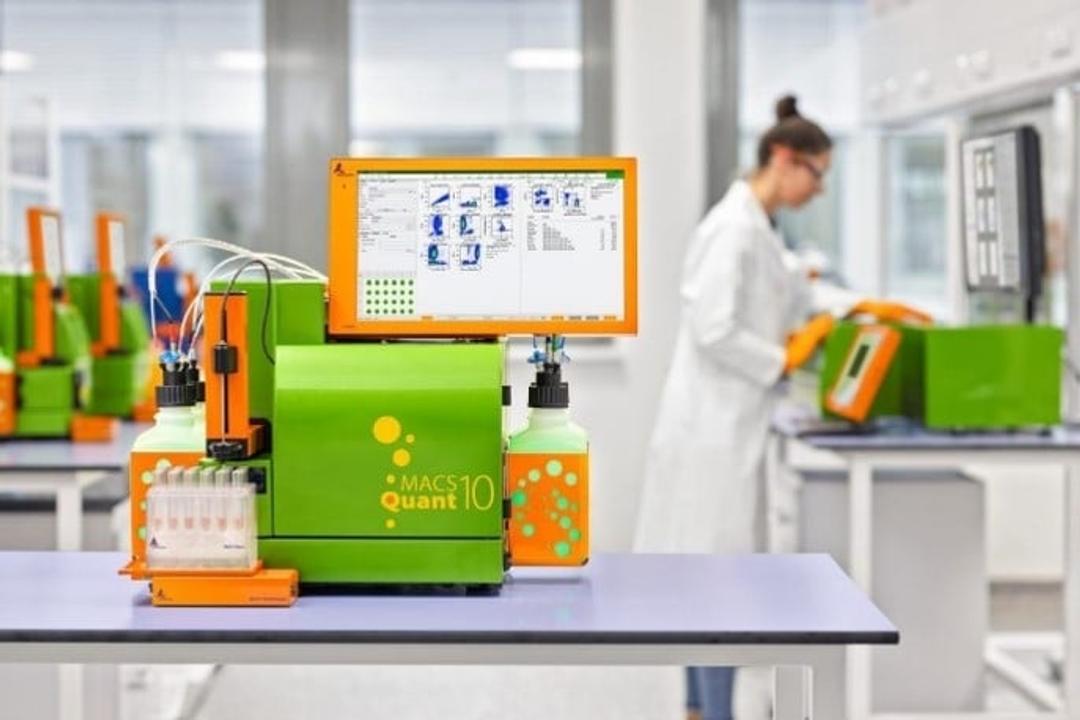
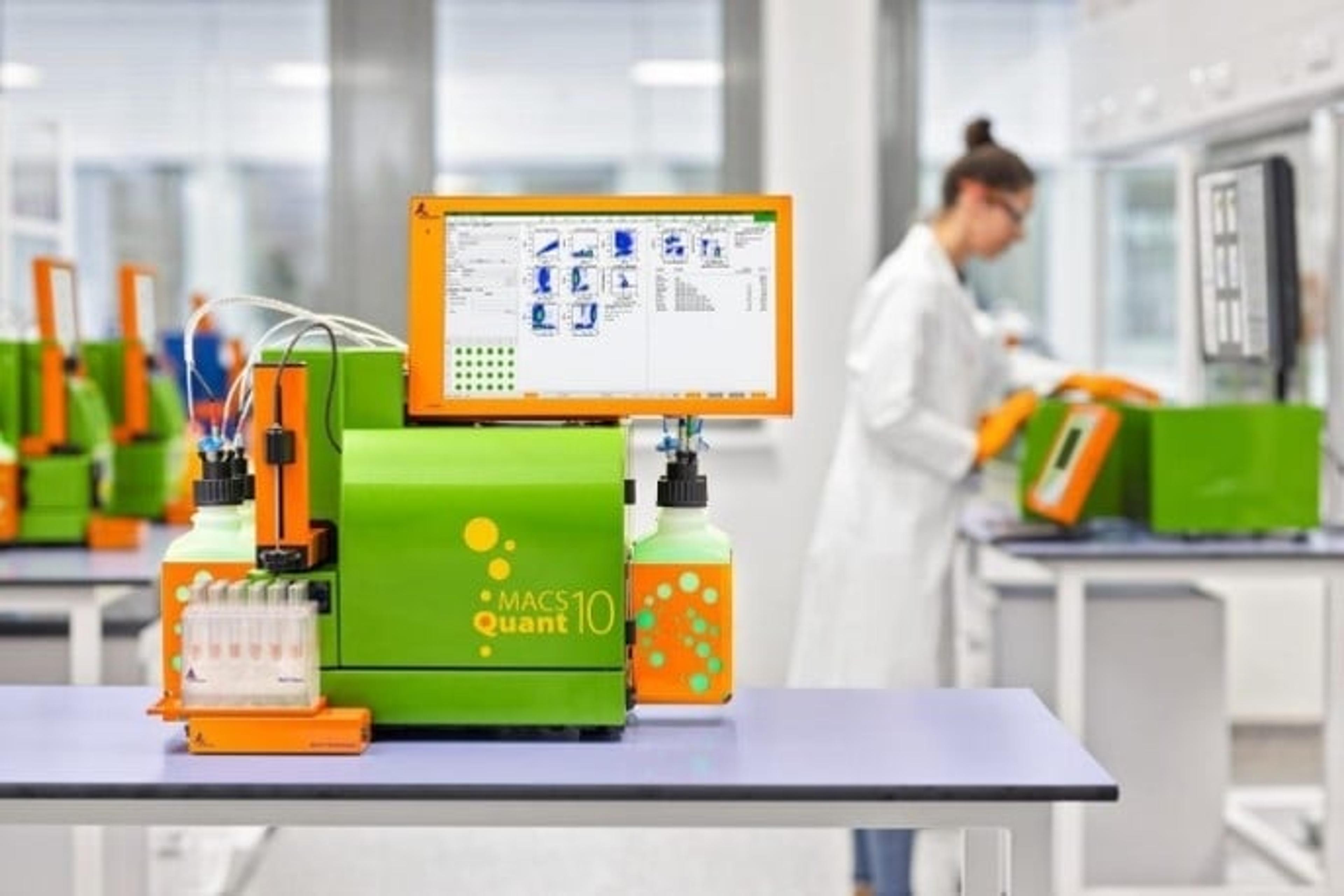
MACSQuant 10 - Flow Cytometer
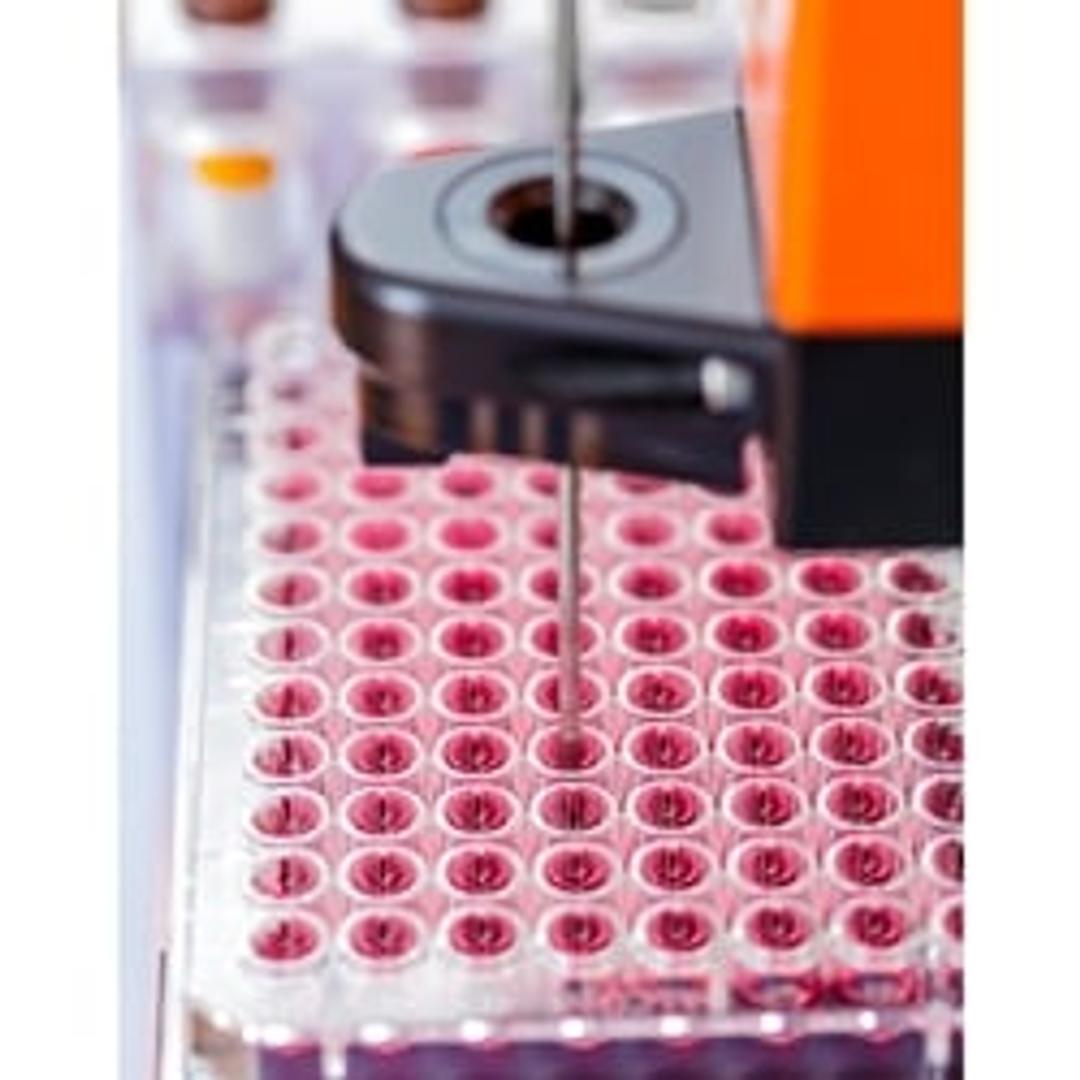
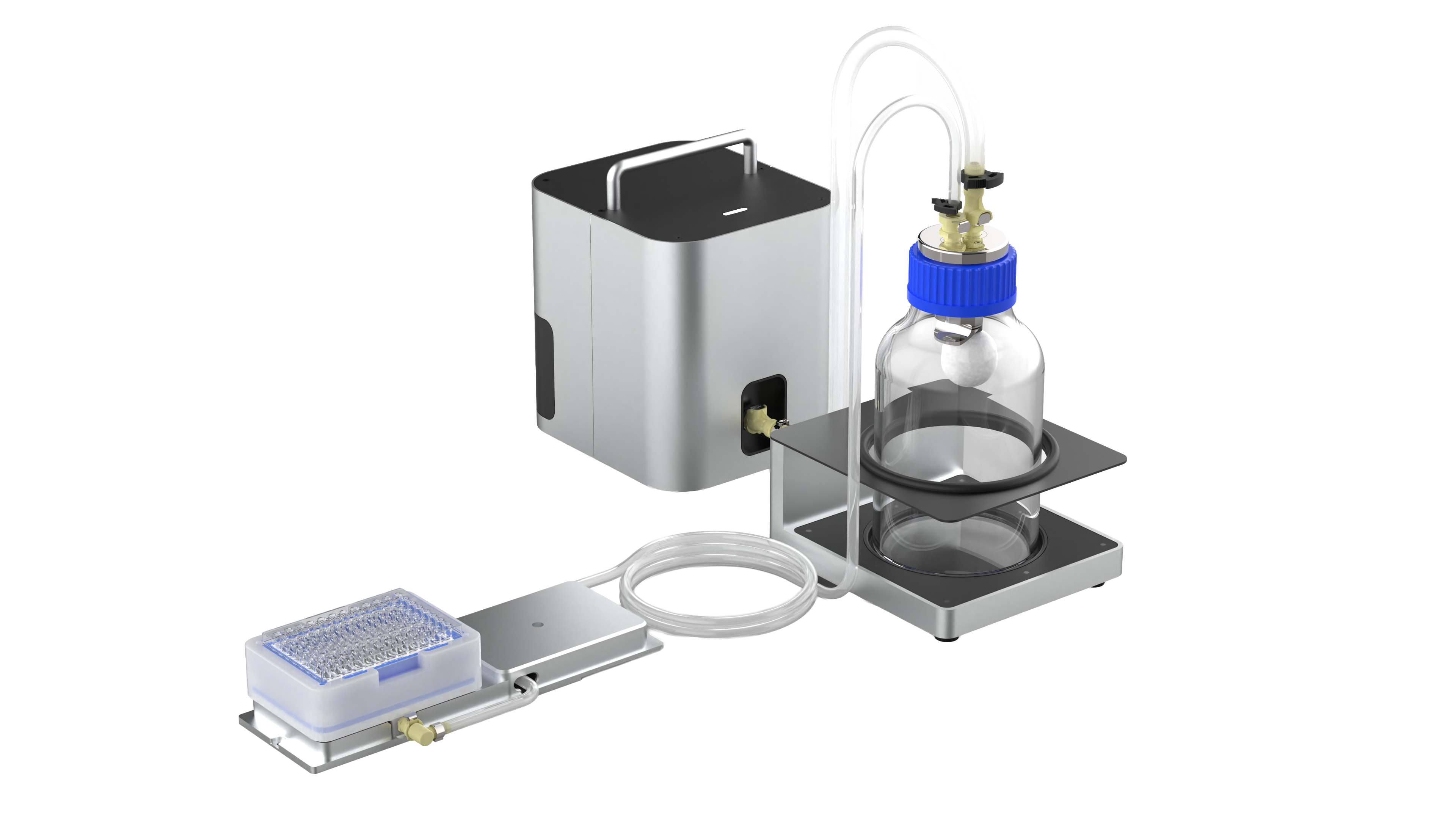
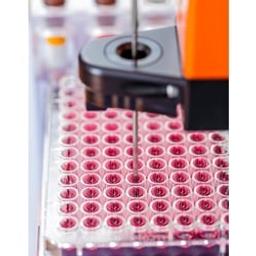
MACSQuant 10 - Automated Analysis
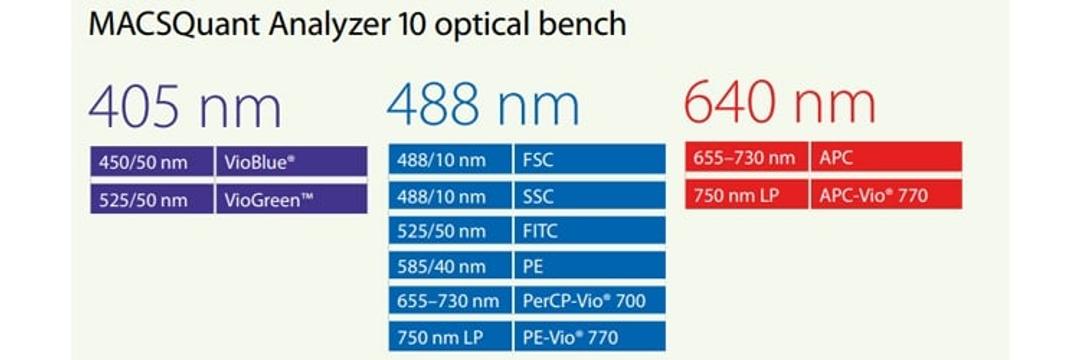
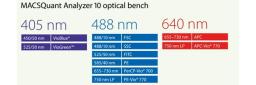
MACSQuant 10 - Filter Setting

The supplier does not provide quotations for this product through SelectScience. You can search for similar products in our Product Directory.
Some troubleshooting required, great instrument and support
Microbiology
Overall, very pleased with the MacsQuant 10 for AFU counts and live/dead cell analysis. There's been significant troubleshooting involved in validating procedures for probiotic bacteria, hence the ease of use score. The user interface is reasonably straight forward and the service received after the initial purchase of the instrument has been very good. Being able to attend training on the Miltenyi campus was invaluable! It's also been nice to be able to use a wide variety of reagents as our previous flow cytometer required brand specific reagents that were then discontinued.
Review Date: 10 Nov 2025 | Miltenyi Biotec B.V. & Co. KG
Best compact and Robust cytometer
Phenotyping
The high throughput auto sampler coupled with user friendly software makes this a great cytometer for GLP/GMP workflows.
Review Date: 27 Sept 2023 | Miltenyi Biotec B.V. & Co. KG
Excellent product! Would definitely recommend it.
Flow cytometer
Excellent product! Would definitely recommend it. I have been using Miltenyi MACS-Quant flow cytometer for more than 5 months and have been very happy with it. Very easy to use, sensitive and fast. The best part is the auto compensation feature. Also having with the tested Miltenyi Ab panel, makes it much more easier to use.
Review Date: 25 Mar 2022 | Miltenyi Biotec B.V. & Co. KG
We love our MACSQuant!
Flow cytometry
Great machine which has a small footprint and is completely automated. Samples run reliably and it is a pleasure to use.
Review Date: 11 Feb 2022 | Miltenyi Biotec B.V. & Co. KG
Like to use it.
Cell viability, adcc analysis
The equipment is easy to use and relatively quick in processing samples and collecting data. The customer support is wonderful. I liked that they can support technique issues in real time. The only thing is that this type doesn't cover all colors I need. Overall it is good for a small lab.
Review Date: 20 Nov 2020 | Miltenyi Biotec B.V. & Co. KG
Once set up the machine could be used readily and with ease.
Fluorescence analysis
At first the software was tricky along with calibrating for our parameters, but once that happened the machine could be used readily and with ease.
Review Date: 27 Mar 2019 | Miltenyi Biotec B.V. & Co. KG
Flow Cytometry
It isn’t the simplest to use, an introduction is required. But the quant is helpful in different methods and usable for many different purposes.
Review Date: 16 Dec 2013 | Miltenyi Biotec B.V. & Co. KG
Allows absolute cell counts as flow is collected without counting beads. Very user friendly. Maintenance received within 24hrs when needed.
Review Date: 28 May 2012 | Miltenyi Biotec B.V. & Co. KG
Great design at a minimun scale, a clear seperation from other lab equipment manufacturers. However, laser lifetime is poor. Within two years 488nm laser collapsed twice and had to be replaced.
Review Date: 3 Nov 2011 | Miltenyi Biotec B.V. & Co. KG
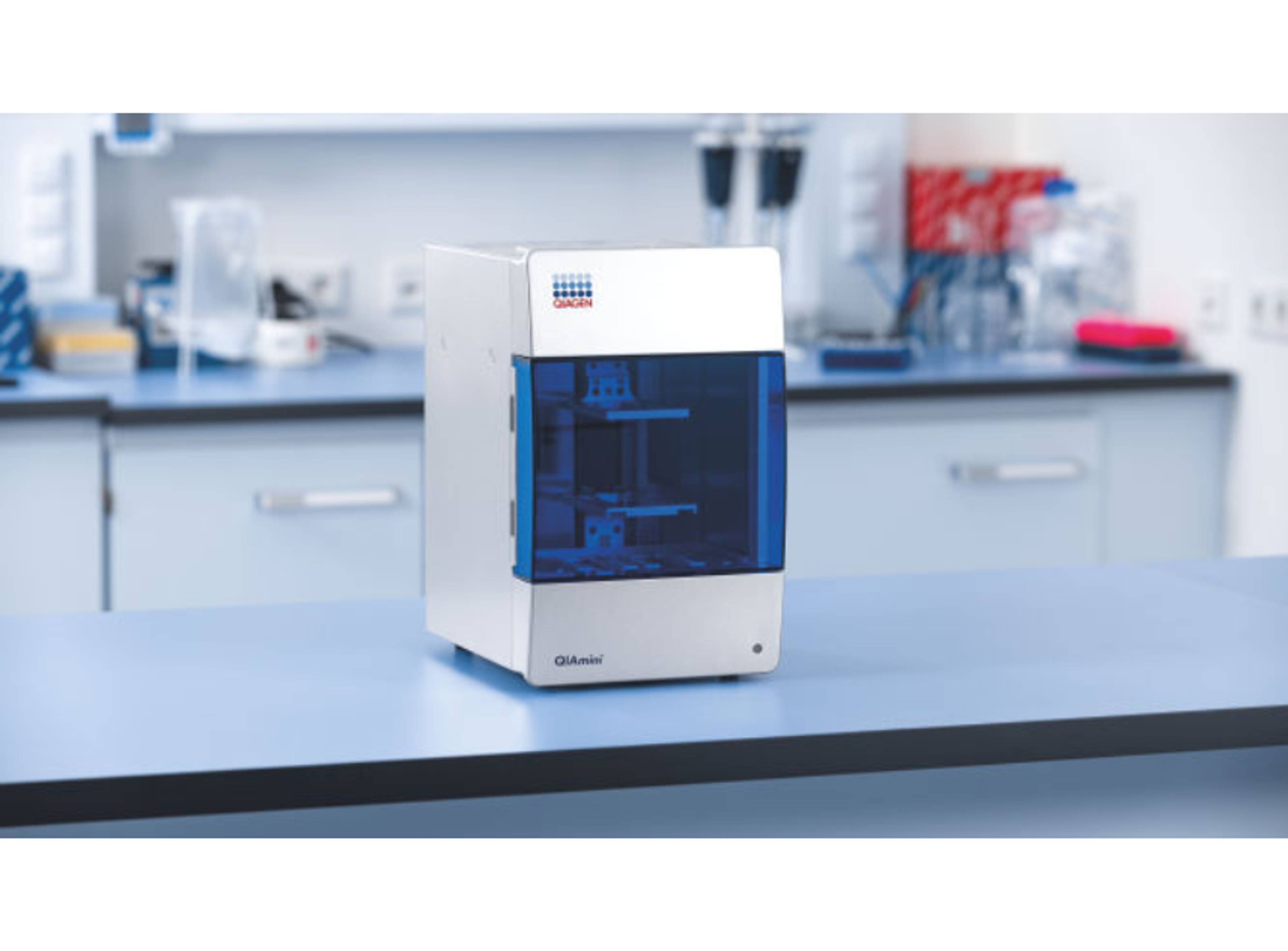
The MACSQuant® Analyzer 10 brings to life the versatility and power required for modern flow cytometry applications. Whether mining for rare cells, analysing the efficiency of your cell manufacturing process or investigating signaling pathways, you are equipped for the task at hand.
Truly hands-free operation
With a range of automated features, the MACSQuant Analyzer 10 lays the foundation for true automation present in all instruments belonging to the MACSQuant Family of flow cytometers.
- Automated startup, cleaning, and shutdown
- Automated compensation
- Automated sample labeling
- Automated MACS® magnetic enrichment
- Automated calibration and quality control (QC)
Along with the MACSQuantify software complete automated assays are available:
- In-process and quality control in cellular therapy, i.e., chimeric antigen receptor (CAR) T cell manufacturing
- Toxicological assays
- Small particles/extracellular vesicle analysis
- 21 CFR Part 11 compliant option
Product Specs:
- Quantity: EA
- Dimensions: (WxDxH* *adjustable touch screen) 669x400x394-553.5mm
- Applications: Flow Cytometry
- Excitation:
- 405nm (violet)
- 488nm (blue)
- 640nm (red)
- Detection: FSC, SSC, 8 fluorescence channels
- Regulatory status: For research use only
- Sample format: 1.5/2.0/5.0/15/50 mL tubes or 24/48/96-well plates
- Measurement speed: < 25 minutes per 96-well plate (5 µL measurement volume per well) Referred value indicates the average of multiple experiments and can differ for individual sample materials. The measurement speed is determined by measuring the time between the movement of the robotic arm into the first measured well, and its movement out of the last measured well. The measurements were carried out at high flow rate in fast mode
- Maximum event rate: Up to 15.000 events/second
- Sample uptake volume: 1-450 µL
- Sample carry-over: 0.01 % Referred value indicates the average of multiple experiments and can differ for individual sample materials. For carryover, full 96-well plates were loaded with 200 μL/well of PBMC suspension at a nominal concentration of 10,000 cells/μL in every other well ("SRC-wells”). Alternating wells are loaded with an equal volume of MACSQuant® Running Buffer ("CO-wells”). The uptake volume was set to 100 μL and measured at medium flow rate in standard mode. The carryover is defined by sum (CO-singlet count)/sum(SRC-singlet count) × 100%
- Flow rate: 25, 50, or 100 µL/min or automate flow rate to maintain 500, 1000, or 2000 events/second
- Fluorescence performance: 5-decade logarithmic scale (10-2 to 103), displayed in lin, log, or hlog scales
- Compensation: Automated, or manual with 8x8 matrix, during or after acquisition
- Operating system: Embedded operating system
- Software: MACSQuantify, integrated acquisition and analysis software
- Data files: .mqd (proprietary file format), .fcs (2.0, 3.0, 3.1 compatible)
- Components: Build-in PC, 15.6” LCD touchscreen, Robotic uptake unit for sample acquisition, integrated MACS magnetic cell enrichment unit
- Accessories:
- MACS® Chill Racks (5, 15, 50, 96)
- Universal Reagent Rack (130-115-722)
- MACSQuant® Buffer Supply Station (130-101-841)
- MACS® MiniSampler Plus (130-105-745)
- MACSQuant® Columns (130-094-458)
Brochures

Express Modes for MACSQuantify™ Software: Reliable Data at the Push of a Button
In this brochure, Miltenyi Biotec describes the unique add-on features for the MACSQuantify™ Software. Express modes are standardized data analysis tools that are optimized to automate flow cytometric measurements and analyses via predefined experiment settings, acquisition, and automated gating.
MACSQuant Analyzer 10 - Instrument Specifications
The MACSQuant® Analyzer 10 is a digital benchtop flow cytometer equipped with three lasers, 10 optical channels, and intuitive software to facilitate rapid and automated cellular analysis. The robust fluidics design and fixed optical bench are engineered to provide consistency and reproducibility in all assays. The MACSQuant Analyzer 10 is a versatile instrument for both phenotypic analysis with fluorescent antibodies and functional analysis of fluorescently labeled cells. It is an excellent choice for researchers in the fields of cell manufacturing, immunology, systems biology, cell biology, neuroscience, and many other disciplines that require highly reliable and sensitive flow cytometric analyses.
MACSQuant Flow Cytometers - Engineering the Future of Automation
The first MACSQuant® Analyzer was engineered to enable demanding and diverse flow cytometry applications of researchers around the world. At Miltenyi Biotec, we have since continued to expand our instrument portfolio to meet the evergrowing complexities in cell analysis. Innovation is at the core of each MACSQuant Instrument, offering automated flow cytometry solutions for a diverse array of appliations.
Wondering which MACSQuant Flow Cytometer is the best fit for your lab? Explore your options in the MACSQuant family of flow cytometers.
Reliable, Hands-Free, and High-Throughput Cell Viability Assays on the MACSQuant Flow Cytometer
The determination of cell viability in any cell culture is a crucial analytical measurement for any study. This includeshigh-throughput cytotoxicity screens of large libraries of compounds and drug discovery research, and studies in all laboratories interested in validating their cell cultures upstream or downstream of any given application.
A Novel Approach for Gentle Sorting of Adult Neural Stem Cells from Wild Type Mouse Brain
Neural stem cells (NSCs) in the adult subventricular zone (SVZ) and the dentate gyrus have the capacity to self-renew and generate new neural cells throughout their lifetime. Their ability to react to brain injury by generating new neurons makes them a valuable cell source for endogenous repair in the adult brain. NSCs are a very rare and sensitive cell population, and a complex marker combination is necessary to distinguish them from other cells. Therefore, their purification still poses a great challenge.
Gentle Sorting of PBMC Populations
Successful cell sorting via flow cytometry highly depends on the collection of viable cells. It is well established that high pressure, decompression, and shear forces negatively affect cell viability and functionality during conventional droplet sorting. Therefore, to mitigate the risk of cell damage, instrument settings, including nozzle size and pressure, have to be carefully chosen by experienced operators, who are capable of adjusting the settings accordingly. Sterility is another concern when working with traditional cell sorters that often operate in an uncontrolled, open-air surrounding. Samples are prone to contamination from both internal sources (sheath fluid, sampling fluidics, etc.) and external sources (airborne contaminants).
Isolation of CD8+ Antigen-Specific T Cells
With adoptive T cell therapies (ACTs) becoming more prevalent, the need for easy and effective isolation of antigen-specific T cells in a clinical setting is growing. The MACSQuant® Tyto™ is a benchtop cell sorter that is fully closed, sterile, and easy to use. At the heart of the system is the disposable, single-use cartridge, which allows for completely aseptic sorting conditions with no chance of cross-contamination between samples. Here we demonstrate the MACSQuant Tyto’s capacity to sort rare antigen-specific cytotoxic T cells out of fresh peripheral blood mononuclear cells (PBMCs). As a model we used PBMCs from a CMV-seropositive donor. The PBMCs contained less than 0.1% of CMV-specific T cells. CMV is a member of the herpes virus group and has a prevalence of 50–96% in human adults. Once infected, the virus persists in the body. The infection is asymptomatic in healthy individuals, but in immunocompromised patients CMV can cause severe diseases.
Automated Cell Counting via Flow Cytometry
Cell counting is an often overlooked, yet critical basis for experiments and production processes. Methodology for cell counting spans multiple technologies that include fluidic-based systems or immobilized slide-based techniques. These methods range from manual to fully automated counting, depending on the device. While there are numerous options available, consistency and reproducibility often fall short. Especially manual counting techniques can be extremely variable with coefficients of variation (CV) as high as 27%.
MACSQuant Flow Cytometers - FRET Express Mode
Fluorescence resonance energy transfer (FRET) is a mechanism describing an energy transfer between two fluorescent molecules. The efficiency of this energy transfer is inversely proportional to the distance between donor and acceptor, making FRET extremely sensitive to small changes in distance. Measurements of FRET efficiency can be used to determine if two fluorochromes are within a certain distance of each other. Therefore FRET can be used to detect molecular interactions in a number of systems and has hence often been applied in various assays in biology and chemistry.
Characterization of Antigen-Specific Naive and Memory T Cell Subsets
Infection-related mortality is a considerable clinical challenge in immunocompromised individuals. Pathogenspecific T cells are crucial mediators of immune protection as shown for example by adoptive transfer of antigenspecific T cells. However, for both predicting or diagnosing infectious complications as well as for the development of effective therapies it is crucial to have reliable methods to phenotypically and functionally characterize the antigenspecific T cells.
Analysis of NKT Cell Endogenous Ligands
The activation of natural killer T (NKT) cells – a regulatory T cell subset – during the immune response is thought to be reliant on endogenous glycolipid display. Many potential candidates for these NKT cell self- antigens have been proposed, including β-linked glycosylceramides. However, determining their actual identity has been difficult due to the low sensitivity of the chemical methods that could not rule out low-level α-anomer contamination of natural or synthetic β-anomer preparations.
Magnetic Enrichment of Antigen-Specific CD4+ T Cells Using the MACSQuant Analyzer 10
Follicular T helper cells (Tfh) play a crucial role in supporting germinal center induction and responses by providing B cell help needed for affinity maturation and generation of B cell memory. Circulating (cTfh) have moved to the center stage of immunological research since it becomes increasingly apparent that these cells are providing insights into the immune responses occurring in the germinal centers of lymphoid organs. Typically, these lymphatic tissues are not accessible when studying human immune responses, thus making cTfh an attractive target for surrogate markers of immunity.
High-Throughput Genotoxicity Assays
Preclinical safety assessments often include the in vitro micronucleus assay in order to evaluate chemicals' potential to cause DNA damage. This particular assay provides information on chromosomal damage in cultured cells by detecting the formation of small membrane-bound DNA fragments (micronuclei) in the cytoplasm of interphase cells. Traditionally, the in vitro micronucleus assay requires a microscopic analysis of the treated cells which precludes its use as a high-throughput screening tool.
A New Method for Culturing Viable Adult Cortical Neurons
To develop a representative of the corticospinal system, Dr. Erna A. van Niekerk, University of California San Diego (UCSD), presents a new method to isolate and culture viable neurons from mice at postnatal day 12 and 20. This cellular representation of corticospinal neurons, she hopes, will advance drug screening for spinal cord injury, stroke, ALS and other disorders.

Key cell biology lab products reviewed by our scientists
From everyday reagents to state-of-the-art tech, find reviews on a range of cell biology lab products and services

New tool for coronavirus-specific T-cell research
The research-grade PepTivator Peptide Pools are designed to stimulate SARS-CoV-2 T-cells
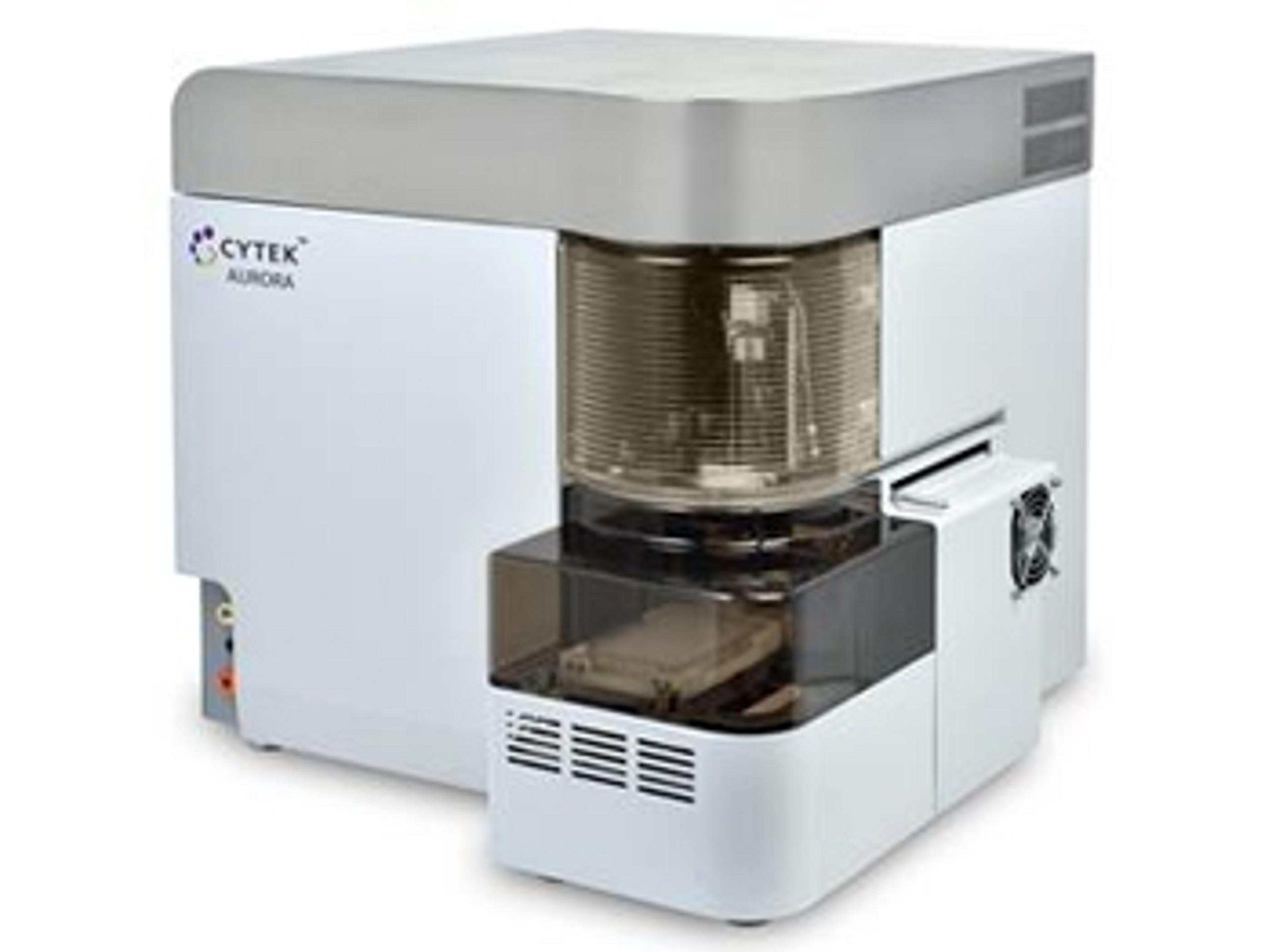
Cytek Biosciences Debuts Advanced Five-Laser Flow Cytometer
The latest version of the Cytek® Aurora advanced flow cytometry system is designed to enable more than 30 colors to be seen from a single sample