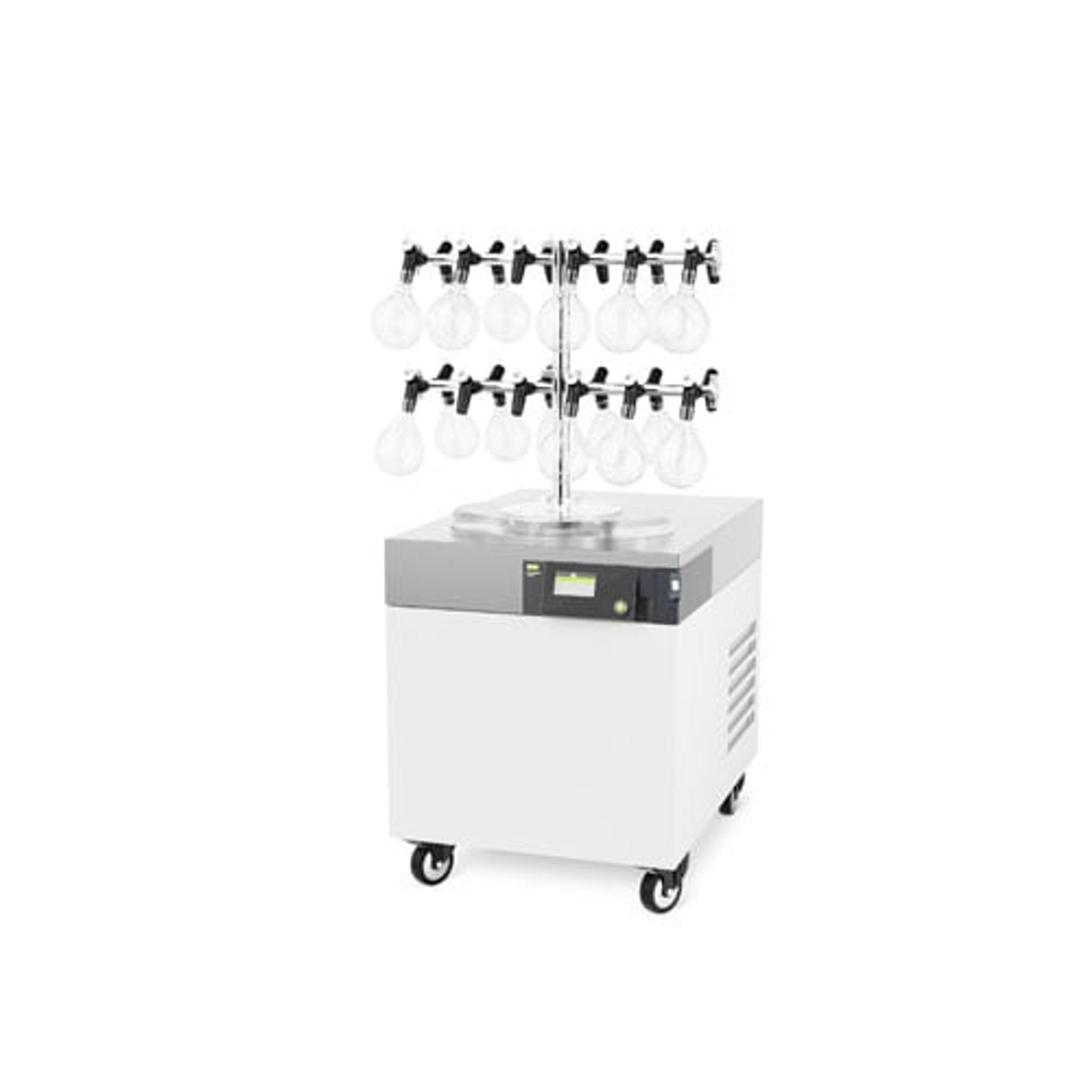
Lyovapor™ L-300
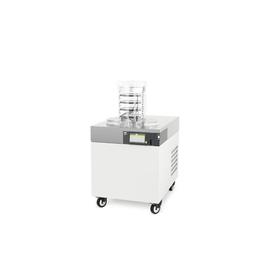
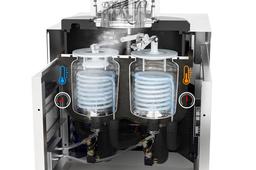
With Infinite-Technology™ the Lyovapor™ L-300 is the first continuous sublimation system available on the market. The instrument contains two alternating condensers that operate at -105 °C and undergo automatic hygenic cleansing. In addition, Infinite-Control™ allows entire process control of all relevant parameters via mobile devices or a stationary computer.
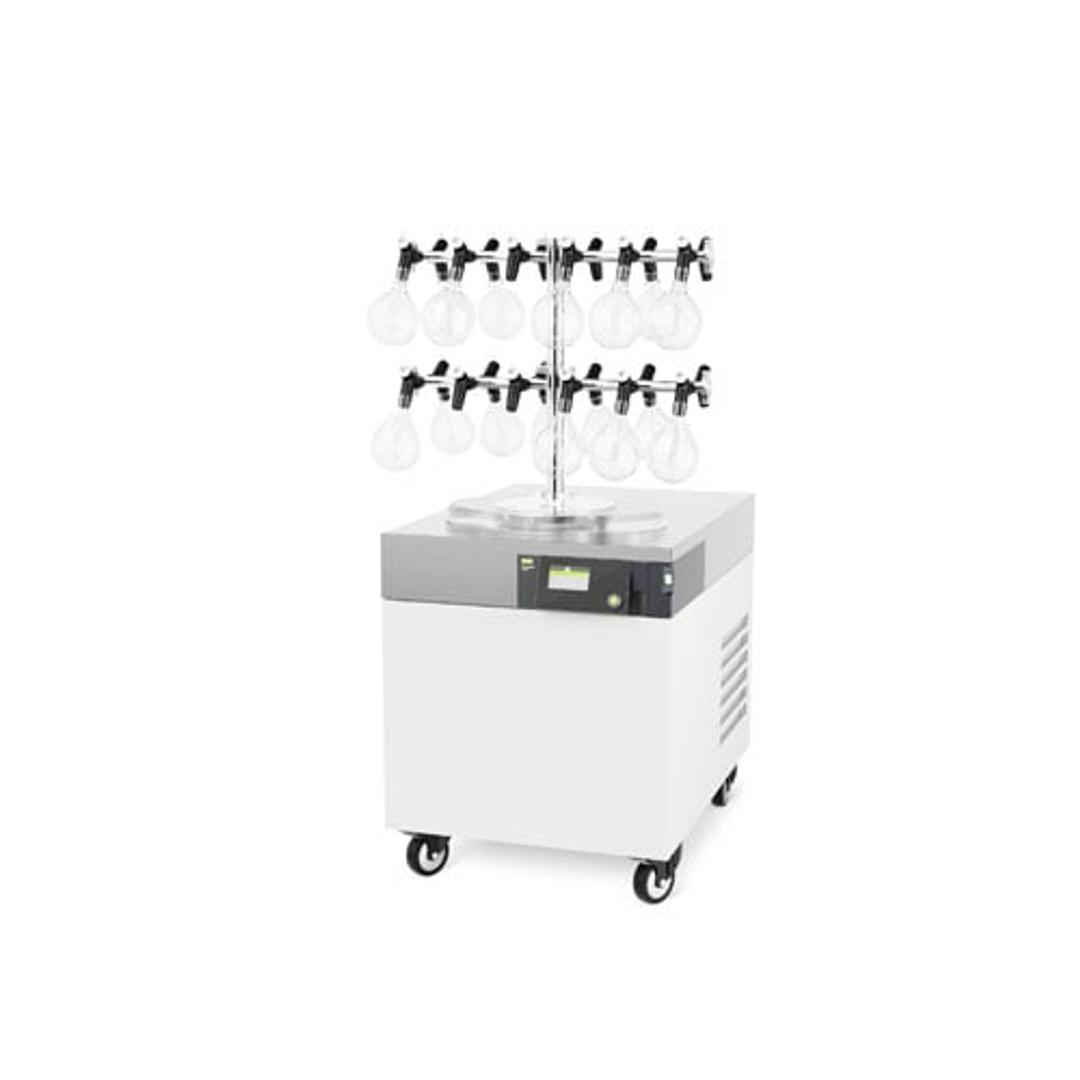
Lyovapor™ L-300 for continuous sublimation
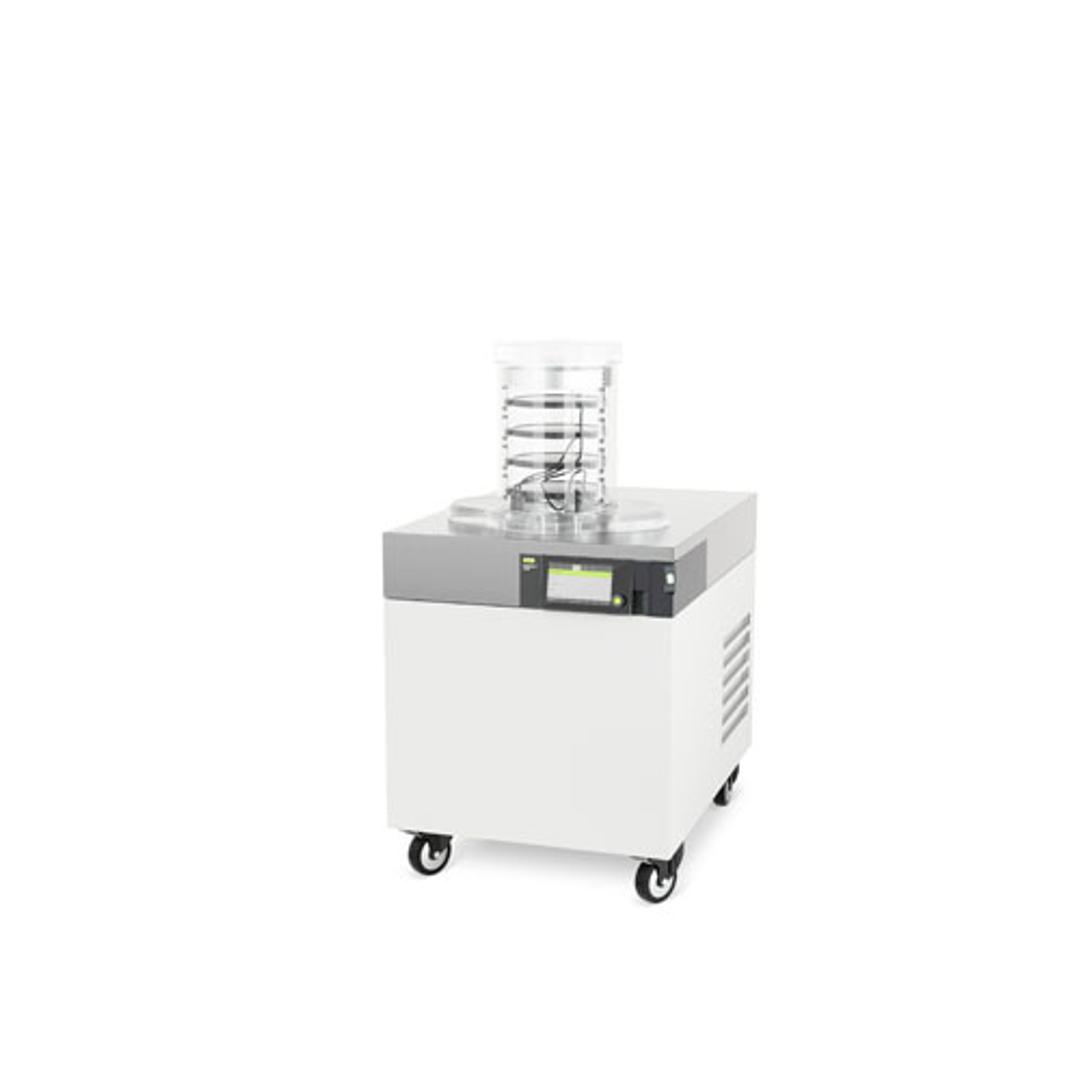
Lyovapor™ L-300 with drying shelves
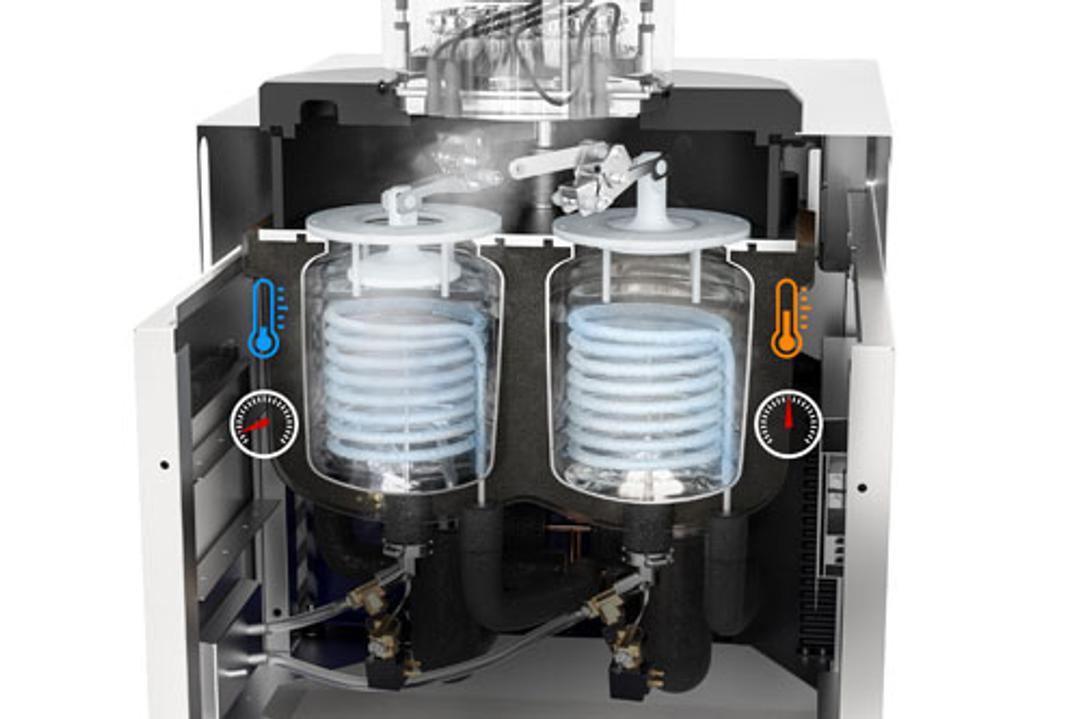
Lyovapor™ L-300 with Infinite-Technology™ for freeze drying

The supplier does not provide quotations for this product through SelectScience. You can search for similar products in our Product Directory.
The Lyovapor™ L-300 is the first laboratory Freeze Dryer to offer continuous sublimation enabled by proprietary Infinite-Technology™ . With two condensers and automated hygienic steam cleaning, the L-300 can handle undlimited lyophilized volumes to offer endless capacity with less maintenance.
- Infinite ice capacity thanks to alternate loading
- Stable pressure due to innovative Smart-Switch
- Reproducible process due to precise parameter maintenance: cooling temperature, shelf temperature variation ±1 °C and vacuum pressure
- Lyophilisation of water and organic based solvents at extremely low temperatures ( -105 °C)
- User-friendly and intuitively arranged touch-screen control panel
- Push notifications and process parameter monitoring possible anytime, anywhere using the BUCHI Monitor App
- Advanced software for method creation and management, data recording and reporting
- Maximal flexibility in display positioning (with front or side options)
- Ultimate protection of precious products with sample protection state
- Reduced maintenance due to fully automated hygienic cleaning of the ice condenser
- Always ready to use thanks to infinite capacity
- Only one device needed for different users
- Low energy consumption due to compact design and small volume of ice condenser
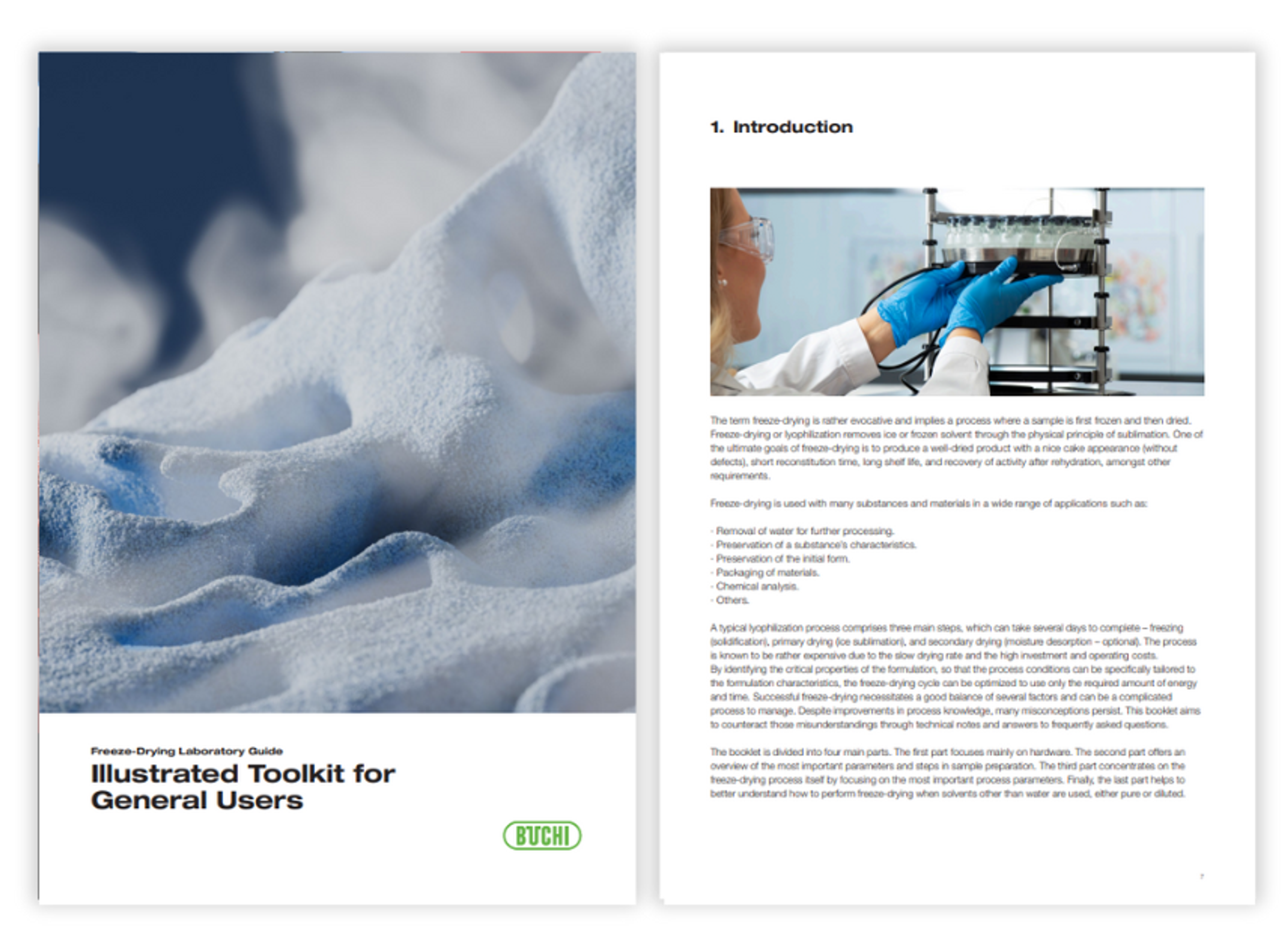
Freeze-drying illustrated laboratory guide
Freeze-drying is not a quick process, and cycles can take a few days and up to a week to complete. It requires a good balance of several factors, and a good understanding of freeze-drying concepts is crucial to achieving a successful process.
In this guide, Buchi provides technical notes and answers to frequently asked questions to support successful freeze-drying for a wide range of applications. This includes how to choose the right hardware, important sample preparation steps, and how to perform freeze-drying when using solvents other than water.

Your freeze-drying laboratory guide from BUCHI
Lyophilization is commonly used as a solution for sample preparation, sample formulation, or to improve storage properties. A wide variety of systems, with a range of sizes, capabilities, and configurations, is available on the market. No system will be suitable for every possibility, and it is important to define what the freeze dryer will be needed for, so that an appropriate instrument can be found.
Explore insights from BUCHI on how to balance individual factors to successfully freeze-dry, and learn how to address misunderstandings through technical notes and answers to frequently asked questions.
A beginner's guide to mastering rotary evaporation
Gain essential tips for mastering rotary evaporation in this expert guide. Explore the core principles of evaporation, including distillation, rotary evaporation, and process optimization. Whether you are a beginner or an experienced scientist, this resource provides valuable insights and advanced strategies to optimize your laboratory workflows and enhance distillation efficiency.
Your GPS to avoiding 8 roadblocks in vitamin research
The road to vitamin synthesis has a unique set of roadblocks that you could do without. In this short guide, Buchi navigates you through the workflow of vitamin R&D by offering solutions to common challenges.
COSMETICS LAB: Discover how to develop cosmetics with care
In this magazine issue by BUCHI, discover more about:
- Latest trends in cosmetics
- Workflows for cosmetics research, development and quality control
- Ingredients used in natural cosmetics development
- Lab techniques for cosmetics innovation and much more.
Polycyclic aromatic hydrocarbons in sludge samples
In this application note, BUCHI provides a complete pre-treatment solution for the determination of polycyclic aromatic hydrocarbons (PAHs) in environmental samples (e.g. sludge and soil, etc.) prior to quantitative analysis, including freeze-drying the sample, extraction of analyte compounds, clean-up, and concentration of the extracts.
Cosmetics made with care
The world of beauty has been evolving over the years and the sector of cosmetics and personal care is expanding. Creativity in development, marketing, health and well-being is a must for any cosmetics company. In the highly competitive industry, products must differentiate and use of innovative technologies can help achieve this goal.
Freeze drying: Basic theory & applications
Freeze drying is the most gentle process to dry various types of perishable materials. The principle of freeze drying is based on the direct transition of a substance from the solid to the gaseous state, called sublimation. Initially, the product is frozen and then dried by sublimation in an environment of reduced pressure. The low pressure enables direct changeover of the frozen solvent into vapor. In most freeze drying applications, the solvent to be removed from the product is water. However, other solvents can be used to a certain extent, such as ethanol.
Tips & tricks from BUCHI experts
Bring your instruments up to full performance with tips and recommendations from practical experience. These tips & tricks can make your daily lab work easier, safer and more sustainable.
Common laboratory techniques in the drug discovery workflow
The characterization of novel therapeutics involves many chemical processes. A typical workflow of methods that are frequently carried out during drug discovery is depicted below. A brief description of each technique, important aspects to consider when choosing laboratory equipment and several publications on related topics are included.
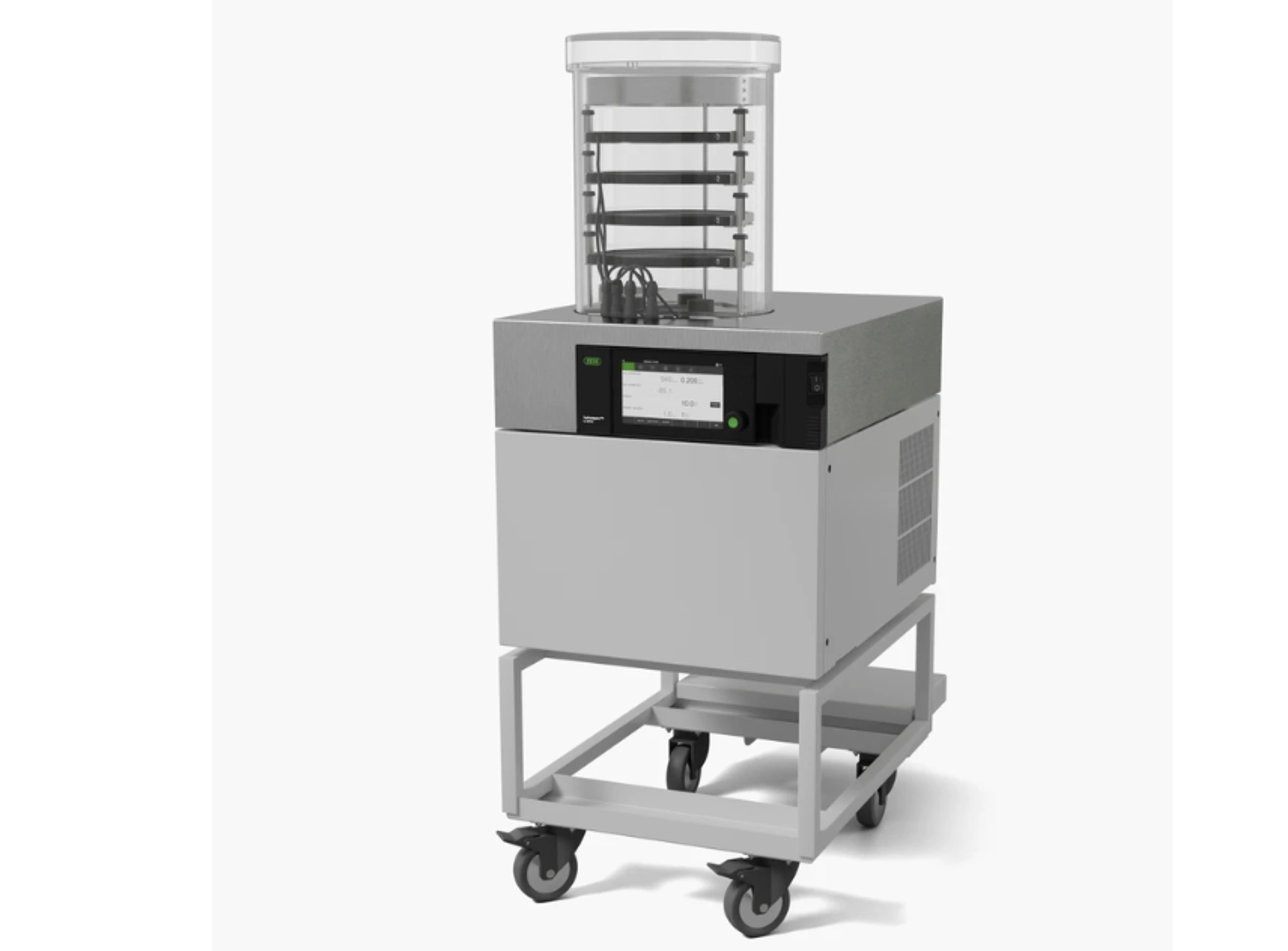
BUCHI introduces a new freeze-drying system developed for R&D environments
The timesaving Lyovapor™ L-210 sets new efficiency standards while maintaining reliable and stable cooling performance