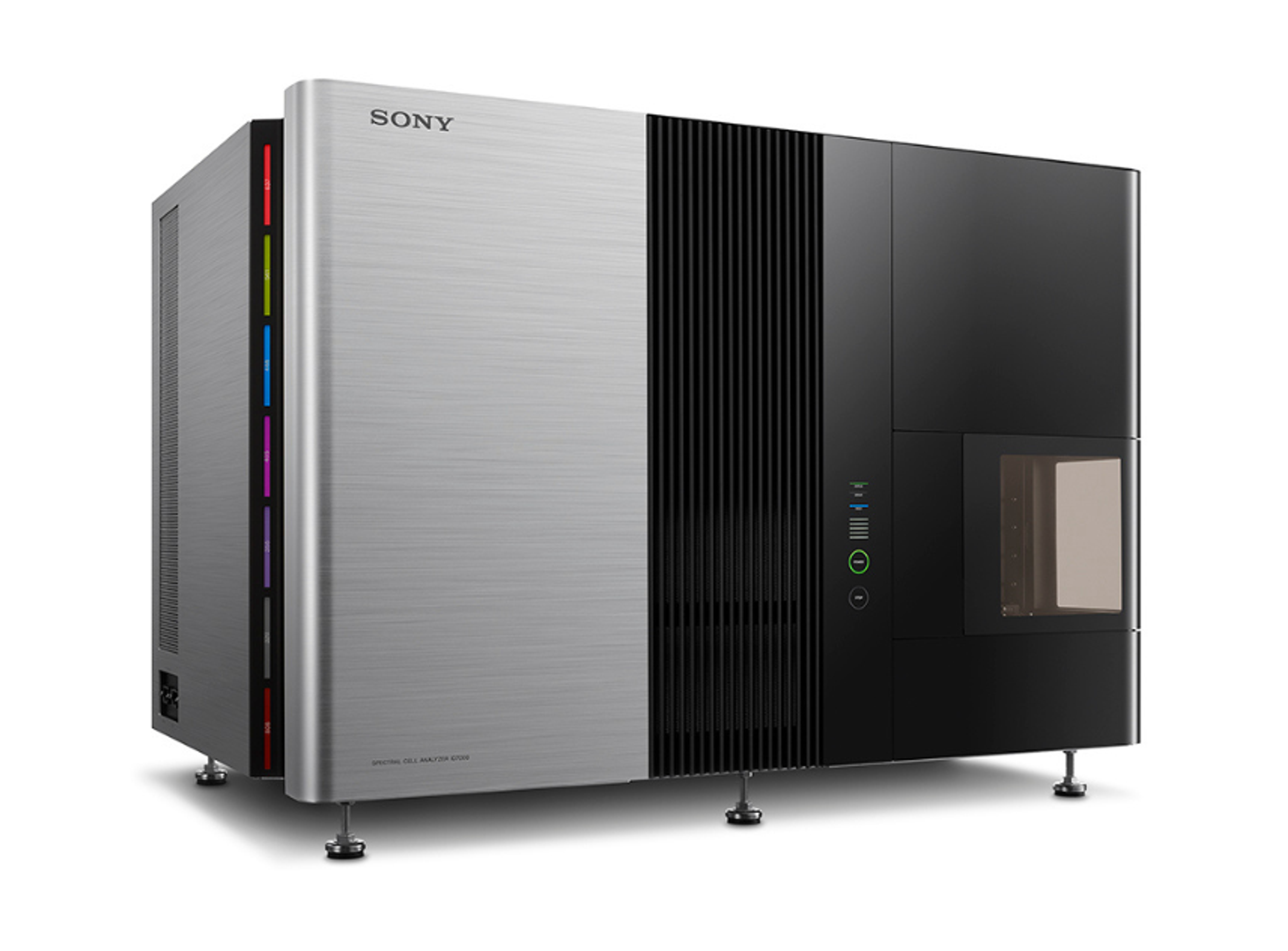
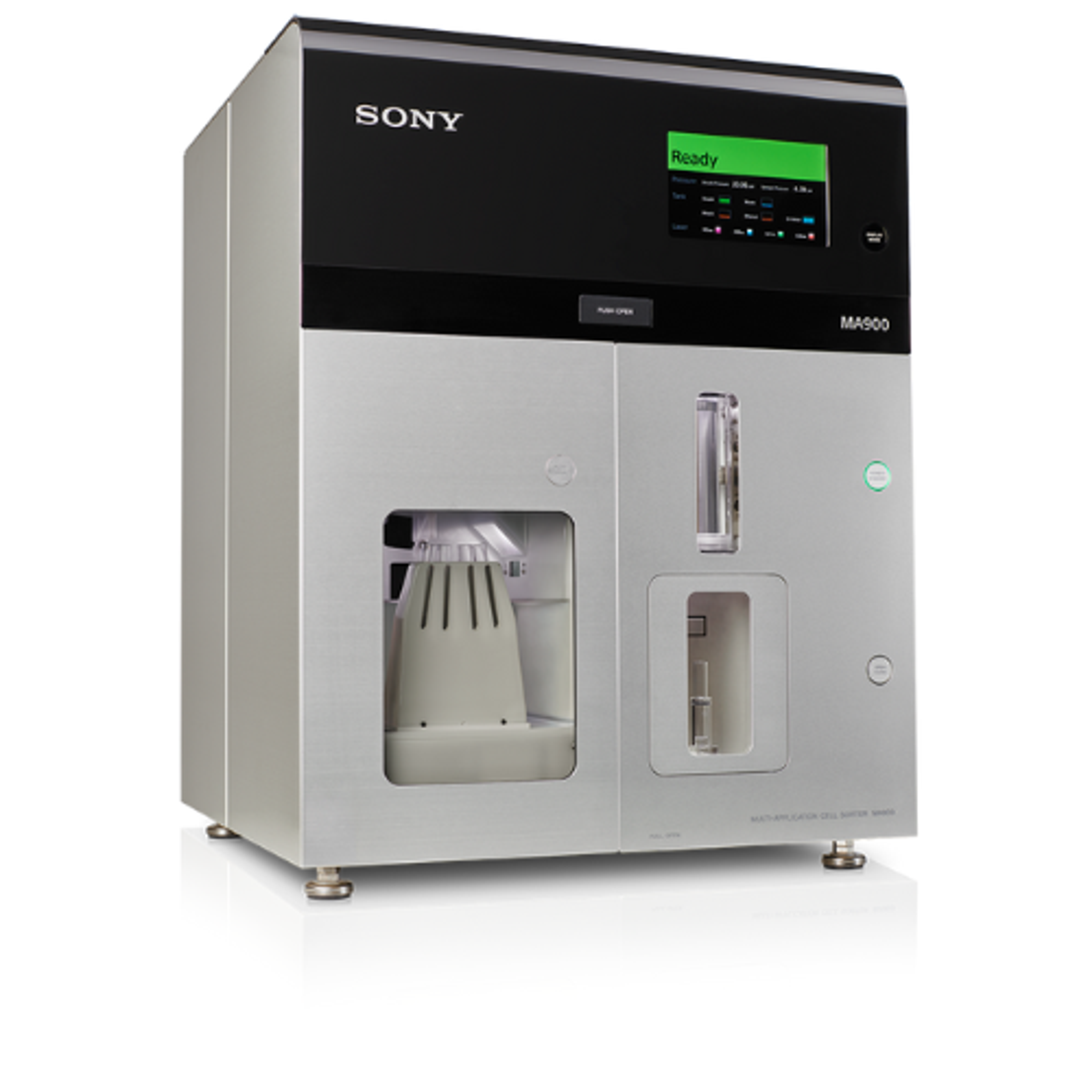
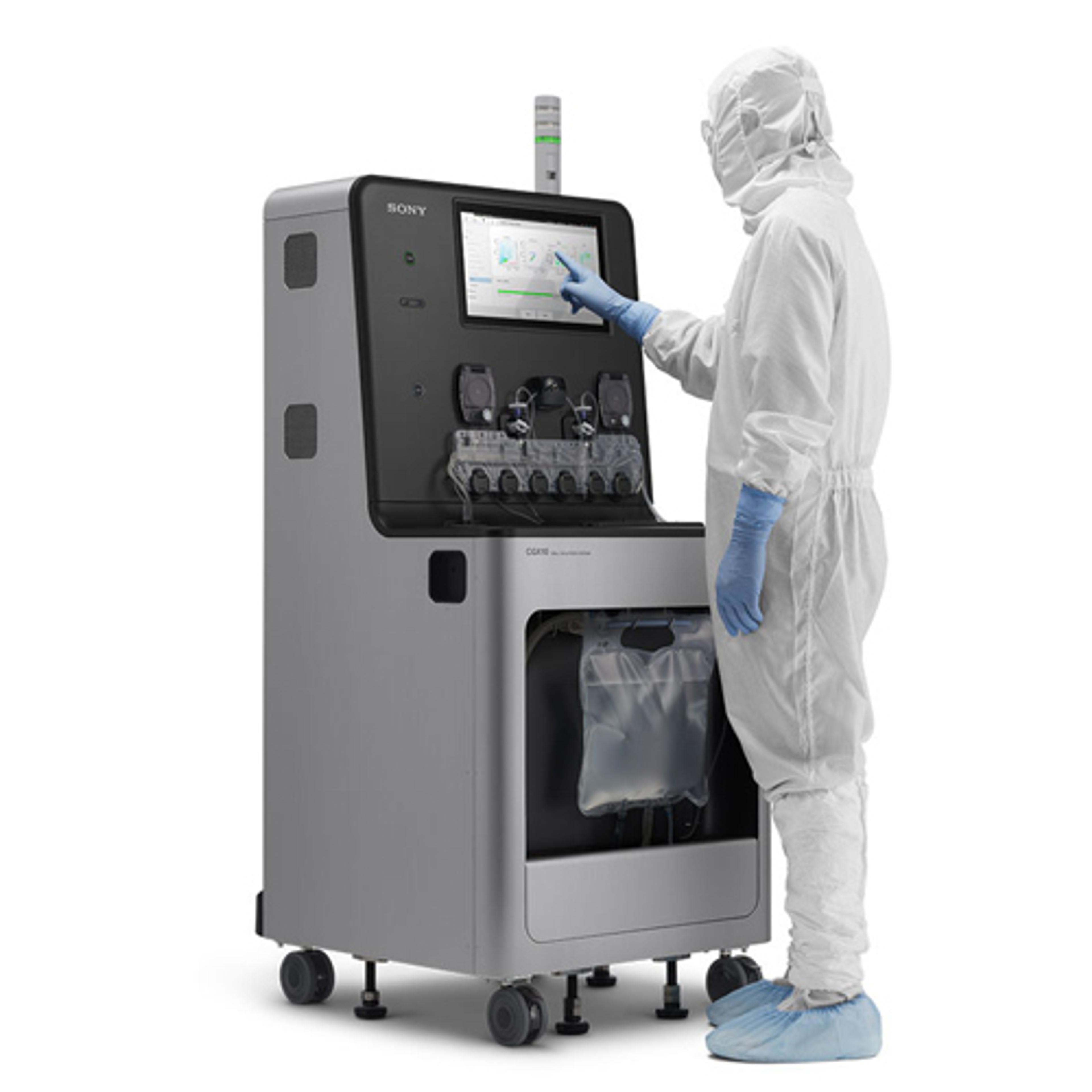
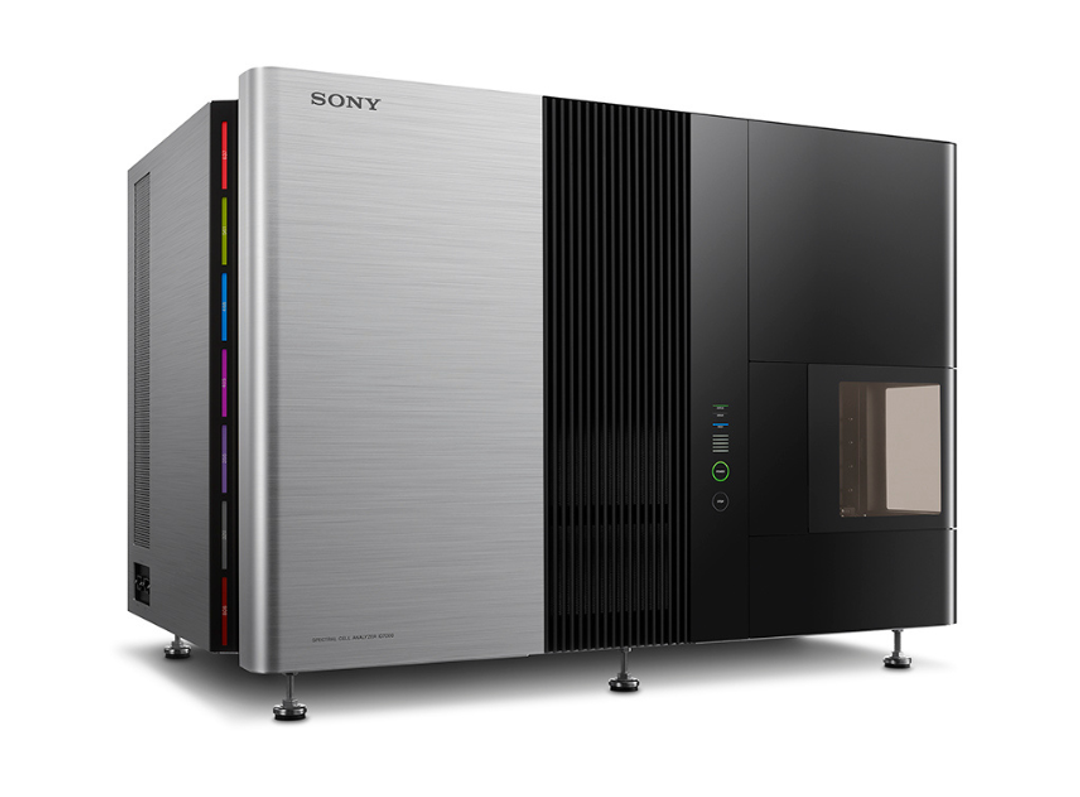
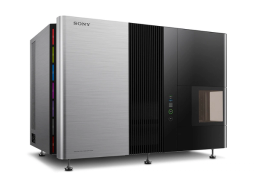
ID7000™ Spectral Cell Analyzer
A high-parameter spectral cytometer, the ID7000 delivers comprehensive information about heterogeneous cell populations, with high sensitivity to detect dim and rare populations.

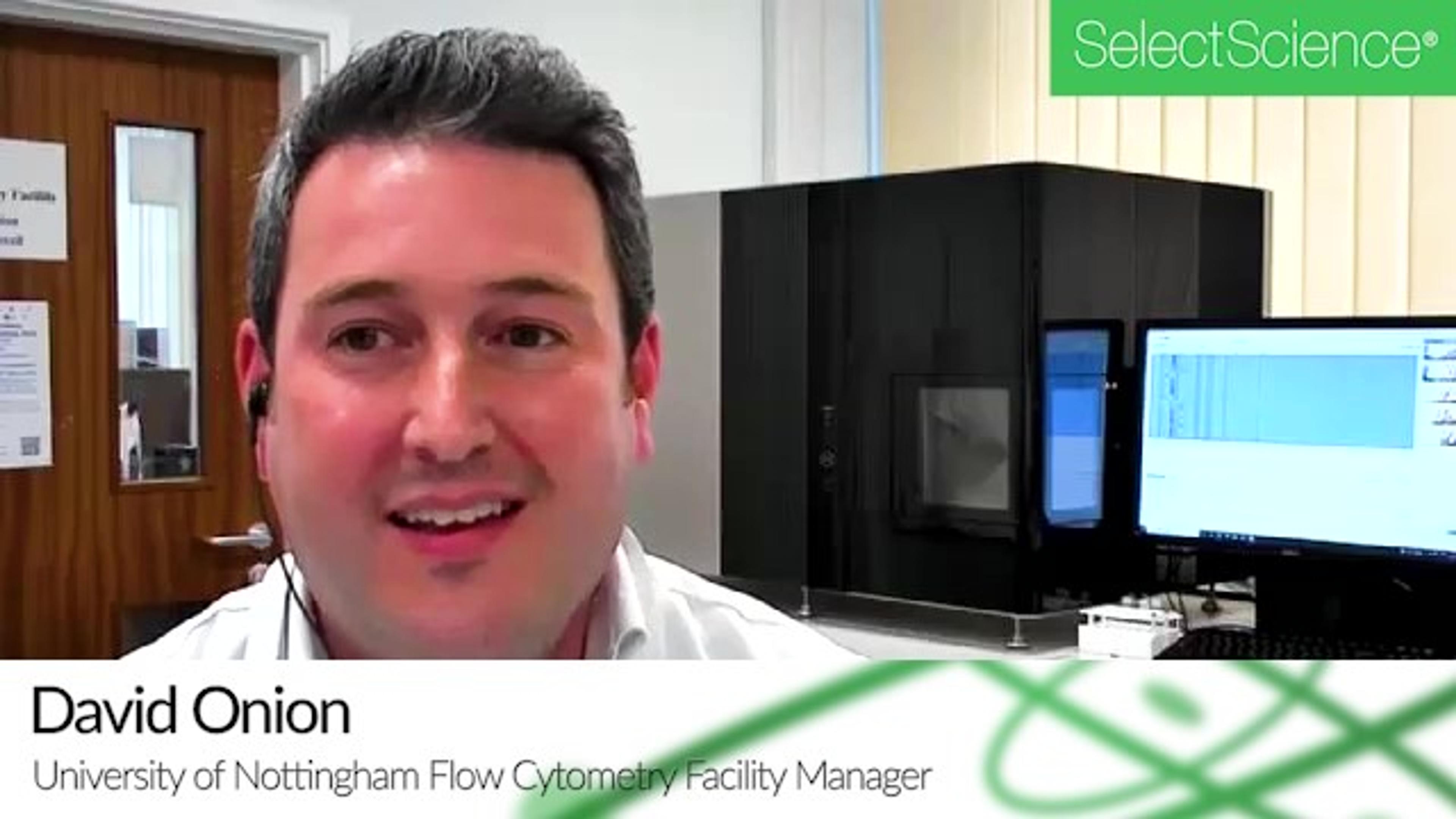
Dr. Maria Johansson, Head of Unit, Department of Microbiology, Tumor and Cell Biology, Karolinska Institutet







Receive your quote directly from the manufacturer.
The next generation of flow cytometry
Flow cytometry, life sciences
Next generation spectral cytometer with outstanding flexibility and very high-quality optics and fluidic system. Possibility to multiplex fluorescent markers vastly superior to conventional flow.
Review Date: 3 Feb 2023 | Sony Biotechnology
The ID7000 is the future of Flow Cytometry!
Immunophenotyping
Couldn't expect less than perfection from Sony Biotech. The ID7000 combines a user friendly software with very high-throughput cell analyzer. Spectral technology is the future of Flow Cytometry and Sony is at the forefront. Our users are working on very large color panels and the ID7000 is great for their experiment and is generating exceptional data.
Review Date: 1 Oct 2021 | Sony Biotechnology
A high-parameter spectral cytometer, the ID7000 delivers comprehensive information about heterogeneous cell populations, with high sensitivity to detect dim and rare populations.
Expanding the boundaries of cell analysis, the ID7000 can be configured with up to 7 lasers and 186 detectors, the most of any flow cytometer available today. The system enables researchers to perform experiments using 44 colors, limited only by the fluorochromes available. The choice of lasers include blue (488 nm), red (637 nm), violet (405 nm), yellow-green (561 nm), ultraviolet (355 nm), deep ultraviolet (320 nm), and infrared (808 nm).
The ID7000 uses spectral technology to collect continuous light from 360 nm to 920 nm, allowing researchers to obtain more data than from a traditional cytometer. With this technology, data can be measured more accurately, and both spectrally adjacent fluorochromes and fluorescent proteins can be used in a panel.
Brochures

Expanding boundaries of cell analysis using the ID7000 Spectral Cell Analyzer
A flow cytometer is a powerful tool that analyzes cells on cell-by-cell basis and allows users to measure multiple parameters of single cells very rapidly—up to 40,000 cells in under one second. In this product brochure, Sony Biotechnology outlines the novel spectral technology incorporated in the ID7000 Spectral Cell Analyzer.
Enhancing the consistency of Sony’s ID7000™ Spectral Cell Analyzer with standardization mode
The ID7000™ Spectral Cell Analyzer from Sony Biotechnology has set a new standard in high-parameter immunophenotyping allowing researchers to explore cellular populations with exceptional depth and flexibility. Its advanced technology facilitates deep analysis, unlocking insights into the intricate workings of the immune system. Consistency in data and among users over time is paramount in scientific research, for which the integrity of results must be beyond reproach. Even with sophisticated instruments like the ID7000, variability can arise from numerous sources, including sample preparation and instrument calibration, which can compromise data quality.
Sony’s standardization mode addresses these issues by ensuring that key instrument parameters are precisely calibrated, allowing for consistent, reliable results that researchers can trust. While not new, this feature remains a cornerstone of the ID7000’s design philosophy, reflecting Sony’s commitment to excellence in reproducibility.
In this webinar, Paul Rouse, Platform R&D Scientist at IMU Biosciences, will demonstrate how researchers at IMU Biosciences, have applied standardization mode, resulting in increased temporal precision in high-dimensional datasets.
Additionally, he will discuss practical strategies for implementing this mode effectively in everyday experimental workflows, including best practices for calibration, panel design, and data analysis. By leveraging the full potential of standardization mode, users can enhance the reliability of their immunophenotyping studies, driving more accurate and impactful results in both research and clinical applications.
Key learning objectives
- Understand the difference between normal mode and standardization mode
- Understand the different sources of variability in longitudinal studies
- Understand the key benefits of standardization mode
- Learn the different applications that Standardization mode can be applied to
- Review data that demonstrates the utility of standardization mode
Who should attend?
This webinar will cover the benefits and use of standardization mode on the ID7000 Spectral Cell Analyzer as experienced by scientists at IMU Biosciences. The content will be of interest to those who want to see how inter- and intra-instrument studies can be executed without compromising data quality or introducing variability. Attendees will learn about best practices for calibration, panel design, and data analysis within standardization mode.
Certificate of attendance
All webinar participants can request a certificate of attendance, including a learning outcomes summary, for continuing education purposes.
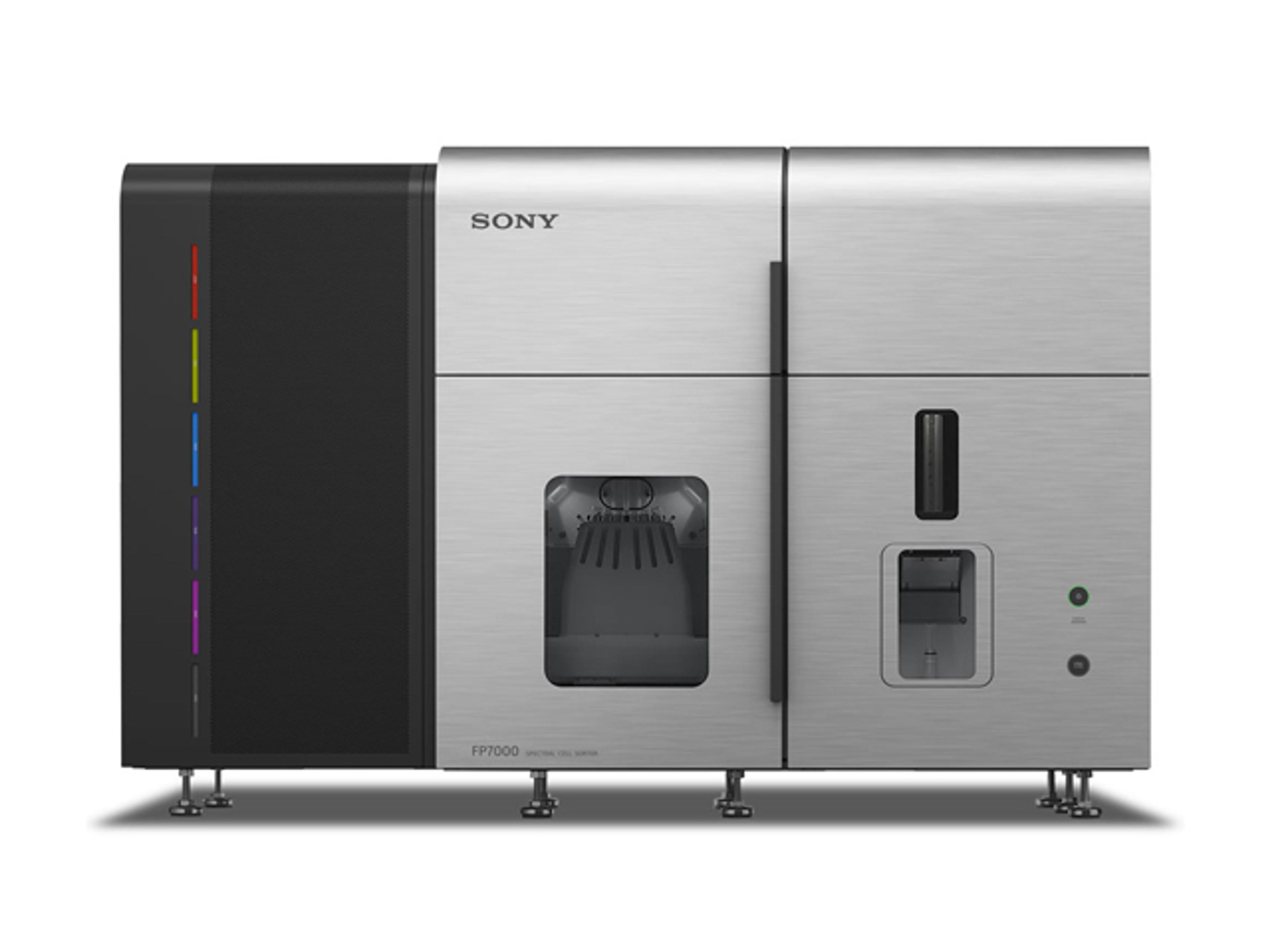
High-parameter cell sorting: Pairing the ID7000™ System with the FP7000 Spectral Cell Sorter
Thursday, February 20 at 16:00 GMT | 17:00 CET | 11:00 EST | 08:00 PST
A broad range of researchers are increasingly using high-parameter flow cytometry as a tool to drive insights in the areas of immunology, stem cell research, oncology, and drug discovery. Streamlined workflows that allow users to easily setup high-parameter experiments for analysis and sorting of target populations support accessibility, ultimately leading to better data quality and faster results.
The FP7000 Spectral Cell Sorter is designed with cutting-edge spectral optics, electronics, and fluidics that maximize performance for high-parameter cell sorting applications. Guided workflows in the software enable researchers to easily transfer panels optimized on the ID7000™ Spectral Cell Analyzer or easily setup a multicolor panel for high-speed sorting.
In this webinar, Anthony Carcio, Senior Field Application Scientist at Sony Biotechnology, will review key features of the FP7000 and how it streamlines high-parameter experiments for optimal sorting results. He will also explore how the ID7000 Spectral Cell Analyzer and the FP7000 work integrally, facilitating a seamless transfer of multicolor applications, and review how the FP7000 Spectral Cell Sorter can be used for sorting several distinct and rare subsets of immune cells from a 34-color panel to obtain highly pure populations.
Certificate of attendance
If you attend the live webinar, you will automatically receive a certificate of attendance, including a learning outcomes summary, for continuing education purposes.
If you view the on-demand webinar, you can request a certificate of attendance by emailing editor@selectscience.net.
Webinar details
- Cost: Free to attend
- Location: Online
- Duration: 60 minutes
Registration is required to secure your place. If you register but can’t attend live, you will receive a link to the on‑demand recording once it becomes available.

Improving Spectral Flow Cytometry Workflows with Sony Spectral Systems
April 15, 2025 at 16:00 BST / 17:00 CEST / 11:00 EDT / 08:00 PDT
In the evolving field of spectral flow cytometry, the ID7000™ Spectral Cell Analyzer stands out with its user-focused features designed to streamline and enhance the user experience.
This webinar will explore how features such as standardization, automation, and advanced analysis work together to improve data reproducibility, quality, and to deliver deeper insights into results. More specifically, we will discuss how standardization ensures consistency across instruments, experiments, and users, ways in which the Automation Upgrade reduces hands-on time at the cytometer, and how the Spectral Flow Analysis (SFA) Life Sciences Cloud Platform supports handling and visualization of complex multi-parametric data.
Whether you’re looking to optimize experimental design, increase throughput, or improve data integrity, this webinar will provide practical tips for leveraging the ID7000 system capabilities to transform your research and analytical workflows.
Certificate of attendance
If you attend the live webinar, you will automatically receive a certificate of attendance, including a learning outcomes summary, for continuing education purposes.
If you view the on-demand webinar, you can request a certificate of attendance by emailing editor@selectscience.net.
Webinar details
- Cost: Free to attend
- Location: Online
- Duration: 60 minutes
Registration is required to secure your place. If you register but can’t attend live, you will receive a link to the on‑demand recording once it becomes available.
Diversity and granularity in immunometabolism: combining SCENITH with spectral flow on the ID7000™ Spectral Cell Analyzer
Tuesday, February 25 at 16:00 GMT / 17:00 CET / 11:00 EST / 08:00 PST
The metabolic profile of immune cells is increasingly recognized as closely linked to its function in various contexts, including infection, cancer, autoimmunity, and aging. However, our understanding of immunometabolism within the complex human immune system is uneven; smaller populations and those that do not thrive in culture remain under-studied.
Join us for an exclusive webinar where we will explore how spectral flow cytometry and SCENITH can be utilized to combine high-resolution profiling of cellular heterogeneity, along with granular measurements of glycolytic and mitochondrial activity. We will discuss key technical requirements, including sample size and cell number, for obtaining reliable measurements, and demonstrate the advantages of Sony's ID7000™ Spectral Cell Analyzer, particularly in the implementation of barcoding and autofluorescence measurement.
Who should attend?
Researchers who are interested in combining spectral flow cytometry with SCENITH to gain new insights into immunometabolism.
Certificate of attendance
All webinar participants can request a certificate of attendance, including a learning outcomes summary, for continuing education purposes.

Transferring spectral flow cytometry panels to the ID7000: Performance and unmixing considerations
Wednesday, January 28 at 16:00 GMT | 17:00 CET | 11:00 EST | 08:00 PST
Flow cytometry panels are often developed on a specific instrument configuration, raising questions about performance when transferred to a different platform. In this SelectScience® webinar, we demonstrate the successful transfer of a multicolor spectral panel that was not originally designed for the ID7000™ Spectral Cell Analyzer from Sony Biotechnology. We show that equivalent data quality and resolution can be achieved.
Using real experimental data, we explore differences in spread and resolution between 5-laser and 6-laser configurations. Also, we assess the impact of unmixing strategy, comparing spectral libraries to freshly prepared single stained controls, with optional examples using beads and cells. Attendees will gain practical insight into panel portability and unmixing best practices.
Certificate of attendance
If you attend the live webinar, you will automatically receive a certificate of attendance, including a learning outcomes summary, for continuing education purposes.
If you view the on-demand webinar, you can request a certificate of attendance by emailing editor@selectscience.net.
Webinar details
- Cost: Free to attend
- Location: Online
- Duration: 60 minutes
Registration is required to secure your place. If you register but cannot attend live, you will receive a link to the on‑demand recording once it becomes available.
Single-stained controls: Using them effectively for high-quality multicolor spectral data
Wednesday, March 19 at 16:00 GMT / 17:00 CET / 12:00 EDT / 09:00 PDT
Join us for an insightful webinar on the effective use of single-stained controls in multicolor spectral flow cytometry. This session will cover critical requirements for employing single-stained controls successfully and provide practical tips and tricks to help you achieve high-quality spectral data in your experiments. You will gain practical insights into using single-stained controls effectively, making this knowledge easy to apply to your own experiments.
Certificate of attendance
If you attend the live webinar, you will automatically receive a certificate of attendance, including a learning outcomes summary, for continuing education purposes.
If you view the on-demand webinar, you can request a certificate of attendance by emailing editor@selectscience.net.
Webinar details
- Cost: Free to attend
- Location: Online
- Duration: 60 minutes
Registration is required to secure your place. If you register but can’t attend live, you will receive a link to the on‑demand recording once it becomes available.
Spectral flow cytometry reveals hidden immune subgroups in ALS
Amyotrophic lateral sclerosis (ALS) is a rapidly progressive neurodegenerative disease with limited treatment options and significant variability between patients. In this SelectScience interview, Dr. Ben Murdock, Research Assistant Professor at the University of Michigan, shares how his team is uncovering the role of the immune system in disease progression. Using spectral flow cytometry, Dr. Murdock explores how detailed immune profiling can improve diagnosis, predict prognosis, and identify targeted therapies. He also discusses how the Sony ID7000 Spectral Cell Analyzer enables high-dimensional analysis of rare immune cell populations, helping to reveal patient-specific immune signatures and advance more personalized approaches to ALS treatment.
VIB Flow Core supercharges science with spectral cytometry
At the VIB Flow Core in Ghent, Belgium, advanced flow cytometry technology fuels pioneering research in immunology, plant biology, and biotechnology. Gert Van Isterdael, head of the core facility, highlights how the ID7000 Spectral Cell Analyzer and its high-parameter spectral analysis capabilities are enabling scientists to break new ground in cellular analysis and generate high-quality, trustworthy data.
Exploring the ID7000: Advancements in flow cytometry
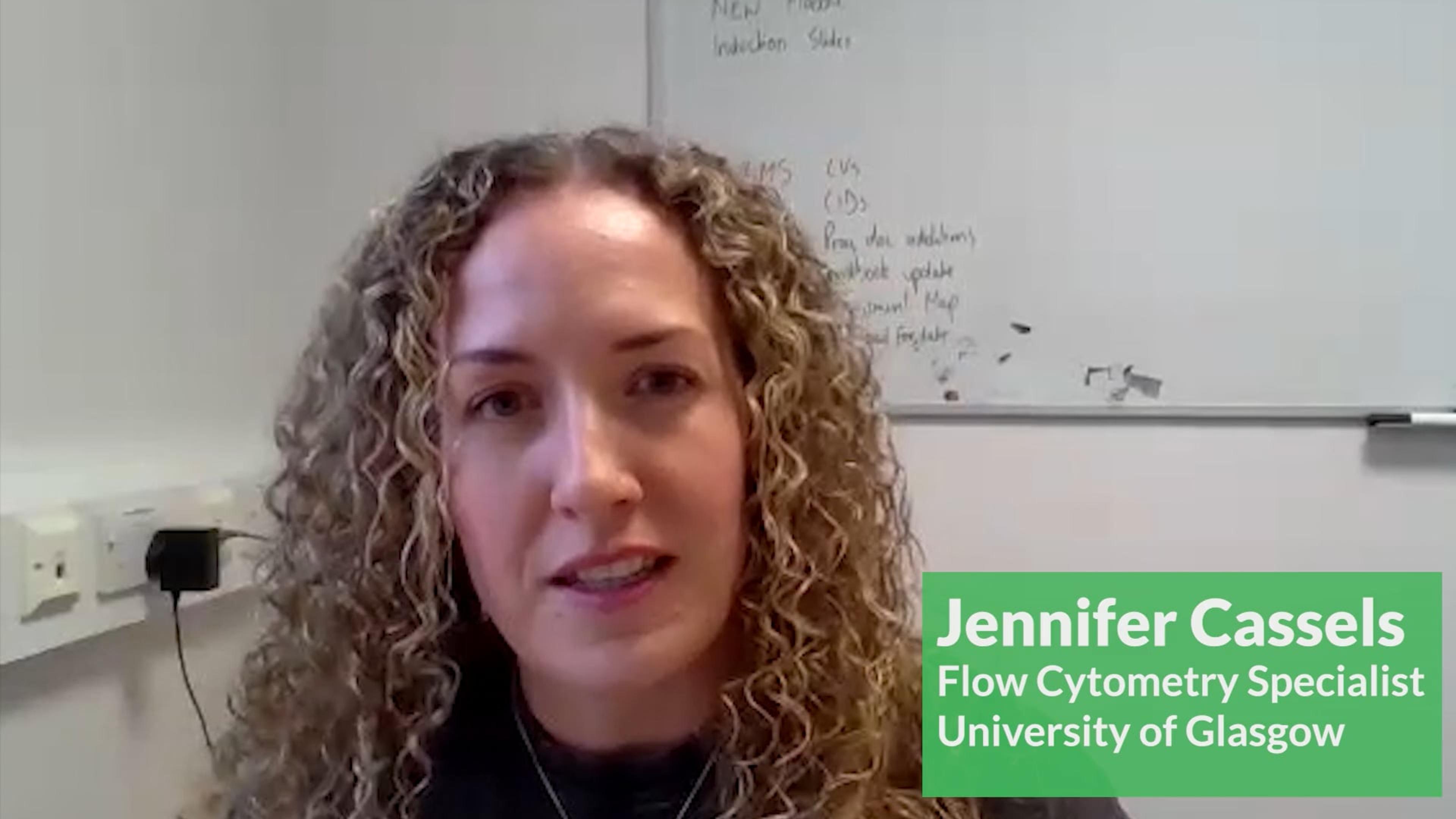
Join SelectScience® as we speak with Jennifer Cassels, a leading flow cytometry specialist at the University of Glasgow’s School of Cancer Sciences. With over 14 years of experience, Jennifer has played a pivotal role in advancing the university's flow cytometry facility. In this video, she discusses the emergence of spectral technology in flow cytometry and highlights how cutting-edge instruments, such as the ID7000, are transforming research workflows. Don’t miss this insightful conversation with one of the field’s top experts.
The ease and sensitivity of automated spectral flow cytometry
Dr. Maria Johansson, Head of Unit, Department of Microbiology, Tumor and Cell Biology, Karolinska Institutet, shares expert insights into how spectral technology is transforming the world of flow cytometry. Learn about the advantages and benefits of spectral flow cytometry, as well as how to optimize your experiments using this technology.
Explore best practices and understand the benefits of making the switch to spectral flow cytometry in the full editorial article.

Immune profiling brings scientists closer to personalized treatments for ALS
Dr. Ben Murdock explains how flow cytometry is uncovering immune signatures in amyotrophic lateral sclerosis and how these could help guide new treatment strategies
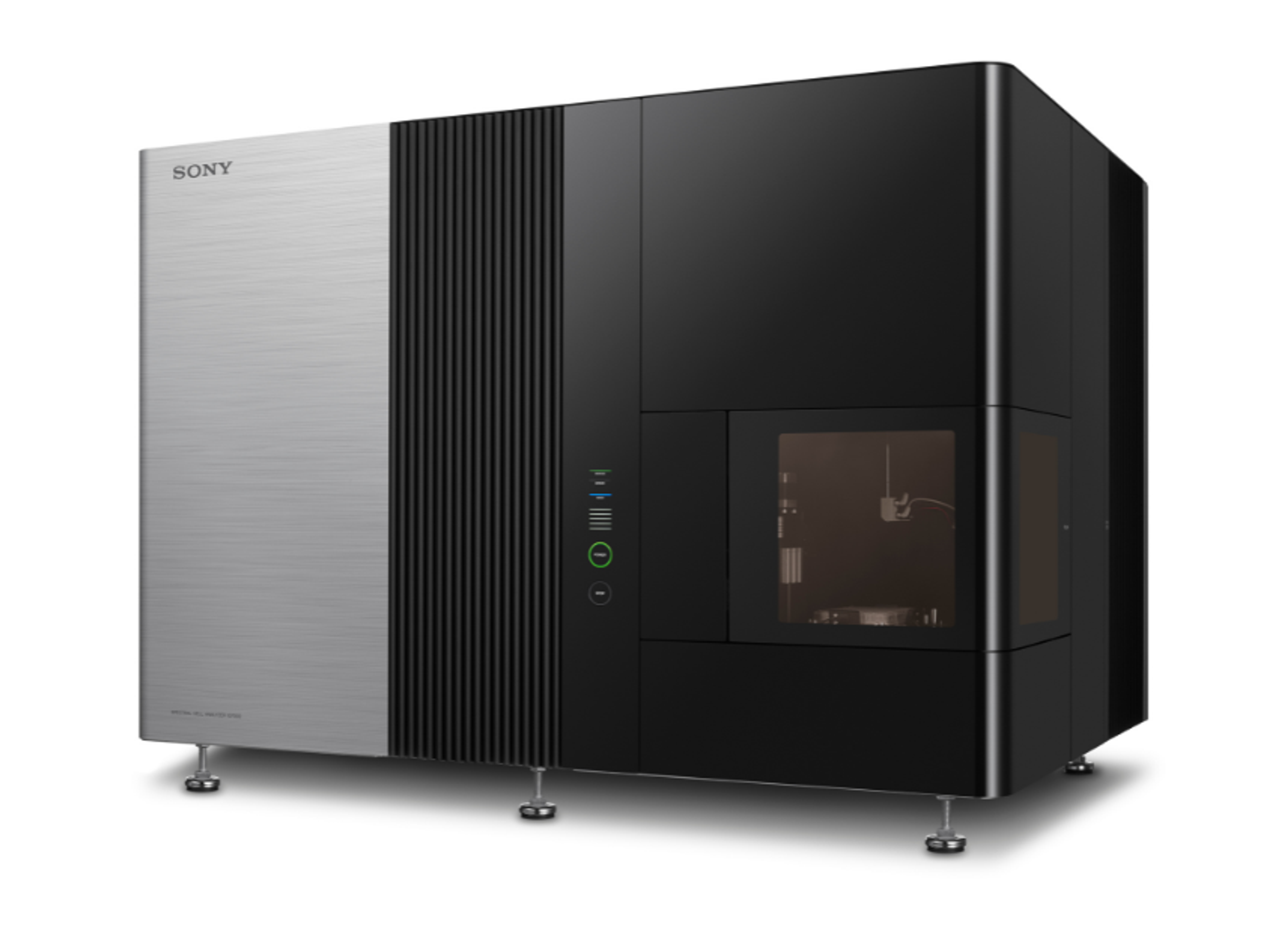
How to transition to spectral flow cytometry
Explore best practices and understand the benefits of making the switch to spectral flow cytometry
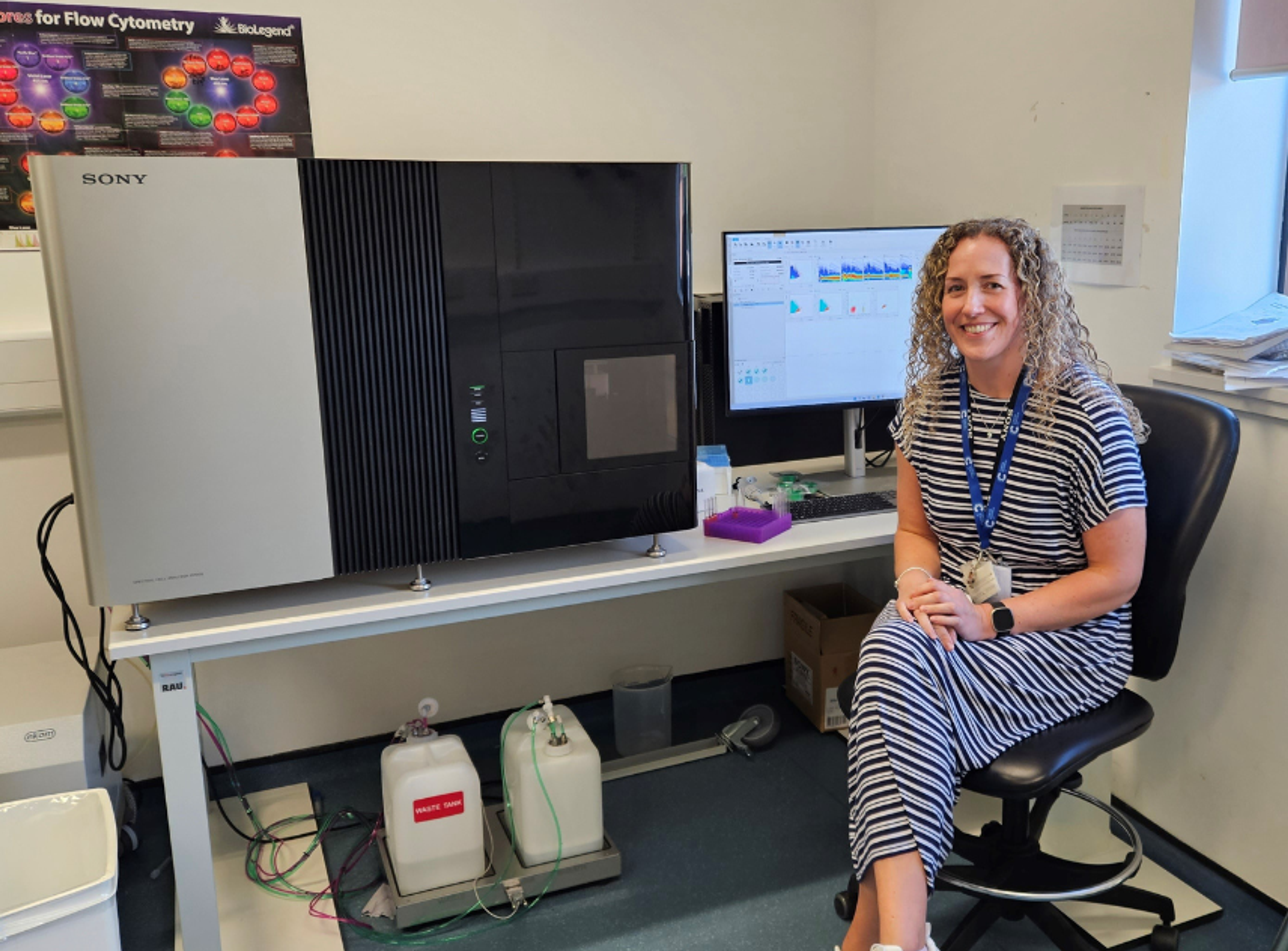
Flow cytometry transformed by new spectral technology
Discover the benefits of incorporating spectral technology in the lab to advance your flow cytometry research
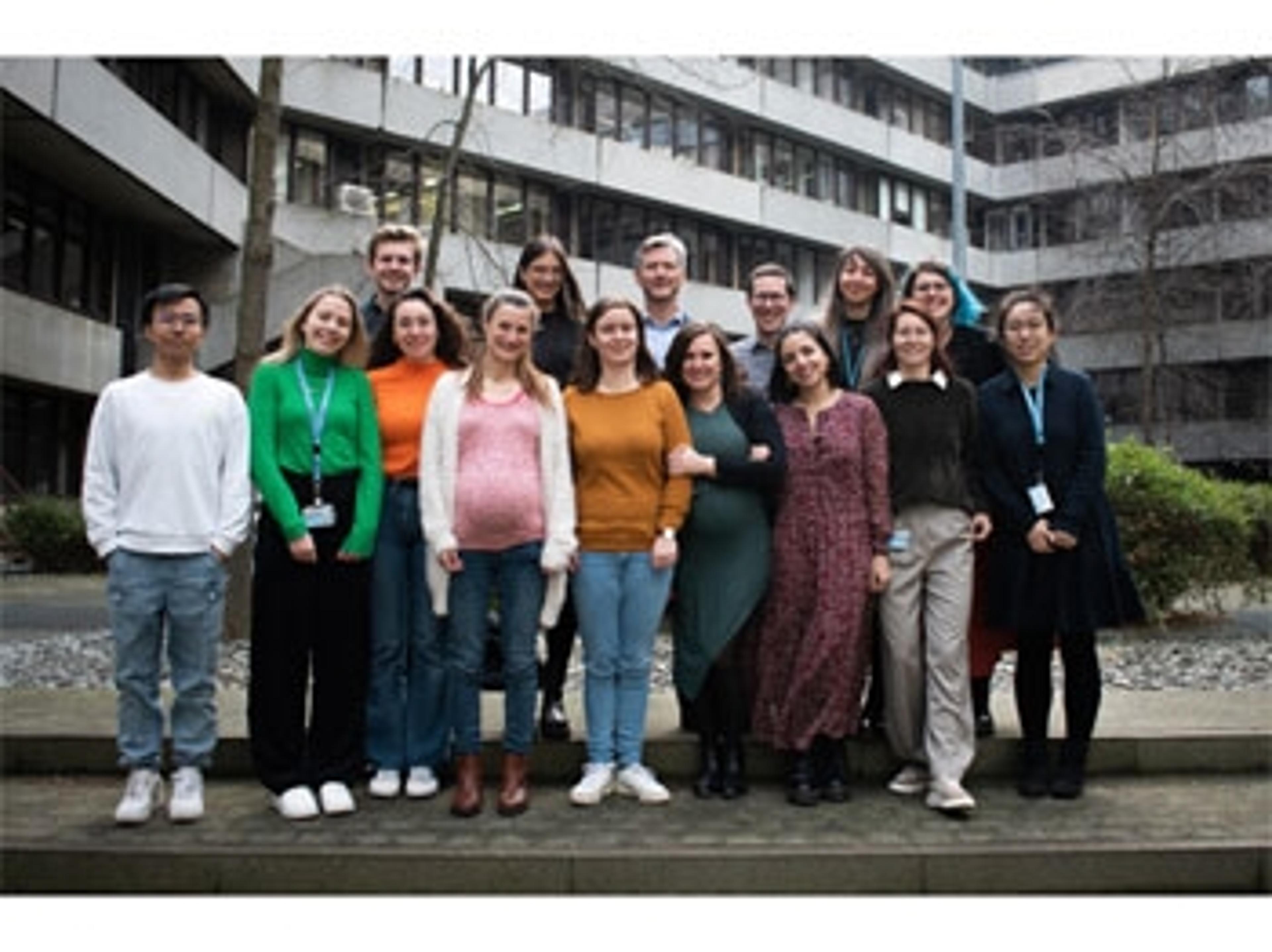
How spectral flow cytometry is advancing understanding of the gut immune system’s role in IBS
Learn how researchers at KU Leuven are using spectral flow cytometry to investigate how the intestinal nervous and immune systems interact in health and disease states

Fundamentals of advanced spectral cell analysis using the ID7000™ system
Watch this on-demand webinar for expert insight into spectral cell analysis and how it may be used to generate parametric data

Sample preparation and enrichment for single-cell sequencing assays
Watch this on-demand webinar to understand sample requirements and basic optimization steps for single-cell assays
Spectral cytometry software workflows and tools that enable multi-parametric flow cytometry
Watch this on-demand webinar to find out how Sony’s ID7000 spectral cell analyzer can work in your lab

Sample preparation and enrichment for single-cell sequencing assays
Join our webinar on Wednesday, January 20, to understand sample requirements and basic optimization steps for single-cell assays
Spectral cytometry software workflows and tools that enable multi-parametric flow cytometry
Join this webinar to discover more about the software and hardware of the new ID7000 spectral analyzer

Uncovering cell type-specific gene regulation in mammalian tissues using single-cell genomics: Your questions answered
Watch this on-demand webinar to learn about the latest approaches in single nucleus transcriptomics and ATAC-Seq