HiSorb
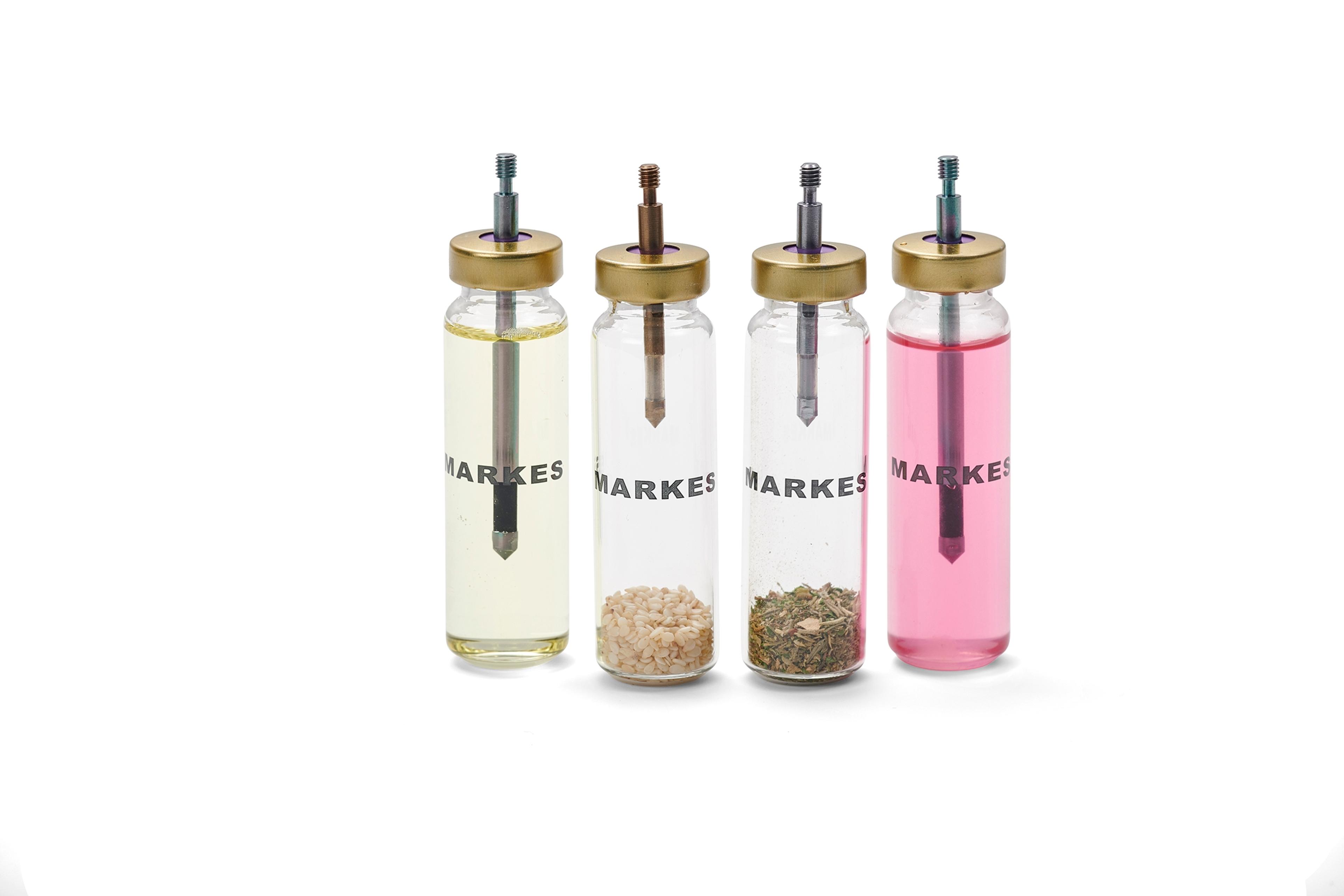
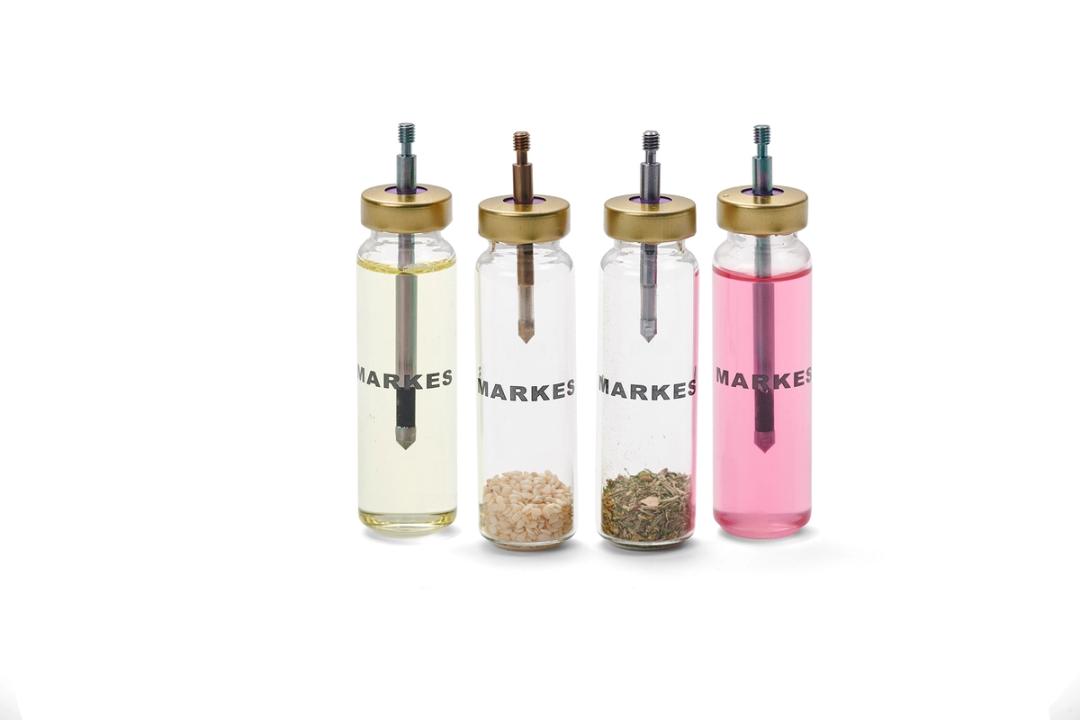
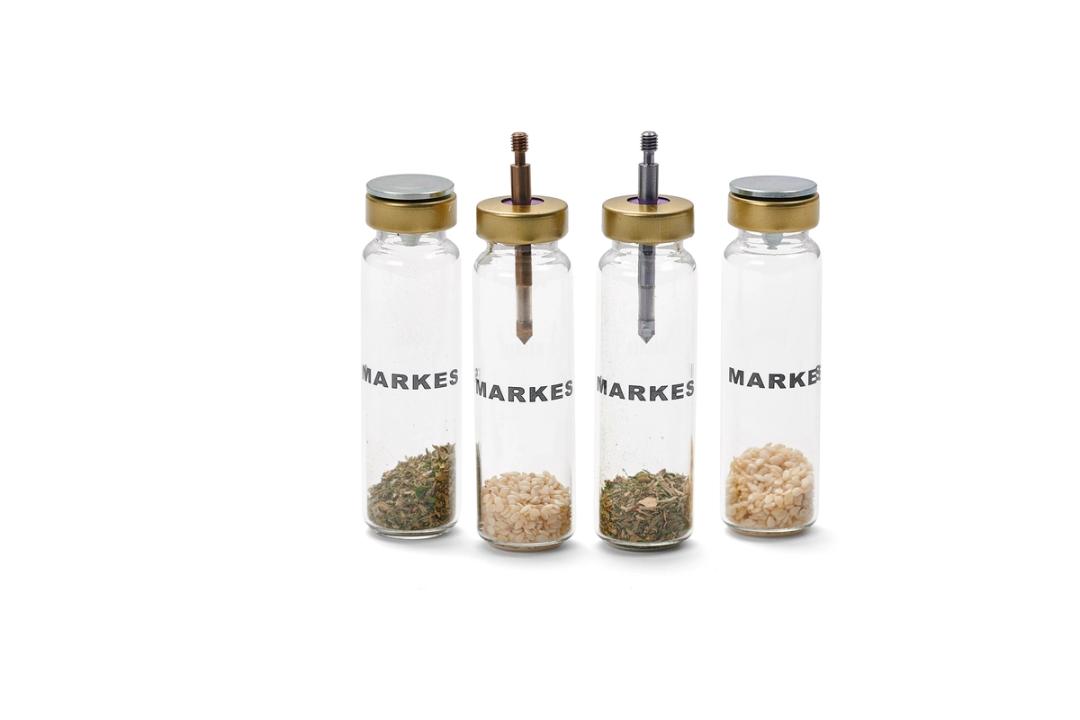
HiSorb™ is an innovative, labour-saving sampling system for the analysis of volatile and semi-volatile organic compounds (VOCs and SVOCs) in liquids and solids by TD–GC–MS.

Receive your quote directly from the manufacturer.
Good
Flavour extraction from complex matrix (mango)
Fast, easy to use and good selectivity for different compounds group based on different sorptive material.
Review Date: 22 Aug 2024 | Markes International Ltd
HiSorb™ is an innovative, labour-saving sampling system for the analysis of volatile and semi-volatile organic compounds (VOCs and SVOCs) in liquids and solids by TD–GC–MS. Extending the capability of thermal desorption (TD), HiSorb probes and accessories are ideal for trace-level component characterisation, aroma profiling, quality control and advanced research across a wide range of applications. Who uses HiSorb?
- Existing thermal desorption users wishing to extend their capabilities to extraction from liquids.
- Users of headspace, solid-phase micro-extraction (SPME) or liquid extraction wanting to enhance the characterisation of their samples or obtain complementary information.
Why use HiSorb?
Time and cost savings
- Robust, easy-to-use probes allow unattended sample preparation and maximum productivity.
- HiSorb is easier and quicker to use than solvent extraction.
- Re-usable probes and tubes minimise the cost per sample.
- The cost of solvent consumption and disposal is eliminated.
Increased sensitivity
- Detection limits are lower than for SPME because of the larger capacity of the PDMS sorbent.
- Cryogen-free pre-concentration by TD prior to automated GC–MS analysis improves sensitivity.
Versatility
- HiSorb probe in headspace vial
- HiSorb can be used for immersive or headspace sampling of liquids and solid samples.
HiSorb is compatible with TD–GC–MS analysis using industry-standard tubes on all leading commercial systems.
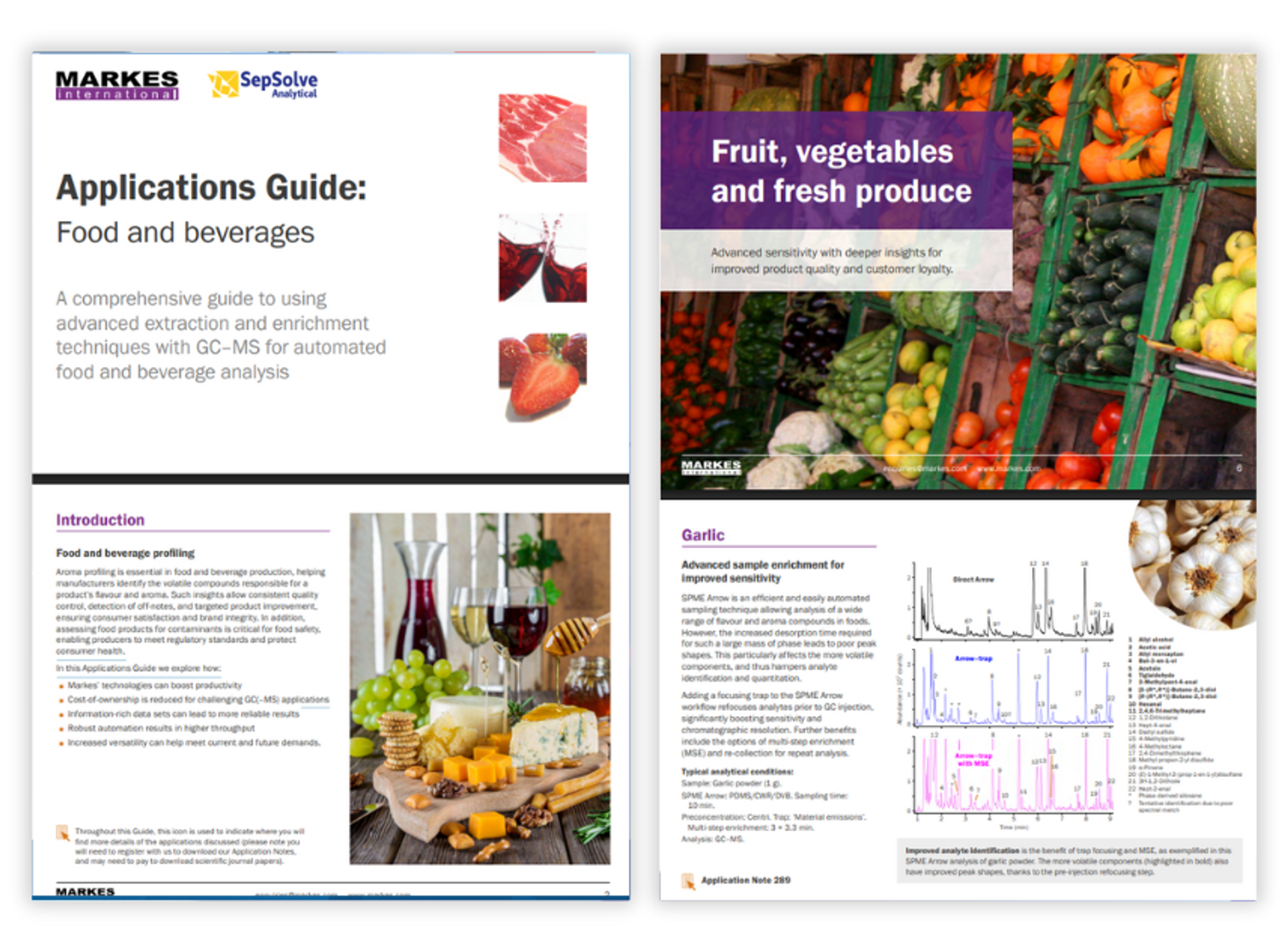
Applications guide to food and beverages
For food and beverage manufacturers, identifying volatile compounds not only is essential for aroma profiling, but also provides insights into quality control, detection of off-notes, and targeted product improvement, ensuring consumer satisfaction and brand integrity.
Explore this comprehensive guide to using advanced extraction and enrichment techniques with GC–MS for automated food and beverage analysis. Discover how Markes' technologies can provide rich data for reliable results and help you to meet current and future demands with the support of automation.
Resource details:
- Document type: Application notes
- Page count: 59
- Read time: 75 mins
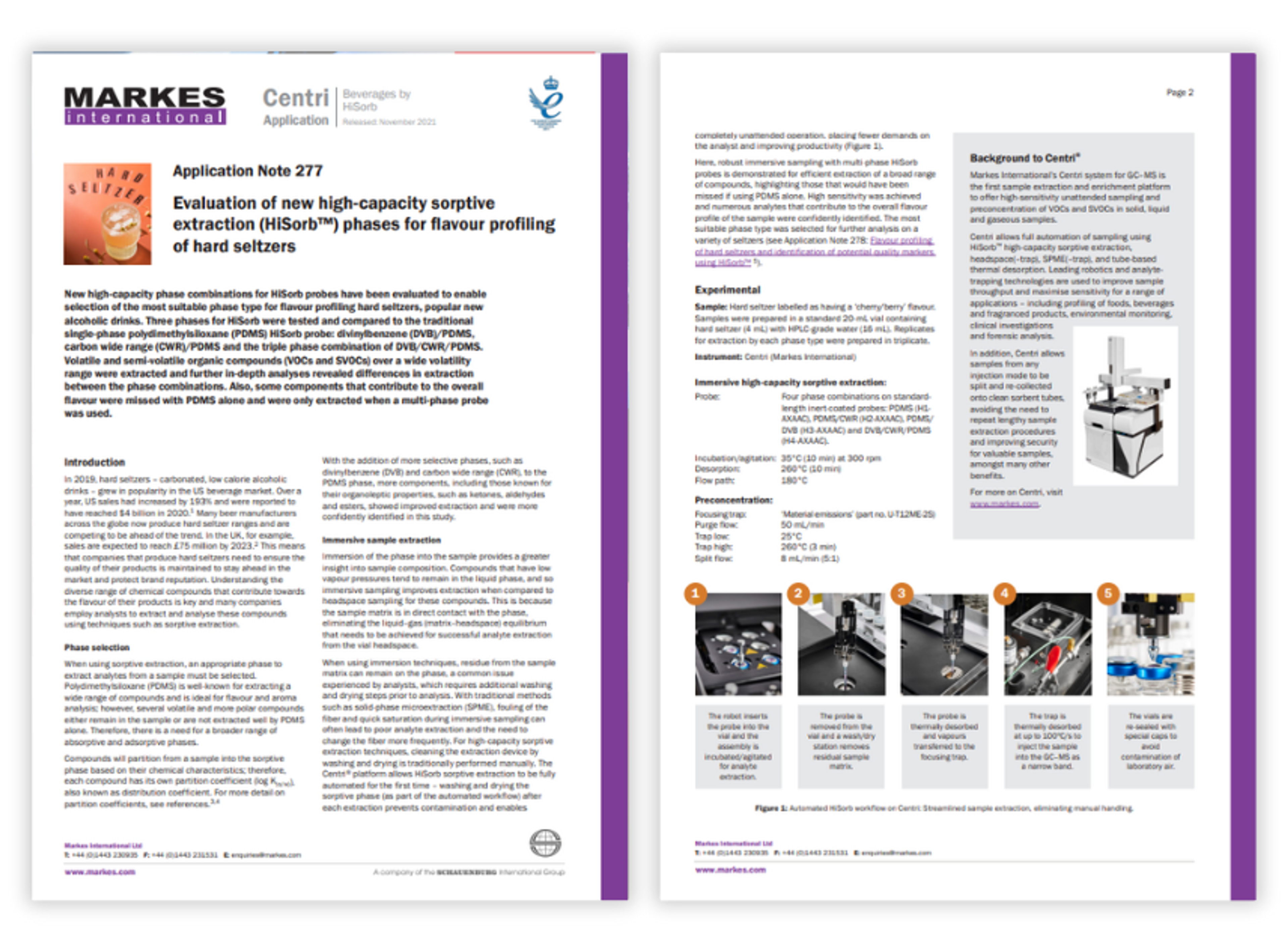
Evaluation of new high-capacity sorptive extraction (HiSorb™) phases for flavor profiling of hard seltzers
In 2019, hard seltzers, a carbonated, low calorie alcoholic drink, grew in popularity in the US beverage market. Companies that produce hard seltzers need to ensure the quality of their products is maintained to stay ahead in the market and protect brand reputation.
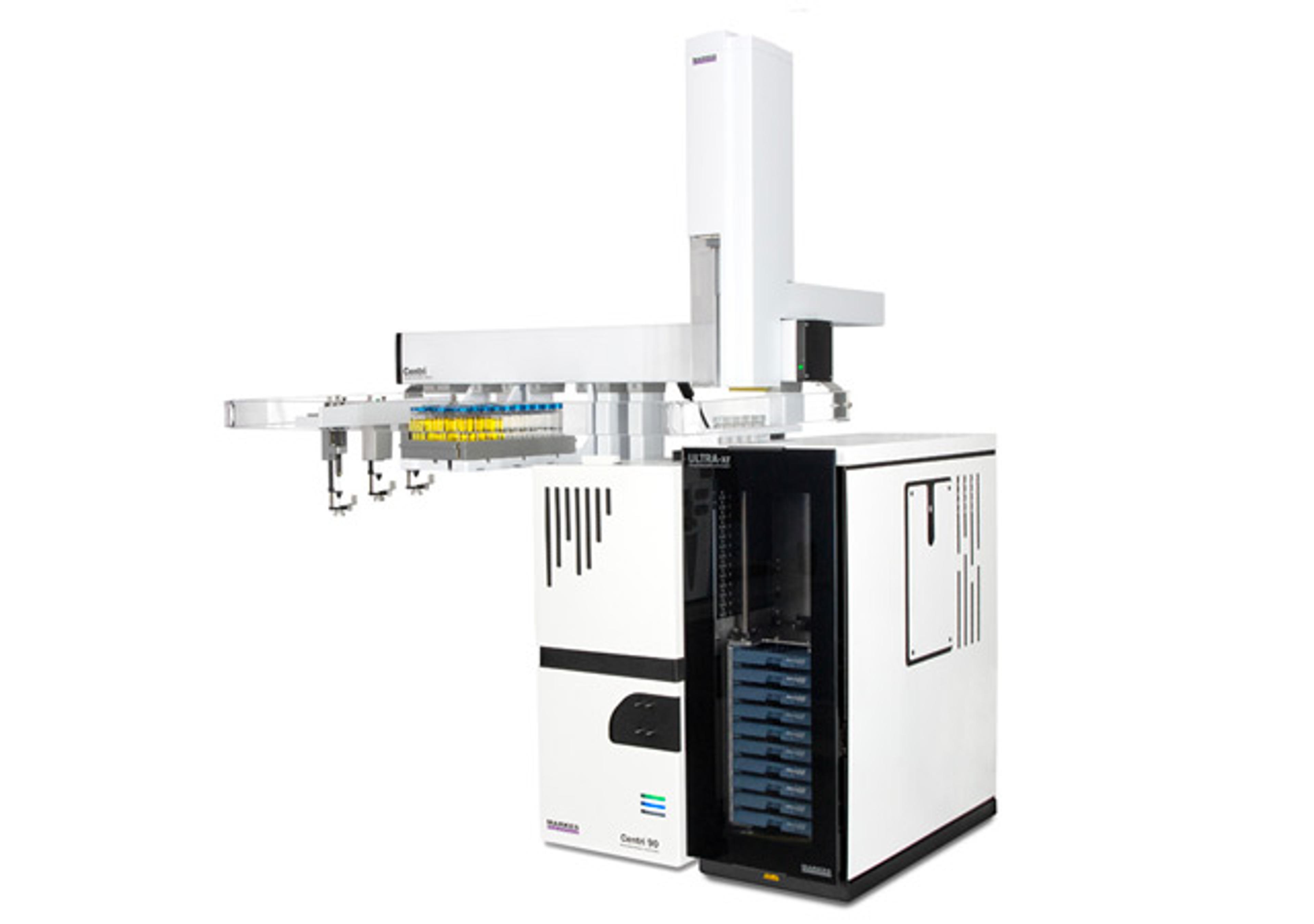
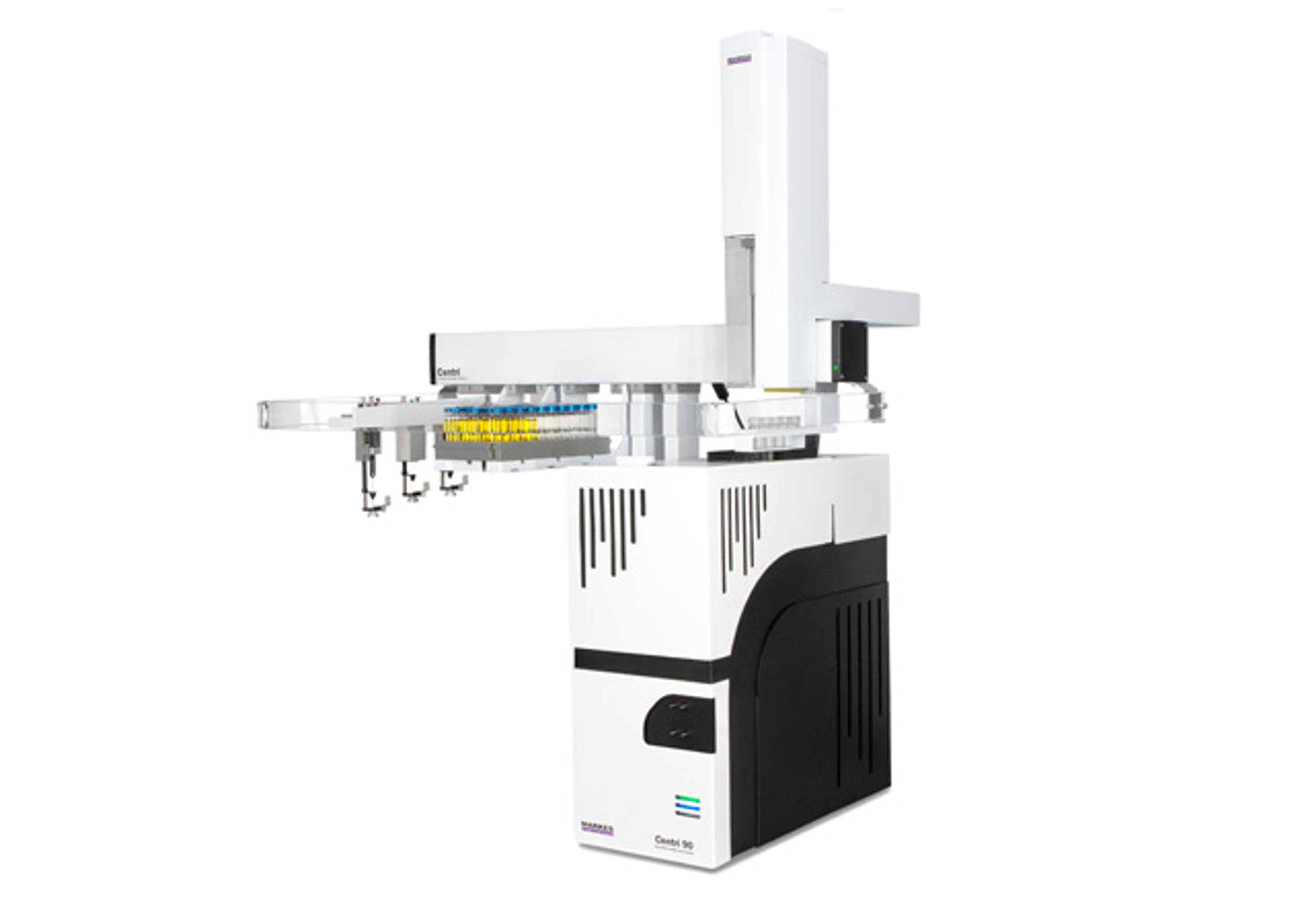
Discover how the HiSorb™ probe can be used to determine the optimal phase type for flavor profiling hard seltzers. Compared against the traditional single-phase phase polydimethylsiloxane (PDMS), learn how HiSorb sorptive extraction provides high sensitivity and efficiency in the detection of a hard seltzer’s flavor components, and how it can be full automated on the Centri platform.
Resource details:
- Resource type: Application note
- Page count: 6 pages
- Read time: 9 mins
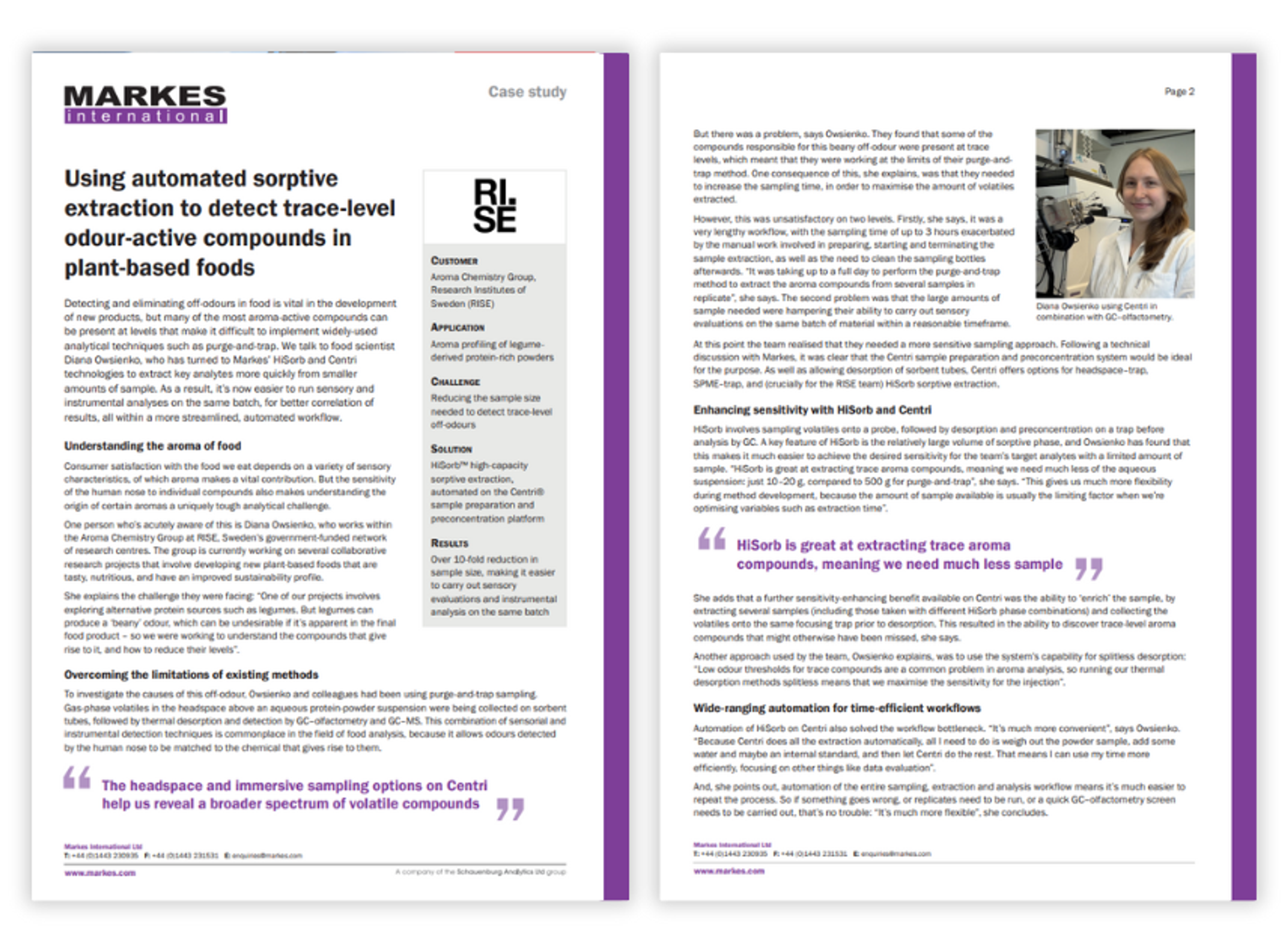
Using automated sorptive extraction to detect trace-level odor-active compounds in plant-based foods
Detecting and eliminating off-odors in food is vital in the development of new products, but many of the most aroma-active compounds can be present at levels that make it difficult to implement widely-used analytical techniques such as purge-and-trap.
Explore this interview with food scientist Diana Owsienko, where she shares how she uses Markes’ HiSorb™ and Centri technologies to extract key analytes more quickly from smaller amounts of sample. Discover how it is simpler to run sensory and instrumental analyses on the same batch to gain improved results in a streamlined and automated workflow.
Resource details:
- Resource type: Case study
- Page count: 3
- Read time: 5 mins
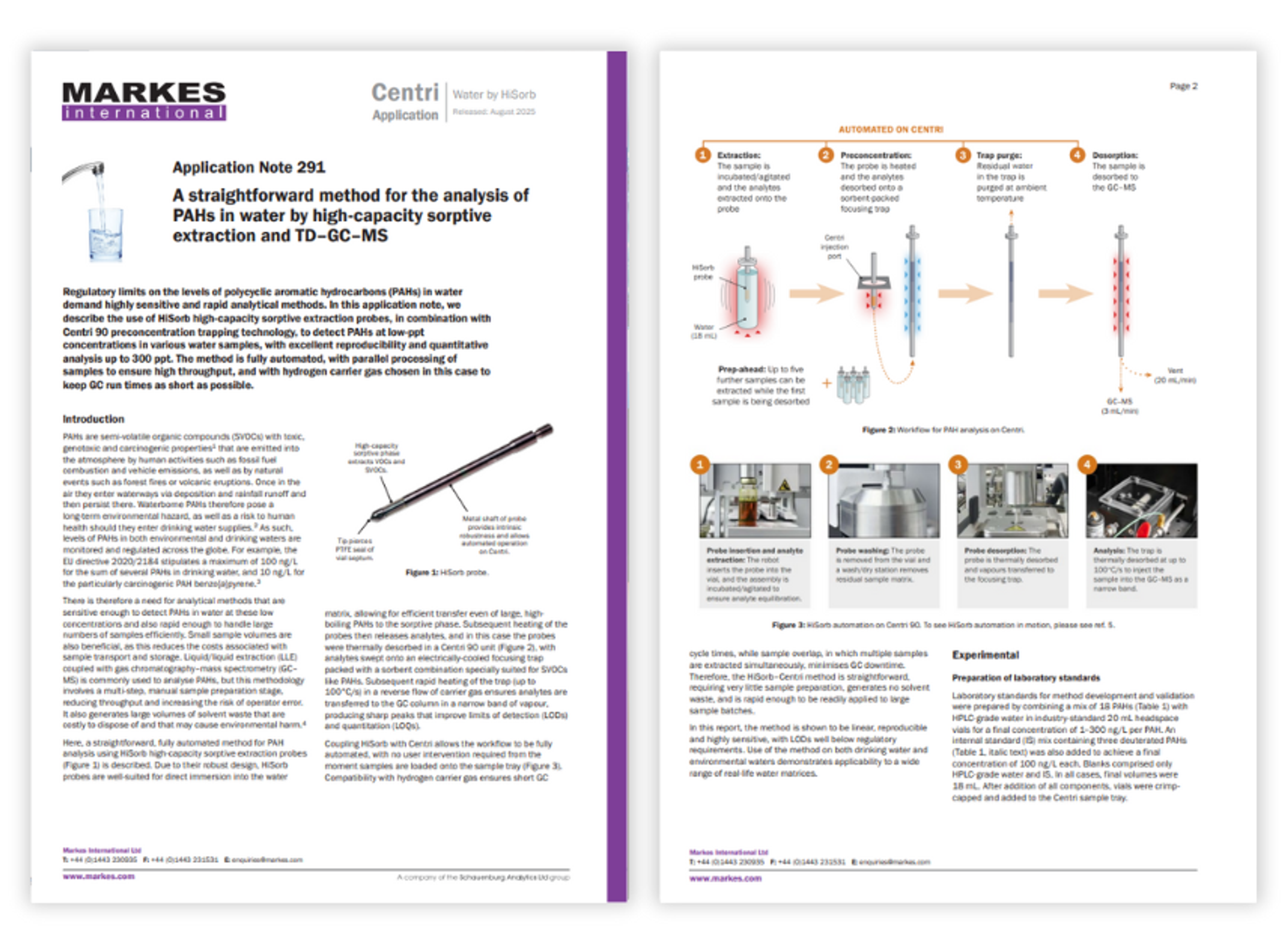
A straightforward method for the analysis of PAHs in water by high-capacity sorptive extraction and TD–GC–MS
Regulatory limits on polycyclic aromatic hydrocarbons (PAHs) in water present challenges requiring highly sensitive, rapid analysis. Explore available solutions using HiSorb sorptive extraction probes with Centri 90 preconcentration technology to detect PAHs at low‑parts‑per‑trillion (ppt) levels. The fully automated method ensures reproducibility, quantitative analysis up to 300 ppt, high throughput via parallel processing, and shorter gas chromatography (GC) run times with hydrogen carrier gas.
Resource details:
- Resource type: Application note
- Page count: 7
- Read time: 11 mins

Automated high-capacity sorptive extraction
Within the food industry, there is an increasing need to monitor product safety and quality to understand flavor composition, taint, and product contamination, and how these relate to both consumer satisfaction and effects on human health. This analysis requires a detailed understanding of individual components, but conventional approaches struggle to provide the necessary sensitivity. Markes International demonstrates the use of high-capacity sorptive extraction, HiSorb™, with multi-step enrichment (MSE) on the Centri® platform for enhancing the analysis of volatile organic compounds (VOCs) contributing to the overall aroma and flavor of a breakfast cereal product. MSE results showed a more comprehensive sample profile when compared to a single HiSorb extraction and provided improved confidence in the identification of trace-level compounds of interest, such as food additives, contaminants, and compounds with potential toxicity.
Discover authenticity markers in luxury to low-cost honey
Honey is a natural aromatic sweetener comprising over 95% water and sugars. The remainder is made up of compounds that include flavonoids, proteins, vitamins, free amino acids and volatile organic compounds (VOCs), which give different honey varieties their distinctive characteristics. Honey is prone to food fraud, where either a less desirable honey is misrepresented as a more desirable one or honey substitutes are used to add bulk to the original product. Markes International demonstrates sorptive extraction using high-capacity HiSorb™ probes to extract aroma compounds spanning a wide volatility range from different honey samples. Automated statistical analysis was used to uncover subtle differences between the honey samples to determine possible markers of authenticity.
Flavor profiling of hard seltzers using HiSorb
Flavor profiling is vital for maintaining brand authenticity, quality, and consistency during bulk production to ensure longevity of the product in the market for leading brands of hard seltzers. Markes International presents a fully automated workflow – from sample extraction to data analysis for the flavor profiling of four different brands of hard seltzer. Using high-capacity polydimethylsiloxane/divinylbenzene (PDMS/DVB) HiSorb™ probes on the Centri® sample extraction and enrichment platform, followed by data mining and statistical analyses, it uncovered key flavor compounds that differed between brands, which could be used as markers of quality and authenticity.
Sorptive extraction phase evaluation for profiling honey
Analysis of the volatile organic compound (VOC) content of foodstuffs is crucial in the food and beverage industry. HiSorb™ high-capacity sorptive extraction probes offer a sensitive, robust, and fully automatable method of extracting organoleptic compounds from foodstuffs like honey. Selecting sorptive phase combinations carefully is essential to maximize uptake and achieve a comprehensive profile. Markes International evaluates three HiSorb phase combinations for aroma profiling of honey – polydimethylsiloxane (PDMS) alone, carbon wide range (CWR) with PDMS, and the triple phase combination of divinylbenzene (DVB) with CWR and PDMS. Each phase combination extracted a different range of compounds, with varying abundances. Importantly, including additional phases alongside PDMS resulted in the extraction of significantly more compounds, including those crucial to flavor perception.
HiSorb high-capacity sorptive extraction for flavor profiling
Analysis of the volatile organic compound (VOC) content of foodstuffs are an important tool in the food and beverage industry, with applications in research and development, quality control, shelf-life assessment, and even the detection of food fraud. Markes International demonstrates the performance of HiSorb™ high-capacity sorptive extraction probes for flavor profiling of two samples – cider and potato snacks (crisps) – contrasting the unflavoured product with those that have had flavorings added. HiSorb is a solvent-free technique utilizing a high-capacity sorptive phase to ensure good extraction efficiency and is readily applicable to both headspace and immersive sampling. In conjunction with the Centri® extraction and enrichment platform, HiSorb is fully automatable.
Headspace sampling using HiSorb high-capacity sorptive extraction for flavour profiling of foods and beverages
Analysis of the volatile organic compound (VOC) content of foodstuffs is an important tool in the food and beverage industry, with applications in research and development, quality control, shelf-life assessment and even detection of food fraud. In this study, Markes International demonstrates the performance of HiSorb™ high-capacity sorptive extraction probes for flavour profiling of two samples – cider and potato snacks (crisps) – contrasting the unflavoured product with those that have had flavourings added. HiSorb is a solvent-free technique utilising a high-capacity sorptive phase to ensure good extraction efficiency and is readily applicable to both headspace and immersive sampling. In conjunction with the Centri® extraction and enrichment platform, HiSorb is fully automatable.
Investigating the impact of volatile compounds on the flavor profiles of foods and drinks
Volatile profiling of food and beverages is crucial for understanding and enhancing their quality, safety, and consumer appeal. Analysing these volatiles presents several challenges due to the diversity of chemical classes, their varying concentrations, and the complex matrices involved, which can be problematic for conventional gas chromatography–mass spectrometry (GC–MS) approaches.
Join Prof. Kieran Kilcawley, Principal Research Officer at Teagasc Food Research Centre and Adjunct Professor, University College Cork and Technological University Dublin, as he explores how innovative extraction and enrichment techniques, combined with state-of-the-art GC–MS analyses, can overcome these difficulties and deliver more detailed and accurate volatile profiles.
Key learning objectives
- Understand the critical role volatile compounds play in shaping the flavor and overall quality of food and beverages
- Learn about the latest techniques for the sensitive extraction and analysis of aroma-active compounds, including high-capacity sorptive extraction and comprehensive two-dimensional gas chromatography (GCxGC).
- Explore practical applications through case studies, including volatile profiling of whiskey, analysis of fatty acids in dairy products, and evaluating the impact of cooking temperature on the volatile profile of beef
Who should attend?
- Food scientists who want to understand more about profiling, odour perception, sensory evaluation, and food authenticity analysis.
- R&D food scientists and analytical scientists who want to enhance their understanding of analysing complex samples.
- GC(–MS) users eager to hear about the latest instrument developments.
Certificate of attendance
All webinar participants can request a certificate of attendance, including a learning outcomes summary, for continuing education purposes.
Mastering sorptive extraction for GC–MS
Wednesday, January 21 at 16:00 GMT | 17:00 CET | 11:00 EST | 08:00 PST
For many GC–MS laboratories, sample preparation remains the biggest bottleneck. While traditional techniques like liquid–liquid extraction (LLE) and solid-phase microextraction (SPME) are well-established, they often force analysts to compromise on sensitivity, robustness, or automation capability, especially when dealing with complex matrices in food, environmental, and clinical research.
In this webinar, Rachael Szafnauer from Markes International will take a deep dive into the fundamentals and practical applications of modern sorptive extraction. She will explore how high-capacity sorptive extraction bridges the gap between exhaustive extraction and equilibrium sampling, offering a robust, complementary technique for trace-level GC–MS analysis.
You will learn how to select the right phase and extraction mechanism for your target compounds, how to optimize key parameters like temperature and agitation, and how coupling sorptive extraction with cryogen-free trap focusing can significantly boost sensitivity.
Who should attend?
- GC–MS analysts and researchers looking to improve sensitivity and workflow efficiency.
- R&D aroma and flavor scientists wanting to enhance their ability to extract and analyze complex samples.
- Current users of SPME or stir-bar techniques looking for robust, high-capacity alternatives.
- Laboratory managers and directors interested in how advanced automation can provide a competitive edge.
Certificate of attendance
If you attend the live webinar, you will automatically receive a certificate of attendance, including a learning outcomes summary, for continuing education purposes.
If you view the on-demand webinar, you can request a certificate of attendance by emailing editor@selectscience.net.
Webinar details
- Cost: Free to attend
- Location: Online
- Duration: 60 minutes
Registration is required to secure your place. If you register but can’t attend live, you will receive a link to the on‑demand recording once it becomes available.

Detect, discover, diagnose: Uncovering biomarkers to advance non-invasive breath-based diagnostics
Watch this free on-demand webinar to discover how headspace analytical methods are being utilized in the detection of volatile biomarkers