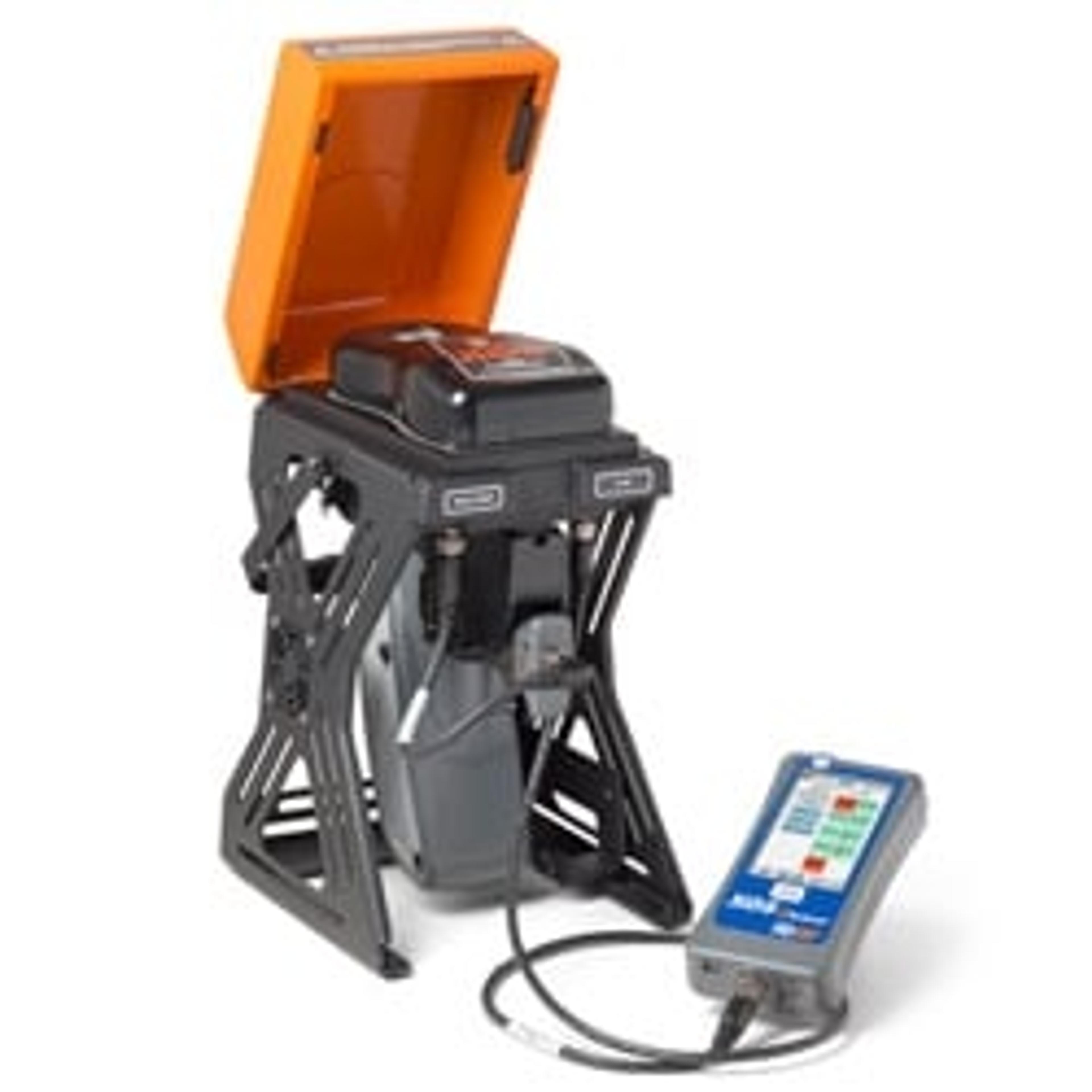
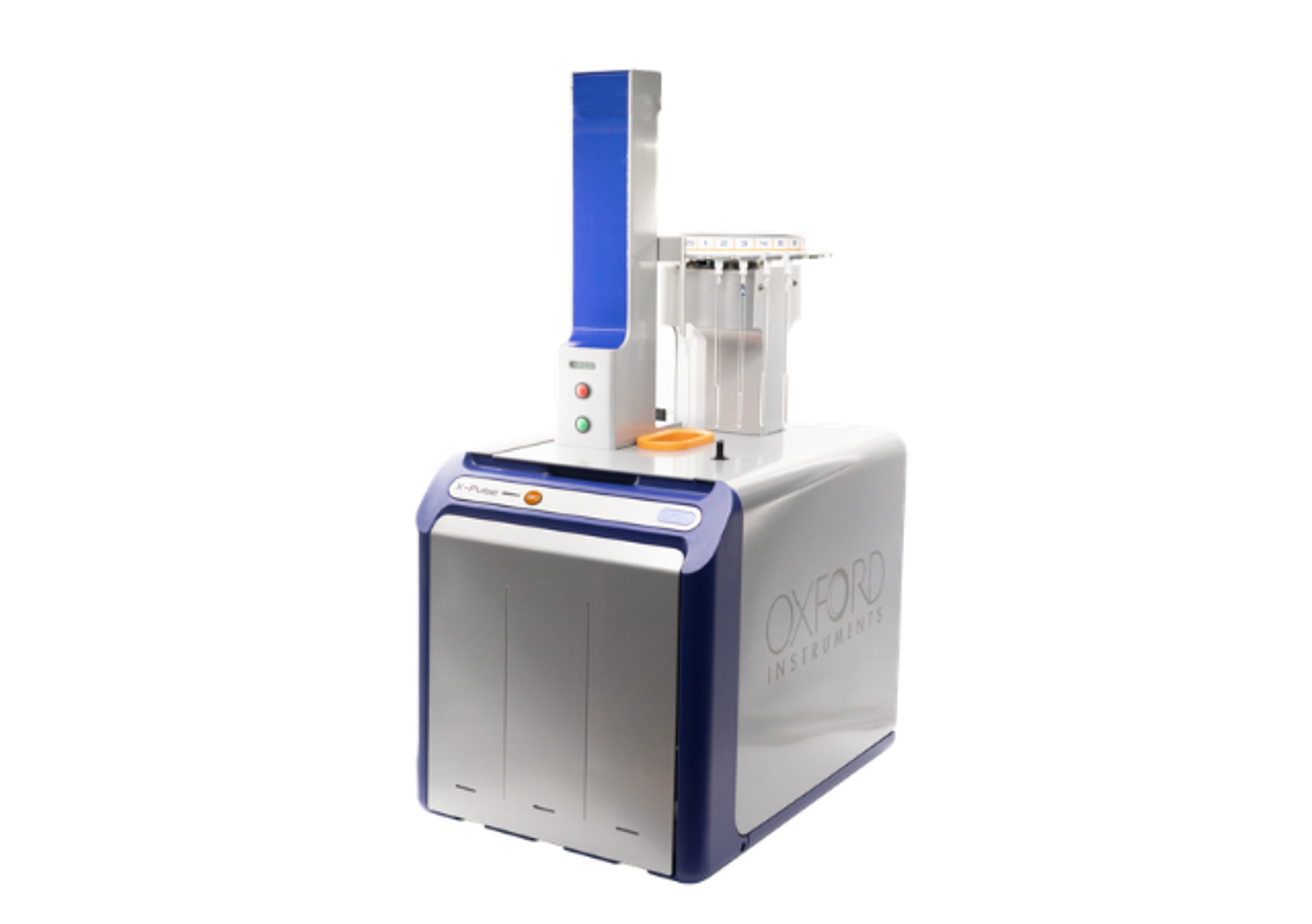
HD Rocksand
Powerful Heavy Metal Detection in Soil and Water

The supplier does not provide quotations for this product through SelectScience. You can search for similar products in our Product Directory.
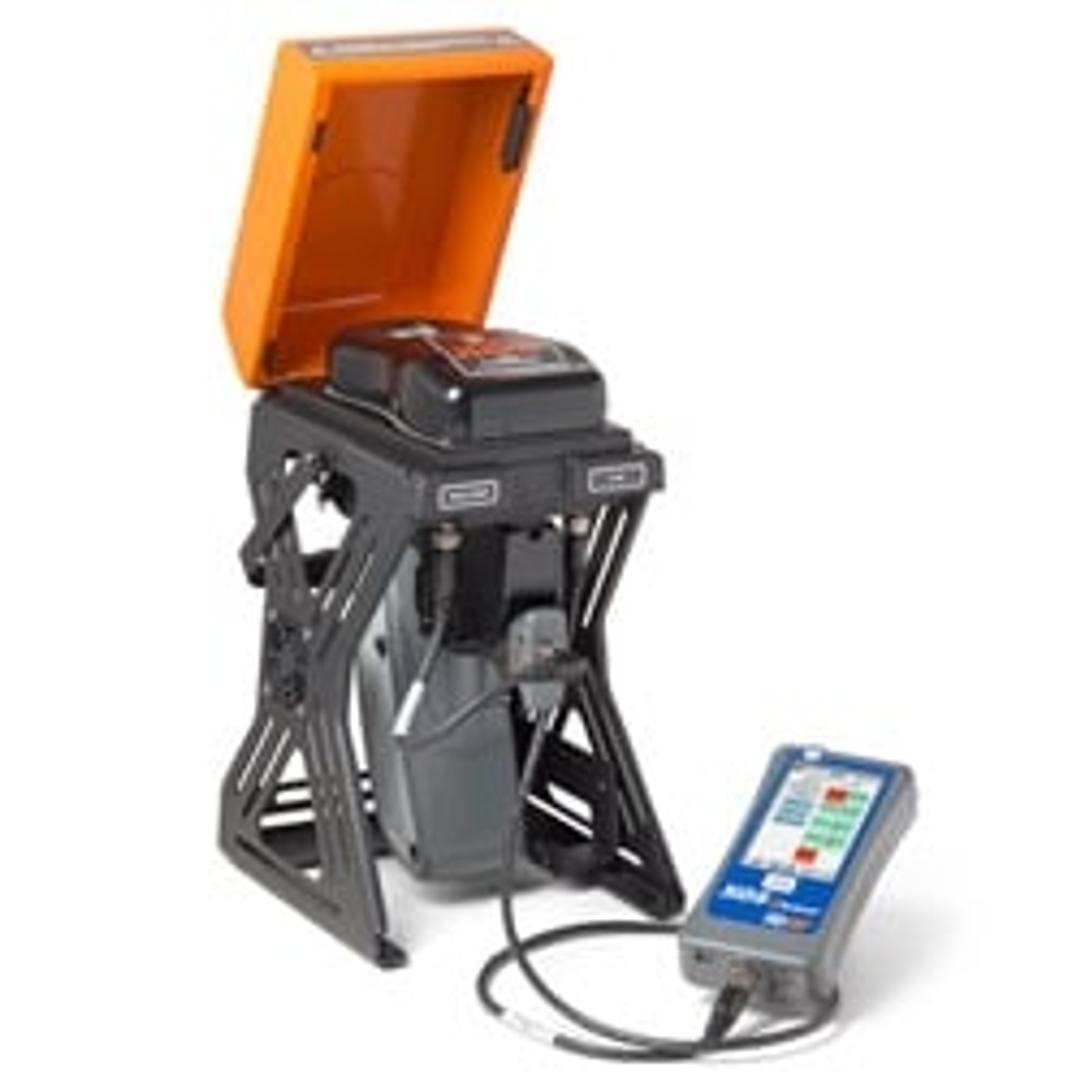
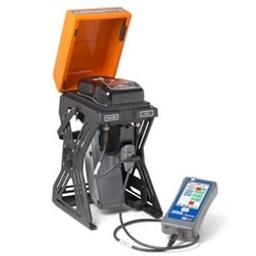
HD Rocksand complies with ASTM D8064 method, and delivers analysis below regulatory limits - particularly for elements like Cadmium, Arsenic, and Mercury. Offering much more than simple screening, HD Rocksand features an easy-to-use sample cup rotator for soil and water enabling improved results for heterogeneous samples. HD Rocksand uses the same HDXRF technology that has come to be trusted by regulators and industry experts in fields requiring a portable and easy-to-use instrument. It offers flexibility to measure samples in numerous ways for simple, fast, accurate, and reliable analysis.
Brochures

Quantifiable Analysis of Hazardous Metals in Soil and Water
HD Rocksand is the only solution with an approved standard test method delivering quantifiable analysis of heavy metals in the field.
Helping law enforcement crackdown on illegal mining with HDXRF
This application note demonstrates how the Indonesia Police Laboratory (Puslabfor) uses HDXRF technology in forensic investigations targeting unlicensed gold, silver and other precious metal mining on public and private lands.
Quantifiable analysis of hazardous metals in soil and water
In this application note, XOS introduces the HD Rocksand, HD Rocksand101 and the HDXRF , designed for quantifiable analysis of hazardous metals in soil and water.
Benefits of New Site Characterization Techniques
For those involved in environmental site assessments, new site characterization techniques such as high resolution site characterization (including field measurement techniques like Portable X-ray Fluorescence (XRF)) improve data management and real-time data visualization.
ASTM D8064 Standard Test Method for Soil and Solid Waste
The most important things you should know about a method are the scope, precision, and apparatus. This issue brief provides a quick breakdown of the newly published ASTM D8064 standard test method.
HDXRF Helping Law Enforcement Crackdown on Illegal Mining
Illegal mining operations in Indonesia cost the country $6.1B per year in lost tax revenues and license fees. The Indonesia Police Laboratory (Puslabfor) uses HDXRF technology in forensic investigations targeting unlicensed gold, silver and other precious metal mining on public and private lands. Over the past 2 years, hundreds of rock, soil and sludge samples from over a dozen potential sites have been surveyed to identify precious metal and other elemental content. Using this new forensic tool, Puslabfor can link seized materials to specific mining sites making it easier to disrupt illegal mining.
HDXRF vs. Wet Chemistry in Soil Analysis
Analyzing soil samples with HDXRF significantly differs from the use of wet chemistry. The following application note outlines the differences between HDXRF and wet chemistry methods in both theory and practice, and illustrates that substantial variability exists in wet chemistry results, motivating an increase in sampling to ensure statistical significance.
HDXRF<sup>®</sup> for Brownfield Remediation in China
Rapid urban expansion and economic growth in China are two major trends that are driving demand for new and innovative technologies for environmental remediation. Long standing government policies focused on major regional development have led to both industrialization and urbanization in major economic centers throughout the country. The result has been the fastest growing economy in the world over the last 30 years. However, it has also resulted in significant regional disparities in industrial development. To address these regional differences, new policies that support industrial relocation have emerged, resulting in brownfields at old industrial sites. This has created both a problem and an opportunity.
Analysis of Heavy Metals in Soil
Rapid economic development in China over the last 50 years has left many former industrial sites contaminated with heavy metals, commonly referred to as “brownfields.” These sites were typically located on the perimeter of large cities. As these areas have grown, they are now located in areas that are densely populated. Due to their location, brownfields hold the potential to generate tremendous economic value if they can be remediated and redeveloped for new purposes.
Geneva Foundry Case Study
The Geneva Foundry was an important economic driver in the Western New York town of Geneva, but after 125 years of operation the foundry was closed in 1988. Analysis of sludge from the foundry’s air pollution control system installed in the 1970s indicated that lead and arsenic were likely emitted prior to its installation. These emissions are a source of potential contamination for the community surrounding the site. Jim Craft, an Environmental Geologist with the New York State Department of Environmental Conservation (DEC), was tasked with evaluating the area to determine the nature and extent of the impact on soils nearby. The DEC is the organization in charge of improving and protecting the state’s natural resources and environment.