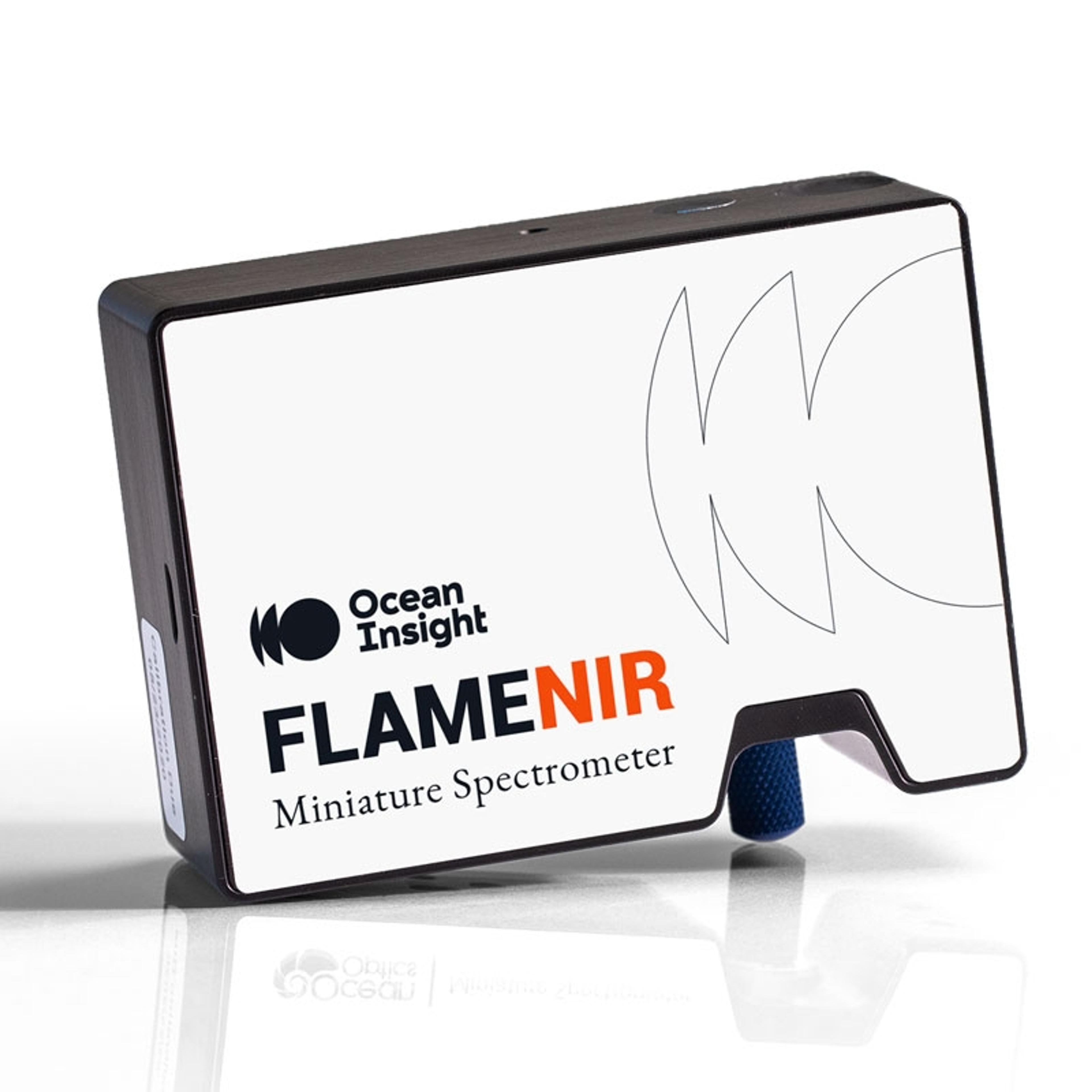
Flame-NIR Spectrometer - Compact NIR Instrument
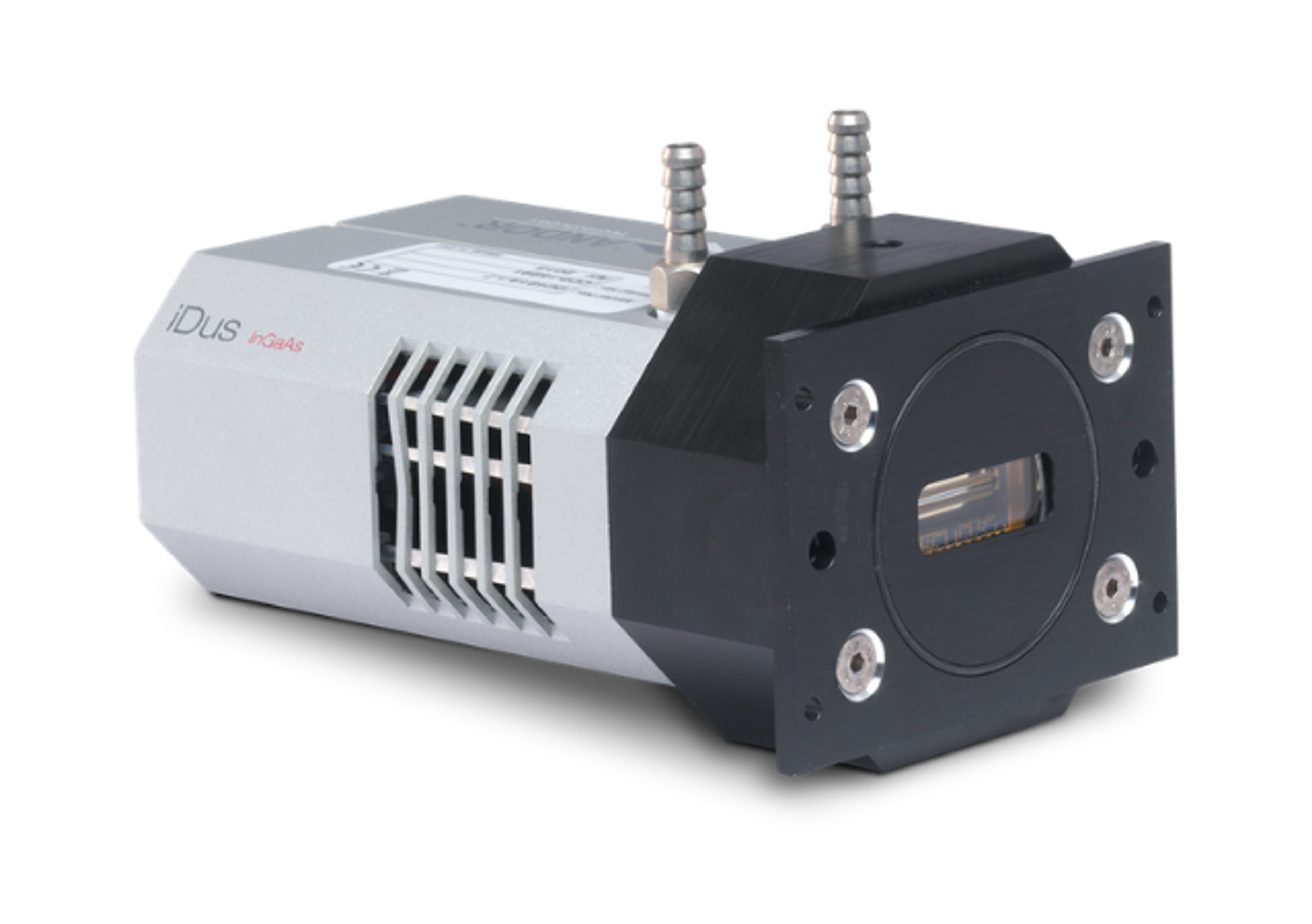
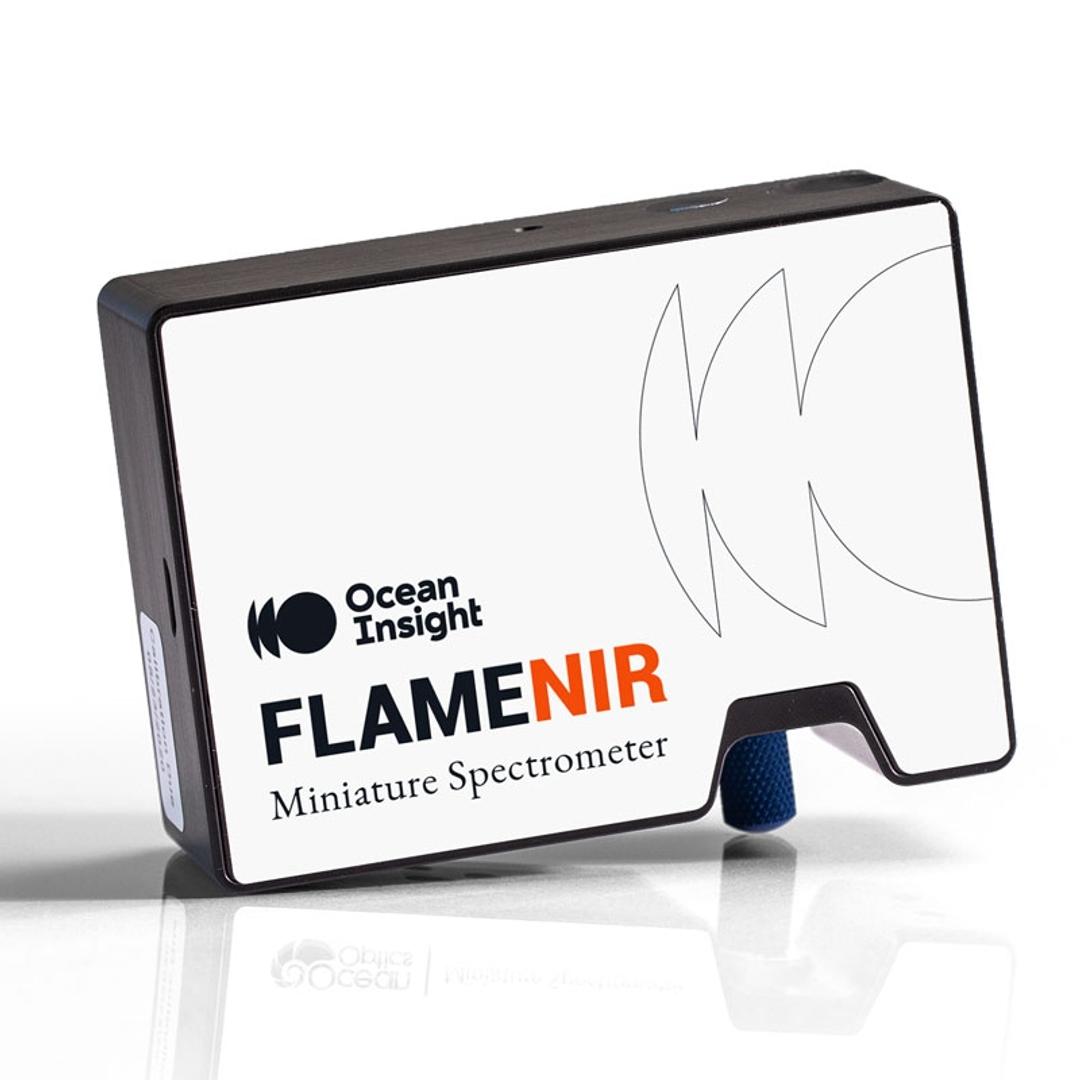
Combining the small size of the Flame optical bench with a new uncooled InGaAs detector, the Flame-NIR opens a new frontier in NIR spectroscopy.

The supplier does not provide quotations for this product through SelectScience. You can search for similar products in our Product Directory.
Combining the small size of the Flame optical bench with a new uncooled InGaAs detector, the Flame-NIR opens a new frontier in NIR spectroscopy. Without thermoelectric cooling, the Flame-NIR’s power consumption needs are ultra-low and make the Flame-NIR ideal for integration into handheld and portable systems.
The Flame-NIR benefits from all the advantages of the Flame product line, including interchangeable slits and low unit to unit variability. The Flame-NIR is an ideal choice for many NIR applications including moisture measurement, grain and feed quality, measurement of fats and oils and pharmaceutical ingredients blending.

On-line Quality Control Measurements in Varying Conditions
Modern miniature spectroscopy is well suited for process environments, where real-time monitoring of raw stock, routine processes and finished goods is critical. Modularity of spectrometers, light sources and sampling optics allows for deeper implementation of instrumentation into the process flow, and makes it much simpler to optimize setups. With the use of a new generation of robust, repeatable and stable instrumentation like the Flame spectrometer, manufacturers can more easily assess sample quality under rigorous conditions. In this application note, we investigate the thermal stability of a Flame spectrometer system for process line transmission measurements at different temperatures.
Transitioning to Flame from the USB Series Spectrometers
The Flame Spectrometer is the latest generation of Ocean Optics’ miniature fiber optic spectrometers, improving on our versatile, general-purpose USB2000+ and USB4000 spectrometers. The Flame is built using industry leading manufacturing techniques that help deliver high thermal stability and low unit-to-unit variation without compromising the flexibility and configurability that are the hallmark of the design.
Noise in Spectrometers - Part 1
Unavoidable is the thermal, random motion of the electrons in the detector, which leads to signals that are not caused by light, often referred to as the “dark” signal. The dark signal is usually determined in a separate measurement without a light source, but due to its random nature this dark signal introduces noise in the spectrum. While the dark spectrum is generally subtracted from spectra prior to further analysis, its variability introduces some uncertainty into each measurement.
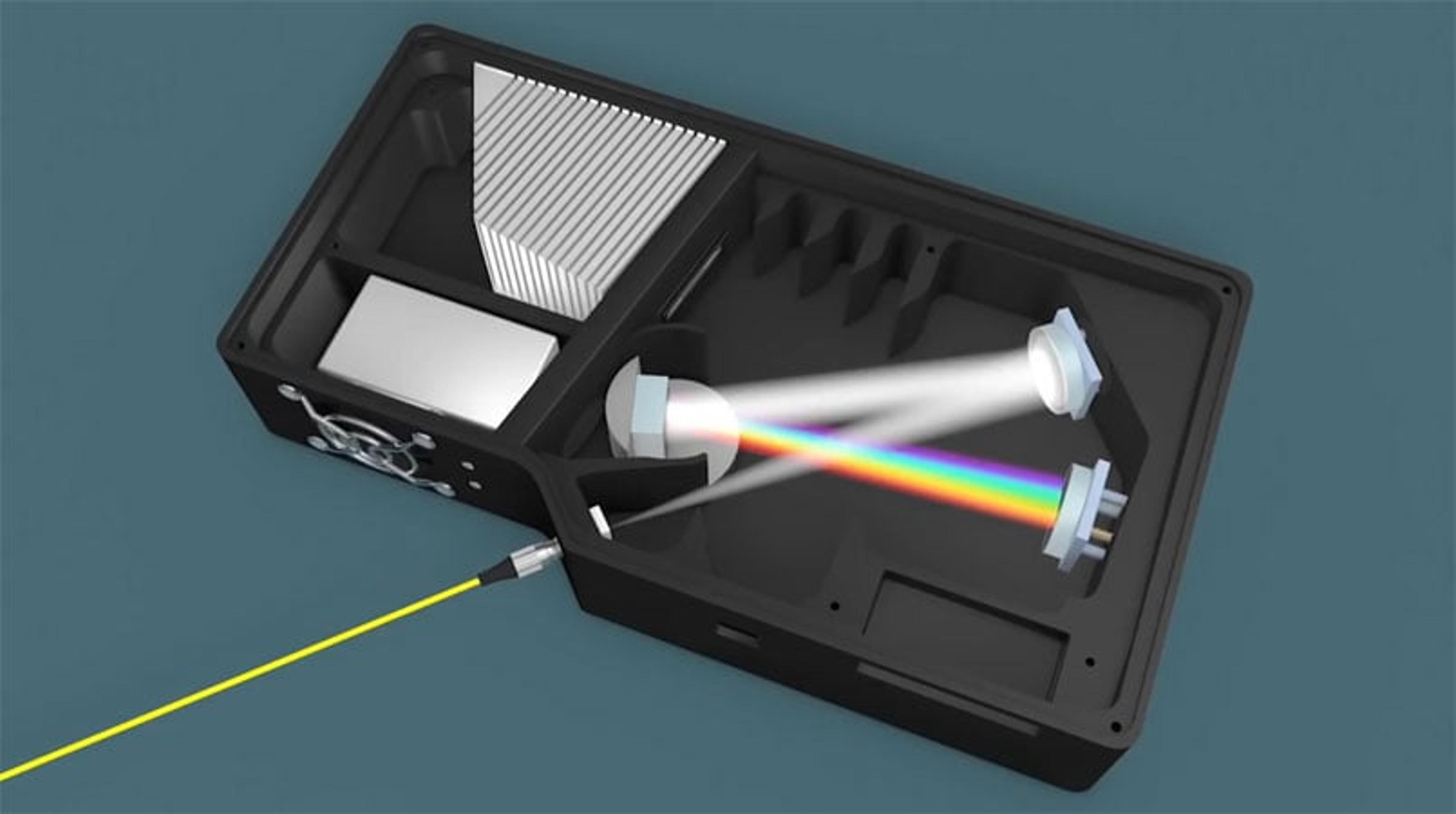
How Does a Spectrometer Work?
Do you know how a spectrometer works? Find out how in this concise and informative video from Ocean Optics.