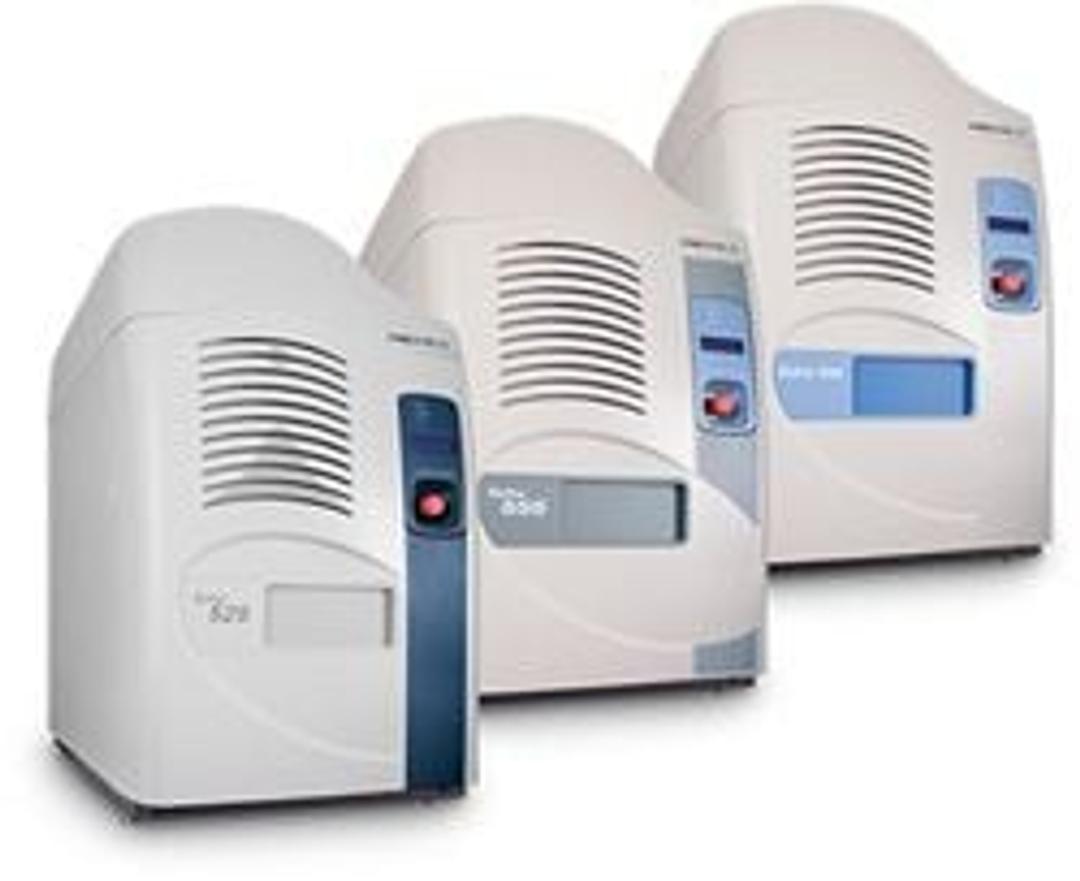
Echo® 500 Series Liquid Handlers
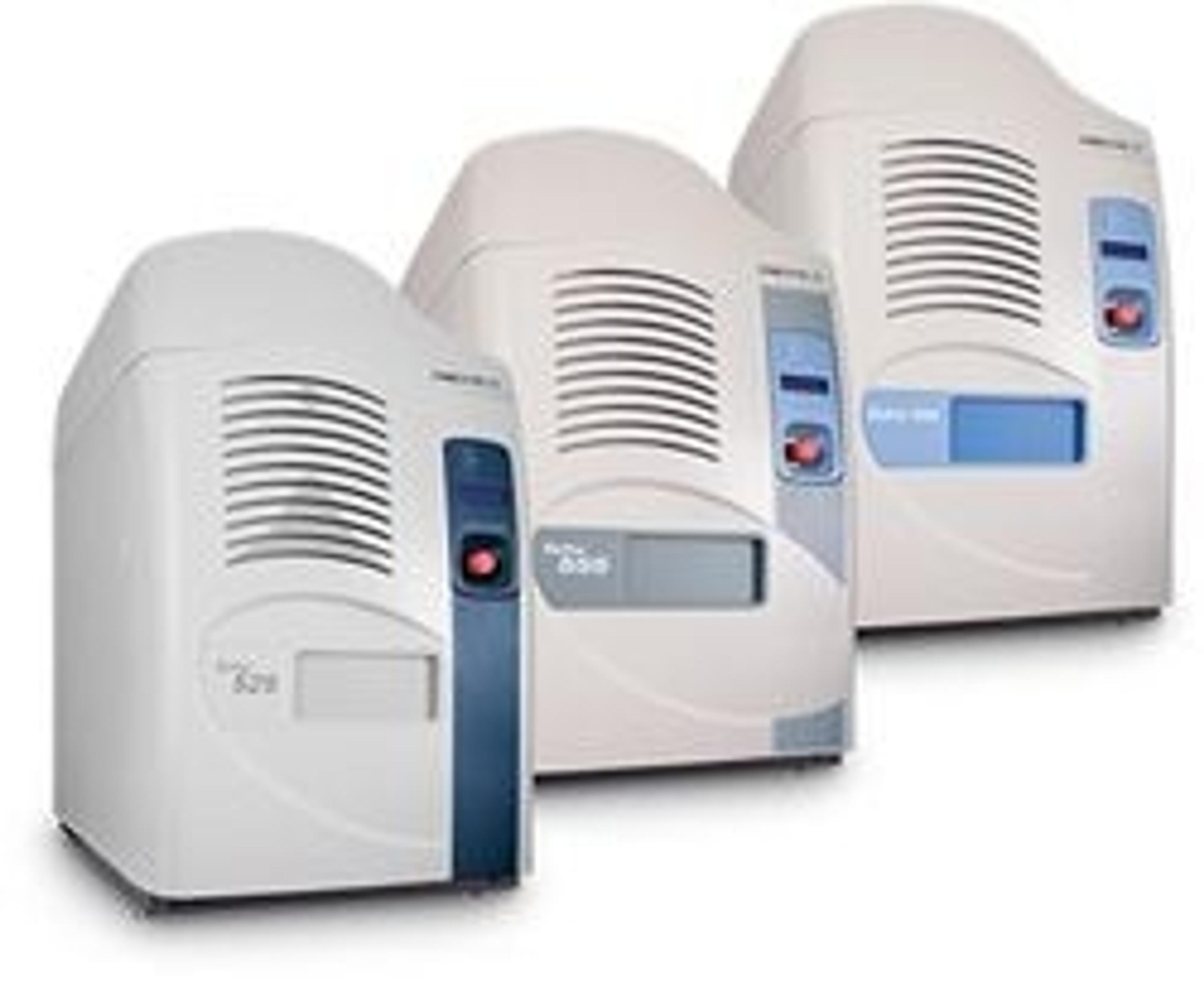
The Echo® liquid handler revolutionizes liquid handling with acoustic energy. Sound waves eject precisely sized droplets from a source onto a microplate, slide or other surface suspended above the source. This product does not use tips, pin tools or nozzles—completely eliminating contact between the instrument and the liquid. The Echo liquid handler provides powerful benefits: Tipless transfer, resulting in dramatic cost s…




Performs well - an essential for drug discovery assays.
Compound dose responses
This is an essential piece of equipment for drug discovery and it works exactly as it's intended. I achieve very reproducible dose responses.
Review Date: 7 Nov 2019
Great reproducible and highly correlated results.
Liquid handling
The Echo has been a real time saver. I have not only used it for liquid handling (compound screens with very small volumes) but also qPCRs which have proven to be very reliable and accurate meaning the replicates are very tight with strong correlation. The machine has been an absolute delight to use and the protocol set up is extremely user friendly.
Review Date: 5 Feb 2019
Great instrument for low volume dispense
Compound screening
Great system for low nanoliter dispense. Quite pricey.
Review Date: 6 Feb 2018
Industry standard for touchless dispensing.
Compound in DMSO dispensing
Industry standard for touchless dispensing. Adaptable, reproducible and does what it says on the tin.
Review Date: 21 Jun 2017
Satisfying system!
Compound Management
System is pretty reliable; some minor issues that can usually be fixed quite easily, and some redundant non-blocking "errors"...
Review Date: 21 Jun 2017
Go-to instrument for reliable "nL" compound and aqueous dispensing/titrations!
Small molecule compound and aqueous solution dispensing/titration; compound reformat/cherry-picks
Very robust and consistent machine for nL volume dispensing; used routinely for uHTS and HTS screening in biochemical and cell-based assays; relatively easy to use and QC reports are indispensable for tracking purposes; worth the high price tag for ease of mind and reliable results
Review Date: 19 Jun 2017
Great instrument that enhance our delivery rate and make our job more comfortable.
chemical libraries screening
Very useful for delivering ready-to-use screening plate. Plates can be prepared in advance an frozen for a later use by our client. It result in more flexibility and better output for both parties.
Review Date: 13 Jun 2017
Unmatched quality of biological assay data
Compound management and HTS
The inclusion of this instrument in our compound management and HTS workflow has led to a very high assay data quality and reproducible results. The technical support is very good (though expensive).
Review Date: 13 Jun 2017
reliable results!
Compound dispensing
I achieve high quality reproducible results. The instruments get a lot of use and rarely give us trouble.
Review Date: 12 Jun 2017
Great mashine
Protein crystallization
The ECHO555 enables the large scale setup of crystallization plates and provides the possibility of adding very small volumes of e.g. compounds or fragments to crystallization conditions in a high-throughput manner. By using our established protocol for the setup of crystallization plates via acoustic droplet ejection, we are now able to screen big libraries of compounds/ fragments with minimal work effort.
Review Date: 12 Jun 2017
The Echo® liquid handler revolutionizes liquid handling with acoustic energy. Sound waves eject precisely sized droplets from a source onto a microplate, slide or other surface suspended above the source. This product does not use tips, pin tools or nozzles—completely eliminating contact between the instrument and the liquid. The Echo liquid handler provides powerful benefits:
- Tipless transfer, resulting in dramatic cost savings
- Improved information about sample integrity and improved transfer quality through measurement of DMSO hydration level
- Elimination of the need for calibration through Dynamic Fluid Analysis™ technology, a patented Labcyte process
- Elimination of cross-contamination, carryover or leachates through non-contact transfer
- Accurate, precise movement of nanoliter-scale quantities, enabling assay miniaturization and further reducing costs
- Better results through direct dilution of compounds, an improvement over serial dilution methods
- Greatly simplified assay development and dilution processes through the flexibility to transfer any volume of liquid from any well to any other well

Preparation of Mouse Plasma Microsamples for LC-MS/MS Analysis Using the Echo Liquid Handler
Serial microsampling of animals reduces the overall number of animals sampled and euthanized for toxicology studies. Traditional composite studies in mice can require up to 700 μL of blood for each time point in a pharmacokinetic study. A draw of 700 μL from a mouse would require the animal to be euthanized and often require the use of addition “satellite” animals to complete the study. Thus, in a 9-point time course analysis of mouse plasma, nine mice would be sacrificed. In response to programs like the EU 3Rs initiative to reduce the use of animals in research researchers have turned to microsampling as an alternative to composite studies. With advances in bioanalytical techniques drug levels can be determined from samples of 20 μL or less. This small sample volume or microsample enables reduces the dependency on satellite animals to complete a study. Additionally, microsampling is faster and less stressful than traditional composite studies.
Identification of PI3Kα Inhibitors with an Automated Echelon Fluorescence Polarization Assay using the Labcyte Access Workstation with Integrated Labcyte Echo Liquid Handling Technology
Phosphoinositide 3-kinase alpha (PI3Kα) is frequently implicated in human cancer because of its role in the induction of cell proliferation and survival and is highly sought after as a drug development target. High-throughput screening efforts to identify inhibitors of PI3Kα have been widely conducted in the pharmaceutical industry. Compounds identified from high-throughput screening efforts for various targets in the PI3K pathway have developed into potential anti-cancer drugs. The ongoing need to reduce screening costs has led to the growing trend toward miniaturization. The Echo series of liquid handlers combined with the newly released Echo qualified Reservoir affords a reduction in transfer volume of both compounds and bulk assay reagents while increasing throughput and maintaining data quality. This application note describes a fully automated approach utilizing the Labcyte Access Workstation to integrate both the Echo 525 and Echo 555 liquid handlers on the same workstation to facilitate assay execution in the identification of potential PI3K inhibitors
Utilizing the Labcyte Echo Liquid Handler and Gateway Gene Assembly in the Generation and Transfection of a PTEN-GFP Construct into a PTEN Null PC-3 Cell Line
The study of protein function relies upon recombinant gene assembly for protein expression and functional assays. This strategy is particularly important when available information regarding function is limited. The vast amount of data generated from genome sequencing projects has paved the way for diverse functional genomic studies that involve cloning, modification and subsequent expression of target genes. This requires flexible and efficient procedures for generating vectors containing gene fusions, gene variants, genetic coding for protein tags and cellular targeting. Furthermore, efficient high throughput cloning and gene assembly procedures are essential for interrogating signaling pathways with multiple gene constructs. The resulting gene constructs can be analyzed in stable transgenic or in transiently expressing biological systems. This application note demonstrates an efficient and robust gene assembly method to generate a fusion protein for functional cellular assays.
PIK3CA Mutational Analysis to Reduce Sample Amount, Reduce Cost, and Increase Throughput to Broadly Assess Acquired Mutational Status
The phosphoinositide-3 kinase (PI3K)/AKT signaling network is one of the two most commonly mutated pathways identified in human cancers and the most frequently mutated pathway in breast cancer. Somatic alterations including PIK3CA mutations are the most common genetic alteration of this pathway; 80% or more occur within the helical (E542K, E545K) and kinase (H1047R) domains of p110. Such mutations confer increased catalytic activity for the generation of the second messenger phosphatidylinositol (3,4,5) - triphosphate (PIP3) and downstream pathway activation to induce cell proliferation, survival and potential tumorigenesis. These mutations can also confer resistance to therapeutic intervention. Identifying acquired mutations, not present in normal patient tissue, in tumor derived material, including CTC’s and DTC’s, is important to diagnostic redisposition testing for cancer, prognosis and can ultimately inform targeted therapy. This application notes demonstrates a highly efficient, low-cost assay platform to detect PIK3CA somatic mutations.
Evaluation of Combination Treatment Efficacy of PI3K Inhibitors in PC-3 and MCF7 Cell Viability Assays
Class I Phosphoinositide 3-kinase (PI3K) proteins have been extensively characterized with respect to their roles in cell proliferation and tumorigenesis, and therefore serve as desirable targets for oncogenic drug development. Class I PI3K isoform-specific inhibitors provide elucidation of the individual isoform functionality, and the dependence particular cell types have on it. In this application note, the impact of PI3K isoform-selective inhibitors on the viability of PC3 and MCF-7 prostate cancer cells is evaluated.
Individualized Systems Medicine – Customizing Cancer Treatment in Real Time
Learn how scientists at the Institute for Molecular Medicine Finland investigate individualized treatment for drug-resistant acute myeloid leukemia with the help of Labcyte Inc.’s Echo® liquid handler.
Utilizing the Labcyte Echo Liquid Handler and the BMG PHERAstar FS to Miniaturize and Automate a Series of G9a Histone Methyltransferase Assays
Epigenetic processes are attracting considerable attention in drug discovery as their fundamental roles in the regulation of normal cell development and contributions to disease states become more clearly defined. Histone methyltransferases (HMTs) are high interest drug targets as histone methylation is linked to certain disease states, including a wide variety of cancer types. This application note demonstrates the utility of the Echo series of acoustic liquid handlers toward developing G9a histone methyltransferase (HMT) assays in a parallel, streamlined and automated workflow.
Detection of Phospho-Akt (Ser 473) as an Indication of PI3K Pathway Activation in MCF7 Cells
The Phosphoinositide 3-kinase (PI3K) pathway has been studied extensively for its role in the development of human cancers. Tools to detect the regulatory impact of PI3K inhibitors on pathway activation have become essential for drug developers. Indication of pathway activity may be derived from the detection of phosphorylated pathway members downstream of PI3K. In this application note, the levels of phospho-Akt are quantitated with Cisbio’s HTRF Cellular Assay kit.
Miniaturization of Multiple Displacement Amplification (MDA) of Genomes from a Single Cell
Advances in whole-genome amplification have enabled sequencing of DNA and RNA from a single cell, or what is commonly called Single-cell Genomics (SCG). However in a recent Nature Protocols article, researchers at the Department of Energy Joint Genome Institute describe an approach that can meet the throughput and sample quality required for robust whole genome amplification from a single cell. This application highlight, describes the role of the Echo liquid handler in this new approach.
Transferring Nanoliters to Milliliters of Aqueous Fluids with Sound: The science Behind the New Labcyte Echo® Qualified Reservoir
This poster showcases two patented Labcyte technologies, Dynamic Fluid Analysis (DFA) and a high voltage (HV) grid, and describes how they enable the transfer of nano- to milliliter volumes of fluid using acoustic droplet ejection (ADE). A high speed, side-view camera that is coupled with the Echo to capture droplet dynamics in flight is used to show how DFA and the HV grid are critical technologies for larger volume acoustic liquid handling.
Assay Miniaturization Advances Cardiovascular Research at Queen's University Belfast
Dr David Simpson, Senior Lecturer at Queen's University Belfast, reveals the main advantages of acoustic liquid handling for his research into cardiovascular disease and diabetic complications.
Scientists' Choice Awards® Most Successful Video of the Year Presented at AACR
Dr Allan Jordan, Head of Chemistry, Drug Discovery Unit at the Cancer Research UK Manchester Institute and Chris Grimley, Vice President of Marketing at Labcyte, share their thoughts on winning the Scientists' Choice Award® for Most Successful Video of 2015. Watch the winning video here.
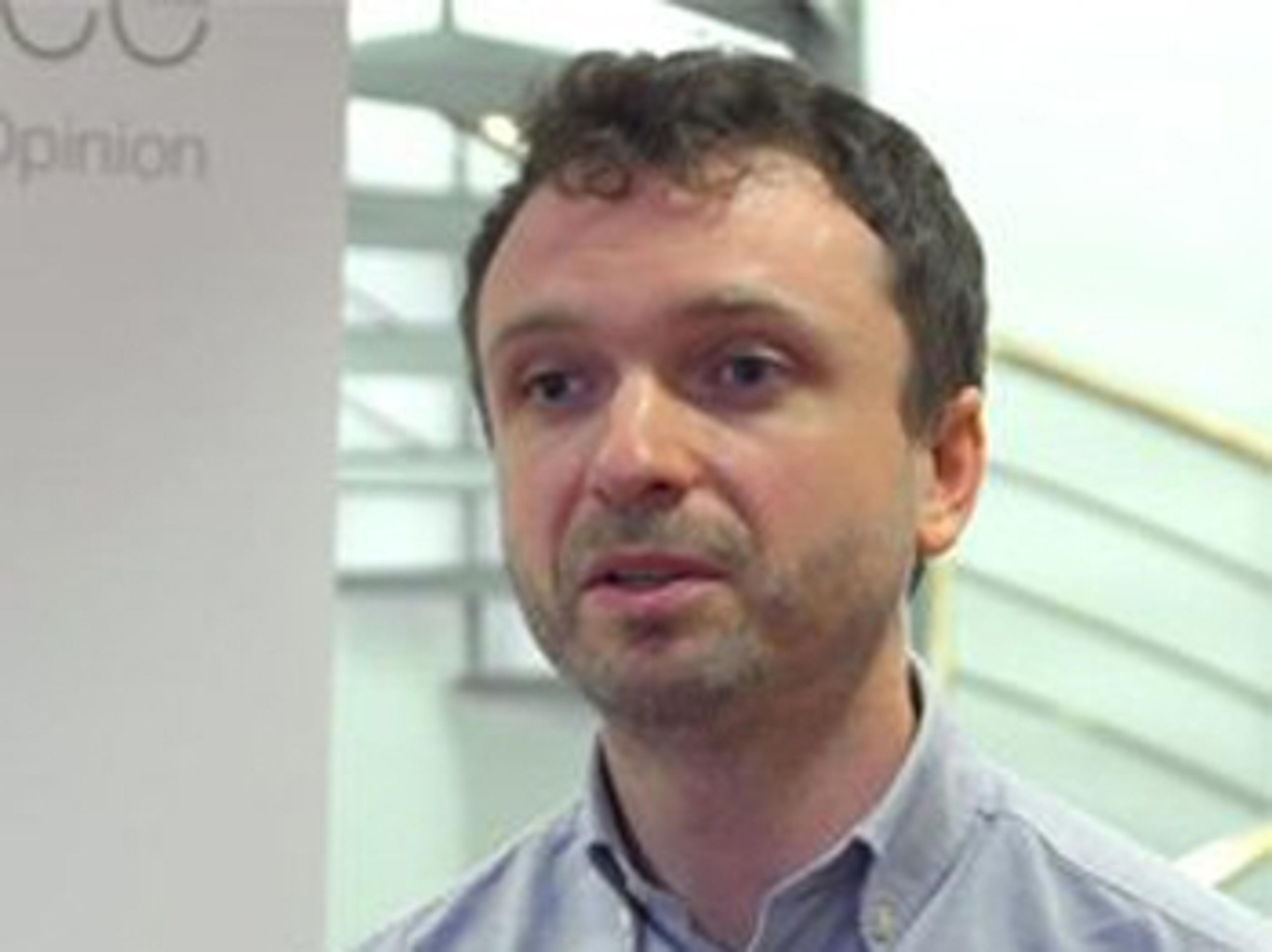
Accelerating Synthetic Biology Using Automated Workflows
Dr David McClymont discusses automated approaches to DNA assembly used at Imperial College London
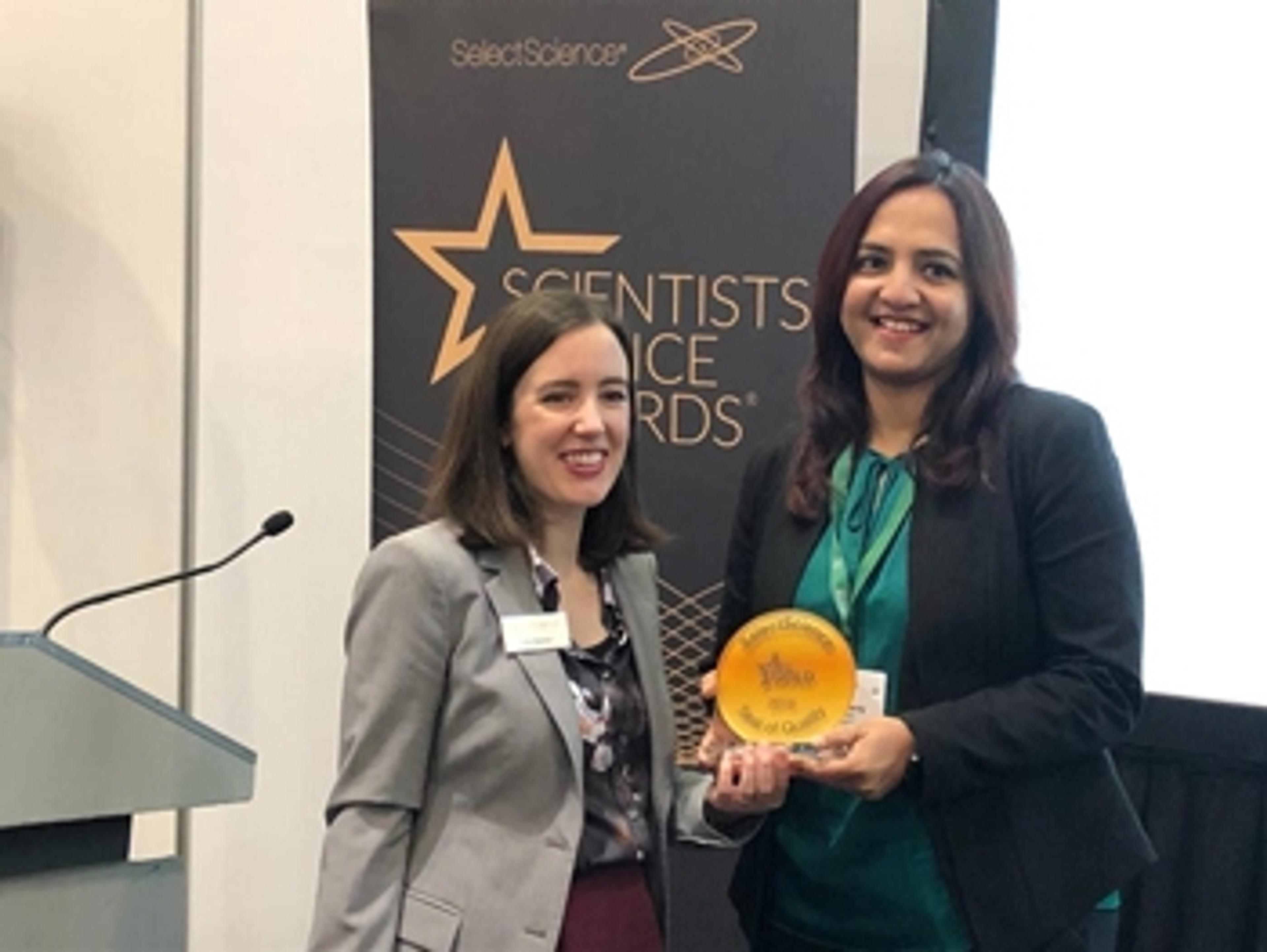
New Gold Seal of Quality winner revealed at ELRIG Drug Discovery 2019
Glitzy awards ceremony sees SelectScience present Seals of Quality to more top-rated laboratory products

Choose the Best for Your Lab: 5 More Products Gain Seal of Quality
Labcyte Inc., Wyatt Technology Corp., Erlab Inc., Specac and Bertin Instruments among the recipients as more top-rated products gain a coveted SelectScience Seal of Quality