
PIK3CA Mutational Analysis to Reduce Sample Amount, Reduce Cost, and Increase Throughput to Broadly Assess Acquired Mutational Status
17 Sept 2017The phosphoinositide-3 kinase (PI3K)/AKT signaling network is one of the two most commonly mutated pathways identified in human cancers and the most frequently mutated pathway in breast cancer. Somatic alterations including PIK3CA mutations are the most common genetic alteration of this pathway; 80% or more occur within the helical (E542K, E545K) and kinase (H1047R) domains of p110. Such mutations confer increased catalytic activity for the generation of the second messenger phosphatidylinositol (3,4,5) - triphosphate (PIP3) and downstream pathway activation to induce cell proliferation, survival and potential tumorigenesis. These mutations can also confer resistance to therapeutic intervention. Identifying acquired mutations, not present in normal patient tissue, in tumor derived material, including CTC’s and DTC’s, is important to diagnostic redisposition testing for cancer, prognosis and can ultimately inform targeted therapy. This application notes demonstrates a highly efficient, low-cost assay platform to detect PIK3CA somatic mutations.
Related products
Request Quote for All Products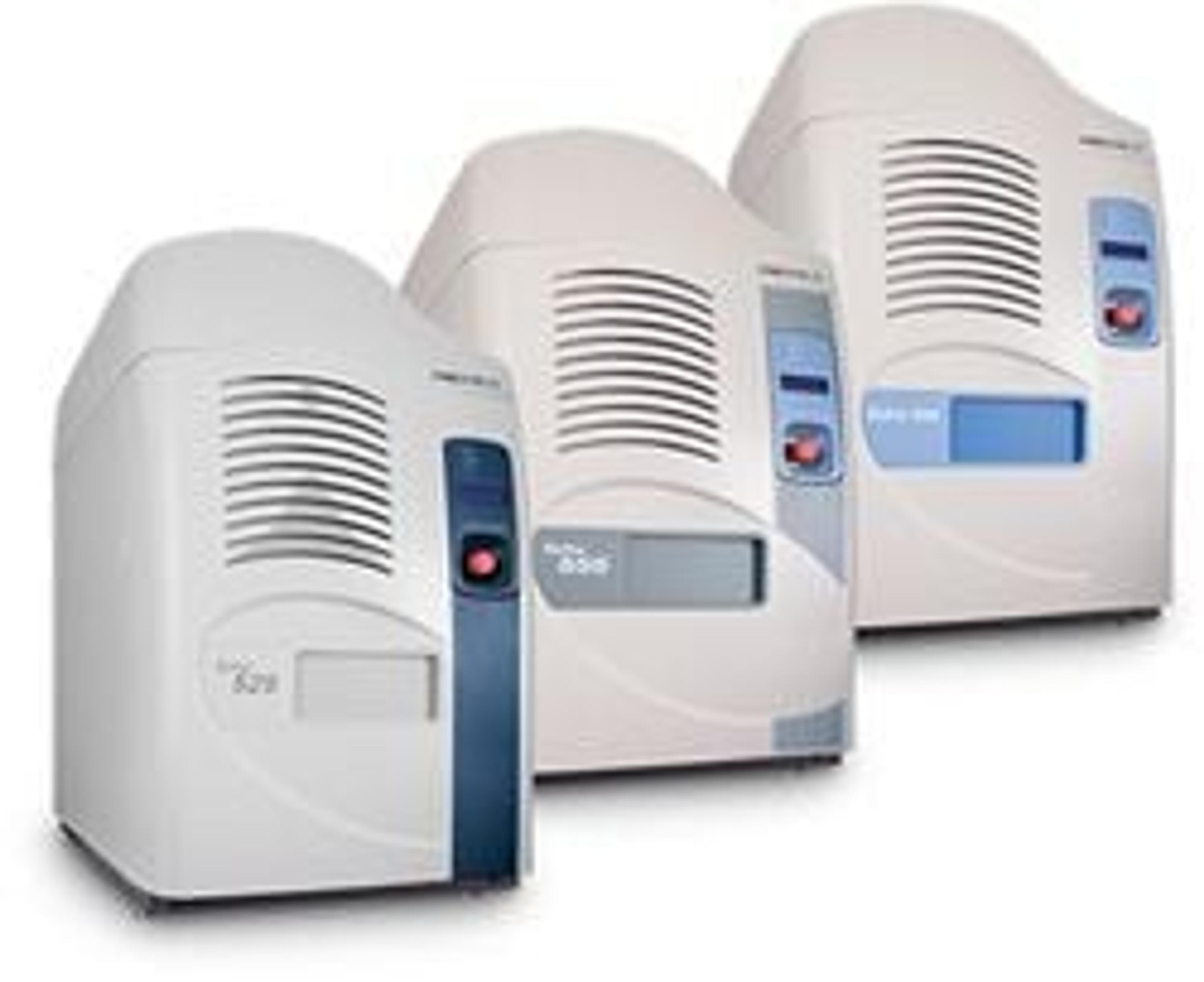
Echo® 500 Series Liquid Handlers
The Echo® liquid handler revolutionizes liquid handling with acoustic energy. Sound waves eject precisely sized droplets from a source onto a microplate, slide or other surface suspended above the source. This product does not use tips, pin tools or nozzles—completely eliminating contact between the instrument and the liquid. The Echo liquid handler provides powerful benefits: Tipless transfer, resulting in dramatic cost savings Improved information about sample integrity and improved transfer quality through measurement of DMSO hydration level Elimination of the need for calibration through Dynamic Fluid Analysis™ technology, a patented Labcyte process Elimination of cross-contamination, carryover or leachates through non-contact transfer Accurate, precise movement of nanoliter-scale quantities, enabling assay miniaturization and further reducing costs Better results through direct dilution of compounds, an improvement over serial dilution methods Greatly simplified assay development and dilution processes through the flexibility to transfer any volume of liquid from any well to any other well