Easy-VOC
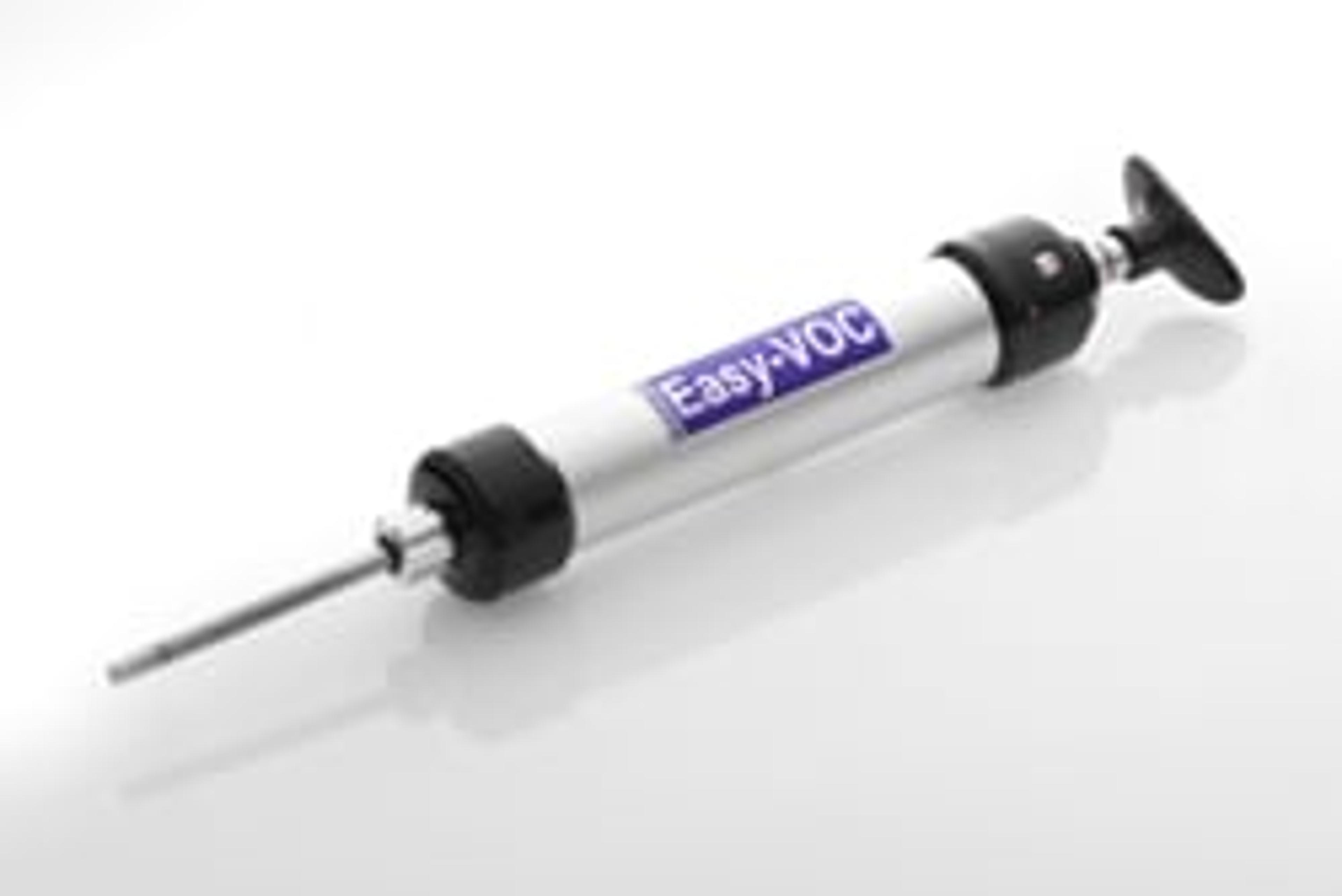
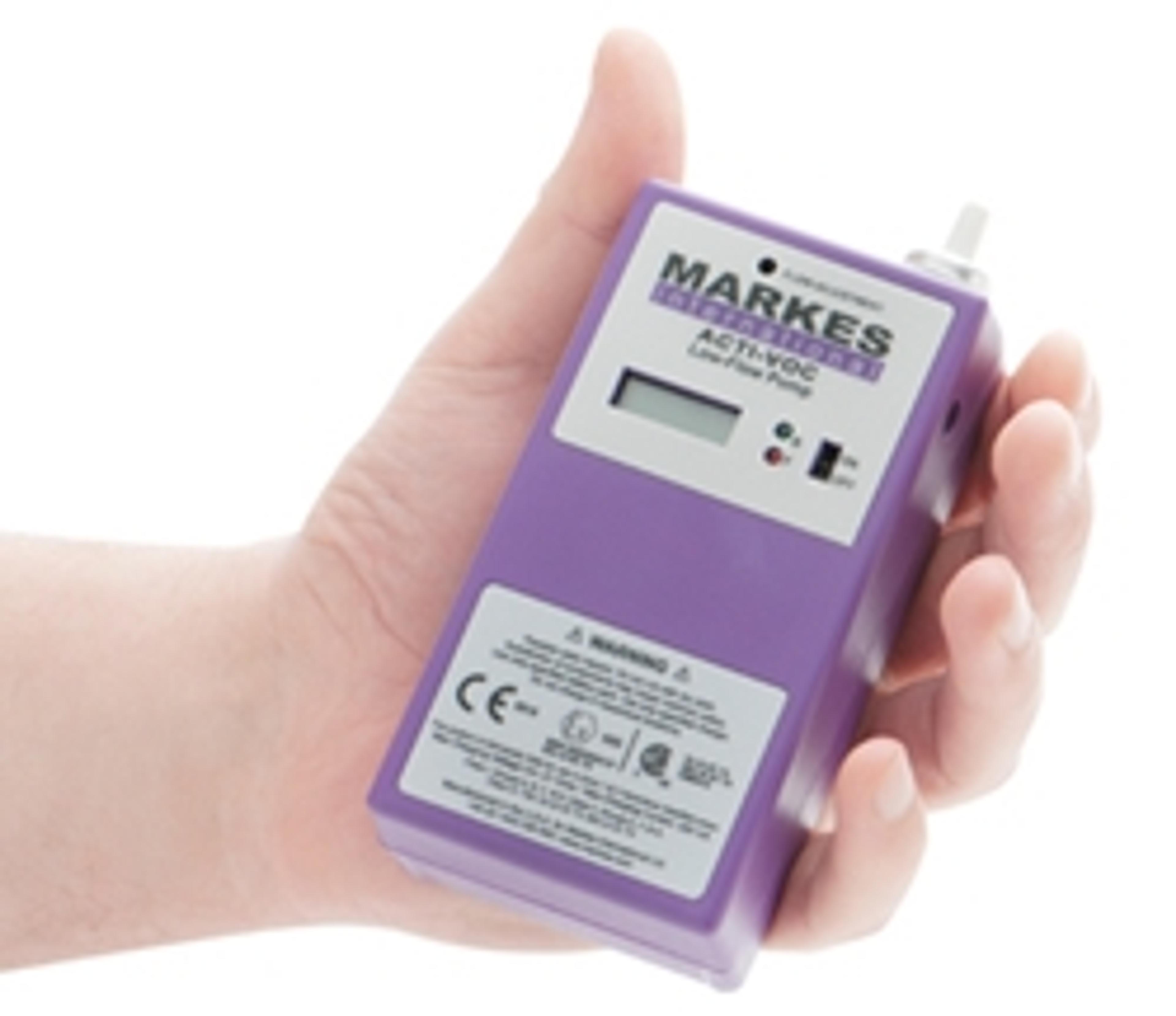
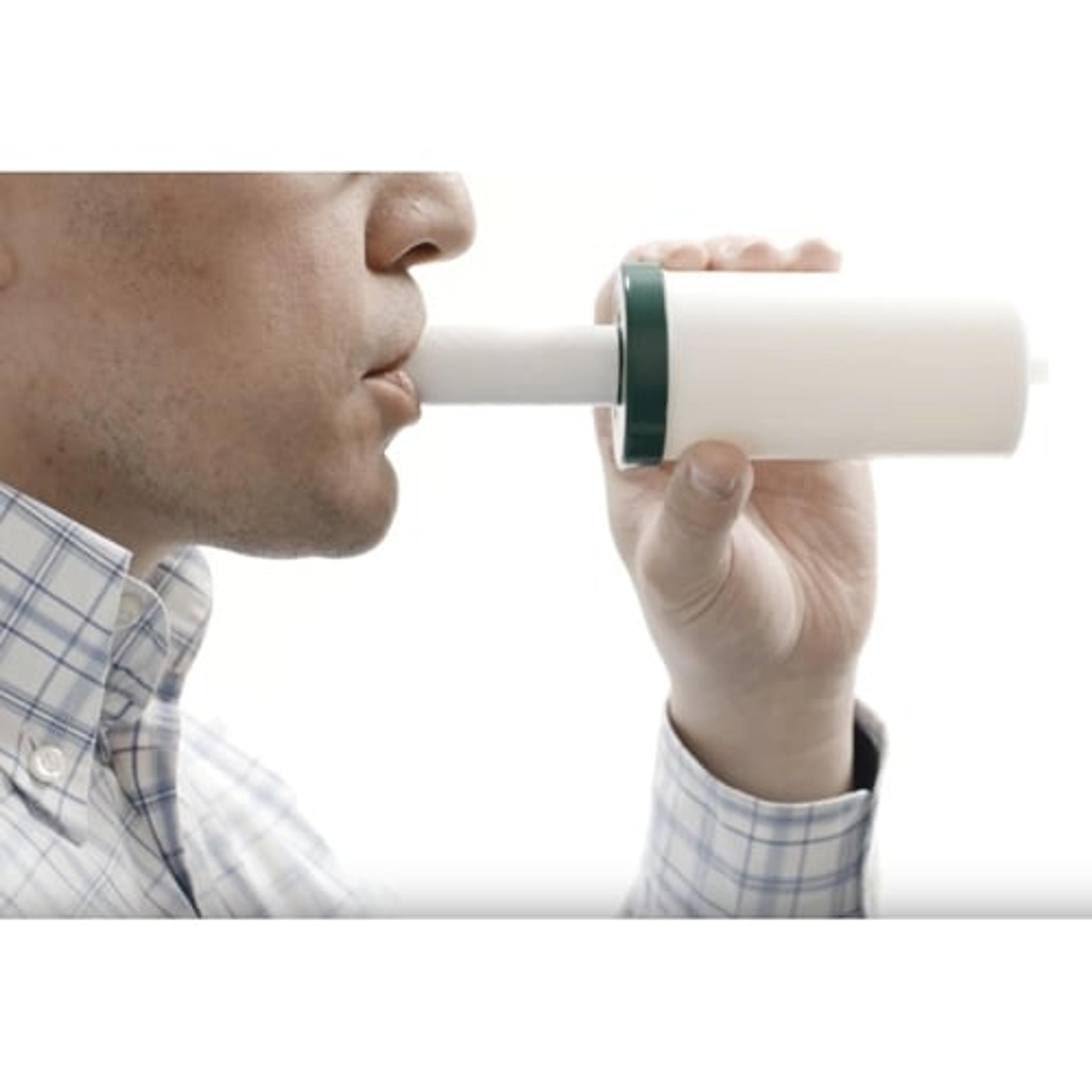
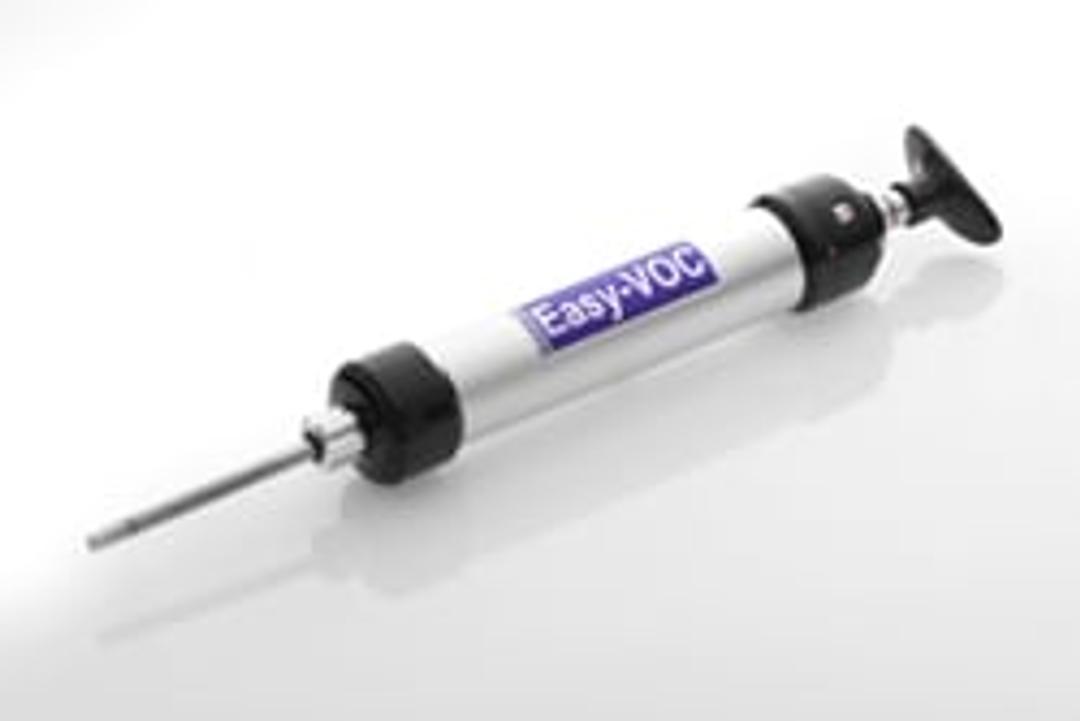
Grab-sampler for air sampling. Easy-VOC is a hand-held device that facilitates the rapid ‘grab’ sample collection of small volumes (<500 mL) of air directly onto sorbent tubes without the need for calibrated pumps.Sorbent tubes attach to the end of the Easy-VOC and air/gas is drawn directly onto the tube. Easy-VOC regulates the flow rate independent of the force used to pull the air through.Grab sampling involves collecting v…

Receive your quote directly from the manufacturer.
Grab-sampler for air sampling.
Easy-VOC is a hand-held device that facilitates the rapid ‘grab’ sample collection of small volumes (<500 mL) of air directly onto sorbent tubes without the need for calibrated pumps.
Sorbent tubes attach to the end of the Easy-VOC and air/gas is drawn directly onto the tube. Easy-VOC regulates the flow rate independent of the force used to pull the air through.
Grab sampling involves collecting volumes of air or gas over a very short period of time. Sampling onto sorbent tubes in this manner offers many advantages over other methods, which can be cumbersome, expensive and inaccurate.
Features & Benefits:
- Easy grab sampling onto sorbent tubes
- No pump to calibrate
- 50–500 mL volumes
- More versatile alternative to canister sampling - compatible with n-C3 to n-C32
- Fits ¼-inch and 6 mm o.d. sorbent tubes

Thermal desorption applications guide: Food and drink
In this Applications Guide, Markes International describe how thermal desorption (TD) can be used for key applications in the field of food and drink VOC profiling – covering everything from comparing brands of cheese, to improving the shelf-life of ready-to-eat fresh-cut fruit.
A Simple Sampling Technique for the TD–GC–MS Analysis of VOCs Released from Packaged Meat
This application note describes the use of an easy-to-use grabsampler for the rapid collection of volatile compounds in the headspace surrounding packaged meat. Analytes are collected directly onto sorbent tubes for analysis by thermal desorption (TD)–GC–MS. This approach offers particular advantages in terms of sensitivity enhancement and water management.
Environmental Monitoring Using Thermal Desorption
This is a comprehensive guide to monitoring chemicals in the environment and the workplace using thermal desorption. It describes how thermal desorption can be used in air and water monitoring applications including detection of ‘air toxics’, mapping of environmental pollutants and assessing underground contamination. In each case, the guide directs you towards relevant application notes which describe the methods mentioned in detail. The guide also describes relevant analytical and sampling techniques and outlines the advantages of using thermal desorption for environmental monitoring.
Fragrance and Odor Profiling using Thermal Desorption
This is a comprehensive guide to assessing the odor profiles of products and materials using thermal desorption. It details the many different products that can be profiled using thermal desorption such as tobacco, shampoo, and air fresheners and directs you to the relevant application notes which detail the methods used. The guide also describes relevant analytical and sampling techniques and outlines the advantages of using thermal desorption for fragrance and odor profiling.
Automotive Studies using Thermal Desorption
This is a comprehensive guide to using thermal desorption in the vehicle-manufacturing industry. The guide describes how thermal desorption can be applied to various applications in the industry including vehicle interior air quality monitoring, analysis of polycyclic aromatics hydrocarbons (PAHs) and detecting volatile carbonyl compounds, and directs you towards relevant application notes which describe the methods in detail. The guide also describes relevant analytical and sampling techniques and outlines the advantages of using thermal desorption in automotive studies.
Biological Profiling using Thermal Desorption
This is a comprehensive guide to how thermal desorption is being applied to advance research into human health, atmospheric chemistry and chemical ecology. The guide details how thermal desorption is used diverse branches of biological research such as disease diagnosis, monitoring of marine halocarbons and interspecies interactions and in each case, directs you towards relevant experimental data from published research.
Assessing Consumer Environmental Health using Thermal Desorption
This is a comprehensive guide to the use of thermal desorption to assess chemical emissions from construction materials and consumer products. It describes how the standard methods developed to assess emissions from construction materials and consumer products are compatible with thermal desorption. The guide goes onto details how thermal desorption can be applied to various techniques in assessing consumer environmental health, from near-real-time-air monitoring to assessing formaldehyde emissions, and directs you towards relevant application notes which describe the methods in detail.
Defense and Forensic Applications of Thermal Desorption
This is a comprehensive guide to using thermal desorption for homeland security, military and forensic applications. It describes how thermal desorption can be used for a variety of defense and forensic applications, from detecting trace-level agents, monitoring air for explosives and drug analysis and directs you towards relevant application notes which describe the methods in detail. The guide also describes relevant analytical and sampling techniques and outlines the advantages of using thermal desorption.
Applications of Thermal Desorption in the Food and Beverage Industry
This is a comprehensive guide to the use of thermal desorption for quality and content testing of food and drink. It describes how thermal desorption can be used to monitor the quality of a wide variety of food and drink such as cheese, animal feed, fresh herbs and wine. It also details how it can be used for assessing the safety of packaging materials and the effect of the packaging on product quality. The guide directs you towards relevant application notes or published research which describe the methods mentioned in more detail.
A Simple Sampling Technique for the Analysis of VOCs Released from Packaged Meat
This application note describes the use of an easy-to-use grab-sampler for the rapid collection of volatile compounds in the headspace surrounding packaged meat. Analytes are collected directly onto sorbent tubes for analysis by thermal desorption (TD)–GC–MS. This approach offers particular advantages in terms of sensitivity enhancement and water management.

Pittcon 2016 – Short Course On Air Monitoring, Technical Presentations and Posters from Markes
Pittcon 2016 – Short Course On Air Monitoring, Technical Presentations and Posters from Markes