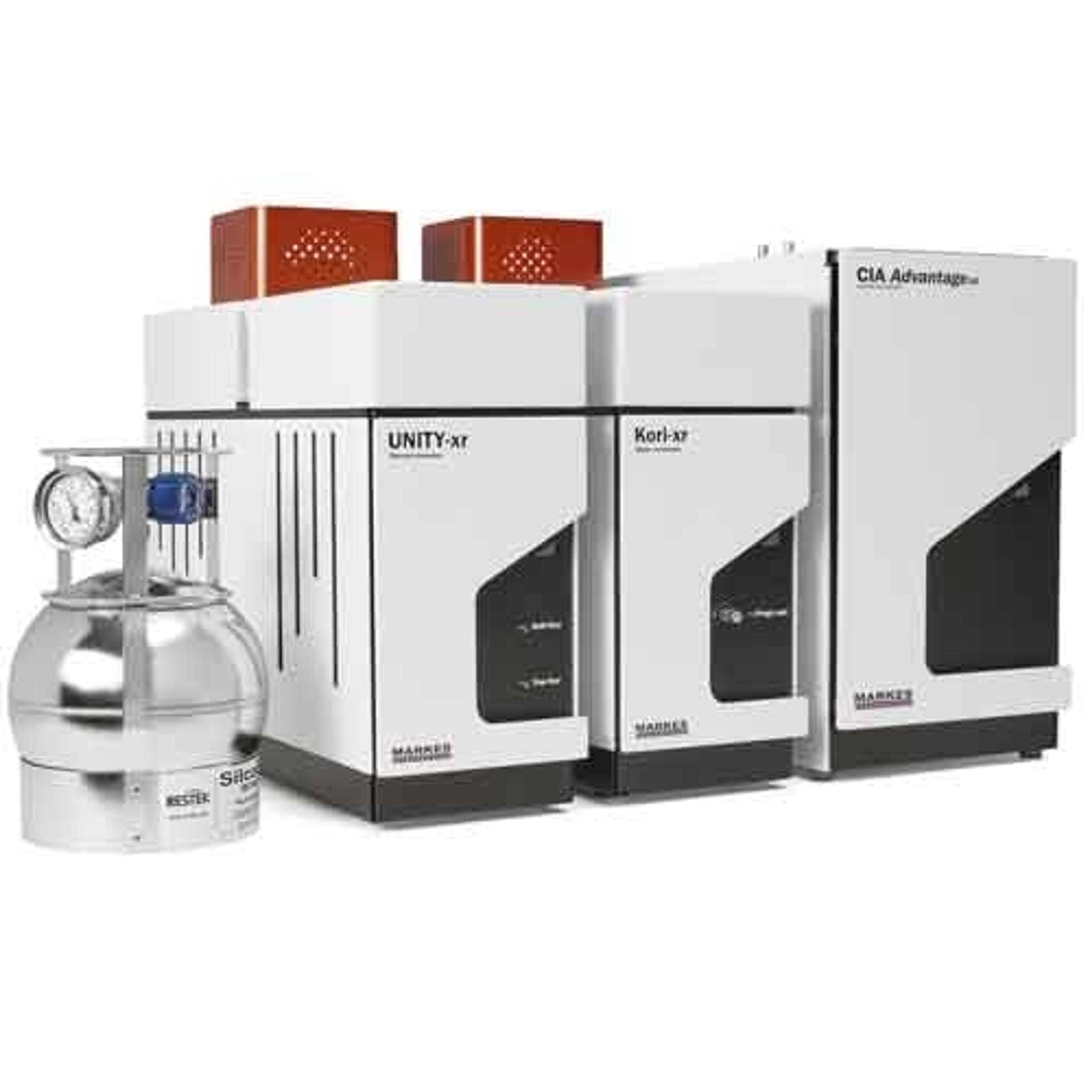
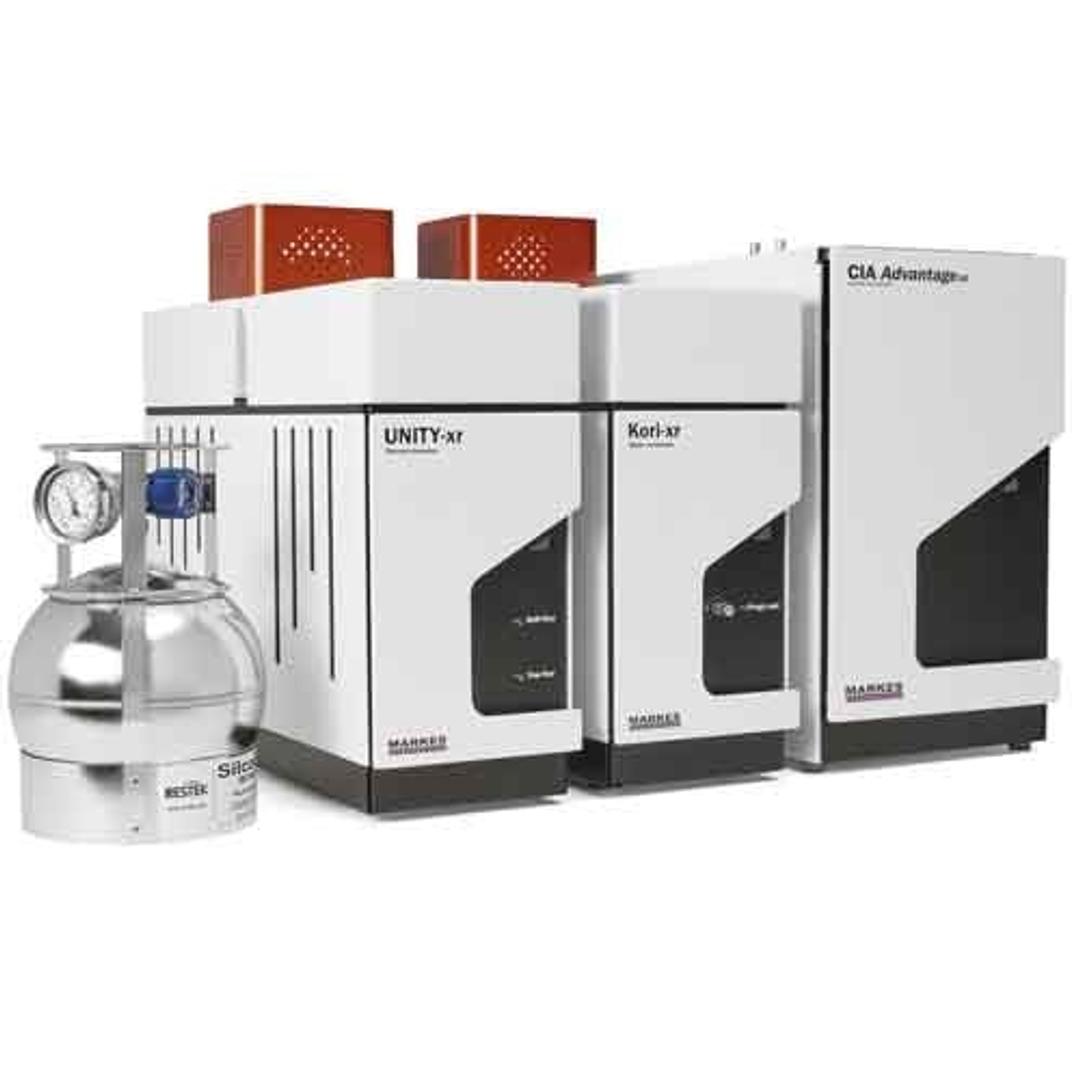
CIA Advantage-xr
Advanced system for the automated analysis of VOCs in canister air



Receive your quote directly from the manufacturer.
Simple and easy to use. Very reliable for good results
Analyze VOCs and PAMS in whole air in canisters
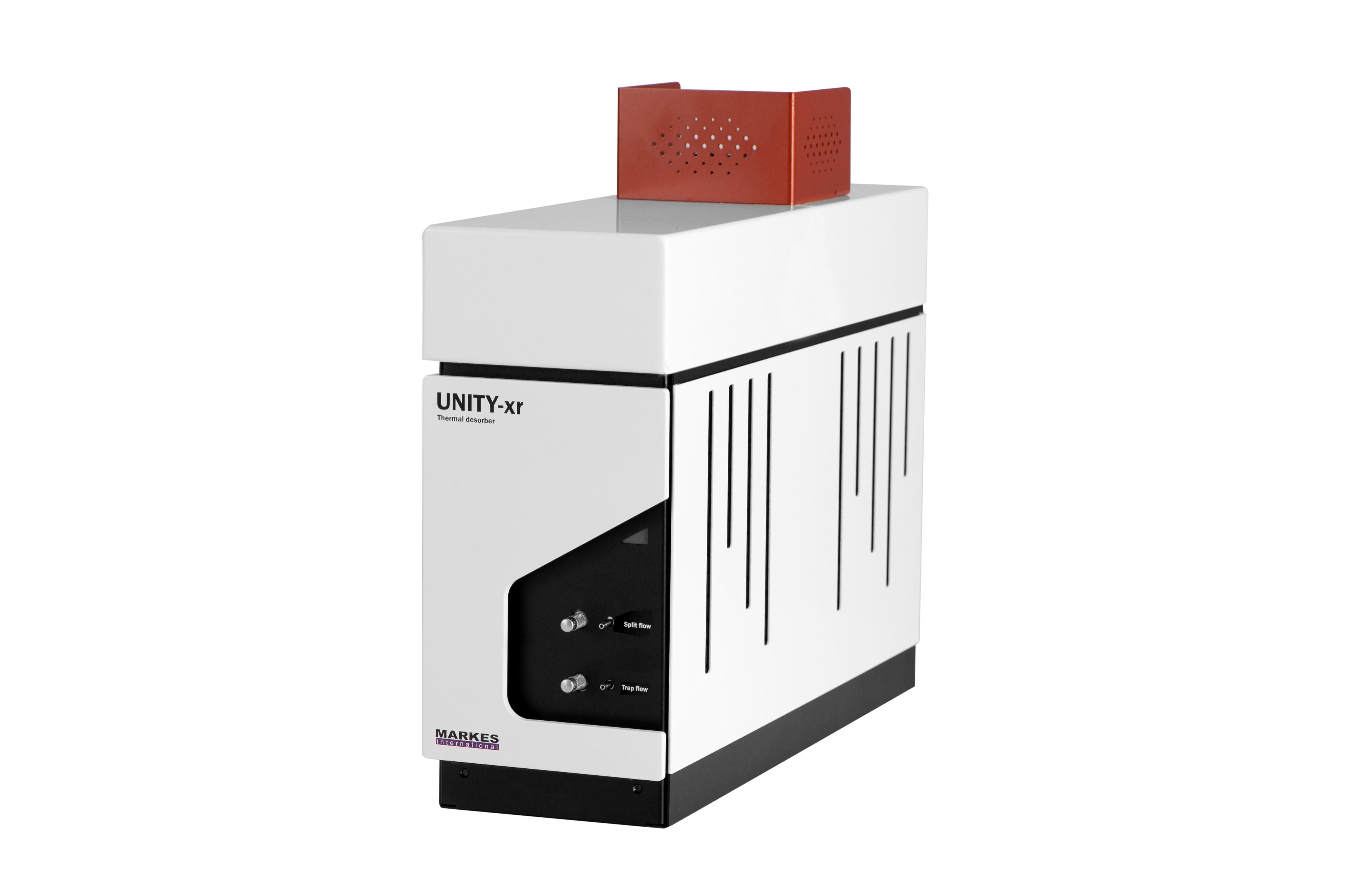
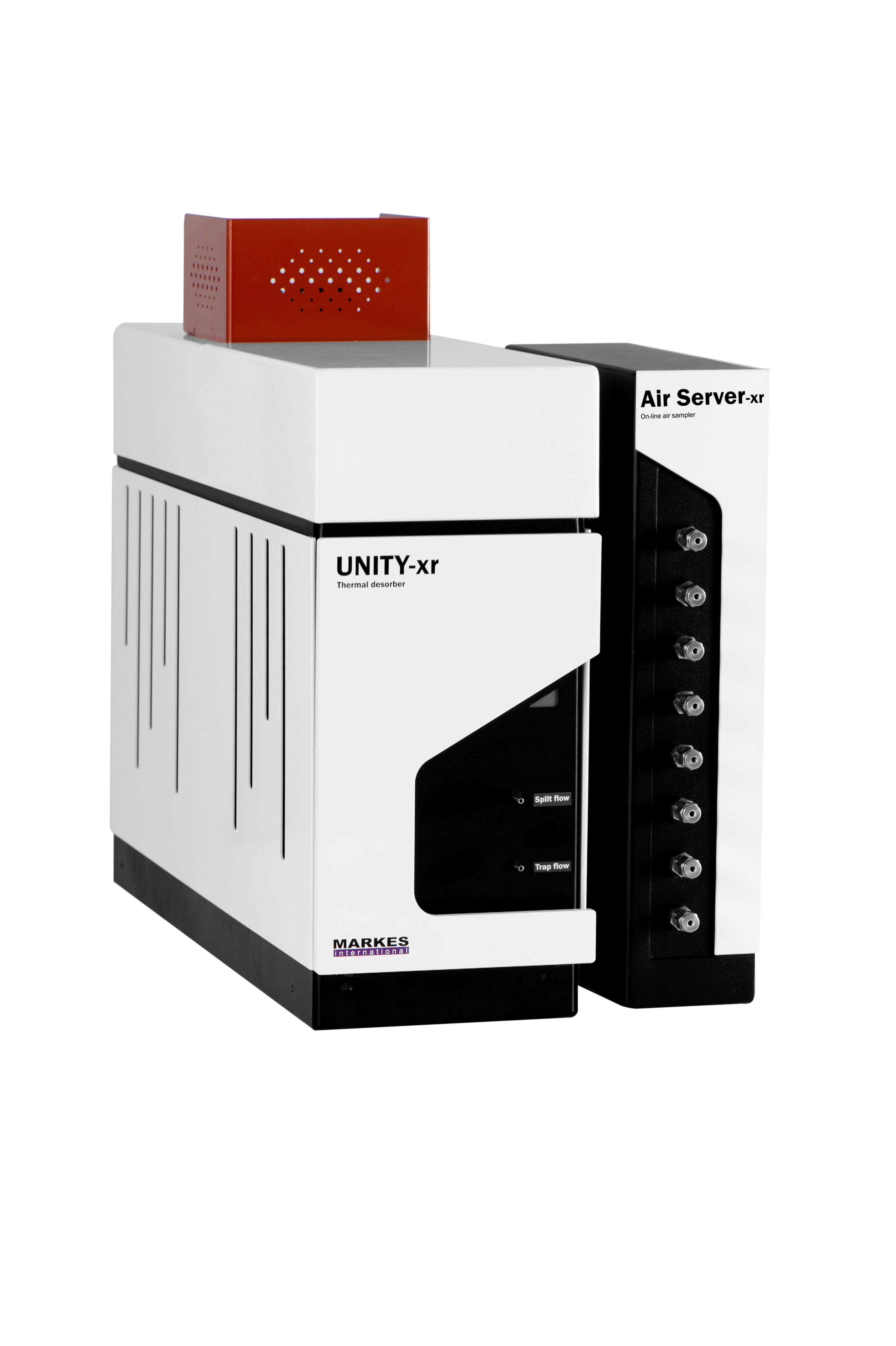
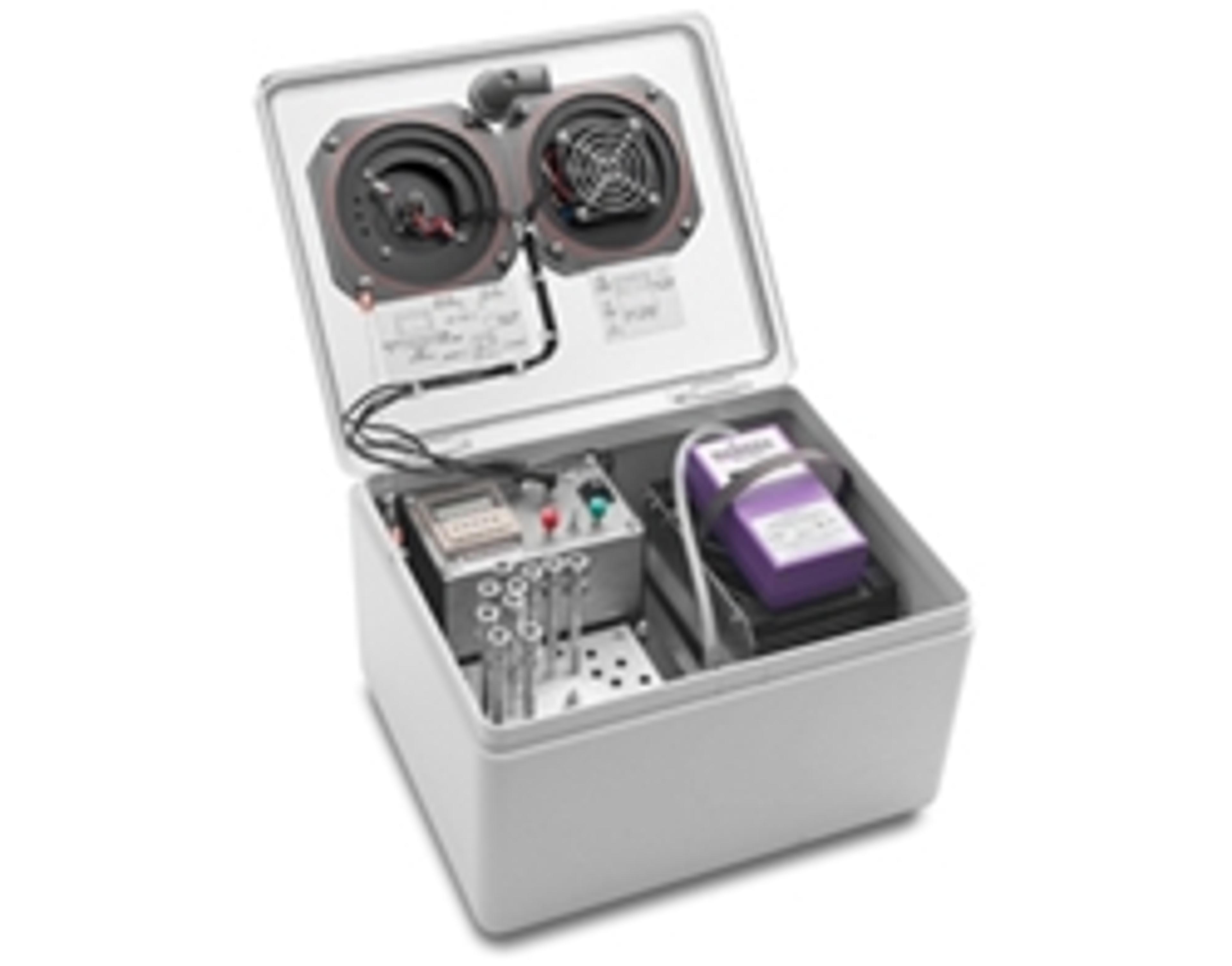
The Markes CIA Advantage -xr is unique and effective as an autosampler for the analysis of whole air in canisters. By simply connecting the heated transfer lines to the canister via a union and ferrules, air samples are easily transferred through the adjoining Kori-xr and UNITY-xr to the GCMS. This application and instrumentation makes the analysis truly reliable with its ease of use.
Review Date: 7 Feb 2022 | Markes International Ltd
Precise and reproducible results and user friendly.
Ambient air analysis for VOCs
The Markes Thermal Desorption Systems, CIA Advantage and Unity 2 are powerful tools that one should have in their analytical lab. We have coupled these systems to our GC-FID and use it for ambient air analysis for trace gas species, specifically VOCs. VOCs are usually present in the range of ppb-ppt levels in the ambient air and therefore are very difficult to measure. The TD system for Markes helps capturing these species at ppb-ppt levels and also eliminates the use of cryogen (liquid Nitrogen). The required low temperatures are attained using the Thermoelectronics (Pelteir). The instruments are small and can be deployed over a lab table along with your GC. These can be easily controlled using a user friendly software, where you just have to plug in the desired parameters and the rest is done automatically by the instrument. It also provides an option for analysis of several samples one after the another automatically without any manual interference. Our analysis so far shows excellent detection and reproducibility. The instrument is also easily accessible for inside (in case of troubleshooting or general mechanical/electronic interest) which makes it very user friendly. One can also get online support from Markes which is very good. The technical and sales help is swift and precise. These instruments are a total value for your money!
Review Date: 10 Aug 2016 | Markes International Ltd
Result good but not in lower hydrocarbons.
Air Samples
This instrument is vary efficient and work good but it response is not good in lower hydrocarbons like C1-C5.
Review Date: 8 Aug 2016 | Markes International Ltd
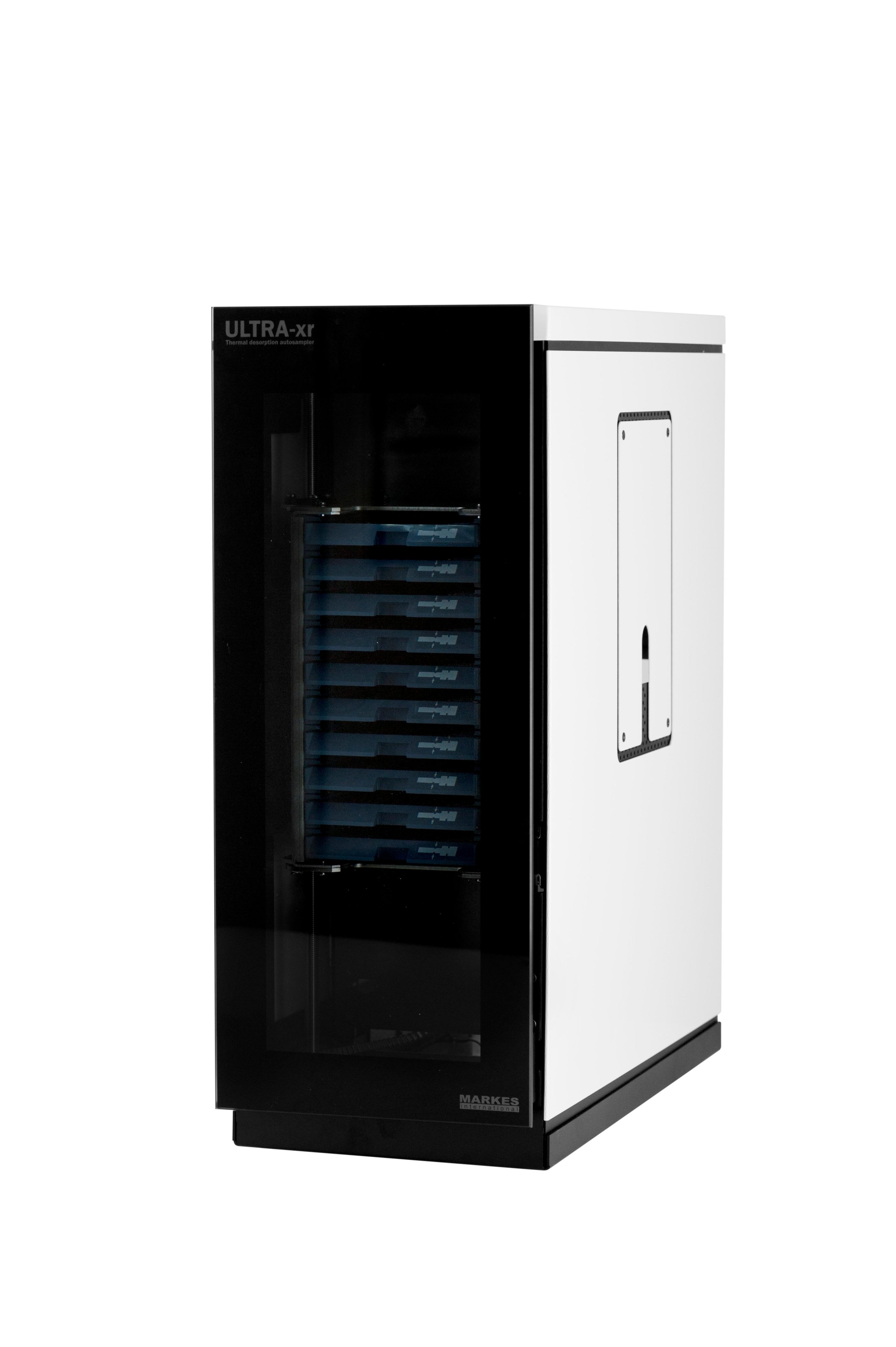
With capacity for up to 27 canisters and cryogen-free operation, the CIA Advantage is the ultimate solution for laboratories wanting a robust, high-throughput system for canister air monitoring.
Features:
- Accommodates both high- and low-concentration samples in the same sequence
- Heated internal lines and efficient purging combine to eliminate carryover between samples
- No liquid cryogen needed, meaning a saving of thousands of dollars every year
- Up to 27 channels allows round-the-clock automated operation for maximum productivity
- Robust modular design optimises uptime and eases servicing to minimise maintenance costs
- Electronic splitting capability and the option of small-volume gas-loop sampling enhance compatibility with high-concentration samples
- Wide application range – also allows method-compliant analysis of sorbent tubes

Detection of ozone-depleting substances and halogenated GHGs
China has phased out chlorofluorocarbons (CFCs) and is gradually phasing out hydrochlorofluorocarbons (HCFCs), while hydrofluorocarbons (HFCs), although not harmful to the ozone layer, have a potent greenhouse effect and were added to the Montreal Protocol in 2016. Markes International presents a quantitative analysis method for ozone-depleting substances (ODS) and halogenated greenhouse gases (GHGs) without cryogen, meeting detection limit and data quality requirements outlined by the China National Environmental Monitoring Centre. The analysis system includes a canister autosampler, water vapor removal device, thermal desorption instrument, and GC-MS analyzer in SIM mode, capable of monitoring samples with 100% relative humidity and analyzing 34 ODS and halogenated GHGs qualitatively and quantitatively.
How thermal desorption gives research and industry the edge when analyzing emerging organic contaminants
In this poster, Markes International demonstrate that TD can be used to analyse the most challenging environmental contaminants in both discovery and routine applications.
Advances in comprehensive ambient air monitoring
This poster describes the successful application of Markes’ innovative on- and offline method coupled with Agilent’s powerful GC–MSD, which combines sampling and analysis in a single run with a cycle time under one hour, ensuring consistent hourly monitoring of all compounds, even remotely.
Extending air monitoring: Simultaneous analysis of ozone precursors, air toxics and carbonyls
This scientific poster describes the successful application of Markes' innovative on- and offline solutions, combining all compounds of interest into a single run with a cycle time under one hour, ensuring consistent hourly monitoring for all compounds, even remotely.
Simultaneous Cryogen-Free Analysis of PAMS Ozone Precursors and TO-15 Air Toxics from Canisters
This application note describes cryogen-free sampling and analysis of PAMS ozone precursors and TO-15 air toxics in high-humidity environments, in compliance with new Chinese air-monitoring regulations. The use of Markes’ groundbreaking Dry-Focus3 preconcentration and water management technology results in excellent chromatographic peak shape at 100% humidity, whilst maintaining sample-to-sample cycle times below 60 minutes.
Completely Cryogen-Free Monitoring of PAMS Ozone Precursors, TO-15 Air Toxics and OVOCs in Ambient Air in a Single Run
This study describes the sampling and analysis of a combined list of PAMS ozone precursors, TO-15 air toxics and OVOCs at high humidity, without the use of liquid nitrogen or other cryogen. The method described complies with the detection limit and data-quality requirements of Chinese EPA Method HJ 759 and the Chinese Environmental Air Volatile Organic Compound Monitoring Program. The use of Markes’ Dry-Focus3 preconcentration and watermanagement technology results in excellent chromatographic peak shape at 100% humidity, while maintaining sample-tosample cycle times below 60 minutes. The use of robust, field-proven dual-column/Deans switch technology in the GC oven allows FID analysis of highly volatile C2 and C3 hydrocarbons, with the remainder detected using a singlequadrupole mass spectrometer.
Going Beyond the Requirements of US EPA Method TO-15: Innovative Cryogen-Free Ambient Air Monitoring of Trace-Level Air Toxics at High Humidity
This application note describes the GC–MS analysis of trace-level ‘air toxics’ in humidified canister air, using Markes’ ground-breaking cryogen-free Dry-Focus3 pre-concentration technology. It shows that this system is able to detect 65 target compounds ranging from propene to naphthalene, with method detection limits as low as 0.7 pptv in SIM mode, making it compliant both with standard TO-15 methods, and with ‘trace TO-15’ methods stipulating lower detection limits.
Environmental Monitoring Using Thermal Desorption
This is a comprehensive guide to monitoring chemicals in the environment and the workplace using thermal desorption. It describes how thermal desorption can be used in air and water monitoring applications including detection of ‘air toxics’, mapping of environmental pollutants and assessing underground contamination. In each case, the guide directs you towards relevant application notes which describe the methods mentioned in detail. The guide also describes relevant analytical and sampling techniques and outlines the advantages of using thermal desorption for environmental monitoring.
Innovative Cryogen-Free Ambient Air Monitoring in Compliance with US EPA Method TO-15
This application note describes the GC–MS analysis of humidified canister ‘air toxics’ samples at various relative humidities, using cryogen-free systems for thermal desorption preconcentration. Detection of 65 target compounds, ranging in volatility from propene to naphthalene, is demonstrated with excellent peak shape and performance well within the criteria set out in US EPA Method TO-15, including method detection limits as low as 4 pptv.
Automotive Studies using Thermal Desorption
This is a comprehensive guide to using thermal desorption in the vehicle-manufacturing industry. The guide describes how thermal desorption can be applied to various applications in the industry including vehicle interior air quality monitoring, analysis of polycyclic aromatics hydrocarbons (PAHs) and detecting volatile carbonyl compounds, and directs you towards relevant application notes which describe the methods in detail. The guide also describes relevant analytical and sampling techniques and outlines the advantages of using thermal desorption in automotive studies.
Equipping scientists across the globe in research and routine analysis
In this video, Gavin Davies, discusses how scientists can get the best from their GC analysis, enabling them to discover more and deliver more across a wide range of applications.