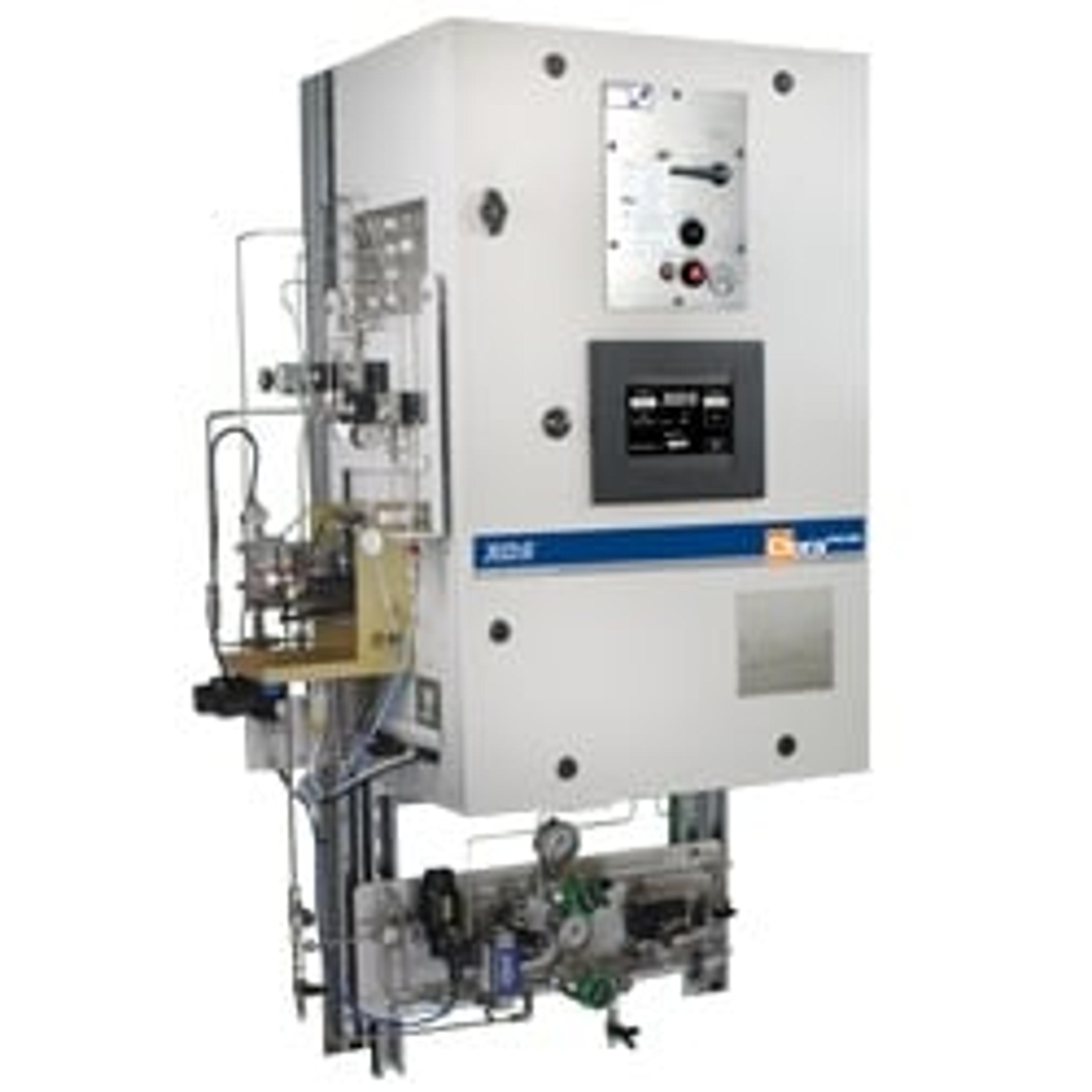
Clora Online
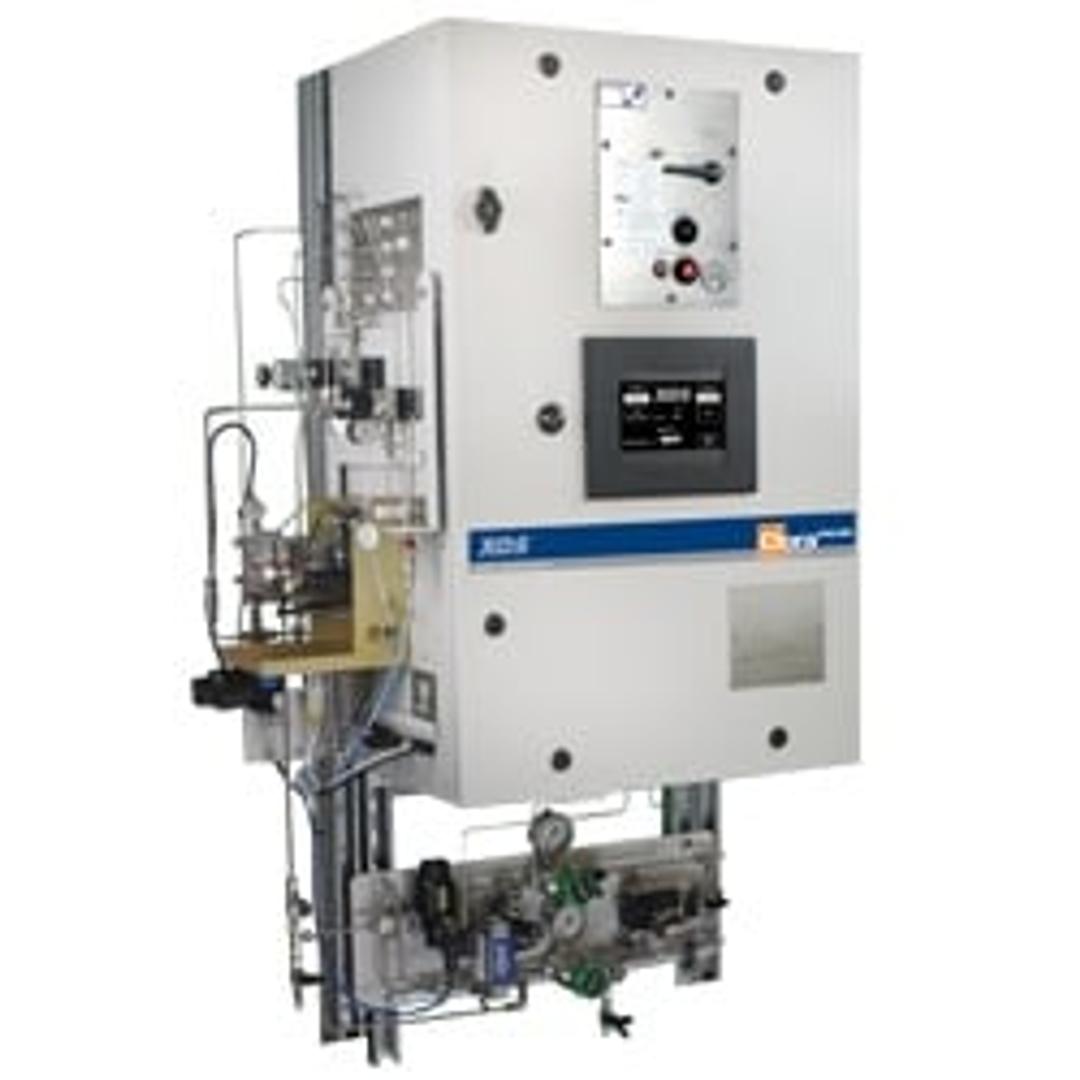
Online Chlorine Analysis in Hydrocarbon or Water

The supplier does not provide quotations for this product through SelectScience. You can search for similar products in our Product Directory.
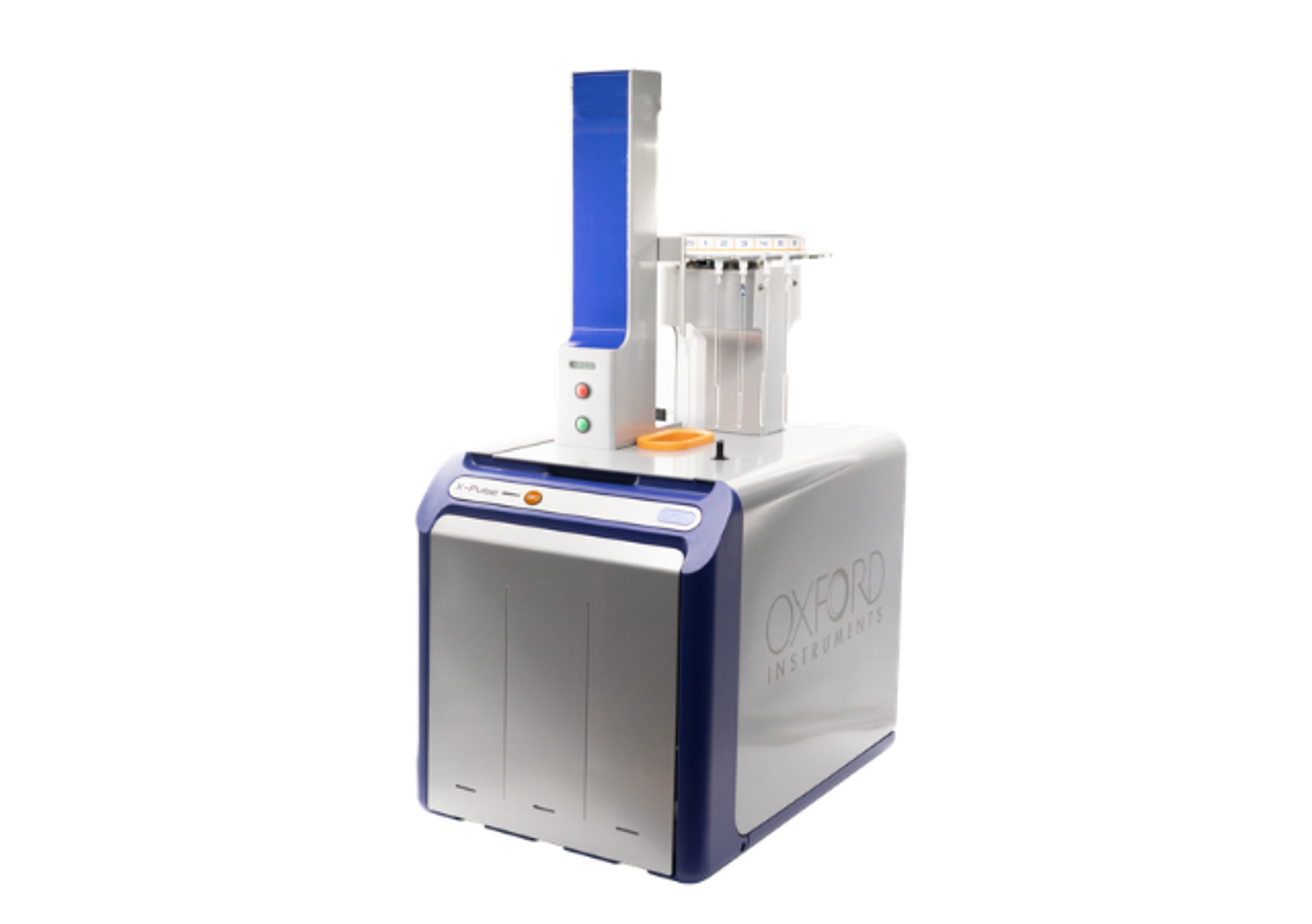
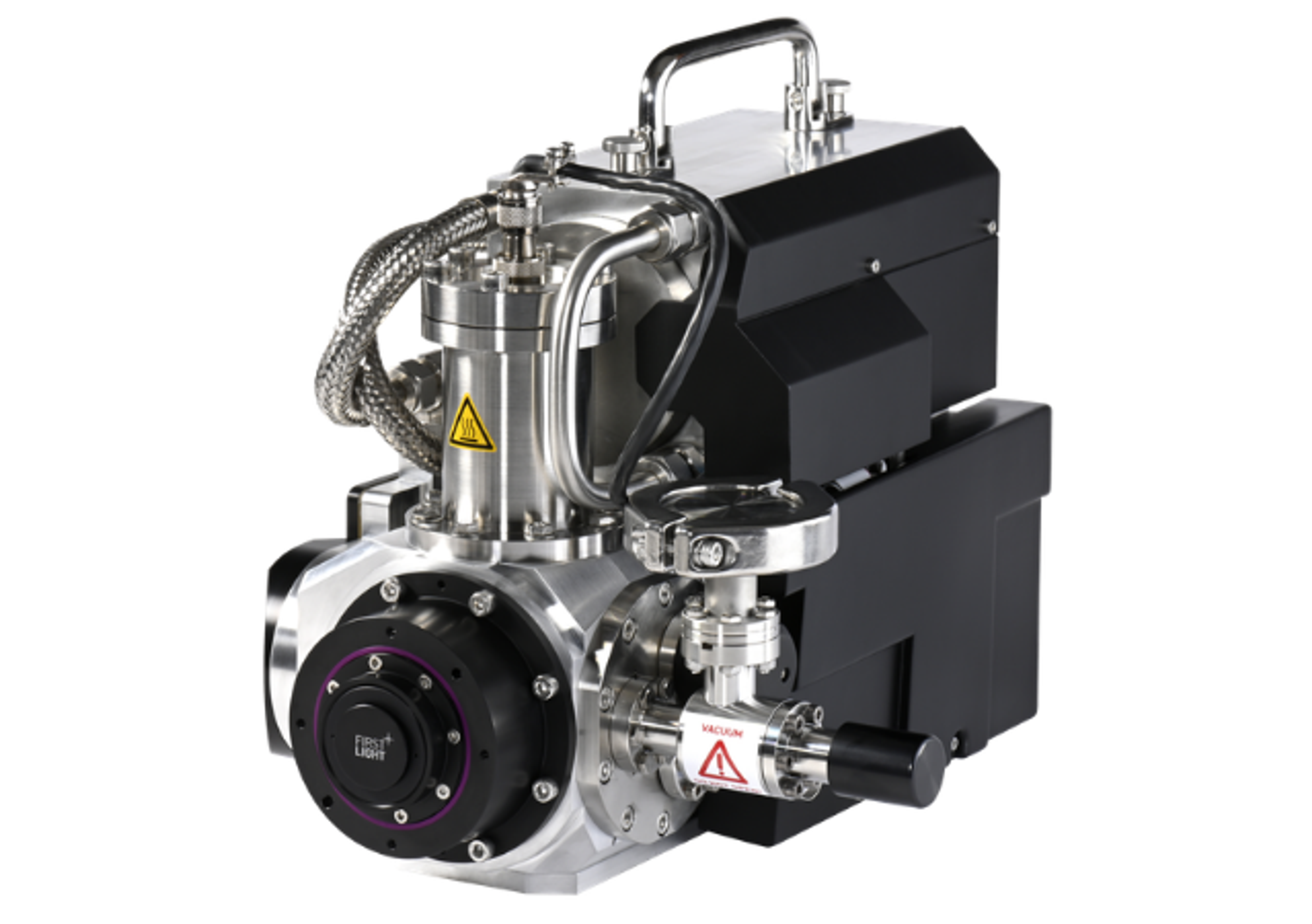
Clora Online provides chlorine analysis without consumable gasses or elevated temperature processes, and delivers real-time data with a dynamic range of 0.2 to 3,000 ppm wt%. Measurement time is typically 5 minutes; however, 15-second snapshot data is available to monitor process upsets.
Brochures

Monitor Chlorine in Crude Oil at Sub-ppm Levels
Clora® is a compact analyzer to measure total chlorine in liquid hydrocarbons such as aromatics, distillates, heavy fuels, crude oils, and aqueous solutions. Clora delivers unprecedented accuracy and precision for petroleum and petrochemical applications where ease-of-use, reliability and measurement speed are critical.
4 ways to effectively monitor total chlorine in liquid hydrocarbons
In this application note, XOS discusses the most popular Clora benchtop and online procedures utilized by petroleum laboratories around the world to measure total chlorine for corrosion mitigation.
Monitor chlorine in crude oil at sub-ppm levels
Monitoring chlorine for corrosion mitigation is critical during refining processes. In this application note, XOS demonstrates their range of benchtop and online chlorine analysis solutions, specifically the Clora®, Clora® 2XP, Sindie +Cl® and Clora® Online analyzer, designed to offer breakthrough analytical solutions for the determination of chlorine in liquid hydrocarbon samples such as aromatics, distillates and heavy fuels, and aqueous solutions.
4 Ways to Effectively Monitor Total Chlorine in Liquid Hydrocarbons
Corrosion at petroleum refineries is a critical problem all over the world. In the United States alone, NACE International, a professional association dedicated to reducing the economic impact of corrosion, has shown that $3.7 billion in direct costs are realized annually from maintenance, vessel expenditures, and fouling as a result of corrosion. This huge figure does not take into account the estimated loss of as much as $12 billion in profits due to decreased capacity, unit outages, and premature turnarounds that result from corrosion.
Online Chlorine Analysis in Crude Oil and Petroleum Process Streams
Residue chlorine (Cl) content in desalted crude oil streams can be a serious issue due to its highly corrosive nature. Online monitoring of chlorine has an important economic aspect for the oil industry. An online total chlorine analyzer based on Monochromatic Wavelength Dispersive X-Ray Fluorescence (MWDXRF) has been developed for this purpose. This online chlorine analyzer is comprised of a low-power X-ray tube, an X-ray optical chamber, and a dynamic window module sample flow cell. An intense monochromatic beam coupled with a highly efficient doubly curved collection optic provides superior detection capability.
Online Chlorine Analysis in Liquid Hydrocarbon Process Streams
Chlorine contributes significantly to the corrosion of plant equipment and must be treated accordingly. With ever-changing crude quality and potential for process upsets, chlorine levels can shift quickly, making real-time analytical results invaluable. Powered by MWDXRF®, Clora® Online uses ASTM D7536 technology and delivers real-time, continuous analysis of total chlorine from 0.2 ppmw up to 3000 ppmw. By monitoring desalted crude, a plant can optimize performance and immediately see impacts of crude changes (including organic chloride). This process analyzer is ATEX and NEC certified for hazardous area locations.
Crude Oil Contaminants: Chlorine and the Desalting Process
Crude oil contains many contaminants which present challenges to refiners. Some contaminants occur naturally in the crude oil and others are accumulated in the upstream process. The primary means to remove these contaminants is the desalting process.