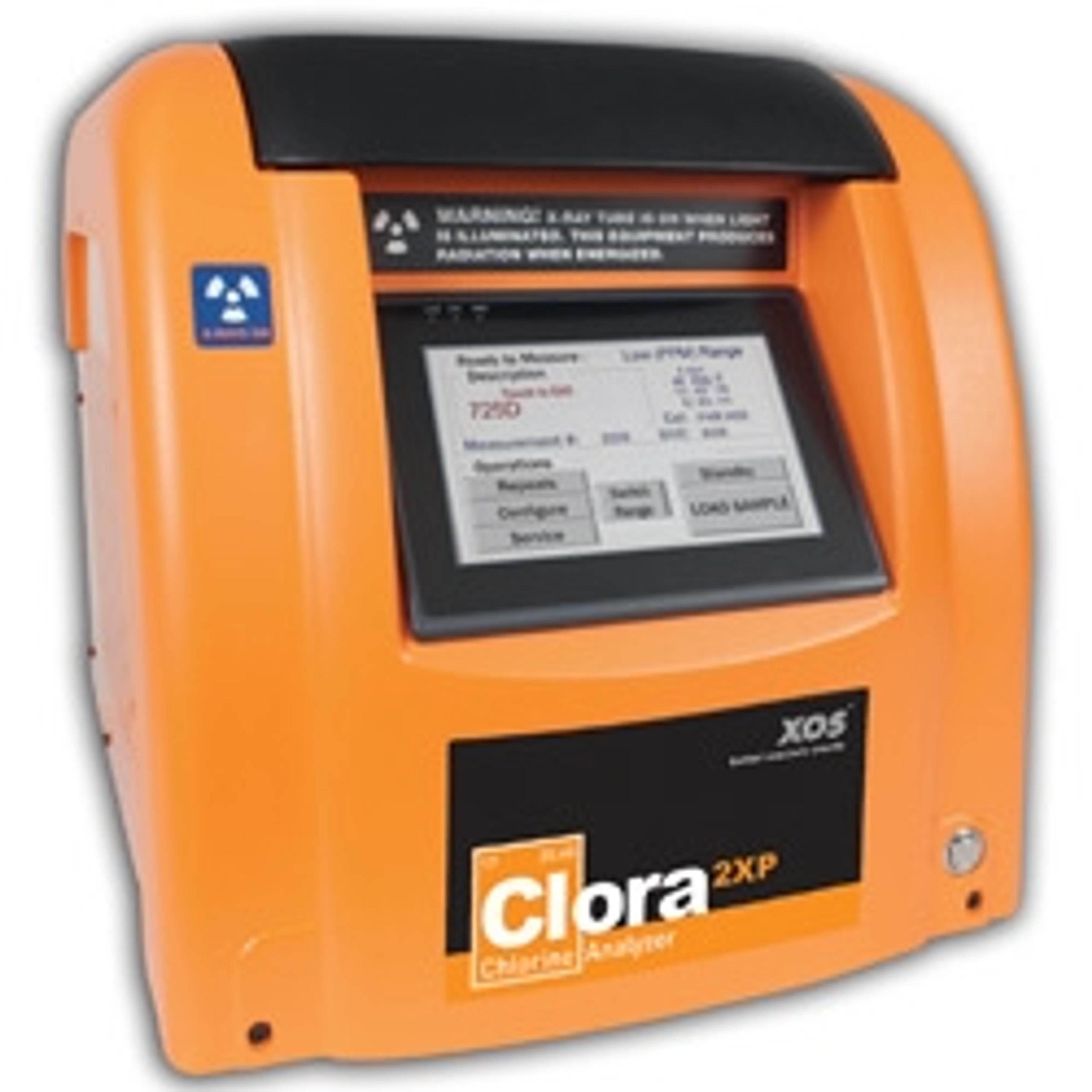
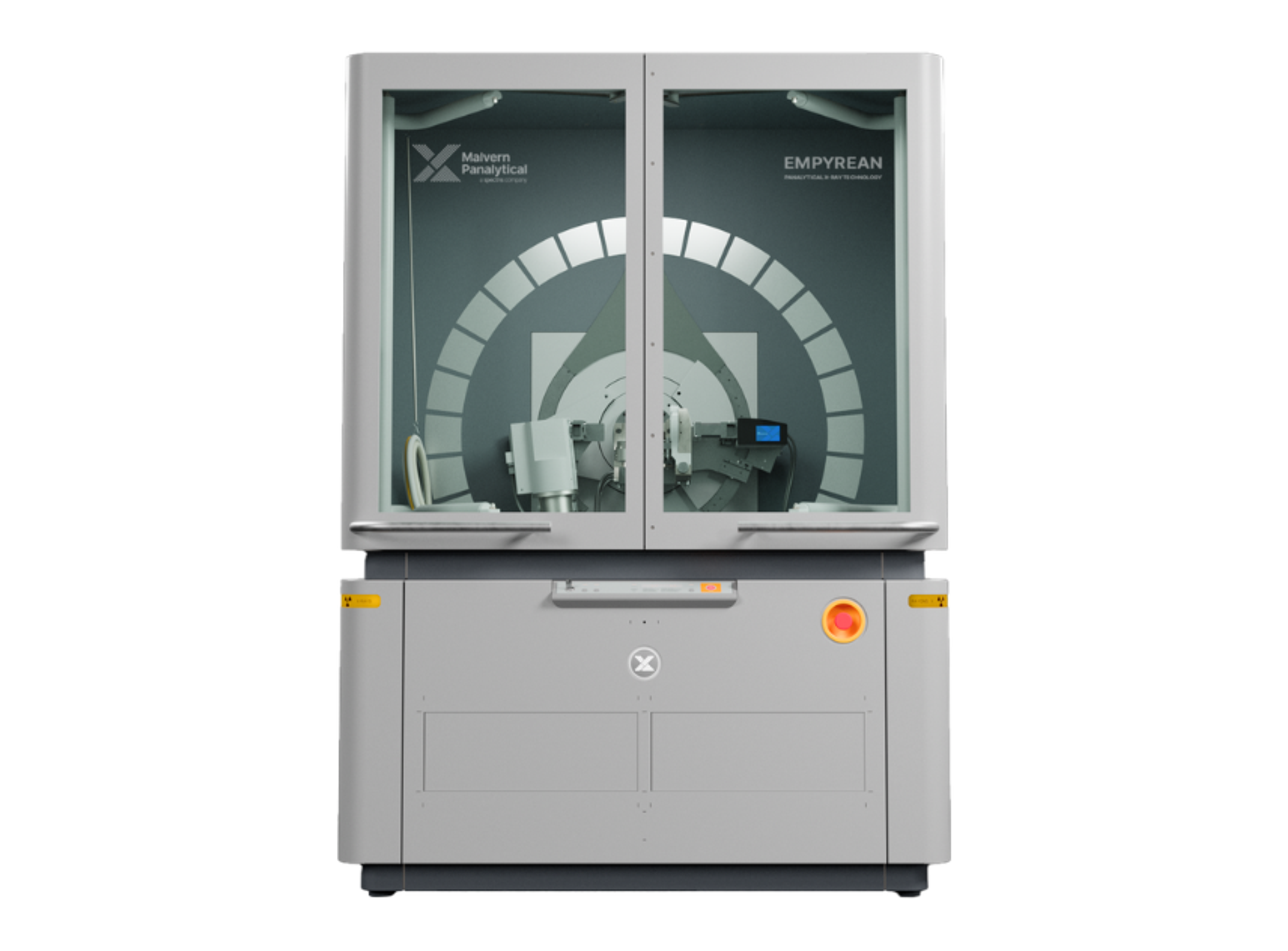
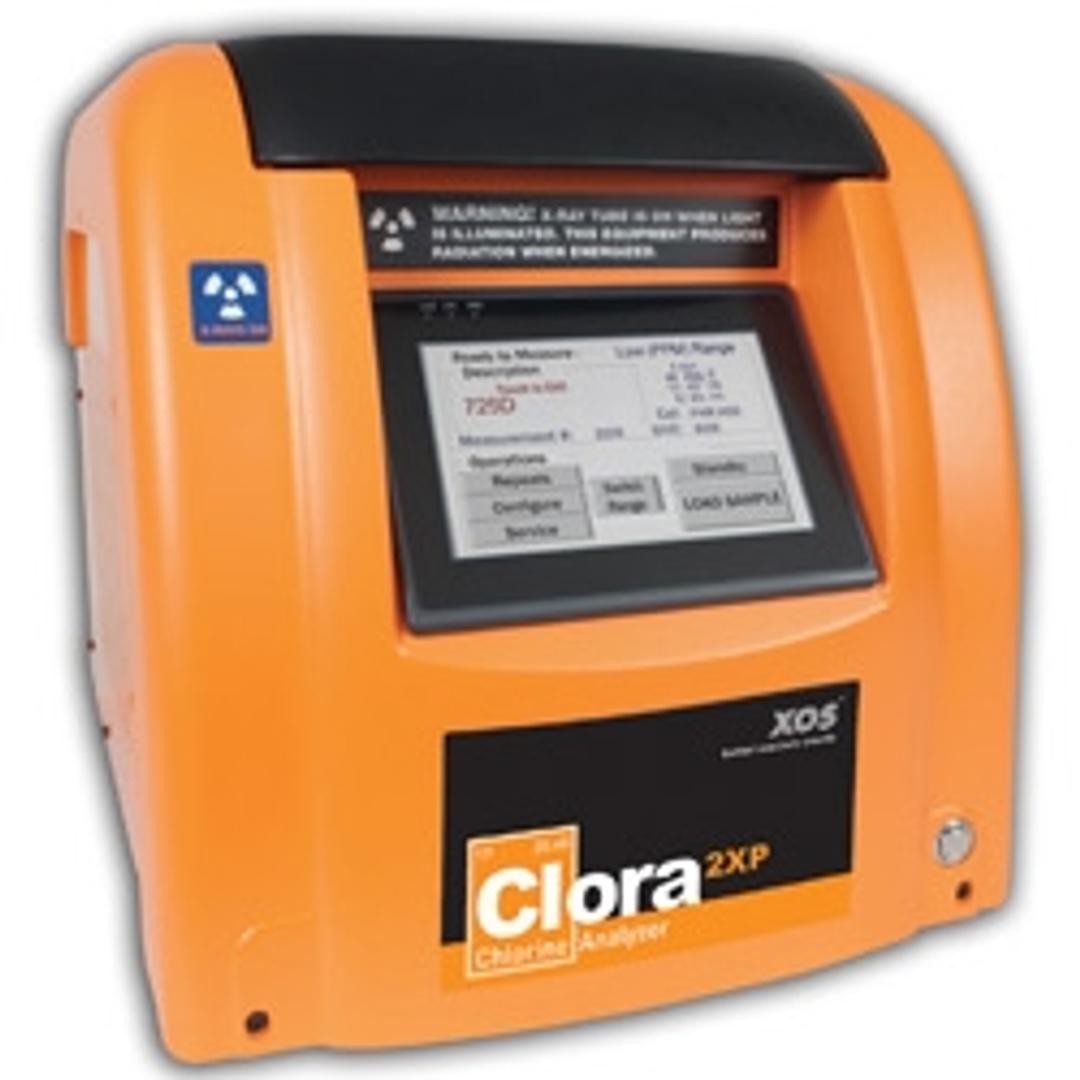
Clora 2XP
Twice the Precision

The supplier does not provide quotations for this product through SelectScience. You can search for similar products in our Product Directory.
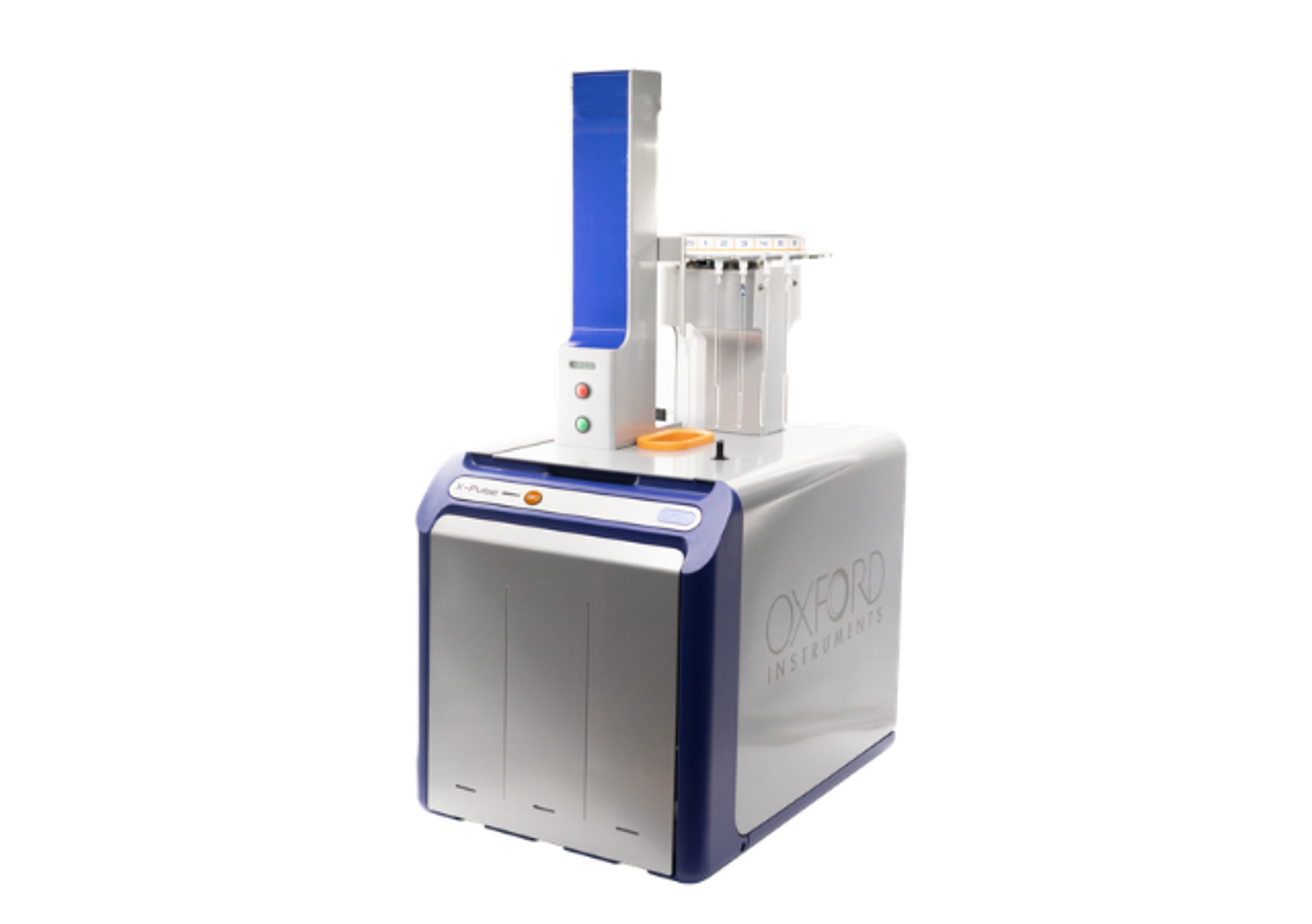
Clora 2XP complies with ASTM D7536 method, and is ideal for testing related to catalyst poisoning in reformers, or for sites with fluid catalytic crackers and hydrocrackers. It delivers twice the precision and offers exceptional analysis for the determination of chlorine in liquid hydrocarbon samples such as aromatics, distillates and heavy fuels, and aqueous solutions. Clora 2XP is powered by the same MWDXRF technology as our signature instrument - Sindie. This direct measurement technique does not require gasses or high temperature processes equating to easy operation and minimum maintenance requirements.
This model delivers a limit of detection of 0.07 ppm and dynamic range up to 3000 ppm (measures catalysts).
Brochures

Monitor Chlorine in Crude Oil at Sub-ppm Levels
Clora® is a compact analyzer to measure total chlorine in liquid hydrocarbons such as aromatics, distillates, heavy fuels, crude oils, and aqueous solutions. Clora delivers unprecedented accuracy and precision for petroleum and petrochemical applications where ease-of-use, reliability and measurement speed are critical.
Detailed how to measure chlorides in crude oil by ASTM D4929C & water extraction
Corrosion mitigation strategies are an important part of ensuring safe refinery operation and maximizing profitability Clora has become a critical part of identifying potential corrosion events and monitoring the effectiveness of these mitigation strategies. With over a decade of experience supporting refiner’s needs to monitor chlorine, XOS can provide many different solutions for monitoring organic, total, and inorganic chlorine in crude oil.
Get fast results for S and Cl in biofuels in compliance with ISO 20884
In this study, XOS test three real-world biofuel samples, showcase their concentrations, and then apply correction factors to mitigate biased results. The correction factors used were derived from the ASTM D7039 method, though these correction factors can still be applied for those in Europe adhering to the ISO 20884 method. As per Section 1 of ISO 20884, any sample with more than 3.7% oxygen content must be corrected for.
How to fix a friendship gone sour: Russia, organic chlorides, and improved method precision
Russia’s Druzhba Pipeline contamination case is a globally relatable example of the ill effects of organic chlorides in crude oil. This application note shows that though other methods are available, ASTM D4929C, GOST 33342, and similar XRF methods allow refineries to obtain organic chloride concentrations in crude oil with increased precision and efficiency.
Monitor chlorine in crude oil at sub-ppm levels
Monitoring chlorine for corrosion mitigation is critical during refining processes. In this application note, XOS demonstrates their range of benchtop and online chlorine analysis solutions, specifically the Clora®, Clora® 2XP, Sindie +Cl® and Clora® Online analyzer, designed to offer breakthrough analytical solutions for the determination of chlorine in liquid hydrocarbon samples such as aromatics, distillates and heavy fuels, and aqueous solutions.
Sub-ppm Chloride Monitoring in Hydrocarbons
Corrosion at petroleum refineries is a critical problem all over the world. In the United States alone, NACE International, a professional association dedicated to reducing the economic impact of corrosion, has shown that $3.7 billion in direct costs are realized annually from maintenance, vessel expenditures, and fouling as a result of corrosion. This huge figure does not take into account the estimated loss of as much as $12 billion in profit due to decreased capacity, unit outages, and premature turnarounds that result from corrosion.
4 Ways to Effectively Monitor Total Chlorine in Liquid Hydrocarbons
Corrosion at petroleum refineries is a critical problem all over the world. In the United States alone, NACE International, a professional association dedicated to reducing the economic impact of corrosion, has shown that $3.7 billion in direct costs are realized annually from maintenance, vessel expenditures, and fouling as a result of corrosion. This huge figure does not take into account the estimated loss of as much as $12 billion in profits due to decreased capacity, unit outages, and premature turnarounds that result from corrosion.
Standard Test Method for Determination of Organic Chloride Content in Crude Oil by Distillation and XRF
On October 15, 2017, ASTM approved the addition of Procedure C to D4929 Standard Test Method for Determination of Organic Chloride Content in Crude Oil. Procedure C uses X-ray Fluorescence (XRF) to determine the chlorine content in the crude oil naphtha fraction. This is an important step forward, as users will be able to officially use XOS’ Clora, Clora 2XP, and Sindie +Cl analyzers for organic chloride analysis in crude oil without ASTM method modification.