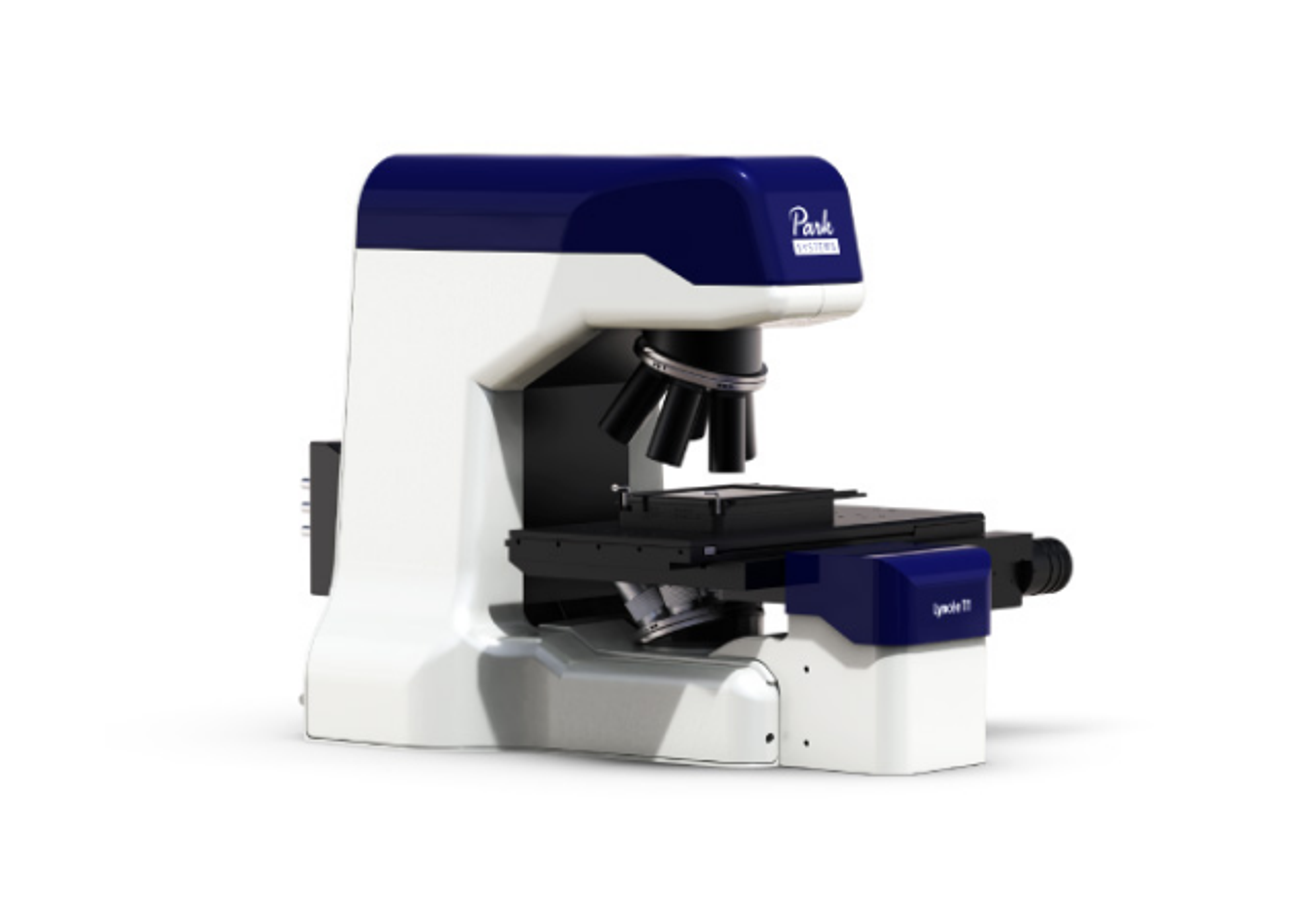
ClinoStar
Stand-alone incubator for growing cells in vivo, generating in vitro models that closely resemble real-world conditions.
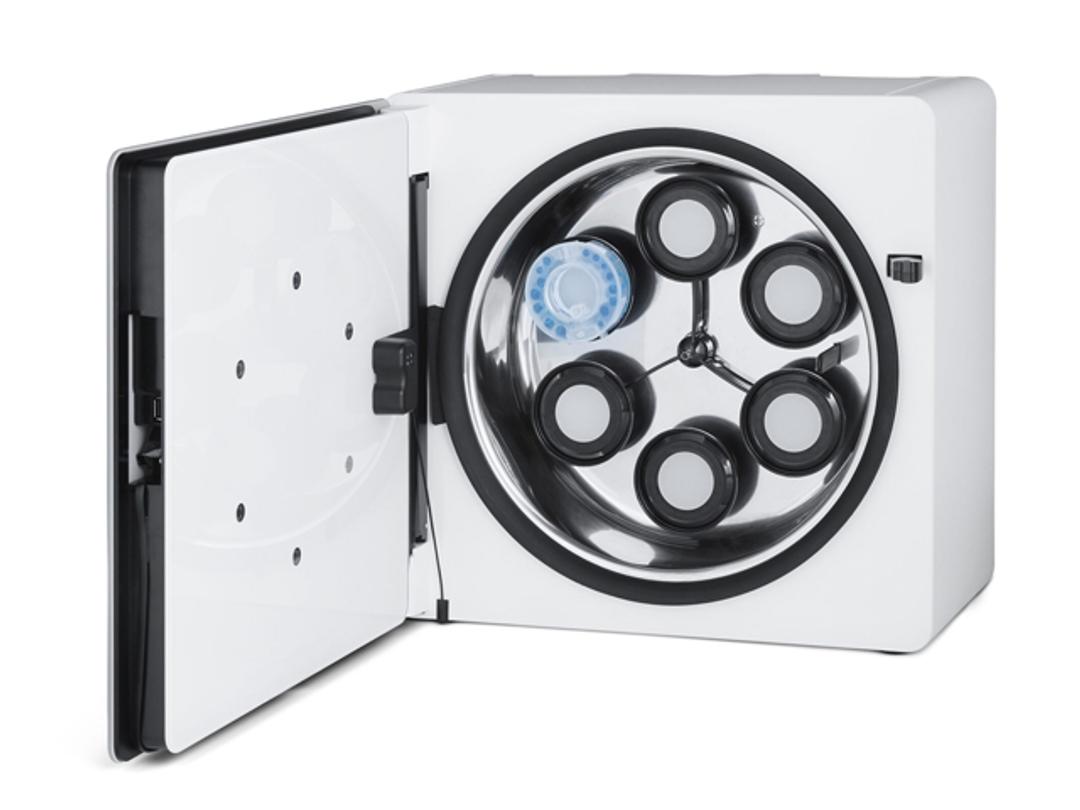
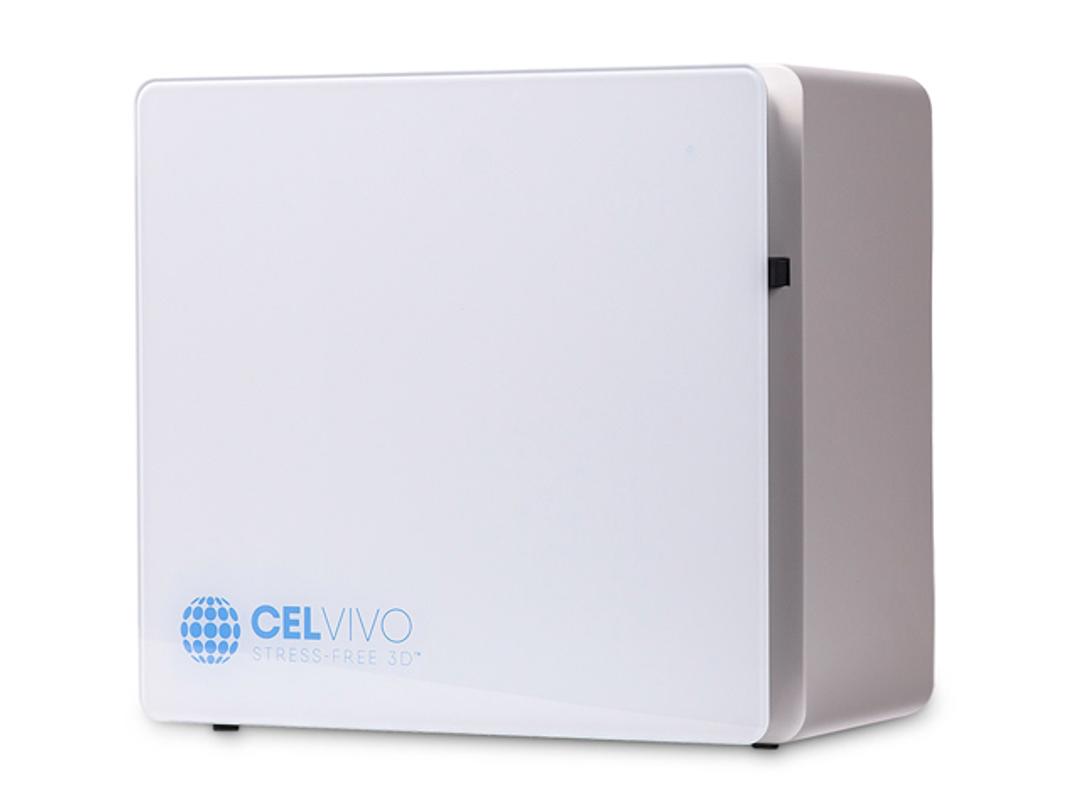
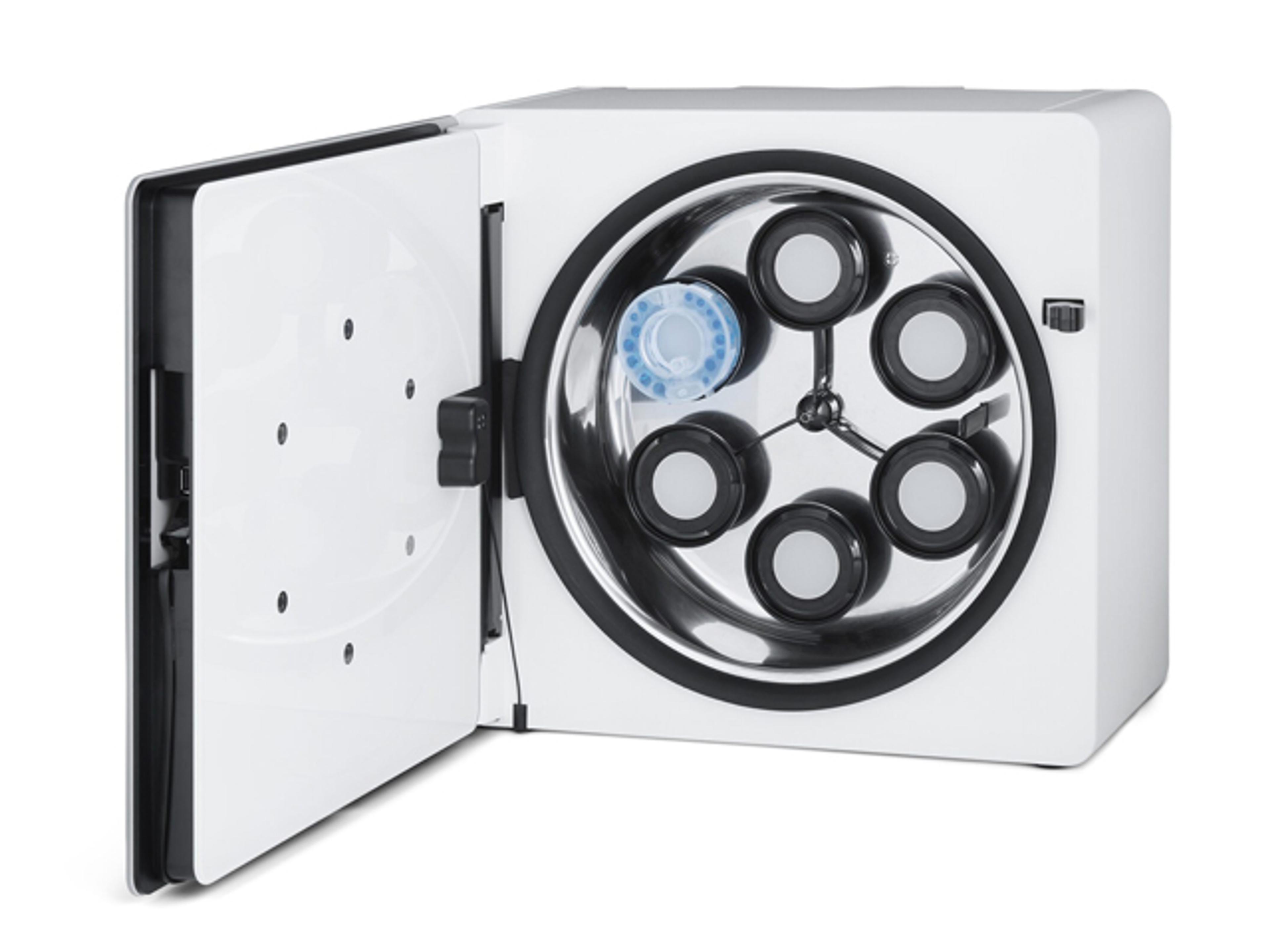
ClinoStar system closed door
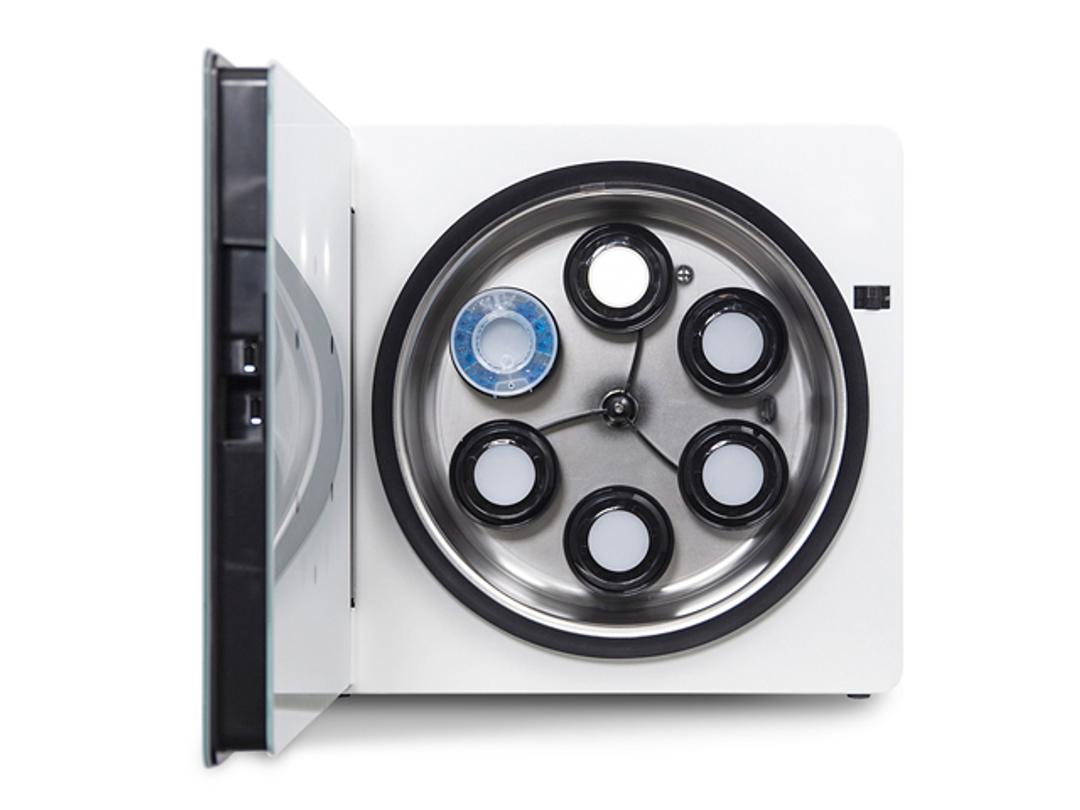
ClinoStar reactor view
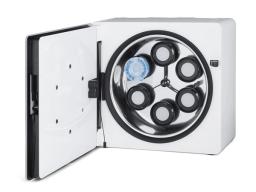

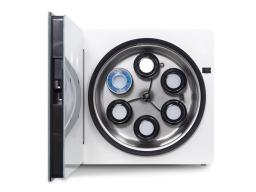

The supplier does not provide quotations for this product through SelectScience. You can search for similar products in our Product Directory.
Easy to use machine.
3D cell structures
Clinostar is straightforward and easy to use, which makes it a practical option for routine tasks. Setup was simple, and the interface is intuitive, requiring little to no training. It performs reliably and delivers consistent results. While it may not have advanced features, it handles basic functions well and meets expectations for standard lab work. The build quality is decent, and the compact size is convenient for smaller workspaces. Overall, I’m satisfied with the purchase. It’s a solid, no-fuss tool that gets the job done without complications—suitable for users looking for a simple and efficient solution.
Review Date: 19 Aug 2025 | CelVivo
The CelVivo ClinoStar has significantly improved your 3D organoid work by enabling long-term, low-shear cultures.
Neuroscience
The CelVivo ClinoStar bioreactor has markedly advanced our 3D organoid workflows. By leveraging clinostat rotation to eliminate shear stress, the ClinoStar enables the long-term culture of our forebrain cortical organoids with enhanced viability and structural fidelity, demonstrated by reduced necrotic cores and well-defined neuroepithelial rosettes. Its compact, user‑friendly design, with six individually controlled axes and live‑feed cameras, facilitates high-throughput, reproducible cultures and remote monitoring via CelVivo Cloud. The system also provides controlled, uniform diffusion of oxygen and nutrients, promoting active media exchange and preventing depletion zones, as is critical for stable, long-term organoid growth that mirrors in vivo development. In our hands, the ClinoStar consistently yields high-quality human cortical organoids with improved cellular heterogeneity and reduced stress markers, enabling more physiologically relevant disease modeling and downstream applications.
Review Date: 11 Aug 2025 | CelVivo
This incubator is amazing!!
Chromatin biology and aging
We love the ClinoStars. We have 5 of them; 3 with the hypoxia module. We already published several papers demonstrating that epigenetics and metabolic properties of cells are so much more accurate this way than growing cells in 2D. It is also very easy to use!
Review Date: 10 Apr 2025 | CelVivo
ClinoStar: Advanced stand-alone incubator for Precise Cell Culture.
The ClinoStar is a state-of-the-art clinostat system designed for scientists seeking precise control over their cell cultures. With six independent clinostat motors, advanced environmental controls, and real-time monitoring, the ClinoStar provides the tools necessary to achieve ground-breaking results.
Revolutionary Control and Monitoring.
Manage temperature, CO₂ levels, and the rotation speed of each individual reactor remotely using our intuitive CelVivo Cloud software. Six integrated cameras provide real-time visual feedback, ensuring complete oversight of your experiments.
Key Features:
- Individual Clinostat Motors: Precisely control the rotation speed of each reactor, independently and remotely.
- Uniform Environment: Integrated fan ensures consistent temperature and gas distribution within the chamber.
- UV-C Decontamination: Built-in UV-C beacon for effective sterilization, minimizing contamination risks.
- Real-Time Monitoring: Six individual cameras provide comprehensive, real-time visual monitoring of each reactor.
- Hands-Free Operation: Push-to-open door mechanism allows for easy, hygienic access, even when your hands are full.
- Integrated Whiteboard: The door surface doubles as a whiteboard, providing a convenient space for note-taking.
- Space-Saving Design: Compact footprint allows for efficient use of lab space, and units can be stacked up to three high.
- CelVivo Cloud Control: Remote control of all parameters via any internet-enabled device.
Highlighted Application Areas:
- Neuroscience
- Liver
- Oncology
- Developmental Biology (Embryo/IVF)
- Lung
- Pancreas
- Drug Development
- Drug Discovery
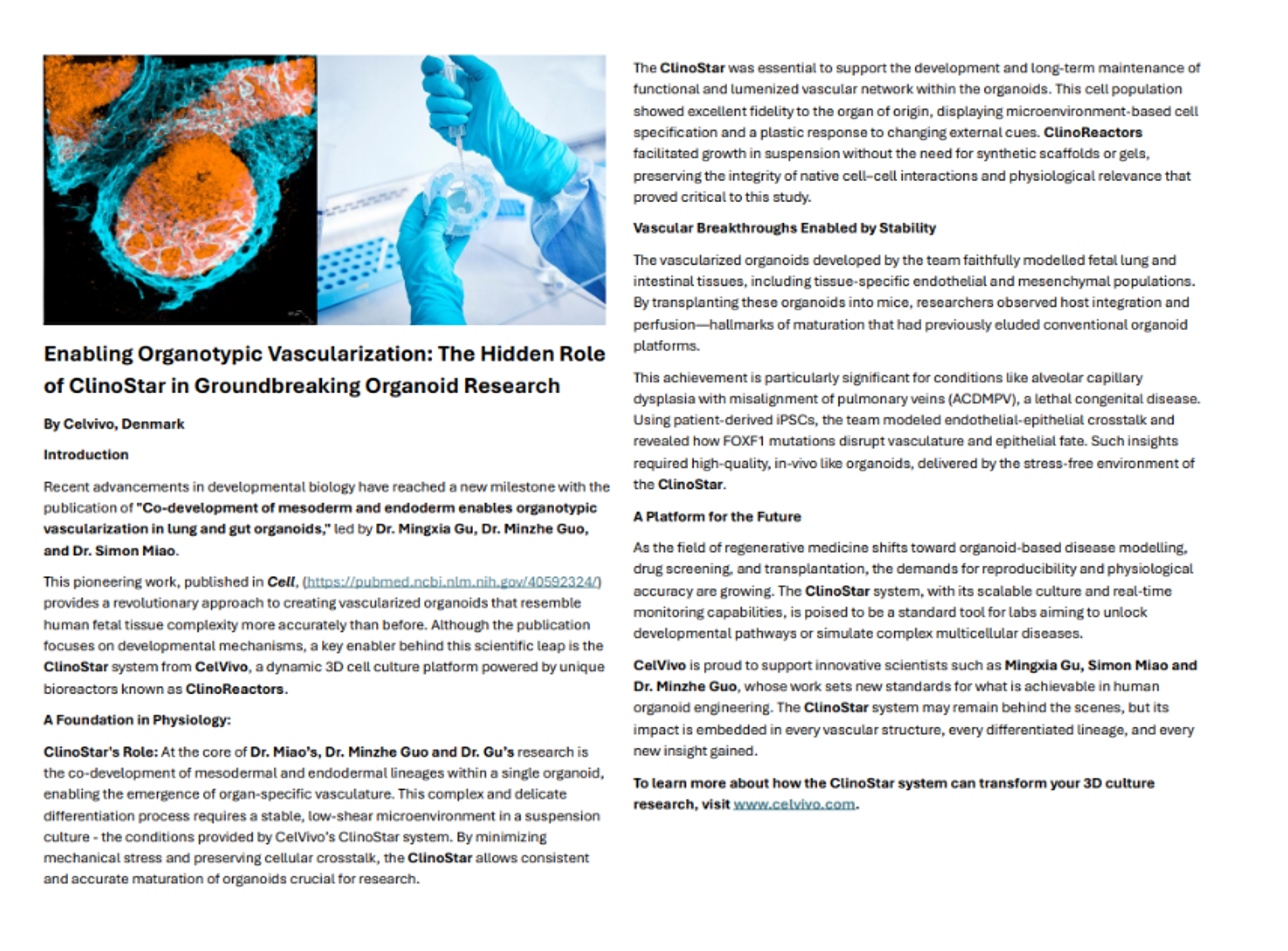
Enabling organotypic vascularization: The hidden role of ClinoStar in groundbreaking organoid research
Discover how CelVivo’s ClinoStar system supported the groundbreaking development of vascularized lung and gut organoids in a recent Cell study. Learn how this dynamic 3D culture platform enables physiologically relevant organoid models for disease research and regenerative medicine.

Designing relevant in vitro models for optimal cancer research
Explore advanced in vitro cancer models comparing 2D, 3D, and in vivo techniques. Learn about cell culture methods, validation processes, and their impact on cancer research and drug development.
Addressing the challenges facing optimal neural organoid development
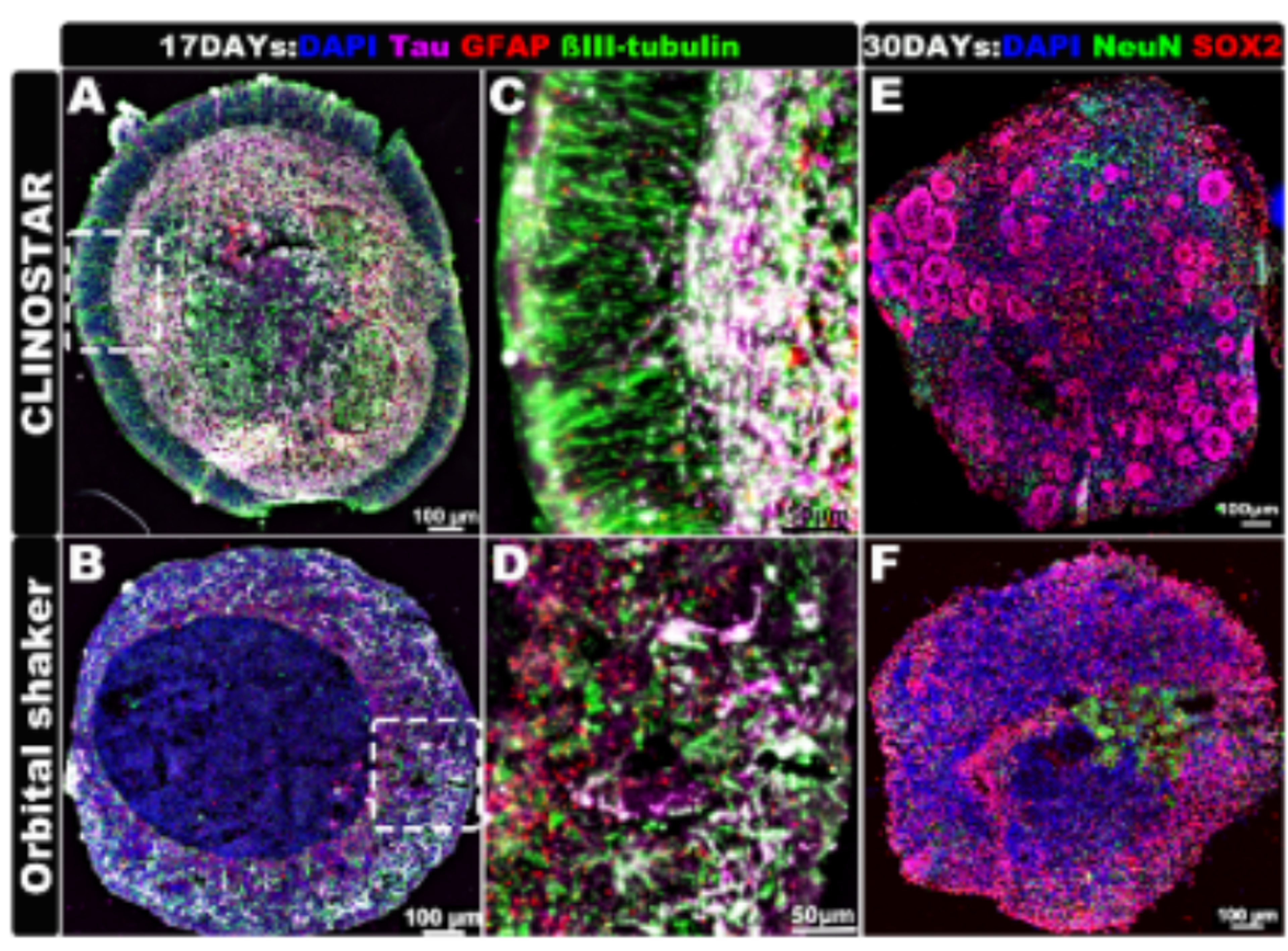
Explore the challenges of developing neural organoids, emphasizing the limitations of traditional models and the benefits of 3D brain organoids. Discover how ClinoStar technology improves growth by reducing necrotic cores and enhancing cellular diversity, with potential applications in neurobiology and research on age-related diseases.

Organoids: Significance of maturity and functionality and how to get it
As the demand for physiologically relevant organoid models increases, so does the need for platforms that provide enhanced maturity, functionality, and structural complexity. Join Dr. Liang Oscar Qiang for an in-depth exploration of innovative brain organoid technologies that are transforming our understanding of the human brain.
Dr. Qiang's laboratory is at the forefront of developing region-specific, vascularized, and microglia-integrated human brain organoids. These next-generation models closely mimic the architecture and cellular interactions of the central nervous system (CNS), offering powerful tools for studying neurodevelopment, disease progression, and therapeutic responses.
In this SelectScience® webinar, Dr. Qiang will discuss how advanced 3D culture techniques are accelerating organoid maturation, supporting neurovascular integration, and enhancing glial function. These factors are crucial for modeling neurodegenerative diseases, neuroinflammation, and evaluating potential treatments.
This session is ideal for researchers and industry professionals in neuroscience, drug discovery, and translational medicine who are seeking state-of-the-art tools for human-relevant disease modeling and therapeutic innovation.
Certificate of attendance
If you attend the live webinar, you will automatically receive a certificate of attendance, including a learning outcomes summary, for continuing education purposes.
If you view the on-demand webinar, you can request a certificate of attendance by emailing editor@selectscience.net.
Webinar details
- Cost: Free to attend
- Location: Online
- Duration: 60 minutes
Registration is required to secure your place. If you register but can’t attend live, you will receive a link to the on‑demand recording once it becomes available.
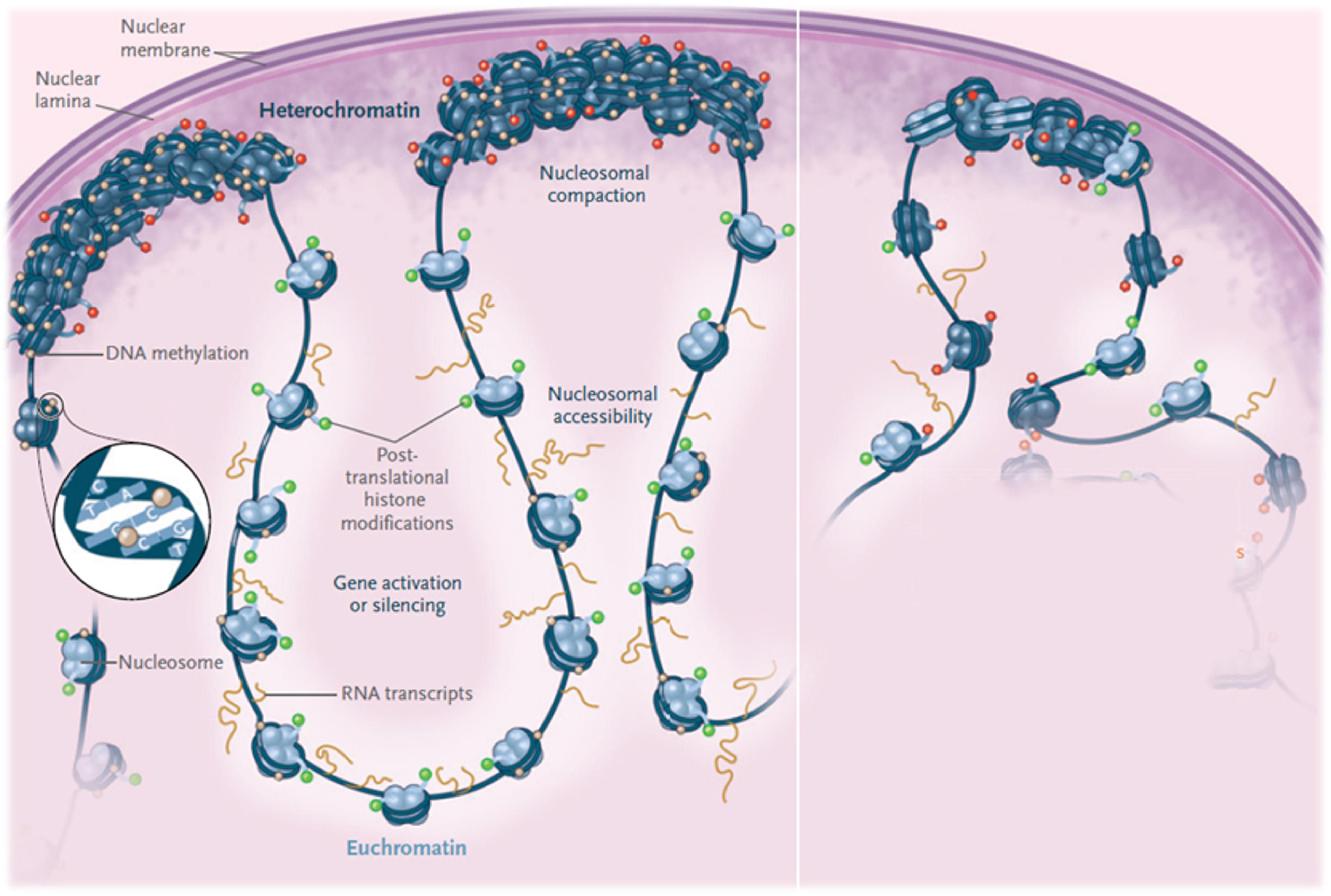
Organoids offer new dimension to aging research
See how the team of Simone Sidoli is using organoid technologies to model aging in a lab
Refining biomedical research beyond animal models
What the pivot to human-based technologies means for science and how 3D cellular constructs like organoids are part of the solution