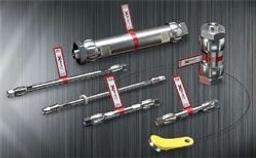
ACQUITY UPLC CSH and XSelect Columns
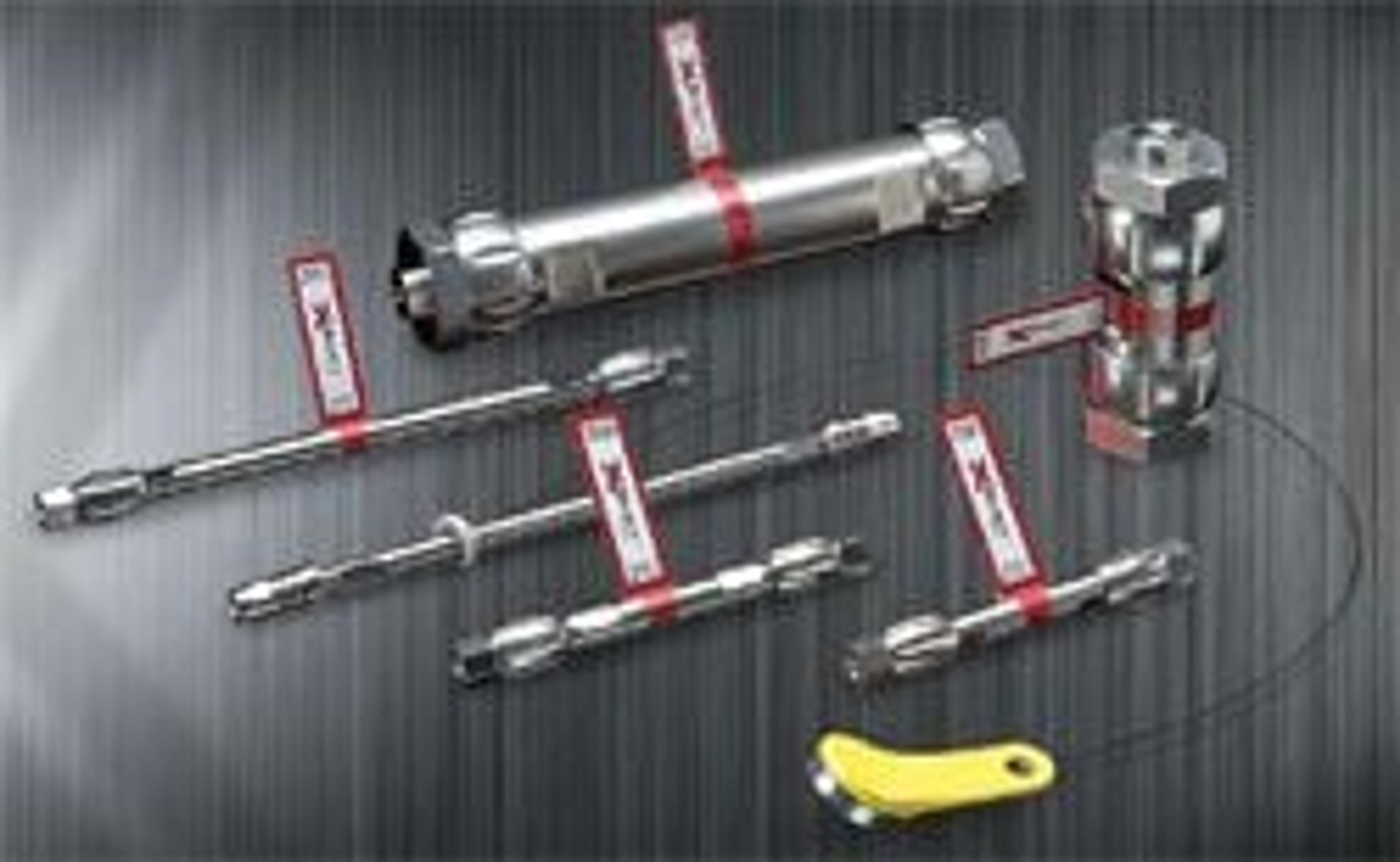
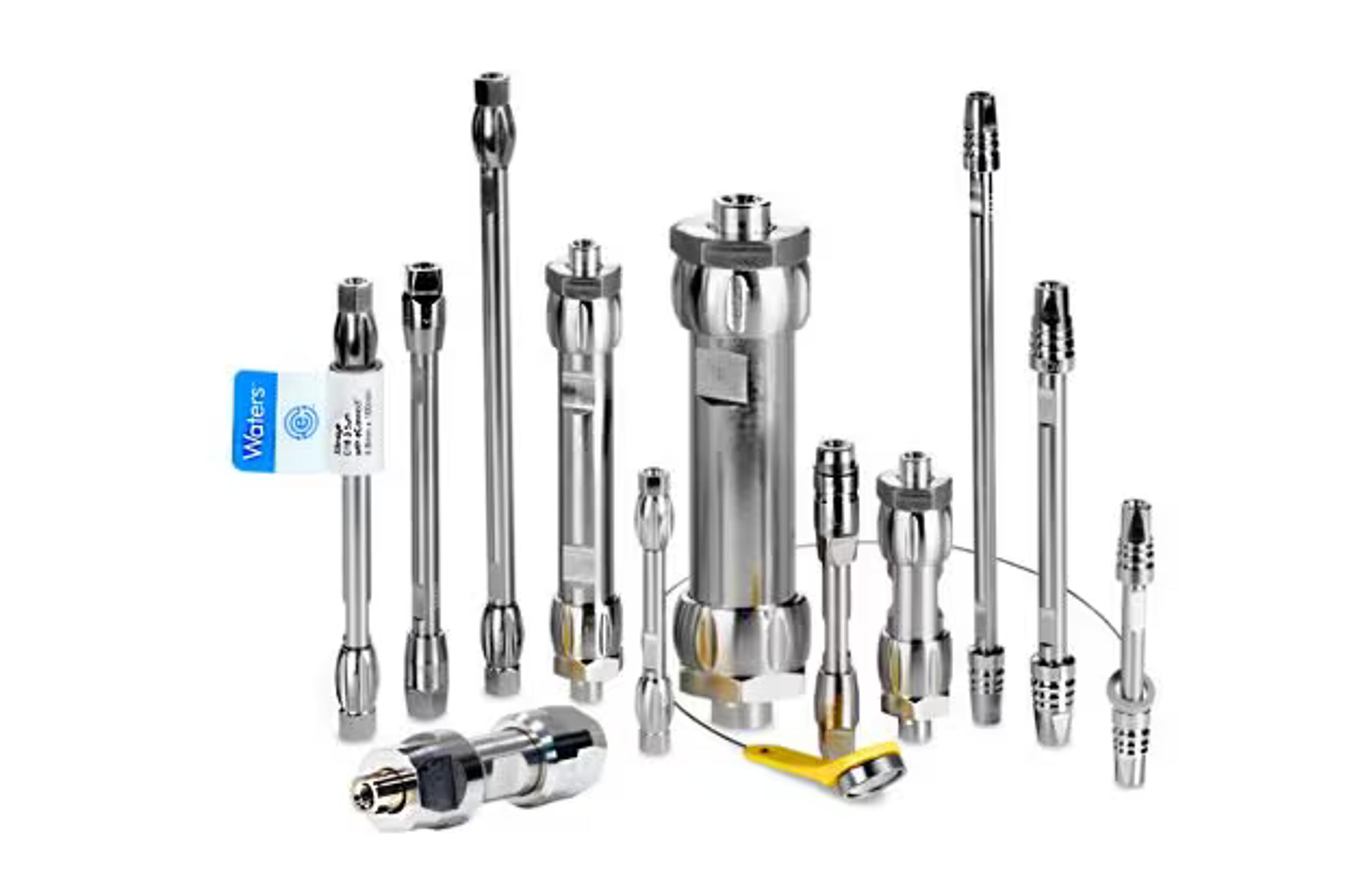
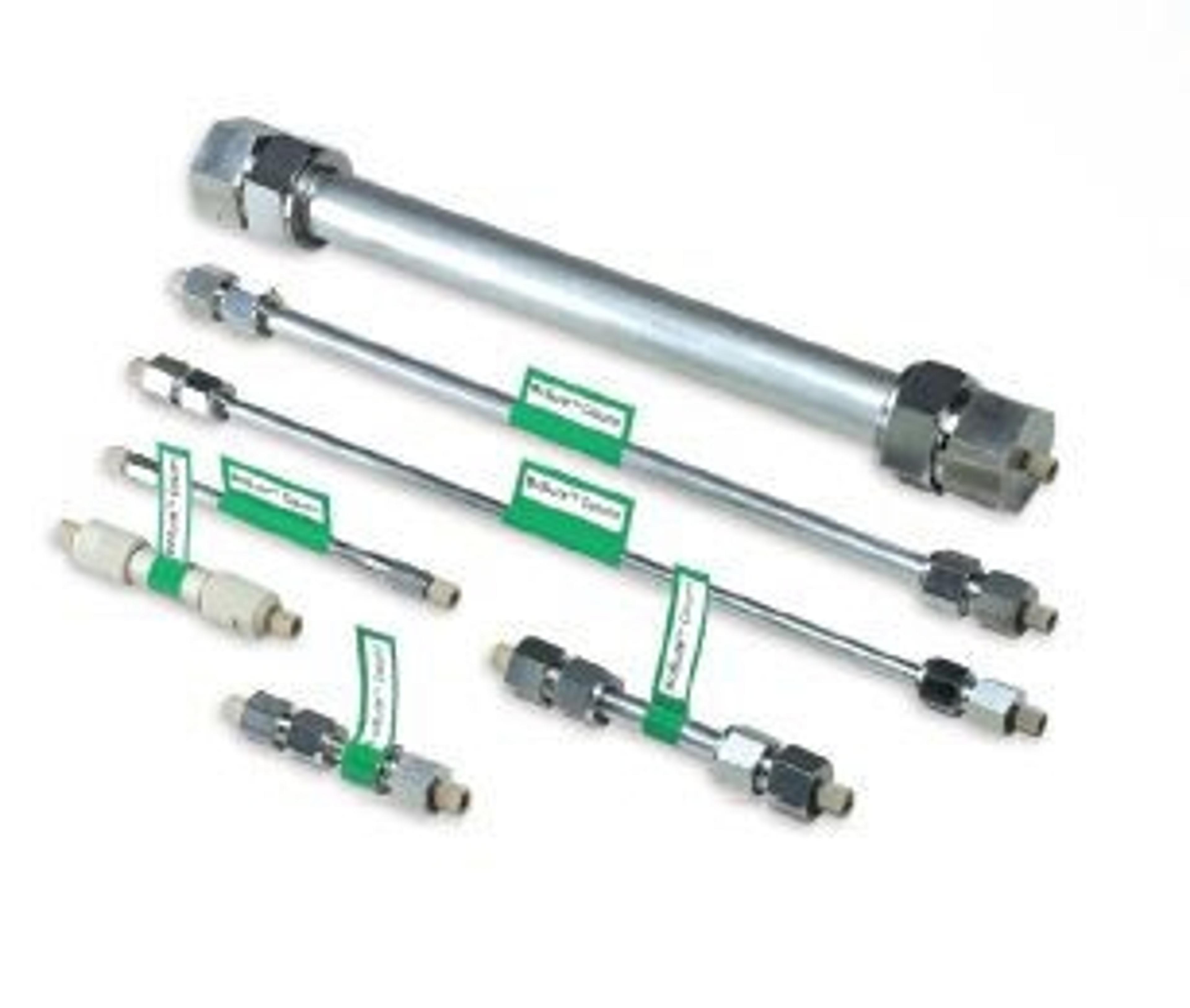
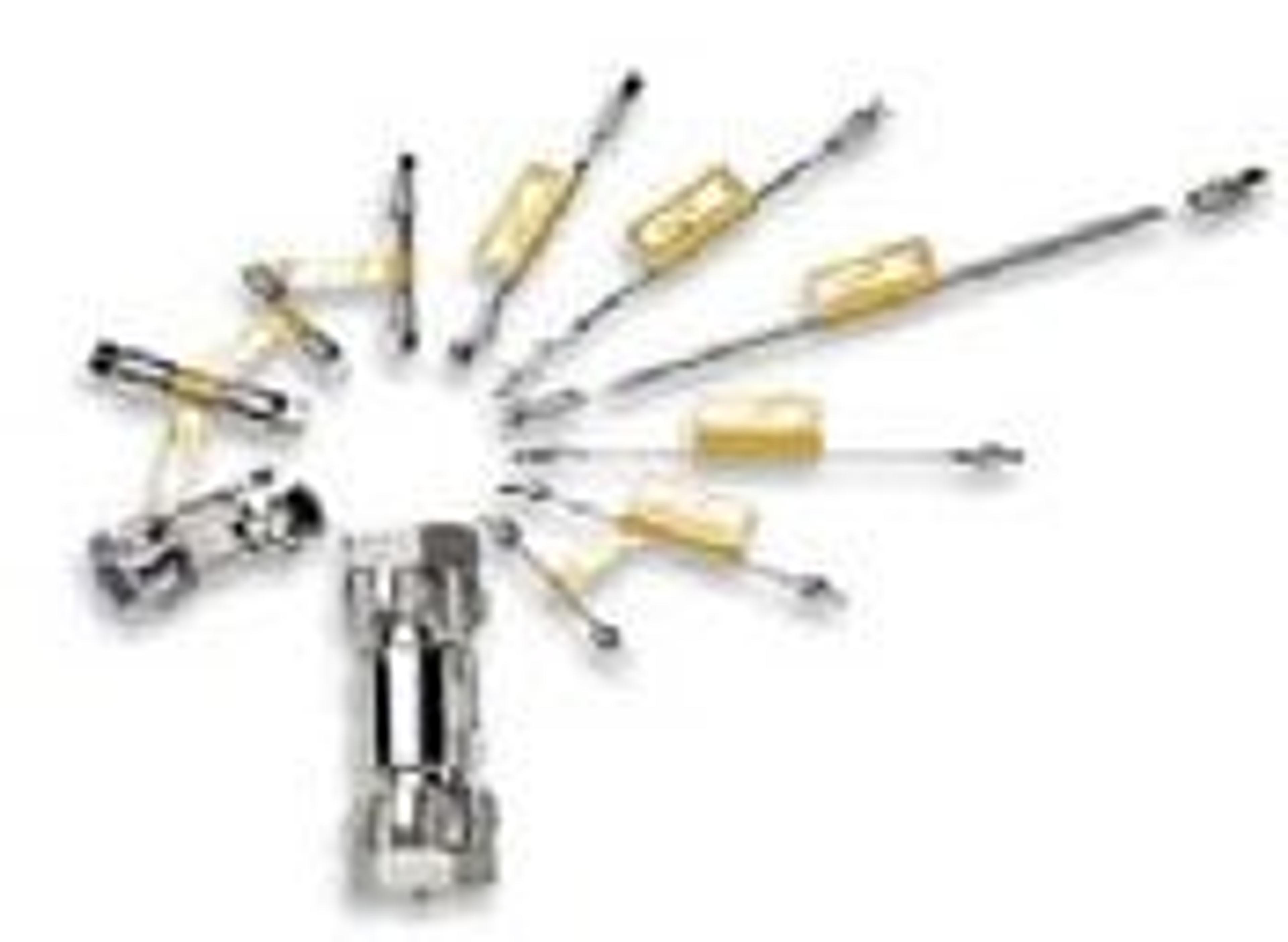
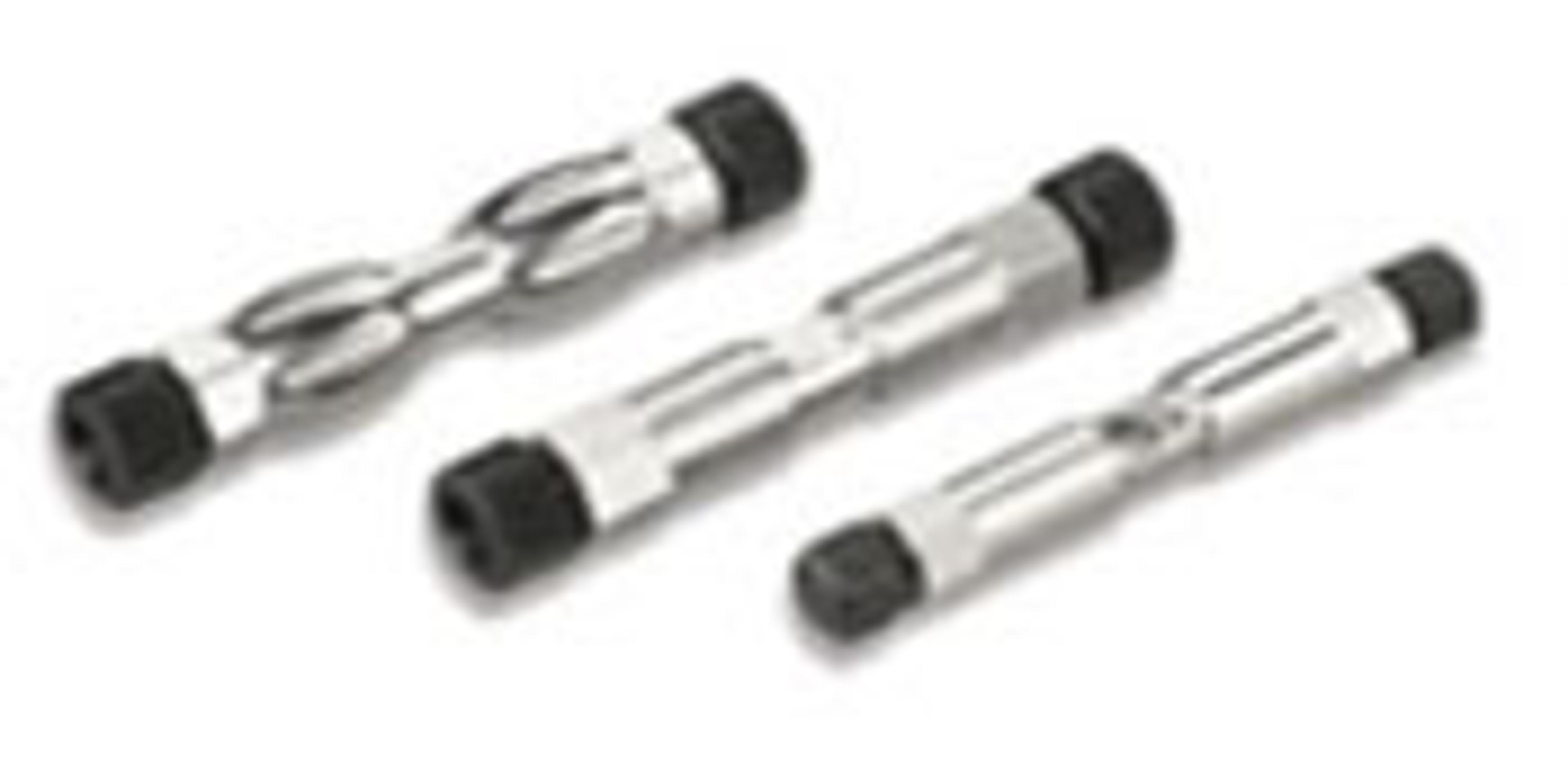
Introducing Waters ACQUITY CSH and XSelect Columns - Powered by CSH Technology Waters patent-pending, Charged Surface Hybrid (CSH™) Technology powers the new Waters ACQUITY CSH and XSelect Column families.CSH Technology columns offer separation scientists a wider range of selectivities and greater performance in LC/MS-compatible mobile phases. Waters CSH Technology empowers UPLCand HPLC systems to provide separations with:Wide…

Place your order directly with the manufacturer.
Great UPLC column, highly recommend!
High throughput small molecule and TPD analytical screening
High quality UPLC columns that is also lasts forever! With pre-column filter maintained on a regular basis I have this column running thousands of injections and still getting reliable results!
Review Date: 18 Nov 2021 | Waters
Good product.
Various applications
Good product.
Review Date: 1 Oct 2021 | Waters
Waters CSH UPLC Column is robust technology for accurate analytical results.
Drug discovery and development of small and large molecules
CSH UPLC columns are used in drug discovery and development of small and large molecules. It has leading edge in parameters like ease of use, after sales care and value for money.
Review Date: 7 Apr 2021 | Waters
Waters CSH Pheny column - A robust silica technology.
Small molecule drug development
Waters CSH column (Phenyl, Fluro-phenyl) series of column are effective for RP-HPLC method development. It's robust silica technology and selectivity is amazing.
Review Date: 8 Feb 2021 | Waters
Great results, reproducibility on very new column for peptides
Peptide analysis
This is one of the product I have tried in comparison to their BEH columns. For the peptide analysis sometimes it is difficult to get the reproducibility on the new column. CSH C18 column was helpful and reliable giving the better selectivity but reproducibility of method on a very new column.
Review Date: 29 Jun 2016 | Waters
well performing column
peptide analysis
We had been using an older type of C18 column (Symmetry) but switched to XSelect after being advised by Waters. The method transfer to the new column was very easy, results were very well comparable. We only used the XSelect column for a short while now, so I cannot comment on long-term use, but for now results are very consistent. We also use the XSelect Vanguard guard which is easy to use.
Review Date: 18 Jan 2016 | Waters
The XSelect HSS T3 column made difference in my work results!
Chemical Fingerprint of Natural Products
Several attempts to obtain the chromatographic profile of a natural product extract were performed with other columns, which showed about 10 substances in the chemical fingerprint. The XSelect HSS T3 column presented a chromatographic profile of my extract with about 20 substances with incredible separation! Including the substance, I was looking for it was trace in the sample and I did not observe it in the analysis carried out with the other columns. It was a pleasant surprise and I was amazed with the separation profile obtained in LC-MS analyses.
Review Date: 8 Dec 2015 | Waters
Pesticide residues in environmental matrices
Water's CSH (Charged Surface Hybrid) columns offer a significant advantage over other types of columns. It offers superior peak shape for nearly all basic compounds, increased loading capacity (meaning more concentrated samples or higher injection volume), rapid column equilibration after changing mobile-phase pH (allows switching between between mobile phases for changing retention order), and it is very stable at extreme pH ranges. Overall, it is a very good column that can be used for a variety of analysis.
Review Date: 8 Apr 2013 | Waters
Introducing Waters ACQUITY CSH and XSelect Columns - Powered by CSH Technology Waters patent-pending, Charged Surface Hybrid (CSH™) Technology powers the new Waters ACQUITY CSH and XSelect Column families.
CSH Technology columns offer separation scientists a wider range of selectivities and greater performance in LC/MS-compatible mobile phases. Waters CSH Technology empowers UPLCand HPLC systems to provide separations with:
- Widest selectivity range
- Sharper peak shapes for ionized compounds
- Seamless transferability
- Higher peak capacities
- Rapid equilibration after mobile-phase pH changes
Brochures

Acquity UPLC Columns Brochure
When investing in a new LC instrument, it is important to consider its capabilities to meet existingand future demand. With UPLC Technology, one can invest in the future by utilizing a single system with the capabaility to optimally run sub-2μm UPLC Columns with the ruggedness and robustness to run legacy HPLC methods. The ACQUITY UPLC® System family is an LC Technology platform that can be utilized independent of your separation needs, thus facilitating productivity and simplifying method transfer from site to site.
Rapid analysis of lipid nanoparticle components using the BioAccord LC-MS System
This application note describes a simple, rapid, and routine LC-MS method that was developed for the characterization and analysis of lipid nanoparticle (LNP) components using an ACQUITY Premier CSH C18 Column and the BioAccord System.
A Multi-Omic Approach for the Study of Heart Regeneration Using Zebrafish as a Model Organism
Previous studies involving the excision of heart tissue from zebrafish have shown tissue to regenerate in only a few days following amputation. Detailed analysis using genomic and proteomic approaches have identified a number of potential candidates that may be implicated in the regeneration process.
This application note uses a multi-omics approach to study zebrafish plasma, rather than the excised tissue, to provide a greater understanding of the mechanisms involved in heart tissue regeneration following the operation. Lipidomic and proteomic data have been collected using a label-free LC-HDMS approach.
Waters' Solutions to Peptide and Protein Bioanalysis
The ability to analyze peptides and proteins is becoming increasingly important in the field of biotheraputics. This infographic explains why quantifying large molecules is challenging and how Waters can provide solutions.
Increasing Specificity and Sensitivity in Routine Peptide Analyses Using Mass Detection with the ACQUITY QDa Detector
Often in protein based biotherapeutics development peptides are analyzed to assess the quality of candidate molecules using optical based assays. While this provides acceptable results orthogonal detection techniques, such as mass detection, can improve specificity, expand detection limits and increase confidence about peak homogeneity. In this application note Waters demonstrate the ACQUITY QDa Detector for the acquisition of optical and MS-based data.
Ion Mobility-Mass Spectrometry: A Novel Approach to Screening for Extractable and Leachable Components from Packaging Material
This application note demonstrates how increased confidence in the identification of extractable or leachable compounds can be provided by the inclusion of collisional cross section (CCS) values, acquired using ion mobility-mass spectrometry. The CCS depends on an ion's size, shape and charge, and is a key physicochemical property of compounds.
Adding Mass Detection to Routine Peptide-Level Biotherapeutic Analyses with the ACQUITY QDa Detector
This work demonstrates that the ACQUITY QDa Detector is compatible with conventional LC mobile phases and is able to detect and accurately report mass information for peptides over a wide molecular weight range typical of biotherapeutic peptide maps. These results establish the ACQUITY QDa Detector as an ideal addition for the biopharmaceutical analyst’s lab that will afford increases in productivity and the confidence of data analysis for routine peptide analysis assays.
Advantages of Ostro Pass-through Sample Preparation Versus Solid Supported Liquid Extraction
In this application note, a comparison is performed between Ostro Pass-through Sample Preparation and SSLE. Typical samples used in drug discovery and development with different acidic, basic and neutral properties and hydrophobicities were analyzed in this evaluation. Key areas of comparison are procedure simplicity, analyte recoveries, matrix factor, and batch-to-batch reproducibility.
A Simplified Solid Phase Extraction (SPE) Protocol for Bioanalysis Using Oasis HLB
This application note describes a simple, 3-step SPE protocol using OasisHLB in µElution Plates and 1 cc cartridges. This protocol saves an average 40% processing time, 70% solvent consumption, and provides a simple method that works for a wide range of acidic, neutral, and basic analytes. This simplified, 3-step protocol consists of load, wash, and elution, thus eliminating the conditioning and equilibration steps.
QuEChERS Sample Preparation for LC-MS/MS Determination of Avermectins in Meat and Milk
In this application note, milk and ground beef are prepared and analyzed for avermectins at the ppb level using QuEChERS methodology and LC-MS/MS.