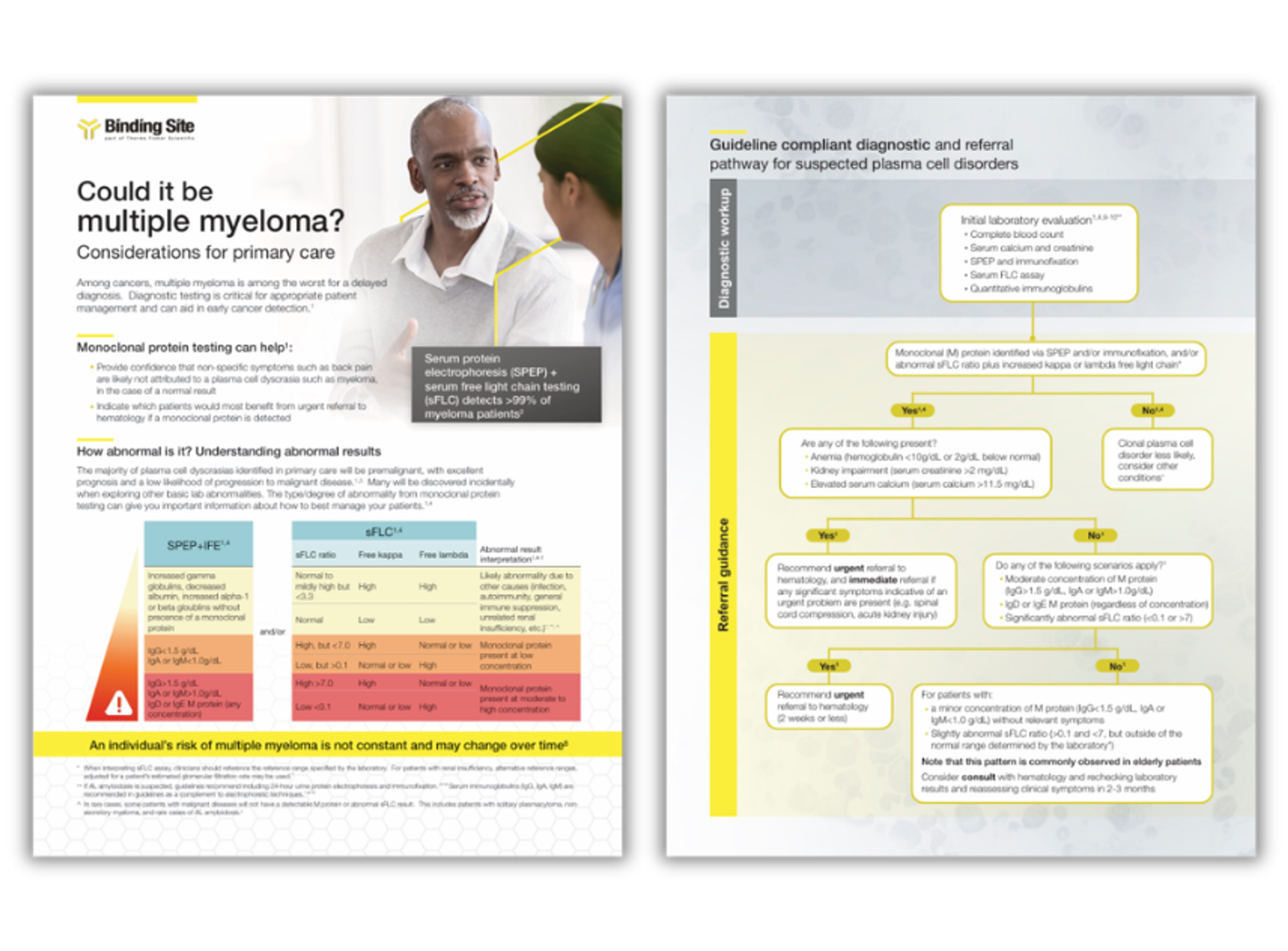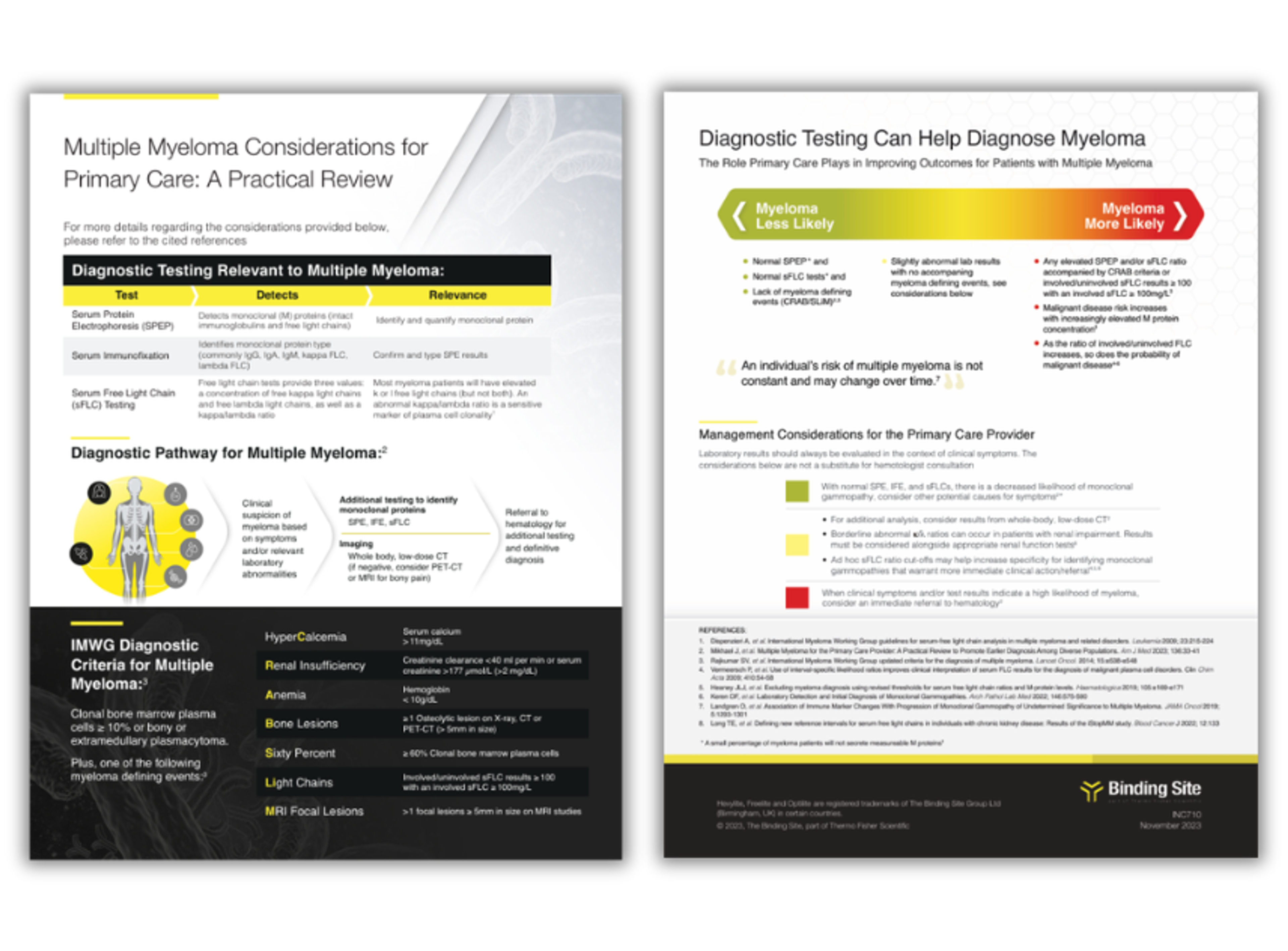
Editorial Article
Clinical Diagnostics
Clinical diagnostics encompasses the detection, diagnosis, and monitoring of diseases and health conditions in patients. Explore how this field empowers clinicians to deliver accurate diagnoses and improve patient outcomes with the latest clinical diagnostics news, technology advances, expert webinars, and product reviews curated by SelectScience.
Latest content

Hot topics
Webinars
See all




eBooks
See All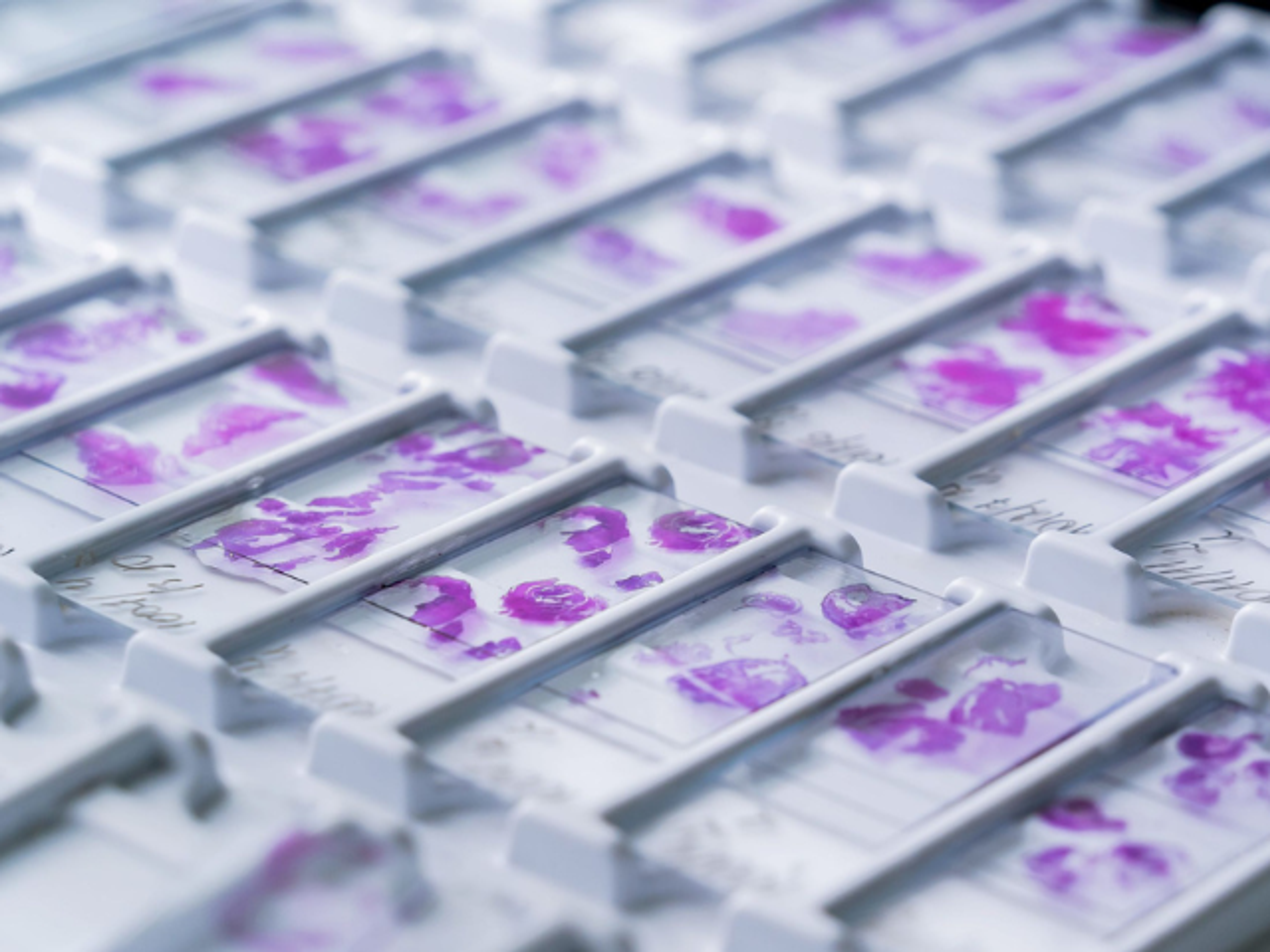
How-to-buy eBook
How to Buy Histology Technology & Workflow Solutions
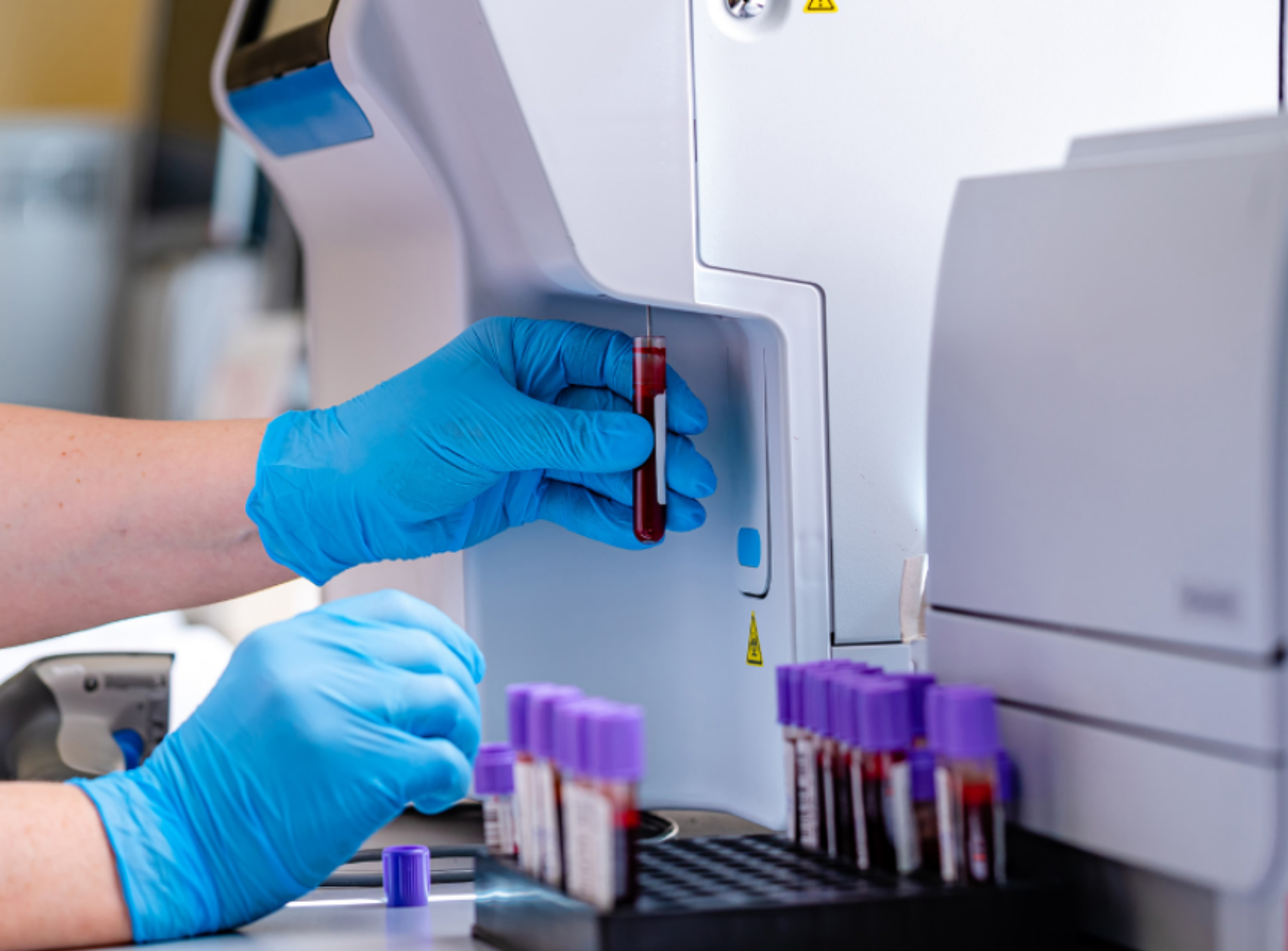
How-to-buy eBook
How to Buy Hematology Analyzers and Staining Solutions
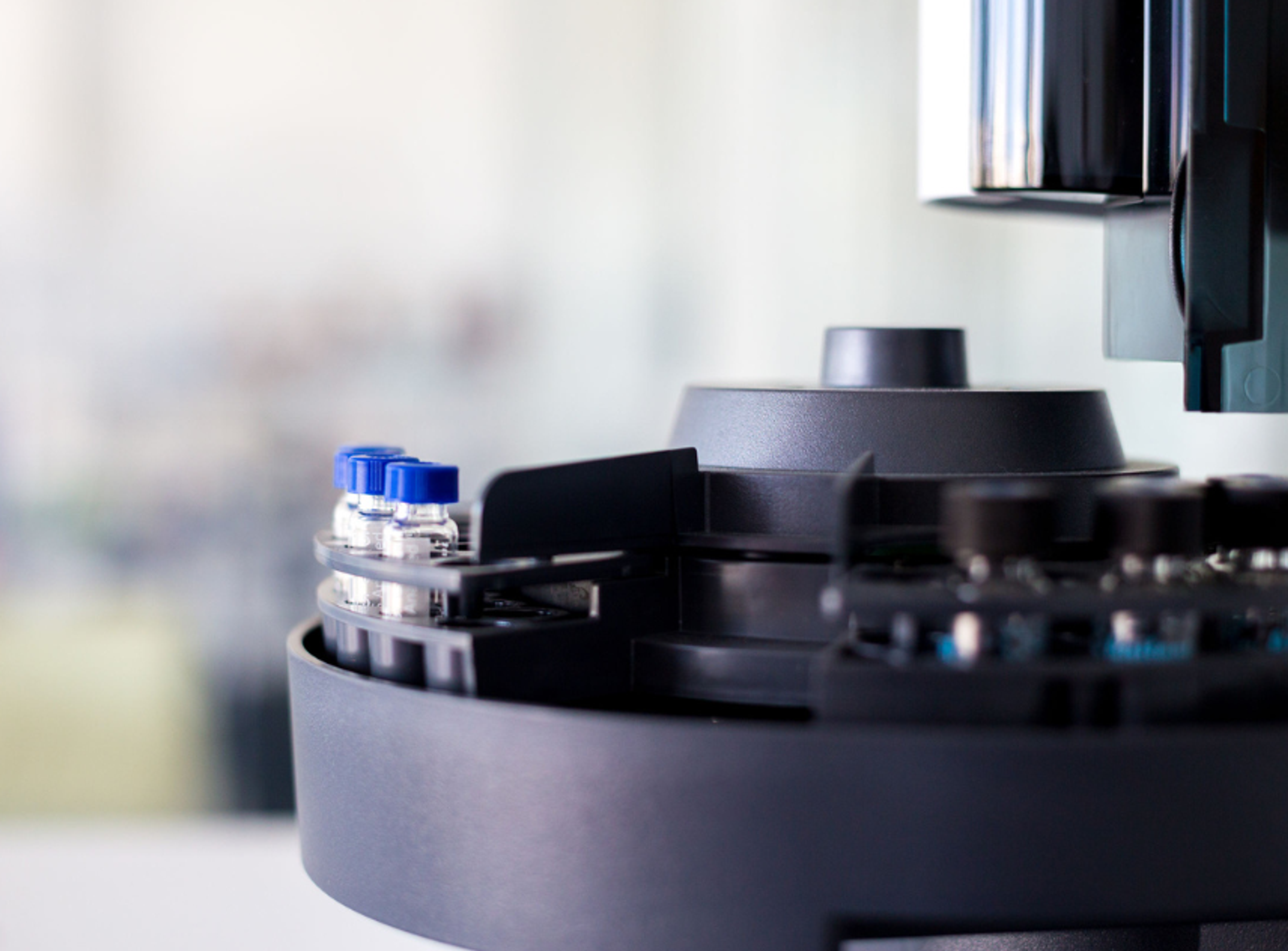
How-to-buy eBook
How to Buy Clinical Mass Spectrometry Technology
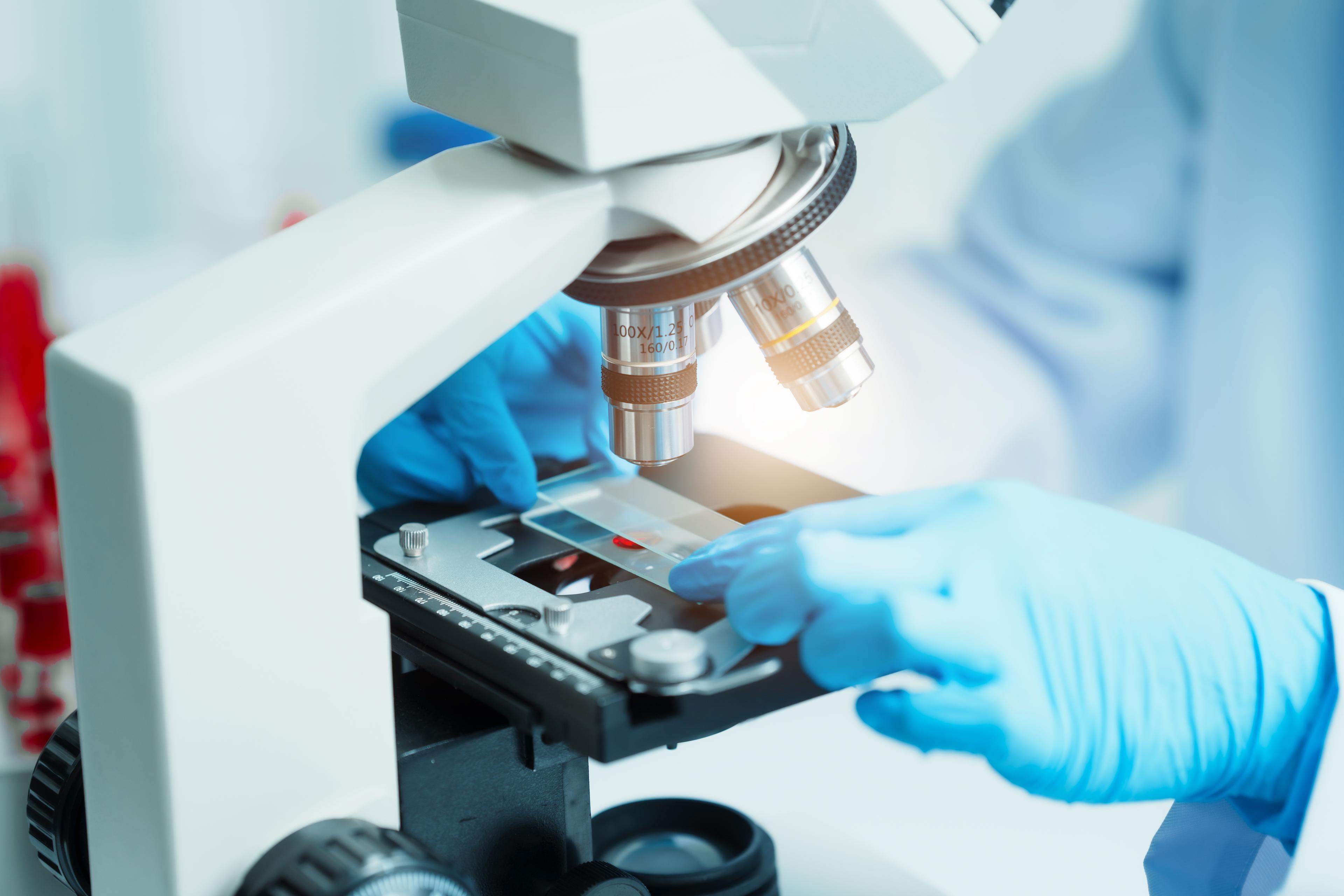
How-to-buy eBook
How to Buy Microscopy Equipment & Reagents
Editorial Articles
See allEditorial Article
Advancing sepsis care through collaboration and innovation


Editorial Article
CRP, ESR and PV – A comparative review
Latest Videos
See All
SelectScience Interviews
Advancing Alzheimer’s diagnostics at Quanterix with multi-marker testing


SelectScience Interviews
ADLM Past President Dr. Paul Jannetto on AI, automation and the future of laboratory medicine

SelectScience Interviews