Cancer biology and organoid research feature
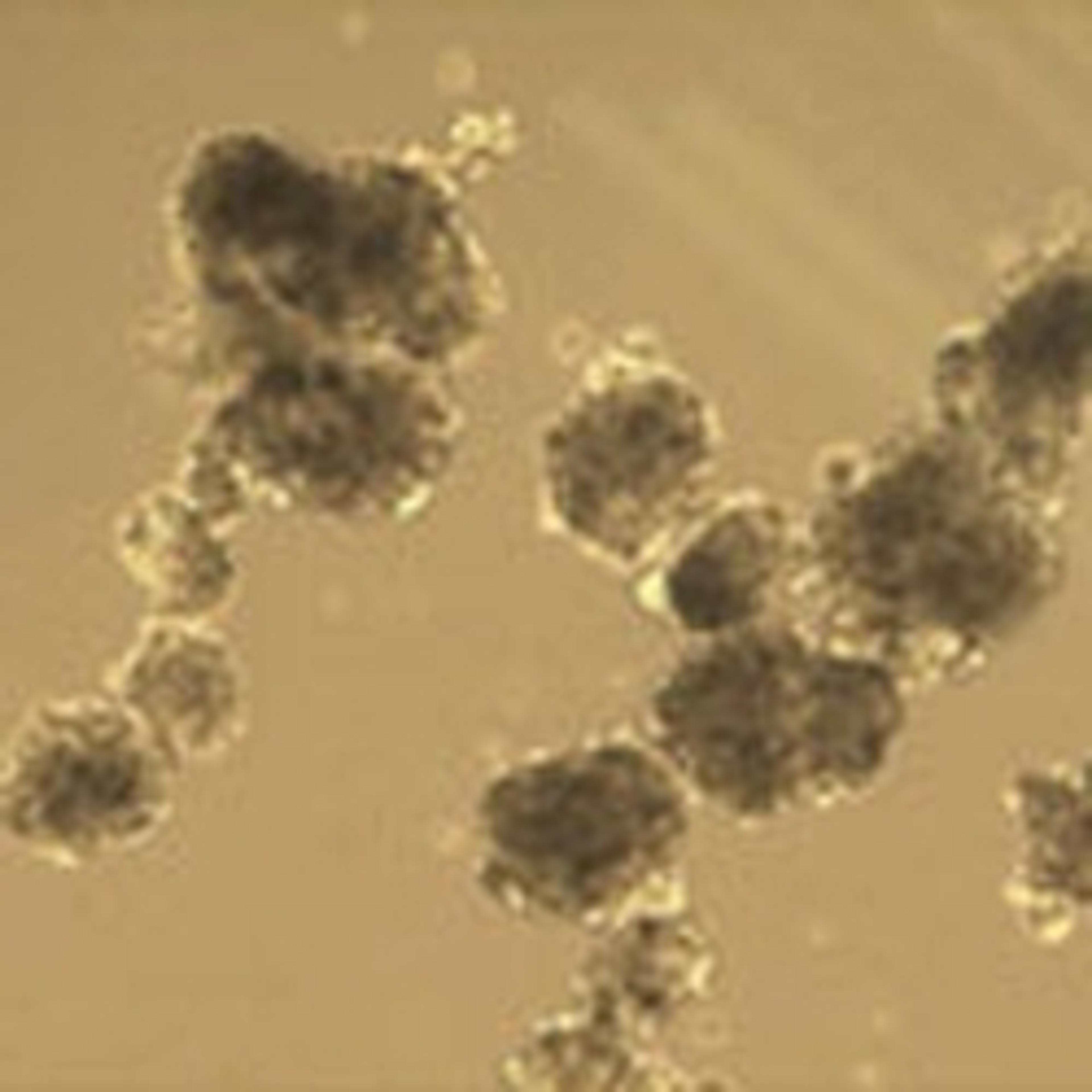
Gain expert insights and discover the latest technological advancements in tumor biology and organoid research, keeping you at the forefront of innovation in the fight against cancer.
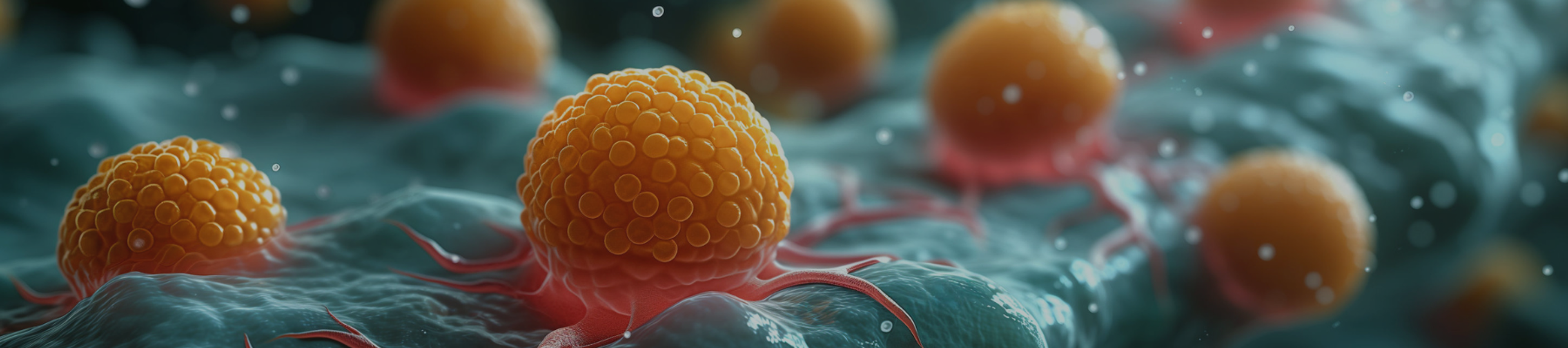
Cancer is a puzzle scientists have been trying to solve for decades. Tumors are not just masses of cells, they are complex ecosystems, constantly evolving and interacting with the body around them. Understanding how they grow, spread, and respond to treatments is at the heart of cancer research today. From lab-grown 3D tumor models to cutting-edge multiomics and immunotherapy studies, researchers are uncovering new ways to detect, treat, and even prevent cancer. In this feature, we explore the latest discoveries in tumor biology and show how science is turning knowledge into action against one of medicine’s toughest challenges.
Predicting patient-specific therapeutic responses with organ-on-a-chip technology
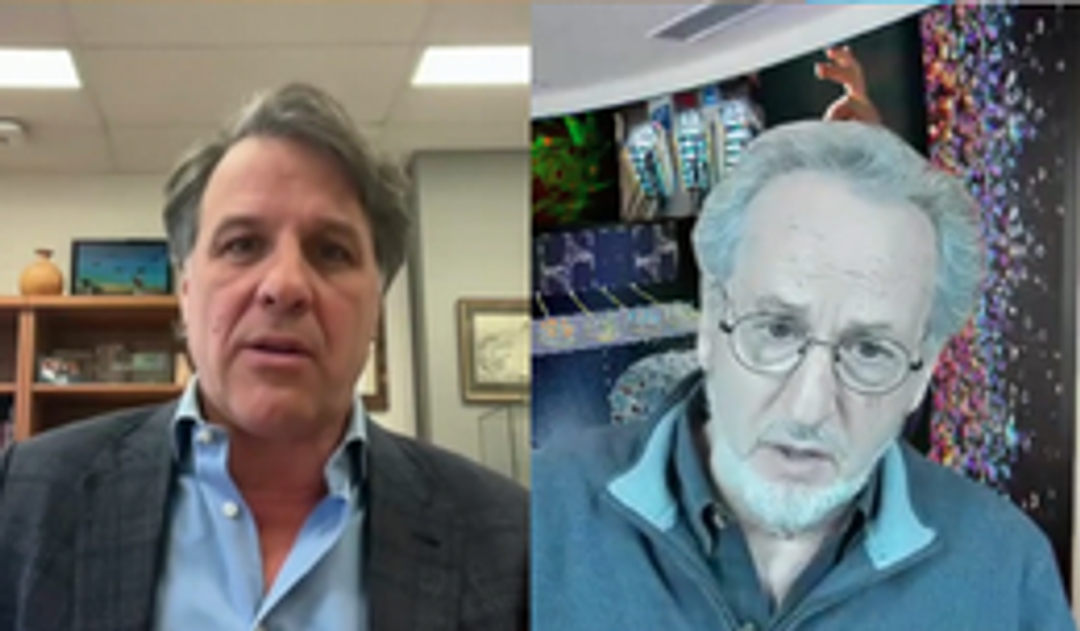
Dr. Lorenzo Ferri of McGill University and Dr. Donald Ingber of Harvard’s Wyss Institute combine patient derived organoids with organ on a chip tech to address the existing challenges of treating esophageal cancer. See how, using high throughput drug screens, the team identifies existing drugs that can “rescue” chemo resistant tumors, converting them into treatment responsive ones on the chip.
Watch webinar
Platforms powering modern disease models, from 2D to organ-on-a-chip
From 2D cell cultures to organoids and organ‑on‑a‑chip technology, this article outlines how next‑generation disease models are transforming research with more human‑relevant, ethical, and predictive tools, ultimately reshaping how we study and treat human biology.
Read article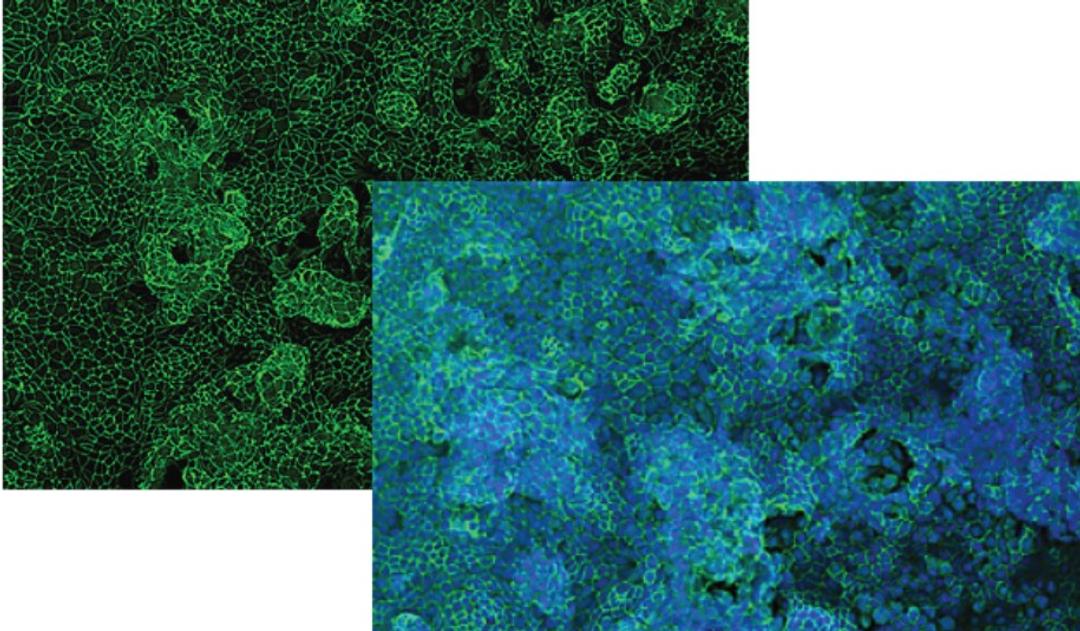
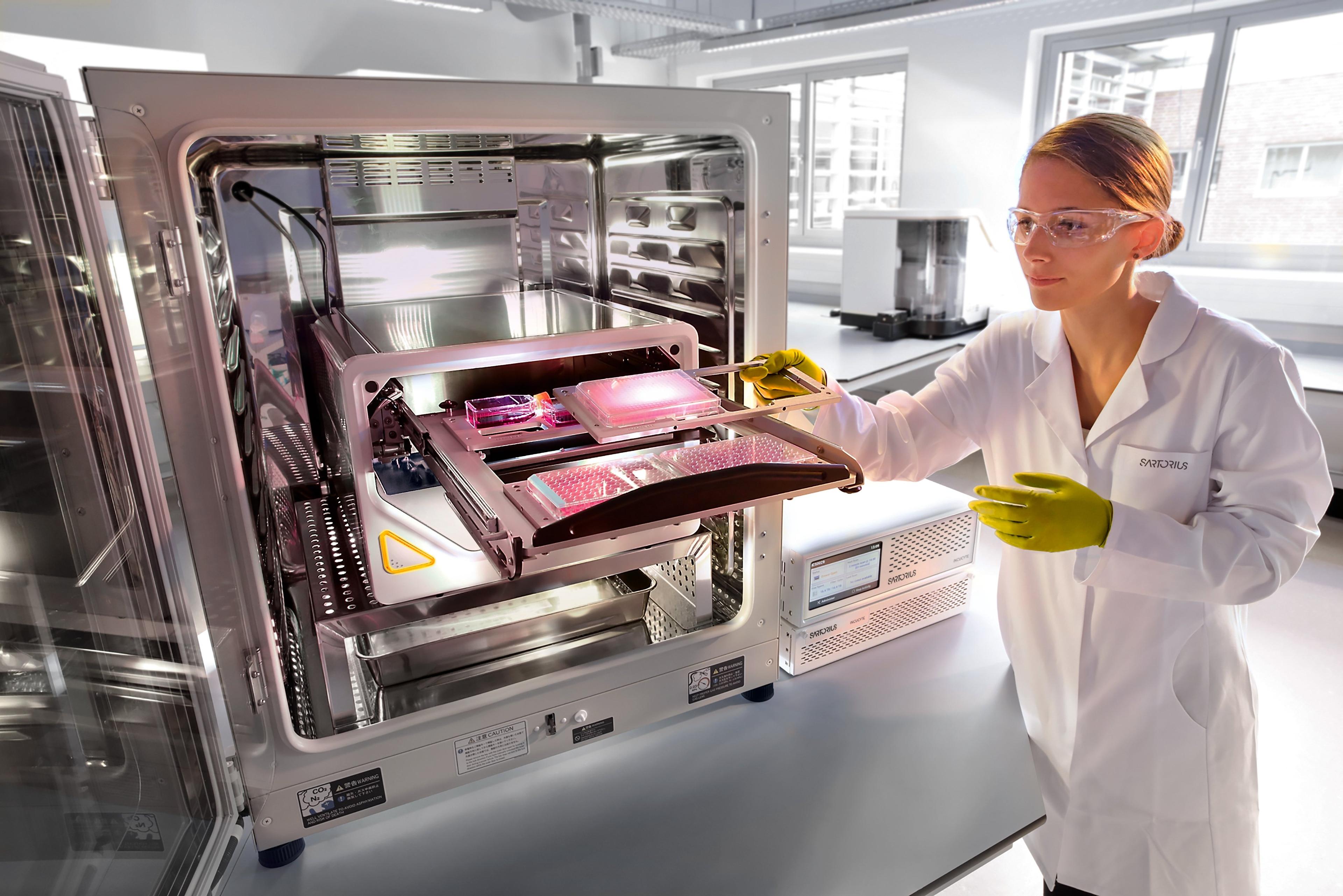
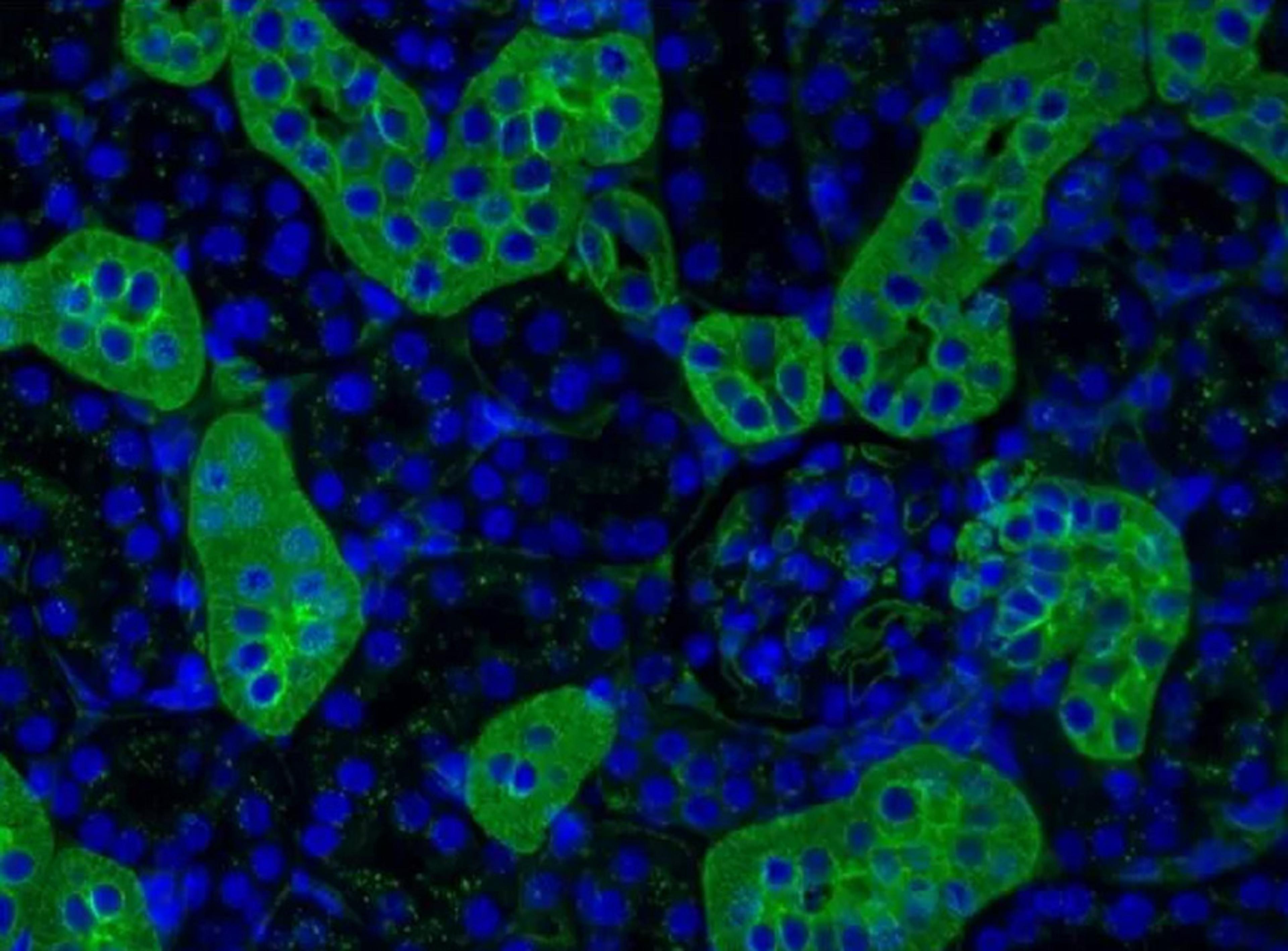
Enhanced renal toxicity screening via live-cell analysis
See how integrating EpiKidney™, a kidney toxicity platform, with high-content, real-time imaging via the Incucyte® Live-Cell Analysis System, enables streamlined kidney toxicity quantification, strengthened preclinical safety decisions, and reduced nephrotoxicity-related clinical failures.
Download resource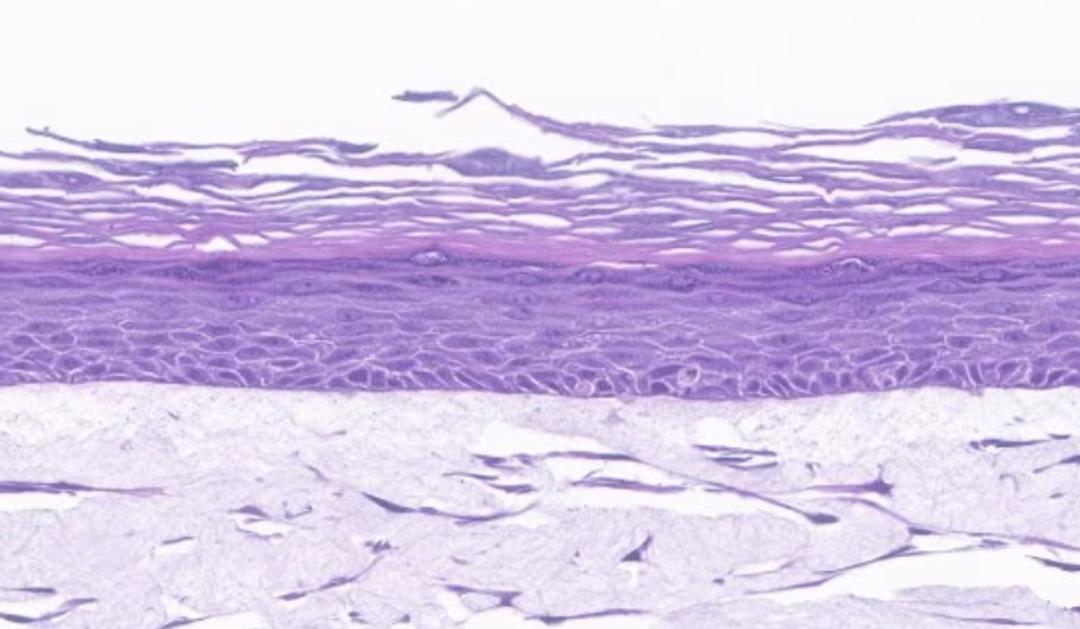
Organotypic air-liquid interface 3D cultures as in vitro models
This resource outlines a culture protocol to generate human epidermal skin models using primary human keratinocytes, dermal fibroblasts, collagen-coated Millicell® cell culture inserts, and the proprietary 3dGRO™ Skin Differentiation Medium from Merck.
Download resource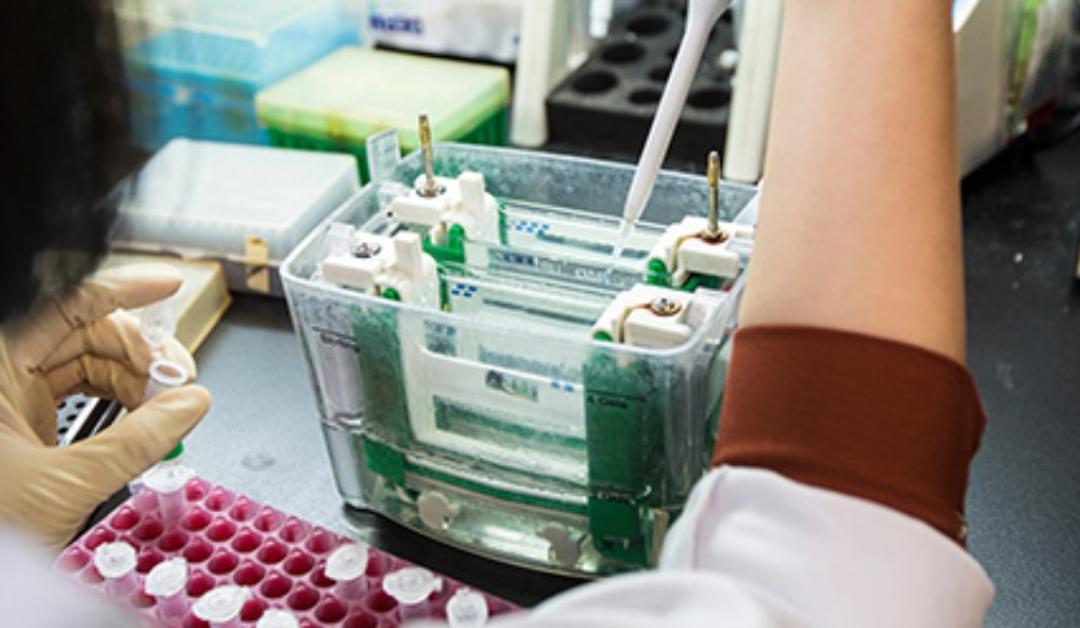
Comprehensive western blotting guide for optimal blot set up
This guide from Jackson ImmunoResearch outlines the six stages of western blotting, including sample preparation, protein separation by gel electrophoresis, protein transfer (electroblotting) onto a membrane, membrane blocking, immunodetection, and visualization.
Download resource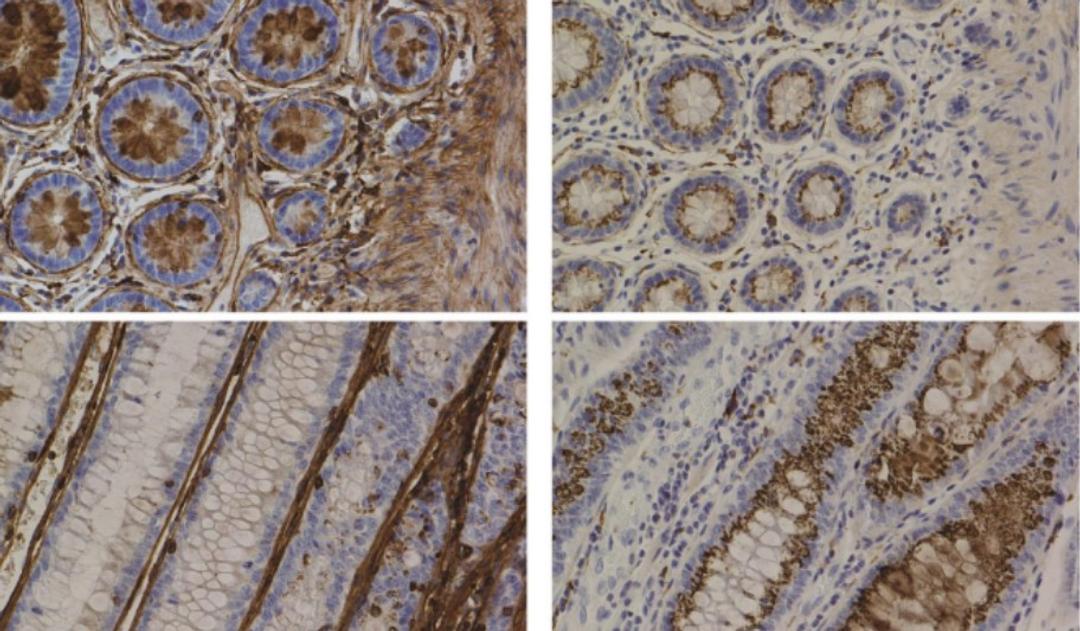
Comprehensive detection of glycan expression
Glycobiology is a complex but burgeoning field of research that is vital to our understanding of both normal cell function and numerous diseased states. This scientific poster presents an innovative approach to cancer research through glycan profiling using the Glysite™ Scout Glycan Screening Kit developed by Vector Laboratories. The study highlights the critical role of glycans in cellular communication, tumor biology, and disease progression, emphasizing how aberrant glycosylation patterns contribute to malignancies across multiple cancer types.
Download resource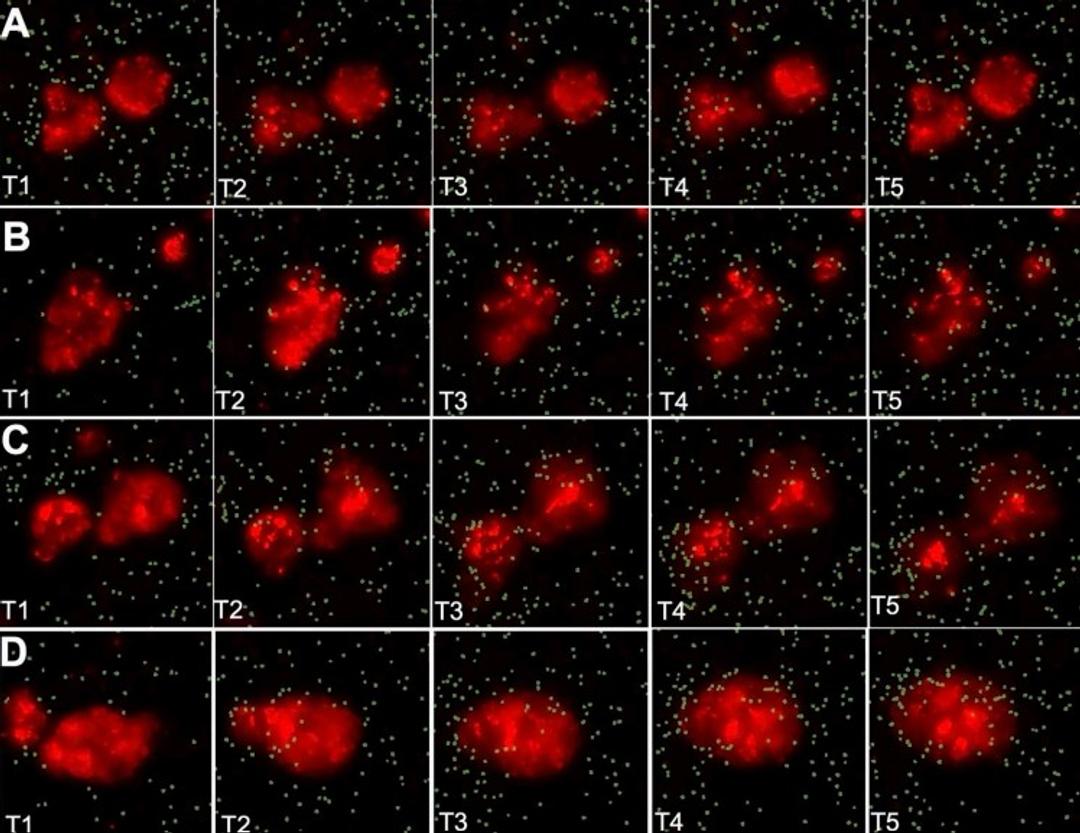
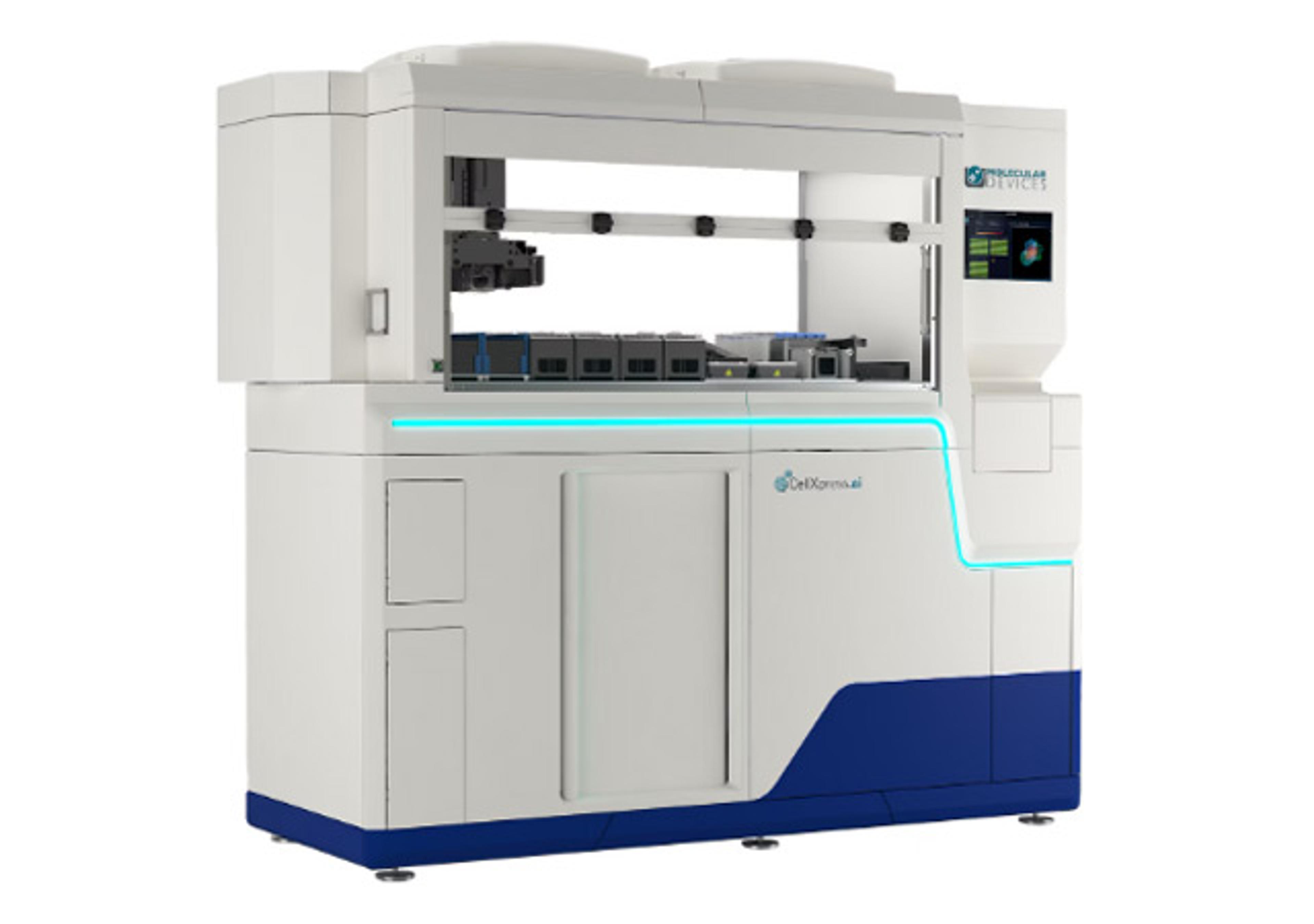
Automated organoid workflow for T-cell screening assay using the CellXpress.ai System
Explore an automated, dome-free workflow for T-cell screening using patient-derived colorectal cancer organoids and the CellXpress.ai® Automated Cell Culture System. This poster showcases how the system streamlines organoid seeding, T-cell co-culture, and high-content imaging, enabling precise, high-throughput analysis of T-cell penetration behavior in a 3D tumor-like environment. The workflow leverages IN Carta® Image Analysis Software to quantify chemotactic responses to varying PMA concentrations, offering a powerful model for evaluating immunotherapeutic efficacy.
Download resource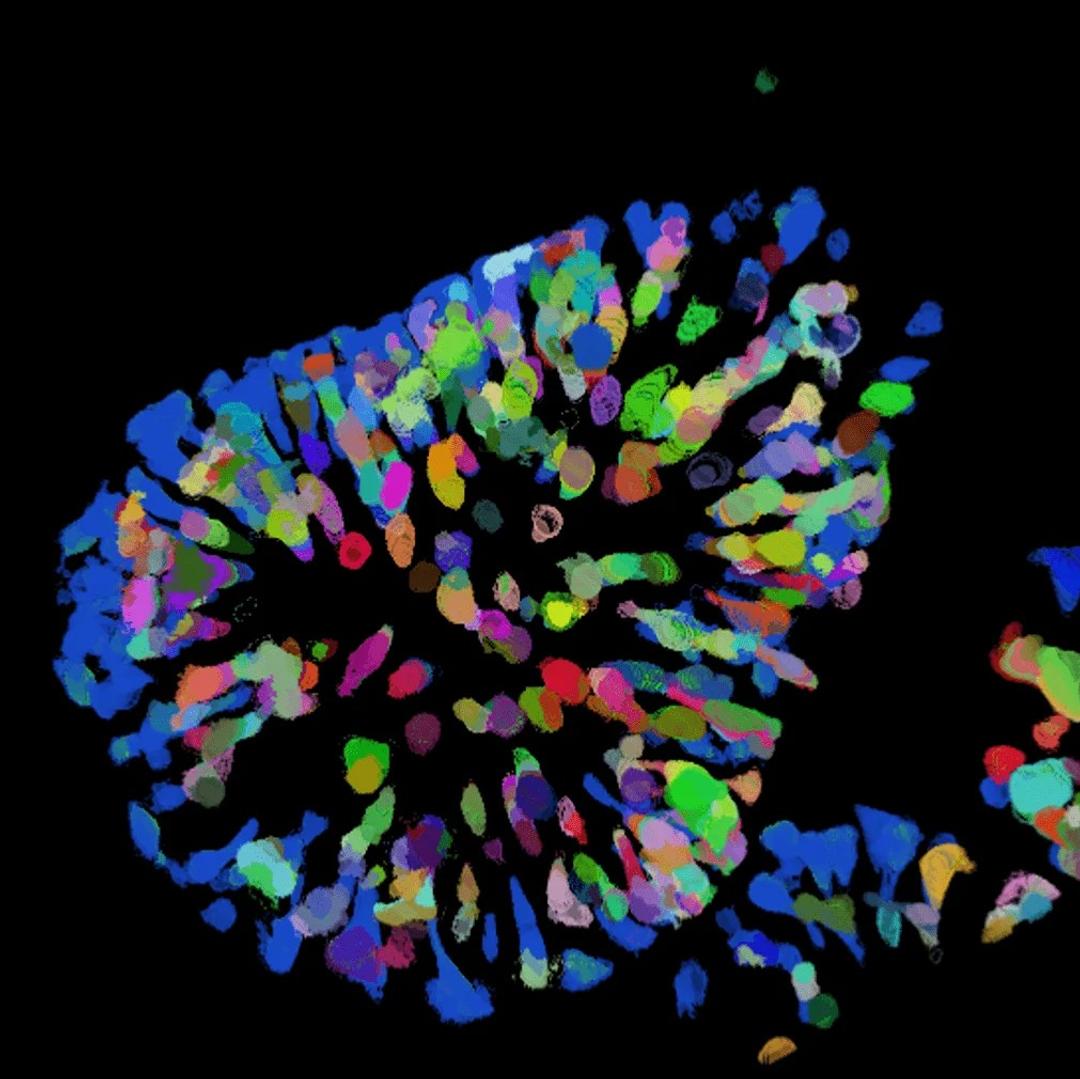
Your SelectScience guide to 3D biology
From organoids and spheroids to organ-on-a-chip platforms and bioprinted tissues, modern 3D cell culture methods are revolutionizing disease model development and precision medicine research. This free eBook provides expert guidance on selecting the best 3D biology solutions for your lab, with tips tailored to every stage of your workflow.
Download eBook
Your SelectScience guide to NGS
If you are looking to upgrade your NGS technology to upgrade your research, this buying guide will provide you with the essential information you need to assist your decisions. Learn about the key platform technologies, considerations for sample preparation, NGS software, key application areas, the future for NGS, and a case study of NGS in cancer research.
Download eBook
Your SelectScience guide to cell imaging
Your chosen cell imaging platform, whether it be a microscope, multi-mode reader, or imager, significantly influences the robustness and reproducibility of your experiments. Accurate cell quantification, precise measurement of cell migration, real-time kinetics, and multi-parameter analyses are all dependent on the capabilities of your instrument. Gain valuable guidance to selecting your next cell imager here.
Download eBook