Predicting patient-specific therapeutic responses with organ-on-a-chip technology
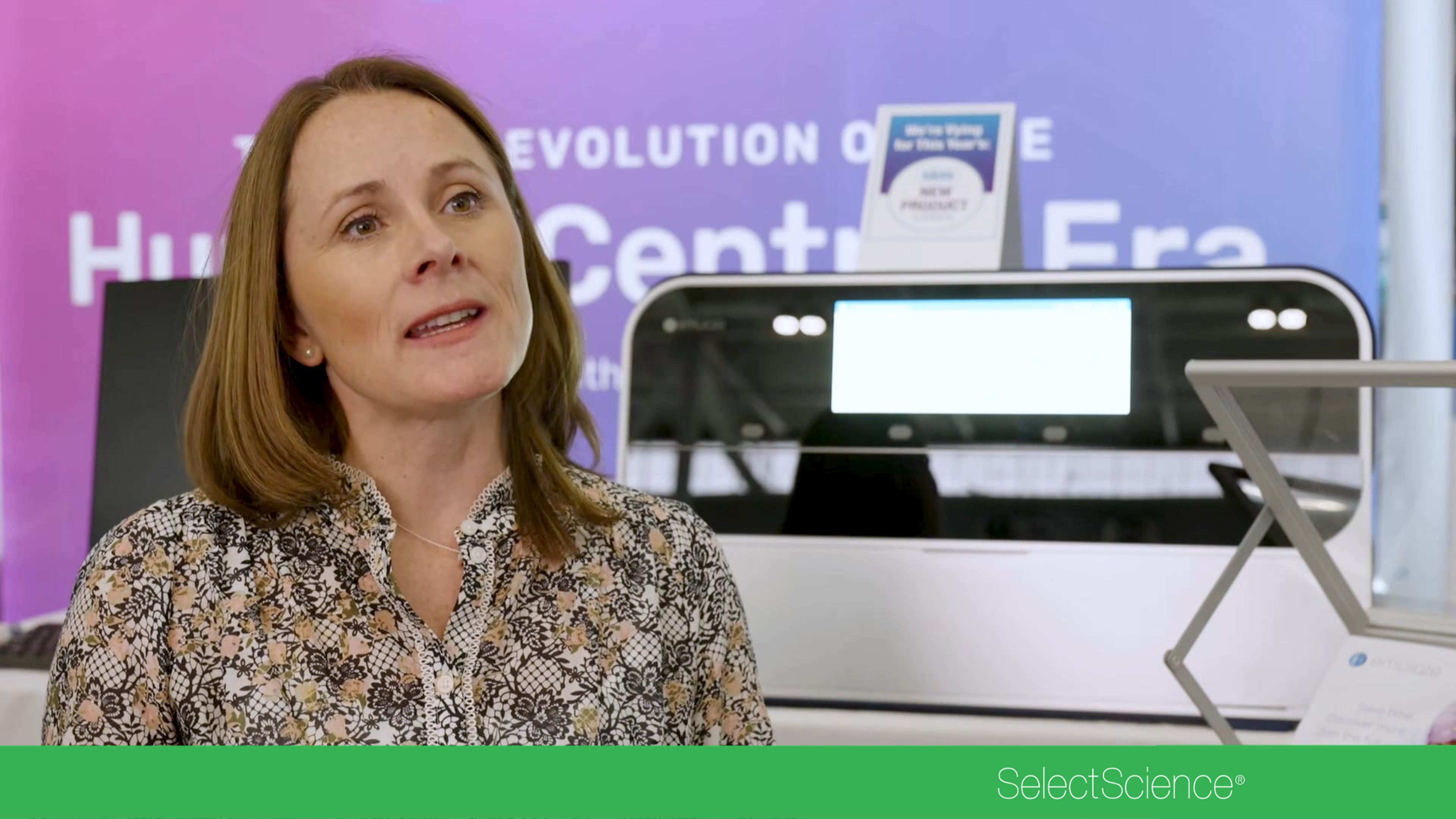
2 Apr 2026This session brings together Dr. Lorenzo Ferri of McGill University and Dr. Donald Ingber of Harvard’s Wyss Institute to showcase a breakthrough in personalized cancer care. Dr. Ferri highlights the challenge of treating esophageal cancer, where traditional chemotherapy often fails and patients endure toxicity without guaranteed benefit. His team now combines patient‑derived organoids with Dr. Ingber’s organ‑on‑a‑chip technology to recreate each patient’s tumor in a dynamic, lifelike environment.
These cancer‑on‑chips accurately predict how an individual will respond to chemotherapy, something organoids alone can’t fully achieve. The platform even reveals how stromal and immune cells shape treatment resistance. Using high‑throughput drug screens, the team identifies existing drugs that can “rescue” chemo‑resistant tumors, converting them into treatment‑responsive ones on the chip.
About the company

Emulate
A Culture of Innovation
Leveraging HUMAN BIOLOGY + TECHNOLOGY to ignite a new era in human health.
At Emulate, we understand that animal studies and reductionist models are limited because they are not based on integrated human biology.
By leveraging 21st century technologies, we are able to overcome these limitations with living human in vitro models that empower researchers to explore the biological mechanisms of health and disease. These microphysiological systems (MPS), commonly known as Organ-Chips, are setting a new standard for how we study biology and develop drugs, therapies, and cures for those who need them most.
The pioneering work on Organ-Chips was begun by our founding team at the Wyss Institute for Biologically Inspired Engineering at Harvard University. Following the landmark paper in Science, “Reconstituting Organ-Level Lung Functions on a Chip,” Emulate was founded to share the success of these efforts with the broader life sciences community. Since our inception, we have been focused on delivering exceptional science across multiple organs and applications.
Related products
Request Quote for All Products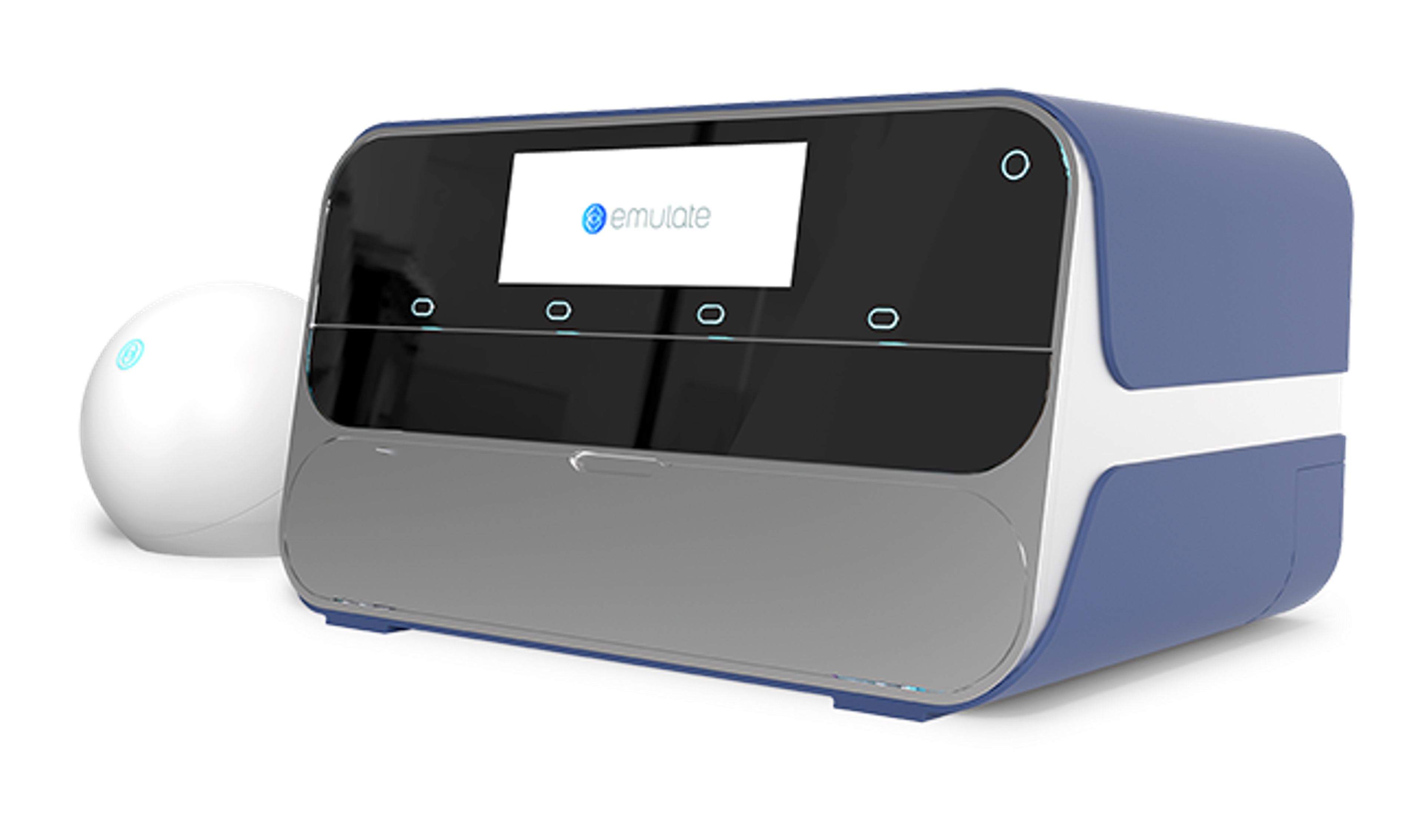
AVA™ Emulation System
EmulateAVA™ Emulation System A high-throughput Organ-Chip platform that generates human-relevant data at scale