Organ-on-chip benchtop system for fast and reliable human-relevant data
27 Feb 2026Looking for a faster, more reliable way to generate human-relevant preclinical data? In this SelectScience interview, Lorna Ewart, CSO at Emulate, presents the AVA™ Emulation System, the first benchtop organ-on-chip platform combining automated microfluidics with high-resolution imaging. Discover how the AVA™ Emulation System enhances lab efficiency, enables streamlined downstream analysis, supports regulatory compliance, and drives the move toward more predictive, ethical, non-animal models in preclinical research.
This video was filmed at SLAS 2026, where Emulate's AVA™ Emulation System won a 2026 SLAS New Product Award.
About the company

Emulate
A Culture of Innovation
Leveraging HUMAN BIOLOGY + TECHNOLOGY to ignite a new era in human health.
At Emulate, we understand that animal studies and reductionist models are limited because they are not based on integrated human biology.
By leveraging 21st century technologies, we are able to overcome these limitations with living human in vitro models that empower researchers to explore the biological mechanisms of health and disease. These microphysiological systems (MPS), commonly known as Organ-Chips, are setting a new standard for how we study biology and develop drugs, therapies, and cures for those who need them most.
The pioneering work on Organ-Chips was begun by our founding team at the Wyss Institute for Biologically Inspired Engineering at Harvard University. Following the landmark paper in Science, “Reconstituting Organ-Level Lung Functions on a Chip,” Emulate was founded to share the success of these efforts with the broader life sciences community. Since our inception, we have been focused on delivering exceptional science across multiple organs and applications.
Related products
Request Quote for All Products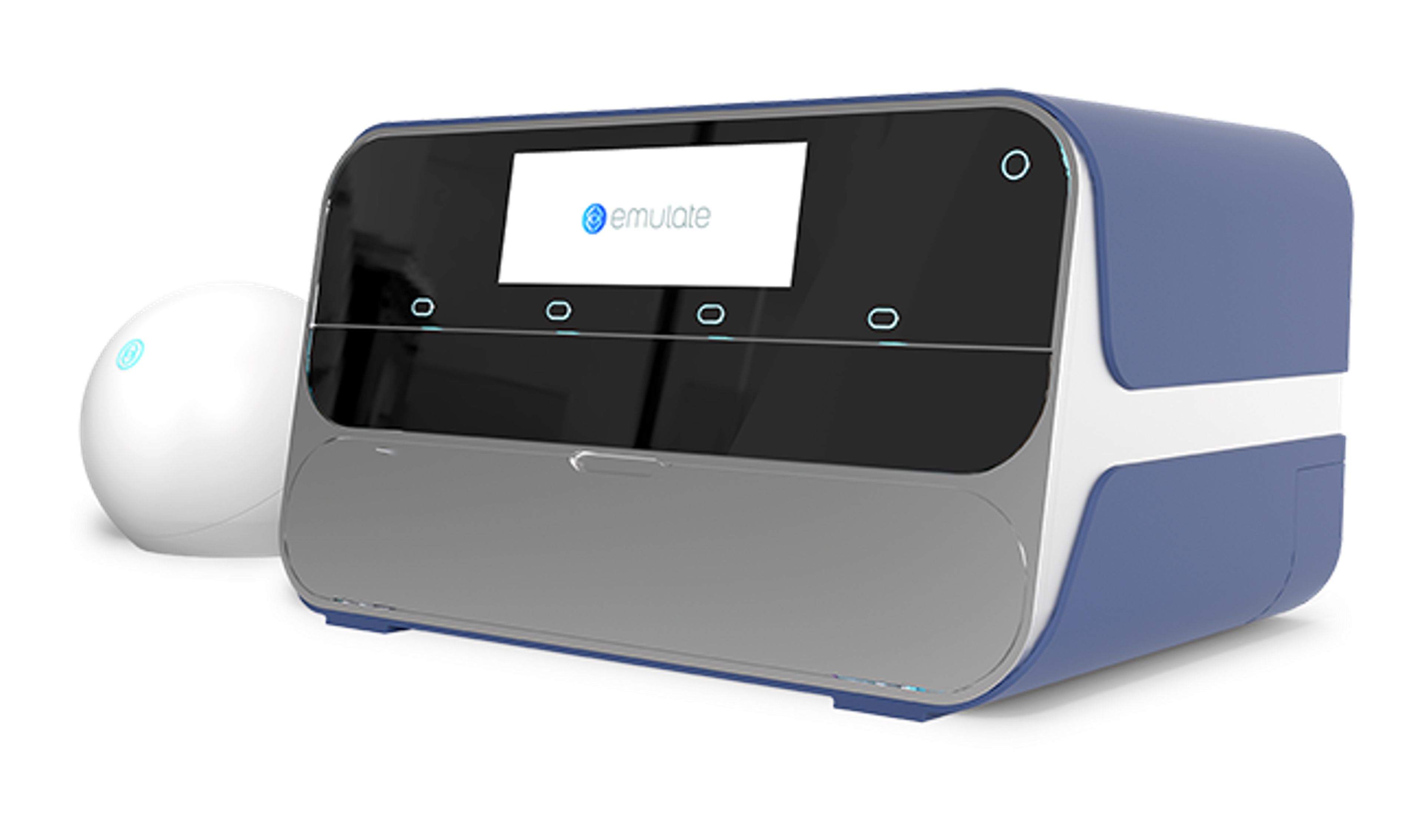
AVA™ Emulation System
EmulateAVA™ Emulation System A high-throughput Organ-Chip platform that generates human-relevant data at scale