
Powering genomic, proteomic, and drug discovery workflows at the nanolitre scale
4 Sept 2026
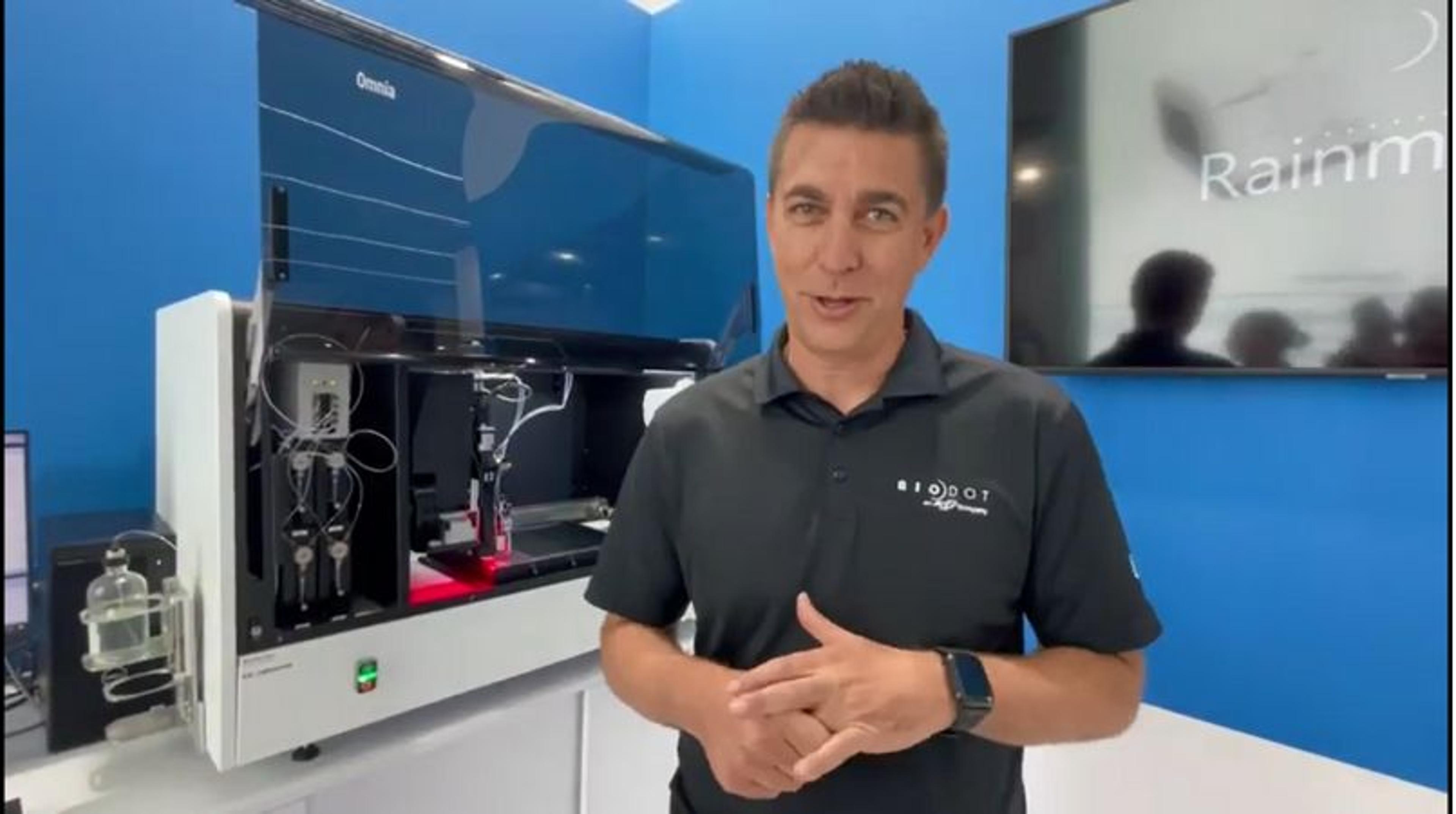
As researchers push the boundaries of biological discovery, the need to generate richer datasets from ever-smaller sample volumes is reshaping laboratory workflows. Designed to dispense volumes down to just 50 nanolitres, discover how BioDot's NANOlab™ brings together high-precision liquid handling and a disposable-tip format to help minimize contamination risks while supporting complex workflows across life sciences and drug discovery. Brian Kirk, General Manager at BioDot, discusses the company's mission to miniaturize science and how innovations in liquid handling are helping researchers unlock new possibilities in the laboratory.
This interview was recorded at ADLM 2026, Anaheim, California.
About the company
BioDot Inc.
BioDot aims to become the principle supplier of sub-microliter dispense systems (for the manufacture of micro-array and microfluidic devices) to Molecular Diagnostics, Theranostics and other emerging markets. This is driven by on-going technology development programs delivering Dispensing Innovation products like BioJet Plus. This unique non-contact nanoliter dispenser delivers genuine on the fly deposition of small drop volumes for high throughput production of Biosensors, BioChips and Protein/Cell arrays.
BioDot is already established as world leader in the supply of equipment and technology for the development and manufacture of membrane Rapid Diagnostic Tests and Biosensors.
BioDot enables, inspires, and educates scientists to commercialize their ideas from R&D through to manufactured product.
Video transcript
Show transcript
My name is Brian Kirk, General Manager at BioDot. Our mission is to miniaturize all of science.
For a very long time, we’ve helped people around the world miniaturize medical diagnostics, including lateral flow devices, biosensors, and microarrays. Now, we’re excited to be moving into the laboratory with our technology.
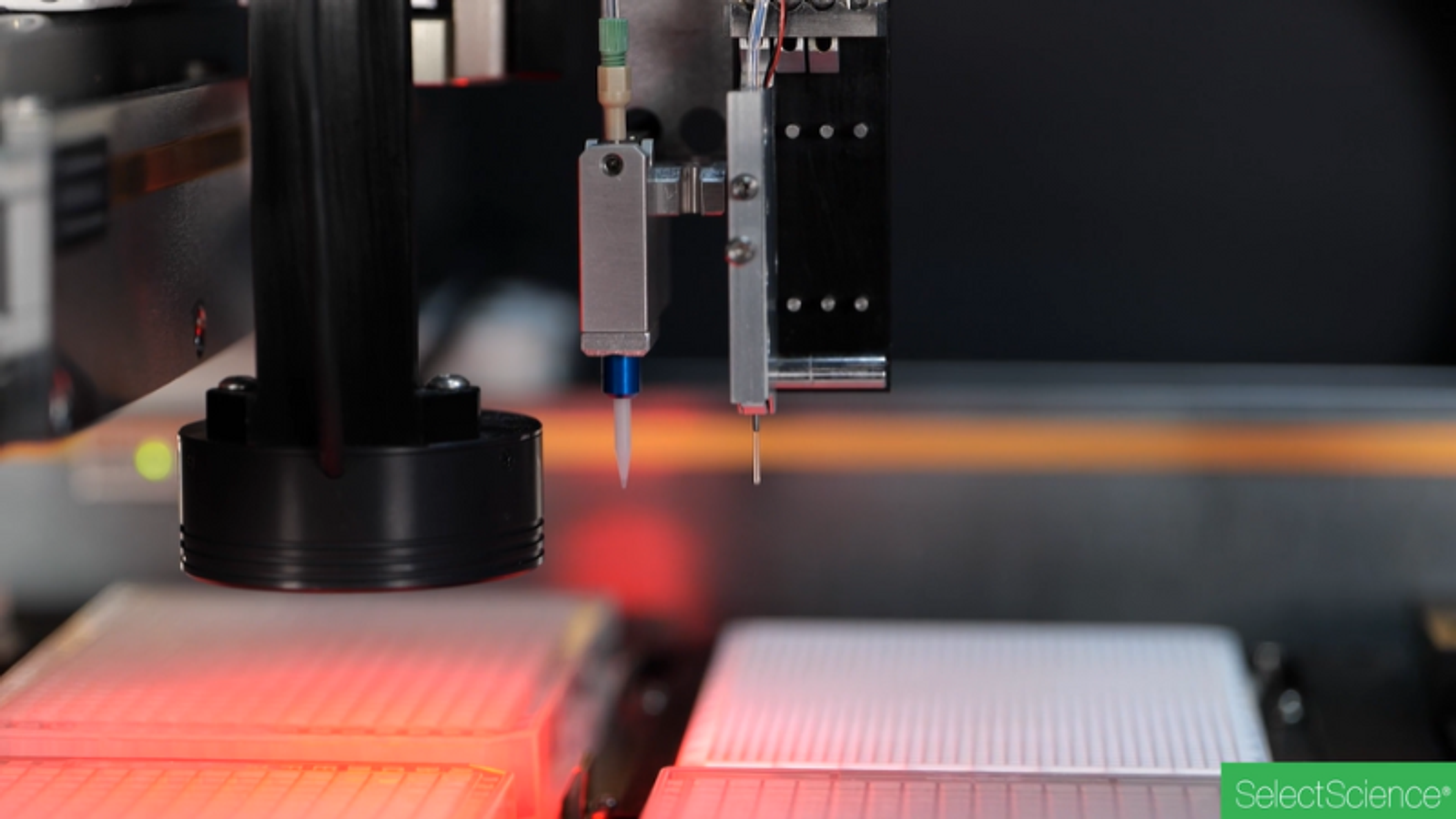
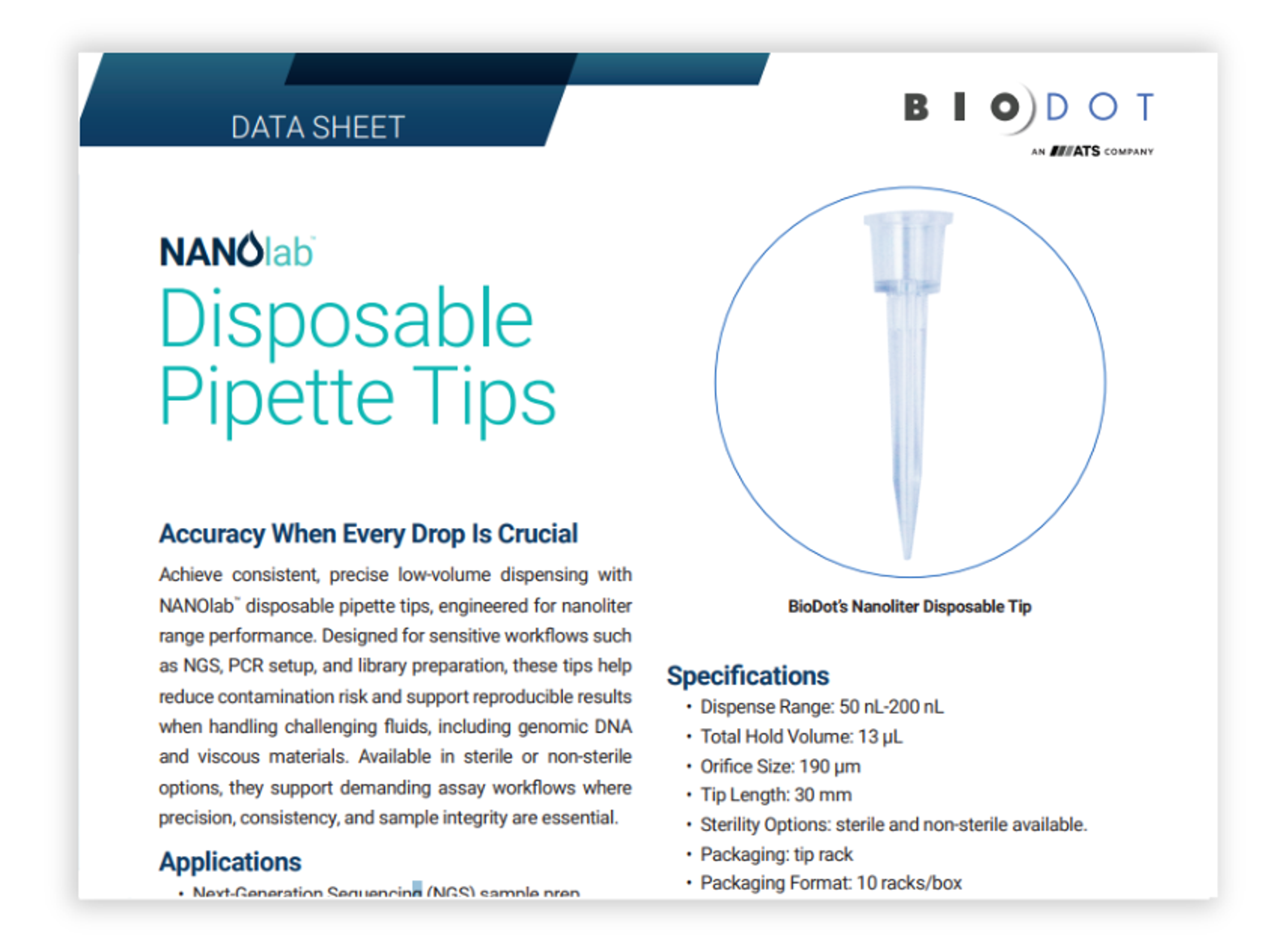
NANOlab was developed because of this. Over two years of development went into our nanolitre disposable tip. For a very long time, we’ve had technology that was meant for manufacturing. Now, we have a true disposable for our technology, or for our instrumentation, and because of that, we wanted to build a true liquid handler for nanolitre volumes.
With NANOlab, we can now dispense liquid droplets down to 50 nanolitres in a single droplet. This is really important when you start to think about emerging technologies and applications in basic research. Whether it be single-cell applications in proteomics, NGS, or genomics, you want to have technology that can not only do low-volume dispensing, but do it at high speed and high precision.
When we think about NANOlab and what it can do for customers, what we’re really seeing is a huge demand in drug screening. These are environments where drug developers are trying to screen as many compounds as possible over a period of time. Usually, that work is done with titrations or serial dilutions, and often the current paradigm is to take nanolitre dispensing and combine it with traditional liquid handlers. So, you have a large workflow with multiple workstations.
NANOlab has the ability to do all that in a single workflow and a single instrument, so we’re really excited.
When we think about liquid handling and the future of liquid handling in basic research, two things come to mind. One is volume. Being able to dispense low volumes is critical for the future, the development, and the scale of human biology. As we have more questions and want to answer them more thoroughly, being able to generate more data per square inch is critical. When you’re dispensing nanolitres versus microlitres, you get that capability.
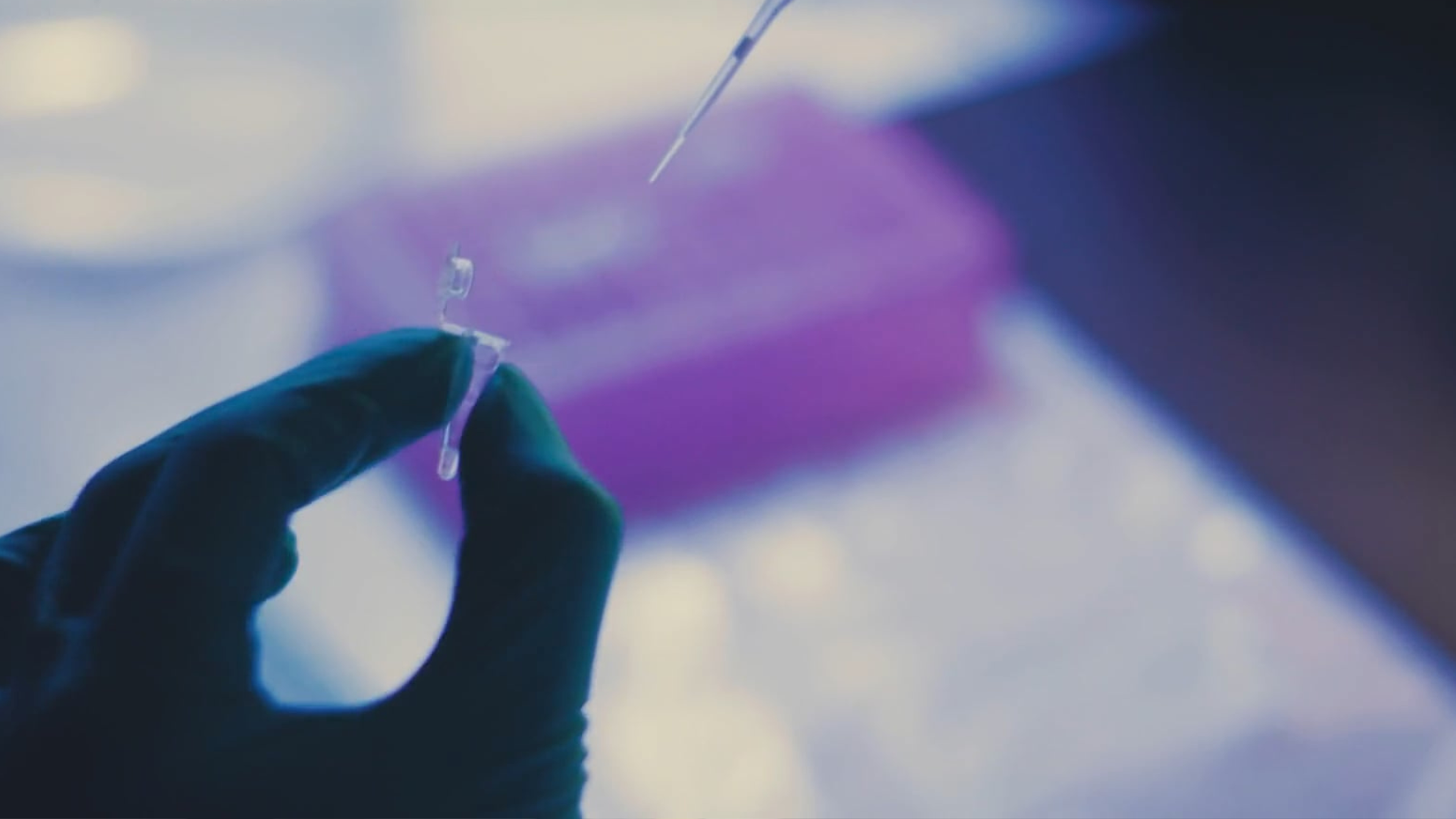
What was important about NANOlab is that we created a disposable tip. When you’re doing genomic workflows, proteomic workflows, or single-cell workflows, any concern of contamination and cross-contamination from sample to sample is a challenge. That’s why we spent so much time developing the disposable tip, and we’re excited to have it.
What does this video cover?
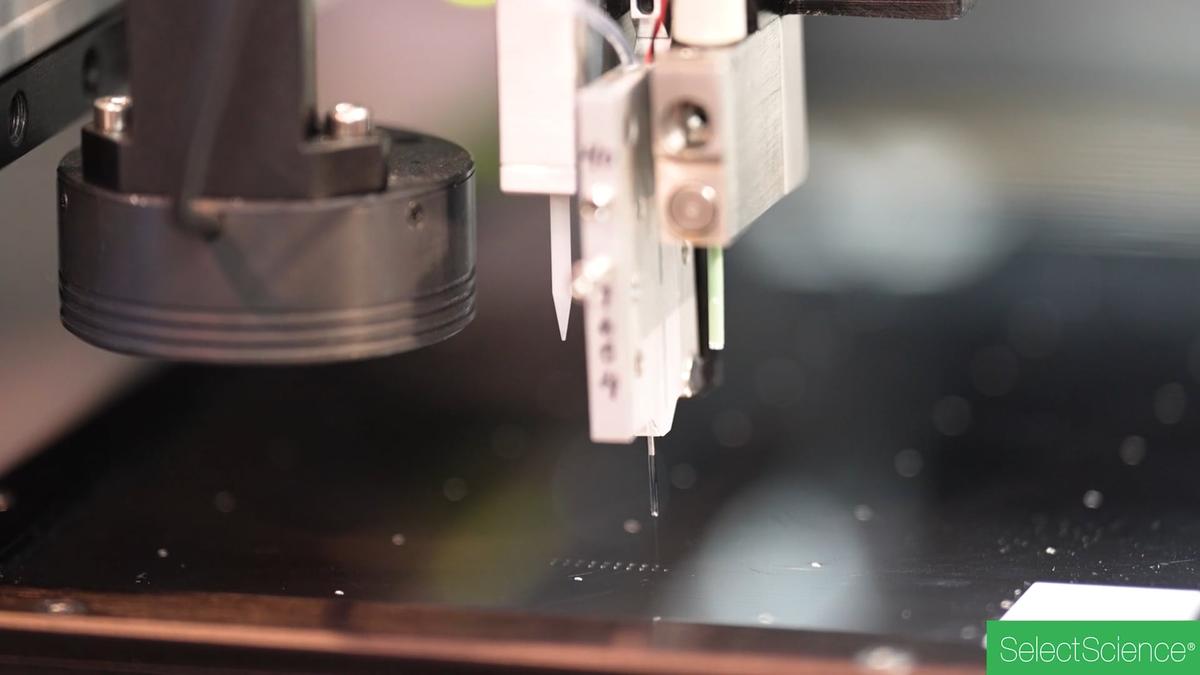
NANOlab dispensing
Topics covered in this video
- How does BioDot NANOlab™ enable 50-nanoliter high-precision liquid handling?
- Why is BioDot’s disposable nanolitre tip critical for genomic and proteomic workflows?
- How does NANOlab transform single-cell applications in NGS, genomics, and proteomics?
- In what ways does BioDot NANOlab streamline drug discovery and high-throughput drug screening?
- How is BioDot advancing miniaturized life science research with NANOlab liquid handling technology?
Related products
Request Quote for All Products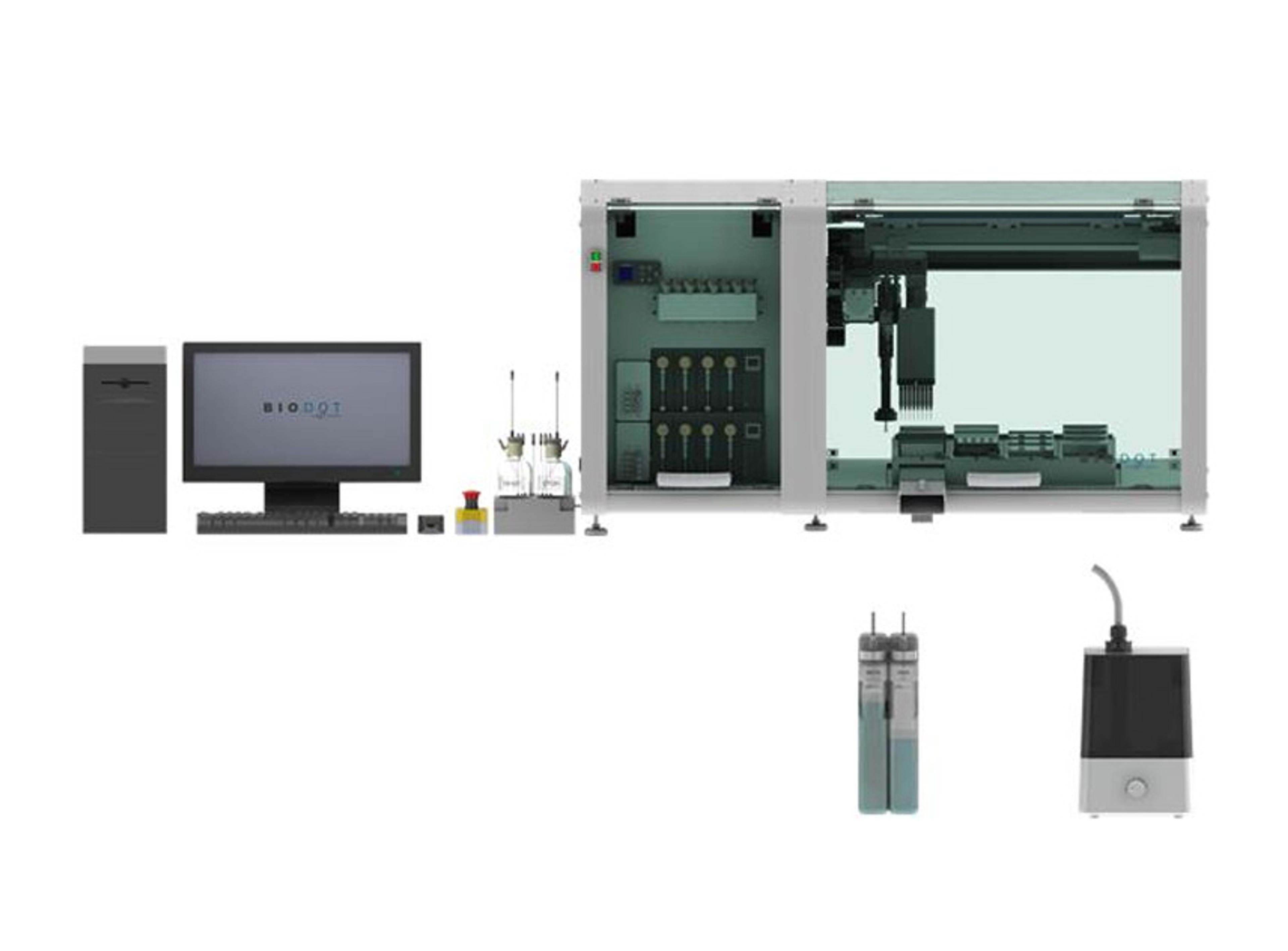
NANOlab™
BioDot Inc.High Precision, Nanoliter-Scale, Freedom at Every Step. NANOlab™ combines nanoliter dispensing, disposable tips, and flexible workflow setups to enable true walk-away protocols for dynamic genomics applications.
Other videos from BioDot Inc.
Links
Related content

Tags
Frequently asked questions
Show frequently asked questions
How does BioDot’s NANOlab nanolitre liquid handler support high-throughput drug discovery and screening workflows?
NANOlab™ enables drug developers to screen many compounds by performing titrations and serial dilutions on a single instrument. It dispenses droplets down to 50 nanolitres with high speed and precision, replacing multi-workstation workflows that combine nanolitre dispensers with traditional liquid handlers. This integrated approach streamlines drug screening, increases throughput, and helps generate richer datasets from small sample volumes.
What advantages does BioDot’s NANOlab disposable-tip technology offer for genomics, proteomics, and single-cell research?
NANOlab™ uses a nanolitre disposable tip developed over two years to minimize contamination and cross-contamination between samples. This is critical for sensitive genomic, proteomic, and single-cell workflows. By pairing disposable tips with precise 50-nanolitre dispensing, researchers can confidently run complex assays, protect sample integrity, and generate more data per square inch in basic research applications.
How does BioDot’s mission to miniaturize science influence NANOlab liquid handling for life sciences and NGS applications?
BioDot’s mission to miniaturize science led to adapting its manufacturing-grade dispensing technology into a true nanolitre liquid handler for laboratories. NANOlab™ delivers 50-nanolitre droplets with high precision, enabling miniaturized workflows in life sciences, NGS, genomics, and single-cell proteomics. By reducing volumes from microlitres to nanolitres, NANOlab™ helps researchers scale experiments, increase data density, and unlock new possibilities in biological discovery.