
Experience SLAS Europe 2026 with SelectScience
Catch up on the insights shaping the future of life sciences and automation
1 Jun 2026
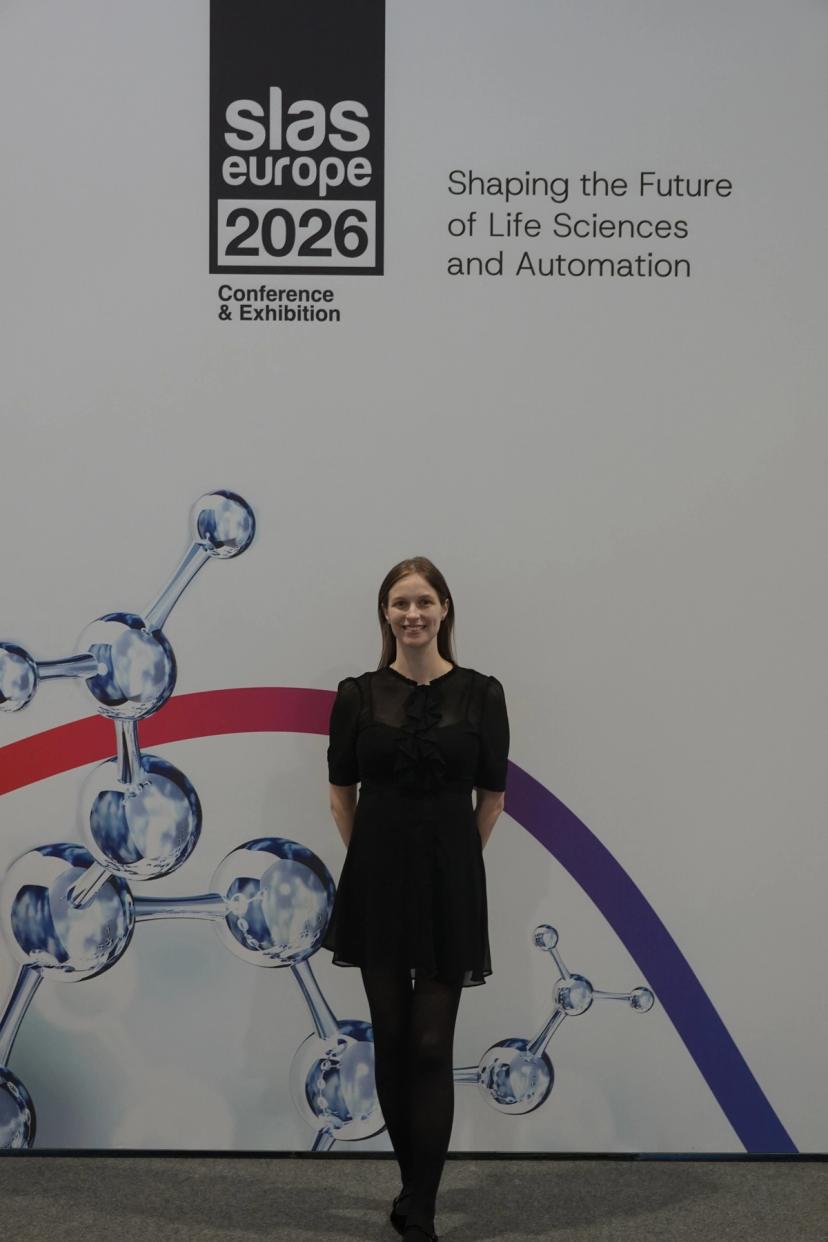
Charlie Carter, Life Sciences Editor at SelectScience, attended SLAS Europe 2026 to gain expert insights into the latest lab automation innovations.
Charlie Carter, Life Sciences Editor at SelectScience, takes you behind the scenes at SLAS Europe 2026 in Vienna, Austria, which showcased the power of lab automation in the modern life sciences lab.
"Echoing a point made by current SLAS President Melissa Crisp in her opening remarks, scientific progress is never the achievement of a single individual. The idea of the lone genius is largely a myth," shares Dr. Johanna Huchting, Fraunhofer Institute for Translational Medicine and Pharmacology (ITMP). "Collaboration and connection are fundamental to advancing science. That is why I particularly value the opportunities SLAS creates to engage with the diverse talent across the scientific community, both at conferences like this and through its activities throughout the year."
Collaboration and connection are fundamental to advancing science.
Dr. Johanna Huchting Fraunhofer ITMP
State of the life sciences industry panel for 2026
The "State of the Industry" panel highlighted that while advances in AI, automation, and data generation are transforming drug discovery, their impact is constrained by challenges in data quality, integration, and accessibility. All speakers emphasized the need for high-quality, well-annotated, and interoperable datasets to enable predictive models and faster decision-making. “You have to have not just access to the data, but access to the metadata, the information that went into generating that data," stated Philip Gribbon, Head of Discovery Research at Fraunhofer Institute for Translational Medicine and Pharmacology (ITMP). "Only then are you able to really fully understand what's going on.” He then highlighted the undeniable role of AI and automation in this analysis: "It is not just about achieving scale or reducing cost; it's about allowing for complexity in your analysis."
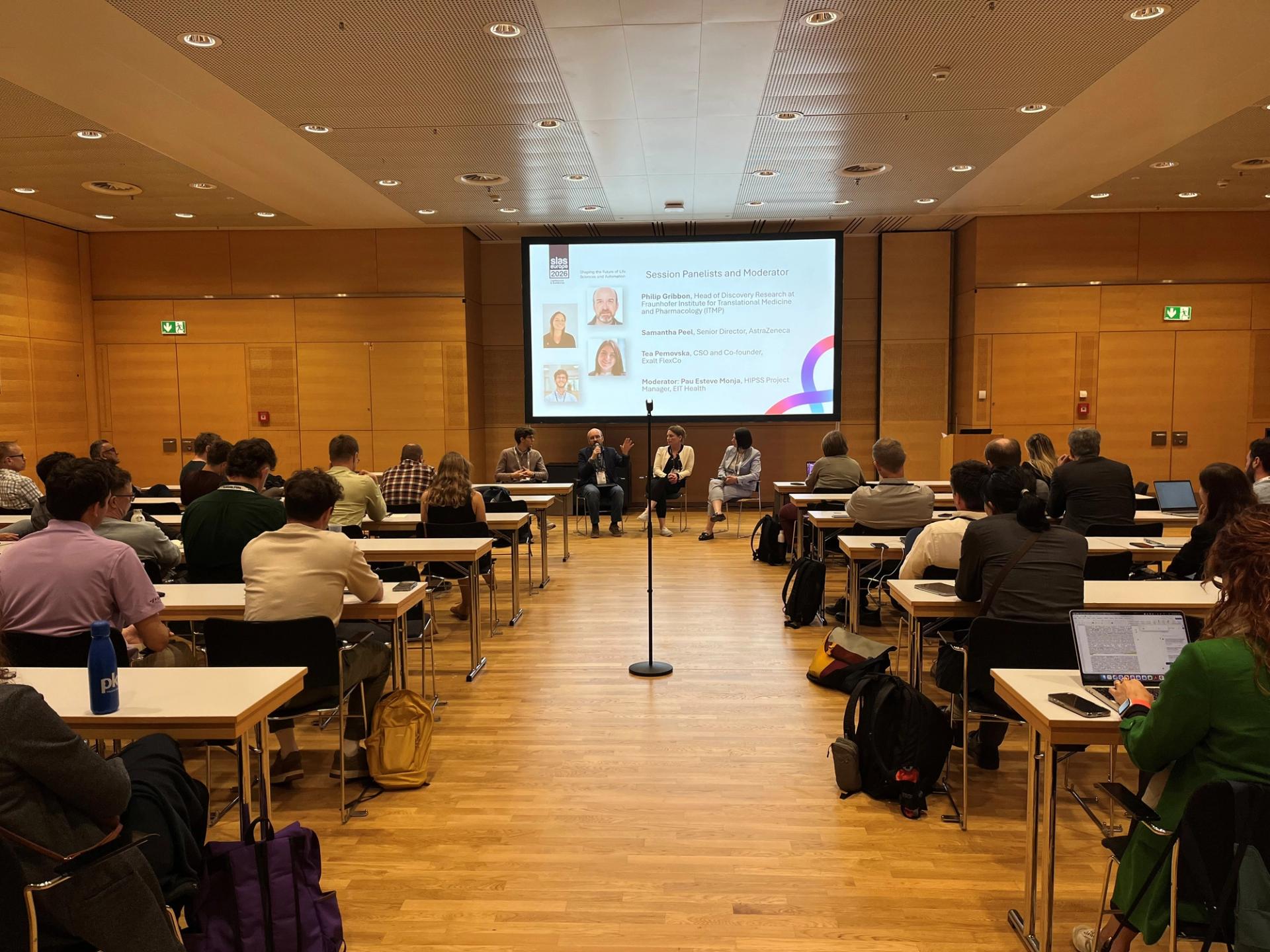
The "State of the Industry" panel at SLAS Europe 2026
Collaboration across academia, industry, and technology partners was identified as essential, but hindered by governance, regulatory, and cultural barriers. “We still don’t know which datasets would actually be predictive of patient response," shared Tea Pemovska, CSO and Co-founder of Exalt FlexCo. "We need interdisciplinary teams to fully put the picture together.” The discussion also underscored gaps in data standards, reproducibility, and infrastructure sustainability, alongside the need for better orchestration of iterative workflows.
A key tension remains between accelerating discovery timelines and addressing increasingly complex, hard-to-target biology, with Samantha Peel, Senior Director at AstraZeneca, stating: “We have all been challenged to go faster, for medicines to reach patients faster but, at the same time, the biology is complex; it’s hard to unlock.” She went on to say that this is not just a challenge but an exciting opportunity: "We live in such an exciting time for science. The huge advances in technology, in automation, in innovative chemistries and modalities hold promise to potentially unlock some of these difficult targets." Overall, unlocking the full potential of emerging technologies will require coordinated efforts to improve data ecosystems, standardization, and cross-sector collaboration.
We live in such an exciting time for science.
Samantha Peel Senior Director at AstraZeneca
3 insights from the SLAS insiders
1. Professor Willem Mulder on how nanomedicine immunotherapy can power targeted immune reprogramming:
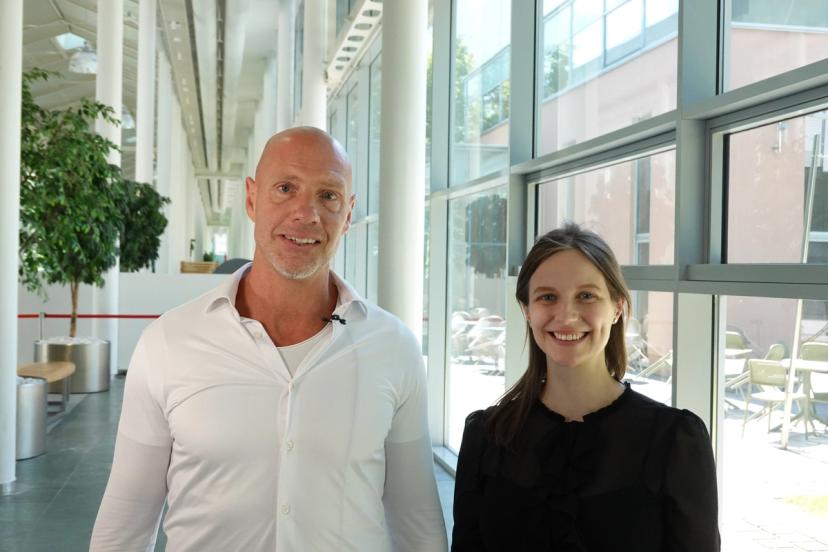
Prof Willem Mulder shared his work and hopes for the field of nanomedicine with SelectScience editor, Charlie Carter, at SLAS Europe 2026
At SLAS Europe 2026, Prof. Mulder delivered an inspiring keynote on nanomedicine-based immunotherapy, highlighting how bioengineered nanoparticles inspired by endogenous lipoproteins can reprogram immune responses and enable durable treatment of cancer, autoimmune and inflammatory diseases. He showcased how recombinant technologies and microfluidics support scalable, targeted delivery systems with strong safety profiles, while outlining automation and entrepreneurial strategies accelerating clinical translation. Prof. Mulder, Eindhoven University of Technology and Radboud University Medical Center, is a biomedical engineer, inventor and entrepreneur who has published more than 200 papers in leading journals and led major NIH and ERC-funded research, and he actively drives innovation through biotech ventures including Trained Therapeutix Discovery, Nanoworx, and BioTrip.
Watch interview2. Dr. Vivian Lu Tan (Vienna BioCenter Core Facility) and her perspective on this year's conference as co-chair:
"SLAS sits at the intersection of academia, pharma, and technology. I hope attendees built transformative, cross-disciplinary connections - scientists meeting engineers, developers meeting end-users - to solve the bottlenecks slowing life sciences. With AI and modular robotics advancing rapidly, I wanted participants to gain practical insights into integrating these technologies, such as agentic AI and closed-loop automation, into their workflows to increase reproducibility and scale. Beyond the technical sessions, I hope they left with a broader perspective on the impact of their work, inspired by the latest breakthroughs and equipped to push the boundaries of what is possible in the modern laboratory."
Watch interview3. Co-chair James Pilling (Functional Genomics, AstraZeneca) and the three things he hoped attendees left the event with:
- Gained insights into cutting edge science and technology
- Forged meaningful collaborations
- Left the event inspired to apply this to accelerate scientific discovery and create impact in their own places of work
"The overall breadth and quality of the science was staggering and it’s a challenge to select a single topic or theme to highlight," he shares. "What struck me as significant was the level of integration of disciplines; multiple approaches and technologies all orchestrated and underpinned by data and the application of AI in order to address complex biological questions and experimental workflows."
Watch interviewWomen in science celebrated at SLAS
At this year's event, SLAS invited all who celebrate women’s contributions to science to network with like-minded attendees and members of the SLAS community.
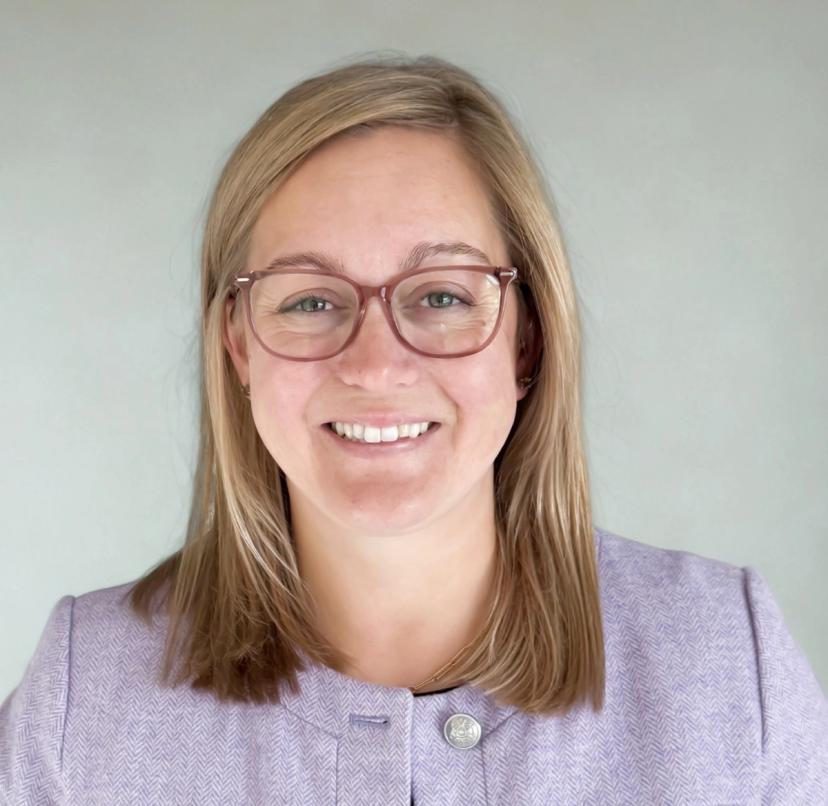
Dr. Madeline Farley is Scientific Director for SLAS
"Events like SLAS Europe and the Women in Science Mixer are important because they create opportunities for meaningful connection," shares Dr. Madeline Farley, SLAS Scientific Director. "They provide a collaborative environment where women build professional networks, identify mentors and collaborators, and share experiences across the scientific community. Importantly, they also increase the visibility of women serving as scientific leaders, innovators, speakers, and decision-makers. Seeing these examples of success is incredibly powerful, particularly for scientists early in their careers."
Seeing these examples of success is incredibly powerful.
Dr. Madeline Farley SLAS Scientific Director
Continuing its commitment to empowering women in science, SLAS has expanded its New Matter Podcast with a new Thrive in Science: Women’s Leadership Edition series. This monthly podcast celebrates and amplifies the voices of women in science, highlighting their leadership journeys and the impact they are making across the industry.
Congratulations to our Scientists' Choice Awards Winners
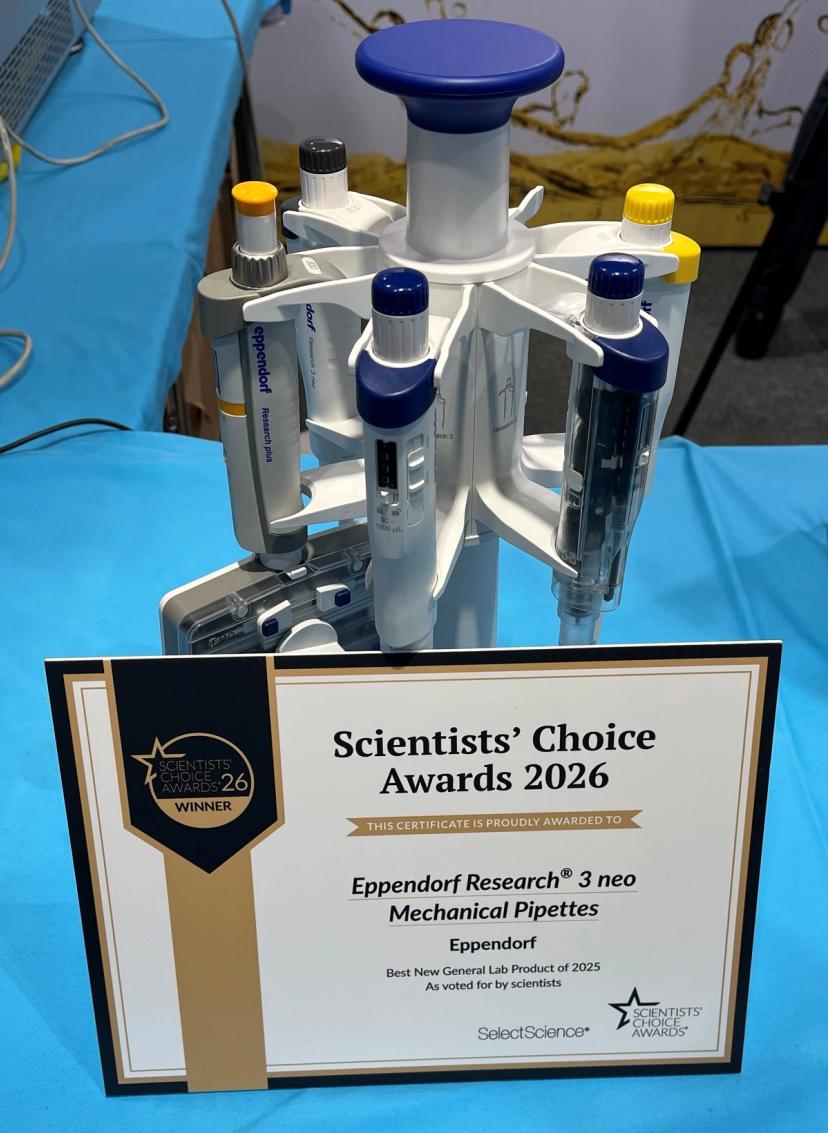
Eppendorf Research® 3 neo Mechanical Pipettes
During SLAS Europe 2026, SelectScience announced the Life Sciences and General Lab Scientists’ Choice Award winners to recognize the most impactful technologies and content across both life sciences and general lab workflow, as voted for by scientists worldwide.
Simon Plate, Global Marketing Manager, Manual Liquid Handling, shares what receiving a Scientists’ Choice Award means to the Eppendorf team:
“Receiving a Scientists’ Choice Award is especially meaningful to us because it comes directly from the global lab community. It confirms that our focus on usability, ergonomics, and performance with the Research 3 neo truly resonates with scientists, and validates our commitment to systematically integrating user feedback into development. A heartfelt thank you to everyone who voted for us and uses our products to advance their research.”
See all 2026 Scientists’ Choice Award winners for Life Sciences & General Lab
Explore the full SLAS coverage on our comprehensive show page.
Related products
Request Quote for All Products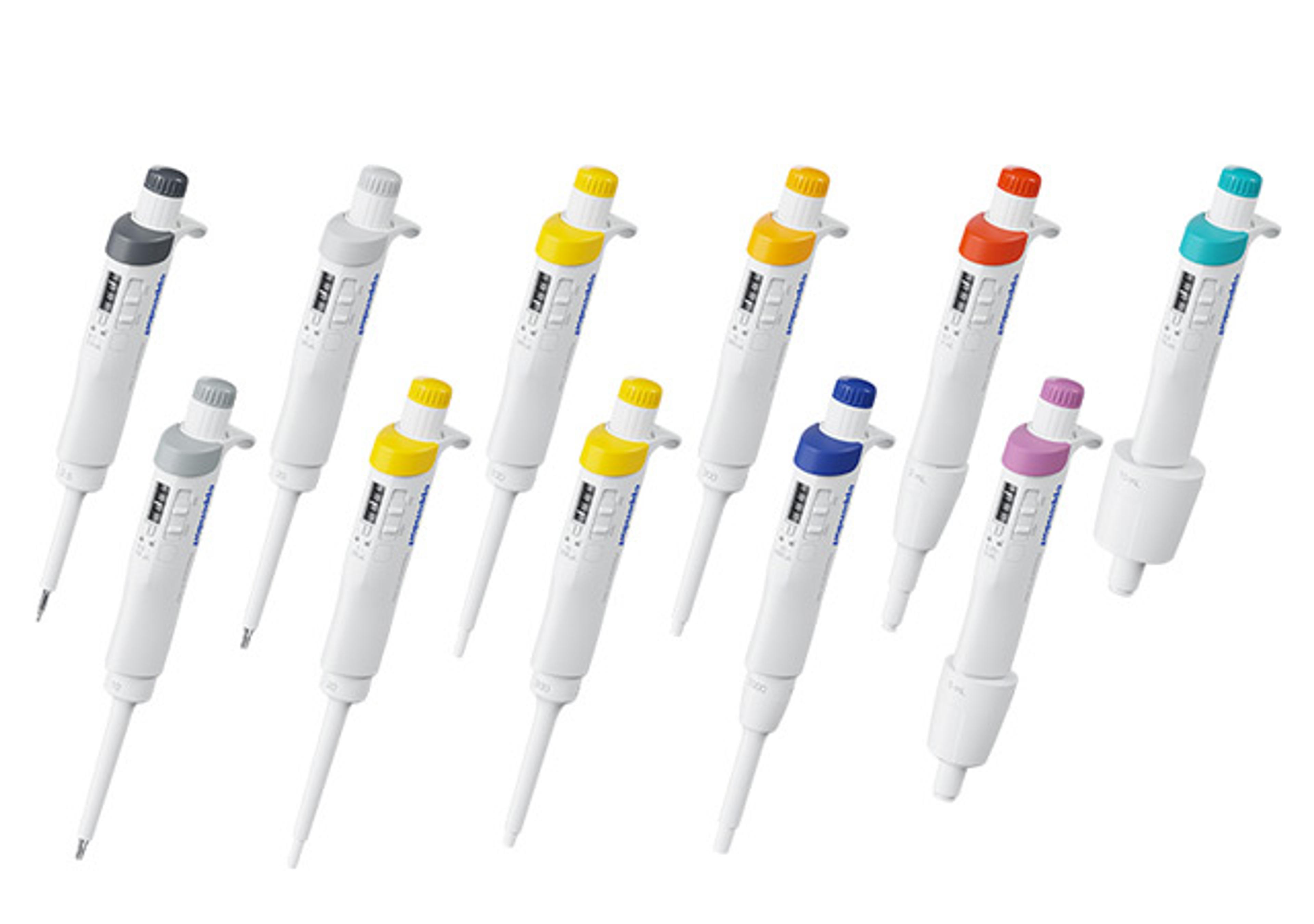
Eppendorf Research® 3 neo Mechanical Pipettes
EppendorfFind your best with with the new Eppendorf Research® 3 neo pipettes! Tired of the one-size-fits-all approach to pipetting? Make pipetting work for you. The new Eppendorf Research® 3 neo pipettes feature faster volume adjustment, a shorter operating button, and more. Get ready to experience the benefi ts of adaptable settings to increase your efficiency and accuracy with ease.
Tags
Frequently asked questions
Show frequently asked questions
How did SLAS Europe 2026 in Vienna highlight the role of lab automation in modern life sciences?
SLAS Europe 2026 in Vienna showcased how lab automation is transforming modern life sciences labs, as reported by Charlie Carter, Life Sciences Editor at SelectScience. The event emphasized AI-driven automation, data generation, and iterative workflows in drug discovery. Speakers from Fraunhofer ITMP, AstraZeneca, and Exalt FlexCo underlined that automation is not only about scale and cost reduction, but also about enabling complex analyses and accelerating clinical translation while tackling increasingly hard-to-target biology.
What were the key data and collaboration challenges discussed in the SLAS Europe 2026 State of the Industry panel?
The State of the Industry panel at SLAS Europe 2026 highlighted critical challenges in data quality, integration, and accessibility for drug discovery. Experts including Philip Gribbon (Fraunhofer ITMP) and Tea Pemovska (Exalt FlexCo) stressed the need for high-quality, well-annotated, interoperable datasets and access to metadata. They also identified gaps in data standards, reproducibility, and infrastructure sustainability, and emphasized that cross-sector collaboration across academia, industry, and technology partners is essential but hindered by governance, regulatory, and cultural barriers.
How did SLAS Europe 2026 promote women in science and recognize impactful lab technologies?
SLAS Europe 2026 promoted women in science through events like the Women in Science Mixer and the Thrive in Science: Women’s Leadership Edition of the New Matter Podcast, led by SLAS Scientific Director Dr. Madeline Farley. These initiatives support networking, mentorship, and visibility for women leaders. The conference also recognized impactful lab technologies via the Life Sciences and General Lab Scientists’ Choice Awards, where Eppendorf’s Research 3 neo Mechanical Pipettes were honored, reflecting global scientists’ appreciation for usability, ergonomics, and performance.