Advanced 4D-STEM with Timepix4: From atomic-scale ferroelectrics to low-dose imaging of beam-sensitive materials
Wednesday, November 11 at 14:00 GMT | 15:00 CET | 09:00 EST | 06:00 PST
Discover how the speed, pixel count and event-driven capabilities of Timepix4 enable advanced 4D-STEM experiments across a range of materials challenges. Prof. Knut Müller-Caspary will introduce the Timepix4 setup and acquisition workflow at LMU Munich before presenting two scientific case studies: quantitative atomic-scale characterization of ferroelectric PZT using reciprocal TEM approaches, and the investigation of electron-beam-induced damage in metal-organic frameworks.
The webinar will conclude with an outlook on low-dose imaging strategies for beam-sensitive materials.
Certificate of attendance
If you attend the live webinar, you will automatically receive a certificate of attendance, including a learning outcomes summary, for continuing education purposes.
If you view the on-demand webinar, you can request a certificate of attendance by emailing editor@selectscience.net.
Webinar details
- Cost: Free to attend
- Location: Online
- Duration: 60 minutes
Registration is required to secure your place. If you register but can’t attend live, you will receive a link to the on‑demand recording once it becomes available.
Speakers

Who should attend?
Electron microscopists, materials scientists, and researchers using or evaluating 4D-STEM, STEM diffraction, electron ptychography, and low-dose electron microscopy.
The webinar will be particularly relevant to researchers working with beam-sensitive materials, ferroelectrics, metal-organic frameworks, and quantitative diffraction-based imaging, as well as facilities considering high-speed event-driven detector technologies.
Featured products
Request Quote for All Products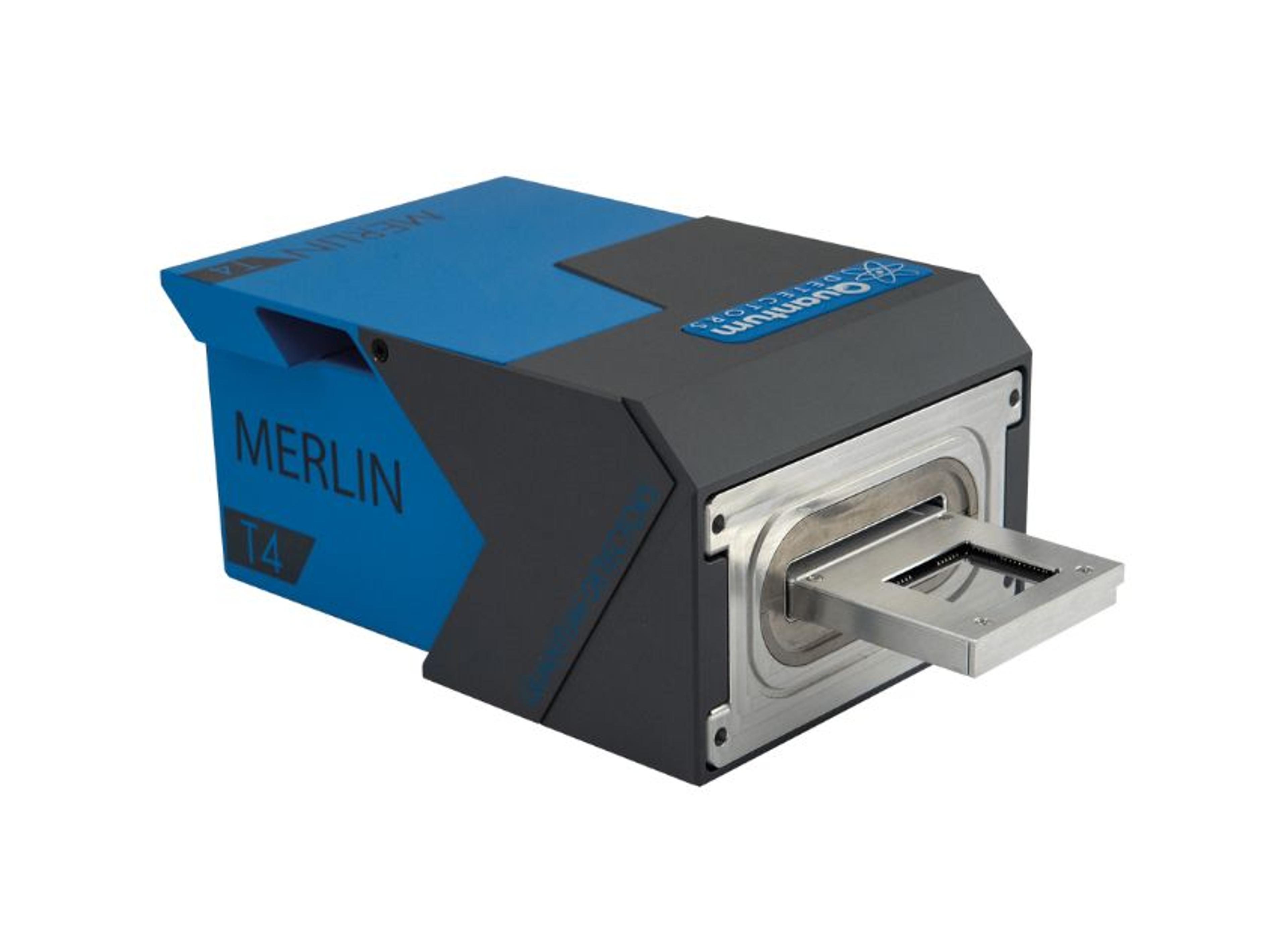
Merlin T4
Quantum DetectorsMerlin T4 is a cutting-edge hybrid pixel detector engineered for ultrafast applications in STEMs. Ideal for 4D-STEM, ultrafast diffraction, and ultrafast TEM imaging of dynamic processes from all types of samples, including beam-sensitive materials.
What will this webinar cover?
- The Timepix4 acquisition workflow and basic approach to analyzing event-driven 4D-STEM data.
- How to use Kikuchi-band analysis and reciprocal TEM methods to extract quantitative structural information from 4D-STEM datasets.
- How to assess critical electron dose and beam-induced structural changes in sensitive materials such as metal-organic frameworks.
- How high-speed event-driven detection and sparse scanning can support low-dose imaging and advanced phase-reconstruction techniques.