
How precision pipetting improves reproducibility in high-throughput preclinical models
20 Jul 2026As researchers seek more physiologically relevant alternatives to traditional preclinical models, ensuring reproducibility across new approach methodologies (NAMs) has become increasingly important.
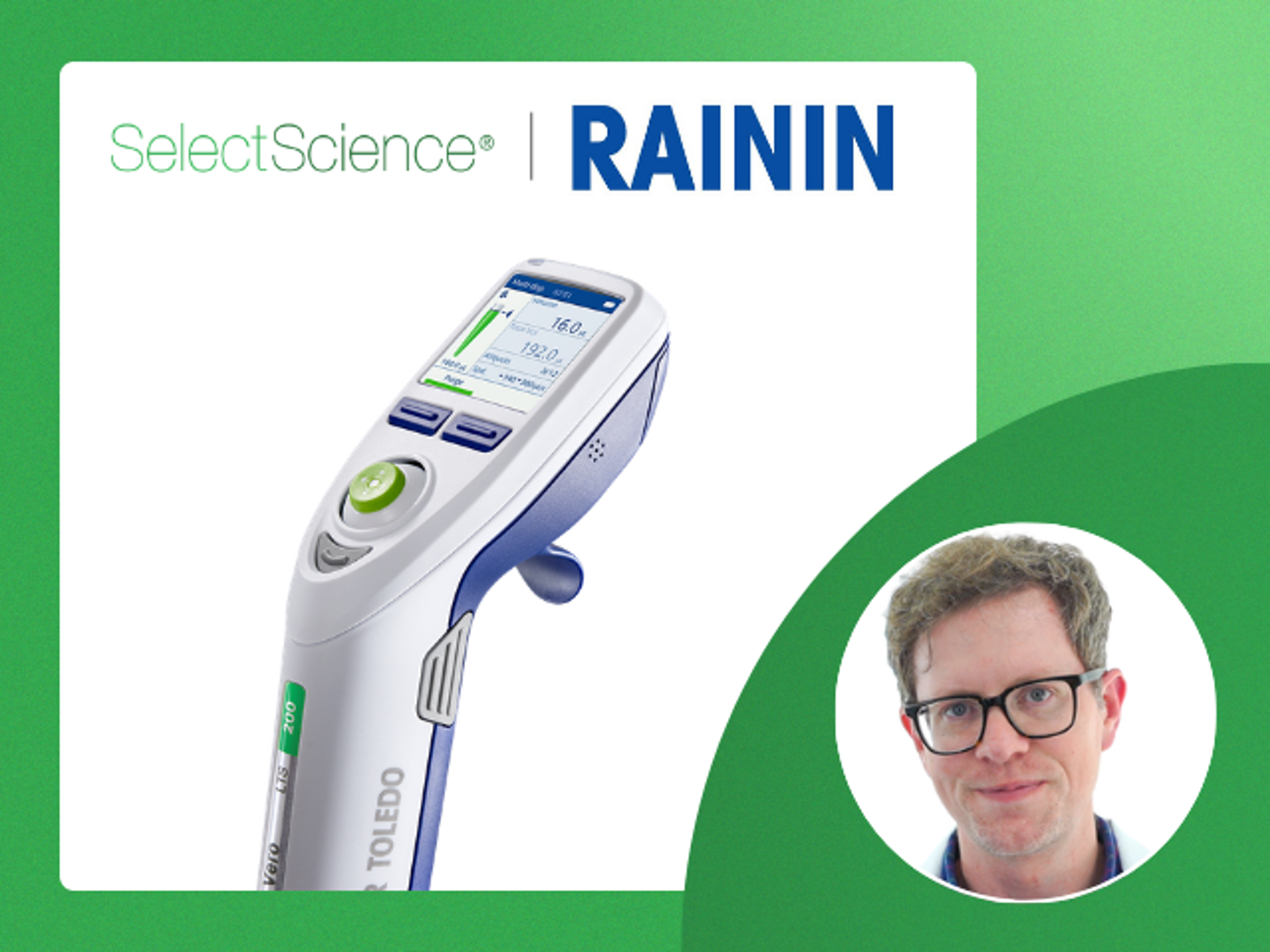
In this SelectScience interview, Dominick Hellen, CEO and Founder of HTMP Bio, discusses how his company is advancing high-throughput microphysiological platforms for drug screening and disease modeling. He explains the challenges associated with developing reproducible in vitro models, the importance of precise liquid handling, and how the Vero electronic pipette from Rainin helped his team optimize cell culture workflows and establish defined dispensing speeds for their microwell-based platform.
About the company

Rainin
Mettler Toledo Rainin is a global leader in precision liquid handling solutions for life sciences and biotechnology industries. As a proud part of the Mettler Toledo family, Rainin is known for its high-performance pipettes, innovative technology, and unwavering commitment to quality and ergonomics.
From academic labs to biotech and pharmaceutical companies, our pipettes and consumables help researchers work more efficiently and reliably. We combine scientific expertise with customer-focused innovation to support breakthroughs in genomic, proteomic, and cell biology workflows.
Headquartered in the San Francisco Bay Area, Rainin combines engineering expertise with a deep understanding of laboratory needs—delivering pipetting systems, automation-ready platforms, and robust service offerings that help scientists work with accuracy, efficiency, and confidence.
Video transcript
Show transcript
My name is Dominick Hellen. I am the CEO and founder of HTMP Bio, which stands for High-Throughput Microphysiological Platforms. We are a San Diego-based biotech startup.
The premise of what HTMP does is that we develop and provide products and reagents for high-throughput, physiologically relevant drug screening and disease modeling.
So we realize that there are some really unique and significant problems that come with preclinical modeling, which has led to failure in clinical trials. And that has led kind of multiple regulatory branches across the world to all push for not only their reduction, but also to complement animal models with more sophisticated in vitro and in silico approaches or NAMs, new approach methodologies. And our goal, hopefully, as a company, is to provide the infrastructure for scientists working with NAMs, trying to optimize them, making them more reproducible.
So the actual mission statement of our company is to enable the science behind better questions and faster answers.
The pipette is the cornerstone of any scientist in any lab across the globe. For the work that we do, it is paramount to have a working and precise pipette.
We've used pipettes in everything from experimental prep, so doing cell culture, making sure everything is ready, to the experiment itself, optimizing, iterating, and improving any product that we currently have, or are planning to release and develop.
Precision is the overarching challenge that could be problematic for a scientist using a pipette. So if you're using a wheel pipette, if you set it to a certain number and you're a millimeter or two millimeters off, that could mean a microliter level difference, which ends up being a nanomolar or a micromolar level difference in a drug or a compound or a cell mixture that you're working with, which could end up leading to problems in replicability, which is a big worry for scientists.
We chose the Vero because we have specific requirements for microliter-per-second speeds for our device. So to ensure that our first platform, which is a high-throughput micro-well-based platform, is repeatable and we can tell the end user how fast they can aspirate or dispense.
We need to ensure in ourselves for all the prototypes that we're optimizing and testing that when you dispense or aspirate at a specific speed, that doesn't cause any disruption, loss, or displacement of any of the cells in our product.
The main challenges that come from manual pipettes is lack of precision, especially with micrometer level amounts. And the main problem that comes with automatic pipettes to overcome that precision is the fact that you can't set speeds properly. So the Vero offers both of that. It offers micrometer level precision, and I can of course set Specific speeds for aspiration as well as dispensing of a liquid. So if I wanted to do 36 microliters per second or 47 microliters per second, the Vero can do that, whereas any other automatic pipette, that's not possible.
So for us, the Vero was the only option that was not only affordable, seeming very easy to use, but also offered that precision with regards to microliter per second aspiration and dispensing of a liquid.
The main benefit came into our lab when we were optimizing the exact speed for which an end user should pipette or dispense into our microwell-based platform.
So we tested everything from 30 microliters per second up to 200 microliters per second and measured how much cell loss and how much cell displacement actually occurred when the user pipettes into our pipette access area.
So the Vero allowed us to measure incrementally and methodically what speeds worked and what speeds didn't. And for us, this is huge because it ensures reproducibility, and when we eventually offer and sell our own product, we can tell scientists who are using it, "Do not pipette past this speed." And that speed originally came from using the Vero.
So it's been fantastic using this pipette.
There was a pretty seamless integration of the Vero pipette into almost every part of our experimental workflow, from prep, the experiment itself, and of course, downstream data analysis.
The pipette is easy to use, very user-friendly, incredibly light and ergonomic, and it does everything that I already mentioned with regard to precision, speeds, and has multiple capabilities that can make doing lots of different science a lot easier.
So for me, a big kudos to the engineers who worked on this pipette. It's been a pleasure working with it, and the company is better off because of it.
What does this video cover?

Topics covered in this video
- How does HTMP Bio use Vero pipettes for high-throughput drug screening?
- Why is microliter-per-second pipetting speed critical for HTMP Bio’s microwell platform?
- How does the Vero pipette improve reproducibility in HTMP Bio’s disease modeling workflows?
- What precision advantages does the Vero offer over manual and other automatic pipettes?
- How does HTMP Bio determine optimal pipetting speeds to minimize cell loss and displacement?
Related products
Request Quote for All Products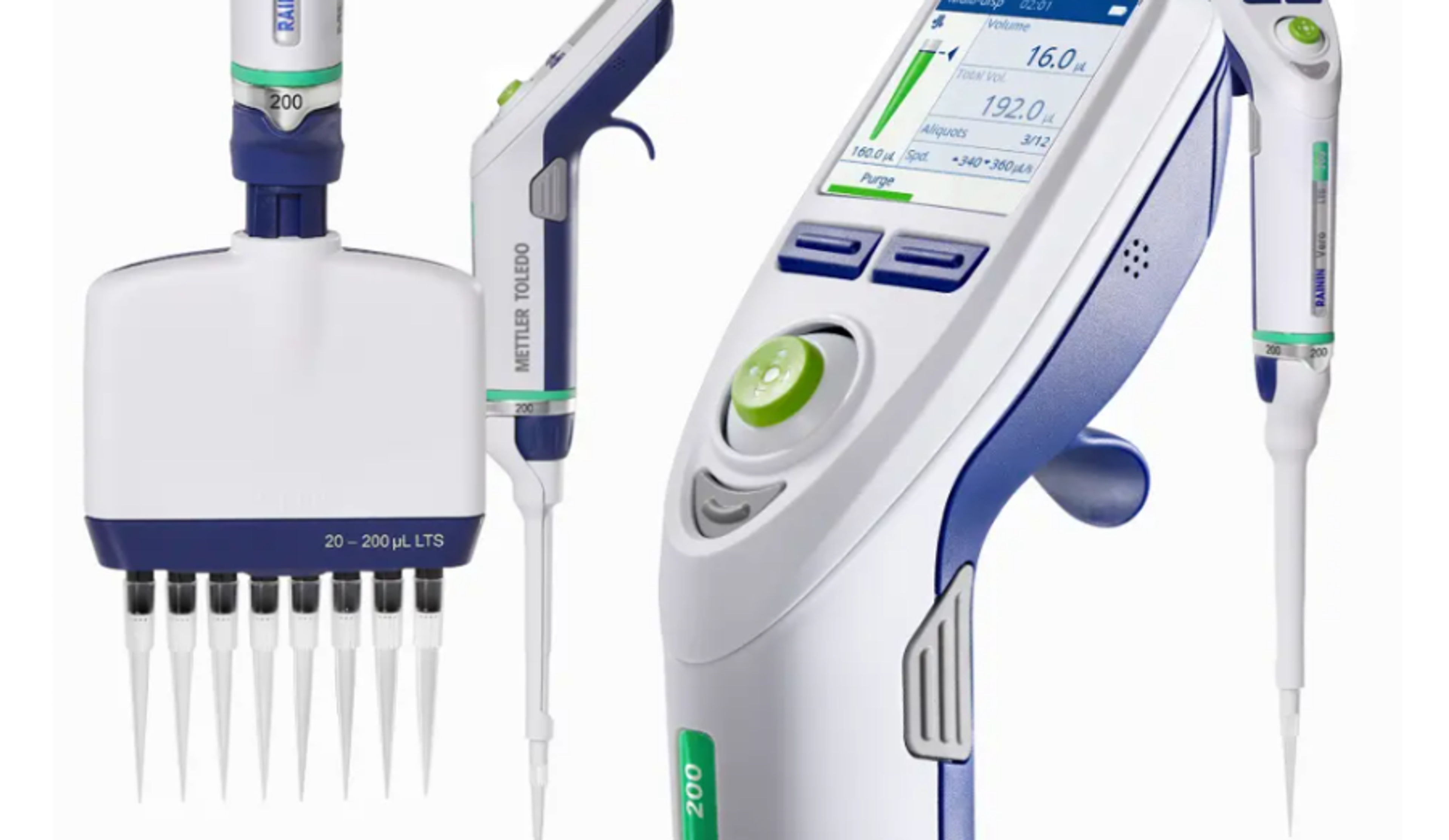
Rainin Vero Electronic Pipettes
Confidence in every pipetting step with industry-leading accuracy, precision, and ergonomics
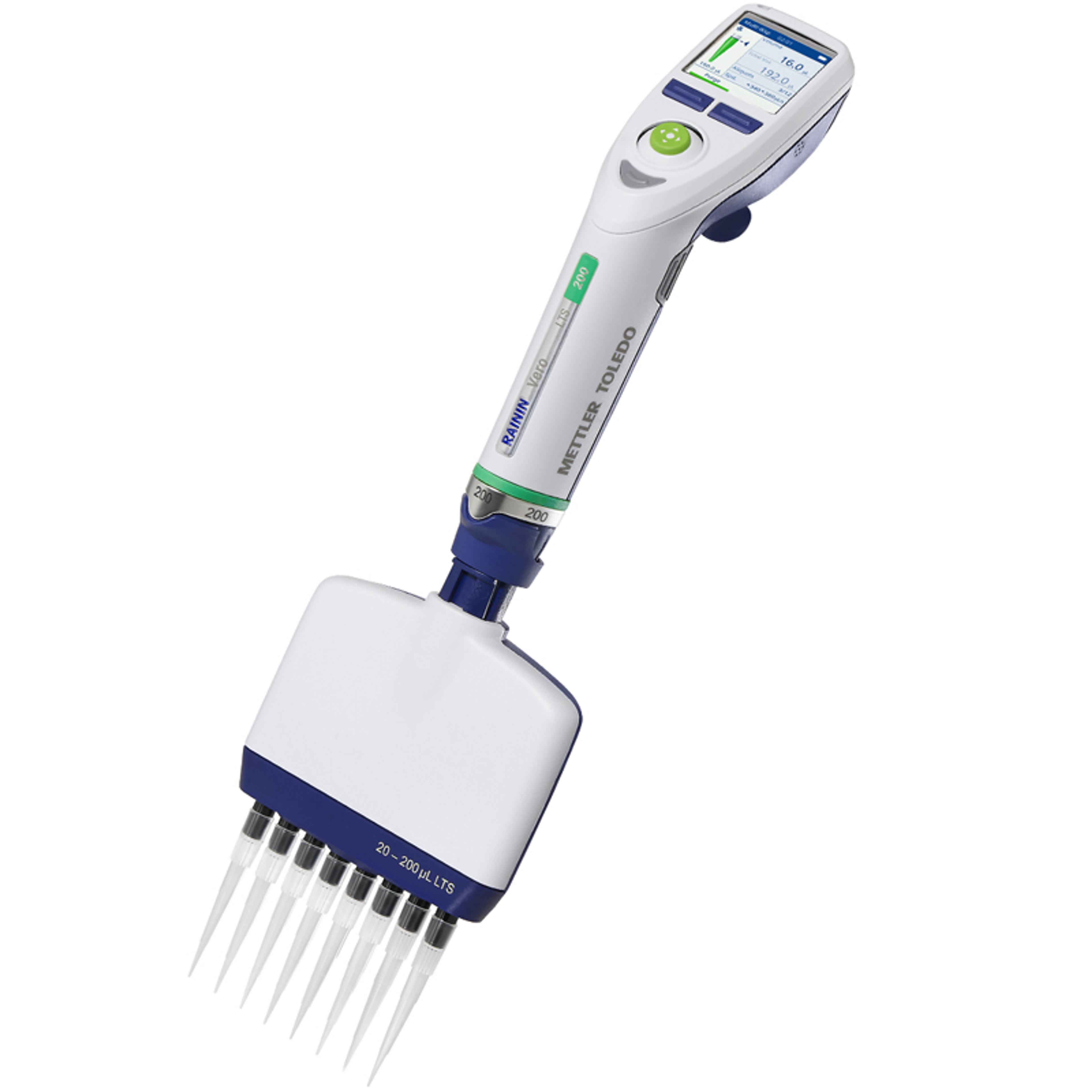
Rainin Vero Electronic Multichannel Pipettes
RaininRainin Vero™ multichannel electronic pipettes bring speed, consistency and control to plate-based workflows. With intuitive navigation, customizable presets and exceptional channel-to-channel performance, Vero reduces variability, improves reproducibility and streamlines high-throughput pipetting.
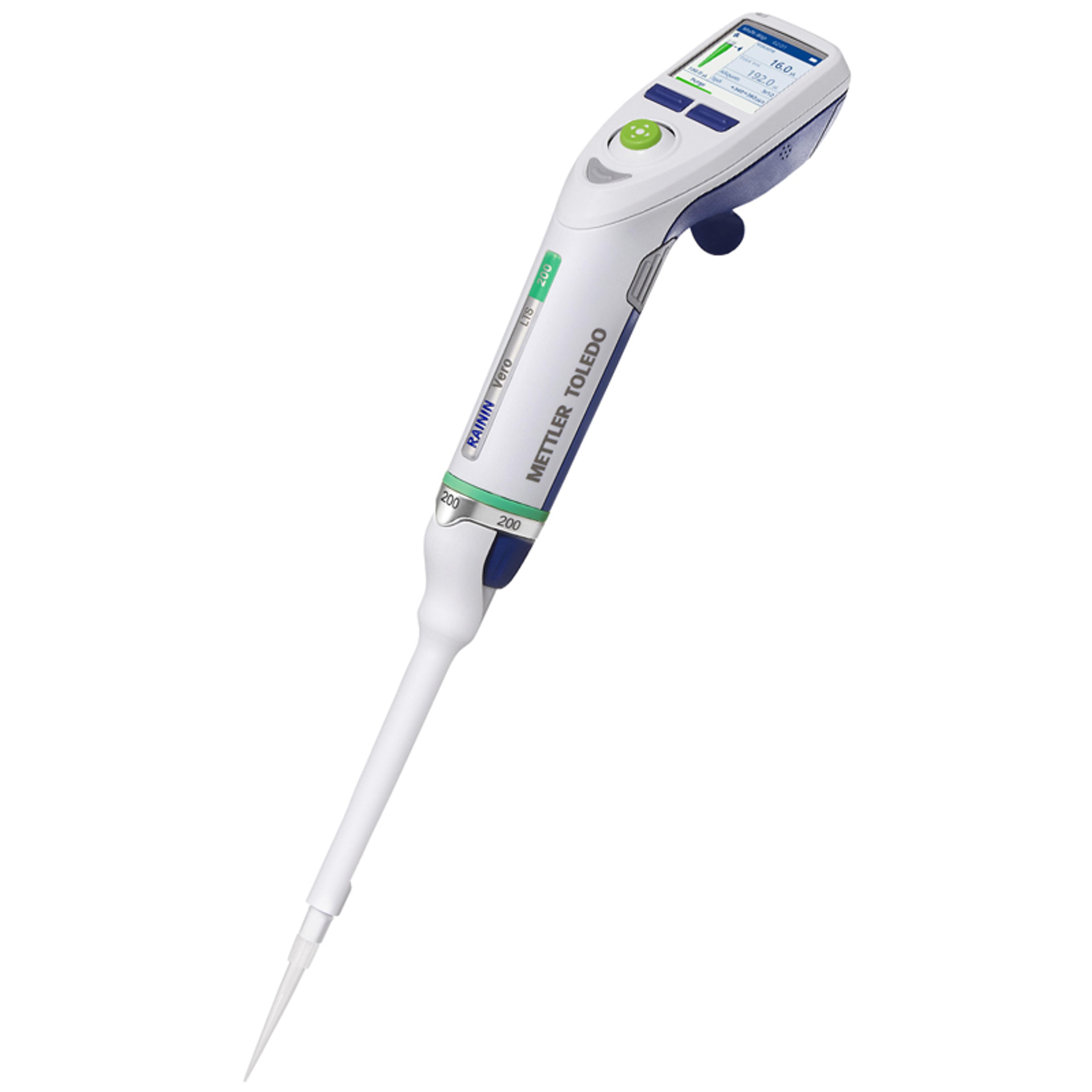
Rainin Vero Electronic Single Channel Pipettes
RaininRainin Vero™ electronic pipettes deliver confidence in every pipetting step with industry-leading accuracy, intuitive joystick navigation and customizable protocols. Designed for comfort and control, Vero reduces variability, protects workflows with secure pre-sets and GLP features, and streamlines everyday pipetting across a wide volume range.
Other videos from Rainin
Links
Related content
Tags
Frequently asked questions
Show frequently asked questions
How does HTMP Bio use the Vero pipette to improve high-throughput drug screening and disease modeling?
HTMP Bio, a San Diego-based biotech startup, uses the Vero pipette across experimental prep, cell culture, and high-throughput micro-well-based assays. By precisely controlling microliter-per-second aspiration and dispensing speeds, they minimize cell loss and displacement in their microphysiological platforms, improving reproducibility in physiologically relevant drug screening and disease modeling.
Why did HTMP Bio choose the Vero pipette over other manual and automatic pipettes?
HTMP Bio selected the Vero because it uniquely combines microliter-level precision with programmable aspiration and dispensing speeds, such as 36 or 47 microliters per second. Other automatic pipettes they evaluated could not set specific speeds. Vero was also affordable, light, ergonomic, and easy to integrate into their workflow, making it the only viable option for their high-throughput micro-well-based platform.
How does precise pipetting speed with Vero enhance reproducibility for HTMP Bio’s micro-well-based platform?
Using Vero, HTMP Bio systematically tested pipetting speeds from 30 to 200 microliters per second and measured resulting cell loss and displacement in their micro-well-based platform. This allowed them to define a maximum safe pipetting speed and later instruct end users, “Do not pipette past this speed,” directly improving experimental reproducibility and reliability for scientists using their products.