Next-Generation Mapping: Detecting Unbalanced and Balanced Structural Variants
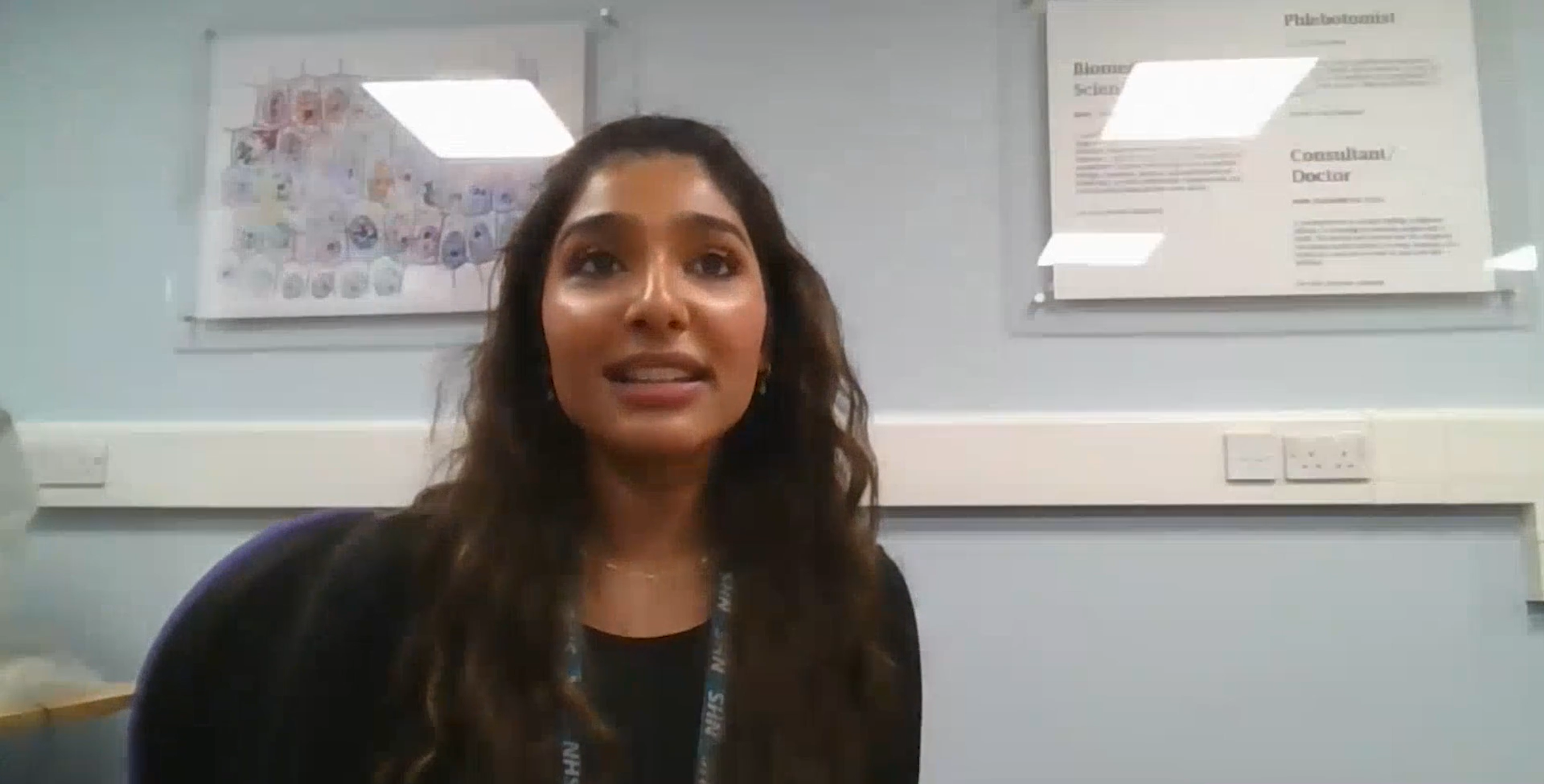
3 Jul 2019In this video, Dr. Laïla El Khattabi, Associate Professor, APHP Cochin, Paris Descartes University, discusses the use of next-generation mapping using Bionano Genomic’s novel, non-sequencing-based technology and how this enables the identification of structural variants (SVs) within the human genome that can be missed by current massively parallel sequencing methods.
Through a study of 29 patients in a routine cytogenetic laboratory setting, the data presented here demonstrates the potential to improve the resolution of the pan-genome detection of different sorts of SVs in a simple, comprehensive test. This approach could have a significant clinical impact on SV-associated diseases, such as developmental disorders, as well as reproductive diseases and recurrent miscarriages.
About the company

SelectScience
Established in July 1998, SelectScience is the fastest way to impartial, expert opinion about the best laboratory equipment and latest techniques.
Related products
Request Quote for All Products
Saphyr Chip®
Bionano GenomicsThe Bionano Saphyr Chip ® utilizes hundreds of thousands of massively parallel NanoChannels that linearize long DNA molecules allowing Bionano systems to directly image your samples.

Saphyr® System
Bionano GenomicsSaphyr, Bionano’s high-speed, high-throughput genome mapping solution, detects and analyzes genome-wide structural variations with exceptional sensitivity and specificity to reveal the true structure of any genome. Saphyr’s breakthrough speed and throughput combined with unmatched structural variation sensitivity make it the ideal solution for identifying disease-associated structural variants in human genetics and oncology translational and clinical research studies.