KASP™ Genotyping Reagents
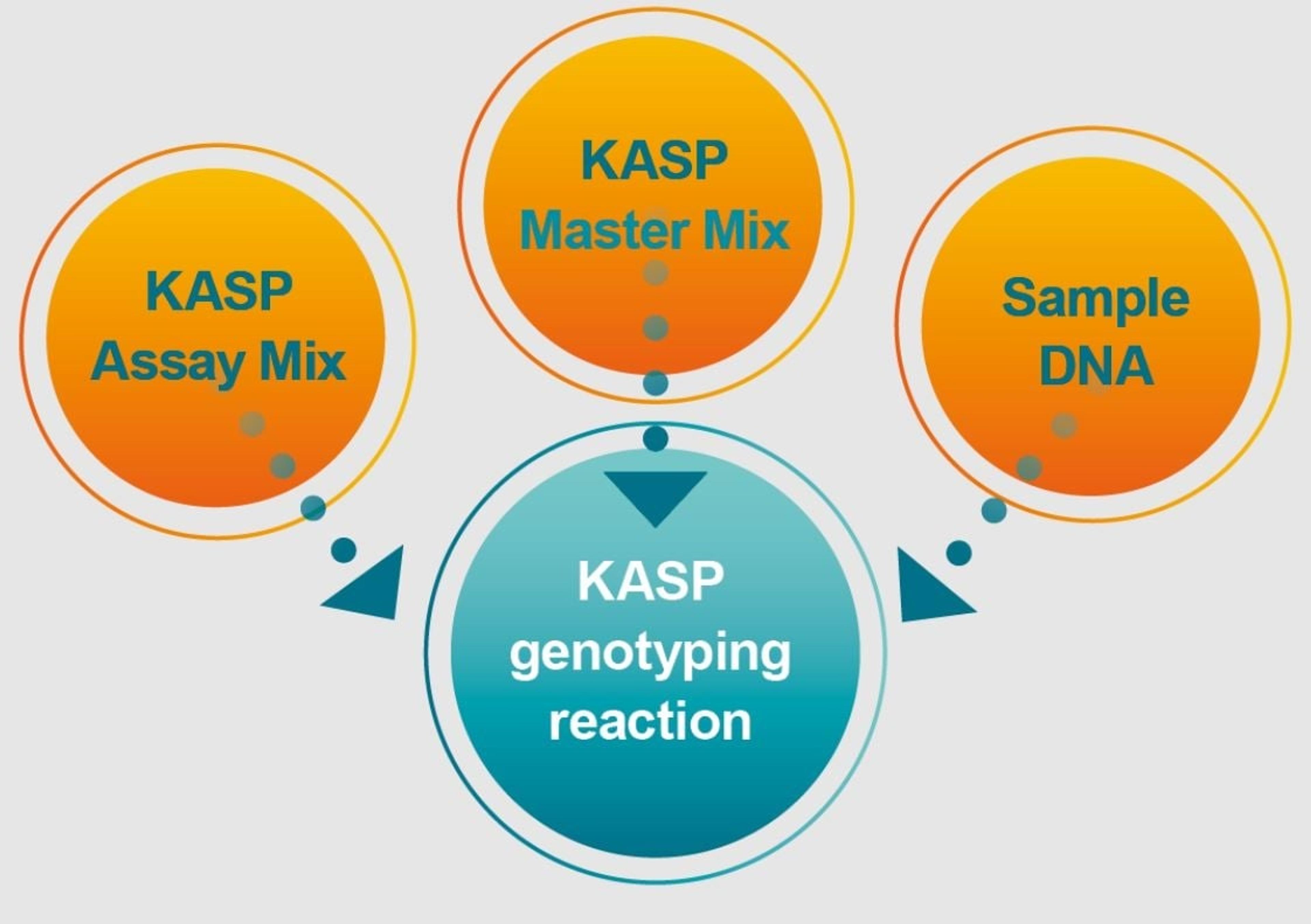
LGC Diagnostics & Genomics - Rapid Genomics Genotyping SolutionsUnmatched quality, reliability and credibility have established KASP as the foundational SNP genotyping chemistry for the Agrigenomics industry.
Unmatched quality, reliability and credibility have established KASP as the foundational SNP genotyping chemistry for the Agrigenomics industry.
Overcome shared lab challenges with Avanti JXN Series Centrifuges
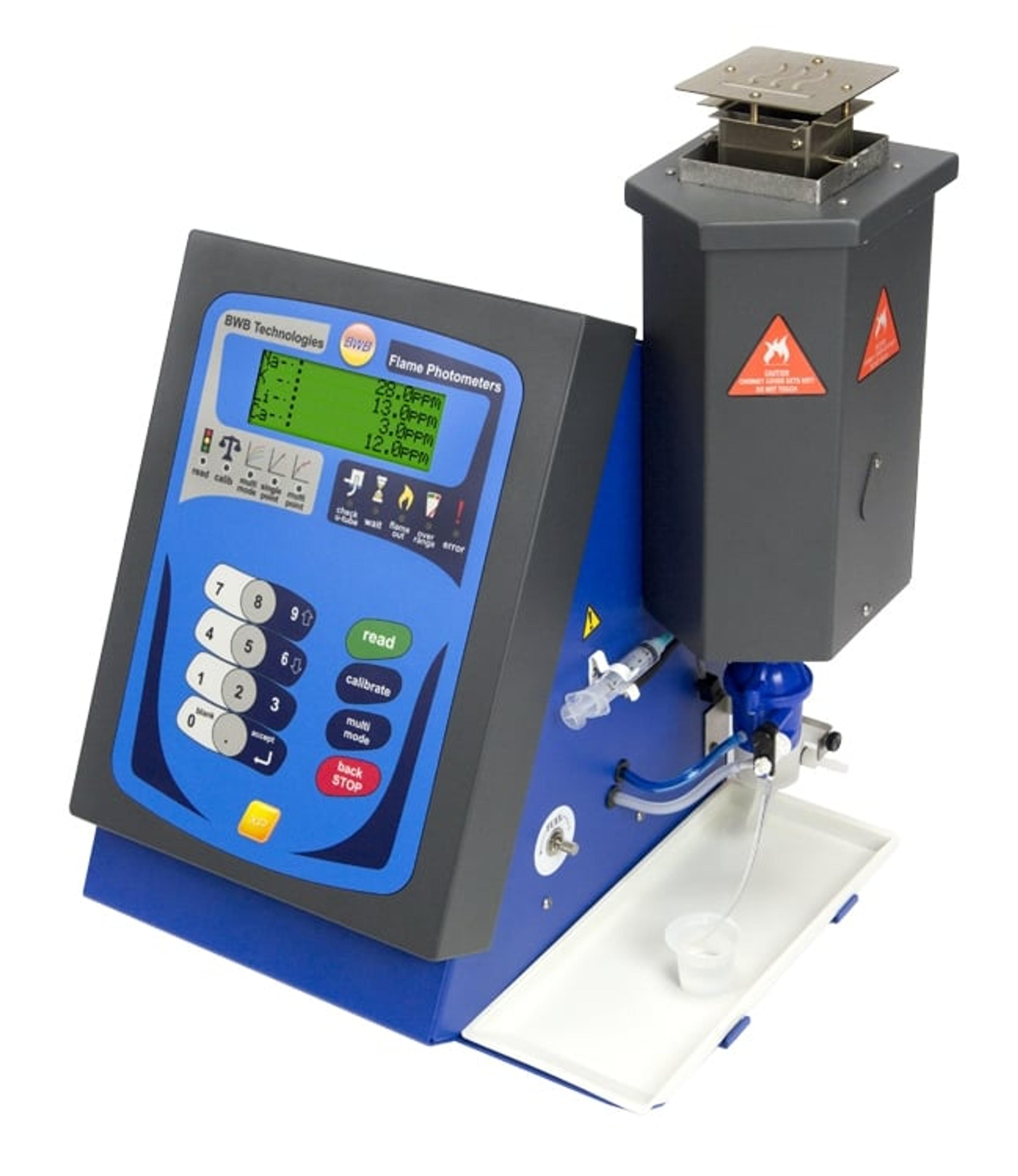
A five channel digital Flame Photometer.
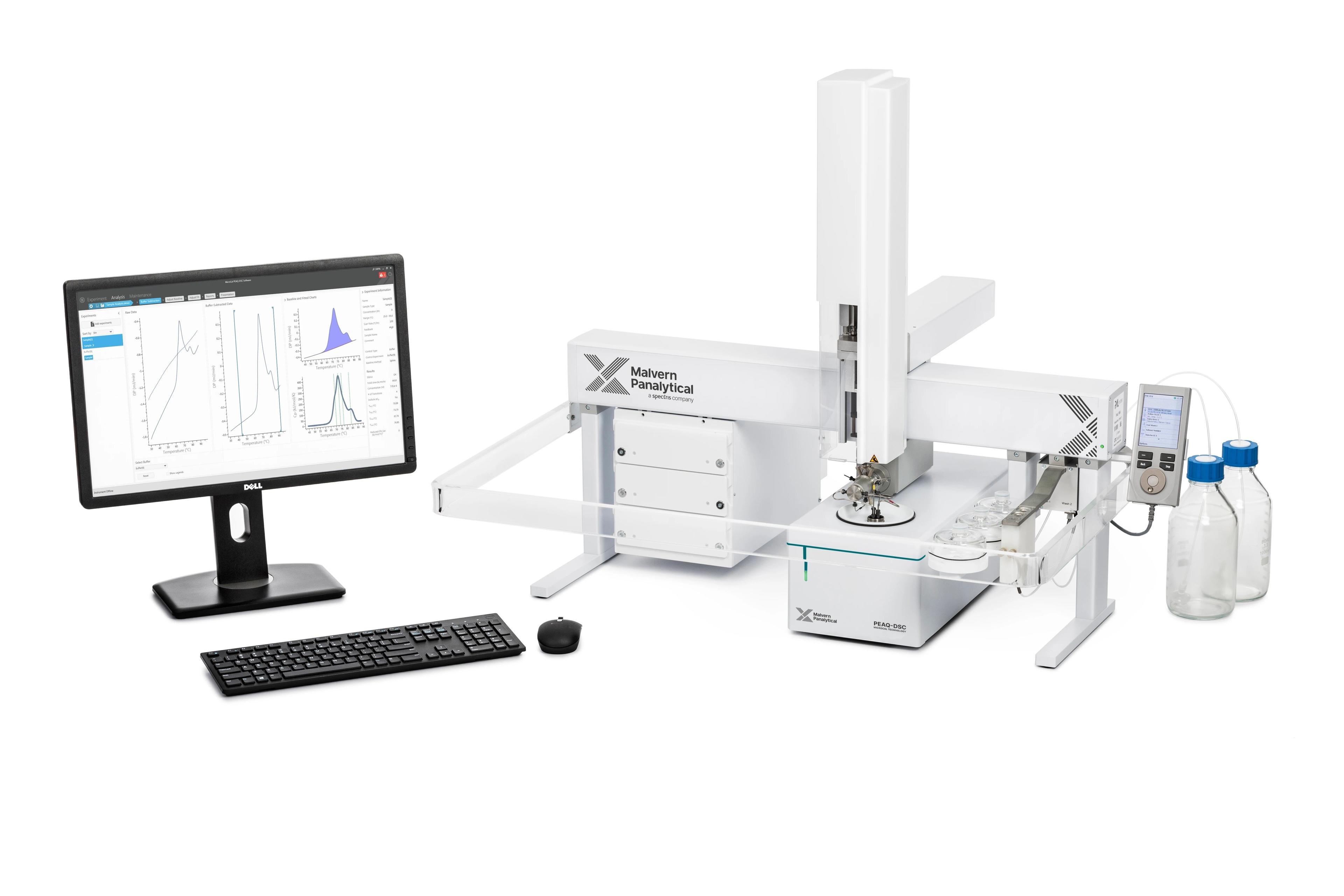
Gold standard protein stability analysis for the regulated environment
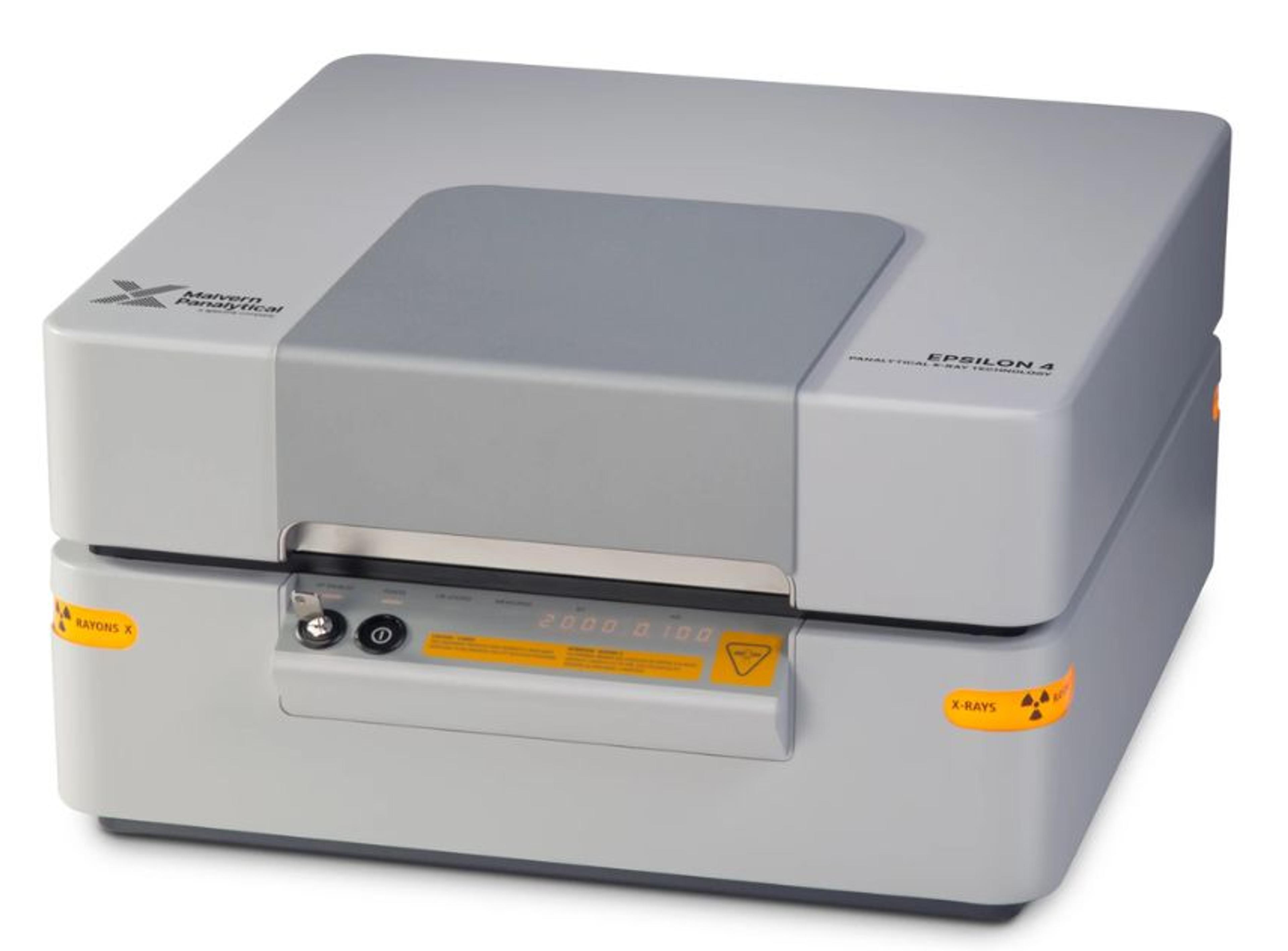
Trust your product quality
The ChemiDoc MP Imaging System is a full-feature, best-in-class instrument for imaging and quantifying nucleic acid and protein in gels and western blots. It is capable of imaging fluorescent western blots (RGB, far-red, near-IR), chemiluminescent western blots, all common nucleic acid and protein gel stains, plus stain-free gels. Includes internal computer, 12
Highly customizable inventory management to organize any type of sample in the lab.
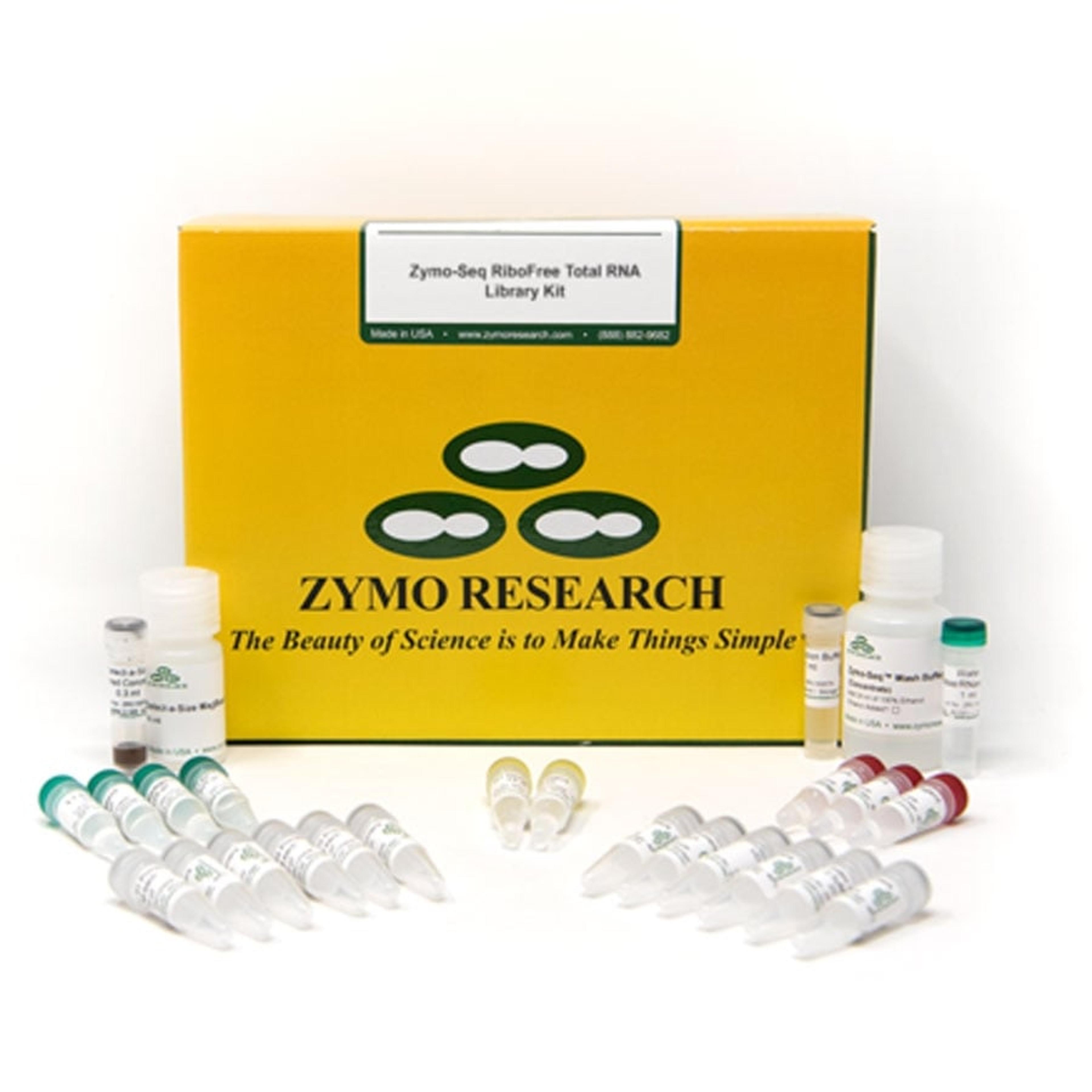
Compatible with any sample: Probe-free technology depletes rRNA & Globin from any RNA source.
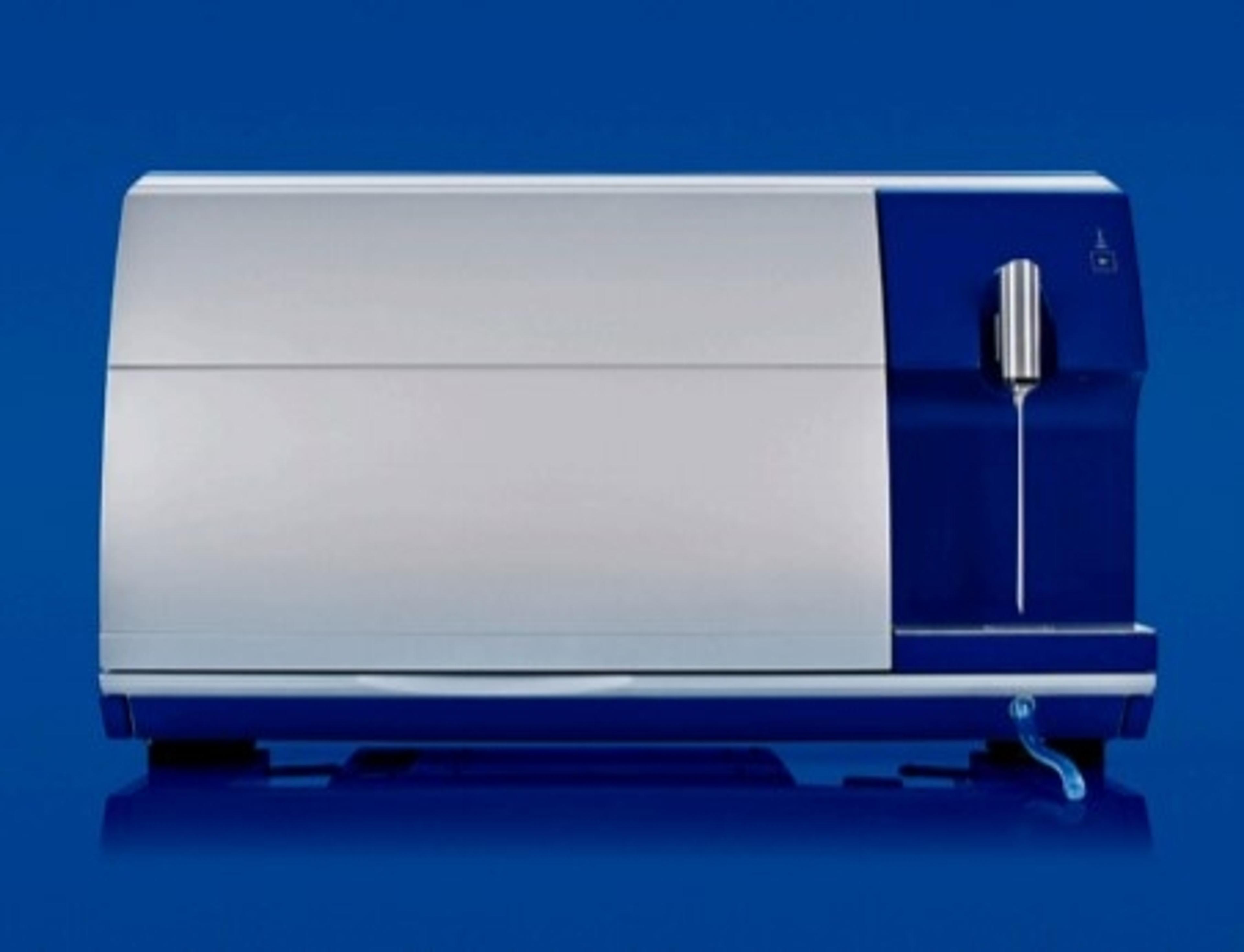
Wine analyzer for rapid and accurate analysis of wine parameters
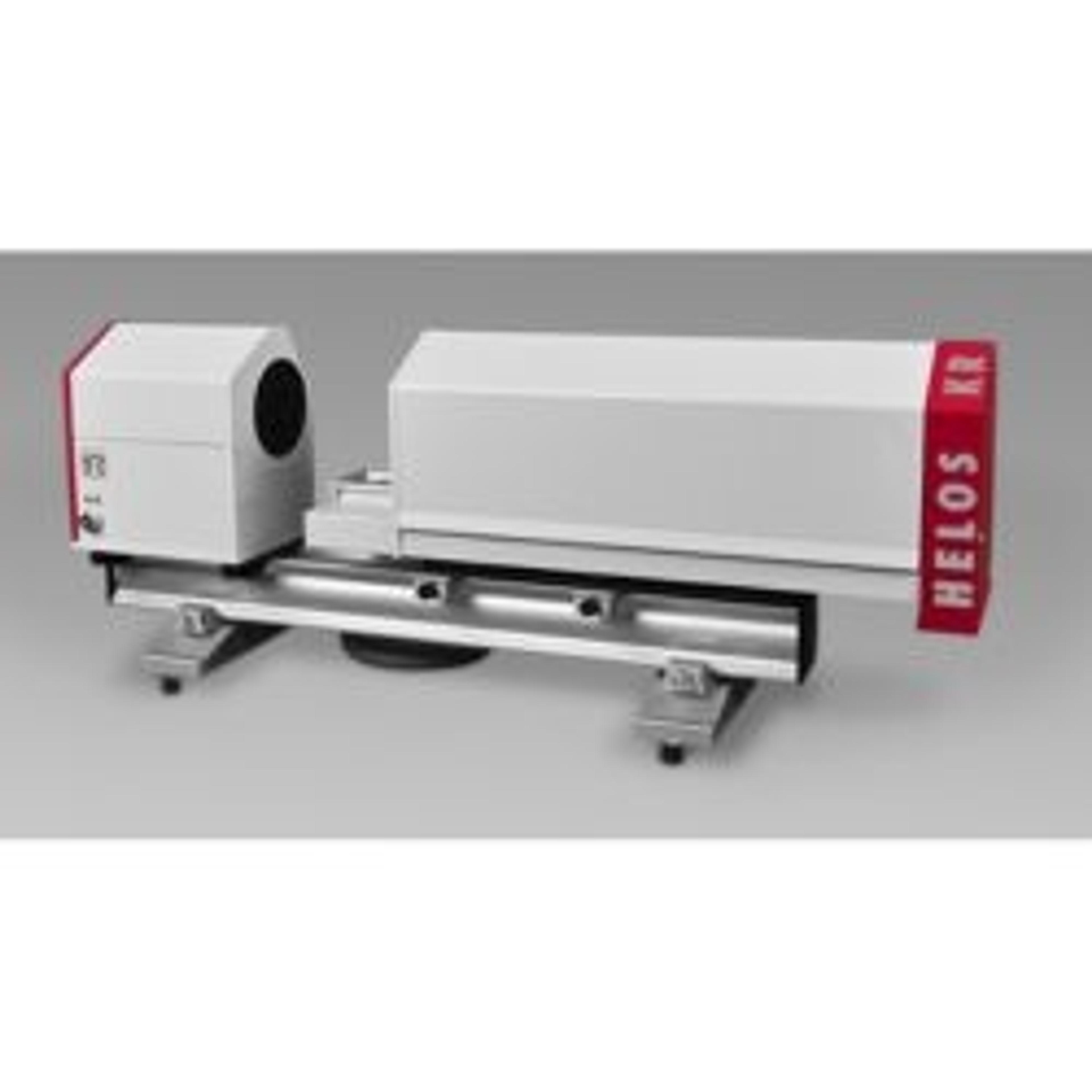
Particle size analysis for extended aerosols and sprays containing droplets or solid particles ranging from 0.5 µm to 3,500 µm in a flexible measurement setup
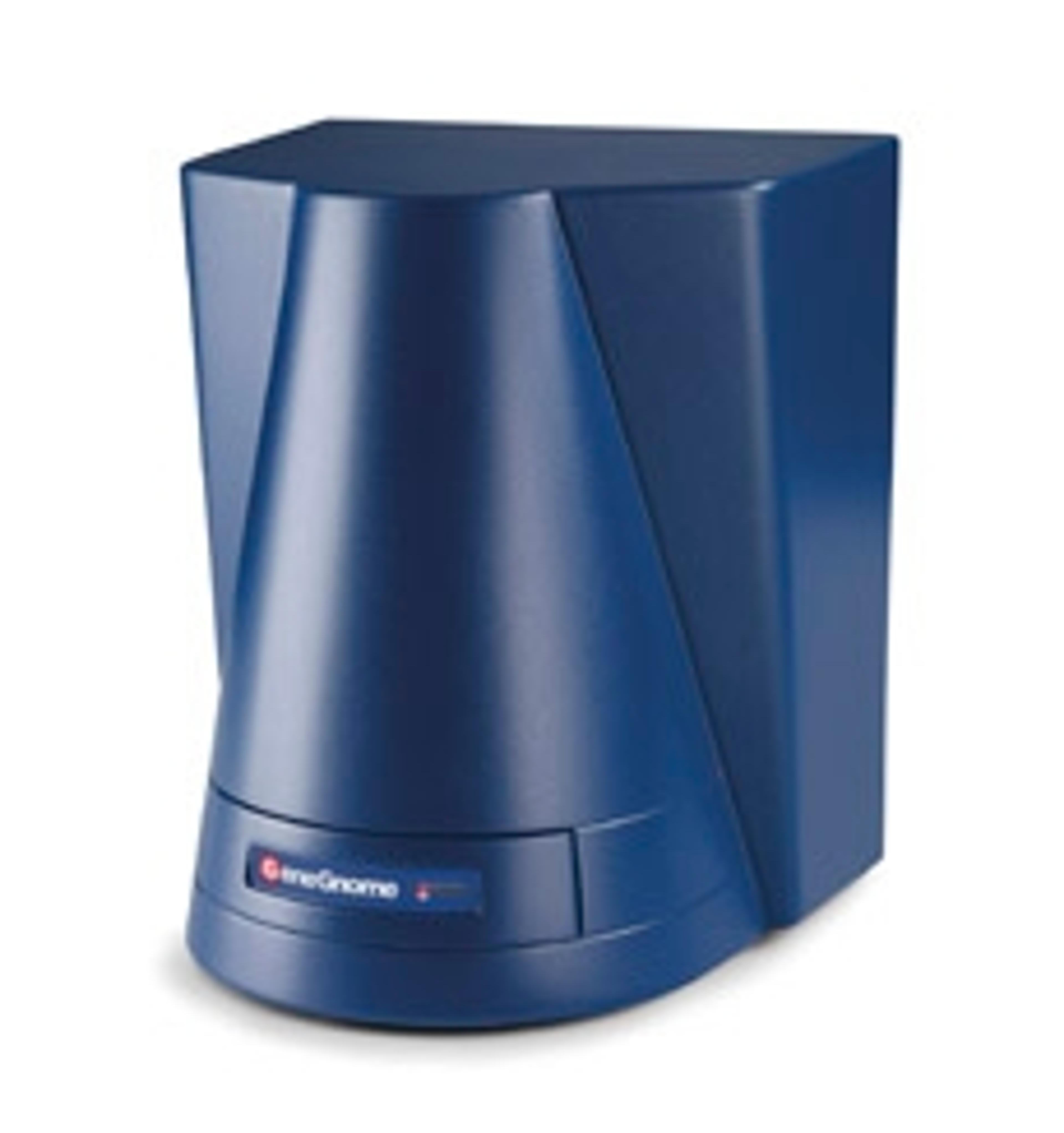
GeneGnome is a dedicated chemiluminescence imaging system. Utilising the GeneGnome XRQ’s optimised short ‘camera to sample’ technology, you’ll get more than double the dynamic range of film, making it easy for you to see picogram or femtogram protein levels without all the fuss.
Alps Dx introduces Xpressor™, a filtration and capping solution designed to simplify oral fluid sample preparation and improve preanalytical consistency
A complete system for lead-to-answer screening in ion channel assays
The new intuitive interface provides step-by-step guidance to enhance ease of use
Poster explores BOLD-100's unique ability to mitigate oxaliplatin-induced peripheral neuropathy (OIPN)
CN Bio shares why organ-on-a-chip technology outperforms traditional 2D cell cultures and animal models