
Search results for "flow cytometry"
Results per page
25
10000 Results Found | Selected Filters:

ProductsGeneral Lab
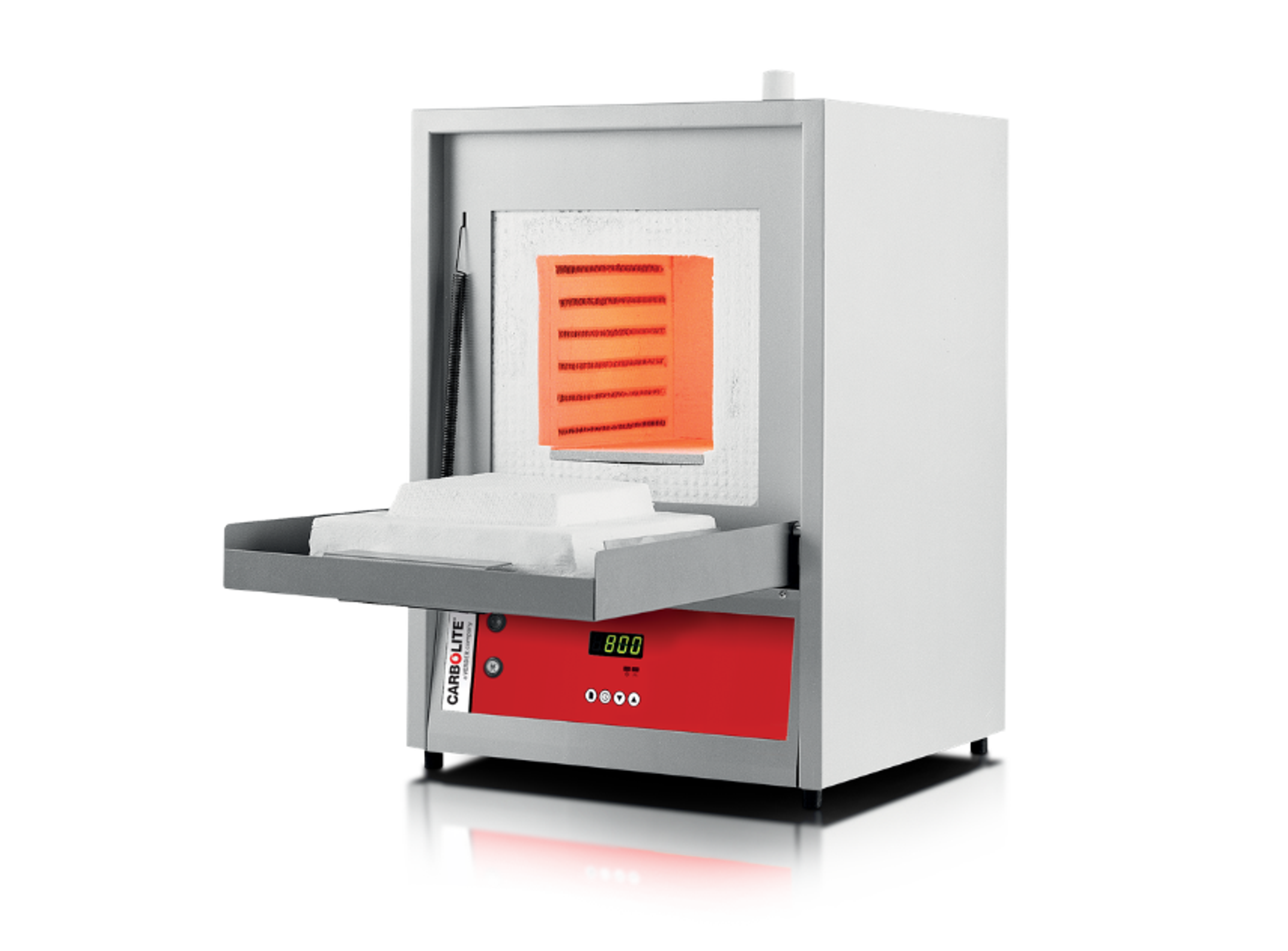
ELF laboratory furnaces
Carbolite (a VERDER company)The ELF laboratory furnaces comprise 3 bench mounted models designed for light duty and general use up to 1100 °C.

Application NoteDrug Discovery & Development
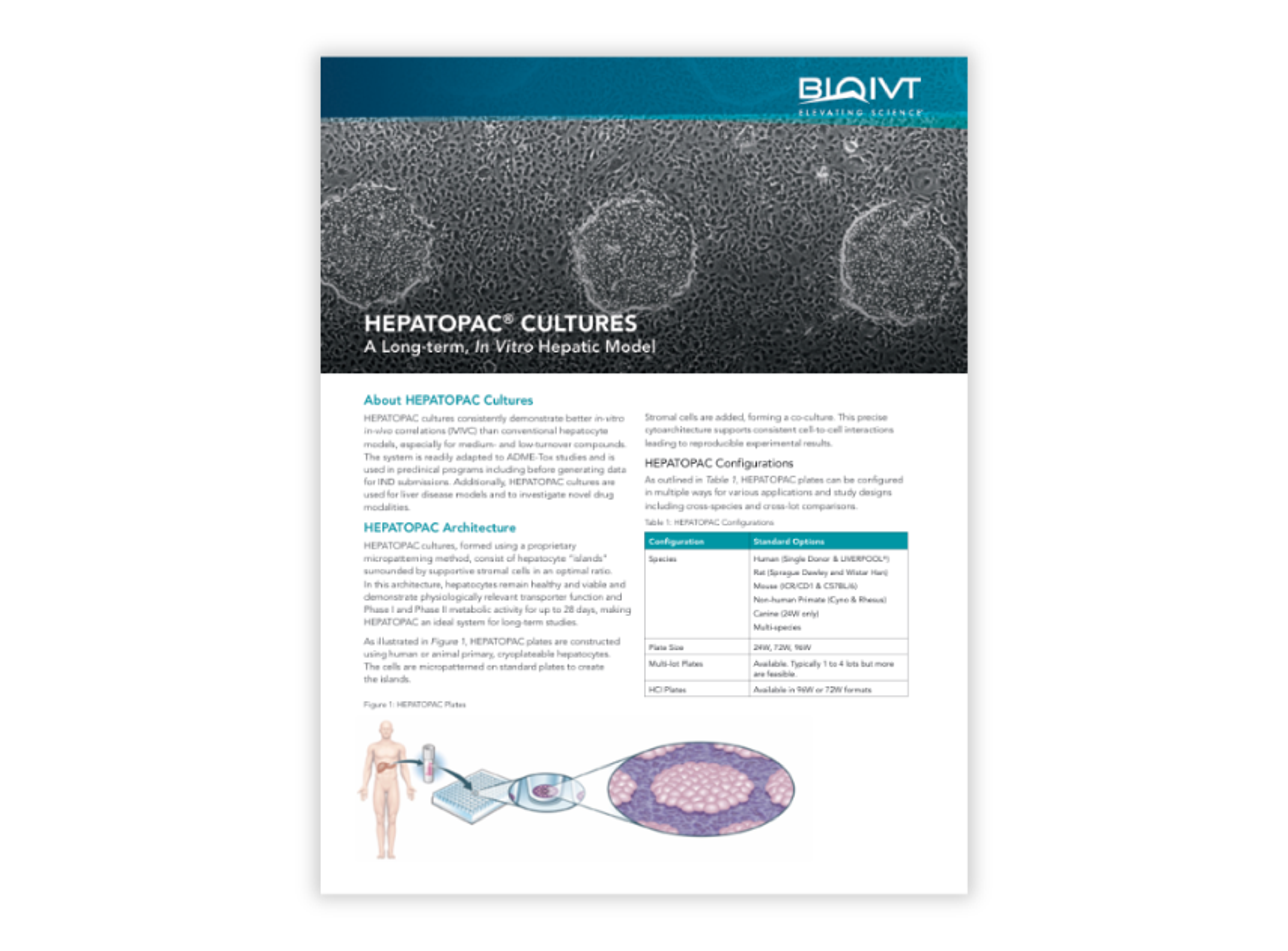
HEPATOPAC cultures

Application NoteDrug Discovery & Development
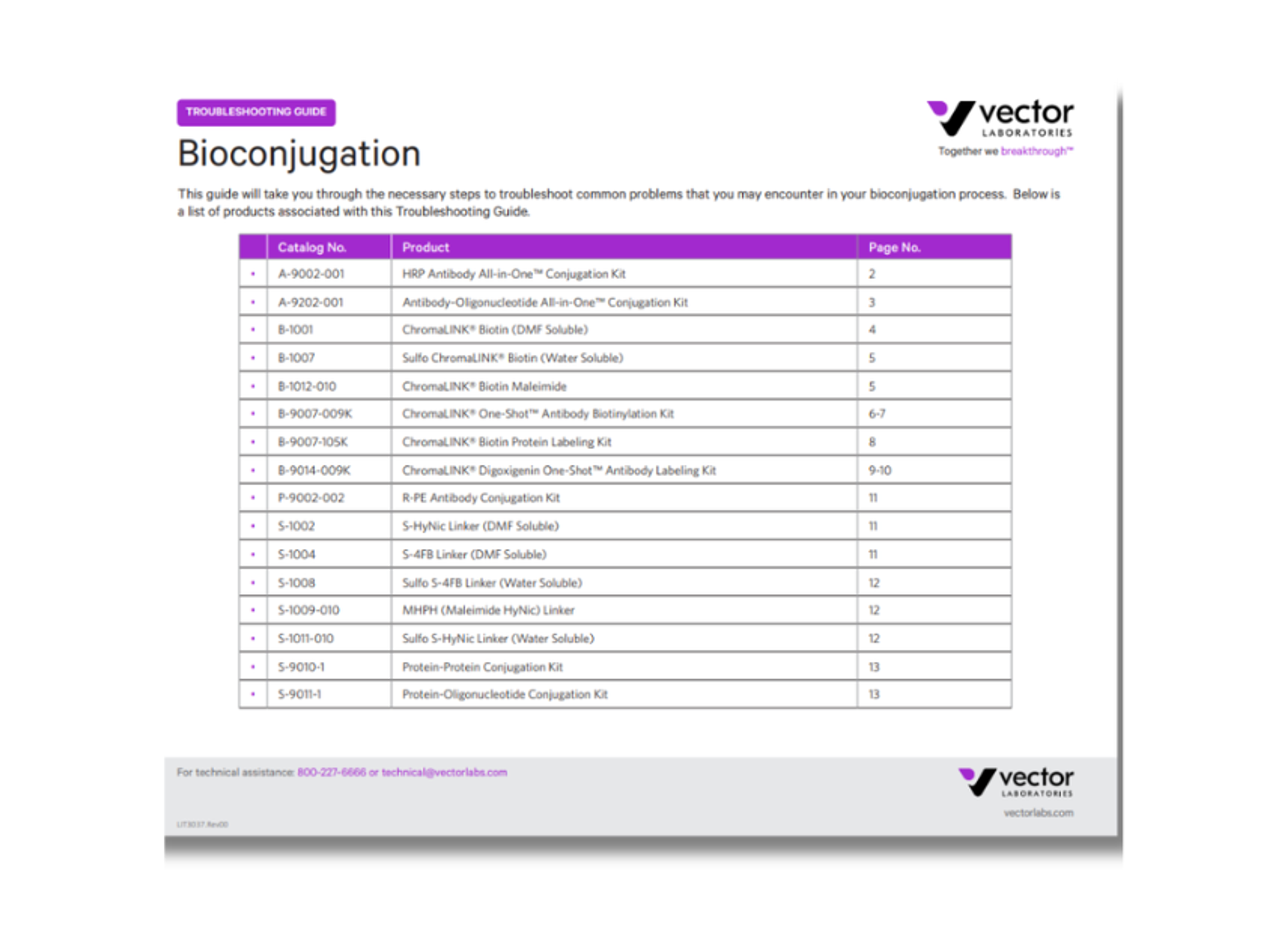
Bioconjugation troubleshooting guide
Application NoteClinical Diagnostics
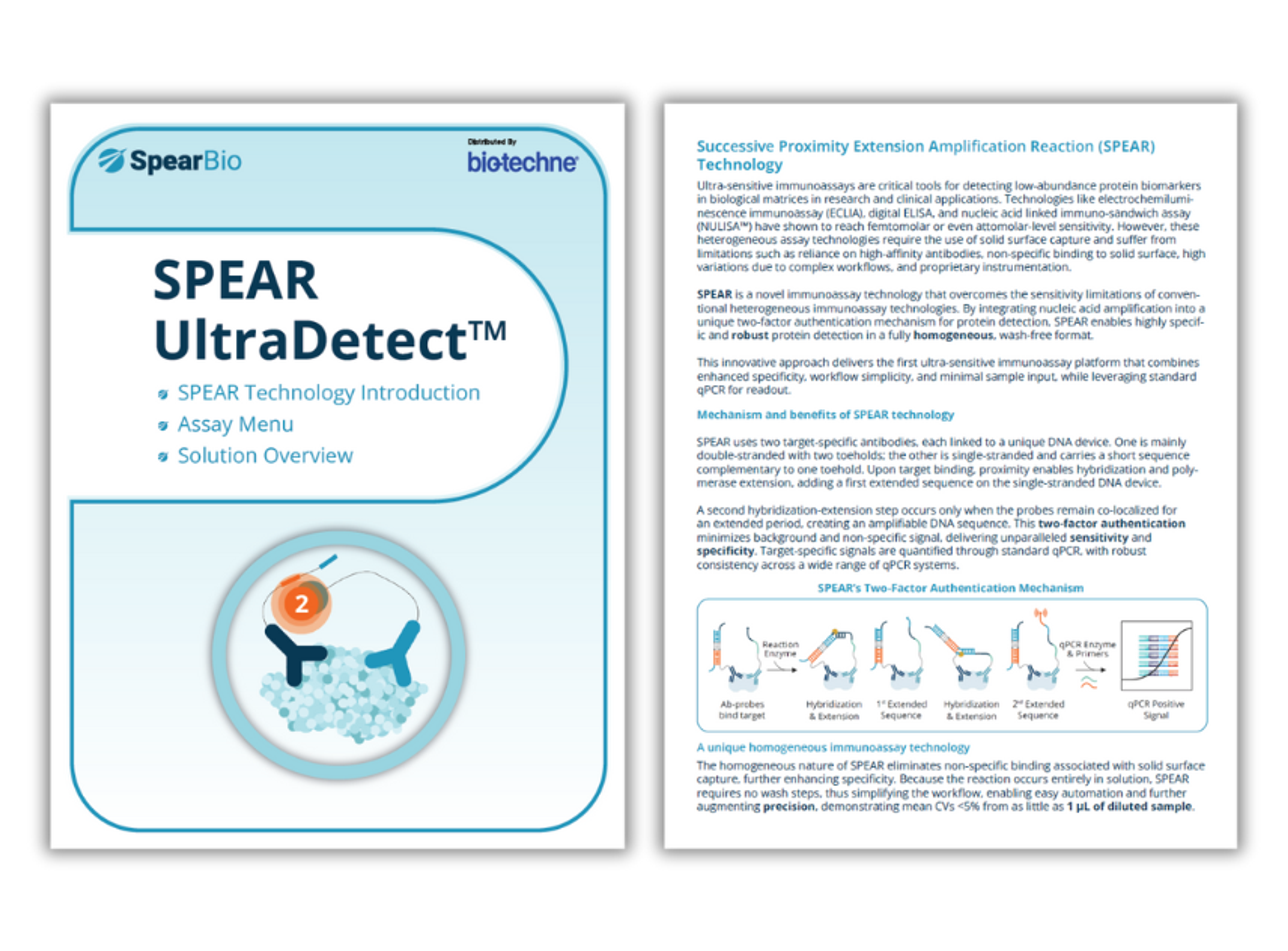
SPEAR UltraDetect brochure
Application NoteLife Sciences
Phenotypic Screening and In Vitro Toxicology: Applications of Far‐Red Fluorescing DNA-Specific Anthraquinones in Cell‐Based Assays
Phenotypic Screening and In Vitro Toxicology: Applications of Far‐Red Fluorescing DNA-Specific Anthraquinones in Cell‐Based Assays

ProductsLife Sciences
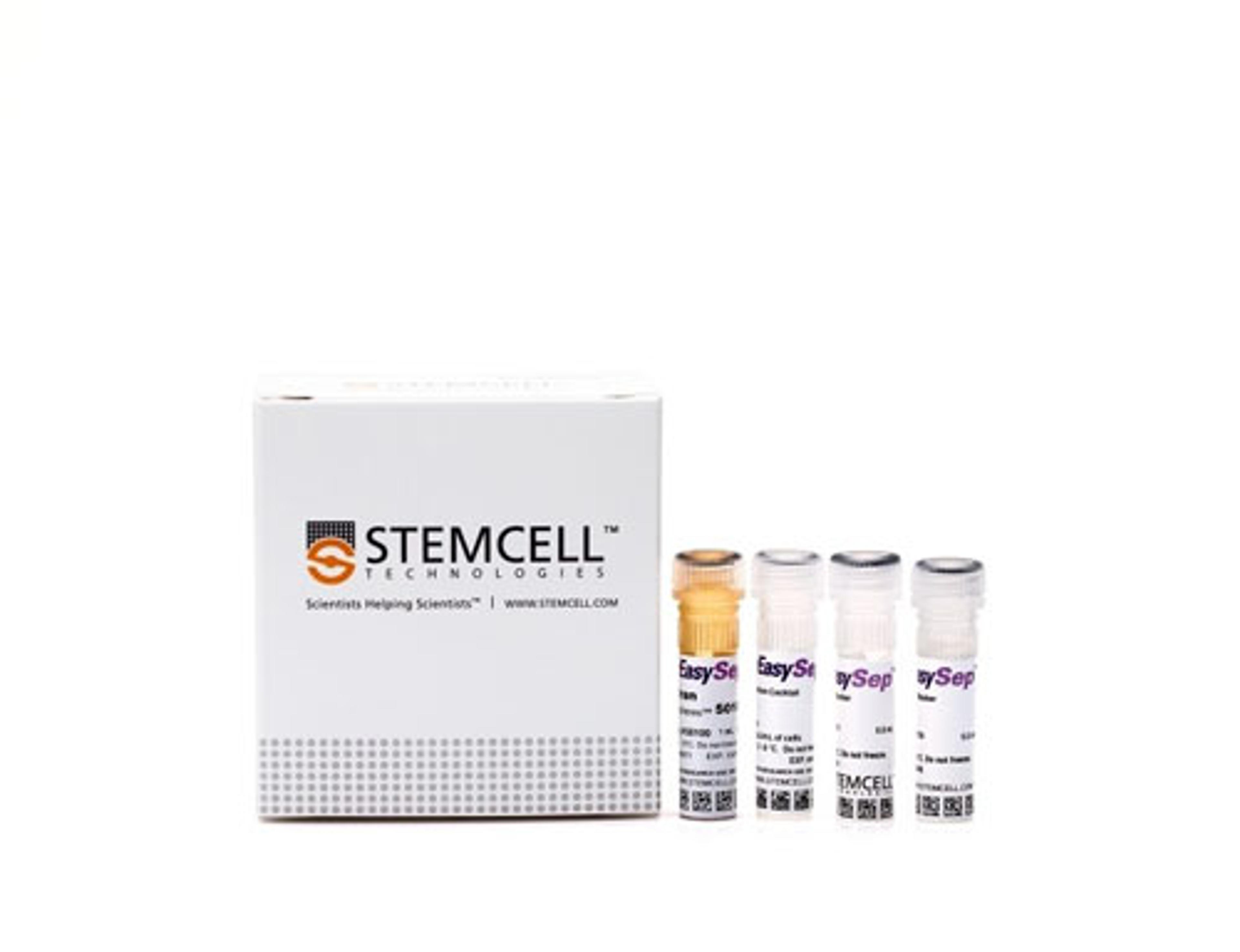
EasySep™ Mouse CD138 Positive Selection Kit
STEMCELL Technologies Inc.Immunomagnetic positive selection kit
ProductsLife Sciences
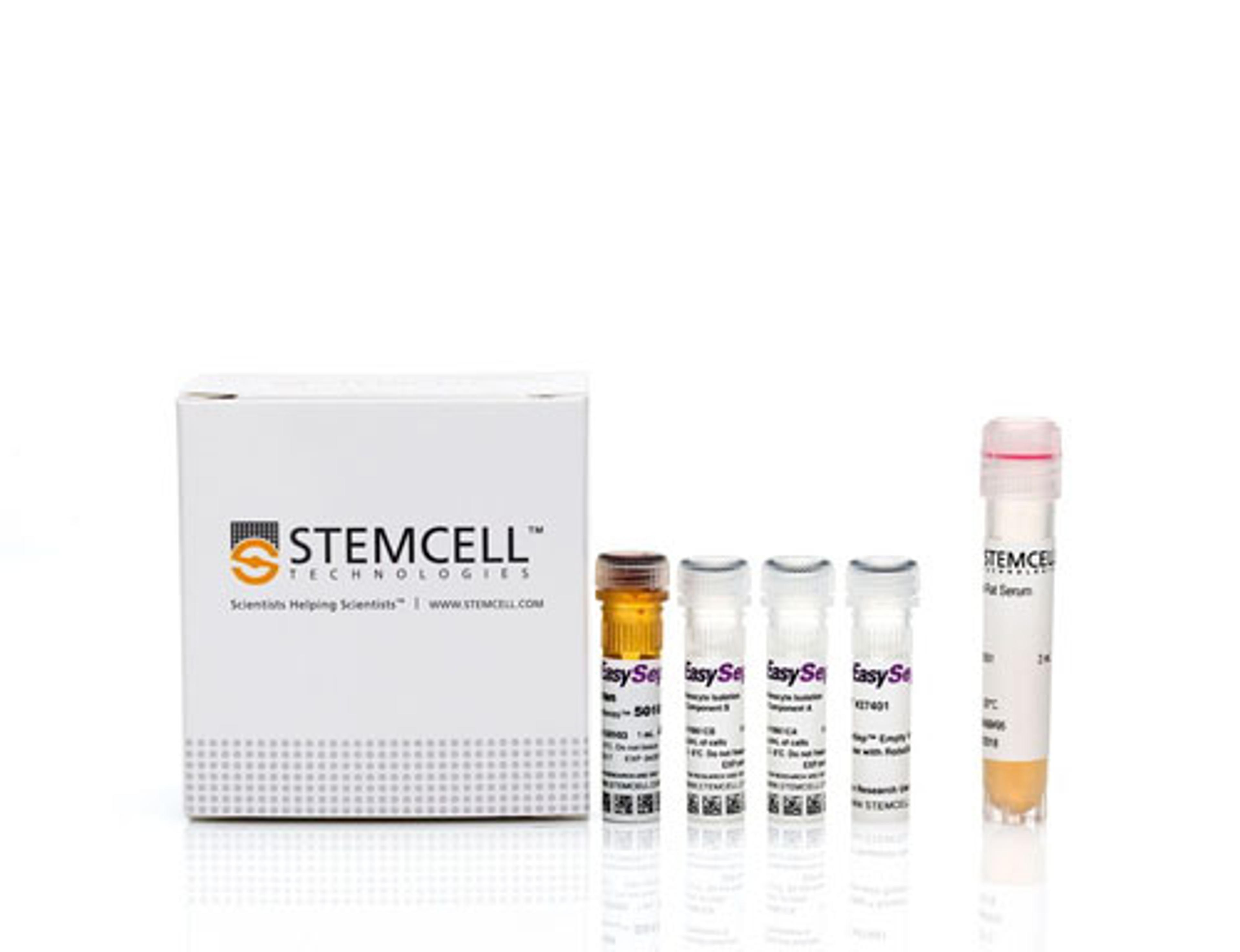
EasySep™ Mouse Monocyte Isolation Kit
STEMCELL Technologies Inc.15-Minute cell isolation kit using immunomagnetic negative selection
ProductsSeparations
ZORBAX Extend-C18 (USP L1)
Agilent TechnologiesExtend-C18 columns incorporate a unique patented bidentate silane, combined with a double-endcapping process that protects the silica from dissolution at high pH - up to pH 11.5.
ProductsGeneral Lab
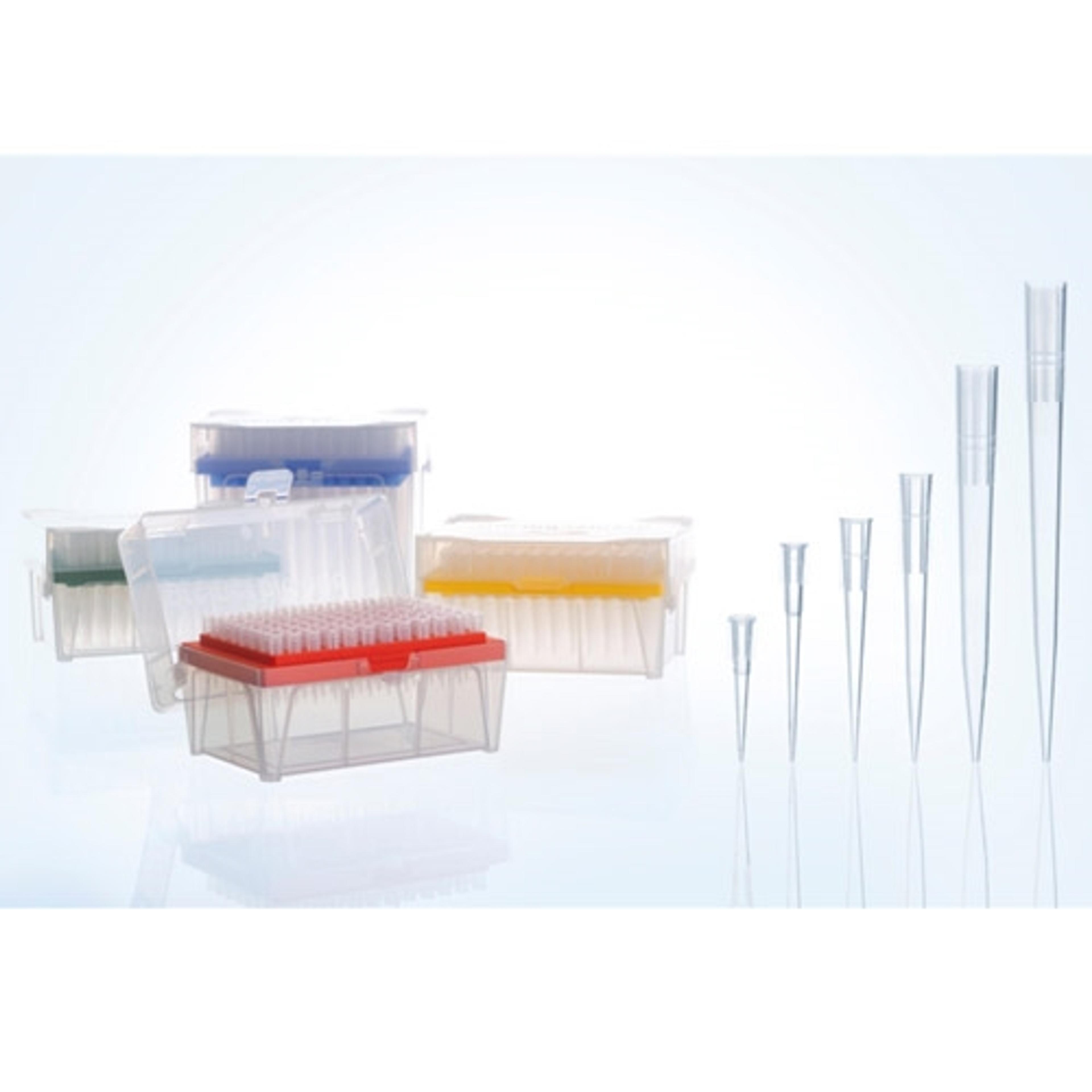
Sapphire Pipette Tips & Filter Tips
Greiner Bio-One GmbHOptimized liquid handling solutions for all your daily requirements
Products
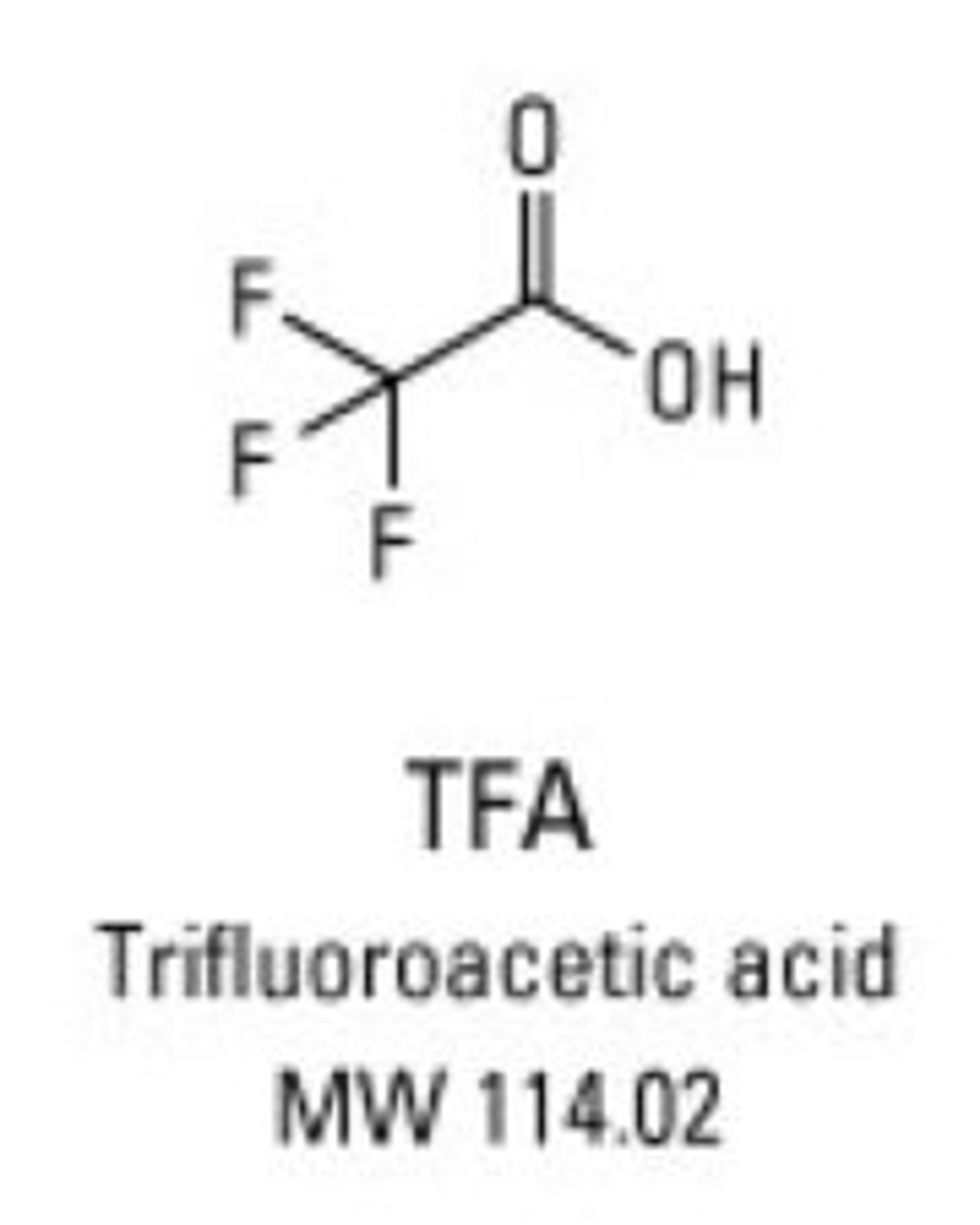
Thermo Scientific™ Pierce™ Trifluoroacetic Acid (TFA), Sequencing grade
Thermo Fisher ScientificPierce Trifluoroacetic Acid (TFA), Sequencing grade is manufactured and tested to meet strict specifications that ensure superior performance for use as an ion-pairing agent in reverse-phase peptide separations.

ProductsSeparations
Rxi®-5HT (Fused Silica) GC columns
Restek Corp.Restek's new line of fused silica capillary GC columns - Rxi® columns - is now available!
Products
QuantiNova Multiplex RT-PCR Kit (500)
QIAGENFor highly sensitive and specific one-step qRT-PCR and multiplex qRT-PCR using sequence-specific probes or one-step qPCR using SYBR® Green I for gene expression analysis
ProductsGeneral Lab
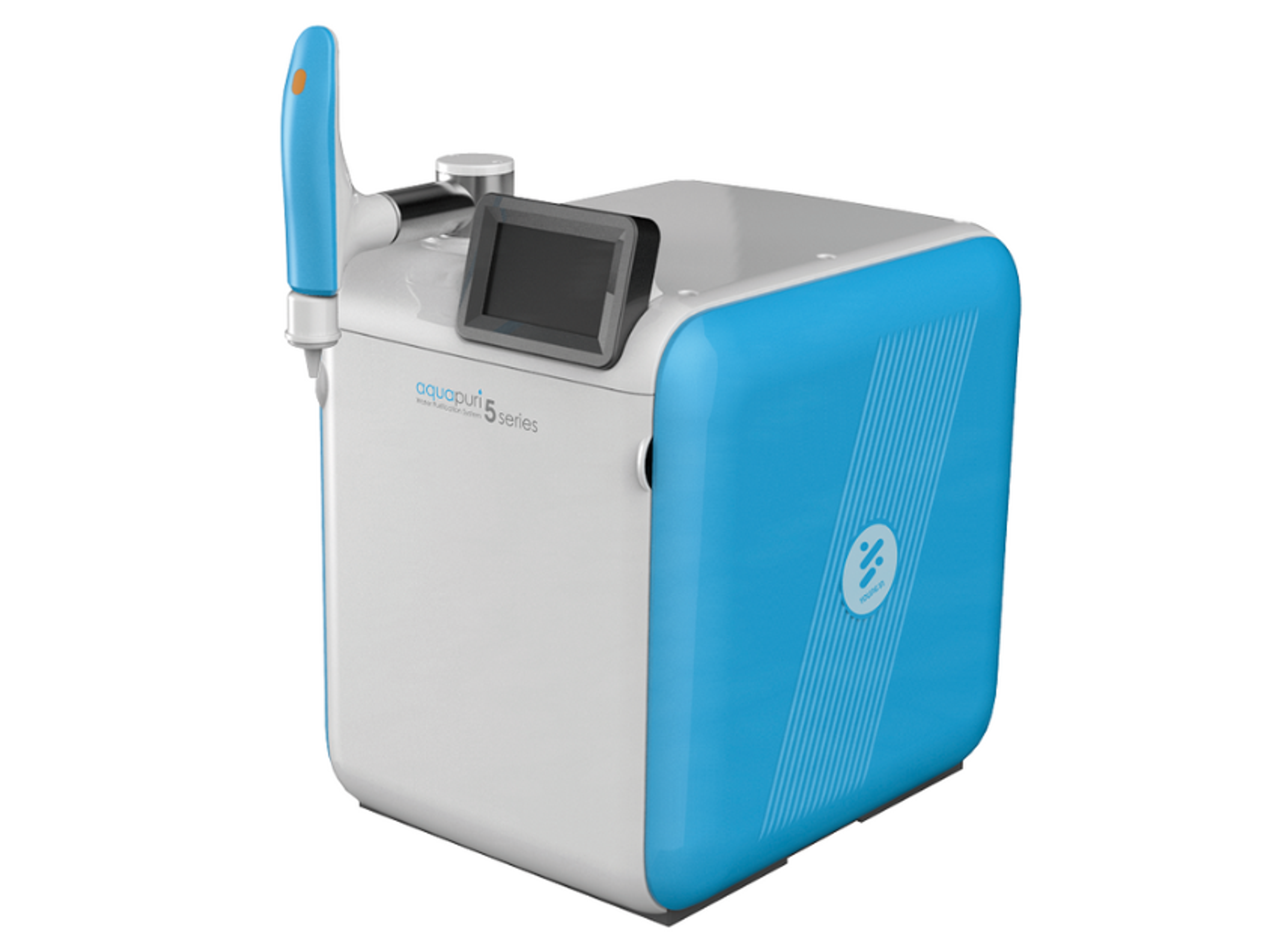
aquapuri 5 Series
YOUNG IN Chromassaquapuri 5 series satisfy all of your needs with a versatile product range while ensuring excellent water quality and user-friendly operation. The tank-less integrated models (541/551 series) produce Type I grade water from tap water by eliminating the possibility of tank contamination.
ProductsGeneral Lab
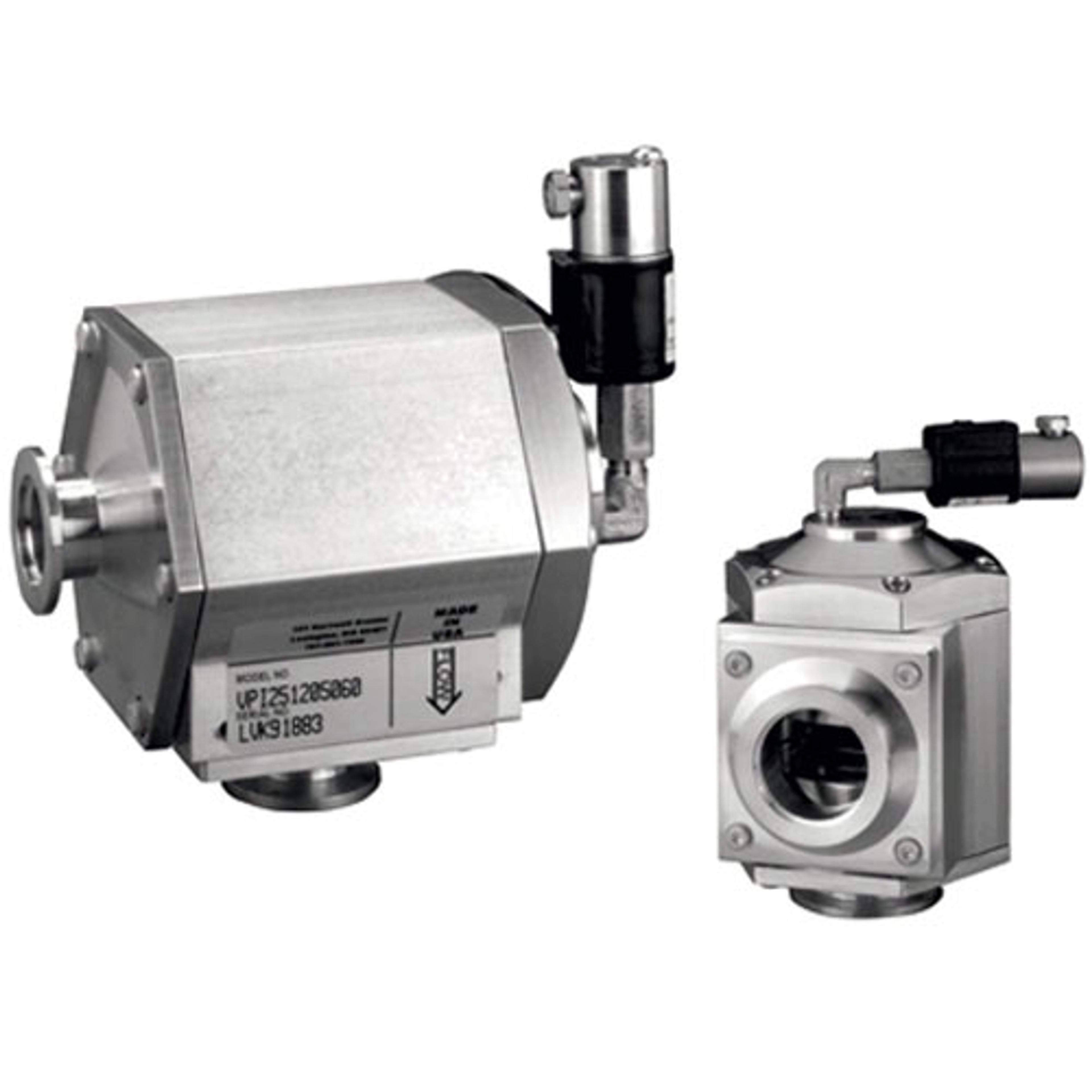
Vacuum Pump Isolation Valve (VPI)
Agilent TechnologiesAgilent vacuum pump isolation (VPI) valves are inlet protection valves that electrically connect with the mechanical pump. The valves close rapidly when power is interrupted to prevent oil backstreaming or particle migration into the vacuum system. They also vent the pump from the inlet side, pushing any debris towards the outlet, and preventing it from being swept into the system when pumping is restarted.
ProductsSeparations
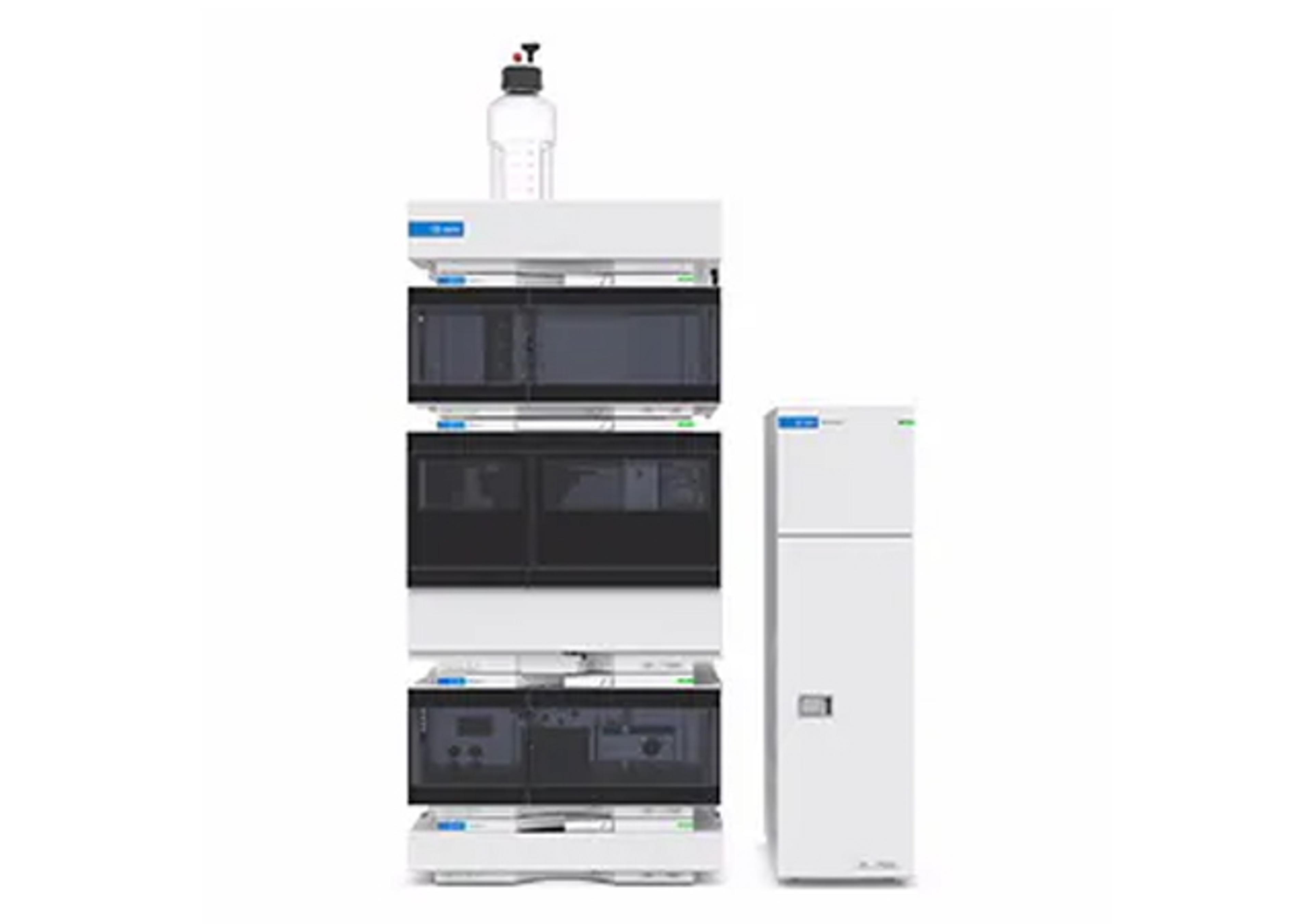
Agilent 1260 Infinity II GPC/SEC System
Agilent TechnologiesThe 1260 Infinity II GPC/SEC System is designed to meet the challenges faced by today’s polymer analysis. This versatile size exclusion chromatography (SEC) and gel permeation chromatography (GPC) system provides accuracy and high performance.