
ResourceDrug Discovery & Development
Understanding biomolecular interactions with PEAQ-ITC systems
22 Oct 2026This brochure explores how isothermal titration calorimetry (ITC) can be used to characterize biomolecular interactions in life science research and drug discovery. Learn how ITC provides direct, label-free measurement of binding affinity, stoichiometry, enthalpy and entropy in a single experiment. Discover applications ranging from enzyme kinetics and biomolecular characterization to hit validation and lead optimization, alongside guidance on using PEAQ-ITC systems to investigate binding mechanisms and structure-activity relationships.
Resource details:
Resource type: Brochure
Page count: 16
Read time: 8 mins
Related products
Request Quote for All Products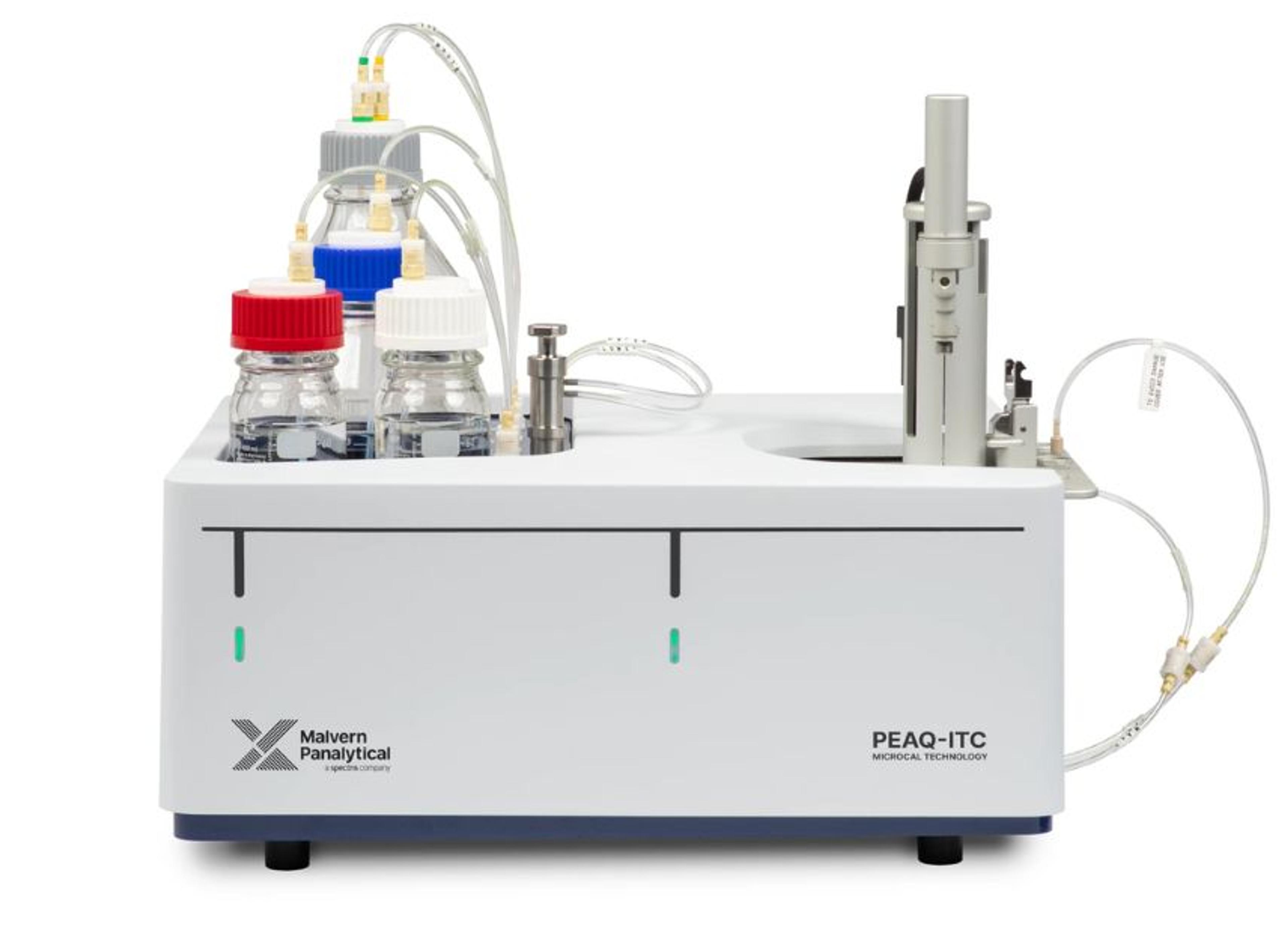
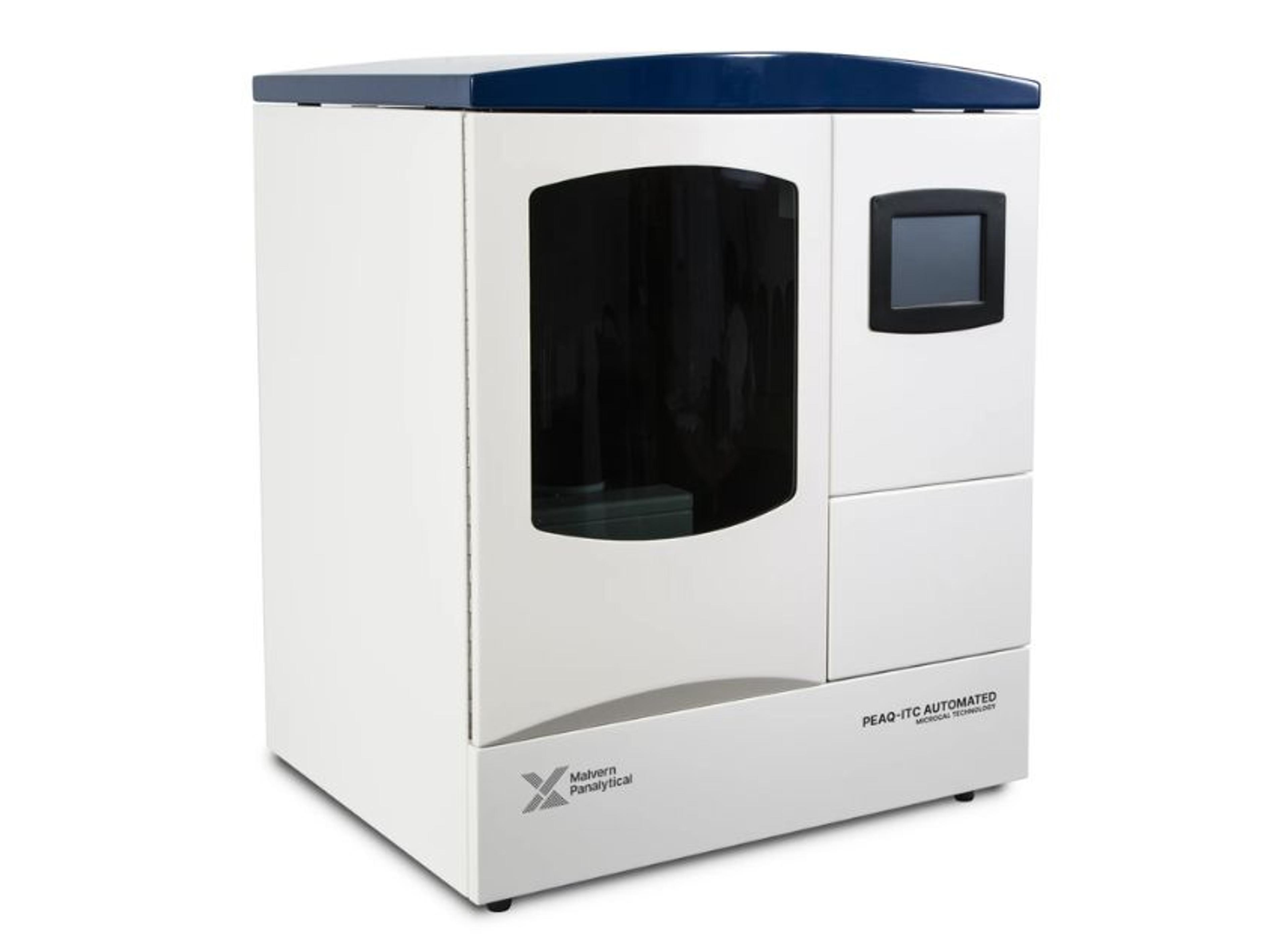
MicroCal PEAQ-ITC Automated
Malvern PanalyticalHigh productivity measurement of multiple binding parameters.
Links
Tags
Protein QuantificationThe detection and quantification of proteins in a sample is vital across life sciences, pharmaceutical research and clinical diagnostics, and a variety of equipment is available to scientists to simplify the workflow. Proteins of interest can be easily labeled and detected on light-based detection instruments. Immunoassay kits allow you to identify a specific protein of interest and protein detection beads or antibody microarrays allow you to identify multiple specific proteins at once. Protein interactions and enzyme activity can also be monitored with protein-protein interaction assays. Additionally, the biophysical characterization of proteins is made easy with biokinetic analyzers. Find the best protein detection and quantification products in our peer-reviewed product directory: compare products, check customer reviews and receive pricing direct from manufacturers.AntibodiesAntibodies are used in techniques such as confocal and fluorescence microscopy, flow cytometry, ELISA, ELISPOT, immunohistochemistry, western blotting and immunopreciptation. Select specific antigen reactivity, high specific affinity, low non-specific binding, monoclonal or polyclonal, primary or secondary antibodies and associated conjugates such as an enzyme or dye for visualization.Biophysical Characterization