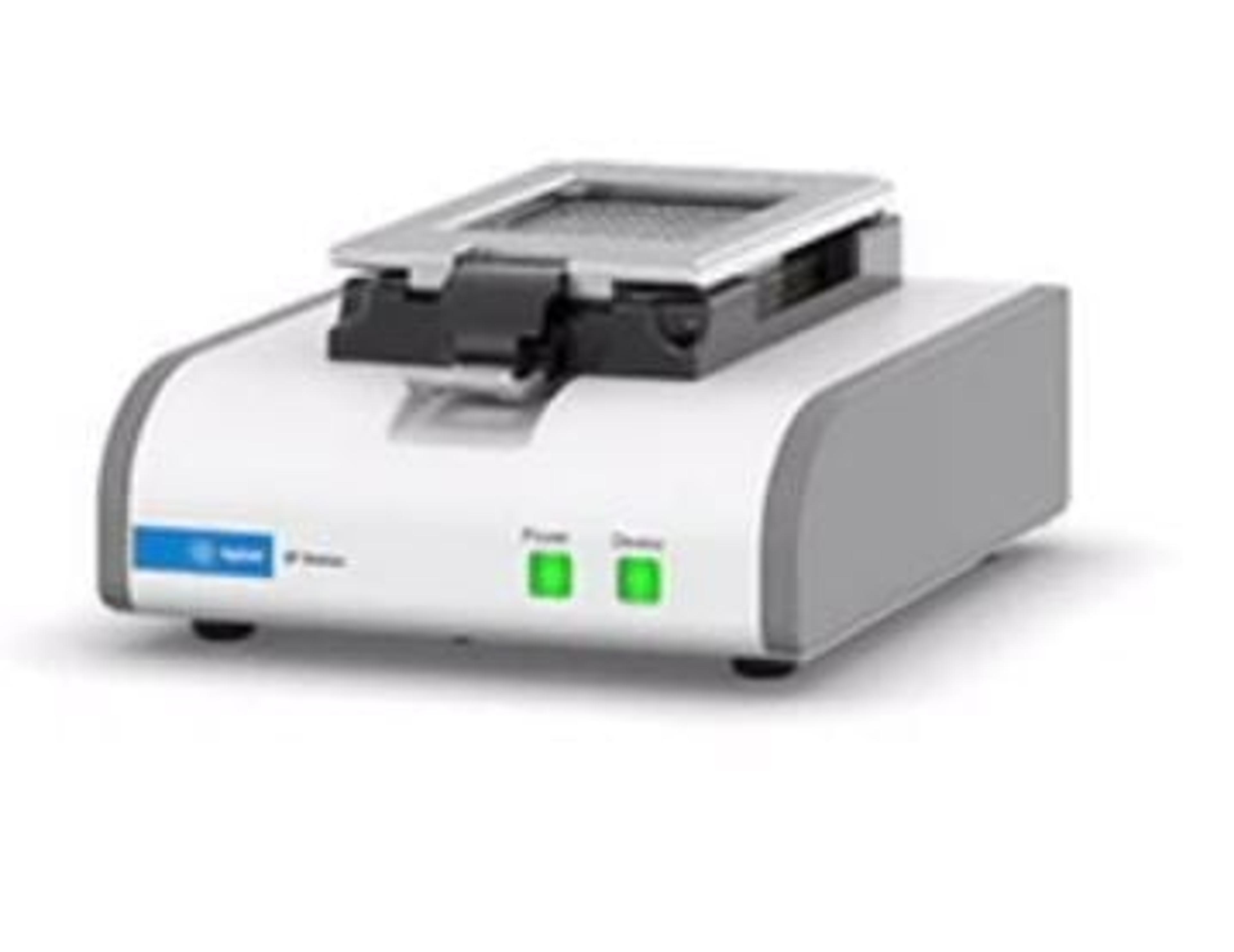
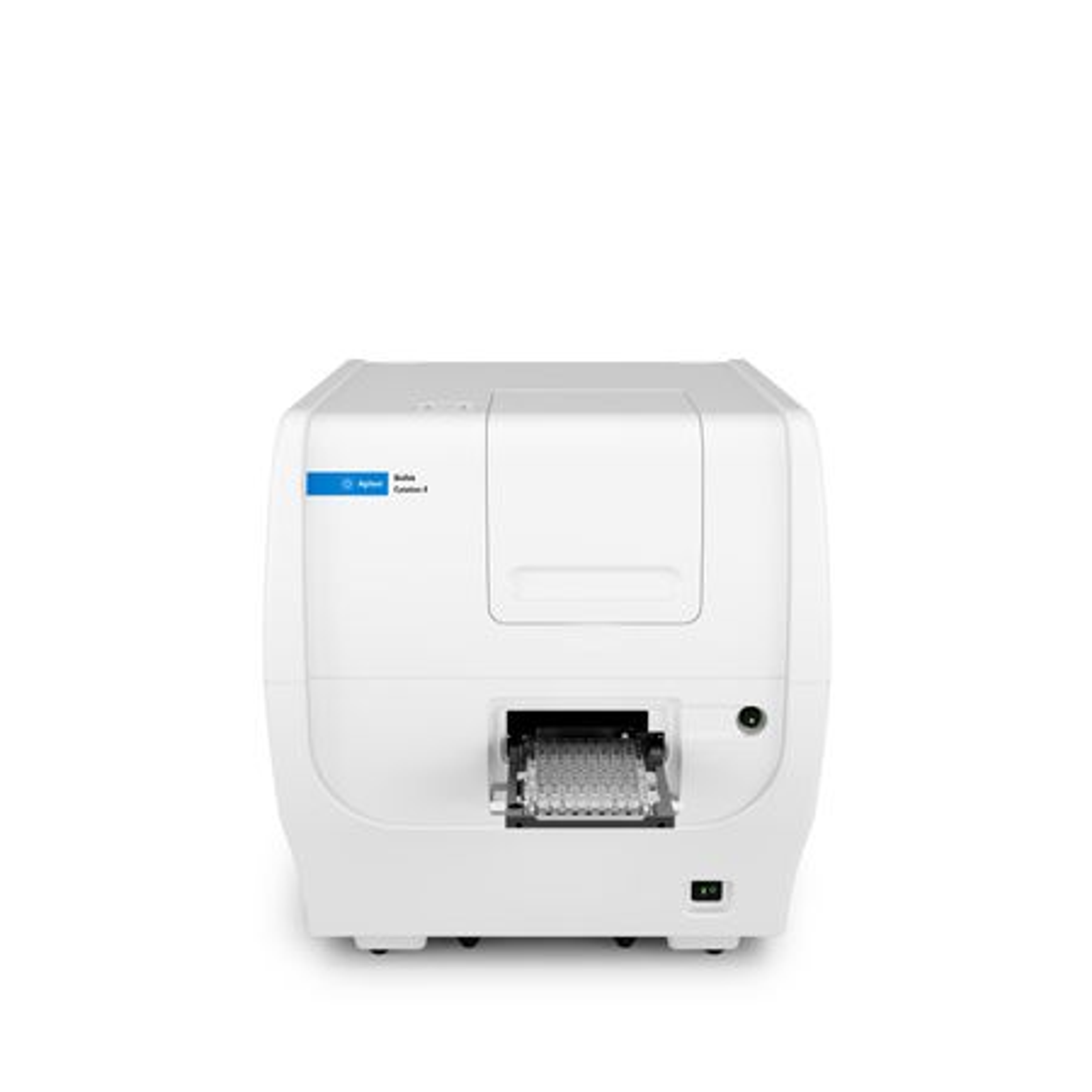
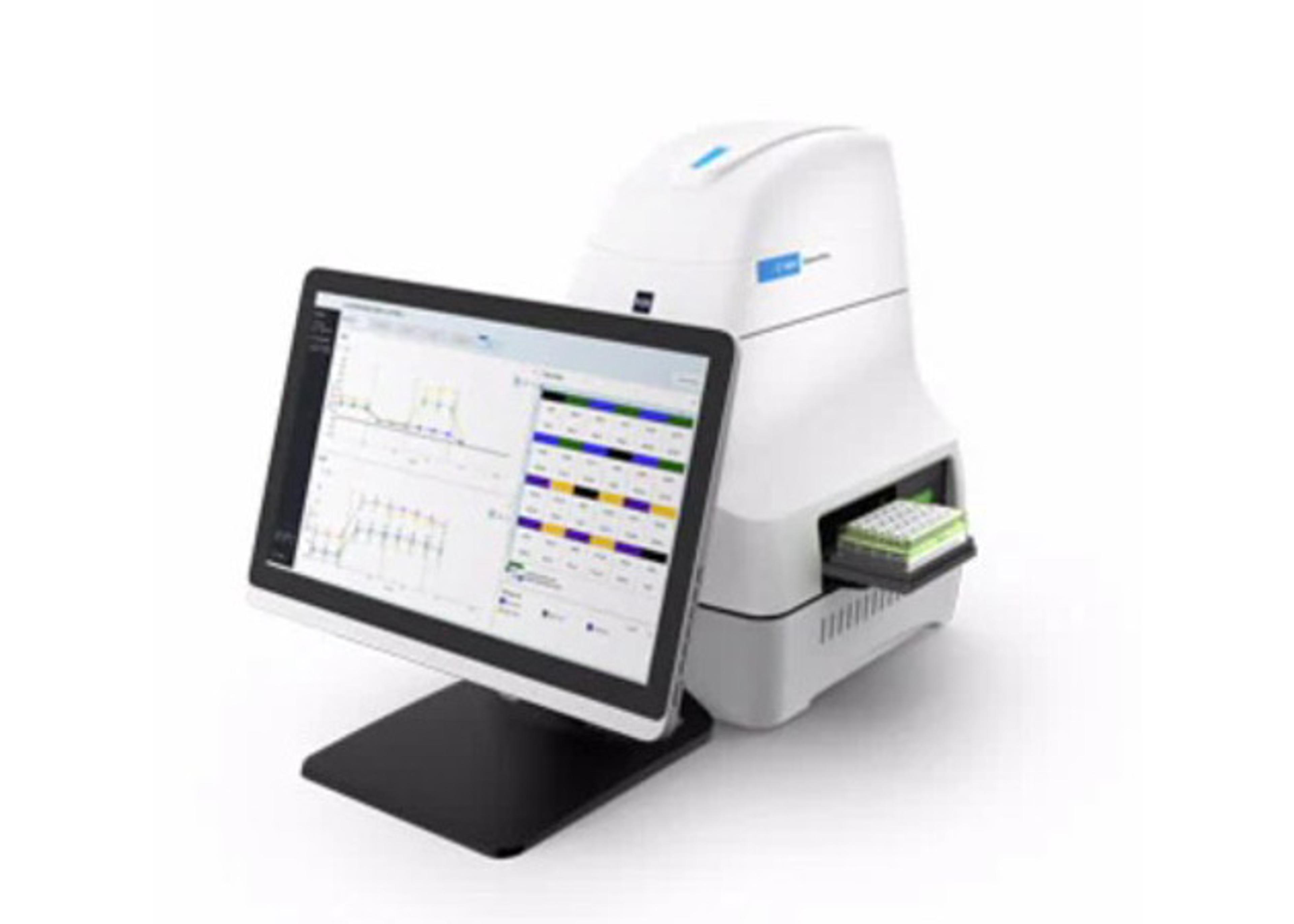
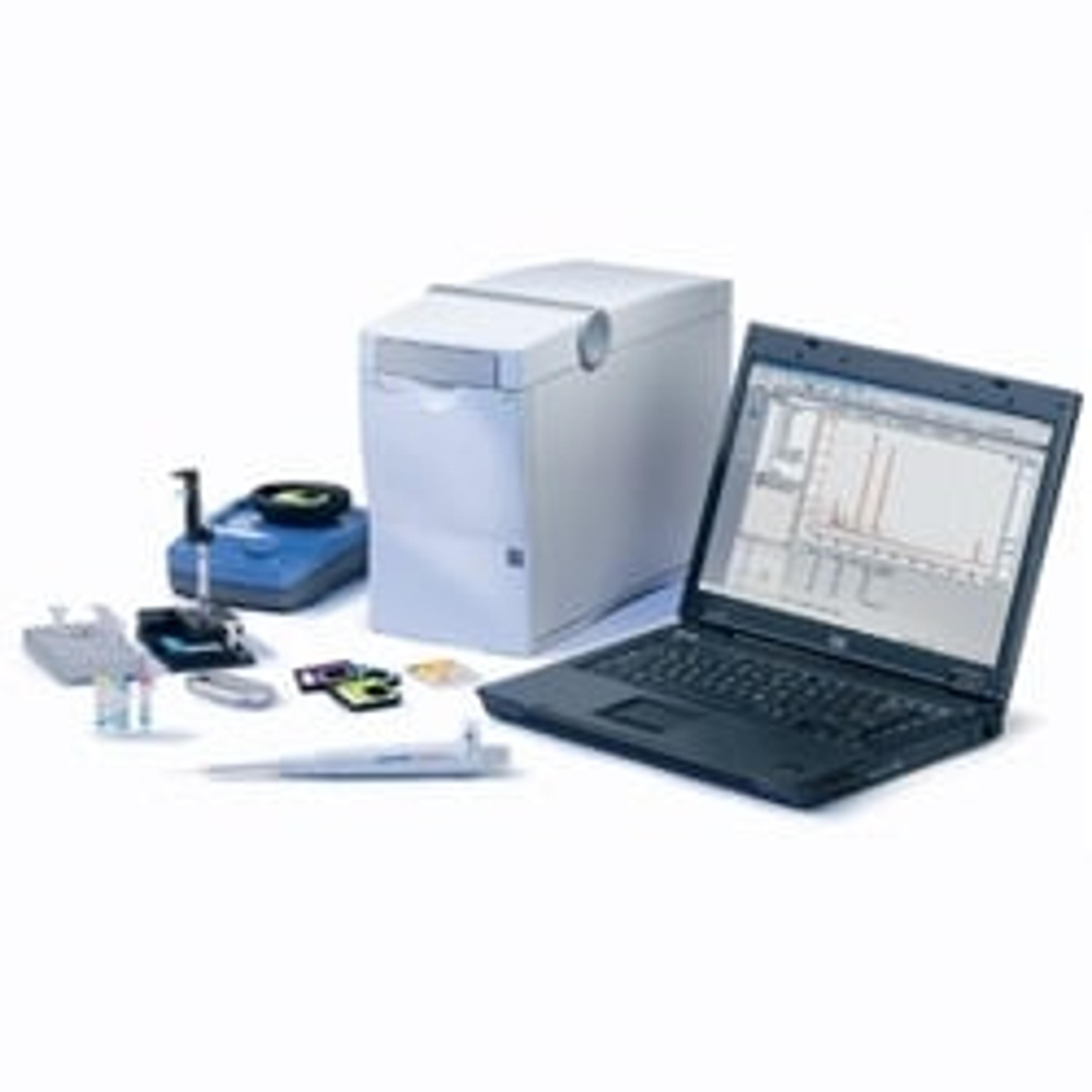
xCELLigence RTCA SP
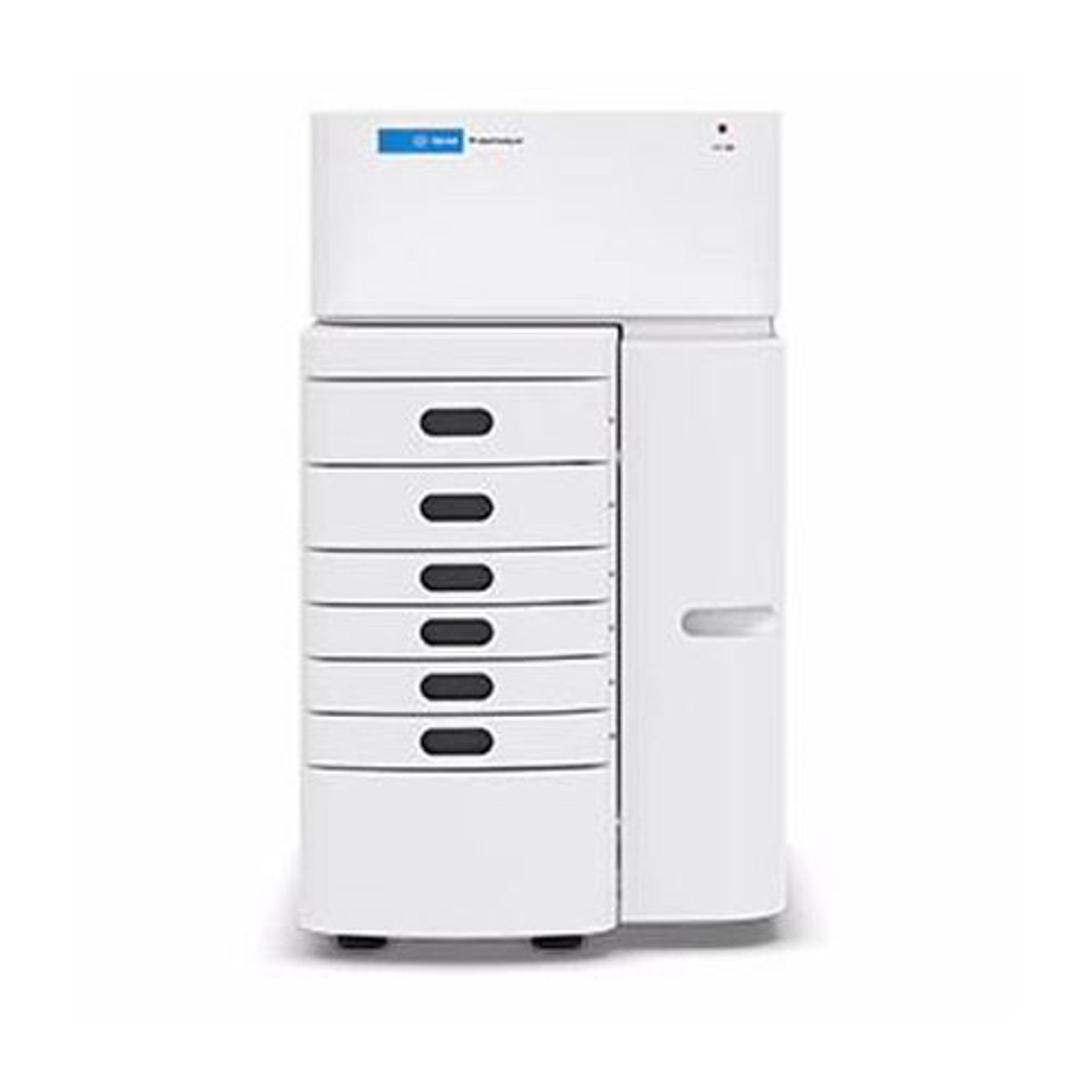
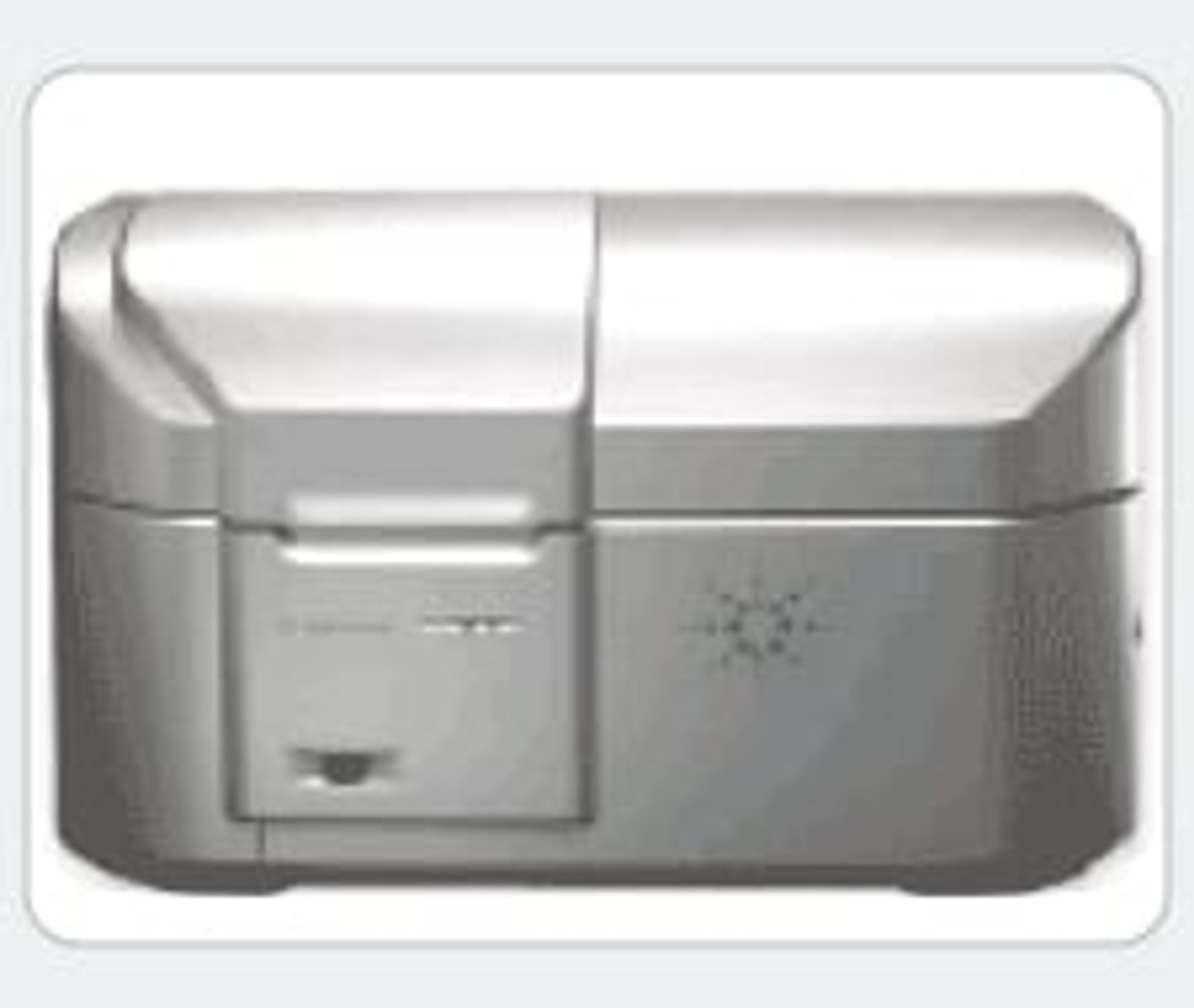
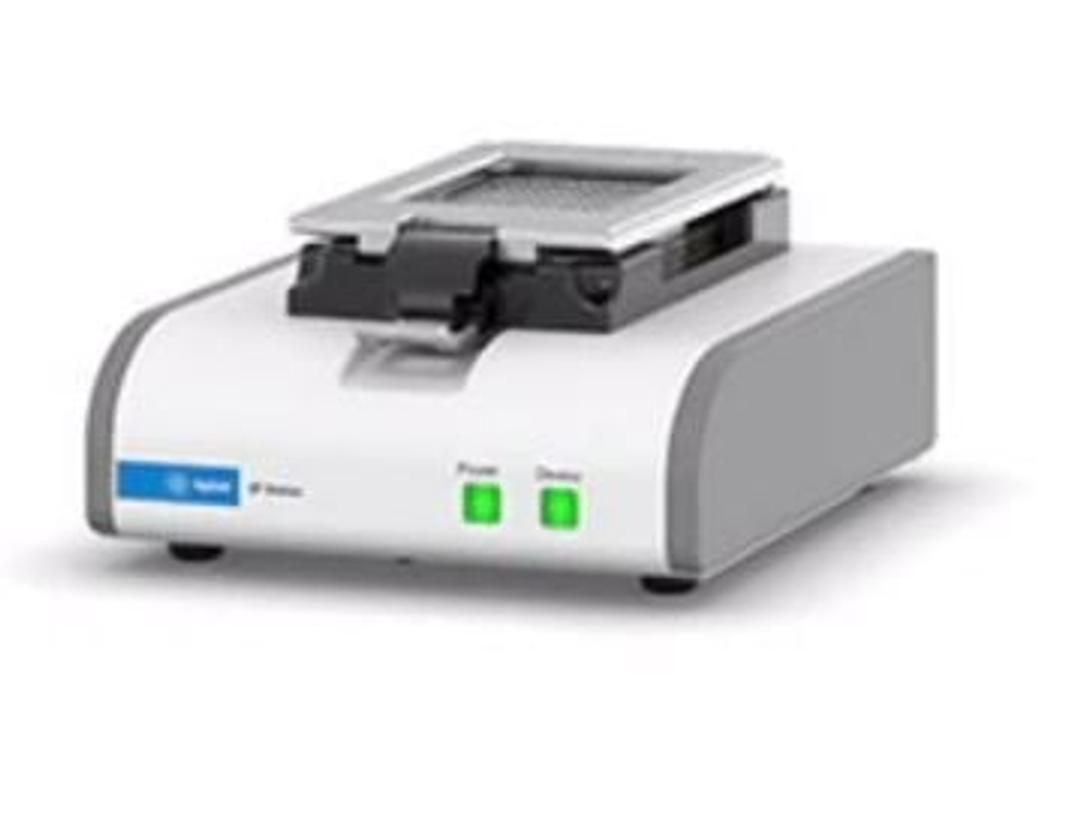
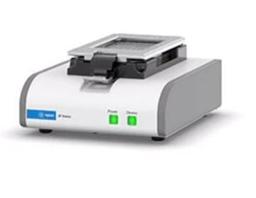
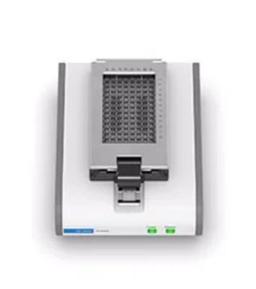
The Agilent xCELLigence Real-Time Cell Analysis (RTCA) SP instrument uses label-free cellular impedance to continuously monitor cell health, behavior, and function with high accuracy, sensitivity, and reproducibility. The SP model can run a 96-well electronic microplate (E-Plate 96), which is ideal for cell health characterization, immune cell-mediated killing, viral cytopathic effects, cytotoxicity, cell adhesion, cell barrie…

Receive your quote directly from the manufacturer.
Xcelligence RTCA SP use in cell culture
Cell analysis for characterization and cell adhesion
The Xcelligence RTCA SP has elevated our research. We now have the ability to analysis cell characteristics that we were unable to do before. We have been able to successfully characterize our different cell groups as well as cell adhesion. Being able to monitor cells for different periods of time has given us insight that we otherwise would not have. Since our studies are based around wound healing, we had purchased an accuwound scratch tool that will uniformly disrupt the RTCA plates. This will allow for us to watch our stem cells at work! It is truly fascinating.
Review Date: 10 Dec 2021 | Agilent Technologies
Awesome device, excellent & reproducible results. A must have for immunology research.
NK cell and CART tumor cell cytolysis, testing novel neoplastic compounds
The RTCA SP is great and very useful for our research on immunotherapy. Our experiments are very reproducible with very minimal (negligible) variations in the results. Once the training of using the machine is done, its use if very easy and it helps research have great insight into the real-time happenings of their experiments rather than the conventional end point assays. It also helps save time, resources and its a good value for money. Finally, the after sales service is awesome, the staff are professional and timely in their response to complaints or queries.
Review Date: 11 Jul 2020 | Agilent Technologies
RTCA permitted to test a large number of samples which is time-saving and economical.
proliferation, cytotoxicity
The ACEA’s platform technology was used with E-plates to monitor the proliferation of human placental cell line JEG3, HIPEC and BeWo treated with increasing concentrations of SSRIs. This technique is a unique and pioneering approach to test the safety of drugs prescribed during pregnancy on placentation. The xCELLigence system has provided crucial data on the potential cytotoxicity and proliferative effects of antidepressants in real time. This technology is ideal for IC50 and AUC calculation. RTCA-SP and its 96-well E-plates permitted to test a large number of samples in the same experiment, which is time-saving and economical.
Review Date: 25 Jul 2018 | Agilent Technologies
We are not satisfied with our system any more and not at all with service.
Analyze the effects of gene silencing and small molecules, respectively, on different cell lines
In principle, the product is really good. We were satisfied for a couple of years. However, in the course of the last two years we experienced serious problems with the measurements in more and more wells and spent two times almost 10,000.- € to get the problems solved. It did not work out as hoped. By the end of last year, our system was serviced back at ACEA in the US. This took almost 6 months. When we got it back, the problems were still the same.
Review Date: 19 Jul 2018 | Agilent Technologies
In conclusion technical and scientific support should be improved.
To investigate the effects of a novel natural or synthetic drug candidate on cell survival.
We achieve high-quality results but our results are sometimes not reproducible. We try to seed the cells in the same passage but the profiles of the curves or the max cell indexes with the same cell do not fit with each other. When the curves ar enot similar each time the effects of our compounds that we are testing also alters and this is one of the most common problems we have with the system. To test our results we try to confirm our results with regular cytotoxicity tests but usually it fails. Because our results sometimes does not fit the common cytotoxicity tests although we perform these tests in 1st, 2nd 3rd,6th,12th and 24th hour trials to mimic "real time" effects. When the results are not reproducible we need to compare our xcelligence results with regular cytotoxicity tests each time which makes us sometimes unable to go further molecular experiments before identifying these different responses with different methods. The plates are expensive therefore sometimes we have to limit our experimental plans that we do not have enough financial support to consume many e-plates. And this limits us to have reproducible results. The system is simple but the software might be improved a little bit more to achieve a customer friendly way of use. We sometimes get difficulty to discuss our results since the effects of each compound we try, have different effects on the profile of the curves but these styles are not identified clearly with the molecular mechanisms. And we sometimes get difficulty in publising our results with xcelligence system becuase the reviewers usually see this system for the first time and ask many questions and sometimes need us only to reflect the cell index results of one end point such as 24th hour after application. So usually we need assistance in discussing our results while writing papers and we need to be supported during our publication process. The impedence sometimes alters because of the morphology of the cells not the number of the cells we use e-view plates to see whether these changes are due to morphology or the number of the cells but the system can be improved making us able to visualise what happens to cells in a real time manner without taking the plate of the system. To achive this an adoptation of a camera system should be very useful and helpful. We are pleased from the customer meetings every year being held by the distrubuter firm in Turkiye and we are pleased from the contributions of Yama Abassi. But he is for sure so busy sometimes to deal with all the customers all over the world therefore the firm should increase the number of the scientific people to discuss our results before publication since only one person cannot reach everybody each time. The webinars are helpfull to cope with this problem but might be more frequent gathering all the responses to the questions that the customers have. The firm should supply a technical support for validation of the system at least once a year. The technical assisstance was satisfactory in the first years but gets poorer in Turkiye. As an overall comment thanks to ACEA for Xcelligence system but we need more scientific and technical asistance.
Review Date: 19 Jul 2018 | Agilent Technologies
Great results, we use it routinely, even though consumables can be quite expensive.
Analyse cell growth kinetics
Excellent instrument for non-invasive label-free real-time monitoring of cell growth kinetics. We use the cell index, a compound parameter (including cell morphology, size and proliferation/death rates) as QC for all of our cell lines. Any changes in culture conditions, passage number etc are picked up by deviations from the standard. The new 96-dishes allow visualization of cells, which is very useful. Pharmacological screens are easy and high-throughput. Sufficient numbers of technical replicates are easily achieved given the plate design. Instrument is very easy to use and data analysis is straightforward. My only concern is that the cable that connects the device through the incubator door can quite easily break.
Review Date: 19 Jul 2018 | Agilent Technologies
Easy to use, original results, fast and funny to use.
cell proliferation, adipocyte lipogenesis, toxicity of nanoparticles
Xcelligence give the vision on the experiments. For some time at the begining it was only descriptive but it also allows to investigate the signaling pathways of the regulation studied. I use Xcelligence on a daily basis. I performed a lot of experiments (/ex testing different cuture medium) that I would have never done without it, because Xcelligence is fascinating giving real-time results without labelling.
Review Date: 18 Jul 2018 | Agilent Technologies
Great instruments, highly recommend.
Cell killing assay
It's a great machine, easy to use, highly efficient, stable and data consistent, but E-plate is too expensive to afford.
Review Date: 18 Jul 2018 | Agilent Technologies
I can live without this instrument, but life would be poorer.
Cellular assays
xCelligence Technology is highly interesting. The flexibility of use is not that brilliant. Furthermore the throughput is low, as there is a strong effect with outside wells, shrinking a 96-well to 60-wel.l
Review Date: 18 Jul 2018 | Agilent Technologies
We are delighted with this device!
Quantification of bacterial biofilm formation in real time
It has allowed us to observe in real time how are the dynamics of biofilm formation in real time in an easy and comfortable way, without almost manipulating the sample. We conclude that it is an accurate and reproducible method, after assessing specifically the experiments reproducibility. In summary, this device opens a wide range of possibilities for the study of the wonderful world of biofilms, as well as a valuable tool for the effective treatment selection of diseases caused by bacterial biofilms.
Review Date: 7 Nov 2017 | Agilent Technologies
The Agilent xCELLigence Real-Time Cell Analysis (RTCA) SP instrument uses label-free cellular impedance to continuously monitor cell health, behavior, and function with high accuracy, sensitivity, and reproducibility. The SP model can run a 96-well electronic microplate (E-Plate 96), which is ideal for cell health characterization, immune cell-mediated killing, viral cytopathic effects, cytotoxicity, cell adhesion, cell barrier function (TEER), cell signaling (e.g., GPCR) and other related applications.
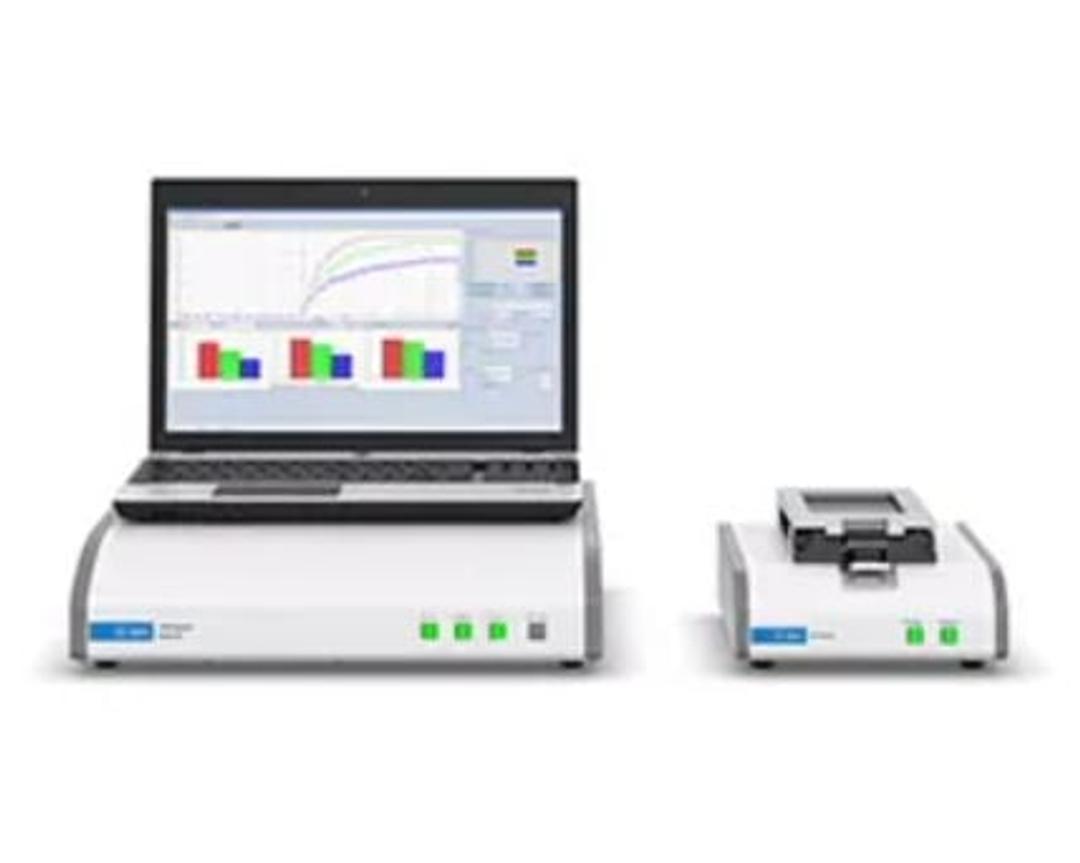
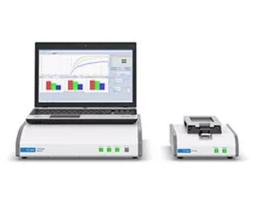
The instrument operates in a standard CO2 cell culture incubator and the control unit is housed outside the incubator. Simply plate cells and begin monitoring cell behavior to obtain real-time kinetic data for assay windows that stretch from seconds to days. Online data acquisition and offline data analysis are easy to perform using RTCA Software Pro, which also supports FDA 21 CFR Part 11 compliance.
For Research Use Only. Not for use in diagnostic procedures.

Label-free assay for NK cell‑mediated cytolysis
Natural Killer (NK) cells are bone-marrow-derived lymphocytes originally identified by their large granular morphology. In this application note, Agilent summarizes a series of experiments to demonstrate how the xCELLigence real-time cell analysis system can be applied to quantitatively, and dynamically monitor NK cell-mediated cytolysis without labeling the target cells.
Virology & vaccine handbook
Current methods to measure virus and neutralizing antibody titers include plaque assays, plaque reduction neutralization tests (PRNT), or immuno-focus assays. These methods are labor intensive and have inconsistent results due to the variable rate of plaque formation and optimal time points to count plaques for each infection.
In this handbook, Agilent describes how you can use the xCELLigence Real Time Cell Analysis instruments to track viral cytopathic effects continuously without the use of agar, dye, or fixative over minutes to days. These automated assays greatly reduce workload and provide quantitative kinetics for the entire virus life cycle.
New developments in live-cell analysis: The Agilent xCELLigence RTCA eSight System
As cell analysis in basic research, translational medicine, and cell therapies becomes ever more sophisticated, it is imperative that solutions provide multiparametric and data-rich information. In this application note, Agilent Technologies introduces its xCELLigence RTCA eSight for real-time cell analysis, featuring non-invasive impedance-based monitoring together with live-cell imaging, all inside your incubator. One experiment provides two simultaneous methods with 5 different readouts. Cellular impedance first provides sensitive and rapid information about cell viability, growth, morphology, and barrier function. Brightfield and three fluorescent channels monitor and quantify viability, toxicity, and apoptosis- validating cellular impedance readouts and further boosting confidence in your results. This combination of information enables for much wider sampling and the assessment of cellular processes and biology – all within a single experiment.
xCELLigence real-time cell analysis
Explore functional potency assays for cancer immunotherapy research. This handbook includes topics such as antibody-dependent cell-mediated cytoxicity (ADCC), BiTEs, bispecific antibodies, checkpoint inhibitors, CAR-T cells and more.

Rewiring the metabolism of CAR-T cells
Join Professor Mercedes Rincon, University of Colorado Anschutz School of Medicine, as she discusses the groundbreaking advancements in adoptive T cell therapy, particularly chimeric antigen receptor (CAR) T cell therapy. While CAR-T therapy has achieved impressive complete remission rates in 60–90% of patients with relapsed/refractory B-cell acute lymphoblastic leukemia (r/r-B-ALL), challenges such as treatment failures and relapses remain significant obstacles.
Metabolism plays a critical role in T cell function, shaping immune responses. While glycolysis is essential for T cell expansion, it can restrict the self-renewal capacity of CAR-T cells during manufacturing. Mitochondrial respiration is vital for their survival and effectiveness. Recent findings have highlighted MCJ, a protein that negatively regulates mitochondrial function in CD8 cells. Loss of MCJ enhances mitochondrial respiration, cytokine secretion, and anti-tumor activity. Targeting MCJ to boost mitochondrial metabolism presents a promising strategy to enhance the efficacy of CAR-T cells and advance adoptive T cell therapies.
Key learning objectives
- Understand the current landscape of adoptive T-cell therapy
- Explain the role of metabolism in T cell function, highlighting the significance of glycolysis and mitochondrial respiration in enhancing CAR-T cell efficacy
- Identify the potential of MCJ as a therapeutic target to improve mitochondrial metabolism, cytokine secretion, and overall effectiveness of CAR-T cell therapies
Who should attend?
- Researchers and scientists specializing in CAR T-cell therapy, immunotherapy development, cell metabolism, glycolysis, and mitochondrial respiration.
Certificate of attendance
All webinar participants can request a certificate of attendance, including a learning outcomes summary, for continuing education purposes.