xCELLigence RTCA DP
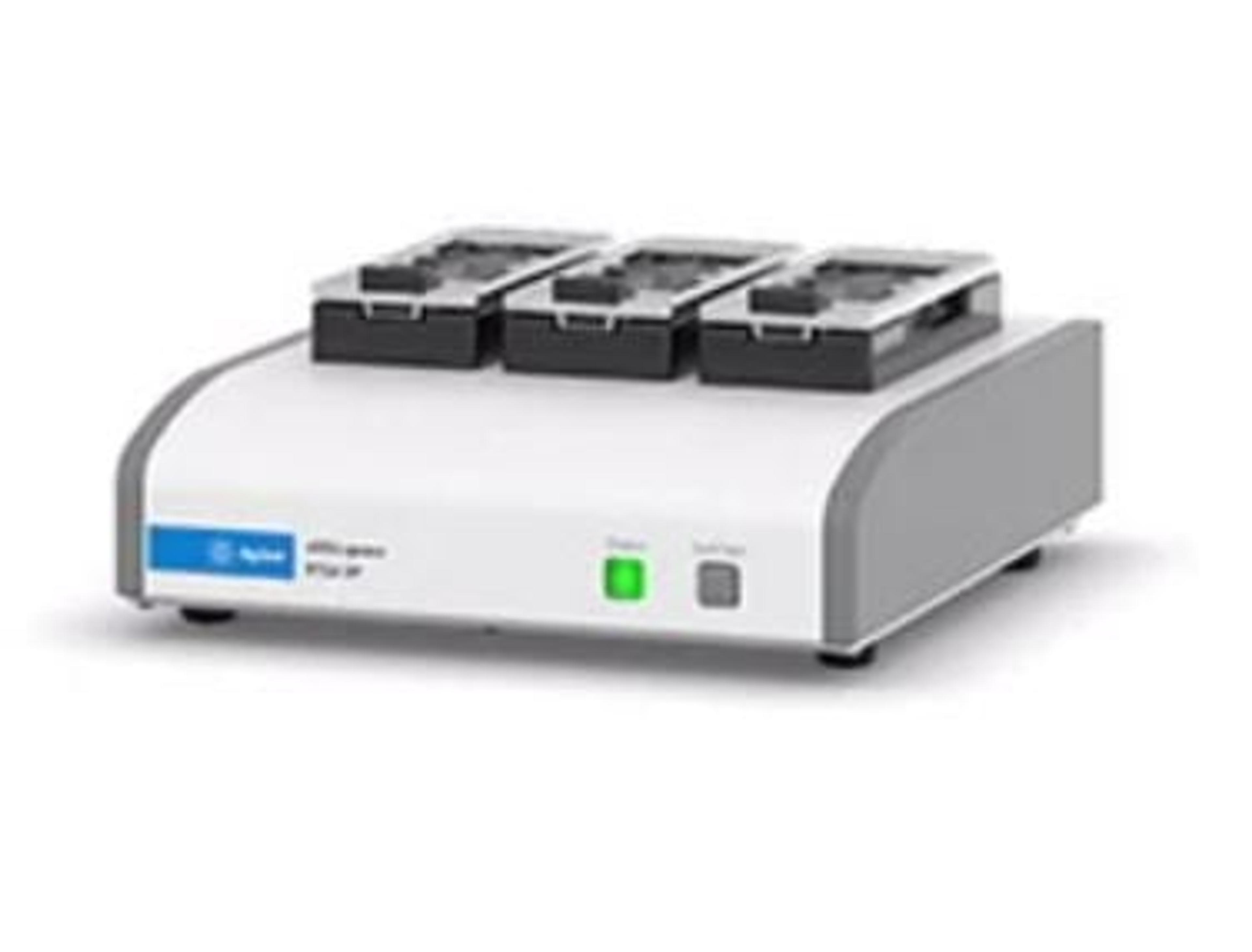
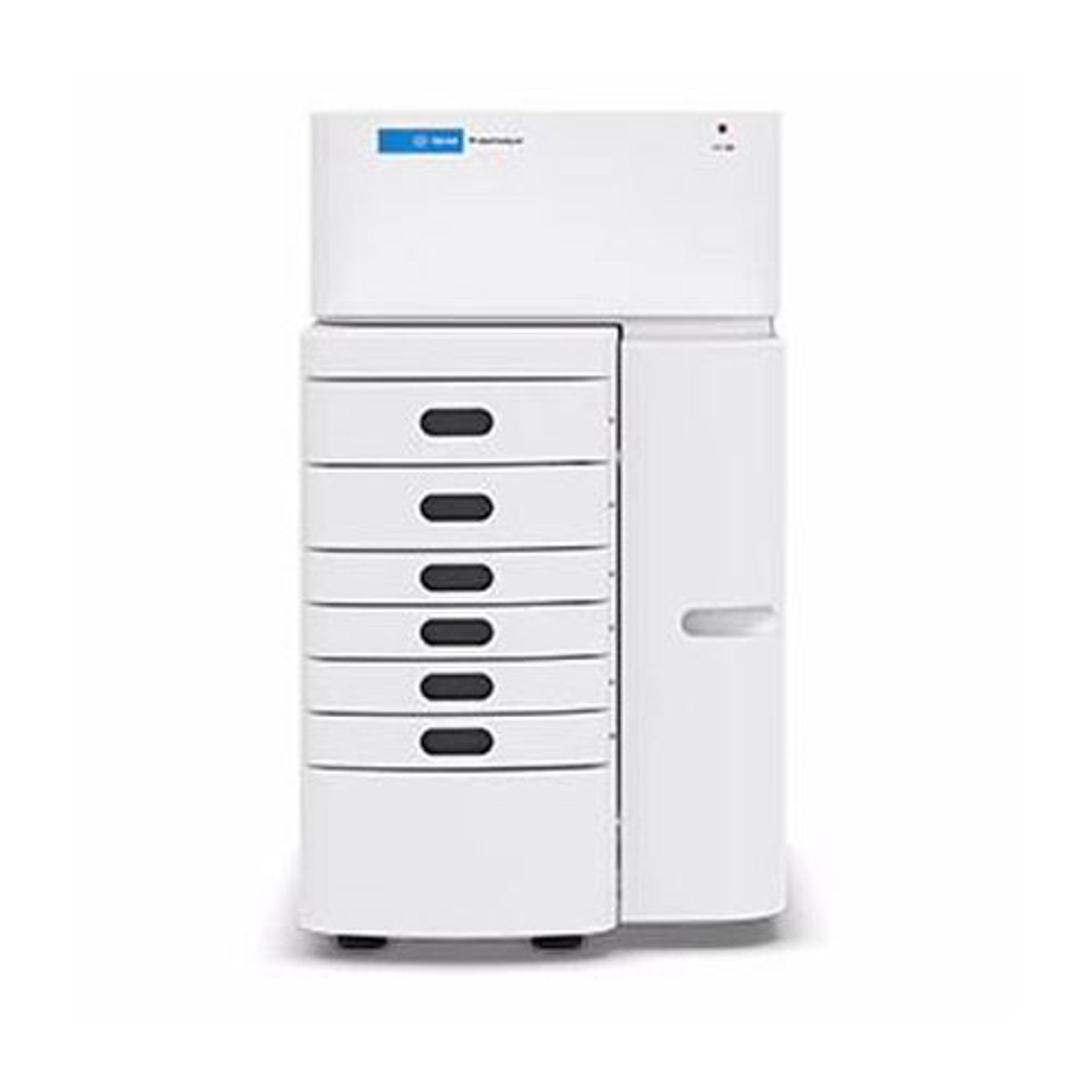
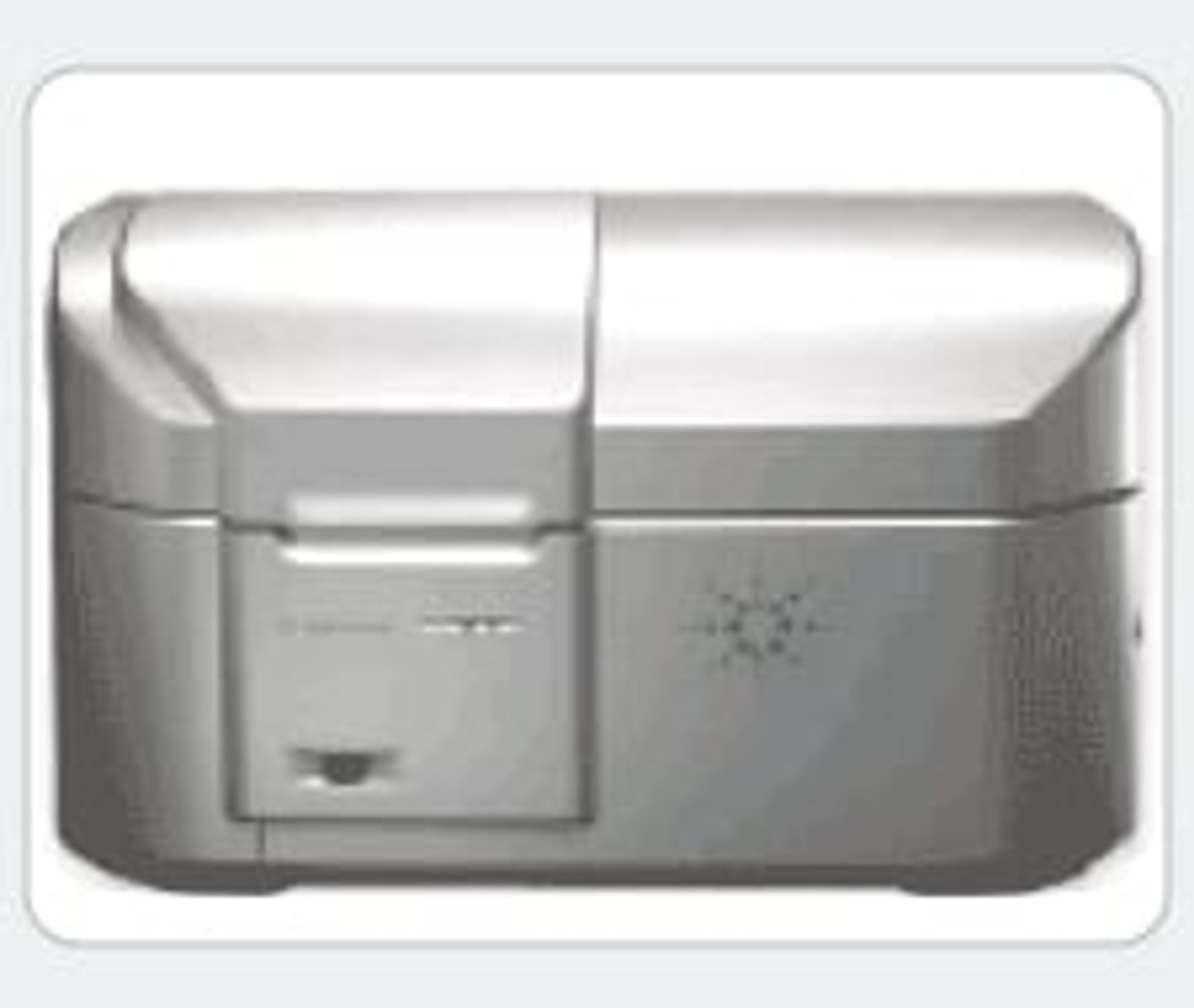
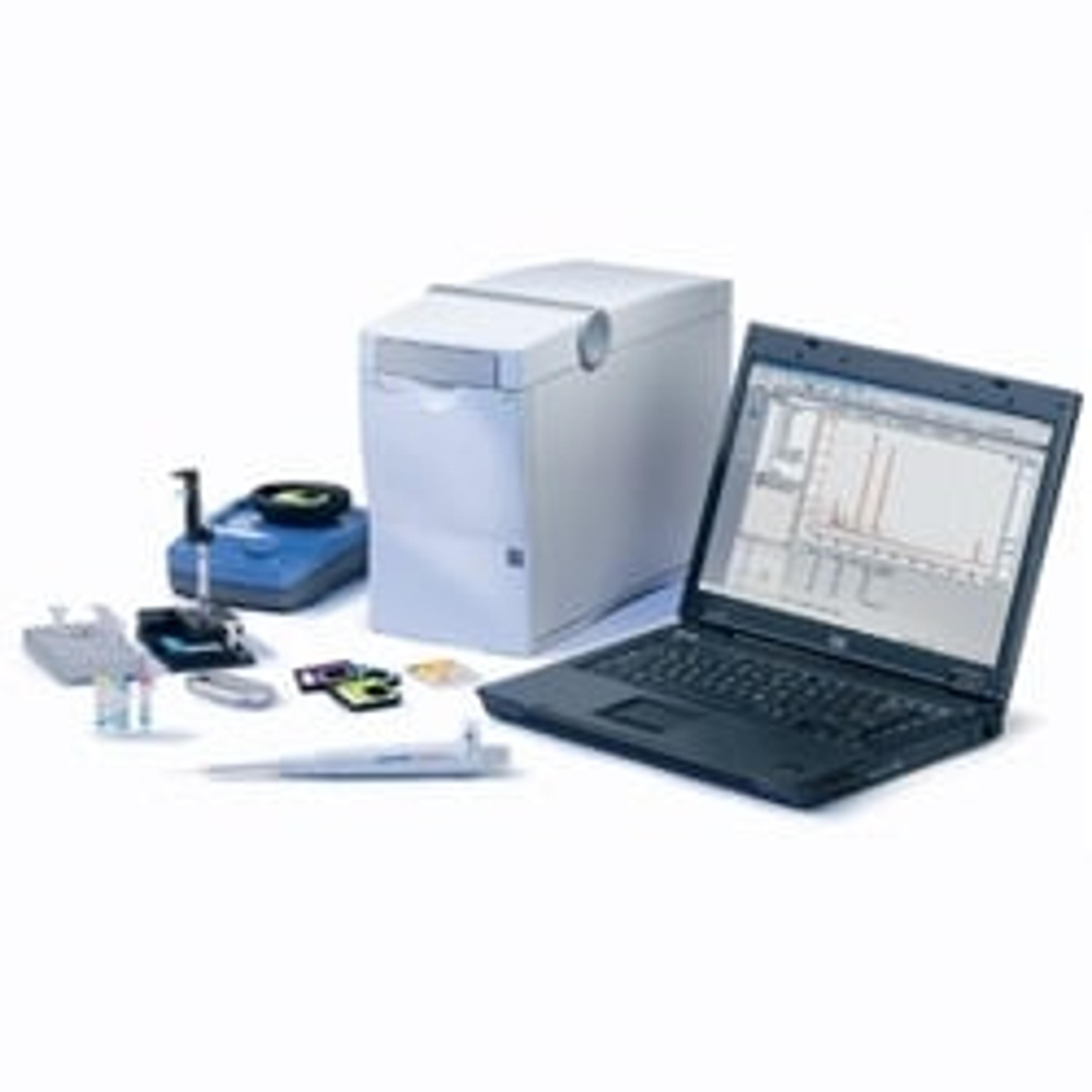
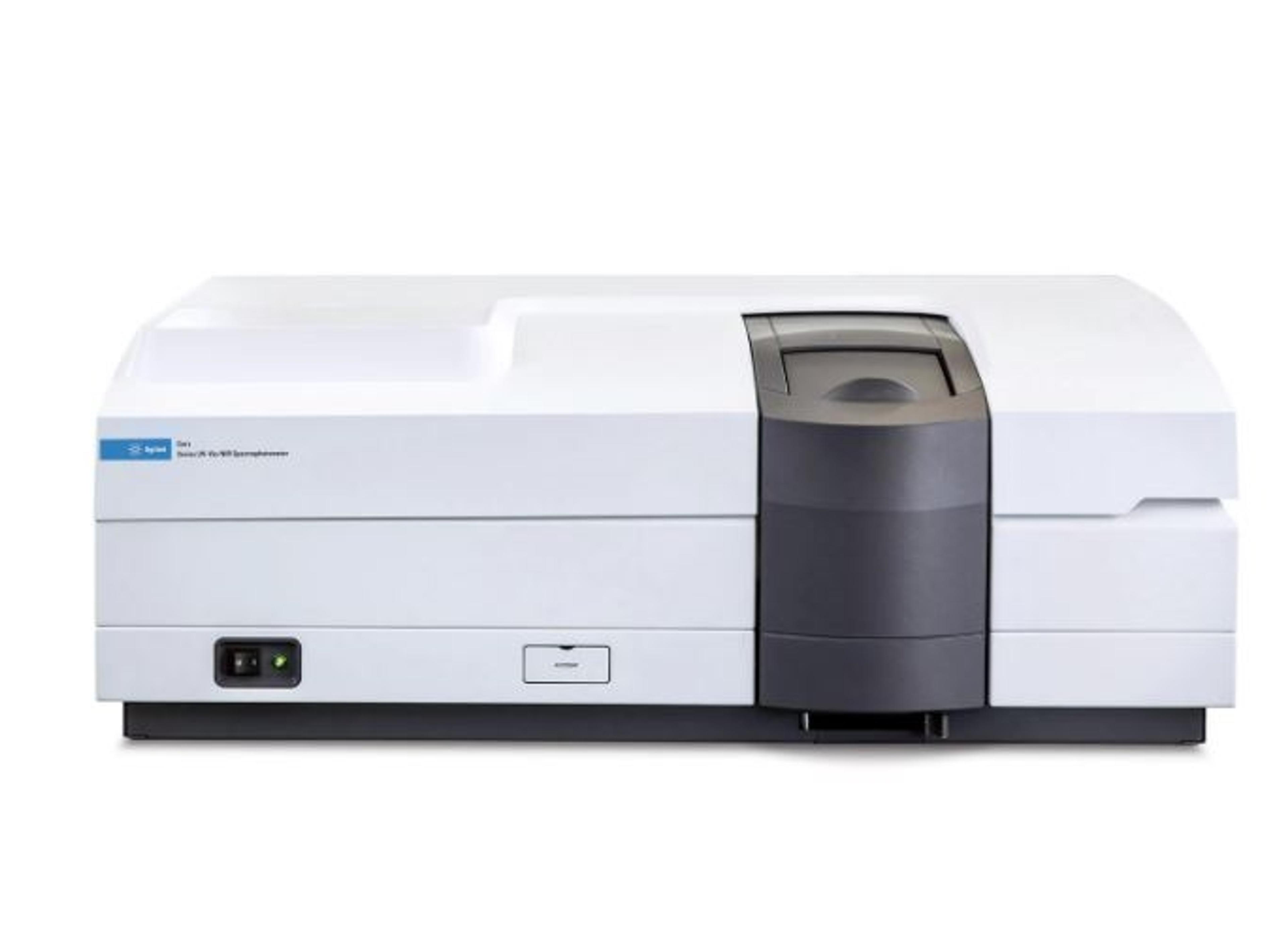
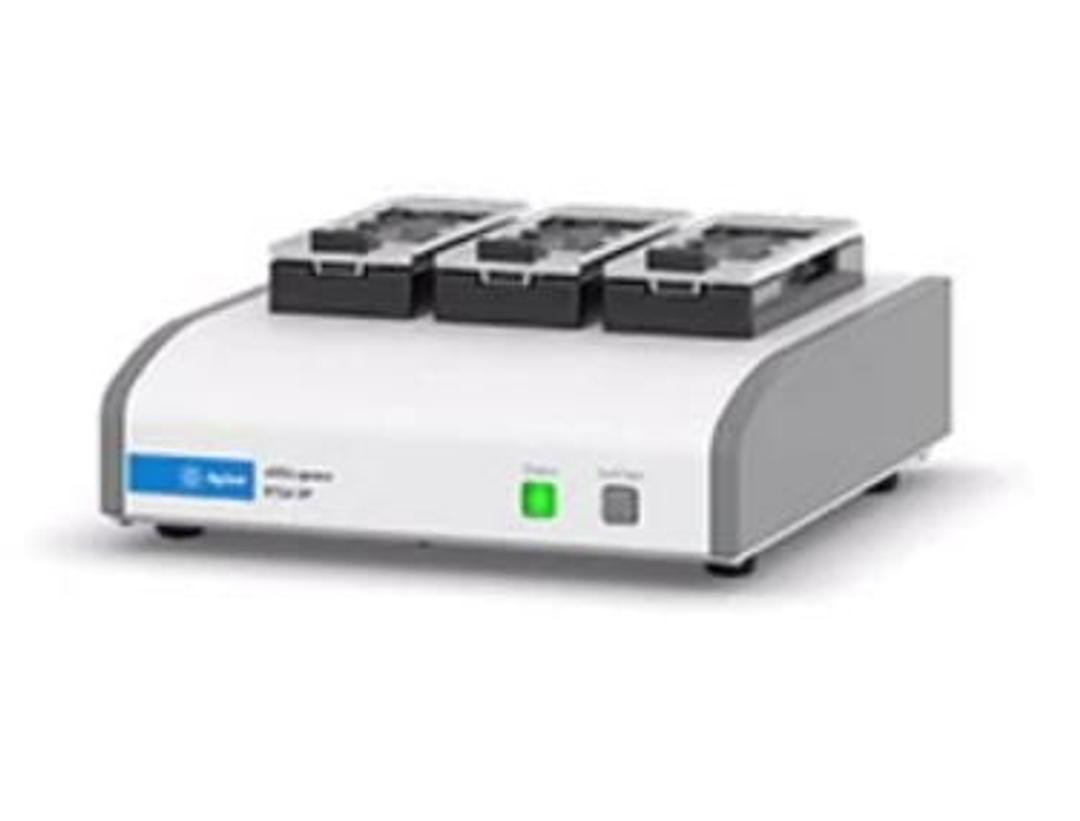
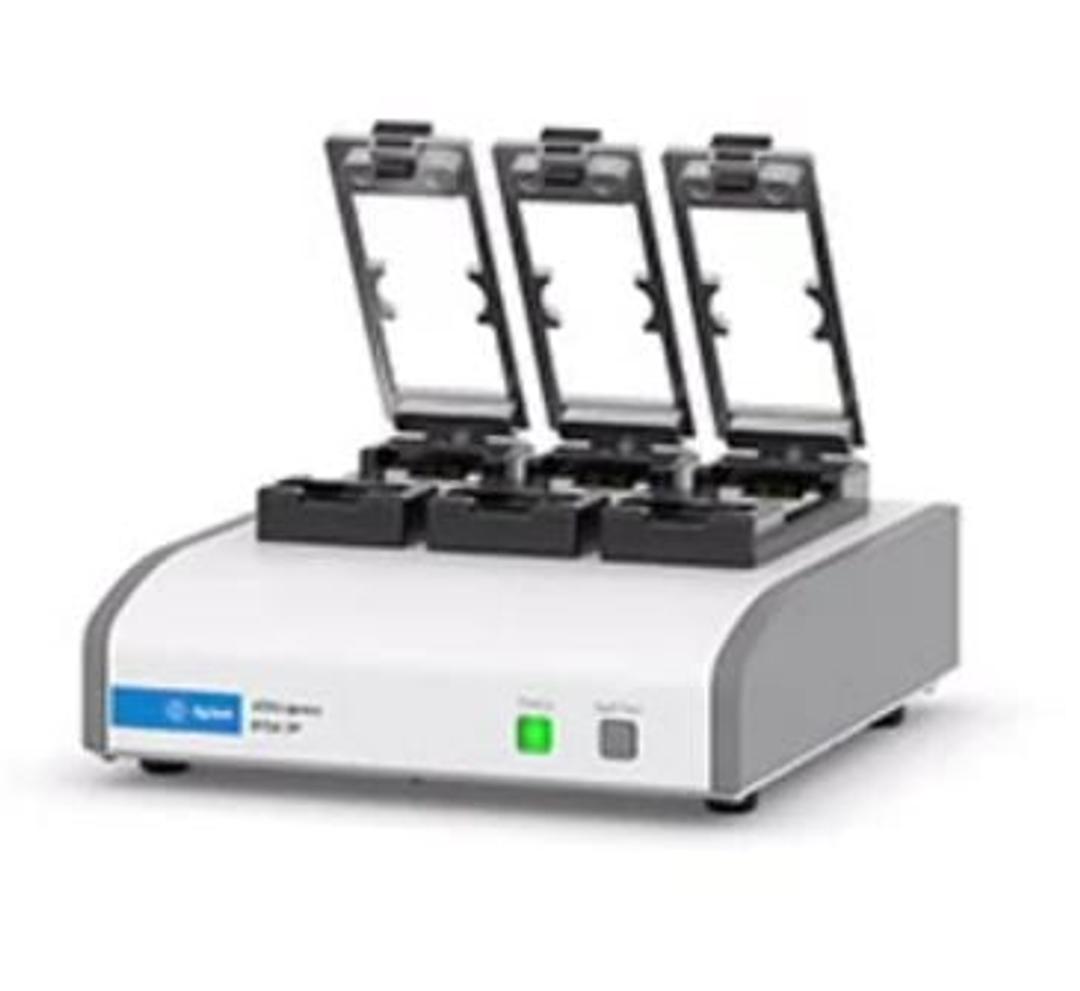
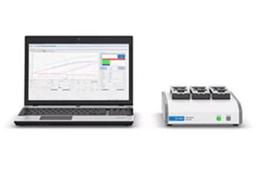
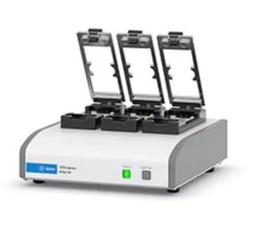
The Agilent xCELLigence Real-Time Cell Analysis (RTCA) DP (dual purpose) instrument continuously measures cell invasion and migration (CIM) and monitors cell health, behavior, and function using label-free cellular impedance. The three cradles of the DP instrument enable three separate electronic 16-well plates to be controlled and monitored in parallel or independently of one another. This flexible plate batch processing a…

Receive your quote directly from the manufacturer.
A gold standard for real time measure of cytotoxicity against adherent cells.
Antitumoral cell immunotherapy
Nice and easy real time machine to define cytotoxicity anti-adherent tumoral cells
Review Date: 25 Jun 2021 | Agilent Technologies
I will recommend to everyone.
Drug discovery
The system is one of the best approaches used so far to test cell toxicity in cell-based assays.
Review Date: 10 Feb 2020 | Agilent Technologies
Excellent piece of kit for quick cell anaylsis.
Real time cell analysis of adherent cells
Really easy to use and export experiments. Good variety of plates- eg cytoview, migration can be used for lots of applications - cell viability, morphology ect.
Review Date: 22 Nov 2019 | Agilent Technologies
An instrument with great potential.
Cells migration/invasion assay, cytotoxicity, cells adherence and proliferation assays etc.
The machine is easy to use with a very well written manual and comes with a user friendly software. The results I obtained from my experiments on the RTCA DP system were interesting and as expected. I would recommend it for cellular biology assays.
Review Date: 18 Feb 2019 | Agilent Technologies
This machine is Awesome. Use it daily.
Real time label free cellular analyses
xCELLigence is incredible. So easy to use. Very user friendly. It also can be used for almost ANY cell type: unlike other systems it does not require intact monolayers. Also, something like 70% of the well is electrode, making it incredibly sensitive to even small fluctuations.
Review Date: 30 Aug 2018 | Agilent Technologies
Easy to use and produces good data!
Analyze the effect of drug substance on cell proliferation
The xCELLigence system has been a huge asset to our lab. It is great to be able to monitor our cells and gather data in real time instead of end point assays. It gives us a better understanding of how the cells are behaving and greater insight into our research.
Review Date: 31 Jul 2018 | Agilent Technologies
Excellent investment with reliable results.
Cell Poliferation
This is one of the best and highly sensitive instrument for cell proliferation assays. We use this instrument a lot. The ease of setting up the assay and watch the resulting graphs without having to do anything for days together is simply awesome. Unlike end-point assays this continuous monitoring of cell growth/death gives a better understanding of the biological process. The highlight of this instrument is its small and does not take up the whole incubator space. The software used is also very user friendly and setting up the assay does not take more than couple of minutes. The only downside of this instrument is the cost of the plates used.
Review Date: 30 Jul 2018 | Agilent Technologies
Never had problems, perfect results!
Analyse cell responses of primary human nasal epithelial cells
We had always effective and reproducible results throughout 0ur experiments. We never had device problems. xCELLigence RTCA DP is very easy to use and easy to clean. After sales care was good and the device is for sure worth the money.
Review Date: 26 Jul 2018 | Agilent Technologies
Great device, annoying software
Proliferation and migration assays with cultures cells
We are using the device to do proliferation and migration assay of different cancer cell lines. The device is easy to handle. Although, I don't like the software of the Xcelligence. Espacially that you can't safe the data analysis part and also that you always have to click newly what you want to see on the screen, when you open a new file. Most of our results are reproducable. Sometimes I find it difficult to interpret the results. Therefore, I would find it cool when there would be some kind of forum where users could discuss their problems and exchange tipps and tricks. Otherwise the support from the OLS in Basel is very good, they always answer our questions fast and detailed.
Review Date: 23 Jul 2018 | Agilent Technologies
One of the best additions to my lab in the last decade
cell adhesion, proliferation and barrier function
This system is frankly brilliant. The interface is wonderfully user friendly, and the data incredibly reproducible. Great value for money, and easy to use. This system works really well also with cells that do not form monolayers, making it much more than just an ECIS system.
Review Date: 19 Jul 2018 | Agilent Technologies
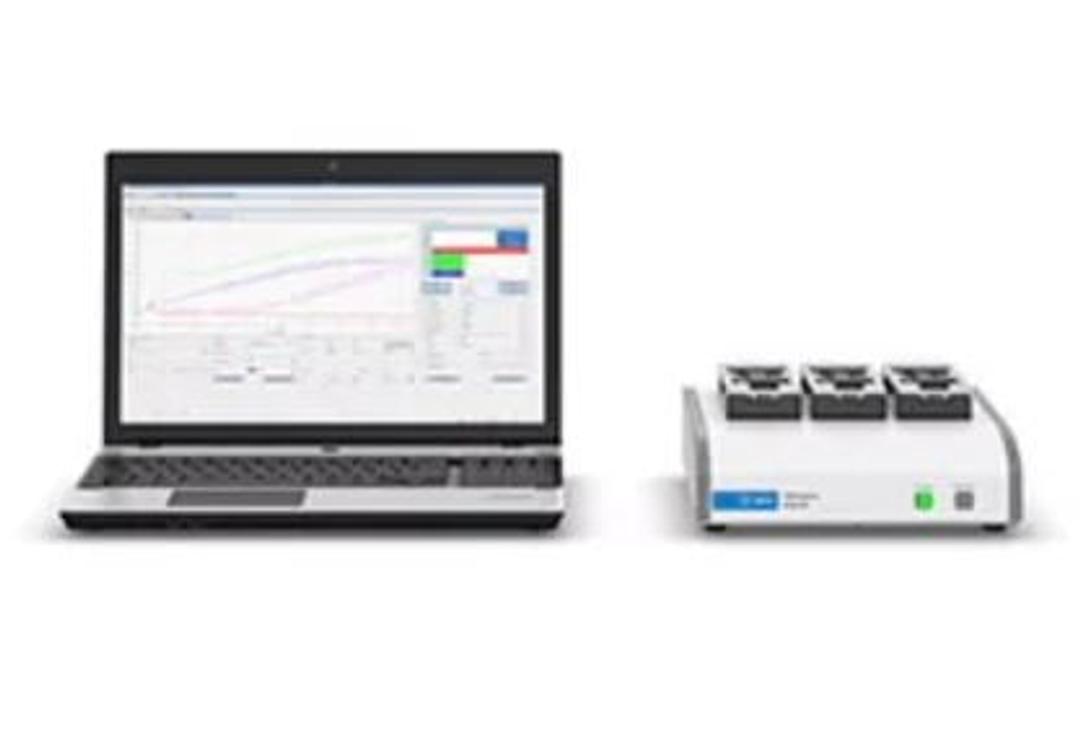
The Agilent xCELLigence Real-Time Cell Analysis (RTCA) DP (dual purpose) instrument continuously measures cell invasion and migration (CIM) and monitors cell health, behavior, and function using label-free cellular impedance.
The three cradles of the DP instrument enable three separate electronic 16-well plates to be controlled and monitored in parallel or independently of one another. This flexible plate batch processing allows maximum productivity for multiple users. The instrument operates in a standard CO2 cell culture incubator and the control unit is housed outside the incubator.
Online data acquisition and offline data analysis are easy to perform using RTCA Software Pro, which also supports FDA 21 CFR Part 11 compliance.
For Research Use Only. Not for use in diagnostic procedures.

Cancer Immunotherapy: Agilent xCELLigence RTCA handbook
In this handbook, Agilent Technologies provides insights into cancer immunotherapy, exploring the strategies employed to harness the immune system for tumor targeting. The guide introduces Agilent xCELLigence real-time cell analysis (RTCA) and its diverse applications in cancer immunotherapy. It details how the xCELLigence RTCA assay works, covering the measurement of cellular impedance with E-Plates and explaining real-time cellular impedance traces.
Virology & vaccine handbook
Current methods to measure virus and neutralizing antibody titers include plaque assays, plaque reduction neutralization tests (PRNT), or immuno-focus assays. These methods are labor intensive and have inconsistent results due to the variable rate of plaque formation and optimal time points to count plaques for each infection.
In this handbook, Agilent describes how you can use the xCELLigence Real Time Cell Analysis instruments to track viral cytopathic effects continuously without the use of agar, dye, or fixative over minutes to days. These automated assays greatly reduce workload and provide quantitative kinetics for the entire virus life cycle.
New developments in live-cell analysis: The Agilent xCELLigence RTCA eSight System
As cell analysis in basic research, translational medicine, and cell therapies becomes ever more sophisticated, it is imperative that solutions provide multiparametric and data-rich information. In this application note, Agilent Technologies introduces its xCELLigence RTCA eSight for real-time cell analysis, featuring non-invasive impedance-based monitoring together with live-cell imaging, all inside your incubator. One experiment provides two simultaneous methods with 5 different readouts. Cellular impedance first provides sensitive and rapid information about cell viability, growth, morphology, and barrier function. Brightfield and three fluorescent channels monitor and quantify viability, toxicity, and apoptosis- validating cellular impedance readouts and further boosting confidence in your results. This combination of information enables for much wider sampling and the assessment of cellular processes and biology – all within a single experiment.
xCELLigence real-time cell analysis
Explore functional potency assays for cancer immunotherapy research. This handbook includes topics such as antibody-dependent cell-mediated cytoxicity (ADCC), BiTEs, bispecific antibodies, checkpoint inhibitors, CAR-T cells and more.

Rewiring the metabolism of CAR-T cells
Join Professor Mercedes Rincon, University of Colorado Anschutz School of Medicine, as she discusses the groundbreaking advancements in adoptive T cell therapy, particularly chimeric antigen receptor (CAR) T cell therapy. While CAR-T therapy has achieved impressive complete remission rates in 60–90% of patients with relapsed/refractory B-cell acute lymphoblastic leukemia (r/r-B-ALL), challenges such as treatment failures and relapses remain significant obstacles.
Metabolism plays a critical role in T cell function, shaping immune responses. While glycolysis is essential for T cell expansion, it can restrict the self-renewal capacity of CAR-T cells during manufacturing. Mitochondrial respiration is vital for their survival and effectiveness. Recent findings have highlighted MCJ, a protein that negatively regulates mitochondrial function in CD8 cells. Loss of MCJ enhances mitochondrial respiration, cytokine secretion, and anti-tumor activity. Targeting MCJ to boost mitochondrial metabolism presents a promising strategy to enhance the efficacy of CAR-T cells and advance adoptive T cell therapies.
Key learning objectives
- Understand the current landscape of adoptive T-cell therapy
- Explain the role of metabolism in T cell function, highlighting the significance of glycolysis and mitochondrial respiration in enhancing CAR-T cell efficacy
- Identify the potential of MCJ as a therapeutic target to improve mitochondrial metabolism, cytokine secretion, and overall effectiveness of CAR-T cell therapies
Who should attend?
- Researchers and scientists specializing in CAR T-cell therapy, immunotherapy development, cell metabolism, glycolysis, and mitochondrial respiration.
Certificate of attendance
All webinar participants can request a certificate of attendance, including a learning outcomes summary, for continuing education purposes.