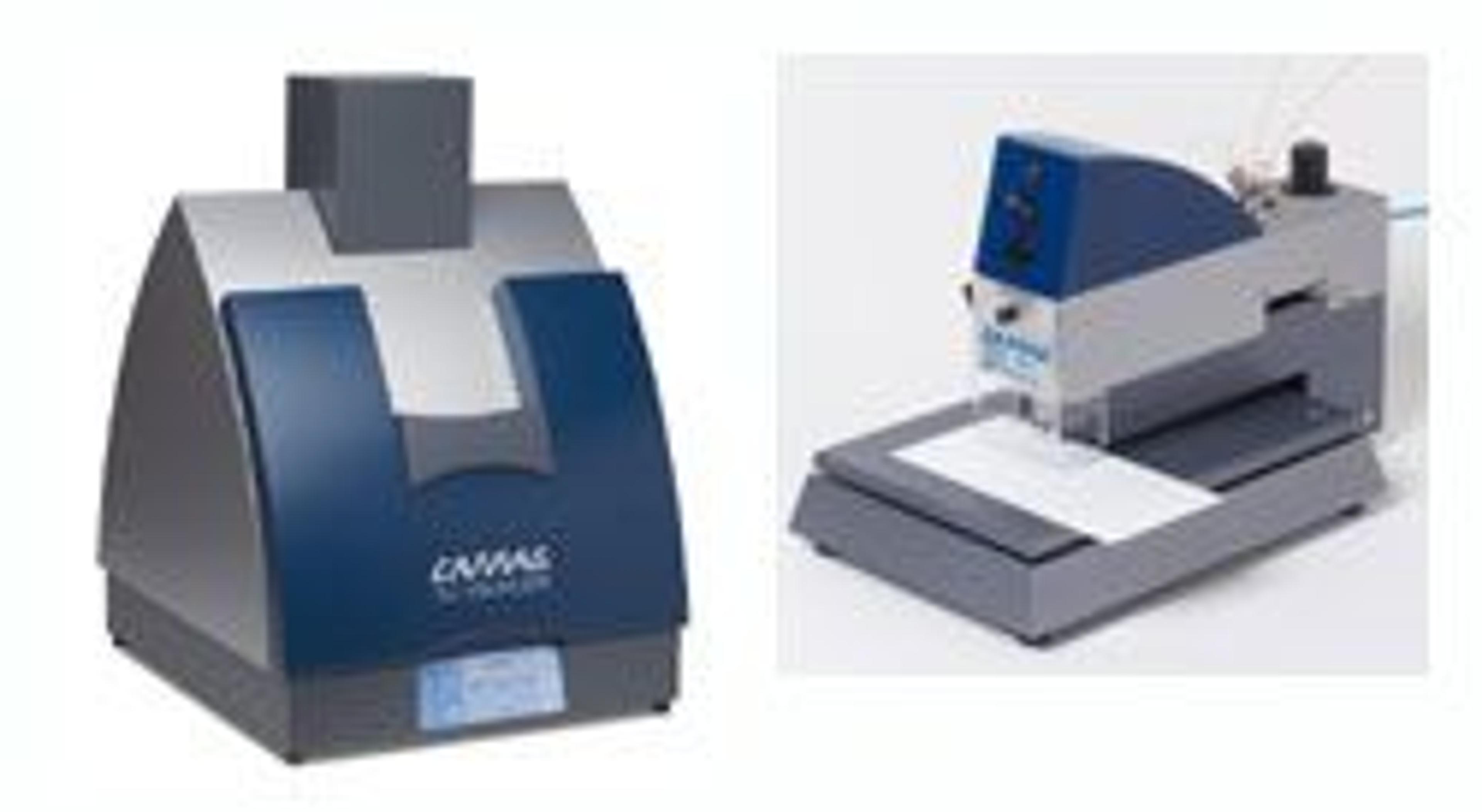
TLC-MS Interface 2
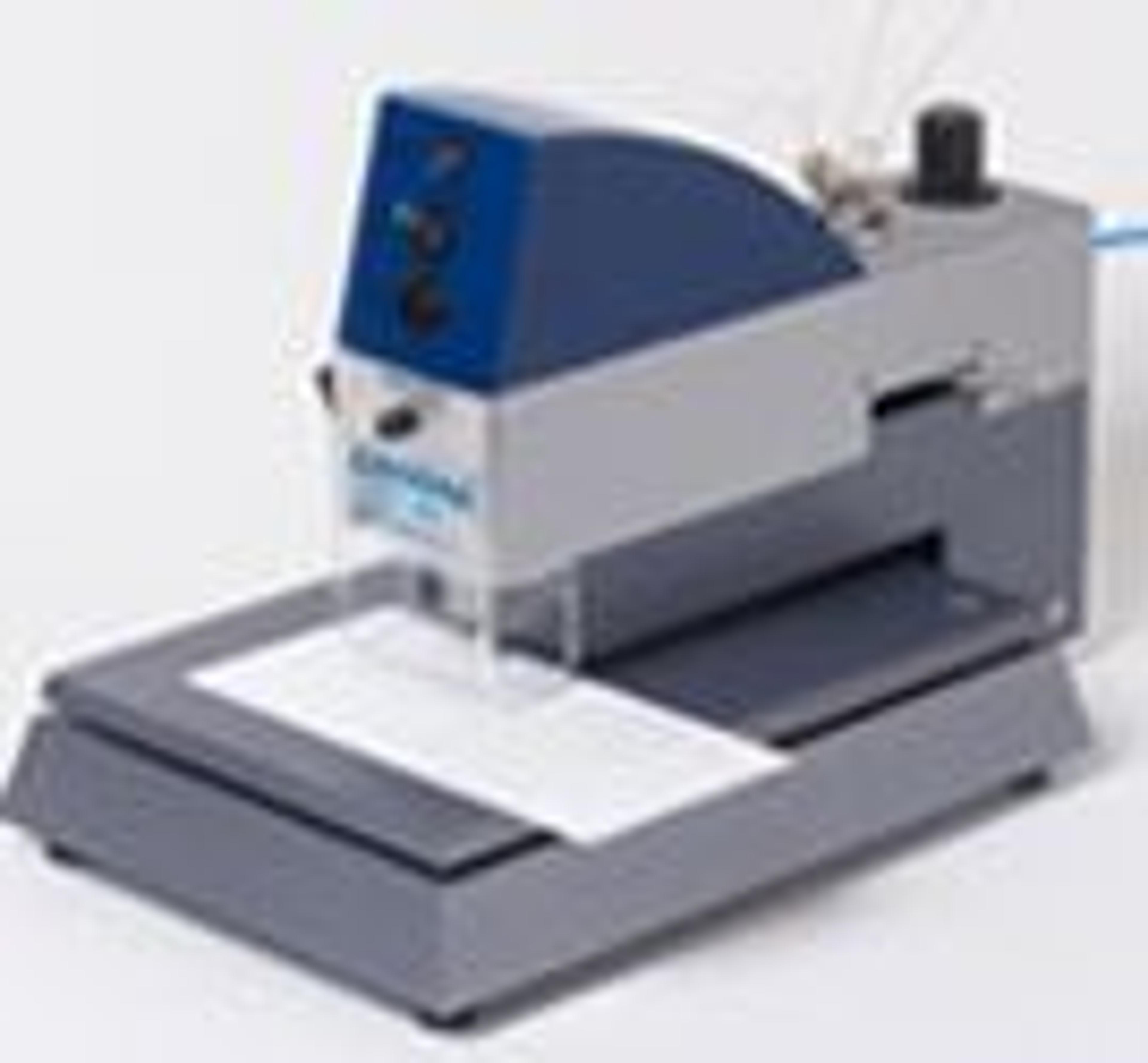
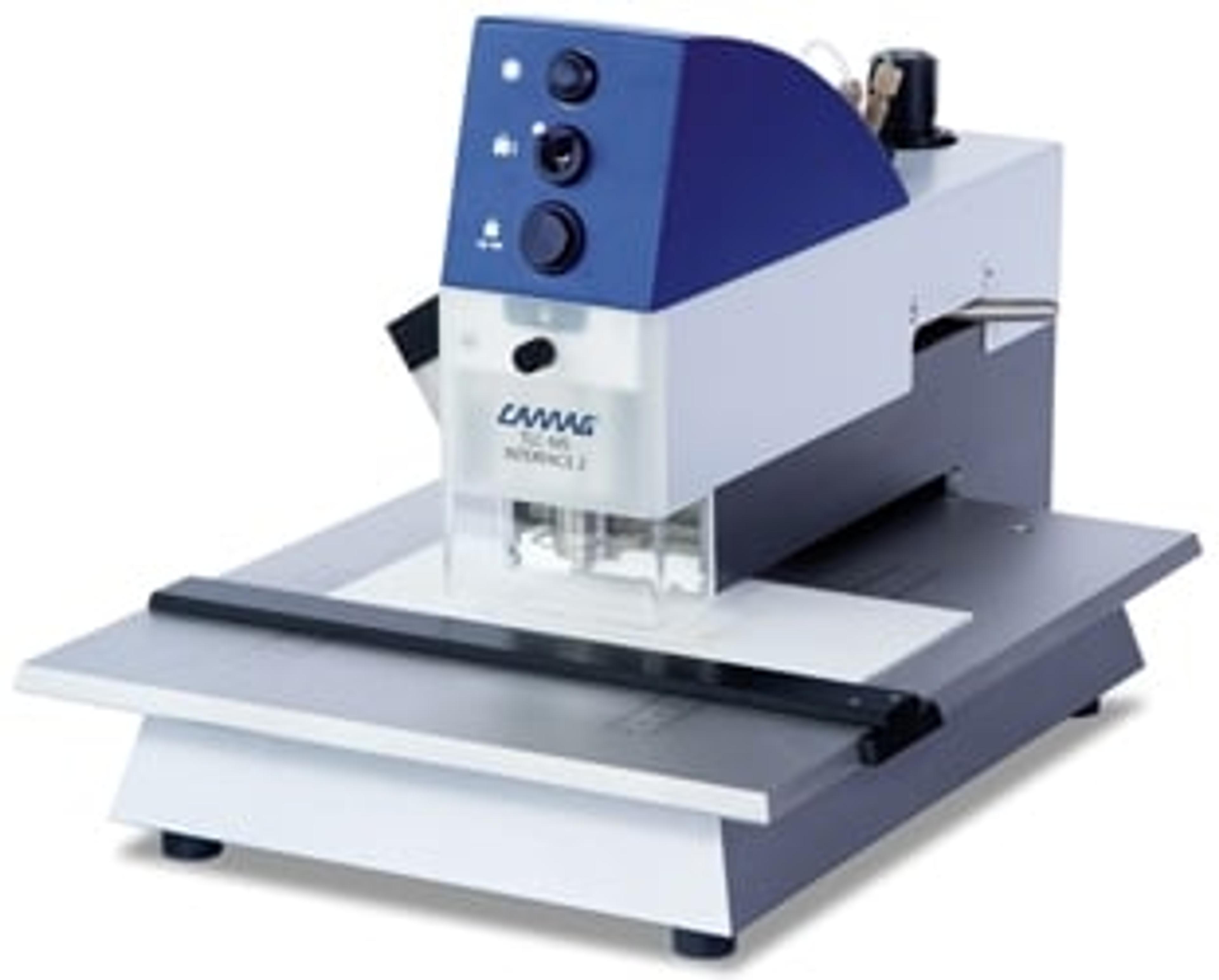
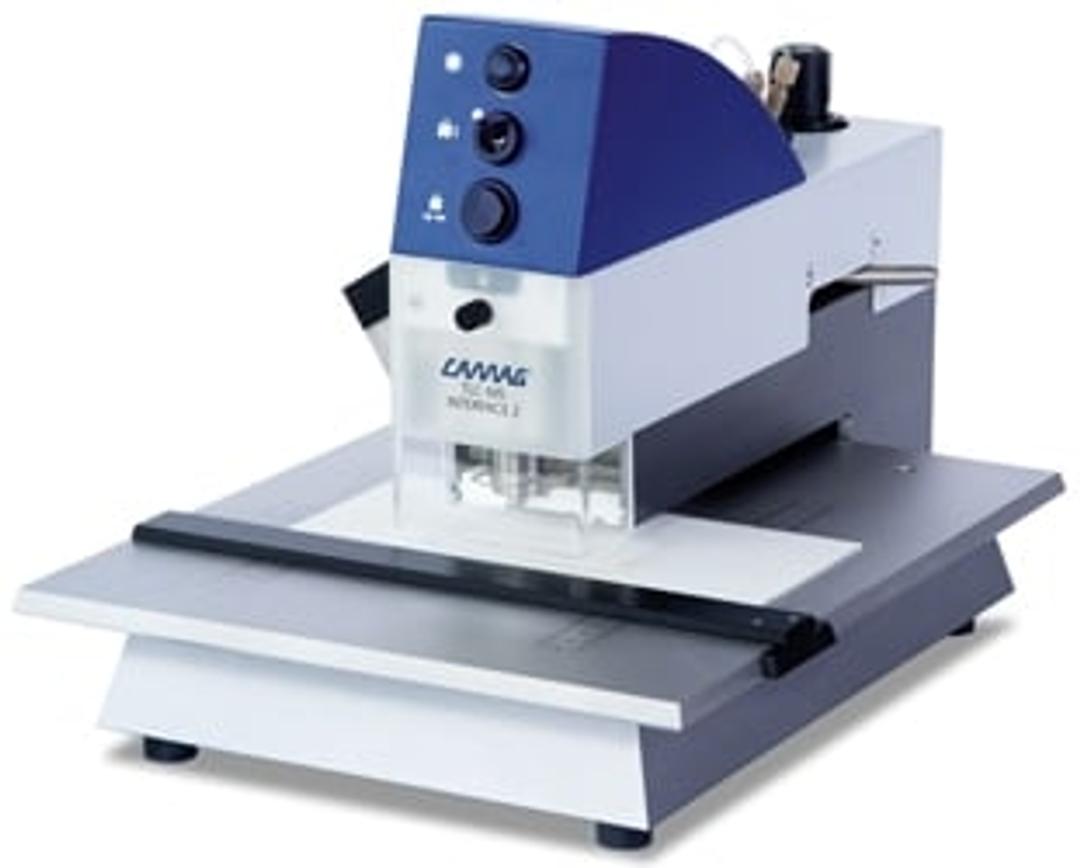
The TLC-MS Interface 2 enables users to directly analyze zones from TLC and HPTLC plates by mass spectrometry. A substance confirmation can be obtained in less than a minute.
CAMAG® TLC-MS Interface 2



The supplier does not provide quotations for this product through SelectScience. You can search for similar products in our Product Directory.
Its a great product. I highly recommend it.
Separating products
It's easy to use the TLC and also easy to handle. They gave me a high quality product.
Review Date: 25 Apr 2020 | CAMAG
The elution-based TLC-MS Interface 2 is a highly convenient and versatile instrument allowing for rapid and contamination-free elution of TLC/HPTLC zones with direct transfer to a mass spectrometer. Through the pioneering concept of hyphenating High-Performance Thin-Layer Chromatography with Mass Spectrometry unequivocal substance identification is possible.
The TLC-MS Interface 2 can be installed plug & play with any LC-MS system without adjustments or mass spectrometer modifications. Depending on the MS system, a substance can be identified within a minute via its mass spectrum, or for an unknown substance zone, the respective sum formula can be obtained. Furthermore, interesting zones can be eluted into vials for further investigations with, e.g., NMR, (ATR-)FTIR, ESI-MS, and MALDI-MS.
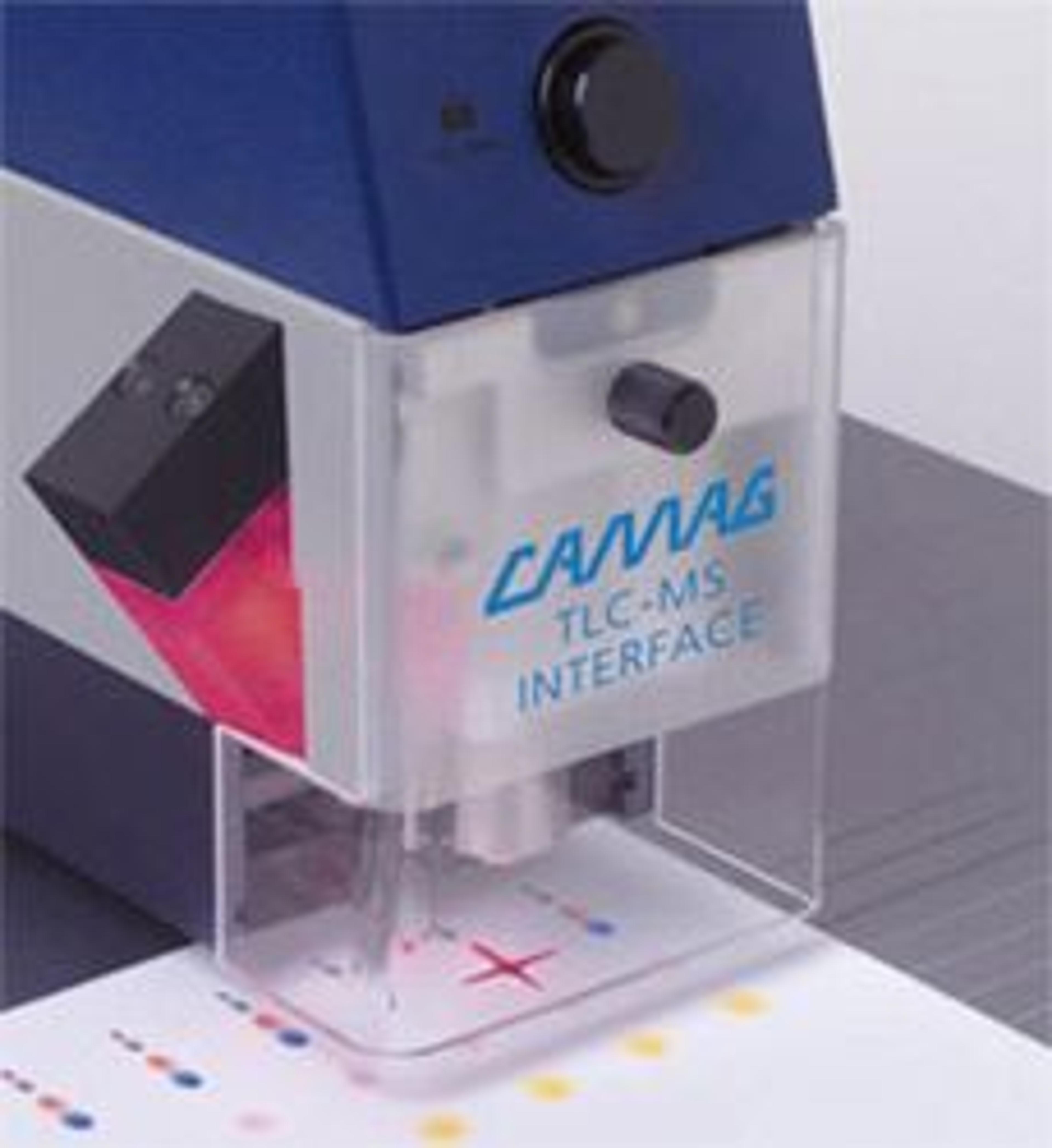
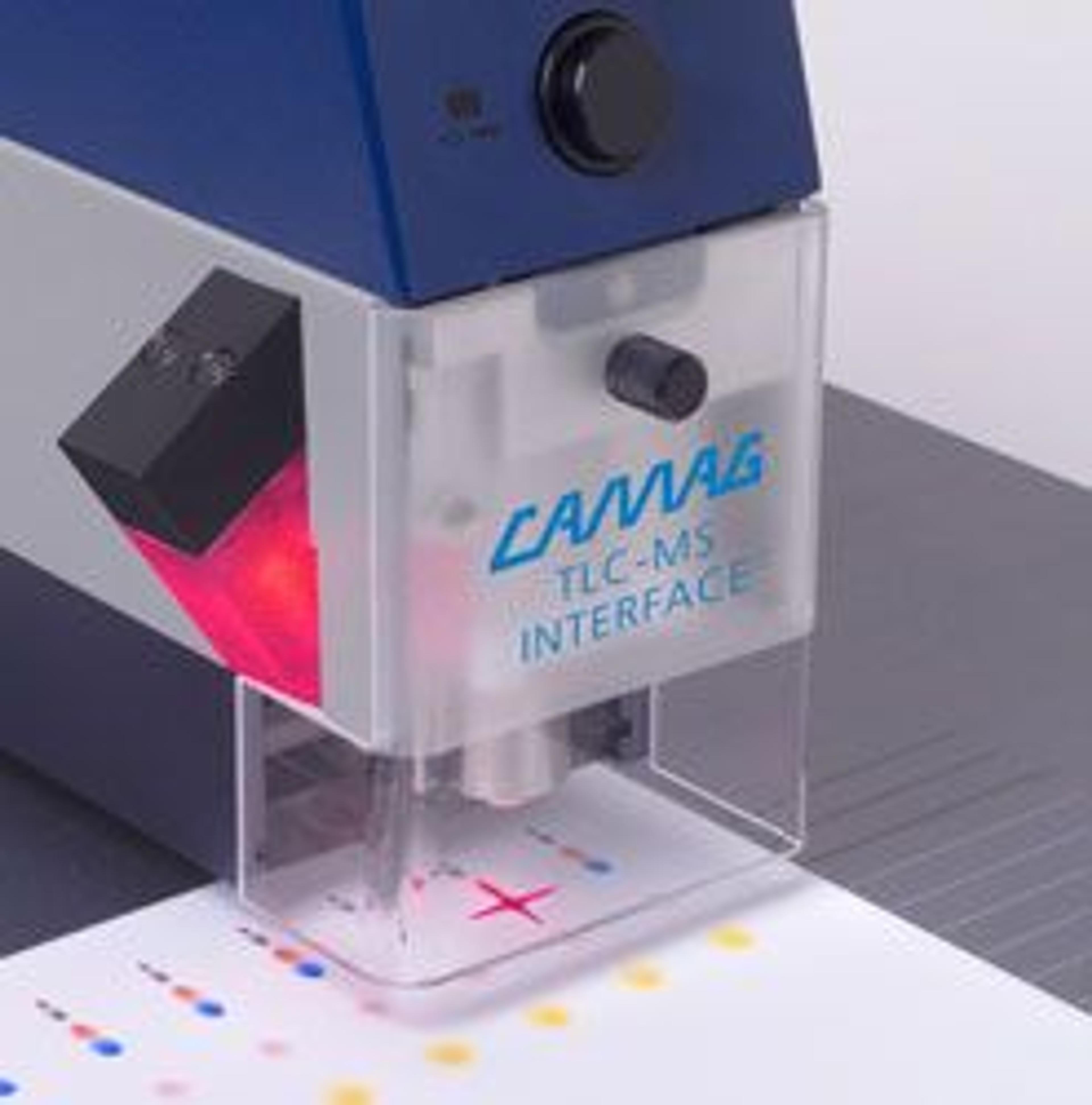
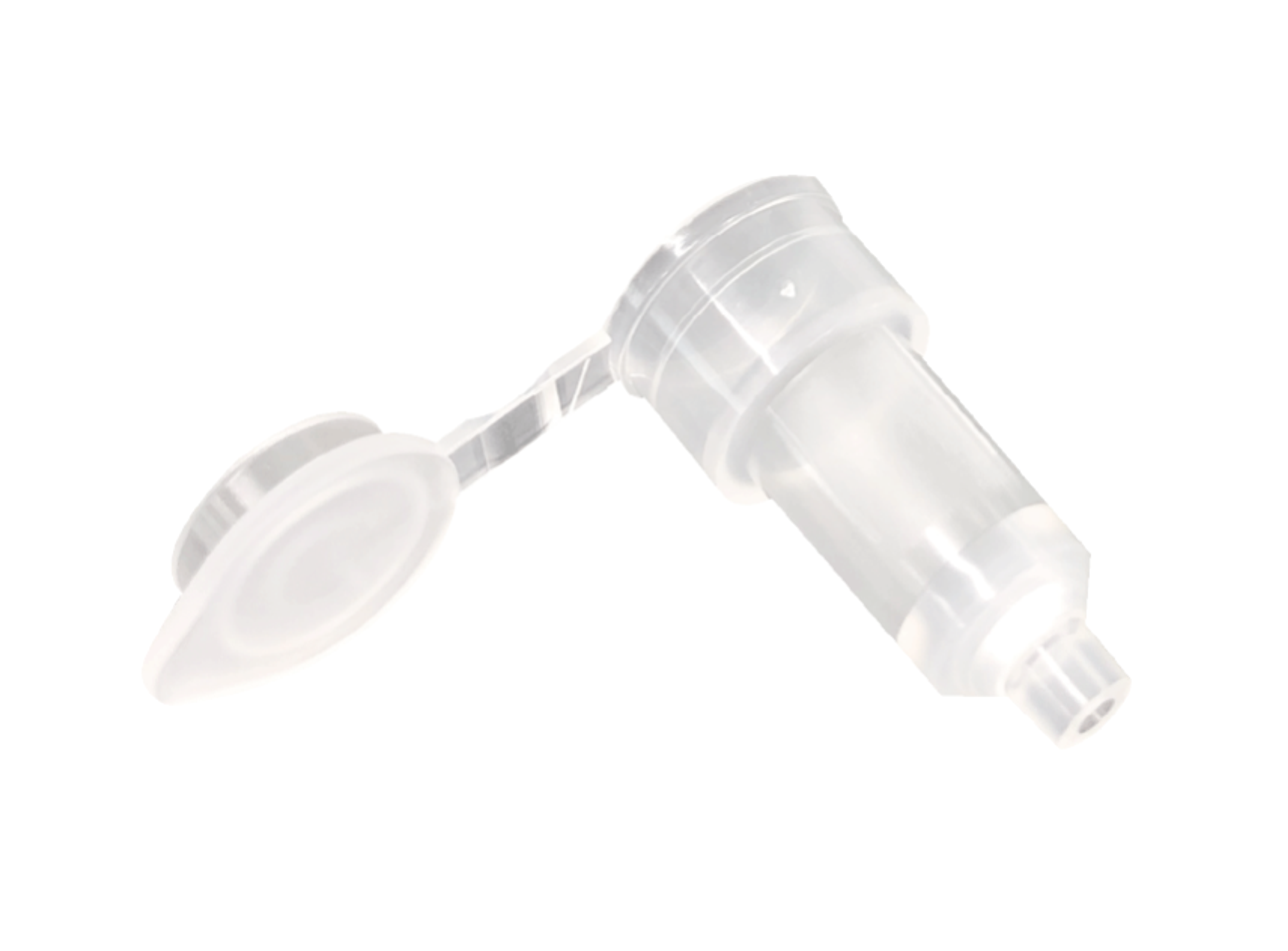
The chromatogram zones are eluted from the HPTLC plate with methanol or another suitable solvent with the flow speed appropriate for the LC-MS system. The round elution head is used for circular zones and the oval elution head for zones in the form of bands. After elution the eluate is either directly transferred to the mass spectrometer or collected in a sample vial for further offline analysis.
The TLC-MS Interface 2 features a modified elution head and an easily accessible, exchangeable filter, arranged in front of the valve. Cleaning is facilitated as compared to the previous version, making it highly efficient. By pushing a button, the elution path is cleaned of matrix particles with compressed air, increasing the lifetime of the filter and preventing the system from becoming blocked. These filters can be easily replaced without any modification to the elution head.
Key Features
- Rapid and contamination-free elution of selected zones
- Direct transfer to any mass spectrometer
- Plug & play installation
- Confirmation of known substances within a minute
- Any plate format up to 20 x 20 cm
HPTLC: Unmatched precision and reproducibility
The world of separation technologies and their applications is intricate, where a solution suitable for one context might not be equally viable for another. Nevertheless, versatile, cost-effective, and user-friendly separation technologies adhering to cGMP standards can significantly benefit busy analytical laboratories.
In this expert guide, we delve into the diverse applications of CAMAG’s high-performance thin-layer chromatography (HPTLC) technology, providing you with a comprehensive grasp of its exceptional versatility. This eBook will reveal how this advanced technology delivers speed, simplicity, standardization, and reproducibility, all of which are crucial for the modern analytical laboratory.
This eBook will also explore:
- The capabilities of next-generation HPTLC
- How to quantify cannabinoids in plant tissue and nicotine in e-cigarette liquids
- How to analyze the quality of weight loss products, fragrance allergens, and emulsions

Confirming the presence of cannabinoids in Cannabis sativa by HPTLC-MS
In recent years a lot of research has been done on the medicinal use of Cannabis sativa. Cannabinol (CBN), cannabidiol (CBD) and ∆9-tetrahydrocannabinol (∆9-THC) are the most studied active ingredients for medicinal use treating several health disorders, e.g.migraine, epilepsy, appetite loss. In this application note, CAMAG demonstrates how investigations into confirming the presence of cannabinoids in cannabis can be performed using high-performance thin-layer chromatography-mass spectrometry.
Detection of sibutramine in slimming products by HPTLC and confirmation by HPTLC-MS
Diet foods, such as slimming coffee or dietary food supplements, are widely marketed and numerous preparations are available to consumers through several distribution channels. They are particularly easy to obtain via the internet. The fraudulent addition of sibutramine has recently been detected in many tainted natural slimming pills and is of serious health concern. In this application note, CAMAG demonstrates how the presence of sibutramine may be identified using thin-layer chromatography-mass spectrometry.
Detection of UV filters in cosmetic products (sunscreen) by HPTLC and confirmation by HPTLC-MS
Sunscreen products contain UV filters that absorb or reflect a part of the sun’s ultraviolet (UV) radiation. The identification of UV filters in cream can be a challenging task because of the multiple ingredients used in the cosmetic formulation. After simple sample preparation followed by HPTLC separation, the presence of the target compounds can be confirmed by mass detection.

2nd HPTLC Online User Meeting, hosted by the HPTLC Association
Promoting the use of HPTLC in plant analysis and other analytical fields is the main purpose of the International Association for the Advancement of High-Performance Thin-Layer Chromatography (HPTLC Association). For this, we bring together representatives from academia, industry, research, regulatory, and standard setting bodies.The “HPTLC Online User Meetings” shall facilitate a worldwide exchange of knowledge between HPTLC users and share the spirit of working in an exciting analytical field!
Using just classical Silica gel 60? There is more!
The stationary phase most commonly used in basic and High-Performance Thin-Layer Chromatography is the classic Silica gel 60 layer. It is also referred to as the normal phase. However, for many applications the choice of a modified silica gel layer could lead to a much better chromatographic result. Plus, the corresponding mobile phase may permit the use of less hazardous solvents. This session will discuss the diverse properties of available stationary phases, and present unique application examples to illustrate the possible improvements of separation conditions.
How to assess the safety of food products in absence of toxicological data
Assessing the safety of food is challenging as foods are complex mixtures containing thousands of known and unknown substances occurring at various concentrations. What is the best method to detect chemicals of most concern on which further toxicological investigations should be focused? Recent progress using Thin-Layer Chromatography (HPTLC) coupled to bioassays has been proposed as a breakthrough solution to fill some of the gaps identified with standard bioassays. In this session, HPTLC effect-direct analysis (EDA) for toxicologically relevant endpoints will be presented, anchoring bioassays and chemical analysis in complex mixtures of unknown composition with the goal to optimize and speed up decision-making in Food Safety.
Space for discussions – Meet the speakers and representatives from the HPTLC Association in a follow-up meeting held via Zoom at 15:15 BST
Take the opportunity to engage in discussions with speakers, colleagues, and representatives from the HPTLC Association in a moderated Zoom meeting, scheduled immediately after the main event. A separate registration for the Zoom meeting is not required – registrants for the main event will receive an email invitation with an access link one day prior to the event. Additionally, a QR code and a shortlink will be displayed after the Q/A session to bridge the gap, enabling a seamless transition from the webinar platform to the Zoom meeting also for last minute registrants.
Key learning objectives
- Extend your knowledge about HPTLC and understand the benefits of HPTLC for diverse applications.
- Get insights into the daily work of HPTLC users.
- Learn how to optimize your HPTLC application(s).
Who should attend?
- Researchers
- Students
- Analysts
- Technicians
- Scientists
- Members of the HPTLC Association
Certificate of attendance
All webinar participants can request a certificate of attendance, including a learning outcomes summary, for continuing education purposes.
This event is sponsored by:
New TLC-MS Interface for Rapid and Convenient Substance Extractions
Learn about the new CAMAG TLC-MS Interface with this SelectScience.tv interview at Pittcon 09. This is a versatile new instrument for extracting compounds from a TLC/HPTLC plate and feeding them into a mass spectrometer.