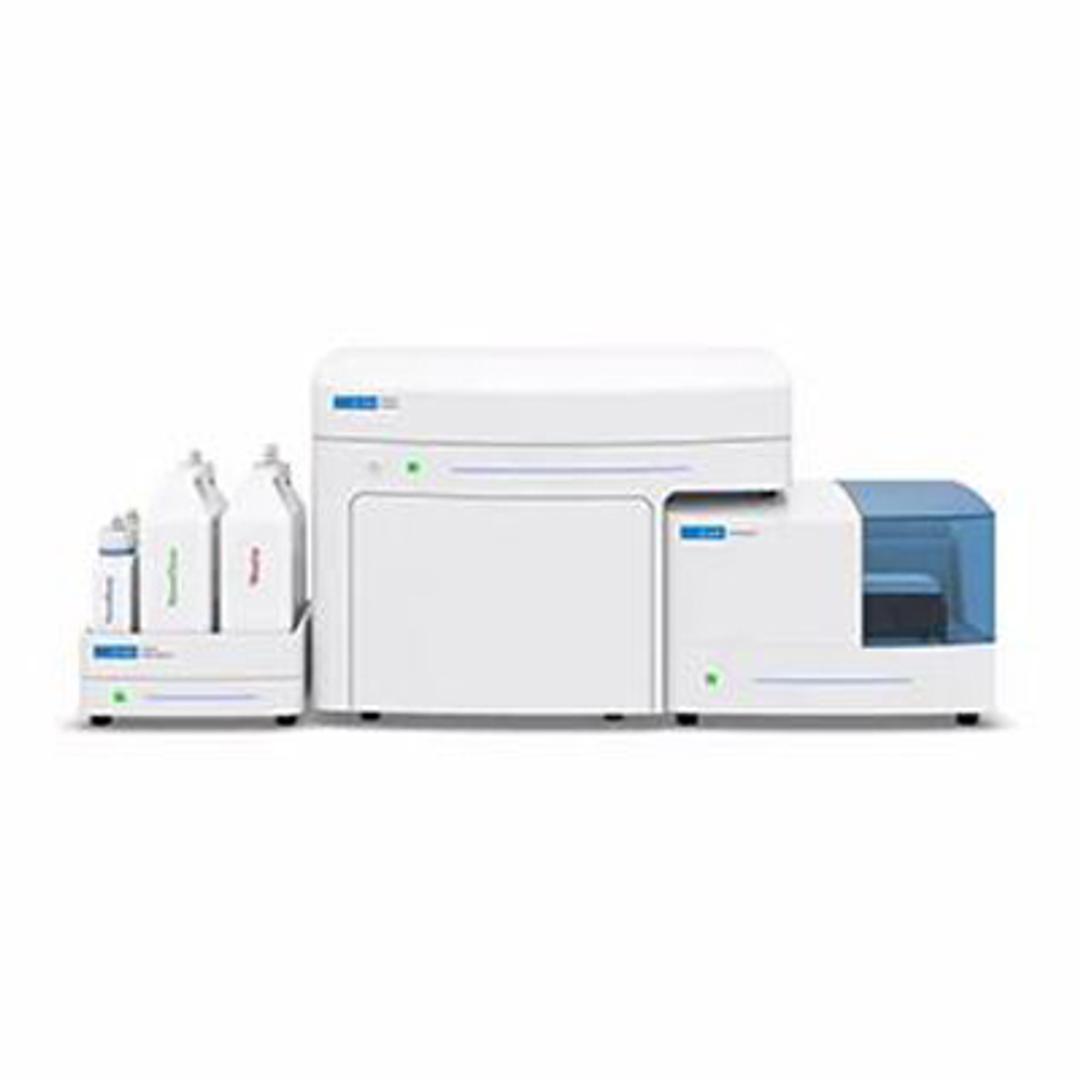
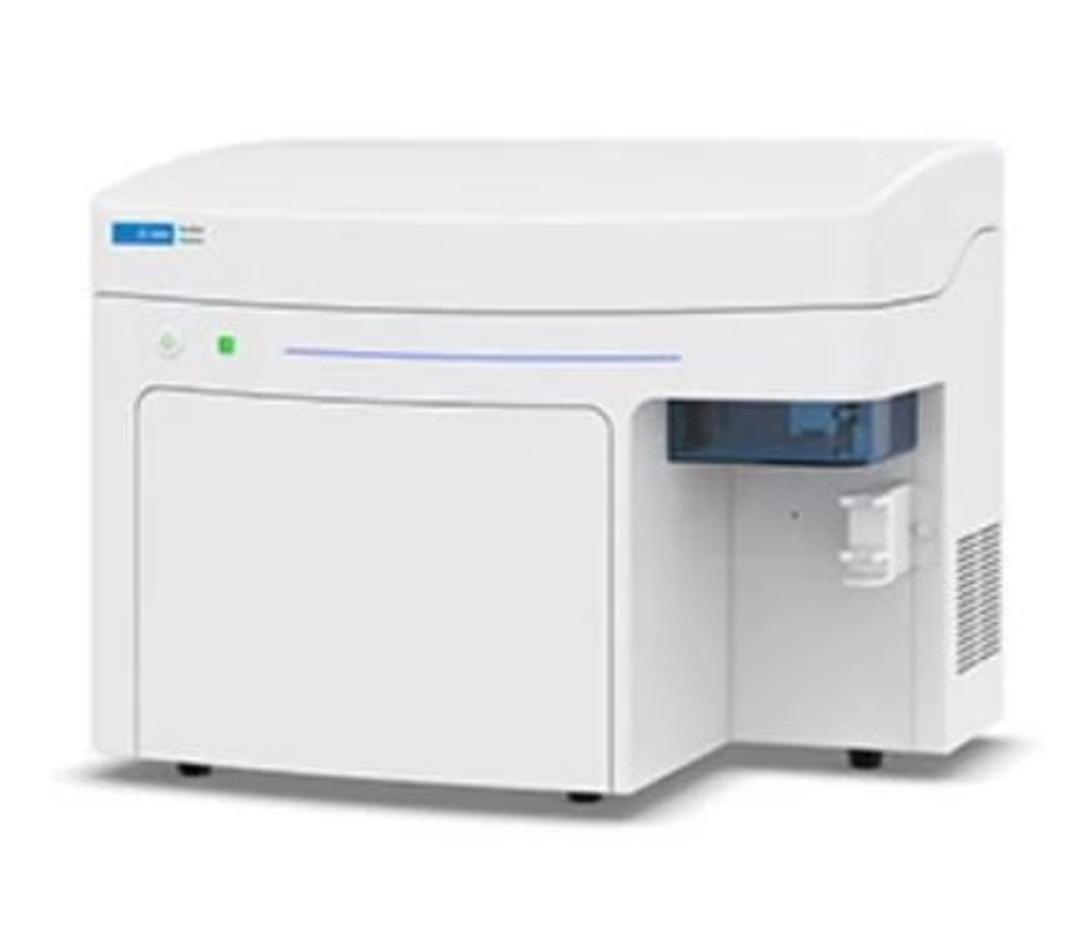
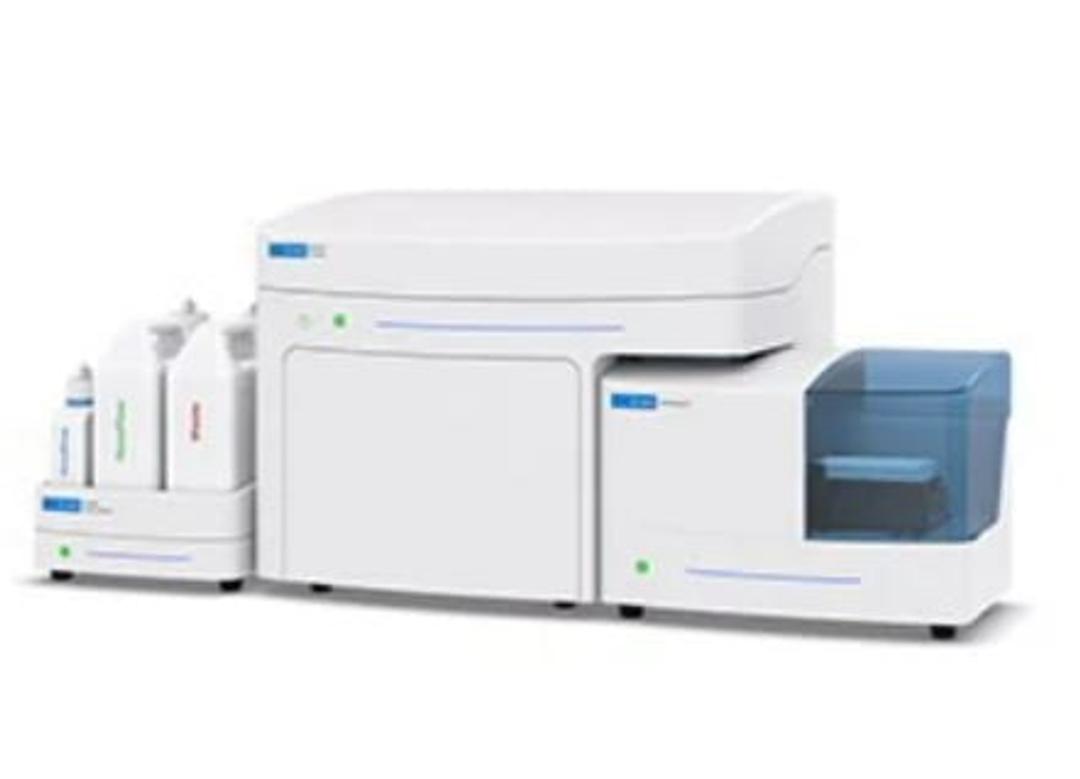
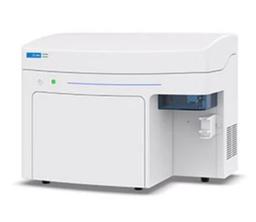
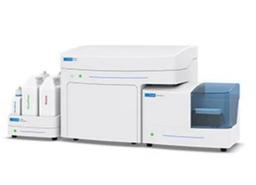
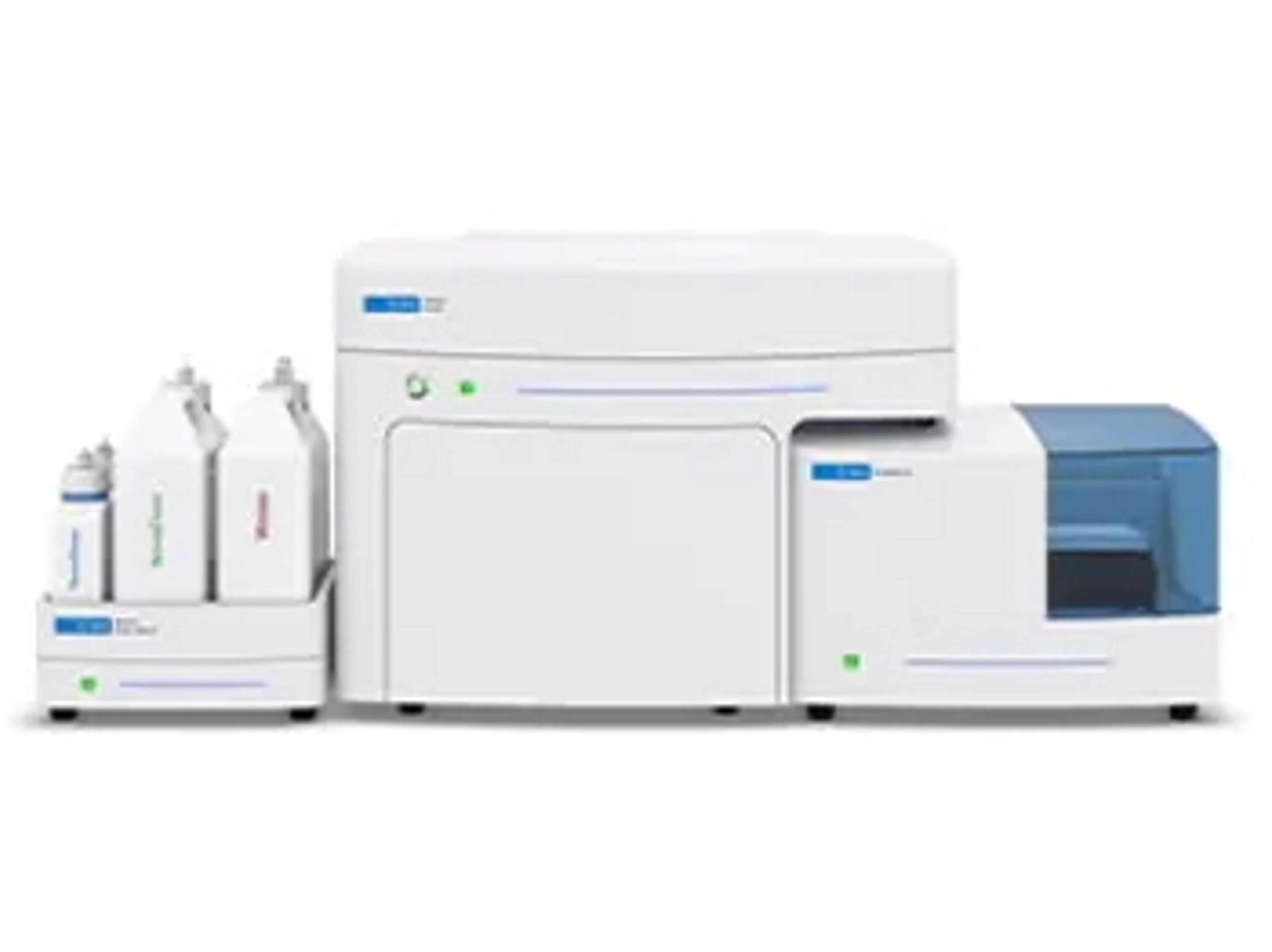
NovoCyte Quanteon Flow Cytometer
When exceptional performance meets simplicity.


Receive your quote directly from the manufacturer.
The equipment is easy to use, has several novel Flux cytometry possibilities.
Flow Cytometry (Oncology)
The machine provides an excellent sensitivity for the results.
Review Date: 16 Jan 2024 | Agilent Technologies
I wish I had this machine years ago! So many new flow cytometry possibilities
Analysis of tumor immune microenvironment
Studying the tumor immune microenvironment can be tricky because distinguishing different immune cells and their activities require quite many different markers simultaneously. This machine allows up to 25 different fluorochromes, and this has made my life a lot easier. Previously I had antibody panels of max 8 fluorochromes, and this also meant that I had to split my already-small samples into smaller and smaller pieces. The machine and software are user-friendly, and being able to walk away while the machine runs a 96-well plate frees up SO much time. Another big advantage is the easy clean-up and shut-off procedure. I don't have to wait for the program to finish, so I'm not dreading being the last user of the day.
Review Date: 17 Feb 2022 | Agilent Technologies
This is an amazing instrument that should be used in every immunology based lab
Flow cytometry of in vitro and in vivo samples
This is an amazing piece of equipment. We have two NovoCyte Quanteon Flow Cytometer at LSU Health Science Shreveport, and it has 25 colors that allow you to design complex flow cytometry panels that permit you to obtain great resolution and a vast amount of data from one staining sample. Data acquisition is fast, and I had never had a problem with the machine neither the software. The optical configuration has a lot of flexibility and the settings for the detectors can be adjusted independently allowing for maximum resolution. The software is user friendly, and the technical support are very helpful. I use it several times a week as my lab focuses on the study of host-pathogen interactions. This is an amazing piece of equipment that is a must in any laboratory that frequently employs flow cytometry.
Review Date: 4 Feb 2022 | Agilent Technologies
Great results, thank you
Analyzed metabolites
Thanks for this product
Review Date: 18 Dec 2021 | Agilent Technologies
Lab Team Loves Agilent
In House Lab
Agilent provides great all around bound product.
Review Date: 17 Nov 2021 | Agilent Technologies
Tool frequently breaks
Thin film
Tool frequently breaks
Review Date: 12 Nov 2021 | Agilent Technologies
I don't run a lab any more but if I did I'd definitely want a Quanteon in it!
Immuno-oncology, antigen-driven cell proliferation
We had a chance to try out this instrument as part of our workshop on cell tracking and cell functional assays at the 42nd and 43rd Annual Courses in Research Applications of Cytometry (Bowdoin and Madison). Flexibility of optical configuration, wide dynamic range, and ability to independently adjust settings of up to 4 different detectors in a shared spectral window were perfect for applications in which we needed to match multicolor immunofluorescence (including several low-expression antigens) with extremely bright proliferation dyes to analyze differential proliferative responses based on dye dilution. Technical support personnel were extremely knowledgeable and helpful before, during and after the workshop.
Review Date: 9 Jul 2020 | Agilent Technologies
Reliable, powerful and easy to use!
Cancer and immunology
We have had the Quanteon for more than 7 months now. Daily maintenance is straightforward and easy, passing the validation every day with no drama! Users found the software easy to learn and to set up new experiments. Change between the tube mode and plate mode is simply done by choosing the right button within the software, so no tricky fiddling for loading station or sample line. The instrument was ready to use after weeks of COVID-19 lockdown, after the simple routine startup, with no extra clean or alignment, which is impressive!
Review Date: 22 Jun 2020 | Agilent Technologies
Great choice for an instrument that will be shared by beginners and advanced users.
Immunophenotyping
We have had a NovoCyte 3000 for a couple of years and it is a high quality, solid instrument and ACEA’s customer support is among the best I’ve seen in the industry. Therefore, when we had the opportunity to get a more advanced instrument, the Quanteon naturally came to mind. There are several advantages to the Quanteon over the NovoCyte 3000. 1. While the NovoCyte has eight shared PMTs theoretically allowing for up to 13 colors, the Quanteon has 25 independent Silicon Photo Multipliers (each SiPM is essentially an array of APDs acting in unison) which are more sensitive than PMTs. Independent detectors add flexibility for more advanced users. 2. The NovoCyte has 3 lasers, with the Quanteon having 4 more powerful lasers which both adds to sensitivity and ease of panel design. 3. The NovoCyte has 0.2 μm. resolution, the Quanteon pushes this down to 0.1 μm. The greatest thing about the Quanteon, is that if you already know how to use the NovoCyte, the software is the same user-friendly and powerful NovoExpress that you are accustomed to. I have trained 3 undergraduates (one a second semester freshman) to independently operate the Quanteon in the first few months we owned it. As far as customer service, everyone I’ve encountered at ACEA is top drawer. Excellent. I once observed one of their team members, Heather Paich, “triple hat” as a salesperson, engineer, and applications specialist in the span of about 4 hours. It was impressive. I forgot to mention the autosampler – the best I’ve ever seen.
Review Date: 3 Dec 2019 | Agilent Technologies
One of its own kind and I love it.
Laboratory
I honestly feel proud to use this machine as it is so easy to use but very effective in producing the results.
Review Date: 14 Mar 2019 | Agilent Technologies
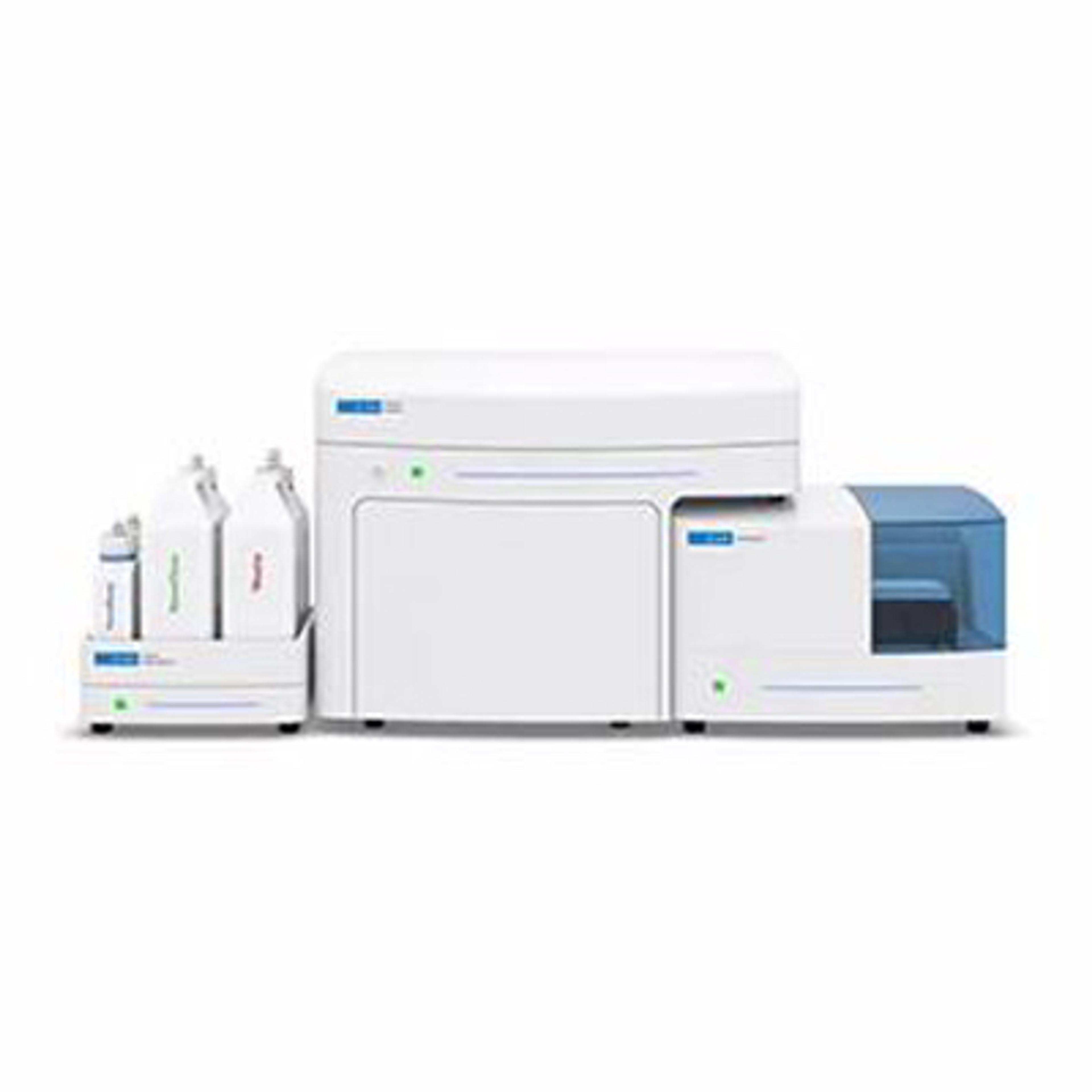
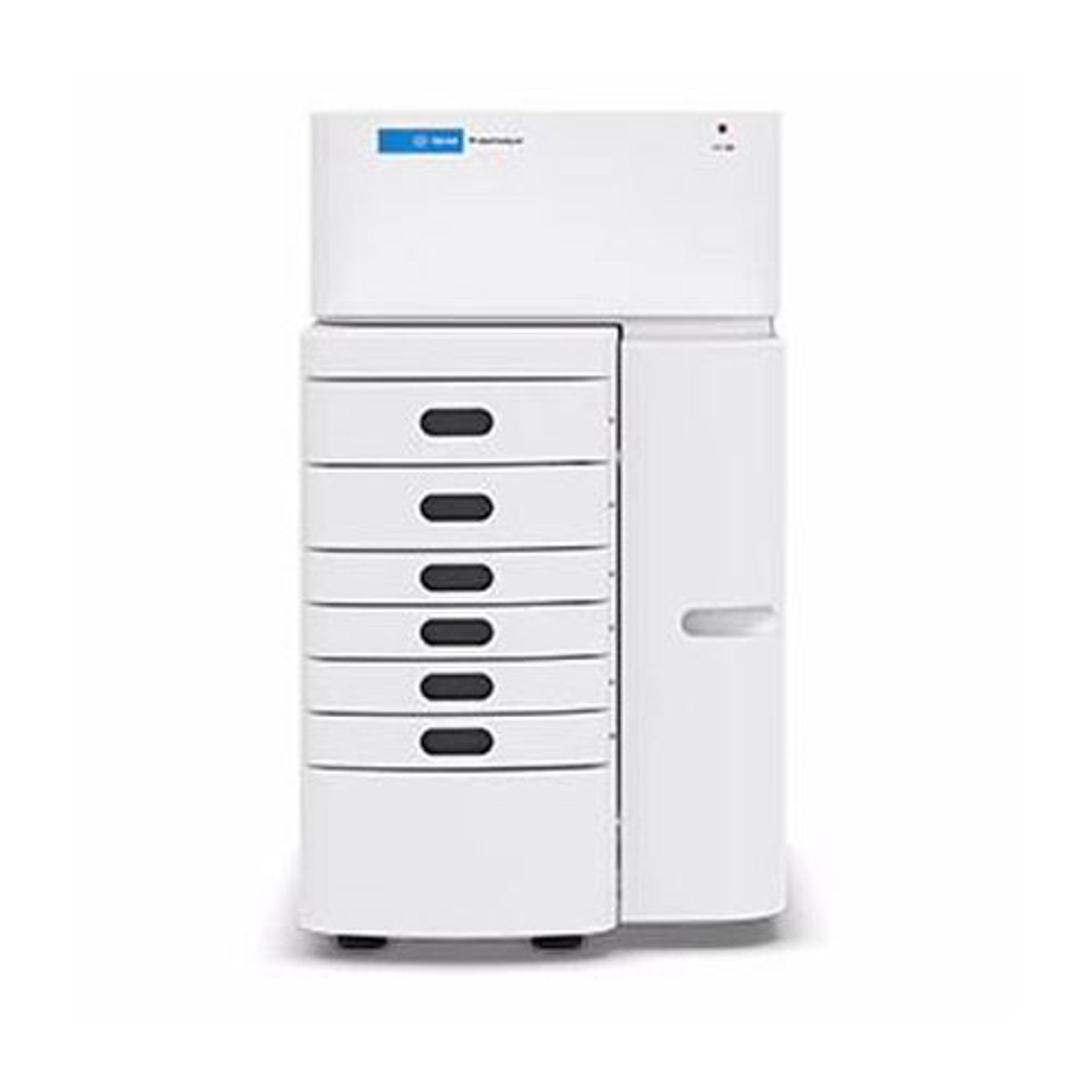
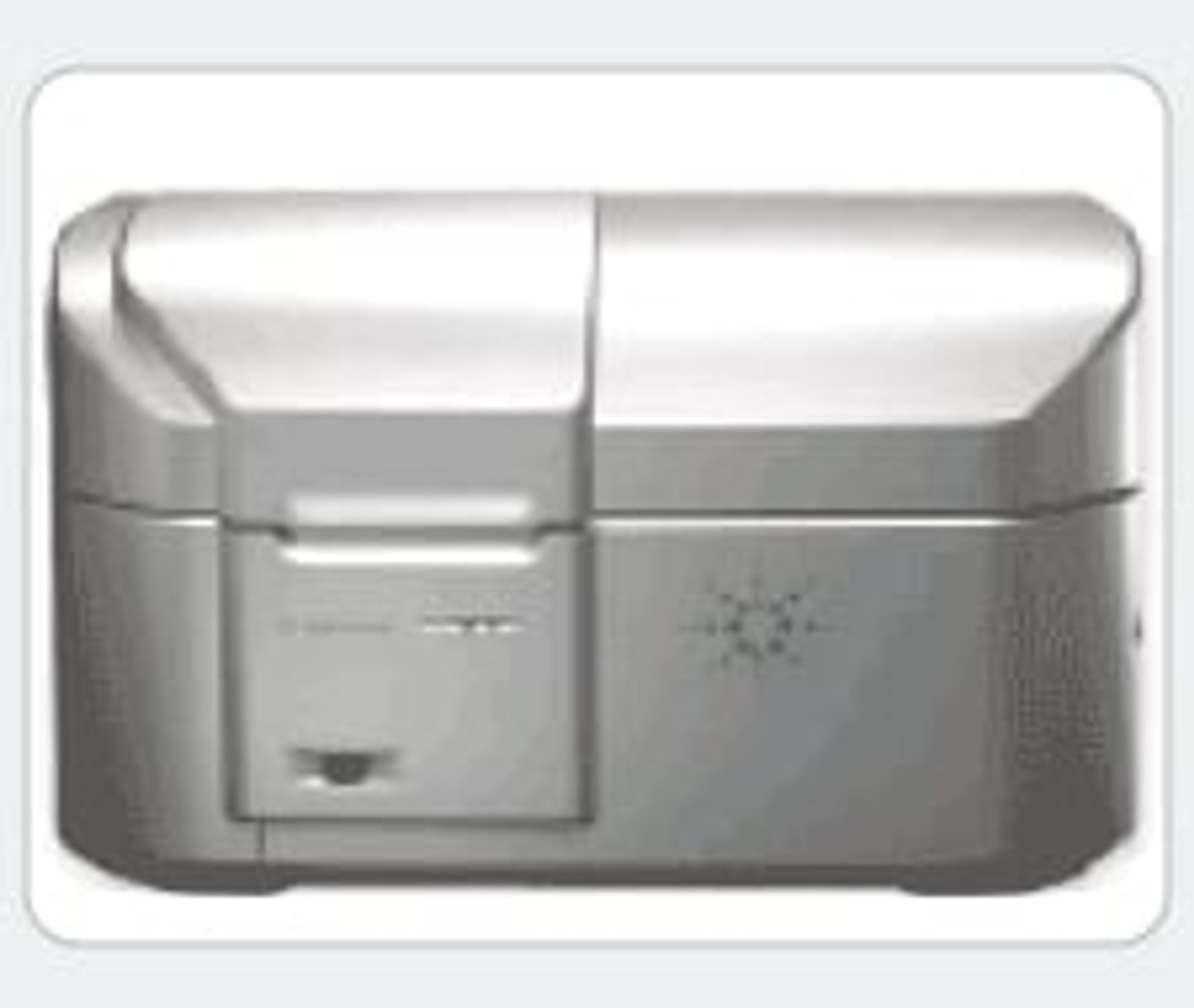
The NovoCyte Quanteon is a new generation in the successful line of NovoCyte flow cytometers. The Quanteon is a 4 laser flow cytometer that can be configured with up to 25 independent photomultipliers for meeting the most demanding sample panels. The proprietary photomultiplier technology employed in the Quanteon provides excellent sensitivity, stability, and a 7.2 log dynamic range. Very dim signals and very bright signals can all be captured and gated in the same view, therefore eliminating the need for laborious trial and error PMT tuning procedures.
When developing large color panels, the Quanteon saves hours of setup and analysis time. Excellent fluidics provide steady and consistent sample delivery, with high reproducibility and exceptionally low CVs. Absolute counts, without the use of expensive beads, will save you time and money.

Breakthroughs in immunotherapy
Uncover the latest recommendations from leaders in immunotherapy research and their insights into exciting new immunotherapy developments. This eBook showcases new analysis tools for scientists developing innovative cell-based solutions.
Detection of rare cells and circulating tumor cells using flow cytometric methods
Circulating tumor cells (CTC) are rare cells shed from a solid tumor or metastases that circulate through the bloodstream. Detection of CTC poses a challenge because they are present at extremely low concentrations, as few as a couple CTC in several milliliters of blood, which contain up to 3 to 6 million cells per mL. To determine the sensitivity and accuracy of rare cell detection on the Agilent NovoCyte Quanteon flow cytometer, a tumor cell spiking assay was used in which a small number of cells from a tumor cell line was added to whole blood and detected by a cell surface stain.
Ex vivo phenotyping and potency monitoring of CD19 CAR T cells
The development of cell-mediated immunotherapies has revolutionized cancer research as well as the study of the immune system. One of the most promising types of cell therapy involves the genetic engineering of novel chimeric antigen receptor (CAR) T cells to target cancer cells. To efficiently determine optimal CAR construction, researchers must develop a robust screening protocol to identify the ideal parent T cell populations and evaluate their cell killing potency. In this application note a workflow using a combination of the Agilent xCELLigence RTCA analyzer and Agilent NovoCyte Quanteon flow cytometer to thoroughly evaluate and characterize CAR T cells is described.

Rewiring the metabolism of CAR-T cells
Join Professor Mercedes Rincon, University of Colorado Anschutz School of Medicine, as she discusses the groundbreaking advancements in adoptive T cell therapy, particularly chimeric antigen receptor (CAR) T cell therapy. While CAR-T therapy has achieved impressive complete remission rates in 60–90% of patients with relapsed/refractory B-cell acute lymphoblastic leukemia (r/r-B-ALL), challenges such as treatment failures and relapses remain significant obstacles.
Metabolism plays a critical role in T cell function, shaping immune responses. While glycolysis is essential for T cell expansion, it can restrict the self-renewal capacity of CAR-T cells during manufacturing. Mitochondrial respiration is vital for their survival and effectiveness. Recent findings have highlighted MCJ, a protein that negatively regulates mitochondrial function in CD8 cells. Loss of MCJ enhances mitochondrial respiration, cytokine secretion, and anti-tumor activity. Targeting MCJ to boost mitochondrial metabolism presents a promising strategy to enhance the efficacy of CAR-T cells and advance adoptive T cell therapies.
Key learning objectives
- Understand the current landscape of adoptive T-cell therapy
- Explain the role of metabolism in T cell function, highlighting the significance of glycolysis and mitochondrial respiration in enhancing CAR-T cell efficacy
- Identify the potential of MCJ as a therapeutic target to improve mitochondrial metabolism, cytokine secretion, and overall effectiveness of CAR-T cell therapies
Who should attend?
- Researchers and scientists specializing in CAR T-cell therapy, immunotherapy development, cell metabolism, glycolysis, and mitochondrial respiration.
Certificate of attendance
All webinar participants can request a certificate of attendance, including a learning outcomes summary, for continuing education purposes.
In process assessment of critical process parameters impacting CAR T-cell potency, metabolic fitness and phenotype
Chimeric Antigen Receptor (CAR) T-cell therapy has emerged as a promising therapeutic approach for several cancers. Despite the growing interest, the widespread use of CAR T-cell therapies has been restricted due to their high cost and the challenges that arise when compared with traditional methods for manufacturing and product QC. Developing sensitive and reliable analytics to characterize CAR-T products' critical quality attributes (CQAs) and tailoring the cell expansion process to achieve these CQAs provides tools for a more consistent manufacturing process.
Join Dr. Laurissa Ouaguia, Scientist, Reagents and Application Development, Agilent Technologies, as she discusses Agilent’s portfolio of cell analysis tools. She will also demonstrate how they can be applied during the production of CAR T-cells using the functionally closed and automated Lonza Cocoon® Platform for cell manufacturing. This approach provides a deeper understanding of the immune phenotype, metabolic fitness, and cytotoxic function of the CAR T-cells throughout the production, allowing for more informed process development.
Key learning objectives
- Explore the Agilent Seahorse XF Analyzer for real-time live-cell metabolic assay and the impedance-based xCELLigence RTCA eSight system for real-time immune cell killing potency assay.
- Understand how Agilent cell analysis platforms deliver reliable, reproducible, and sensitive analytics, providing a deeper understanding of CAR T-cells' immune phenotype, metabolic fitness, and cytotoxic function throughout the production in an automated cell manufacturing platform
- Discover how enhanced analytics can provide valuable tools for in-process analysis during CAR T-cell manufacturing, potentially shortening production timelines and reducing associated costs
Who should attend?
- Researchers and scientists specializing in cell therapy
- Experts in cell therapy analytics and process development
- Cell therapy manufacturing specialists
- Quality control (QC) professionals in the cell therapy field
- Professionals in the pharmaceutical and biopharmaceutical industries focusing on cell therapy
Certificate of attendance
All webinar participants can request a certificate of attendance, including a learning outcomes summary, for continuing education purposes.
8 of the latest reviews on clinical instrumentation
Read product reviews from clinicians and healthcare professionals around the world to help your lab make better purchasing decisions

‘To improve science communication, we need to create opportunities to practice communicating’
Rita Turpin discusses how she is encouraging science communications, and the challenges she’s faced as a scientist

Agilent companion diagnostic expands CE-IVD mark in Europe to include esophageal cancer
PD-L1 IHC 22C3 pharmDx can now be used as an aid to identify esophageal cancer patients for treatment with KEYTRUDA (pembrolizumab)

Agilent announces launch of global biomarker pathologist training program
Designed to enrich pathologists' skills in biomarker interpretation and scoring techniques

Top new resources to advance your immuno-oncology research
Exclusive interviews, free downloads, the latest methods and much more to help support your immuno-oncology research
Agilent expands line of flow cytometers with the NovoCyte Penteon
The new line aims to provide unmatched sensitivity, resolution, speed, and flexibility of colors