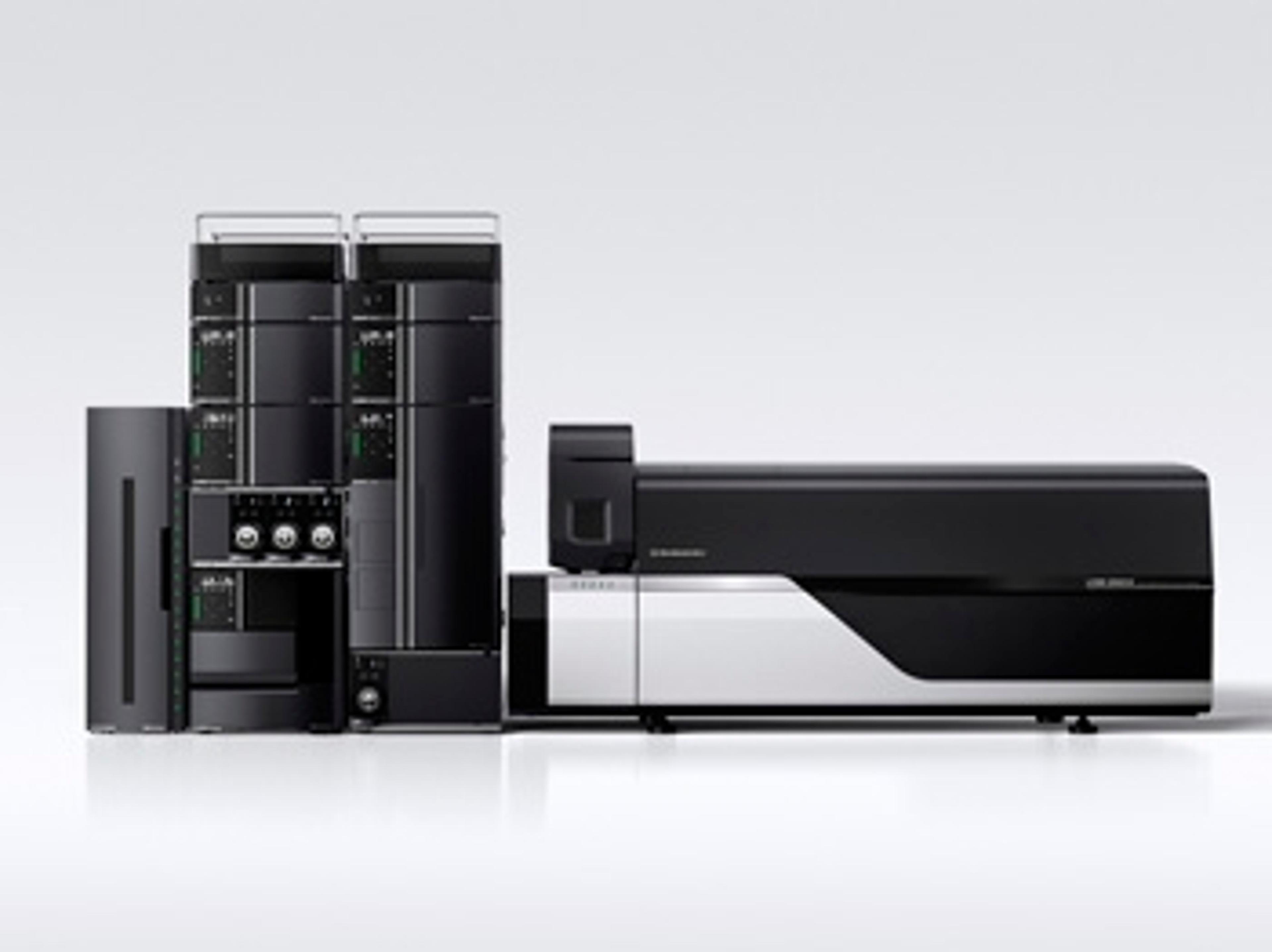
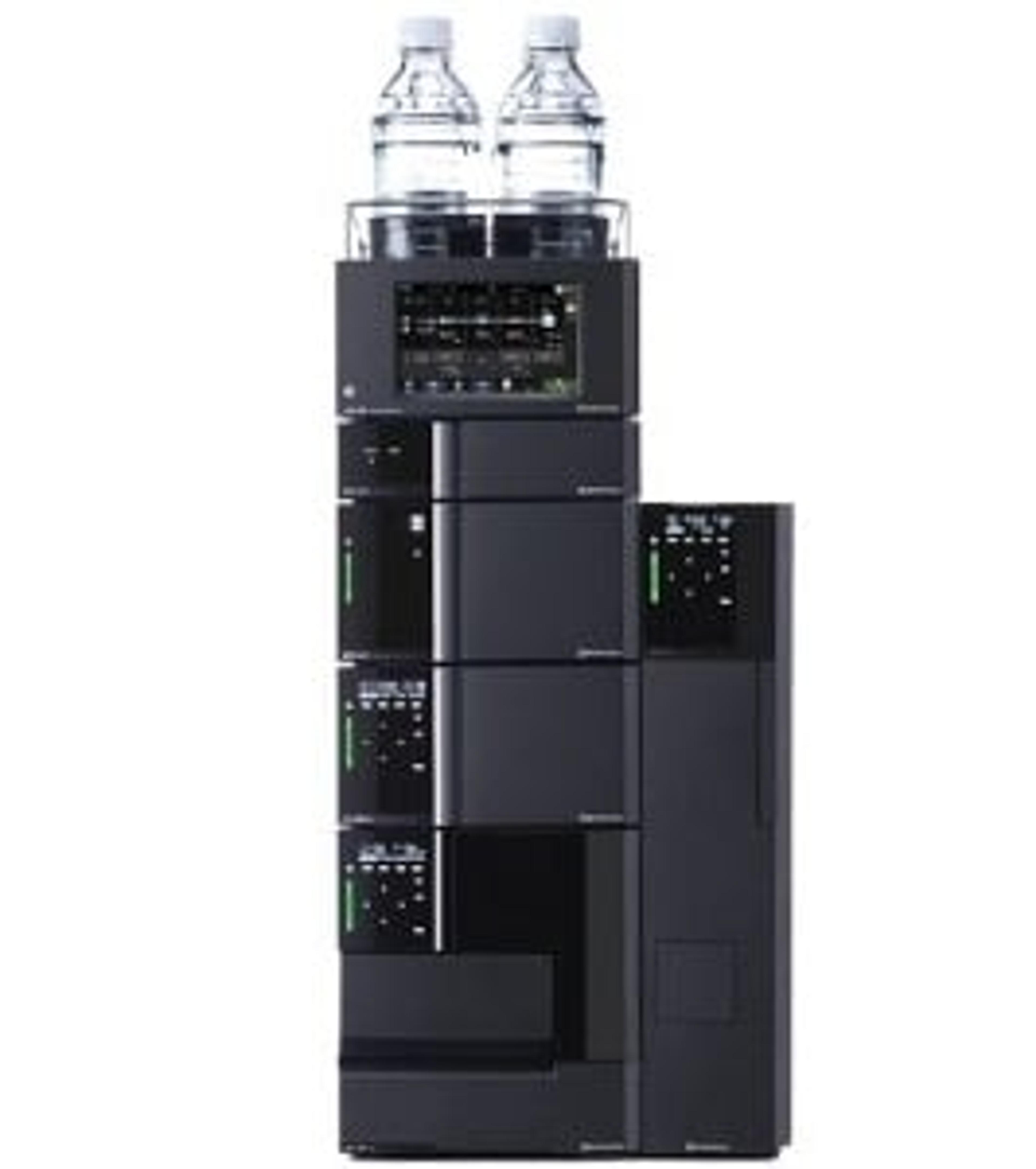
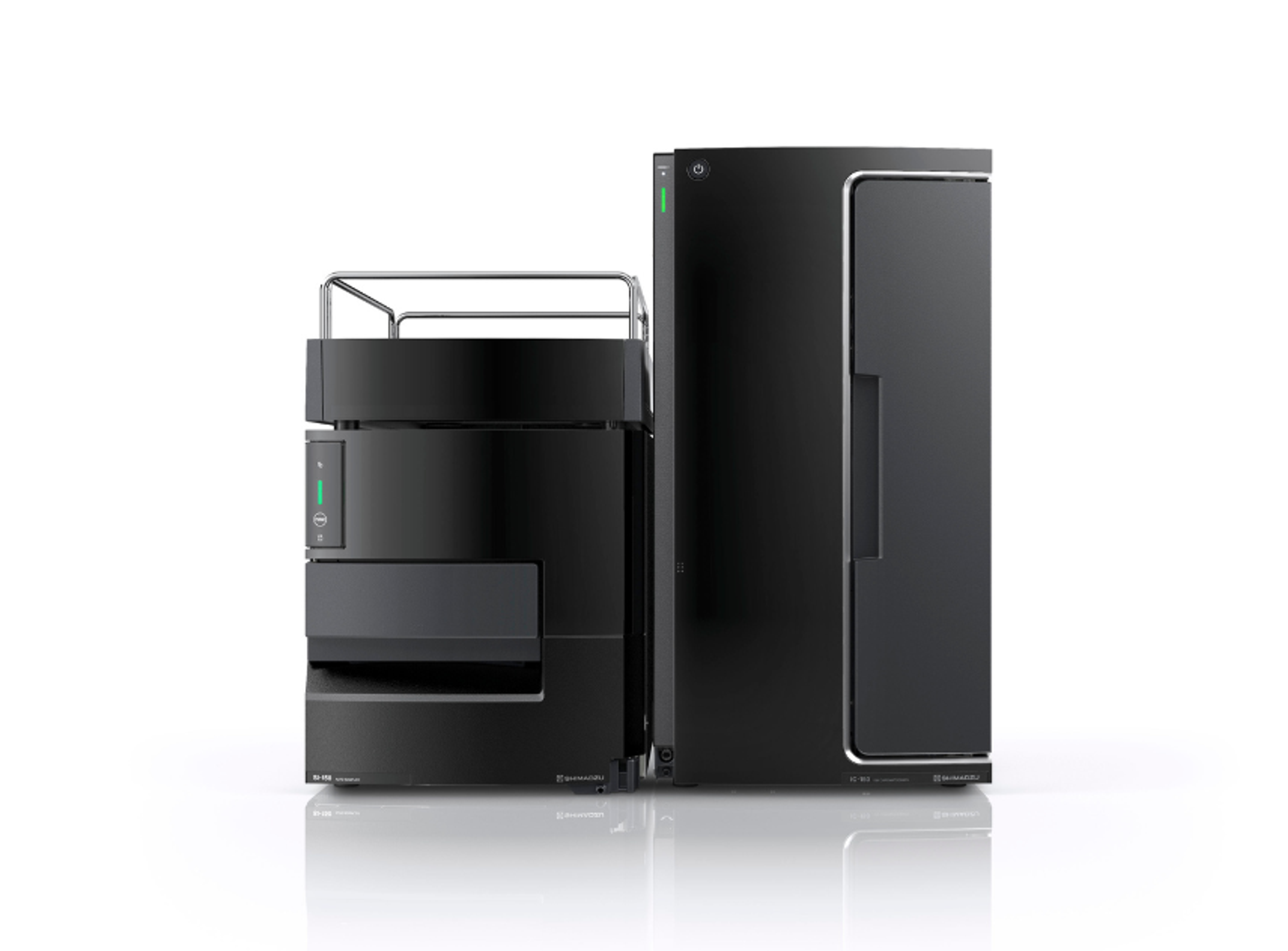
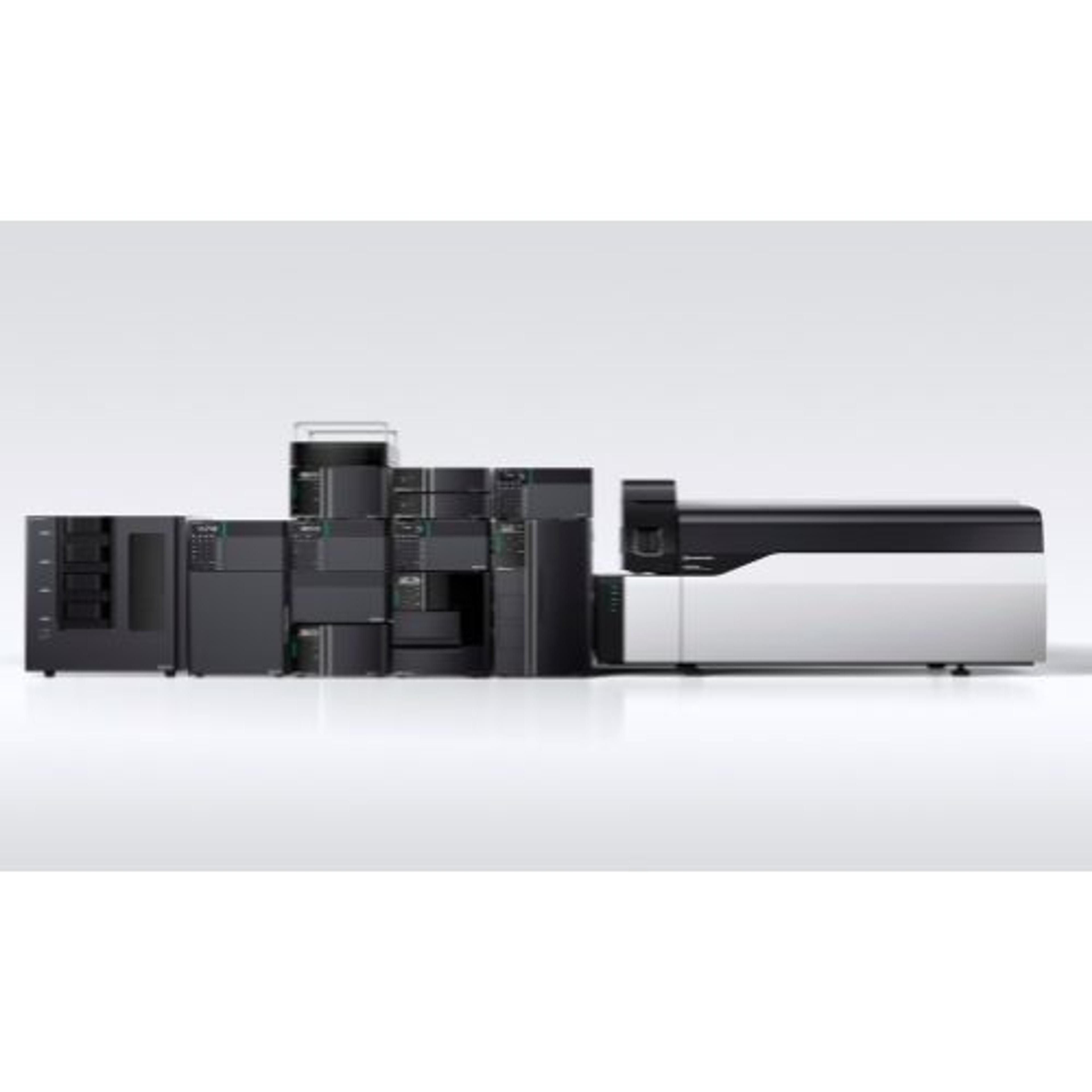
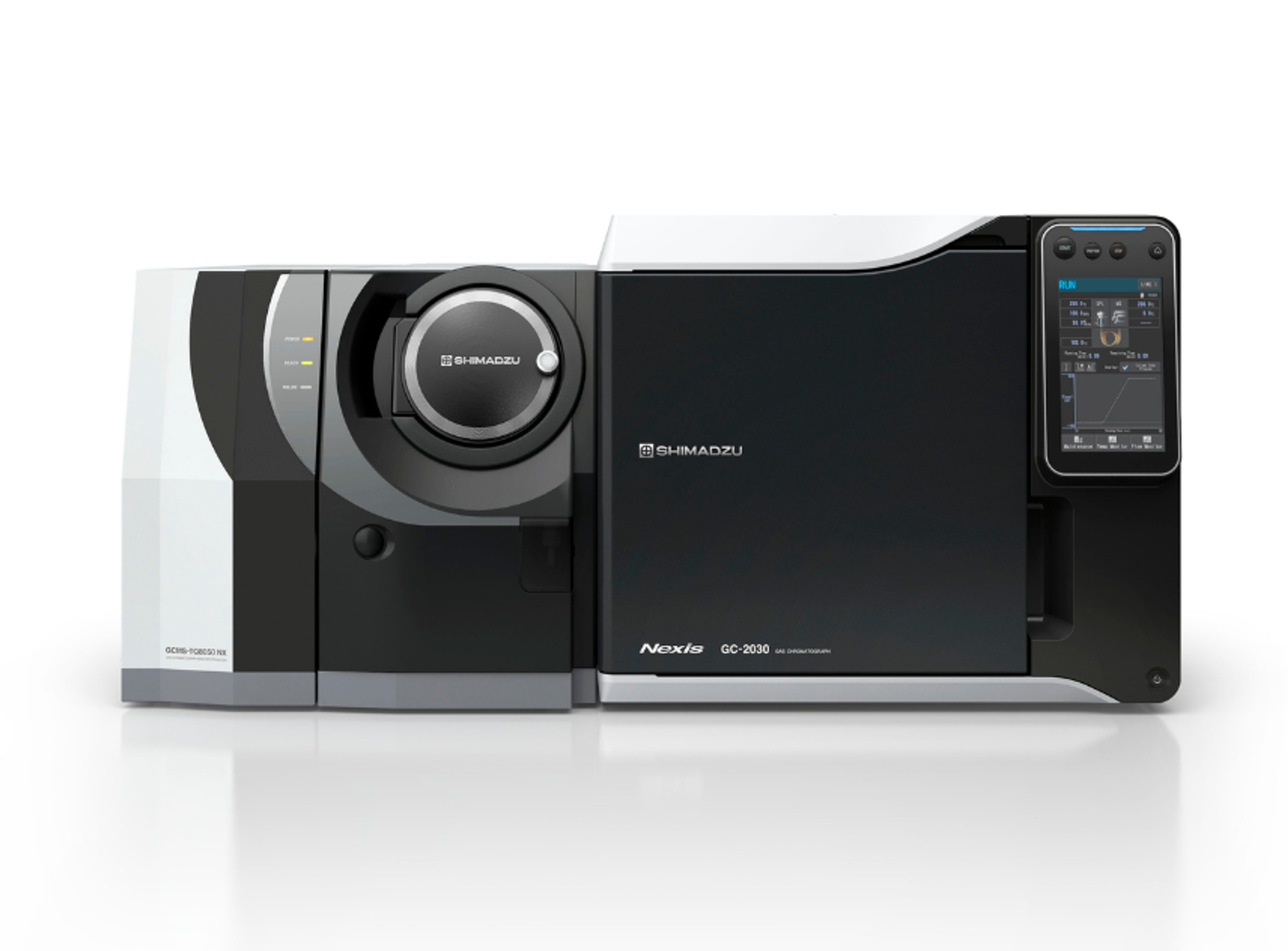
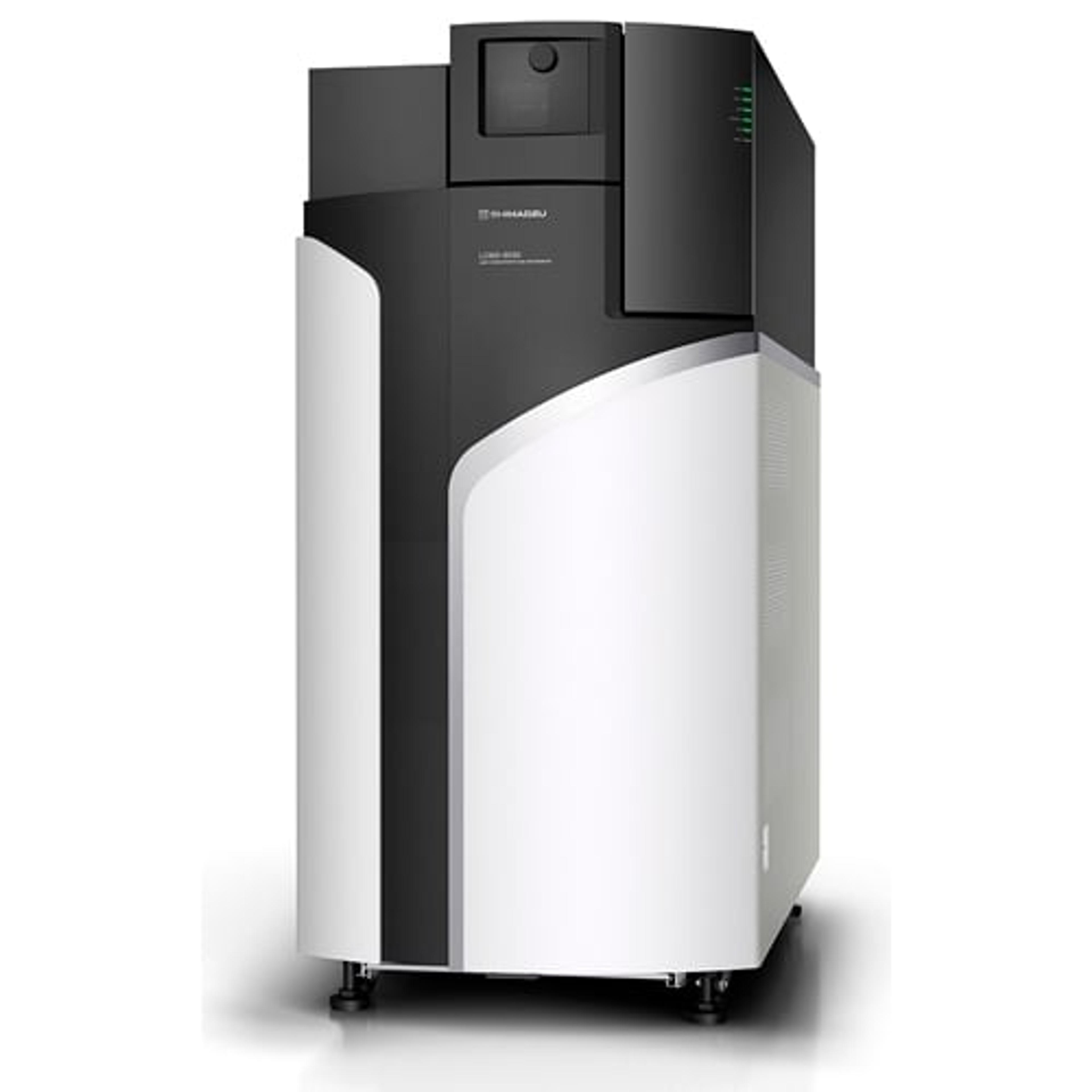
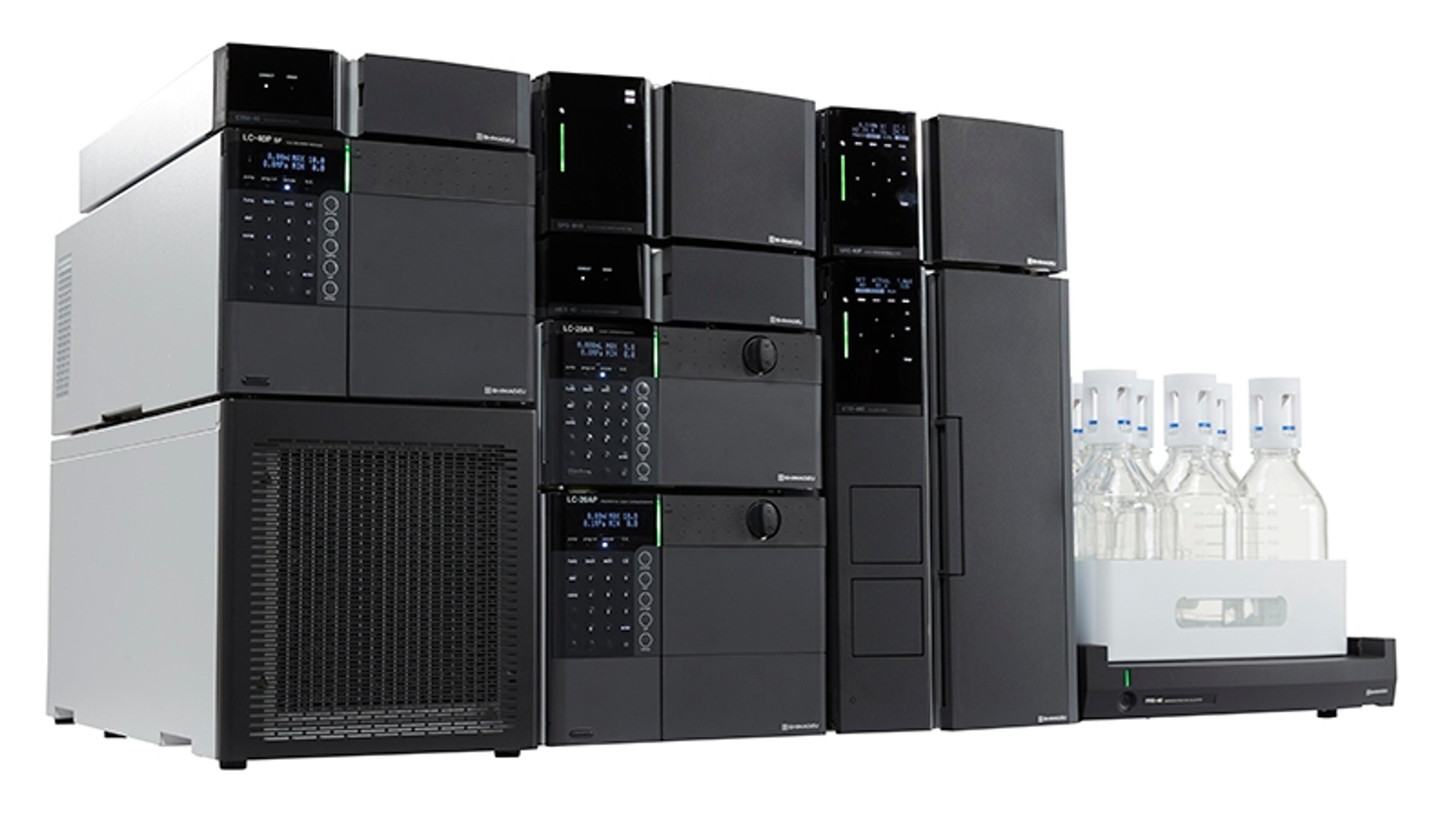
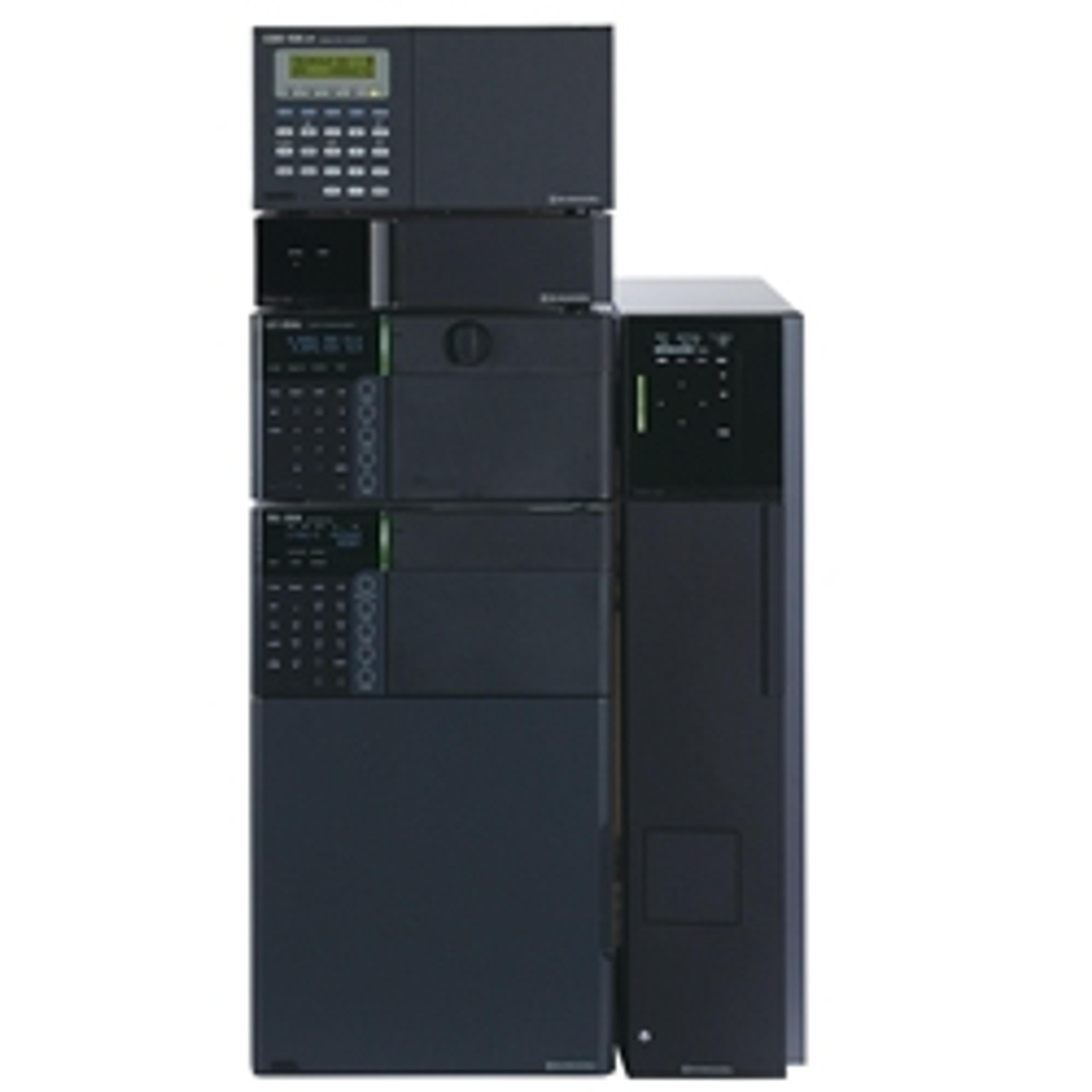
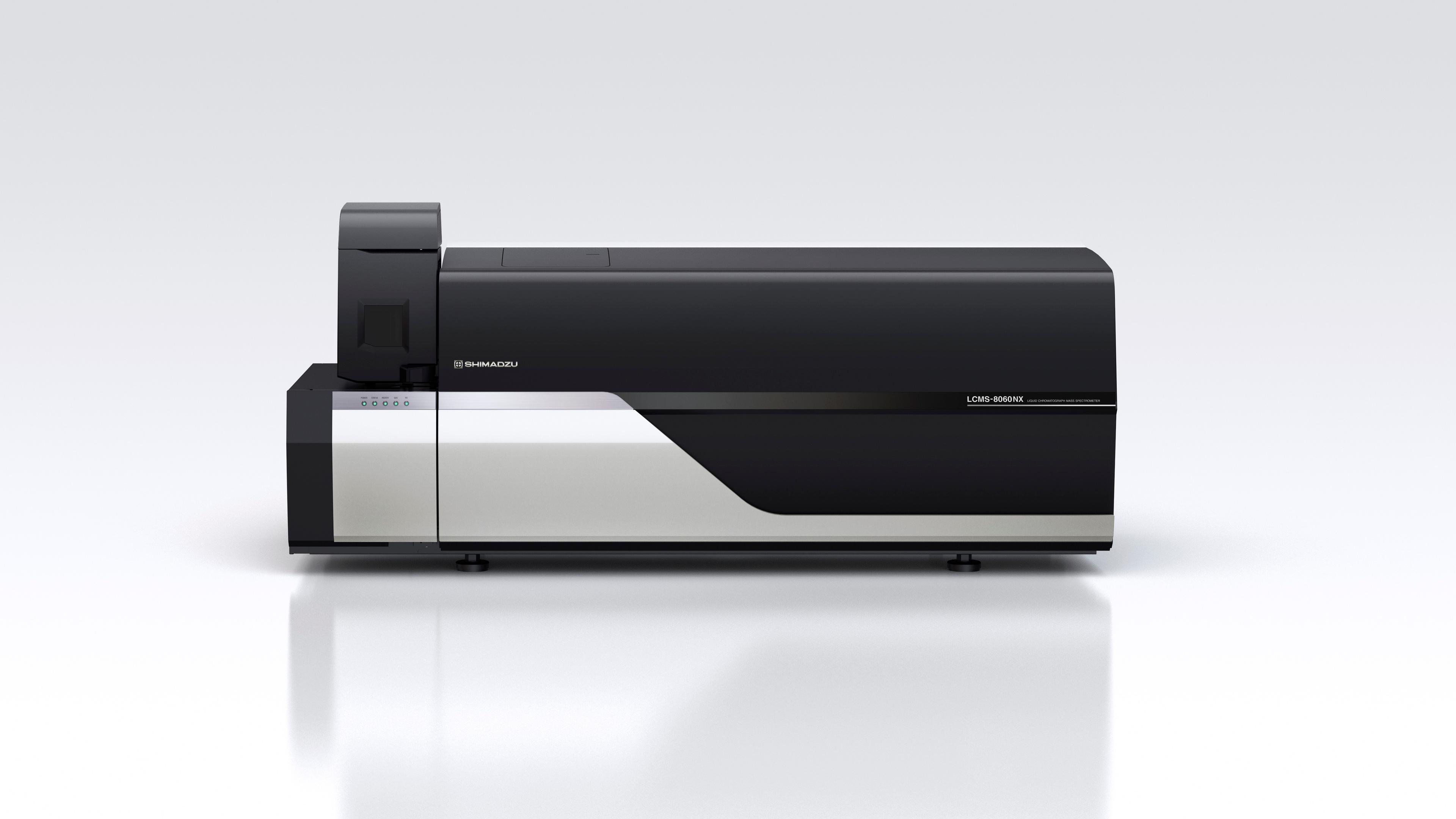
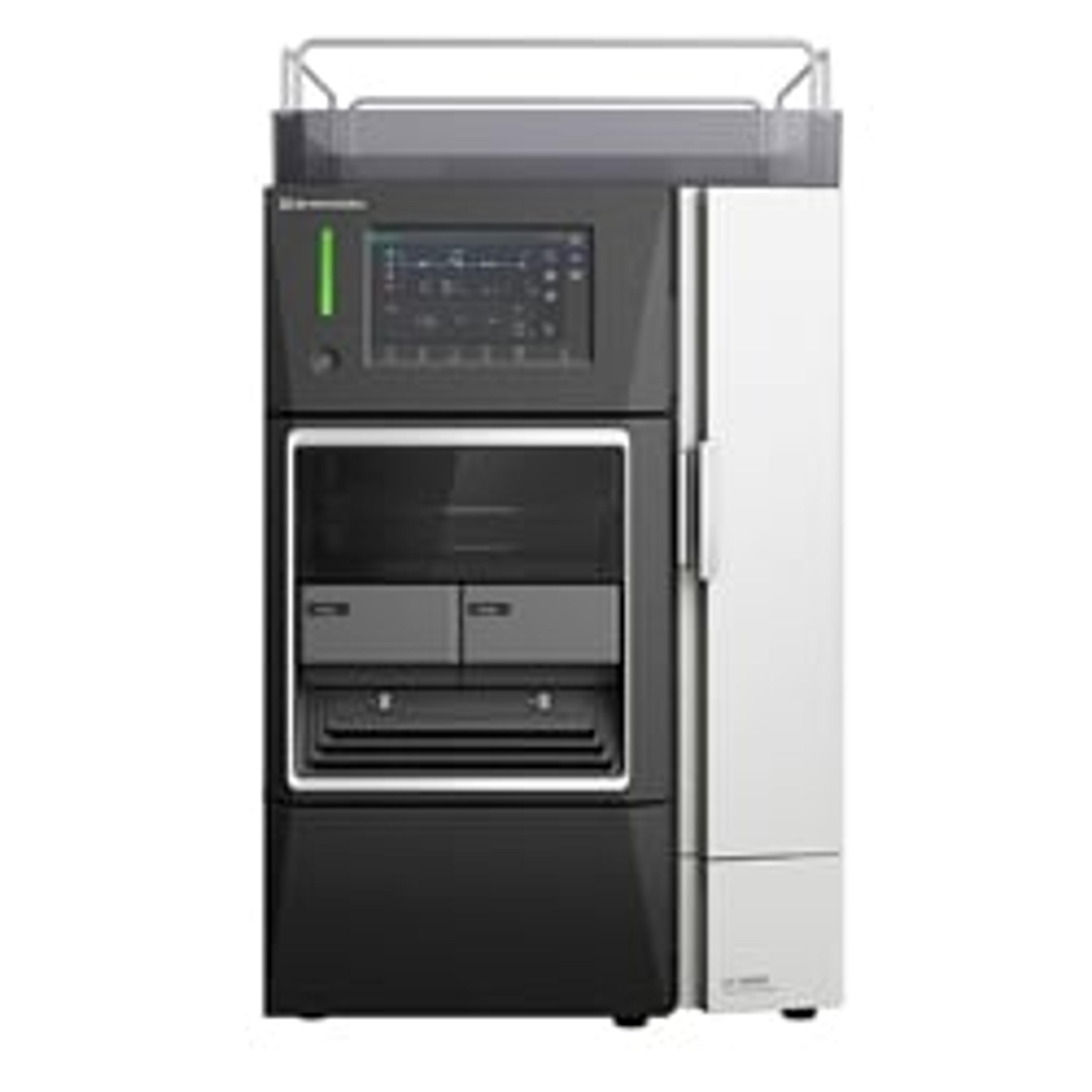
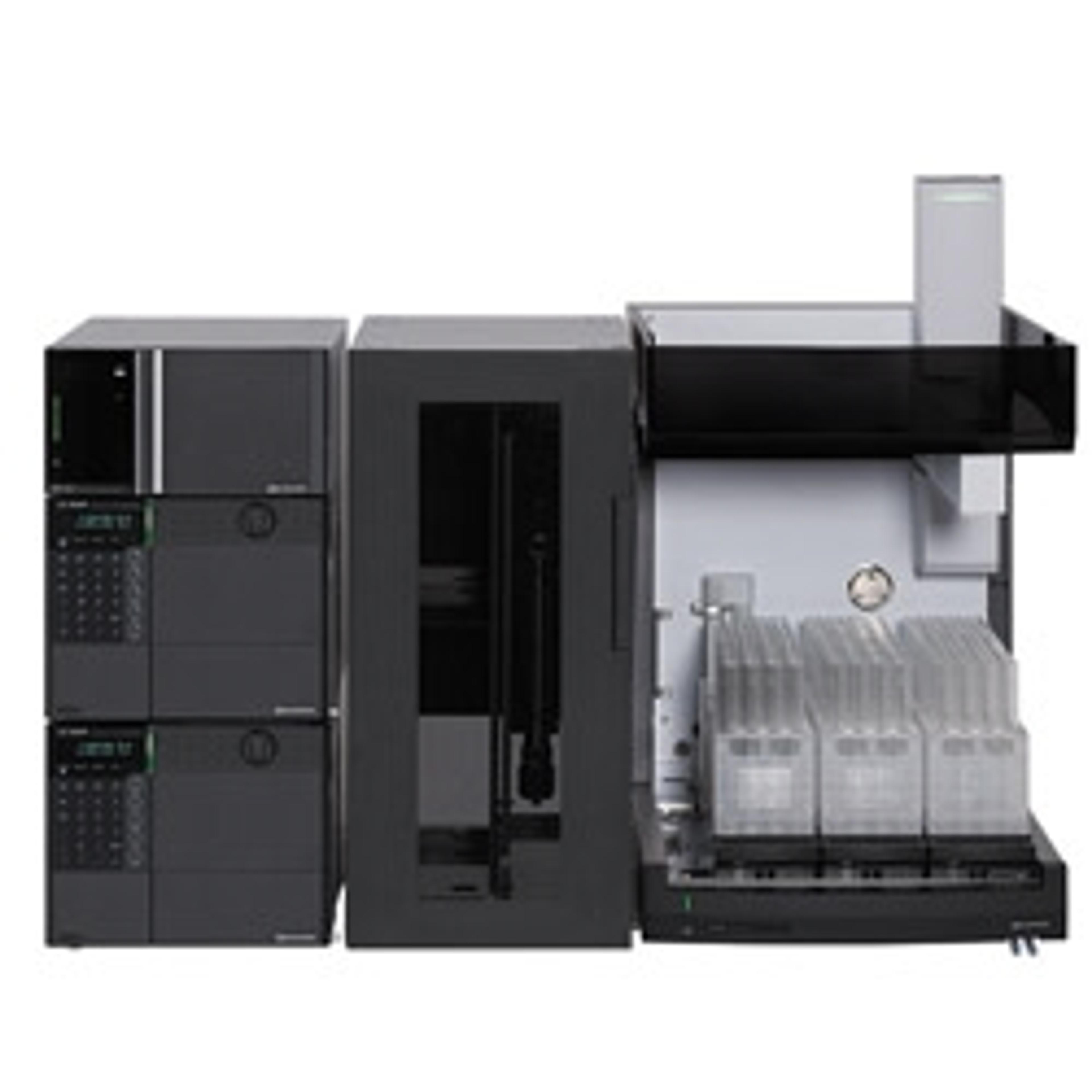
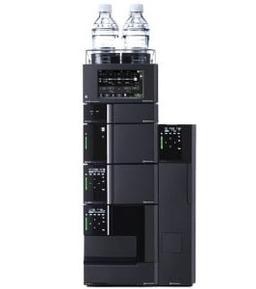
Nexera 40 Series UHPLC
Experience New Benchmarks of Intelligence, Efficiency, and Design

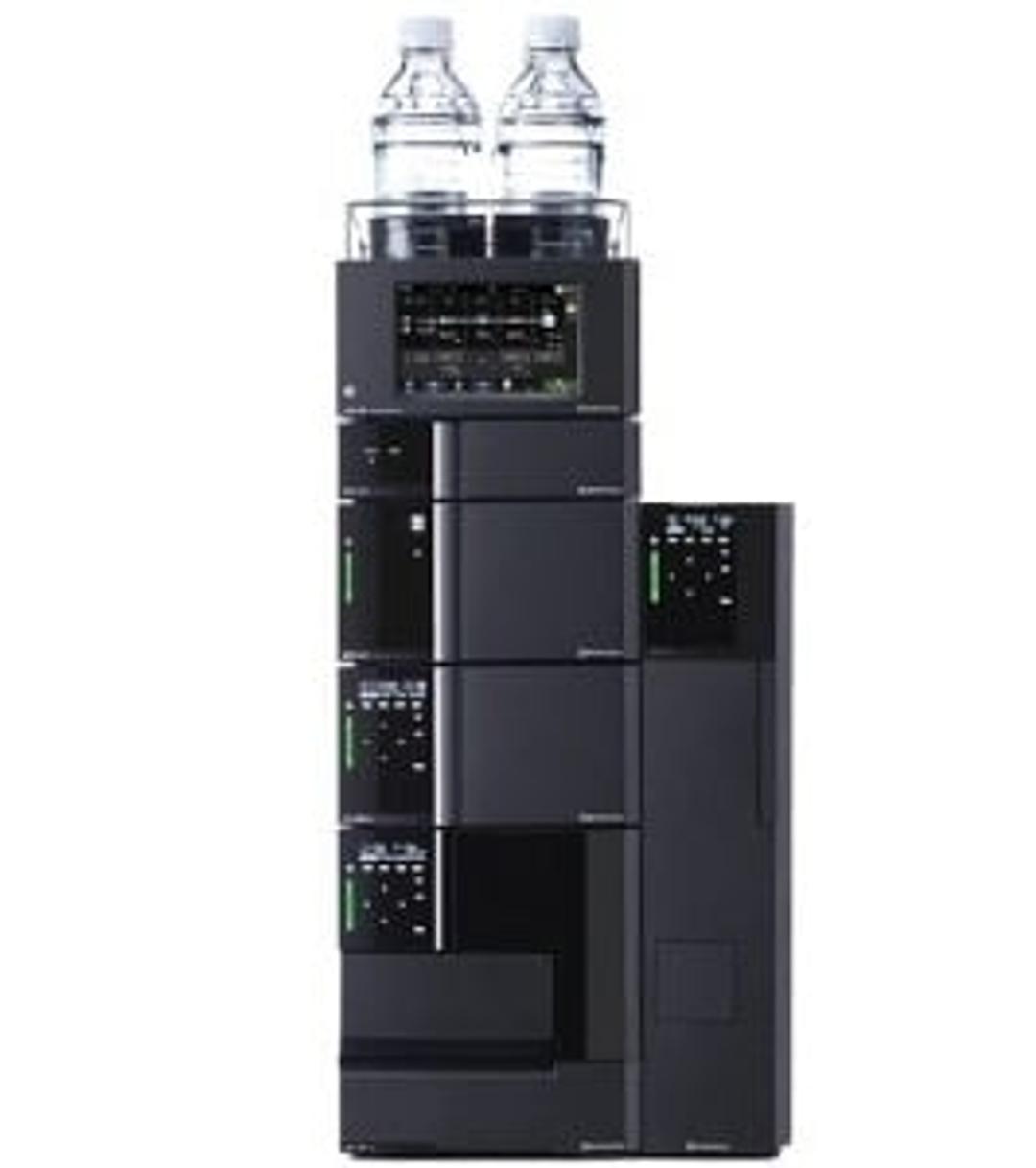
Nexera 40 Series UHPLC
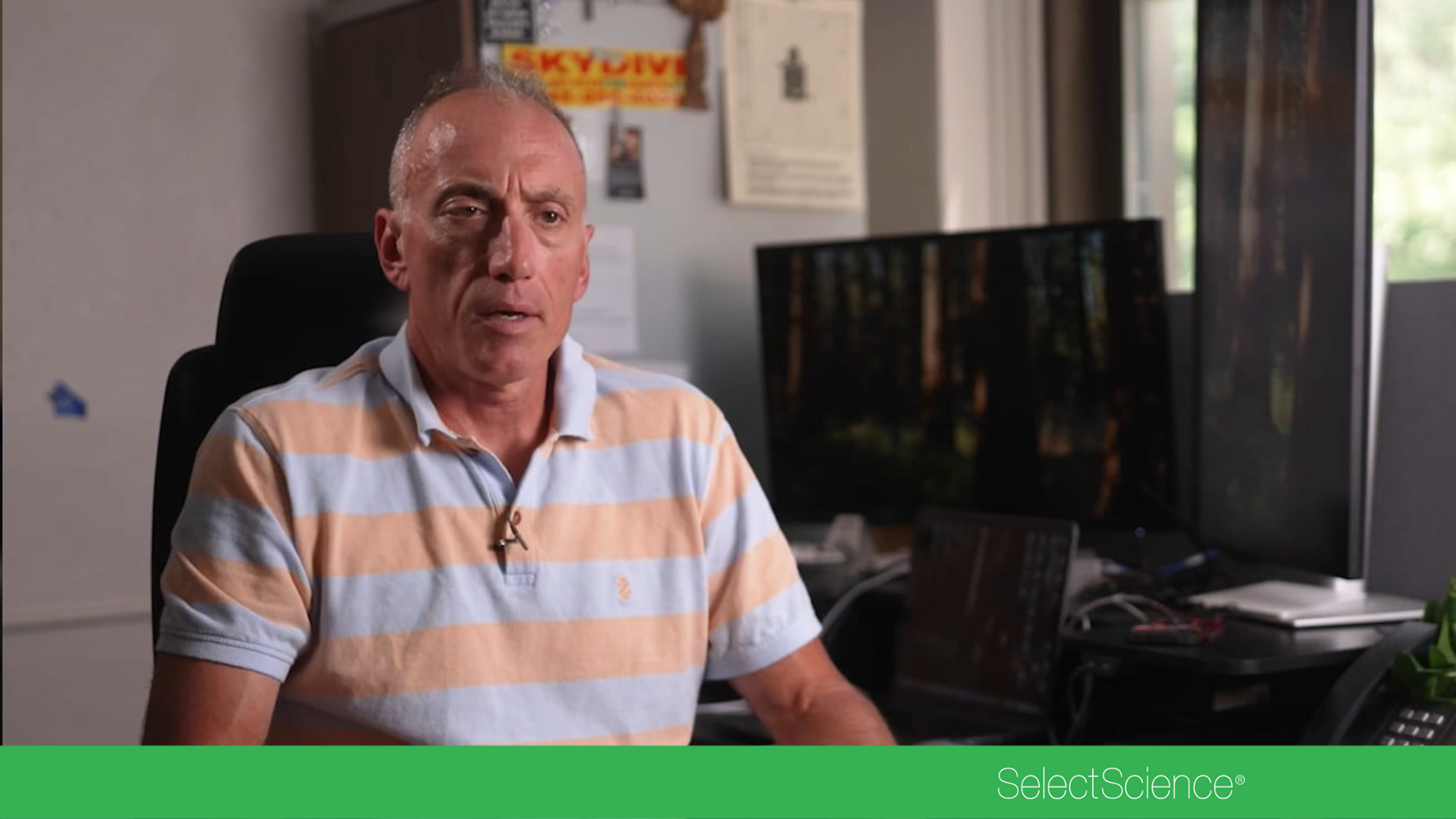
Dr. Tom Spudich, Professor of Analytical Chemistry, discusses the advanced spectroscopy tools that are transforming forensic science


Receive your quote directly from the manufacturer.
Great value for the money as UHPLC instrument
Pharmaceutical industry
When comparing different UHPLC instrument from different vendors, we hit a wall with an analytical method for separating 4 (four) components in finished pharmaceutical product, using UPLC or UHPLC columns. Only Nexera UHPLC 40 series gave us results because of the suitable combination of total system volume, dwell volume and injection volume. It is an instrument that could work both as HPLC and UHPLC, which saves money for every laboratory, it is very rigid and could be used 24/7, and the maintenance is very easy for the end user.
Review Date: 2 Sept 2023 | Shimadzu Corporation
Cost-benefit, easy to use
Analyze organic molecules in complex mixtures
The UHPLC software runs smoothly, very simple to use and with many options. Hadrware itself is robust and easy to change consumable. Auto-check is also something useful.
Review Date: 1 Sept 2023 | Shimadzu Corporation
Very good results
Compounds
One of the best HPLC I have ever worked with
Review Date: 23 Mar 2023 | Shimadzu Corporation
Time consuming and easy handling model
Food safety
As comparing with other products, Nexera series is the best user friendly model I ever used. Customerization is the most important criteria for every post sale user's. In that case, spincotech provide on time Manpower support on customer requirements.
Review Date: 30 Nov 2022 | Shimadzu Corporation
Great addition
Chromatography
It is quite good addition in lab, it help in reducing the time for new developments and help in stability studies. Services are good enough.
Review Date: 16 Nov 2022 | Shimadzu Corporation
Superb
Pharma
I used this product at different labs its very nice and minimal carry over
Review Date: 15 Nov 2022 | Shimadzu Corporation
Very great results
Food Testing
n-series nexera UPLC , it was very simple to use and cost saving for chemicals
Review Date: 15 Nov 2022 | Shimadzu Corporation
Great results and high efficiency
Analysis raw materials quantitative and qualitative
Very fast and accurate results
Review Date: 31 Oct 2022 | Shimadzu Corporation
A valuable asset for our analytical lab
Very robust UHPLC system with ease of use in terms of instrument and software
We have been using Nexera N-Series for two years and we have many developed and validated methods for phytopharmaceuticals. We get great results in terms of accuracy, precision, robustness etc.
Review Date: 29 Sept 2022 | Shimadzu Corporation
Great reproducibility and trustworthy.
Phytochemical assay and neurotransmitters
The UHPLC by shimadzu is an excellent analytical system for quantitative estimation of chemical constituents in the food, plant and animal samples. I use it for estimation of neurotransmitters and plant compounds (Phytochemicals). The system we have here has a diode array and fluorescence detectors which is an efficient set for reproducible results
Review Date: 28 Sept 2022 | Shimadzu Corporation
The Nexera UHPLC series maximizes reliability and uptime with fully unattended workflows that span from startup to shut-down. Operators can set the Nexera to start up at a specified time, so that it can complete auto-purge, equilibration, baseline checks and system suitability in advance, and be ready for analysis before they arrive at the lab. In addition, FlowPilot ramps up the flow rate gradually, reducing the possibility of damage to columns. The Nexera also has auto-diagnostics and auto-recovery capabilities that allow it to monitor pressure fluctuations to check for anomalies.
With remote mobile phase monitoring and integrated consumables management, the system maximizes uptime and reliability. Real-time monitoring of mobile phase levels allows lab personnel to efficiently run batches and respond accordingly if there isn’t enough mobile phase before starting a run. In addition, Nexera tracks consumable usage and sends alerts when parts need replacing, allowing users to keep the system running at peak performance. The Nexera UHPLC series allows analysts to confirm parameters and monitor chromatograms in real time directly from a web browser on their smart device.
The Nexera UHPLC increases efficiency by automating workflows and maximizing throughput analysis. The SIL-40 autosampler can process the entire injection cycle time in as little as seven seconds, and continuous analysis can be carried out on up to 44 MTPs (using 3 plate changers). The SIL-40’s plate changers enable non-stop temperature-controlled analysis of thousands of samples. The Nexera automatically blends mobile phases at any set ratio, which speeds up the preparation of buffer solutions and the dilution of solvents. Because it prepares the exact amounts required for analysis, the Nexera reduces waste and labor.

Solutions for infectious diseases
In this application note, Shimadzu Corporation introduces three analytical instruments to evaluate infectious diseases caused by harmful microorganisms: liquid chromatography-mass spectrometer (LC-MS), matrix assisted laser desorption/ionization time-of-flight mass spectrometer (MALDI-TOF MS), and gas chromatography-mass spectrometer (GC-MS). The note highlights the rise of bacterial infectious diseases in the past 10 years, emphasizing the importance of investigating and examining these infections.
High speed analysis of monosaccharides and disaccharides in soft drinks by ELSD-LT III
In this application note, Shimadzu explains how monosaccharides and disaccharides can be separated in a short time by hydrophilic interaction chromatography (HILIC) and were detected via a evaporative light scattering detector (ELSD).
Evaluating the performance of the LotusStream Gas-Liquid Separator for preparative supercritical fluid chromatography
In this application note, Shimadzu evaluates the performance of the LotusStream Gas-Liquid Separator for preparative supercritical fluid chromatography.
The determination of 10 anions in EPA Method 300.1 using Shimadzu high-resolution ion chromatography
In this application note, Shimadzu provides two high-resolution ion chromatography (IC) methods to quantify 10 anions listed in EPA Method 300.1 simultaneously using a Shimadzu modular IC system coupled with a new electrolytically regenerated suppressor.
Using peak deconvolution of photodiode array data to attain faster, easier performance of EPA Method 8330B
In this application note, Shimadzu explains how performing EPA Method 8330B analysis, with Shimadzu photodiode array detection with LabSolution LC software and i-PDeA II, method performance is obtained with much less development time.
Analysis of tocopherol (vitamin E) analysis in vaping e-liquid by UHPLC-PDA
In this application note, Shimadzu describes methods to screen three vitamin E isomers in nicotine or cannabinoid e-liquid products. This application note demonstrates a 5-minute method for vitamin E identification and quantification as well as a 10-minute method to determine vitamin E isomers between a nicotine or cannabinoid-based product.
Choosing the right instrumentation for cannabinoid analysis
In this application note, Shimadzu explores the various techniques for the analysis of cannabinoids and terpenes, highlighting techniques like high-performance liquid chromatography (HPLC) and the use of single quadrupole liquid chromatograph mass spectrometers (LCMS).
Transforming LC-MS/MS blood sample processing for faster clinical results
September 17, 2025, at 13:00 BST / 14:00 CEST / 08:00 EDT / 05:00 PDT
Processing an ever-growing number of blood samples in clinical labs places constant pressure on laboratory staff, workflows, and instrumentation to deliver accurate, high-throughput results with minimal turnaround time.
Traditional LC-MS/MS workflows are used to analyze blood samples and though they are highly sensitive and specific, they often require experienced personnel, manual sample preparation, and time-consuming data handling.
Discover in this exciting webinar how automation can transform these bottlenecks. Hear from Dr. Frank Streit from University Medical Center Göttingen, as he discusses how a Clinical Laboratory Automated Module (CLAM) can streamline processes from barcode scanning and Laboratory Information System (LIS)-driven test selection, to sample prep, analysis, and result reporting.
Who should attend?
- Clinical laboratory professionals involved in diagnostic testing, including lab managers, medical technologists, and clinical scientists seeking to streamline LC-MS/MS workflows and increase throughput.
- Healthcare and clinical decision-makers including pathologists, clinical chemists, and laboratory directors interested in adopting automated, scalable mass spectrometry solutions.
Certificate of attendance
If you attend the live webinar, you will automatically receive a certificate of attendance, including a learning outcomes summary, for continuing education purposes.
If you view the on-demand webinar, you can request a certificate of attendance by emailing editor@selectscience.net.
Webinar details
- Cost: Free to attend
- Location: Online
- Duration: 60 minutes
Registration is required to secure your place. If you register but can’t attend live, you will receive a link to the on‑demand recording once it becomes available.

Dual deconvolution of LC-PDA-MS data: A fast-track approach for chemical composition and impurity analysis
Now easily integratable into liquid chromatograph systems, mass spectrometry (MS) is increasingly recognized as an orthogonal detector that adds extra information to UV-based photodiode array (PDA) detectors. Analysis of chemical compositions and/or impurities is a typical application employing both PDA and MS detectors for enriching the information obtained from a single analysis.
One barrier to the adoption of MS detectors has been software to simplify the interpretation of PDA and MS data. Shimadzu’s compact LC-PDA-MS system operates on LabSolutions software, which is now equipped with deconvolution algorithms for both PDA and MS data. This webinar will reveal a streamlined workflow based on the dual deconvolution for resolving complexities caused by insufficient chromatographic separations. The approach is suited for both routine and research laboratories seeking to reduce time from samples to results.
Key learning objectives
- Familiarize with Shimadzu’s new compact MS detector, LCMS-2050.
- Learn how MS data helps spot co-eluting components and UV-transparent peaks.
- Mass-it™ is a sophisticated algorithm that unravels complex MS data and labels key outcomes onto a UV chromatogram.
- i-PDeA-II™ is a deconvolution algorithm for PDA that can resolve co-eluting impurities
Who should attend?
- Managers, supervisors and senior lab technicians in research laboratories seeking to maximize the outcome of LC-PDA-MS analysis.
- Lab managers in routine laboratories looking to reduce data analysis time.
Certificate of attendance
All webinar participants can request a certificate of attendance, including a learning outcomes summary, for continuing education purposes.
Speeding up forensics with advanced spectroscopy tools
Forensic spectroscopy encompasses a suite of analytical techniques designed to identify unknown substances and quantify trace elements with extreme precision and speed. In this SelectScience interview, Dr. Tom Spudich, Professor of Analytical Chemistry, explores how advanced tools like UV-Vis spectroscopy, GC-MS, FTIR with ATR, and ICP-OES are transforming forensic science workflows.
Discover how these methods are instrumental in diverse applications, from preserving historic documents through elemental analysis to detecting beverage adulterants like 1,4-butanediol. Learn how Shimadzu’s high-sensitivity instrumentation is slashing analysis times from hours to just 15 minutes, significantly boosting sample throughput and accessibility in the field.
Find out more information on Shimadzu forensics solutions here.
Ensured data accuracy and reliability with Smart Flow Control
Smart Flow is designed to protect expensive analytical columns and ensure accurate, reliable results you can trust. This feature helps prevent expensive downtime, ensure data quality, and removes the need to create startup protocols for each analysis. The Nexera promises high levels of data quality by providing a new approach to flow control.
Trending in analytical chemistry: 6 HPLC systems rated by you
Are you wondering which HPLC instrument is right for your lab? Discover 6 HPLC systems our scientists love using in their analytical work