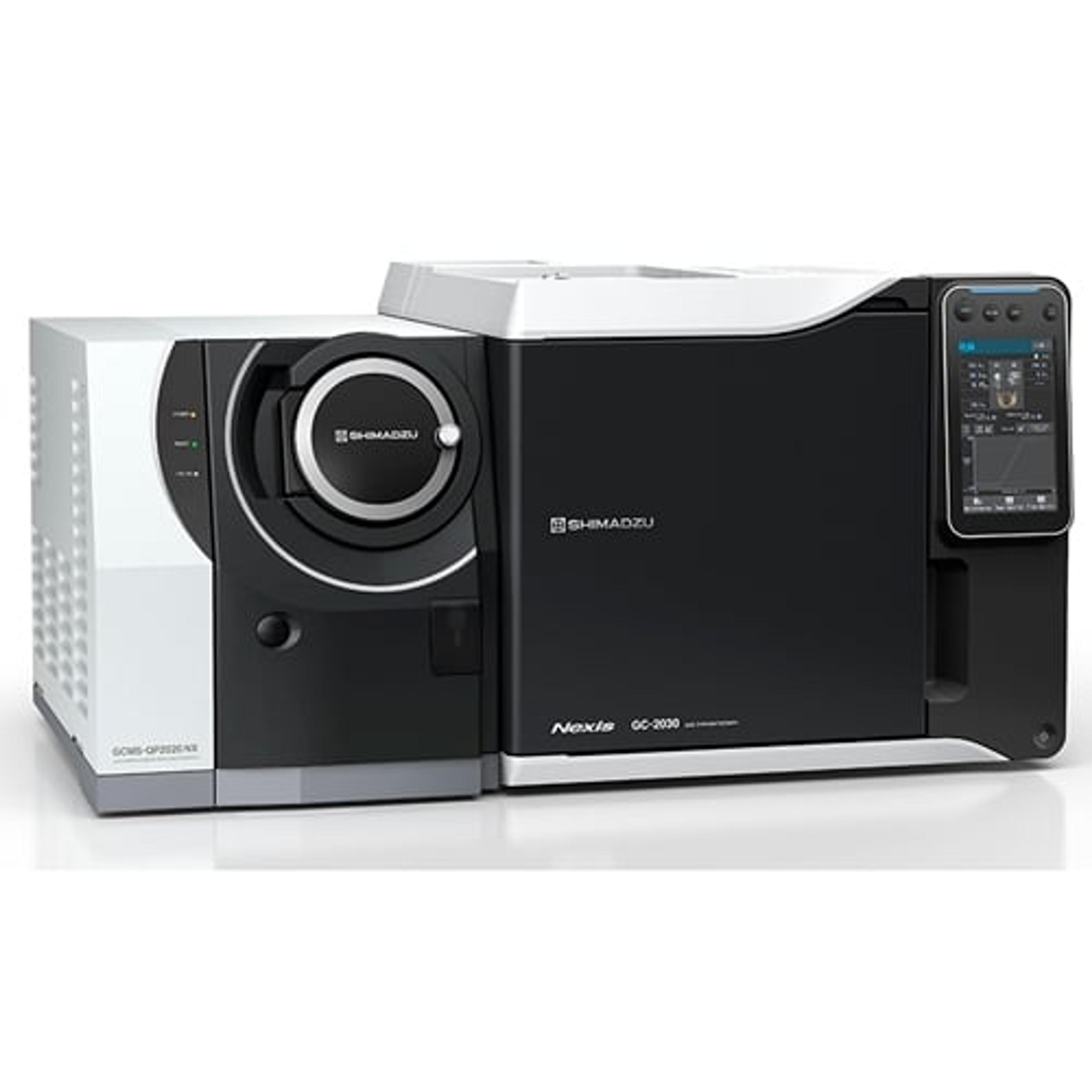
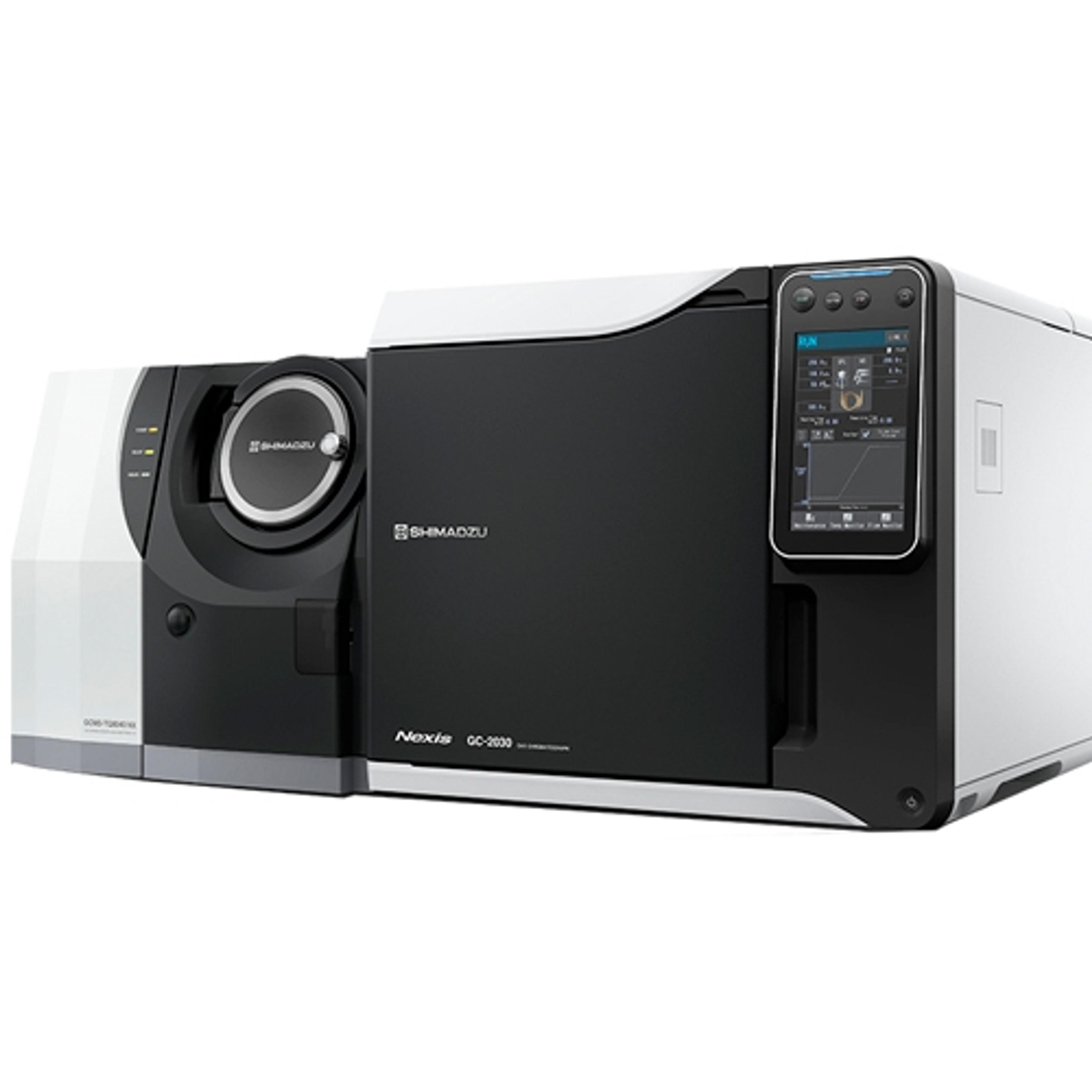
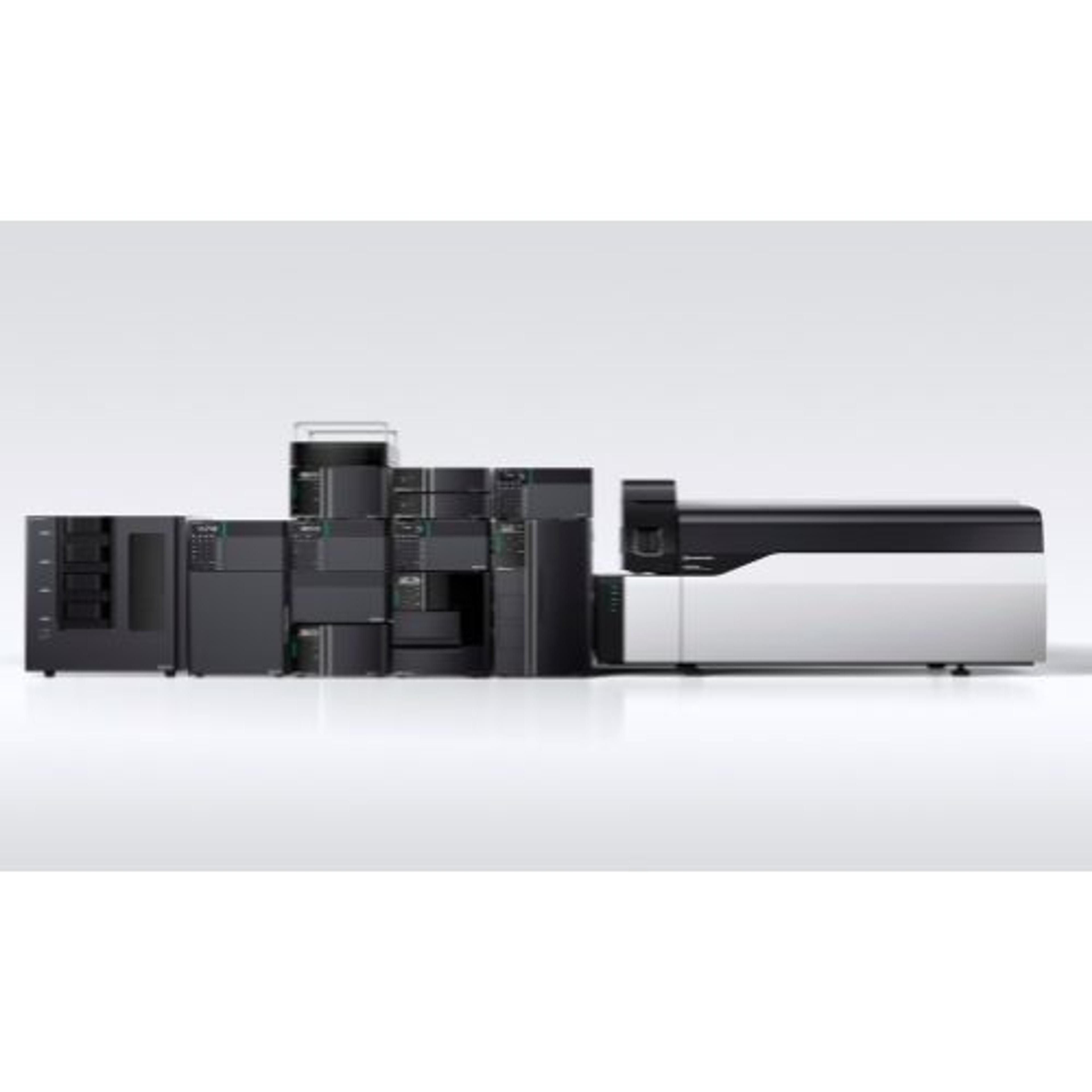
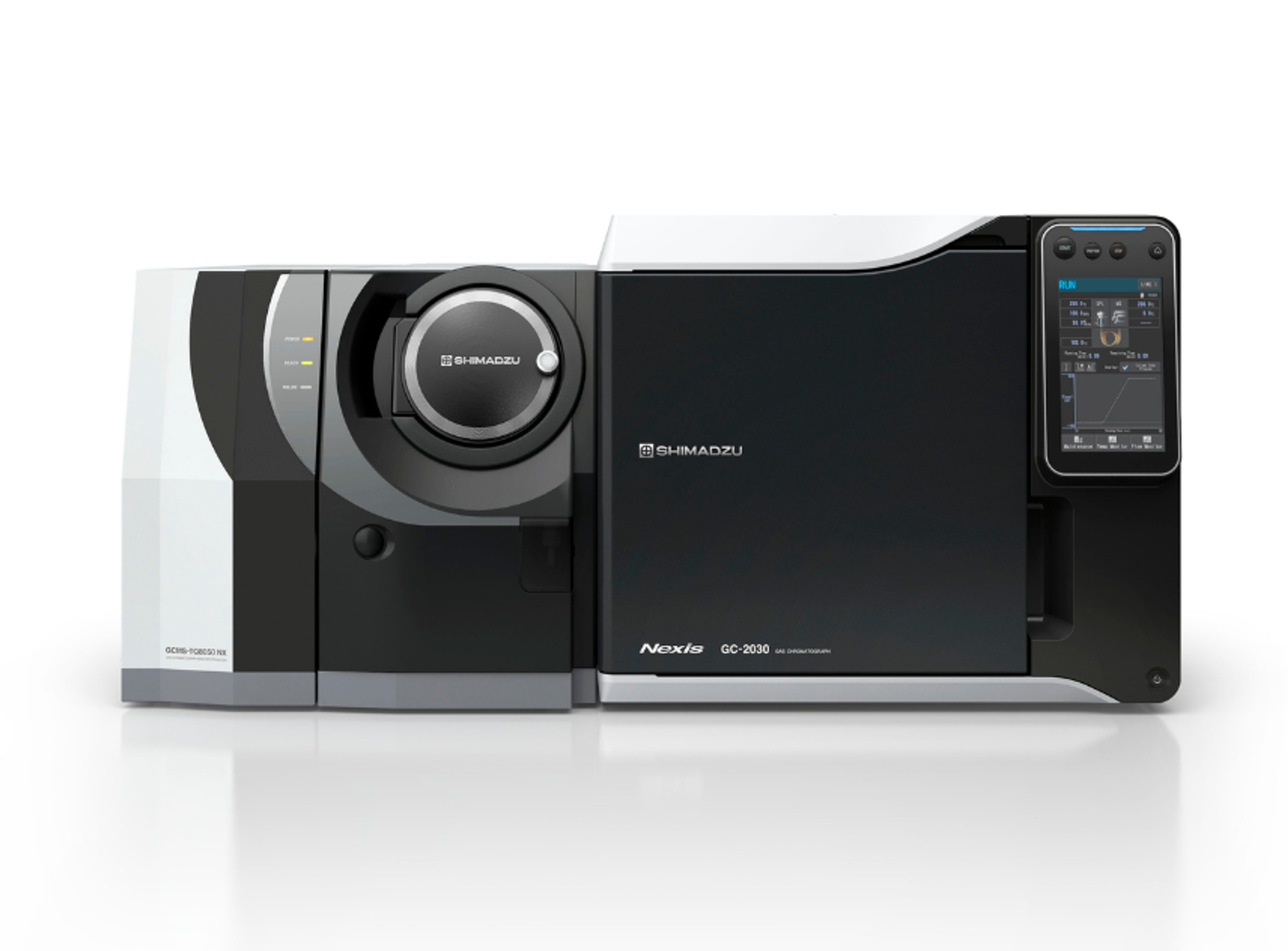
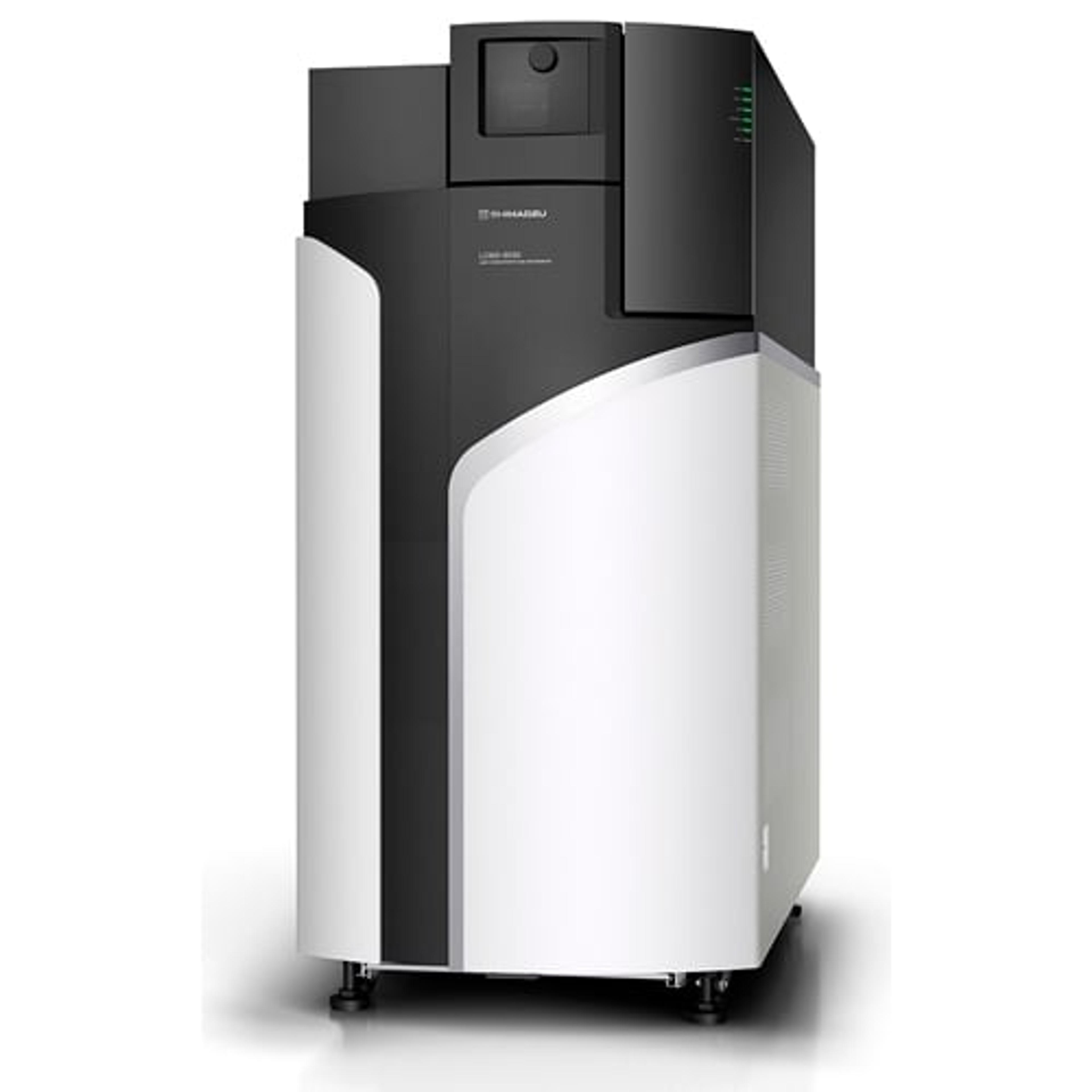
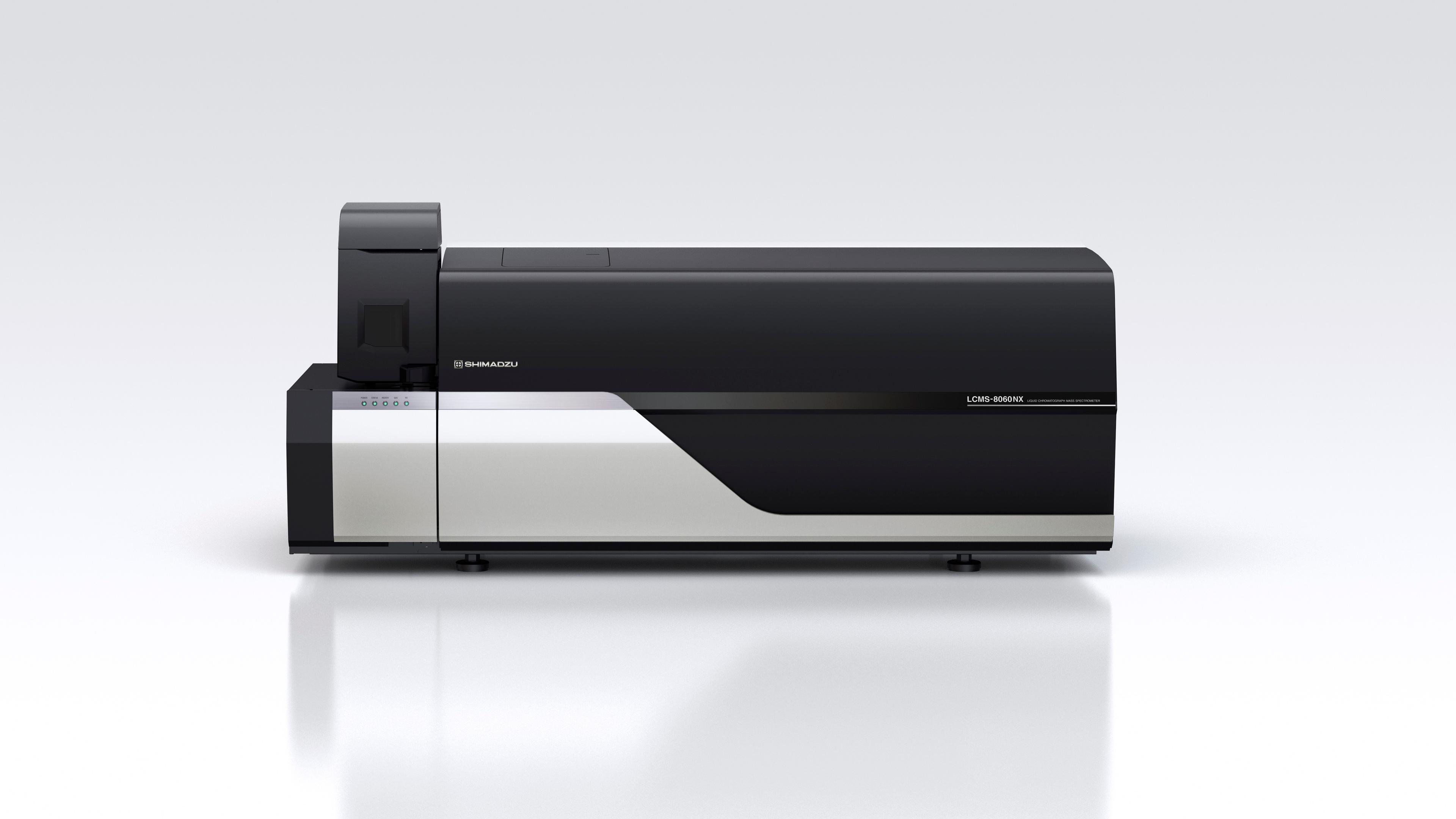
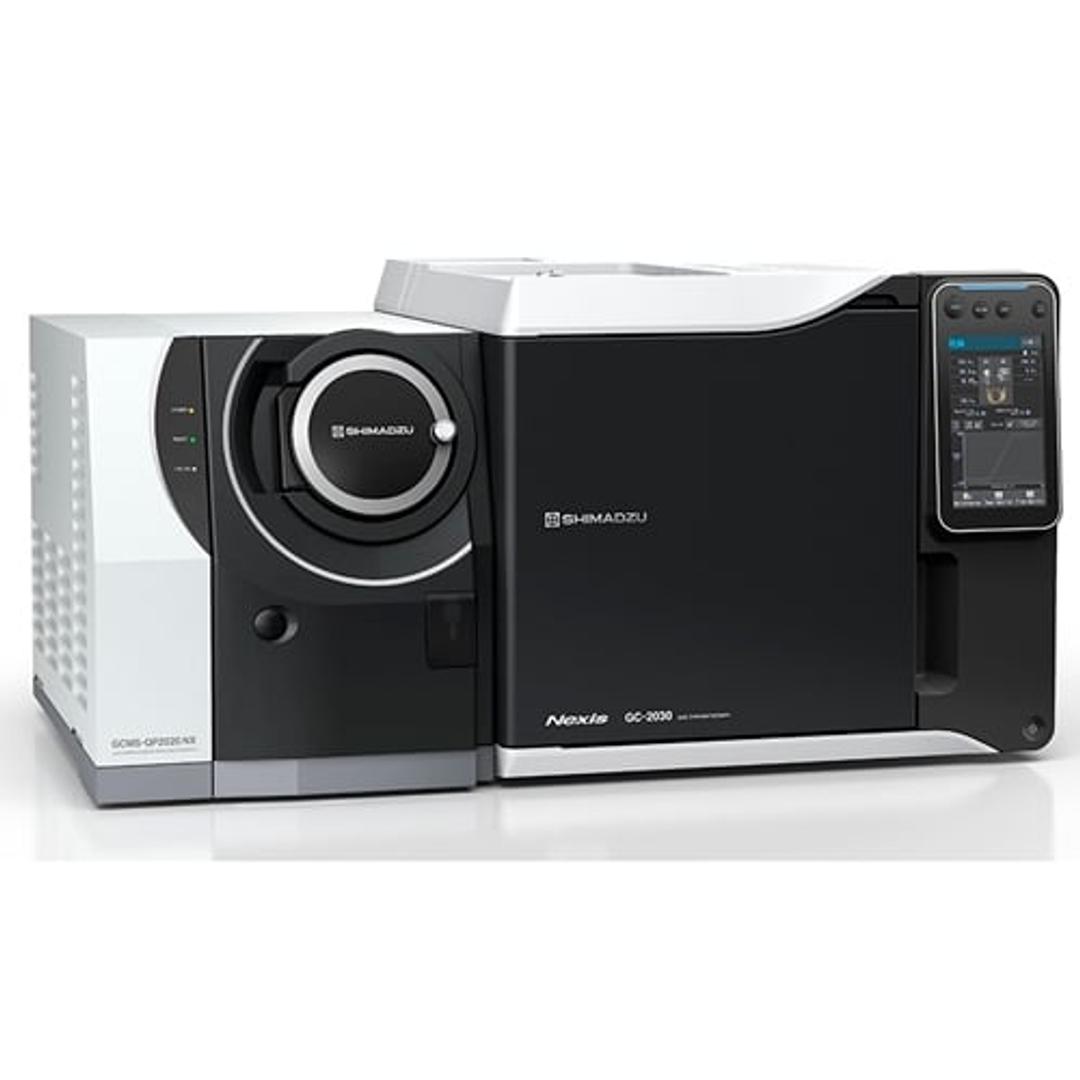
Single Quad GCMS-QP2020 NX
High-Sensitivity GCMS Offers Outstanding Qualitative/Quantitative Performance and Exceptional Reliability.

Receive your quote directly from the manufacturer.
Can't live without product
Environmental analysis, forensics, food safety, pharmaceuticals, petrochemicals
High sensitivity, easy operation, robust performance
Review Date: 27 Oct 2025 | Shimadzu Corporation
The equipment is very easy to operate. With a very good cost-benefit ratio.
Analytical Chemistry
The equipment is very easy to operate. With a very good cost-benefit ratio. After sales service is excellent.
Review Date: 27 Oct 2022 | Shimadzu Corporation
Solid instrument, well built and productive.
VFA and gas analysis
The QP2020 is very efficient and effective at analyzing VFA and digester gas samples. The instrument is capable of performing both analysis, while using the same column and detector. The autosampler is efficient and provides accurate delivery to the analyzer.
Review Date: 30 Sept 2022 | Shimadzu Corporation
Good GCMS
Banned amines
The product is good. It provides accurate results and also the engineers are very well trained to keep the equipment in good condition after the annual maintenance. Extremely satisfied with the product. Would recommend to all because the cost is also cheaper in comparison to other suppliers and the ease of work.
Review Date: 31 Jul 2022 | Shimadzu Corporation
Brand needs to improve on after sale service especially in Southern Africa
Analyze pesticide residues in tissues
The product is great and it is value for money, plus it gives good reproducible results. However, the manufacturer needs to seriously look into after sales care, especially in the southern Africa market.
Review Date: 22 May 2021 | Shimadzu Corporation
Happy to have this for de-fromulation studies.
Volatile impurity detection, identification and quantification
It is very easy to use, do not required training. Quick analysis and identification. Rarely is maintenance required. Easy and quick support from Toshvin engineers.
Review Date: 15 May 2021 | Shimadzu Corporation
Long waiting for services.
Analyze volatiles in air
Services have to go through a local distributor, which isn't always available. Usually scheduled weeks away, and takes long to get things resolved. To make it worse, the technician isn't always the most knowledgeable either.
Review Date: 29 Mar 2021 | Shimadzu Corporation
Great results, it gives full value for money.
Fragrance, flavour and essential oils
We regularly get the market sample to match their fragrance, GCMS QP 2020NX is very useful in decoding all the aroma chemicals which helps us to make the formula which is similar to market bench mark.
Review Date: 29 Nov 2020 | Shimadzu Corporation
Cost effective, the best instrument.
Drugs of abuse and their metabolites in biological samples
Easy to use software and hardware. Effective, reliable and repeatable results.
Review Date: 18 May 2020 | Shimadzu Corporation
Expensive, but equivalent to other similar systems.
Water
Equipment is expensive but powder functions are equivalent to other instruments. Cheaper than some.
Review Date: 12 Mar 2020 | Shimadzu Corporation
Adopting a proprietary multi-function ion source and a new large-capacity turbomolecular pump with heightened exhaust efficiency for all carrier gases, including nitrogen, the GCMS-QP2020 NX elevates GCMS performance to a new level.
New Quick-CI and Smart SIM functionality reduces analysis times and running costs while front access to the ion source enables easier routine maintenance. These features, along with comprehensive databases and multiple sample introduction devices, enable excellent performance and custom configurations tailored to fit the needs of laboratories in such areas as environmental, food, and forensics.
Key features include:
- Smart SIM creation function – automatically creates a program that enables a staggered SIM of multiple components, resulting in higher SIM sensitivity.
- Quick-CI function – allows users to introduce reagent gas while using the EI source to look for the molecular ion.
- Advanced Scanning Speed Protocol – allows for the ability to scan up to 20,000 u/sec.
- New turbomolecular pump achieves optimal performance with all carrier gases.
- Front access to the ion source for easier, faster routine maintenance.
- Simultaneous Scan/SIM for qualitative and quantitative data in a single run.
- Specialized databases with additional retention indices support more accurate qualitative analysis, convenient quantitative method development, and screening analysis.
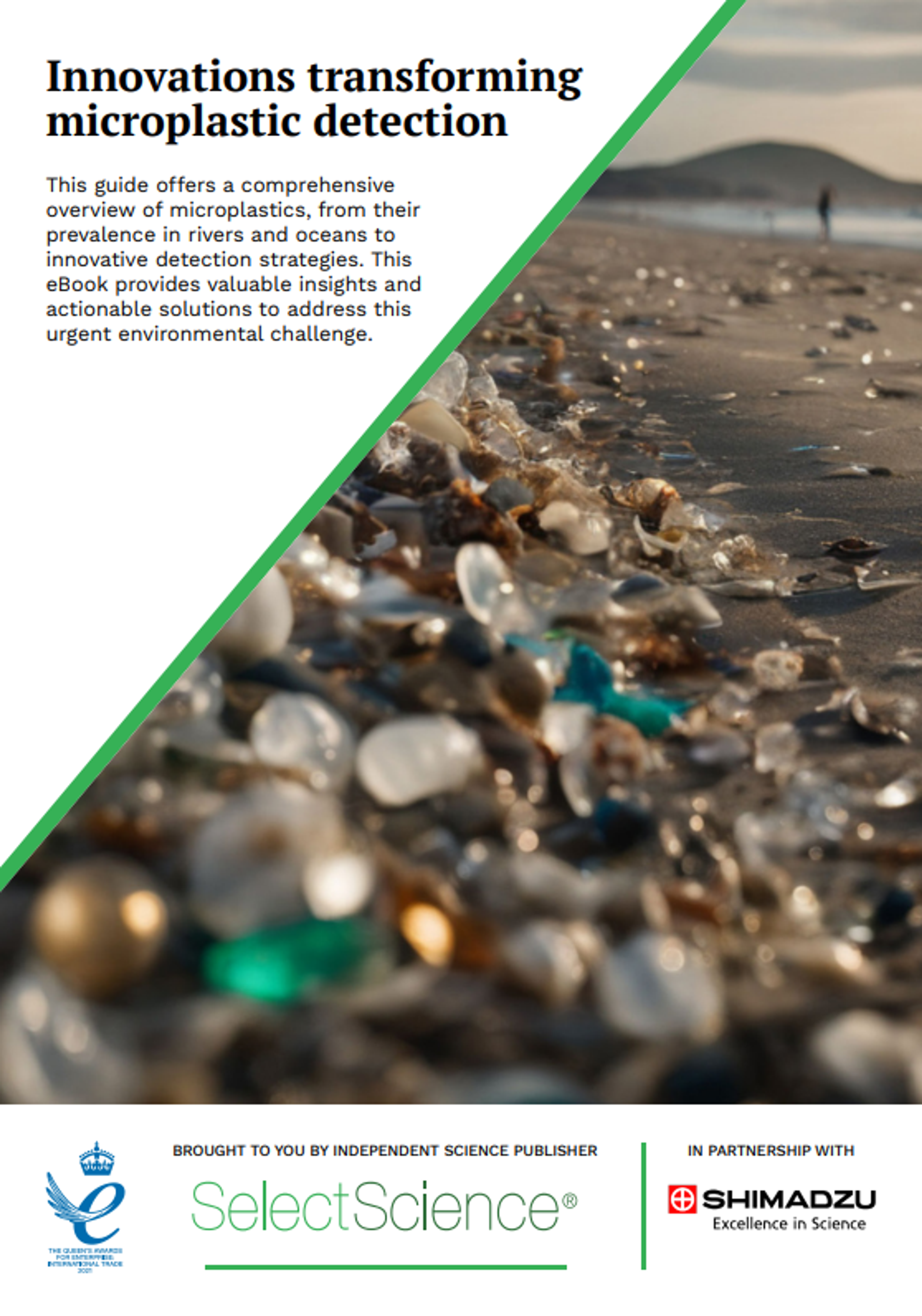
Innovations transforming microplastic detection
Microplastics, defined as plastic particles smaller than 5 mm, are categorized into primary and secondary types. Primary microplastics are intentionally manufactured for industrial and consumer products, while secondary microplastics arise from the degradation of larger plastics in the environment. The widespread presence of both types in ecosystems, particularly aquatic ones, has raised concerns due to their potential ecological impacts and risks to human health through bioaccumulation.
As research on these risks intensifies, this expert eBook provides a detailed exploration of microplastics, their distribution in water bodies, and advanced detection methods, offering crucial insights and solutions to this environmental challenge.
This eBook also includes various case studies showcasing Shimadzu Corporation’s cutting-edge analytical technologies in characterizing microplastics. As a member of the ISO Commission, find out how Shimadzu plays a key role in microplastics analysis and in standardizing analytical methods.

Shimadzu Journal: Materials Science
Published biannually, the Shimadzu Journal focuses on specific topics in each issue, introducing collaborative research, and containing technical reports and application notes from Shimadzu.
Volume 10, Issue 1 (November 2022) focuses on Materials Science, particularly on lithium-ion batteries (LiBs). It has two customer interviews where users discuss their relationship with Shimadzu. The first interview is with Dr. Sascha Nowak, head of the Analytics & Environment division of the MEET battery research center in Münster, Germany. The second is a discussion with Mr. Keiji Sumiya from the Japanese chemical manufacturer Showa Denko Materials Co., Ltd.. Plus, Shimadzu highlights four applications of analyzing LiBs from different angles using its latest technologies, and also presents information on current news and topics.
A guide to the novel Shimadzu GC-MS BFB tuning for the analysis of VOCs in environmental samples
In this application note, Shimadzu demonstrates the performance of a modern BFB tuning algorithm for the Shimadzu GCMS-QP2020 NX for the analysis of volatile organic compounds (VOCs).
Performance demonstration of a new GC-MS instrument and novel BFB tune for analysis of VOCs by EPA method 524.2
In this application note, Shimadzu demonstrates the performance of its newly released GCMS-QP2020 NX and novel BFB tuning algorithm, and determines the method detection limit (MDL) for target volatile compounds.
Performance demonstration of a modern GC-MS instrument and novel BFB tune for analysis of VOCs by EPA method 624.1 and 8260C
In this application note, Shimadzu determines the method detection limits (MDLs) for volatile compound analysis by 8260C and 624.1 methods using the newly released Shimadzu GCMS QP2020 NX and novel BFB tuning algorithm.
Simultaneous GC-MS and FID analysis of blood alcohol content utilizing robotic autosampler for automated sample preparation
In this application note, Shimadzu explains how using a GC-MS paired with a flame ionization detector (FID) for simultaneous data collection for blood alcohol content (BAC) analysis provides highly repeatable compound identification and ethanol quantification. This application note demonstrates how using a robotic sampler for sample preparation eliminates the need for analyst sample creation while maintaining a high level of accuracy and repeatability across a broad linear range.
Fast, Accurate Analysis of Toxicological Substances in Whole Blood
For many forensic laboratories, there is a need for a simpler, faster and more effective way to conduct analysis. These labs face the challenge of delivering accurate results for an increasing number of samples. To improve productivity and confidence in results, they need more advanced instrumentation and software solutions designed specifically for forensic analysis.
Analyses of PFOS and PFOA Precursors in Textile Products Using EI-MRM and PCI-SIM Method
Precursors of perfluoro compounds (PFCs) such as perdluorooctane sulfon-amides (FOSEs, FOSAs) and acrylates (FTAs), which may potentially degrade to perdluorooctane sulfonate (PFOS) and perflurooctanoic acid (PFOA), are analysed via an electron ionization-multiple reaction monitoring (EI-MRM) method and a positive chemical ionization-selective ion monitoring (PCI-SIM) method. For all targets, both acquisition methods report a limit of quantitation (LOQ) value of 5.0 ng/mL. The EI-MRM method provides a lower limit of detection (LOD) than the PCI-SIM method, LOD of the former is as low as 0.5 ng/mL whereas that of the latter is 4.0 ng/mL.

Meet Abdul, Entomologist at the World Vegetable Center and SelectScience Reviewer of the Month for August
Abdul Rasheed War, Ph. D, Visiting Entomologist at the World Vegetable Center, describes an average day, his hopes for science in the future and favorite piece of laboratory equipment