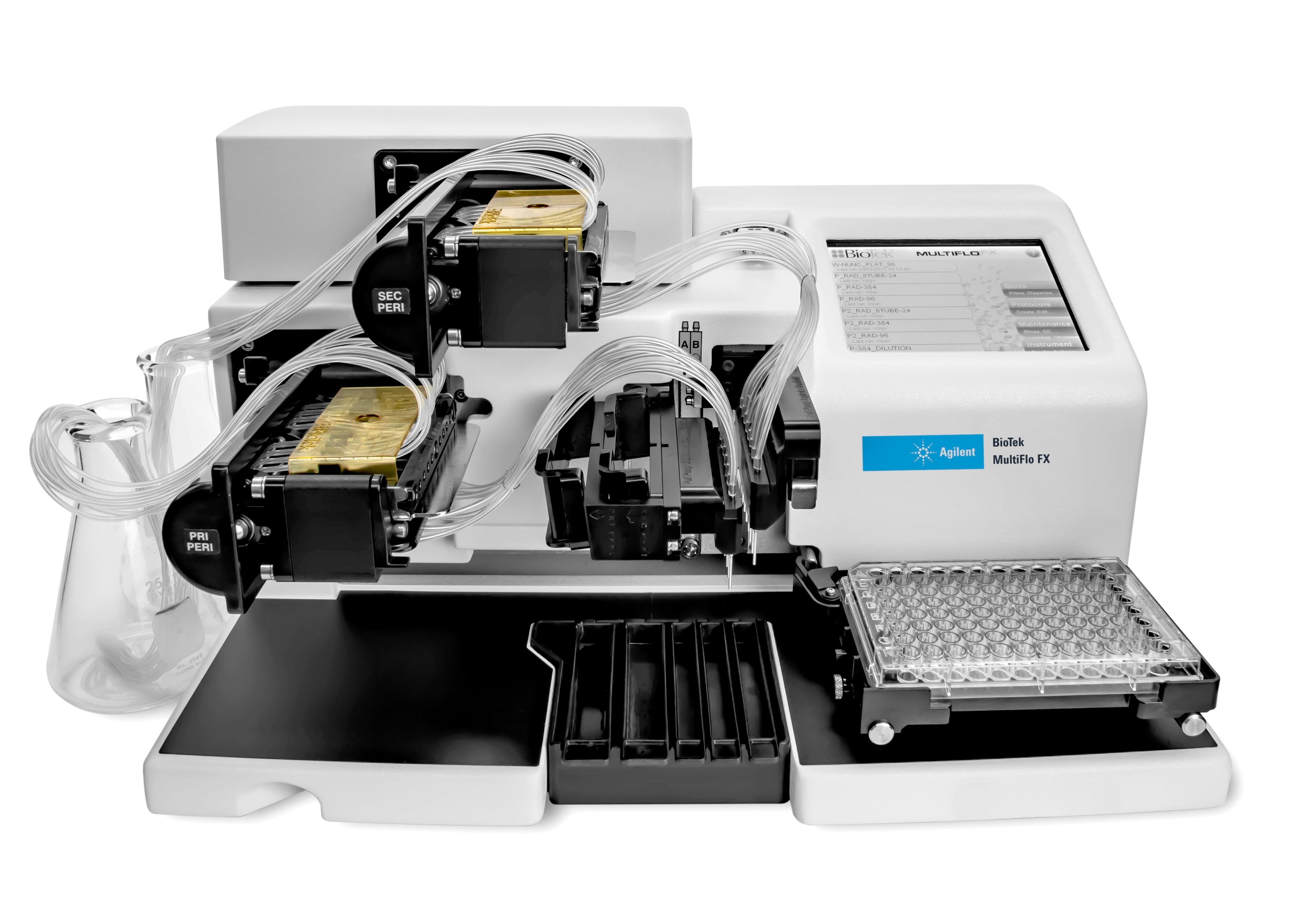
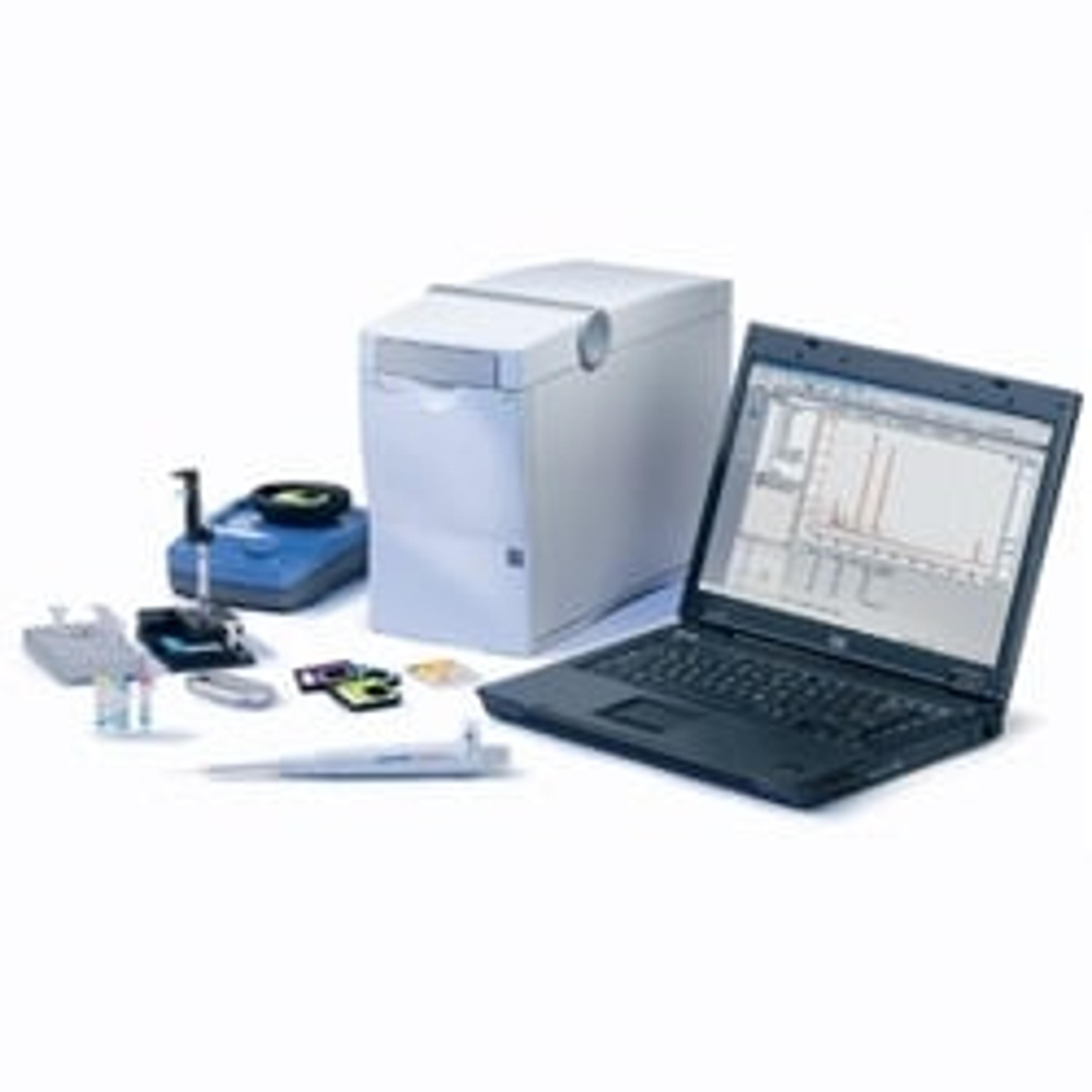
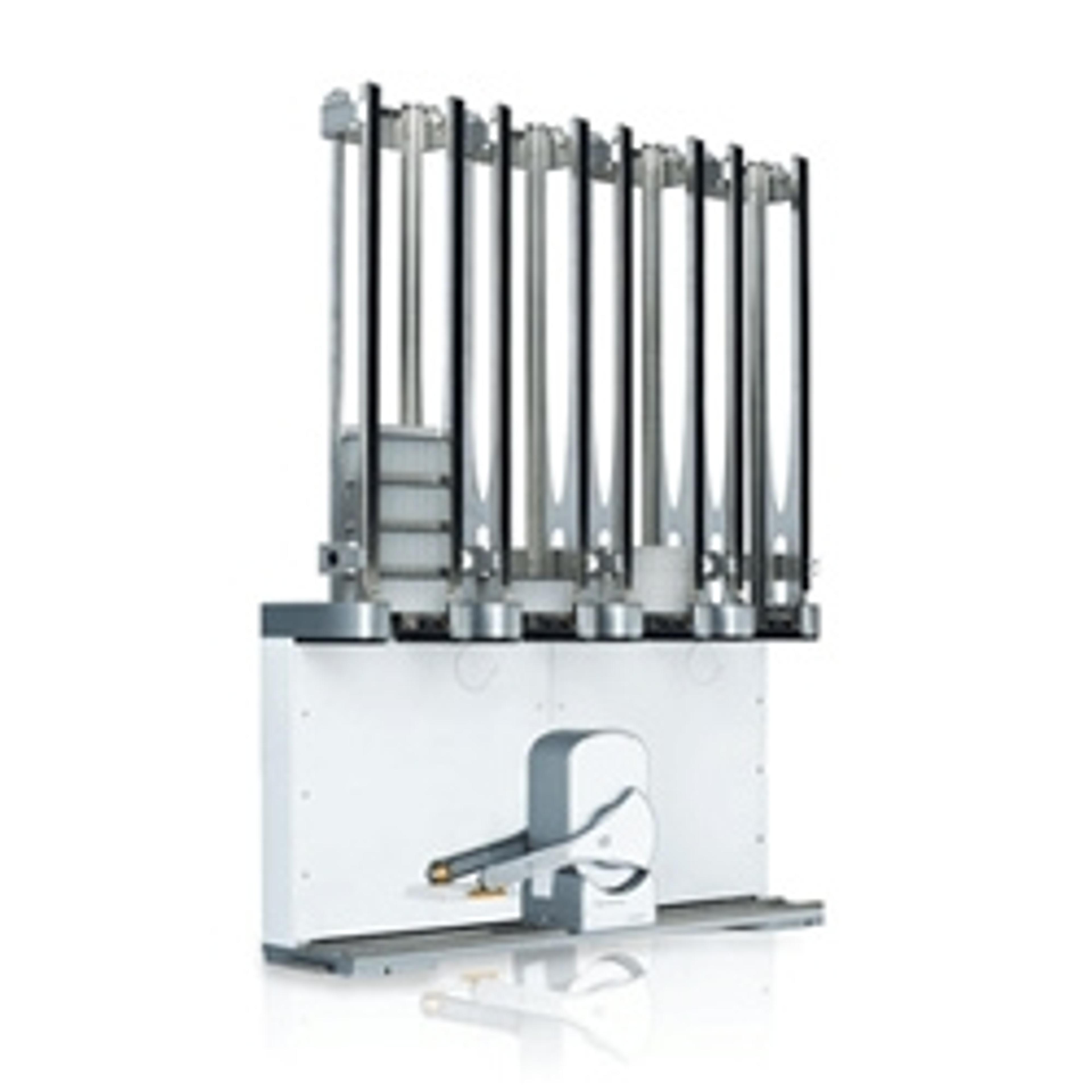
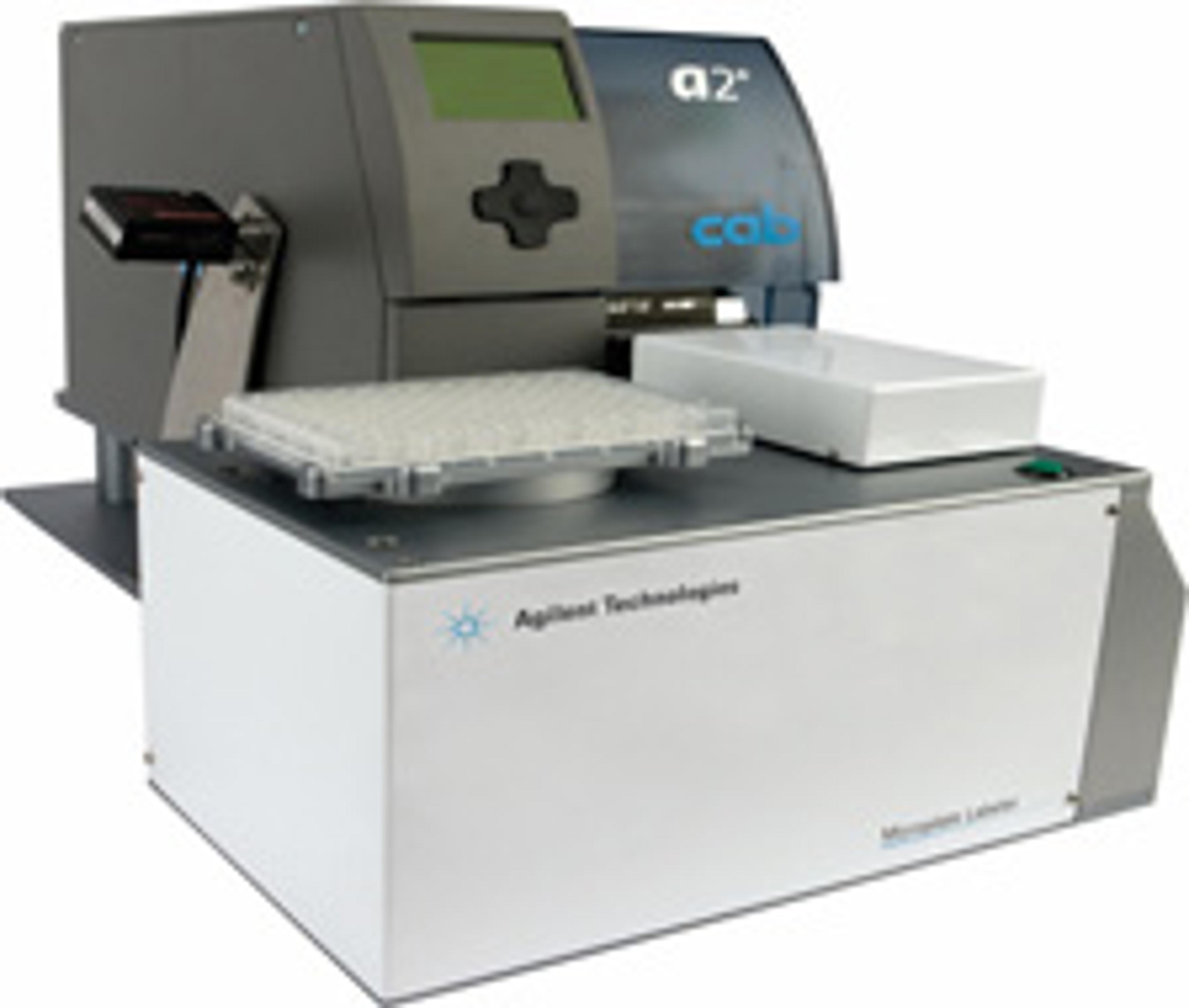
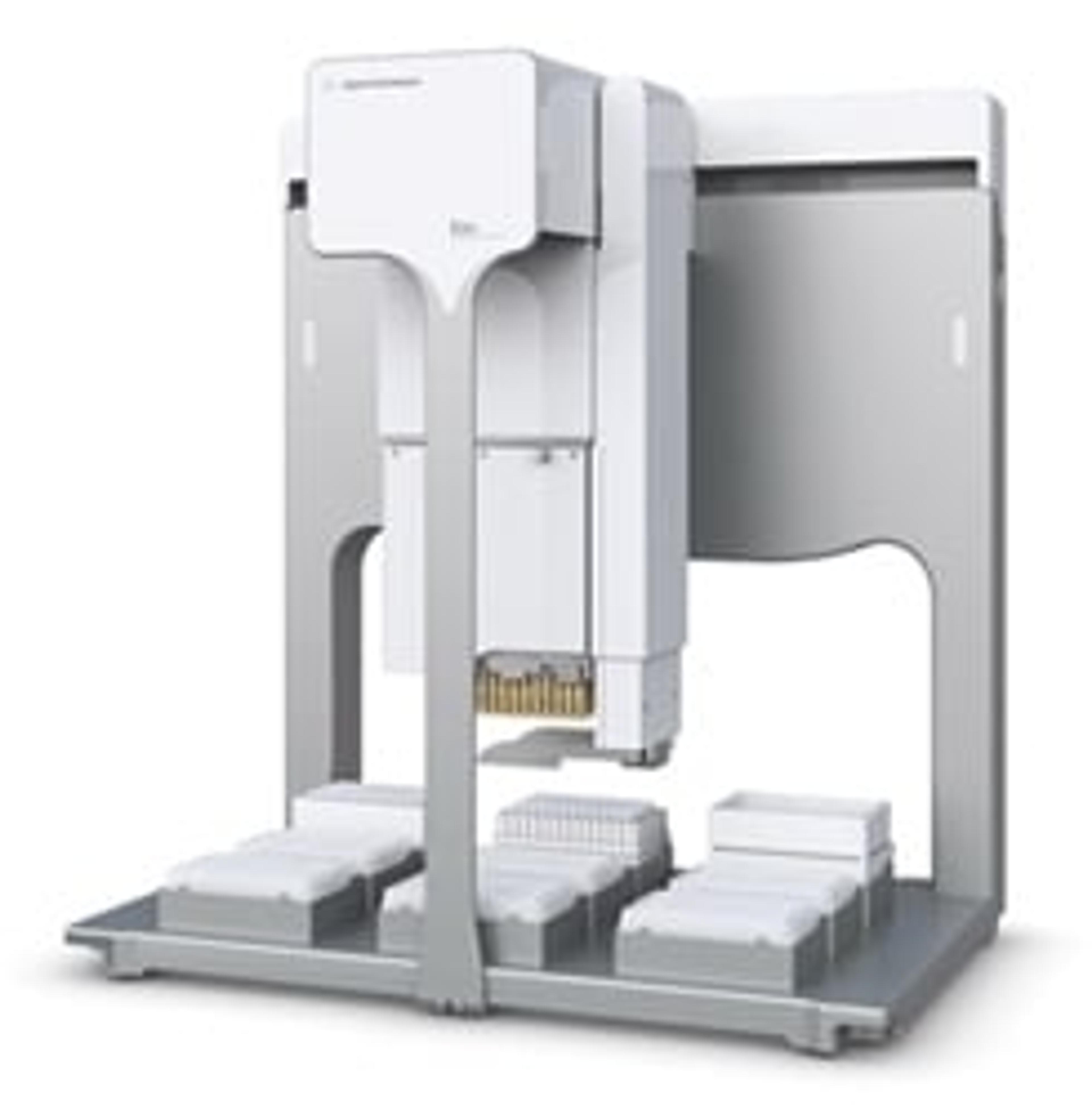
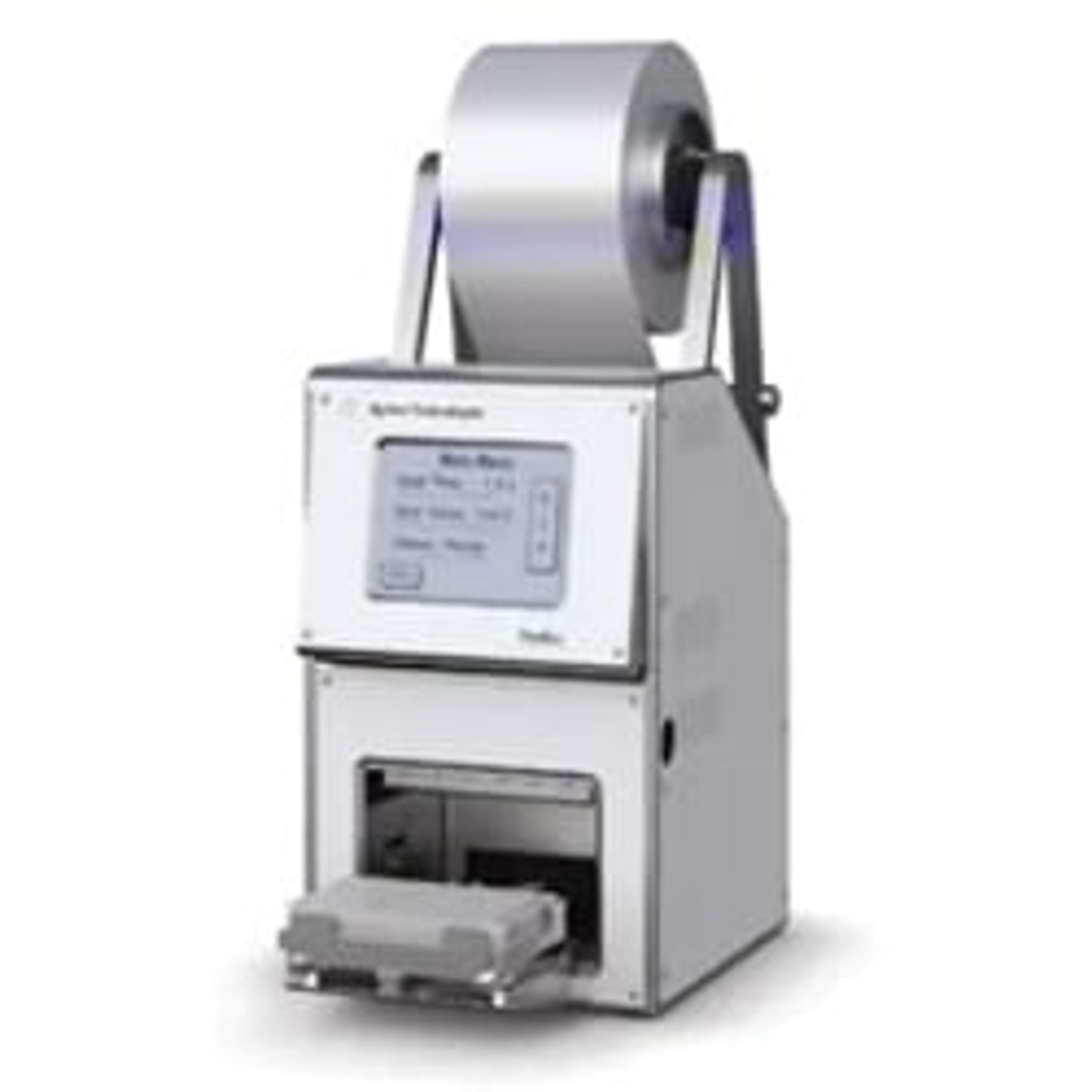
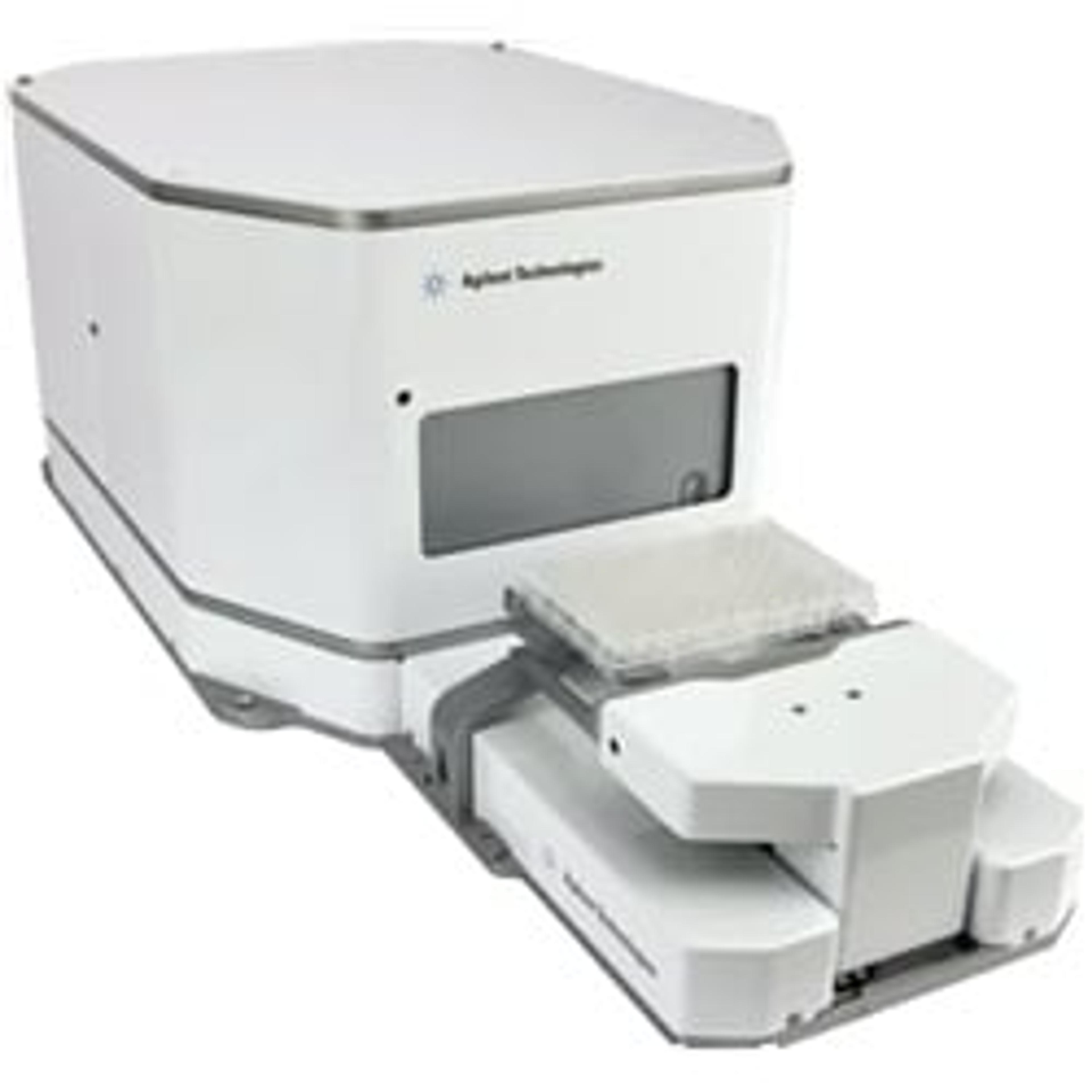
Agilent BioTek MultiFlo FX Multimode Dispenser
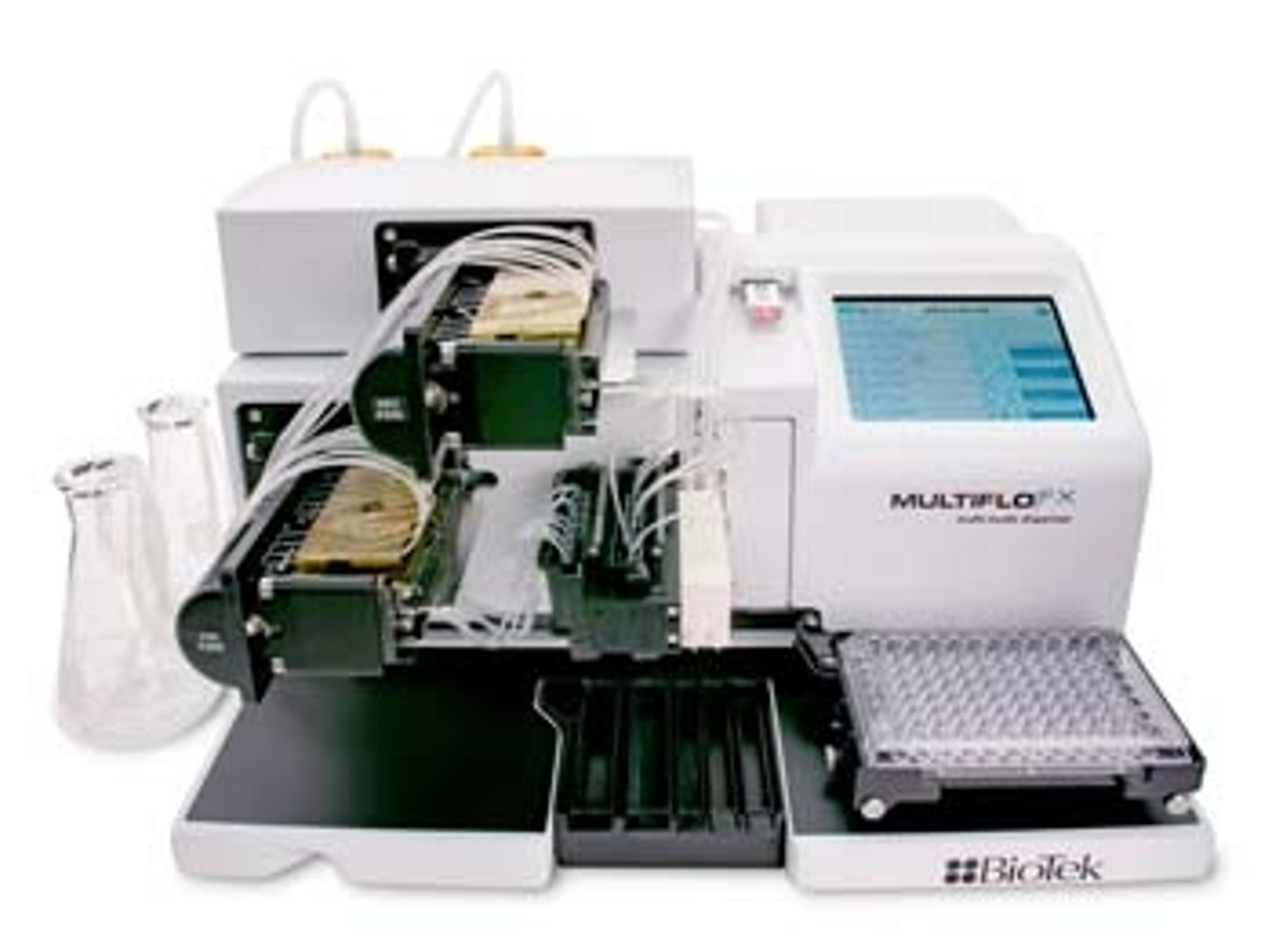
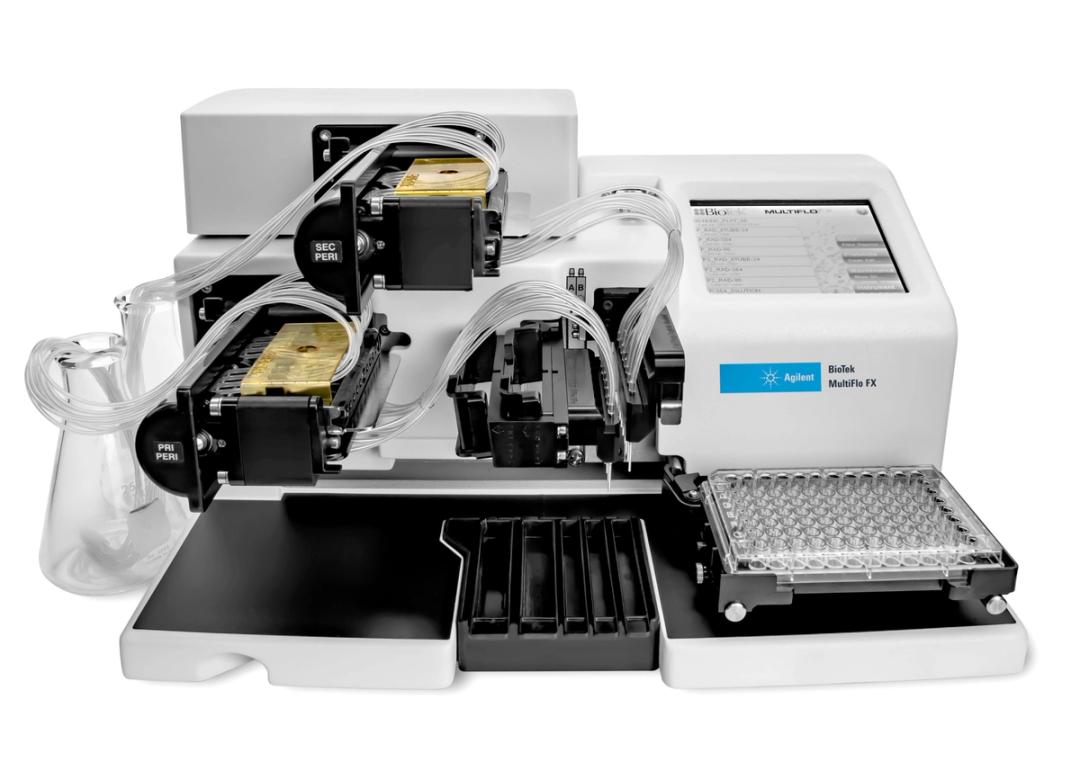
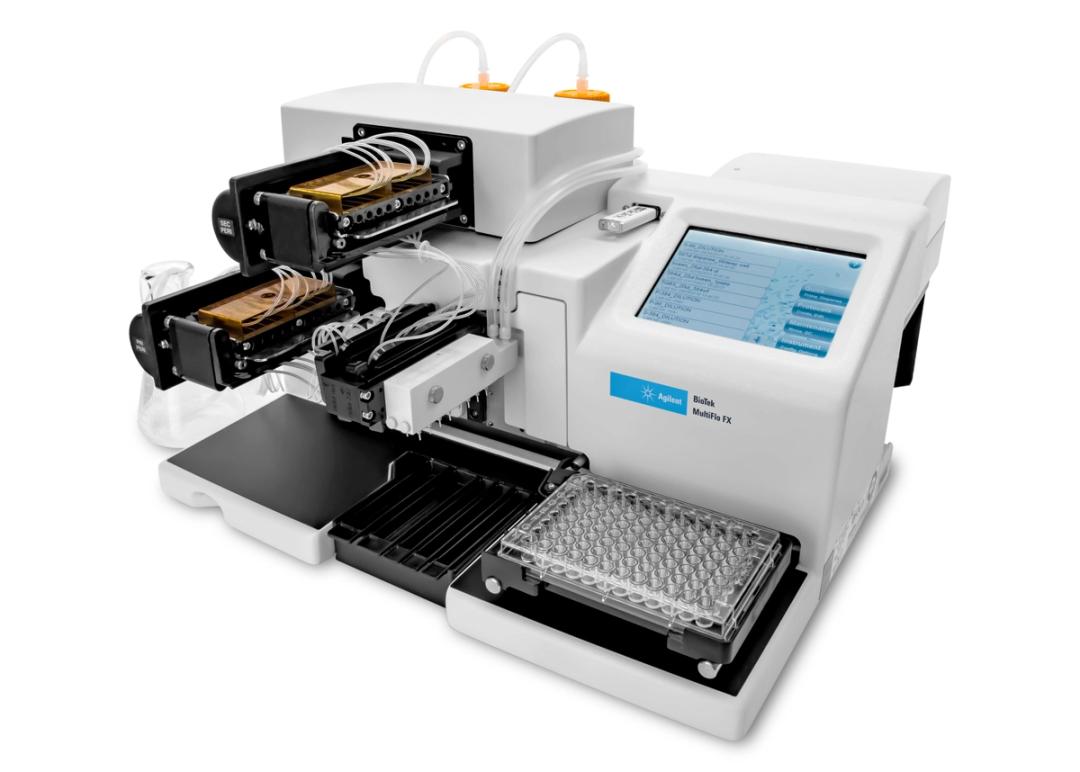
MultiFlo FX can dispense up to 4 independent reagents into 6- to 1536-well microplates.

Receive your quote directly from the manufacturer.
Great for filling 96 & 384w plates!
Assay development, cell based assays
Great bulk dispenser with sufficient options to expand capabilities. Easy to use, easy to configure. Enough choice in cassettes and tip types to suit your needs, and limited maintenance; cassettes can easily be calibrated. Very easy to fill 96, 384 and 1536 well plates with liquids (e.g cell seeding or reagent), from 1µl up to 100+ µl
Review Date: 29 Mar 2023 | Agilent Technologies
Great instrument and saves a lot of hand work.
Liquid handling
Very easy to use, great accuracy for liquid dispensing. No need for lengthy cleaning procedure.
Review Date: 27 Jan 2020 | Agilent Technologies
Peristaltic pumps don't last.
Bulk dispensing
Very good bulk dispensing. Needs a method to keep quality over 1000 dispenses.
Review Date: 6 Feb 2019 | Agilent Technologies
Great results, a must have for screening and ELISAs.
Plating cells and ELISA washing
The MultiFlo FX is a workhorse in the lab, it is consistent for plating cells, washing ELISA plates and even for adding fixative to screening plates. BioTek service and sales team are helpful and all issues we have had could be fixed without a service call.
Review Date: 30 Nov 2018 | Agilent Technologies
Super reliable instrument
ELISA, plate washing steps
We use the washer extensively. It is very reliable instrument.
Review Date: 26 Apr 2018 | Agilent Technologies
Great for the most part, peristaltic pump tips can be finicky.
ELISA plate preparation
All of the dispensers work great, with the exception of the peristaltic pump system. Often times the tips on the peristaltic pump clog. We dispense 1.5ug/mL IgG in .2um filtered 1xPBS, and then clean immediately with .2um filtered DI H20 and the tips still clog often. Fortunately, Biotek provides you with a plate that allows you to gravimetrically calibrate each channel of the peristaltic pumps. All the other pump/aspirating units work flawlessly. Biotek provides great customer service.
Review Date: 26 Oct 2017 | Agilent Technologies
MultiFlo is a work-horse in our laboratory. It's fast and reliable.
Bulk dispensing of cells and other reagents
We plate up to 30 - 384w plates in a day. I wish the plate loader had a smaller footprint. Reproducibility is good. Menu navigation is easy enough.
Review Date: 25 Oct 2017 | Agilent Technologies
Perfect for a pilot lab
Pilot scale microtiter plate coating
Initial validation problems quickly resolved by Biotek on-site visit and subsequent phone calls. Parts are easy to order. Offers versatility and scaleability for pilot lab applications. Replaceable product contact parts and modular design is perfect for multiple design and development projects.
Review Date: 25 Oct 2017 | Agilent Technologies
Pretty good buy, good machine, easy to use.
Reagent dispensing
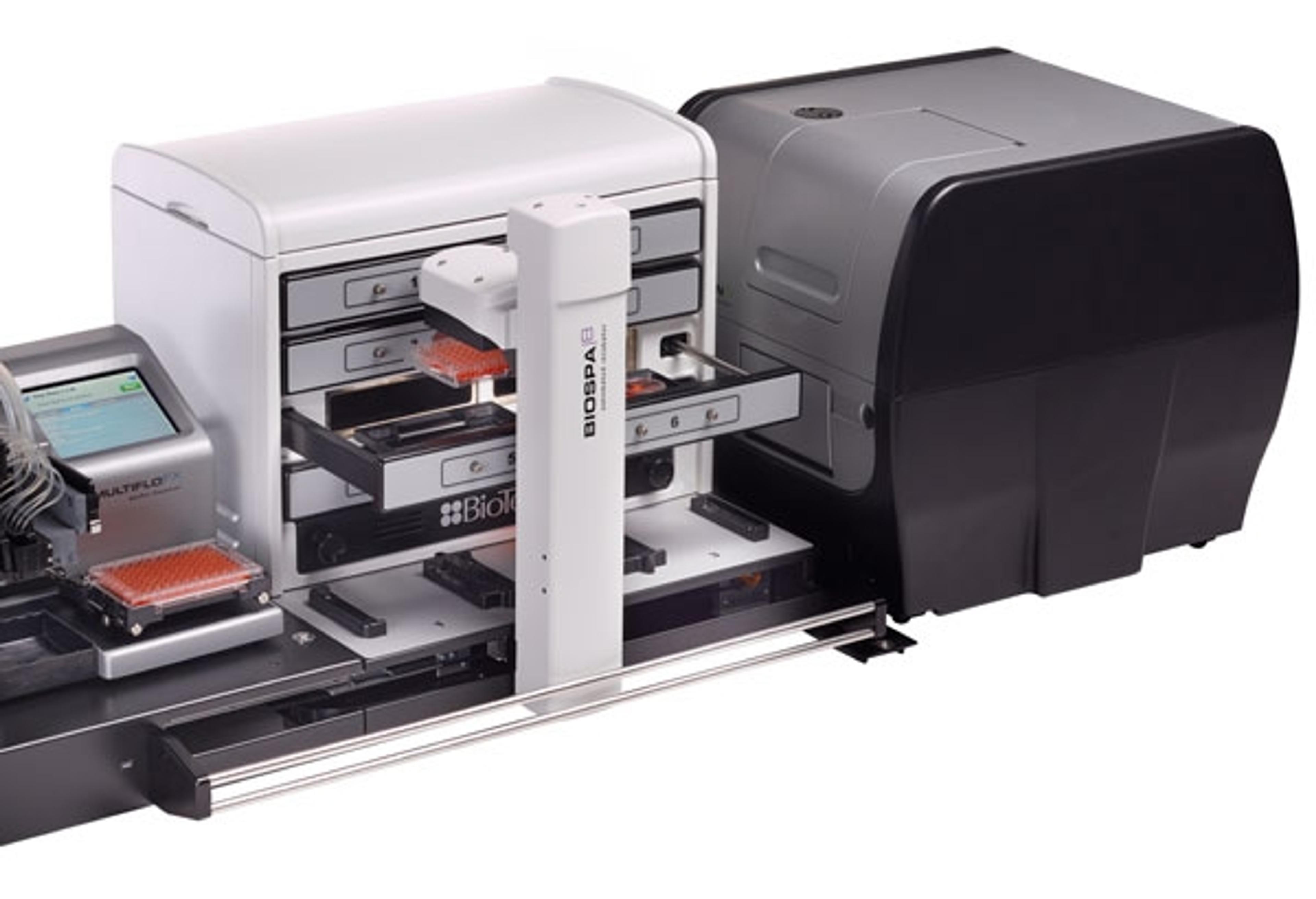
We really like the dispenser especially with the Biostack4. However, we found that the washing function on the machine to be slow and inefficient. In hindsight, we should've add RAD function or syringe pump instead of adding a washing function.
Review Date: 25 Oct 2017 | Agilent Technologies
Easy, simple process
Running ELISAs
Easy to use. Difficulty reducing the amount of dead volume in reagents.
Review Date: 25 Oct 2017 | Agilent Technologies
The Agilent BioTek MultiFlo FX is an automated multimode reagent dispenser for 6- to 1536-well microplates. The system incorporates several unique technologies in its modular design, such as Parallel Dispense, random access dispense (RAD), and proprietary Automated Media Exchange (AMX) modules.
The technologies in the MultiFlo FX microplate dispenser enable many liquid handling applications from 2D and 3D cell culture to concentration normalization assays, ELISA, bead-based assays, and more. A fully configured MultiFlo FX replaces up to five liquid handlers, saving space, time, and instrumentation budgets. MultiFlo FX delivers complete workflow automation in cell imaging and biochemical applications.

3D spheroid-based tumor invasion assay
The establishment of in vitro models that mimic tumor invasion as part of the metastatic process is a critical part of oncology research. The need to incorporate multiple cell types, long-term kinetic analysis, methods to allow 3D invasion into the surrounding matrix, and appropriate detection and analysis, has made it difficult to create new models. In this application note, learn more about the procedure that meets these needs through the inclusion of advanced imaging capabilities allowing for the capture of multiple images throughout a range of z-heights, using brightfield and fluorescence channels in a kinetic fashion.
3D spheroid-based tumor invasion assay
Establishment of in vitro models that mimic tumor invasion as part of the metastatic process, are a critical part of oncology research. The need to incorporate multiple cell types, long-term kinetic analysis, methods to allow 3D invasion into the surrounding matrix, and appropriate detection and analysis, has made it difficult to create new models. The procedure described here meets these needs through inclusion of advanced imaging capabilities allowing for capture of multiple images throughout a range of z-heights, using brightfield and fluorescence channels in a kinetic fashion. Final processed images, following stitching and z-projection, enable accurate cellular analysis to discern the invasive capabilities of 3D cellular structures over time.
Advanced wound healing assay workflow using automated scratch wound creation
In this application note, BioTek demonstrates the use of a novel, automated tool to create consistent and reproducible scratch wounds in cell monolayers formed on the bottom of a microplate well. This application note highlights the use of a single cancer cell model as well as a co-culture of fibroblasts and cancer cells; each plated in collagen-coated microplate wells to more closely simulate in vivo microenvironments and facilitate cell migration.
Automated media exchange for spheriod cultures using a novel MultiFlo™ FX accessory
Media exchanges with unattached cell models can be daunting if performed by hand, even when performed on a single plate. Multichannel pipettes must remove and dispense media at an extremely slow rate, and care must be taken to keep pipette tips away from the actual spheroids. Here, BioTek shows that through incorporation of the AMX Media Exchange Module on the MultiFlo FX, risk of accidental spheroid removal from wells is eliminated. Media is automatically removed and replaced with fresh media only, or fresh media containing treatment concentrations.
Automated monitoring and analysis of kinetic live cell 3D spheroid-based tumor invasion within a hydrogel matrix
Metastasis is the main cause of death in cancer patients and one of the most complex biological processes in human diseases. The development of therapies designed to forestall the metastatic activity of tumors has been met with multiple challenges. In this poster, BioTek demonstrate a combined procedure for the generation of 3D spheroidal tumoroid structures, creation of a suitable invasion matrix, automated kinetic image-based monitoring of tumor invasion, and cellular analysis of captured z-stacked images.
Automated 3D spheroid culture media exchange using a novel MultiFlo™ FX accessory
Culturing cells in 3D provides a more in vivo-like environment, allowing cells to maintain high viability when cultured for extended time periods. To maintain the highest levels of viability within untreated cells and ensure that observed effects are solely from treatment, media exchanges and re-dosing are necessary throughout the experiment, particularly in vitro tests lasting weeks. Through incorporation of the AMX™ Automated Media Exchange module on the MultiFlo™ FX Multi-Mode Dispenser, risk of accidental spheroid removal from wells is eliminated. Spent media is automatically removed and replaced with fresh media only, or fresh media containing treatment concentrations.
Long-Term 3D Spheroid Culture & Analysis - An Essential Guide
Interest has intensified recently in the use of 3D models in life sciences research, to improve the understanding of basic cellular processes and reduce drug attrition rate. In the past, however, 3D models have proven difficult to reliably cultivate long enough to perform multiple dosing studies as well as to monitor chronic toxicity, long-term kinetic analyses, and stem cell differentiation. With a focus on four key applications, this application eBook speaks to these challenges - demonstrating robust workflows for high-throughput spheroid assembly and long-term quantitative analysis.
Incorporation of a Novel, Automated Scratch Tool and Kinetic Label-Free Imaging to Perform Wound Healing Assays
The wound healing or "scratch" assay is one of the most highly used in vitro methods to monitor and quantify collective cell migration. The current standard involves manual wound creation, which yields low reproducibility between wounds, high variability within generated data, and possible false conclusions regarding test molecules. Using an automated wound creation tool, in addition to kinetic image capture and analysis, repeatable wounds and robust and repeatable results are easily attained.
Media Exchanges Using Unattached 3D Spheroid Models
3D cell culture methods encourage cell-cell and cell-matrix interactions and also promote more physiological cell morphologies and behaviors compared to cells grown on flat 2D surfaces. Due to the need to generate the most in-vivo like data during in vitro drug discovery of toxicology testing, 3D spheroids are often used in long-term experimental procedures, and in microplate format to increase throughput. Since these procedures may extend to weeks, media exchange and dosing steps are critically important. When incorporating unattached spheroids, care must be taken not to evacuate or damage the spheroid suspended in the culture media.
Automated Media Exchange for Spheroid Cultures Using a Novel MultiFlo™ FX Accessory
Three dimensional (3D) spheroidal cell models have become a mainstay in life science research due to the ability to mimic in vivo-like environments. Performing media exchanges and washes with spheroids in cell repellent microplates can be problematic due to the risk of accidental spheroid removal. By incorporating a novel peristaltic pump-based tool, these procedures can be carried out in a controlled manner that eliminates spheroid disruption and removal, enabling long-term 3D experimental procedures requiring multiple media exchanges.
From Media Exchange to Image Acquisition: Optimize Your Entire In Vitro Workflow
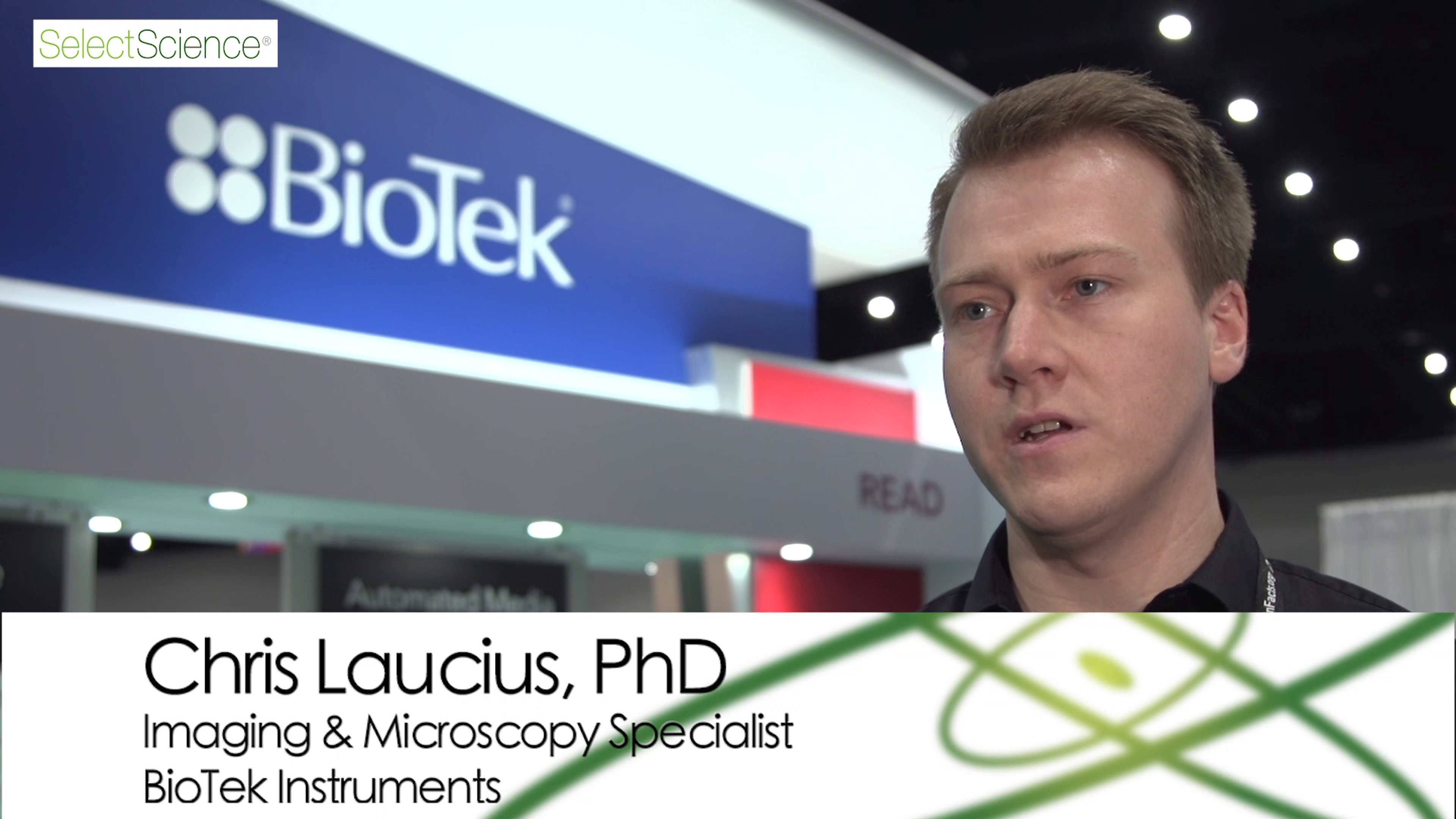
Chris Laucius, Ph.D., Imaging and Microscopy Specialist at BioTek Instruments, explains how the plate washers and imagers from BioTek Instruments can help with every step of your workflow: from gentle media exchange, sample prep, image acquisition all the way to data analysis.
Master media exchange for long-term spheroid assays: Solutions & troubleshooting top tips
Protect long-term 3D cell-based assays for toxicology, oncology, disease modeling and more

New special feature: Advance your 3D cell culture research with these top resources
Explore exclusive interviews, new methods, and free download to help optimize your 3D cell culture

Trending in drug discovery and biopharma - the best of 2019
From CRISPR screening in primary T cells to photodynamic therapy for curing cancer, we take a look back at research highlights and emerging technologies from the past year