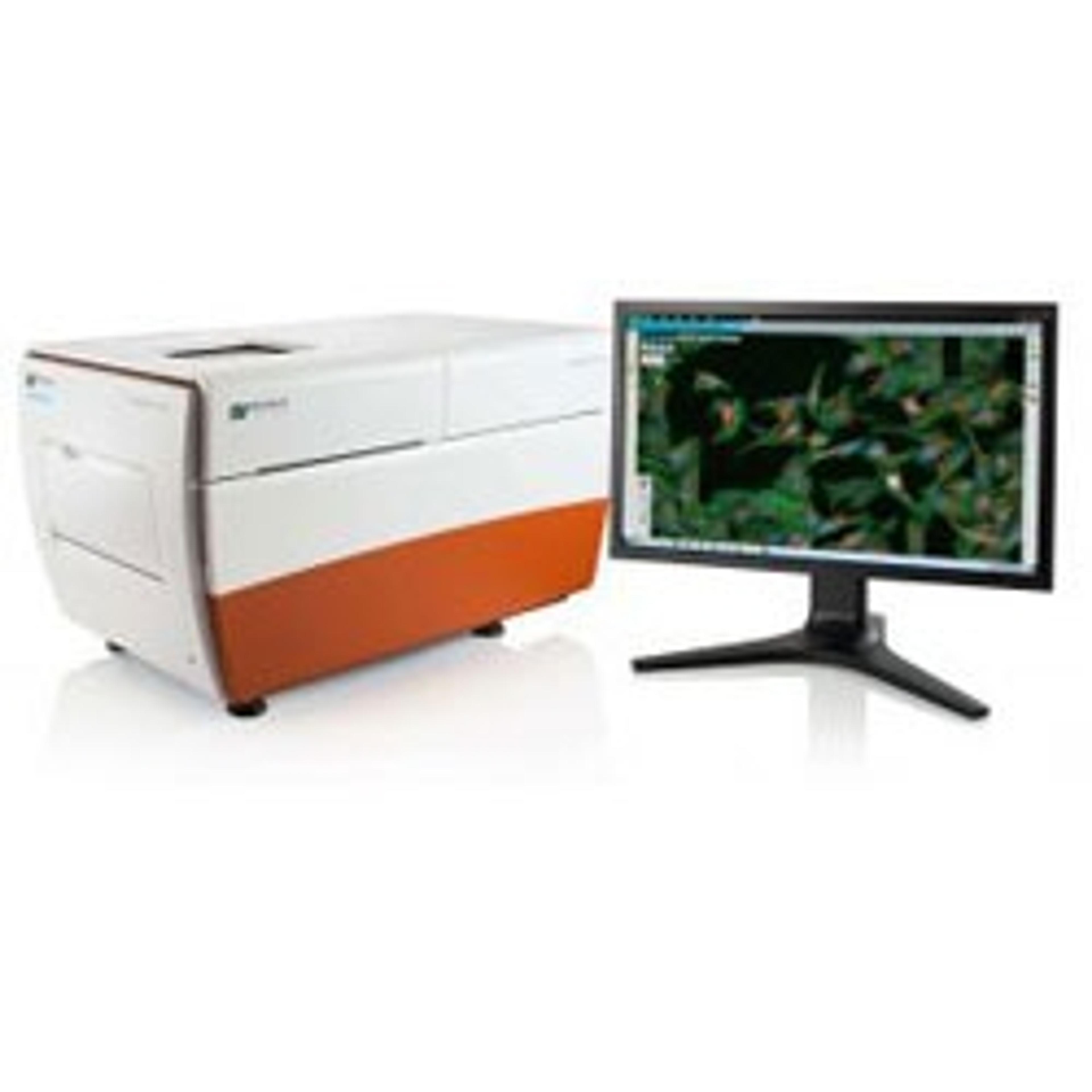
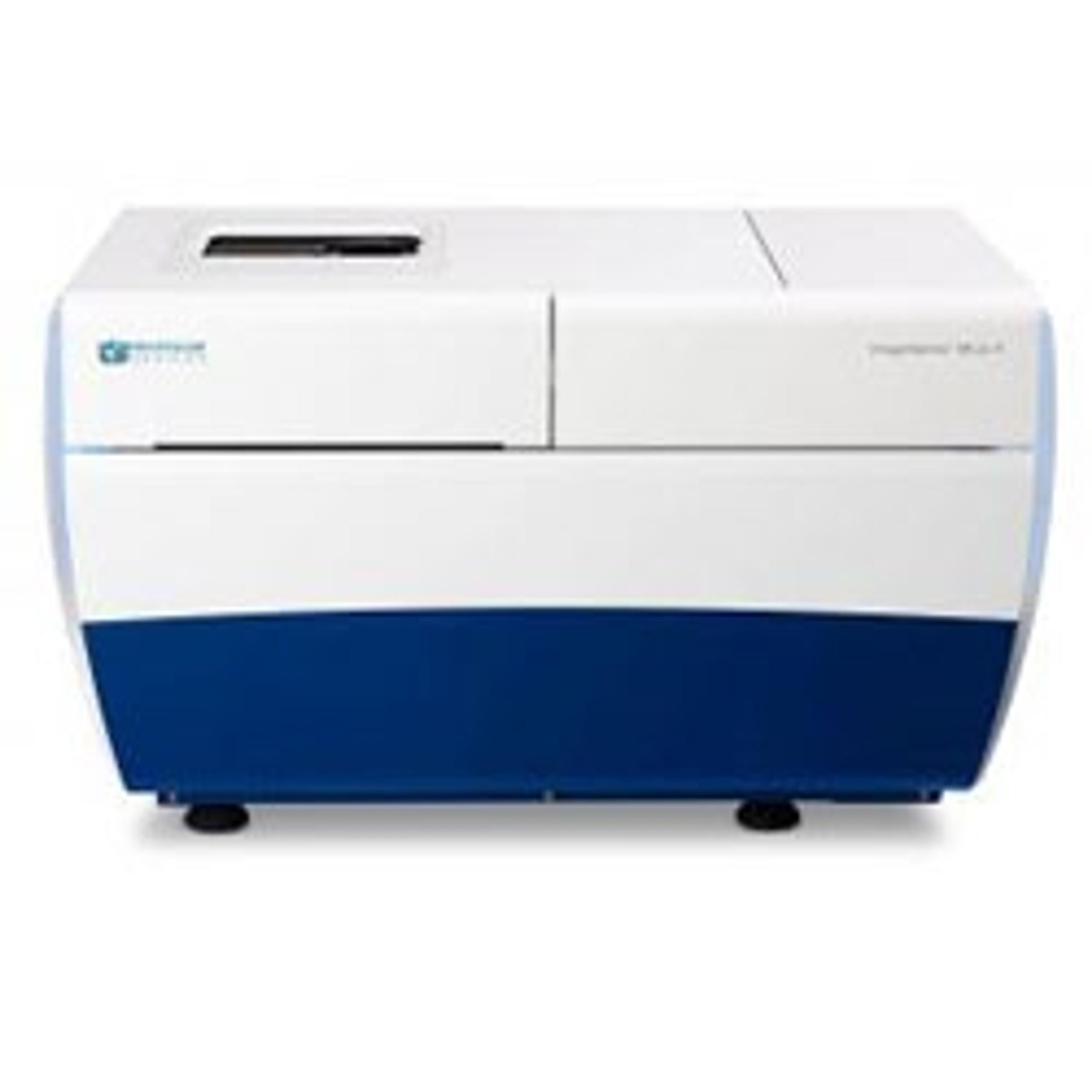
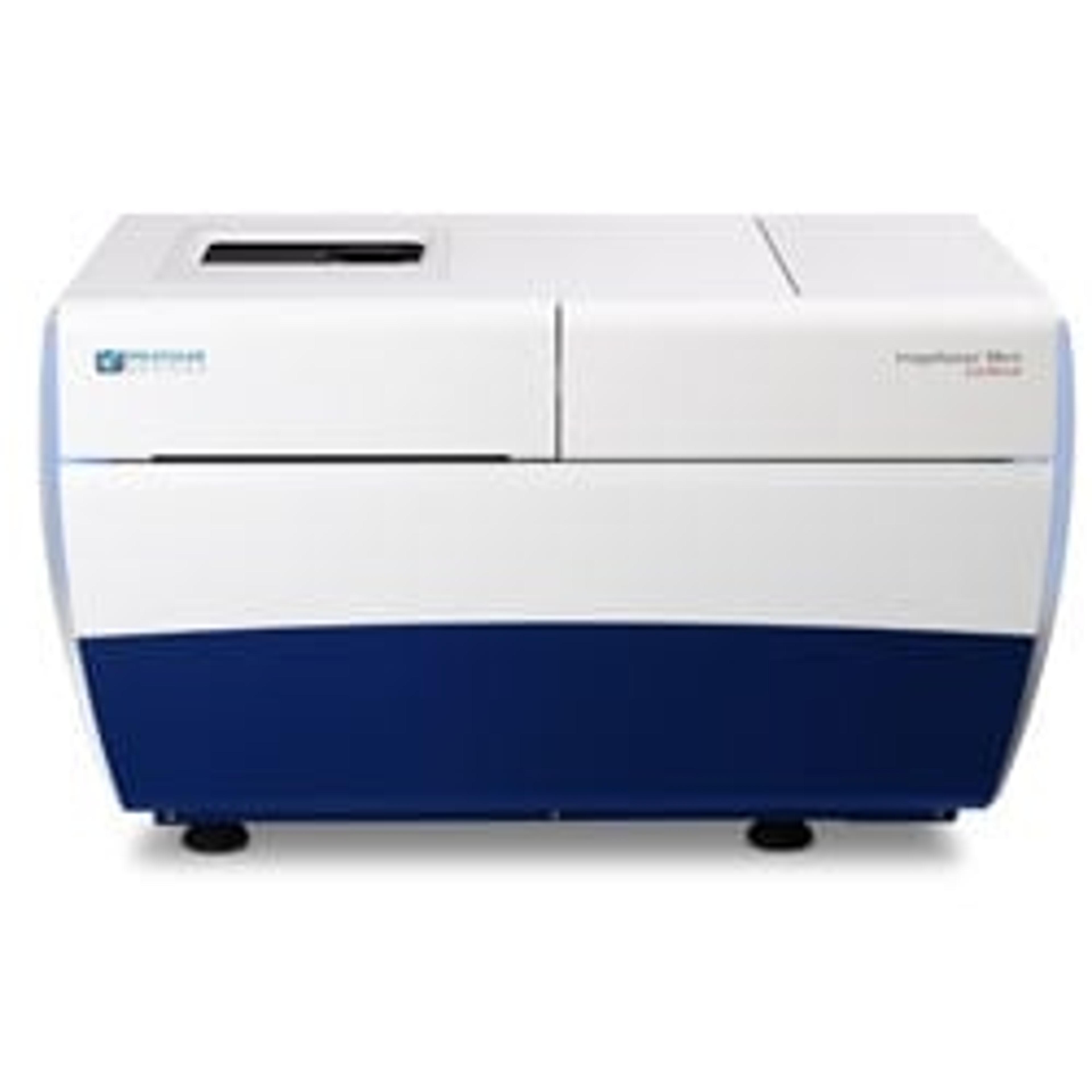
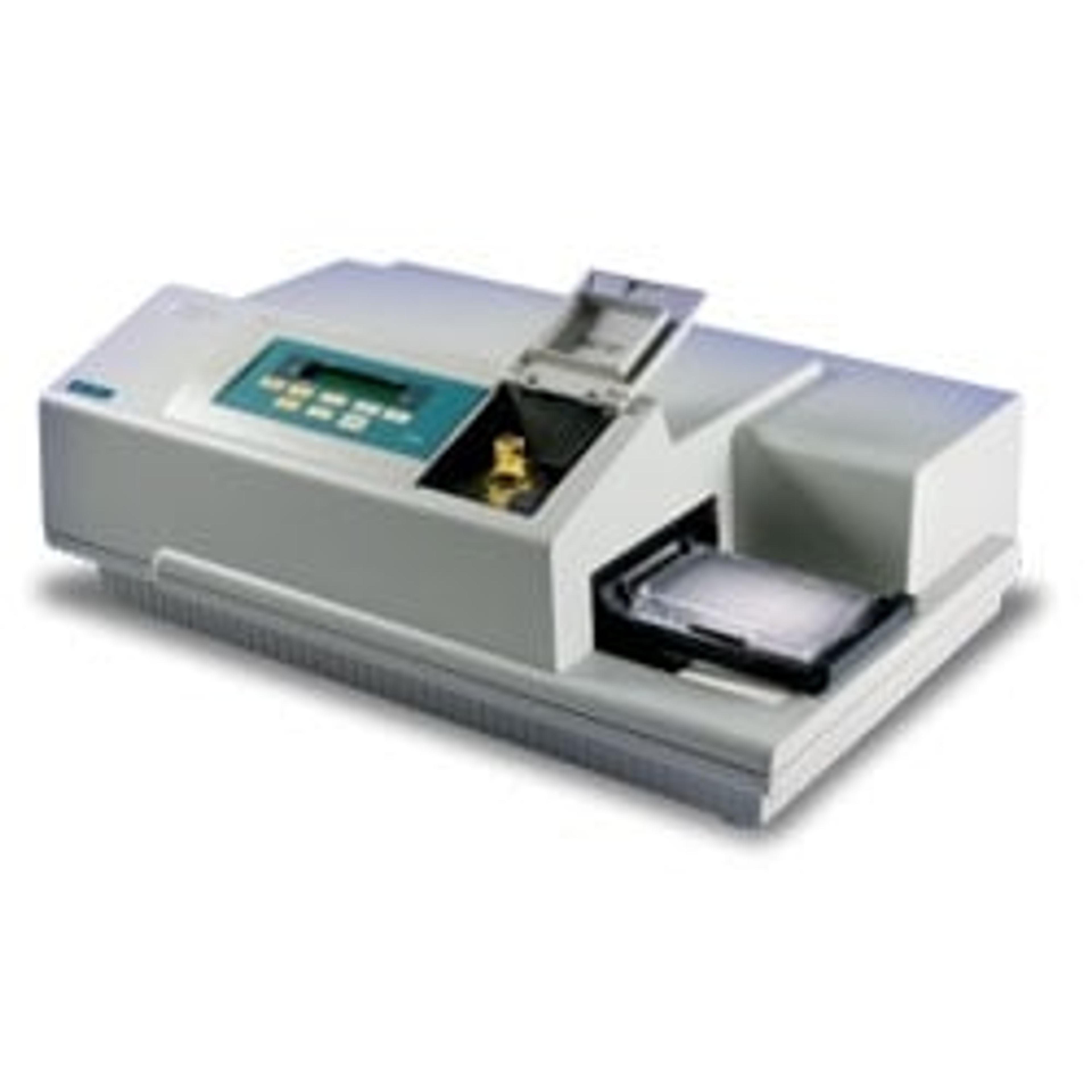
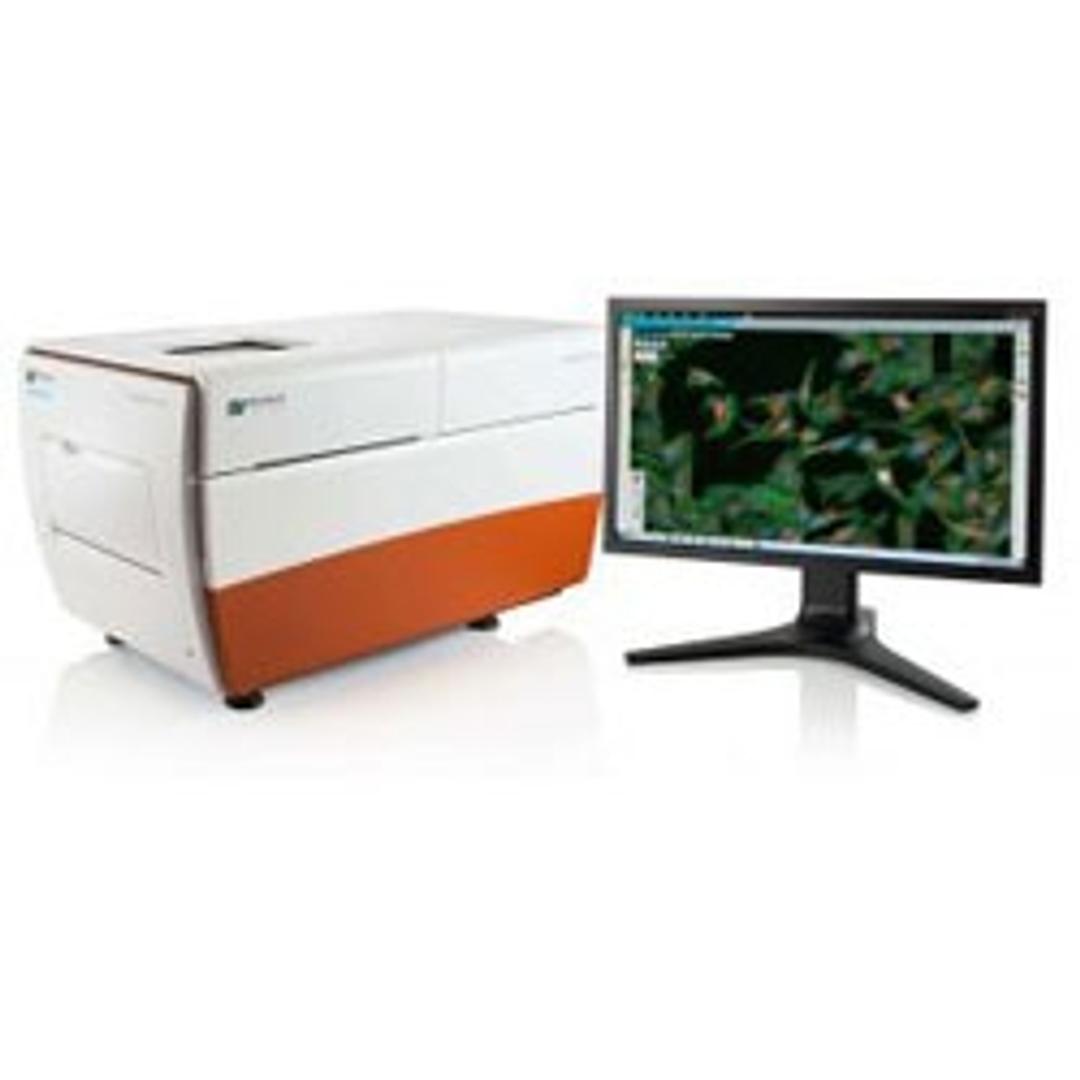
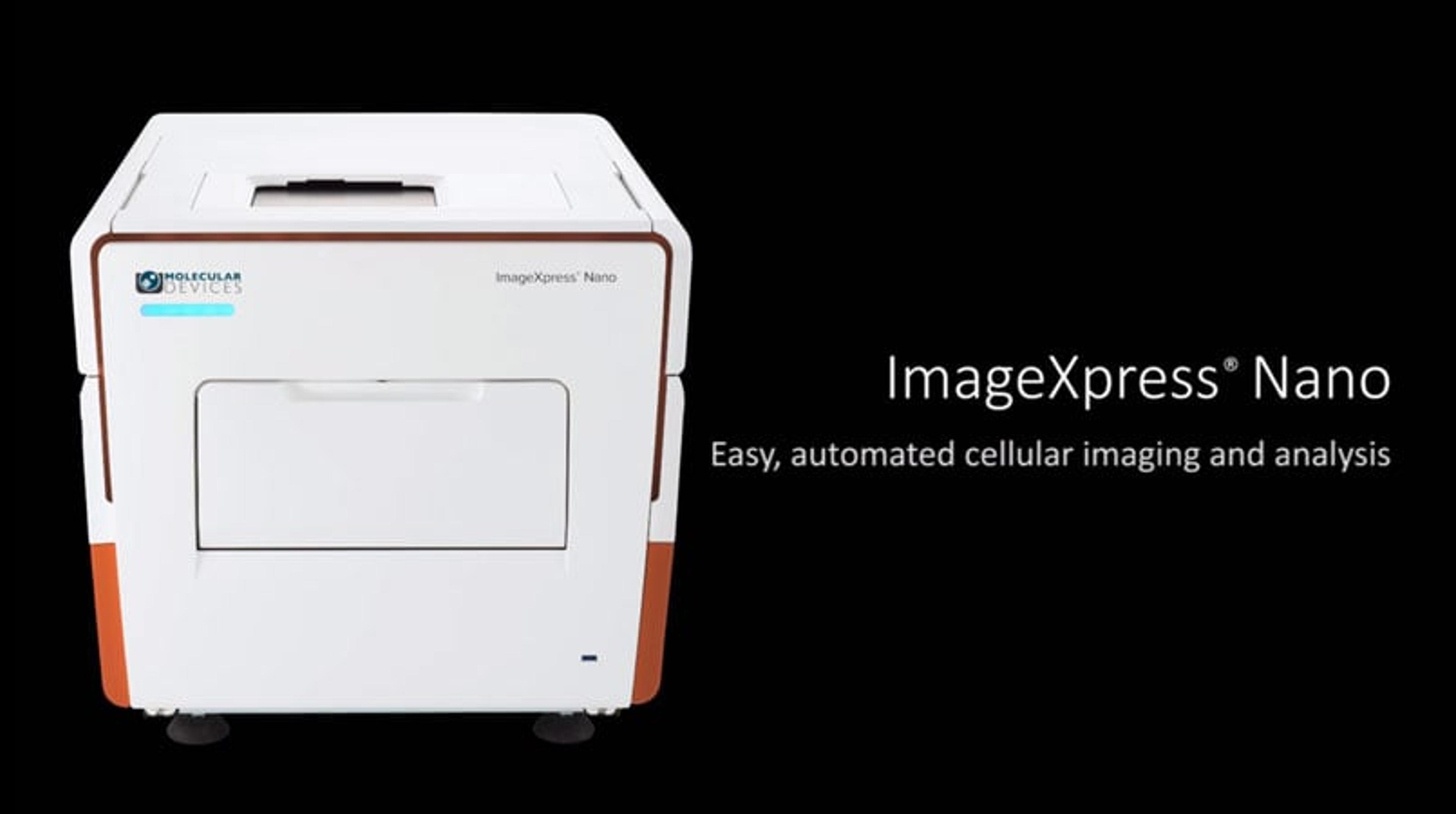
ImageXpress Nano Automated Imaging System
Easy, automated cellular imaging and analysis


Receive your quote directly from the manufacturer.
The ImageXpress® Nano Automated Imaging System enables researchers to get better data faster and improve collaborations with peers—anywhere, anytime. Cost-effective automated microscopy allows researchers to scale up their experiments to multi-slide or microplate-level evaluations. The user-friendly software interface is easy to learn and provides the ability to remotely run predefined protocols for specific types of experiments with the flexibility to build your own protocols.
Key Benefits:
- Automated imaging now within reach of every lab
- The right sensitivity to scale up your microscopy assays
- Acquire, share, and present data—no matter where you are
- The software comes with 25 predefined analysis protocols and simple, linear workflows to get you started quickly and propel your research forward
The ImageXpress® Nano system is built on over 30 years of cell-based imaging expertise and engineered for performance to reliably accelerate the pace of your research
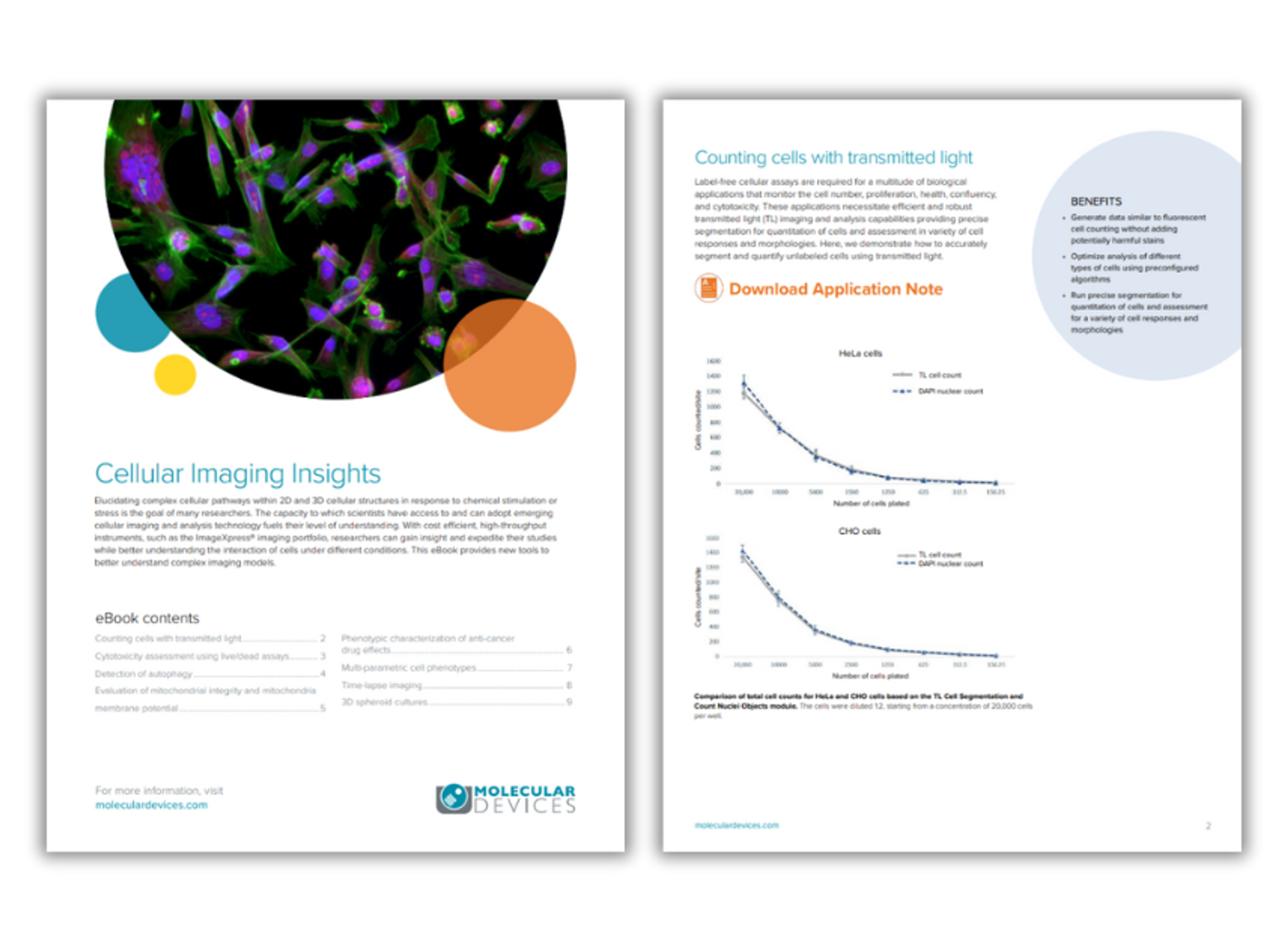
Cellular imaging insights
The goal of many researchers is to elucidate the complex cellular pathways within 2D and 3D cellular structures in response to chemical stimulation or stress. The capacity to which scientists have access to and can adopt emerging cellular imaging and analysis technology fuels their level of understanding. In this eBook, Molecular Devices provides an overview of the new tools that can be used to better understand complex imaging models.

Transmitted Light Image analysis for Cell Count and Assessment of Cytotoxicity Effects
Numerous biological applications require monitoring of cell number, cell health, confluency, and proliferation during multiple time points without fluorescent markers or other labels. In particular, there is an increased need for reliable and efficient cell counting methods to assess a variety of cell responses when monitoring cells with transmitted light (TL) imaging.
Quantitative GPCR Activation Using Automated Cell Imaging and Analysis
GPCRs are the largest group of signal transducing transmembrane proteins, constituting roughly 4% of the proteincoding genome. They play integral roles in a wide range of biological pathways from response to sensory inputs (gustatory, olfactory, and visual) to cell growth, and cardiovascular and immune system regulation. They have also been implicated in a wide variety of diseases, such as autoimmune diseases, cancer,
as well as metabolic, cardiovascular, and neurologic disorders. With their ability to demonstrate high specificity and affinity for their ligand, GPCRs are a crucial target for drug discovery.
Phenotypic Characterization of Toxic Compound Effects on Cardiomyocytes Derived from iPSCs
Cardiotoxicity remains a primary cause for drug attrition during clinical trials and post-marketing. While it is believed that a significant percentage of cardiovascular diseases are due to environmental exposures, identities of the causative environmental agents remain largely uncharacterized. Accordingly, an important target area for assay development for in vitro screening includes the detection of potential cardiotoxic effects.
Streamline Assessment of DNA Damage Using the ImageXpress Nano System
Assessing damage to DNA or chromosomes is frequently addressed with research applications because of its implications in diverse diseases including genetic mutations, cancer, and aging. DNA damage may occur spontaneously or result from exposure to ionizing radiation, environmental influences and contaminants, or chemical compounds. Previous research demonstrated that phosphorylation of histone H2AX on serine139 is an early and sensitive indicator of DNA double-strand breaks.
Detection of Autophagy Using Automated Imaging
Autophagy is a highly regulated process of degrading and recycling damaged proteins and organelles in response to cellular stress which has recently been linked to various neurodegenerative diseases - including Parkinsons. This application note examines the efficacy of using the ImageXpress Nano system and CellReporterXpress software for high-content screening for inducers, or inhibitors of autophagy. The authors conclude that the systems provide numerous beneficial services such as the efficient running of autophagy assays using automated imaging, subsequent detection of compound effects on autophagy, and aiding in the identification of new therapeutic agents that target autophagy.
Assessment of Neurotoxicity and Neuronal Development Using Induced Pluripotent Stem Cell-Based Neurite Growth
Growing concerns about the increased prevalence of untested chemicals in the environment has created a pressing need to develop reliable and efficient screening tools to identify chemicals that could potentially affect human health, particularly in neurological development.
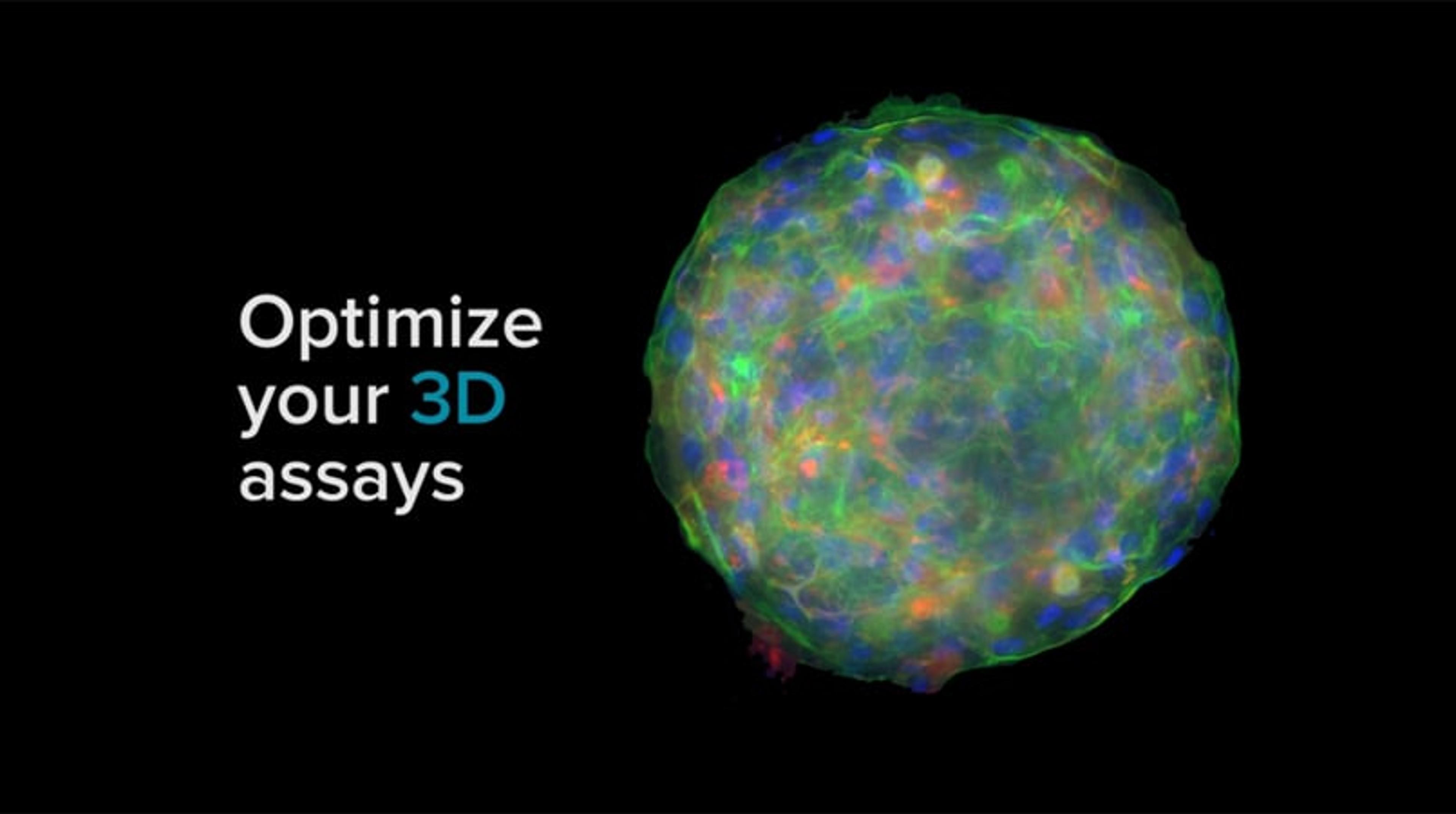
Optimize Your 3D Assays with ImageXpress
Optimize your 3D assay and make your next breakthrough in cellular imaging - with intelligent, innovative imaging solutions.
ImageXpress Nano Automated Imaging System
This video introduces the ImageXpress Nano by Molecular Devices. Easy, automated cellular imaging and analysis with CellReporterXpress™ Automated Image Acquisition and Analysis Software.