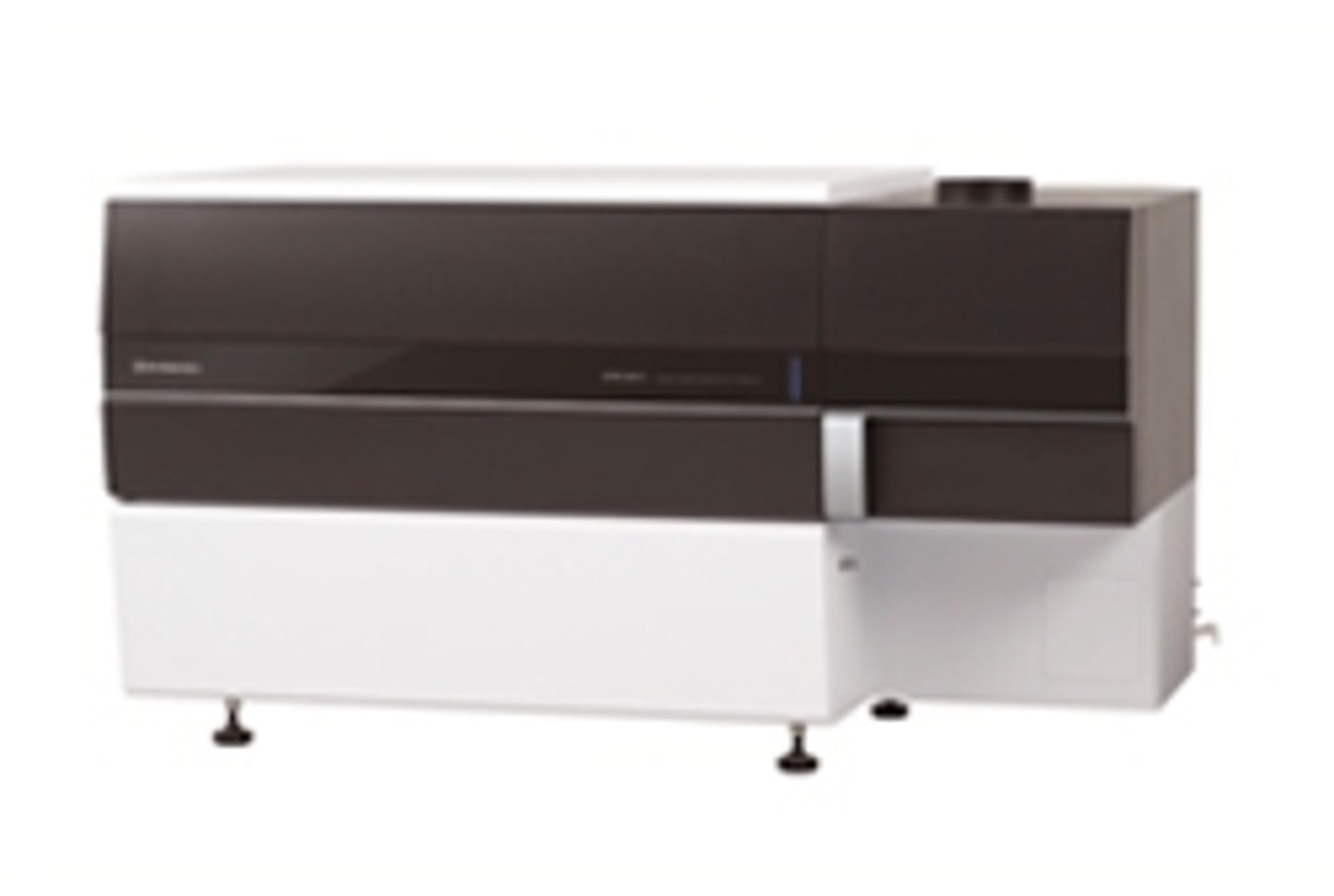
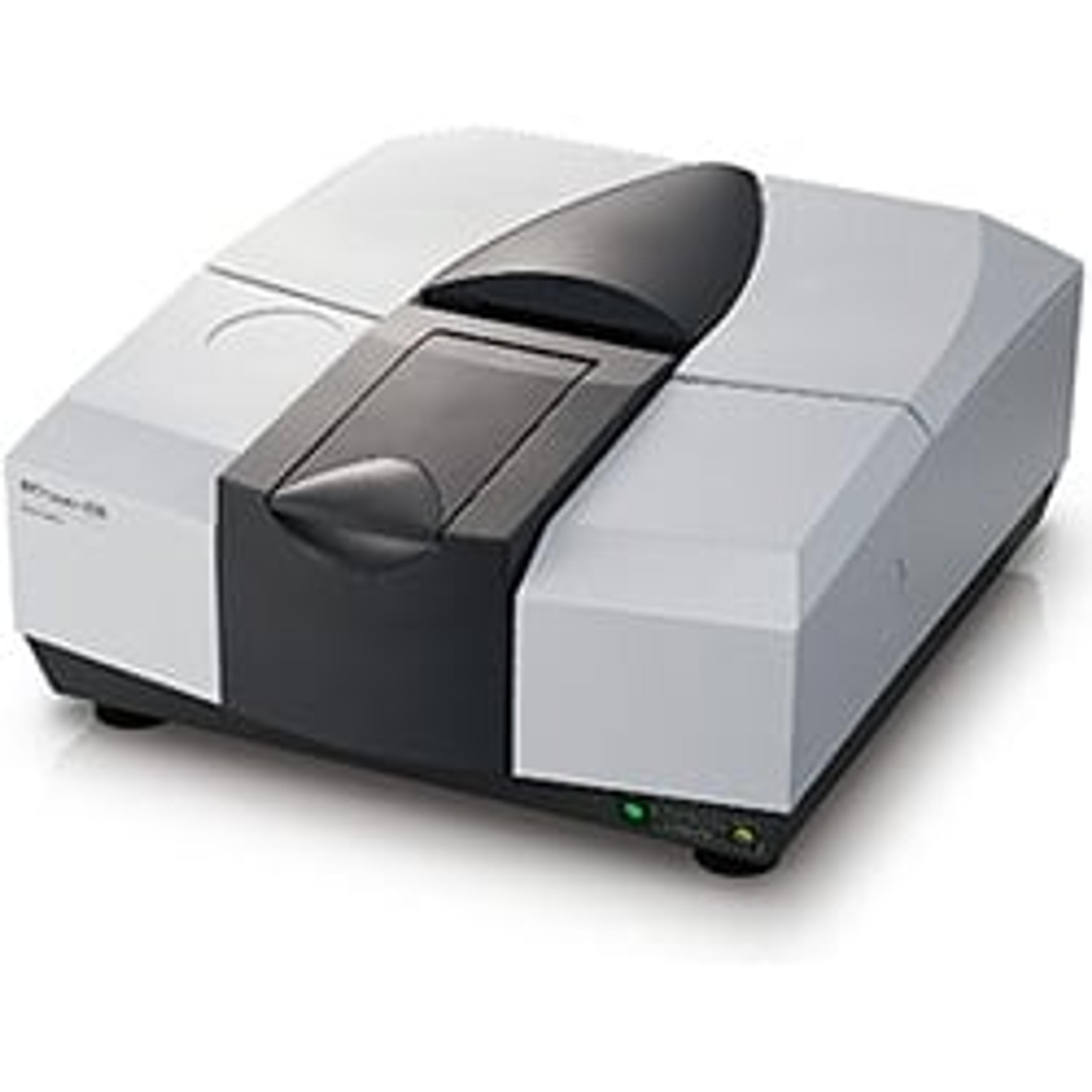
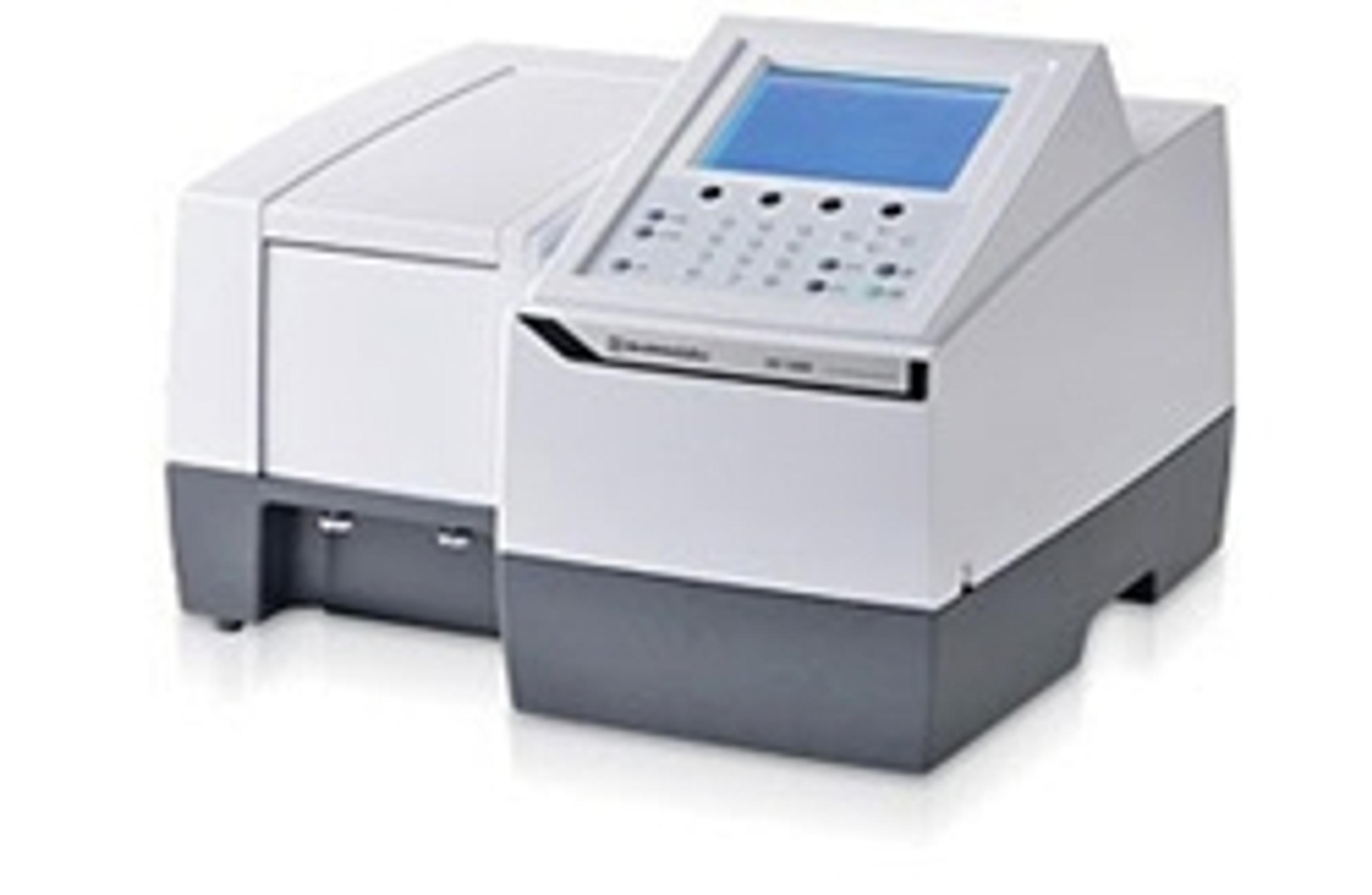
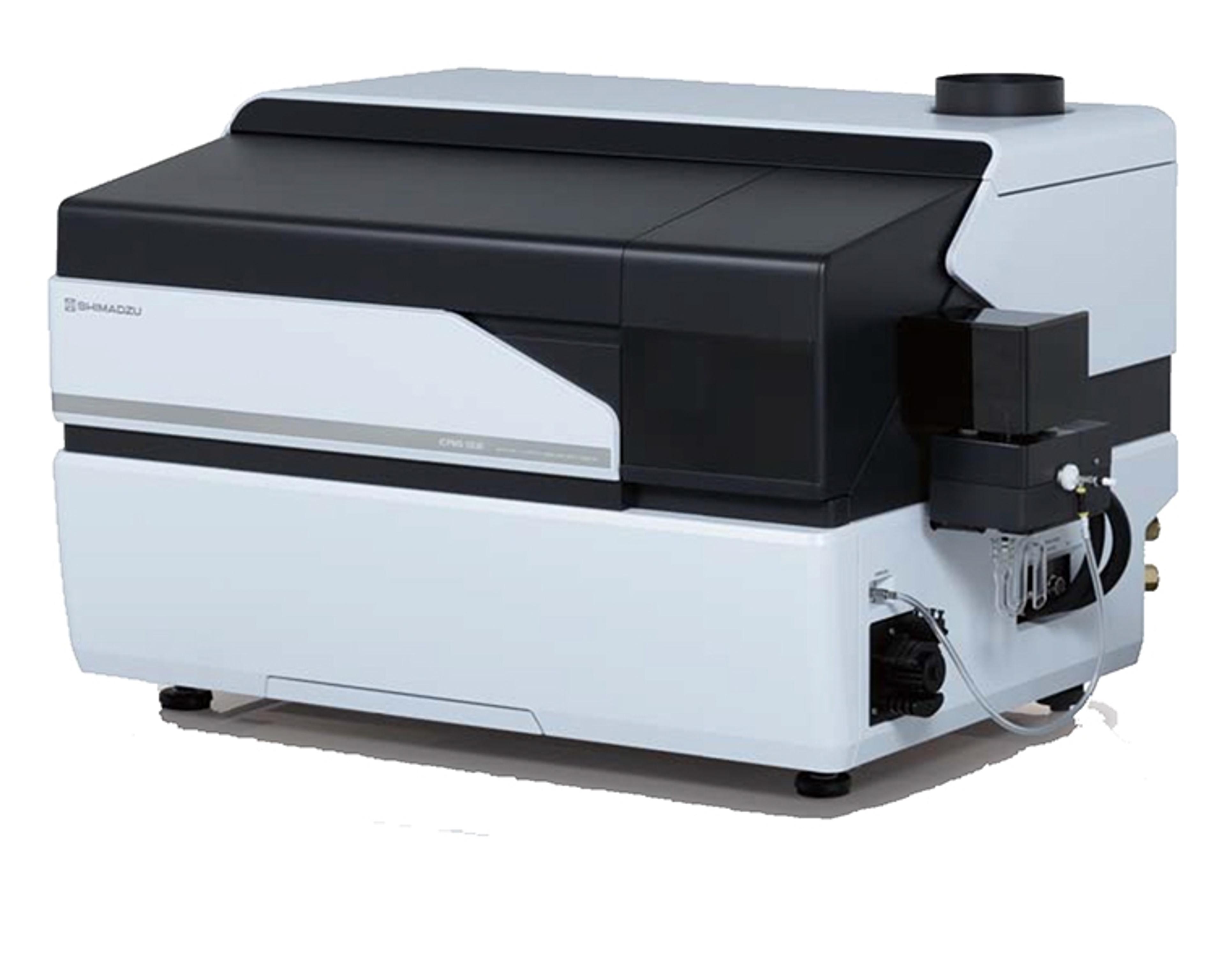
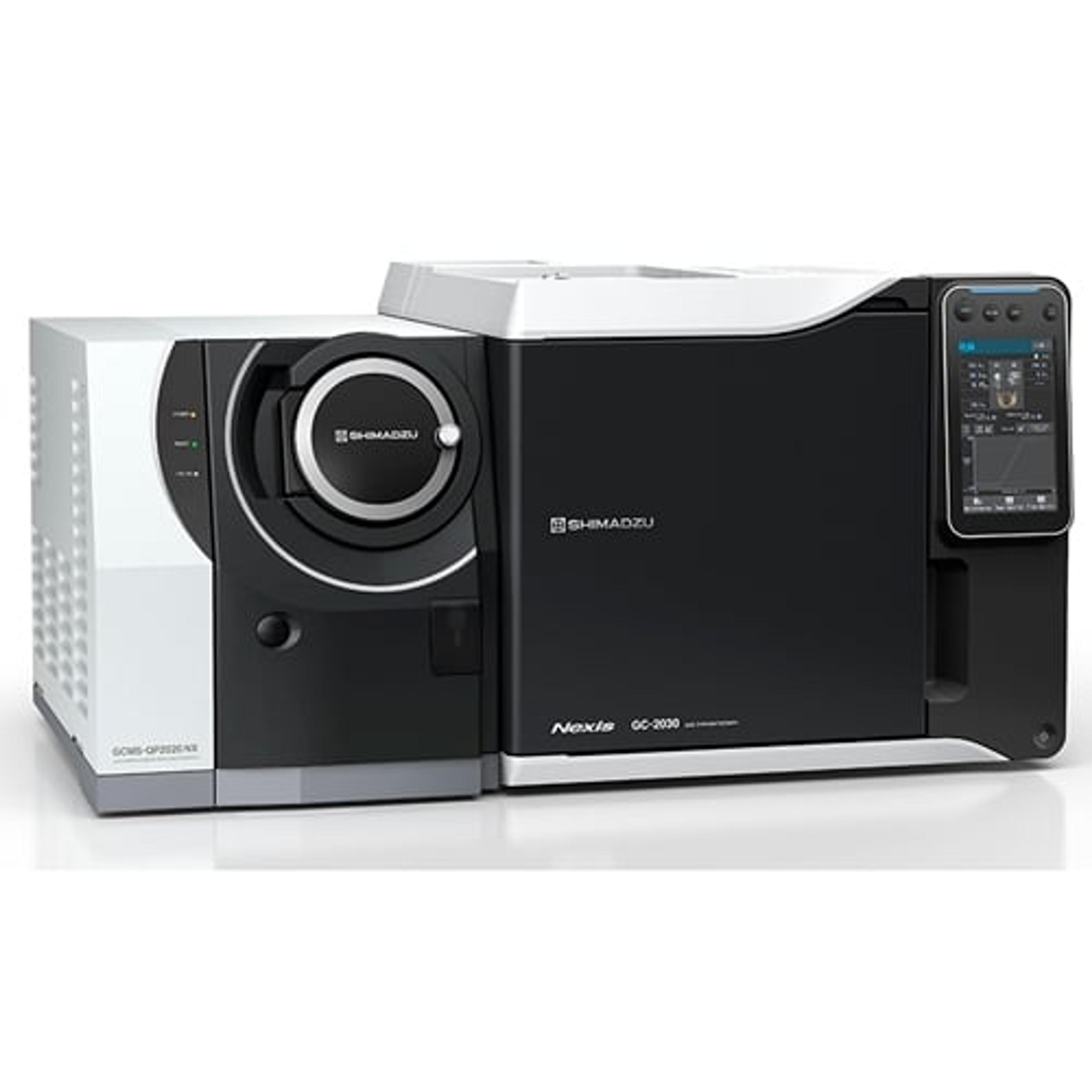
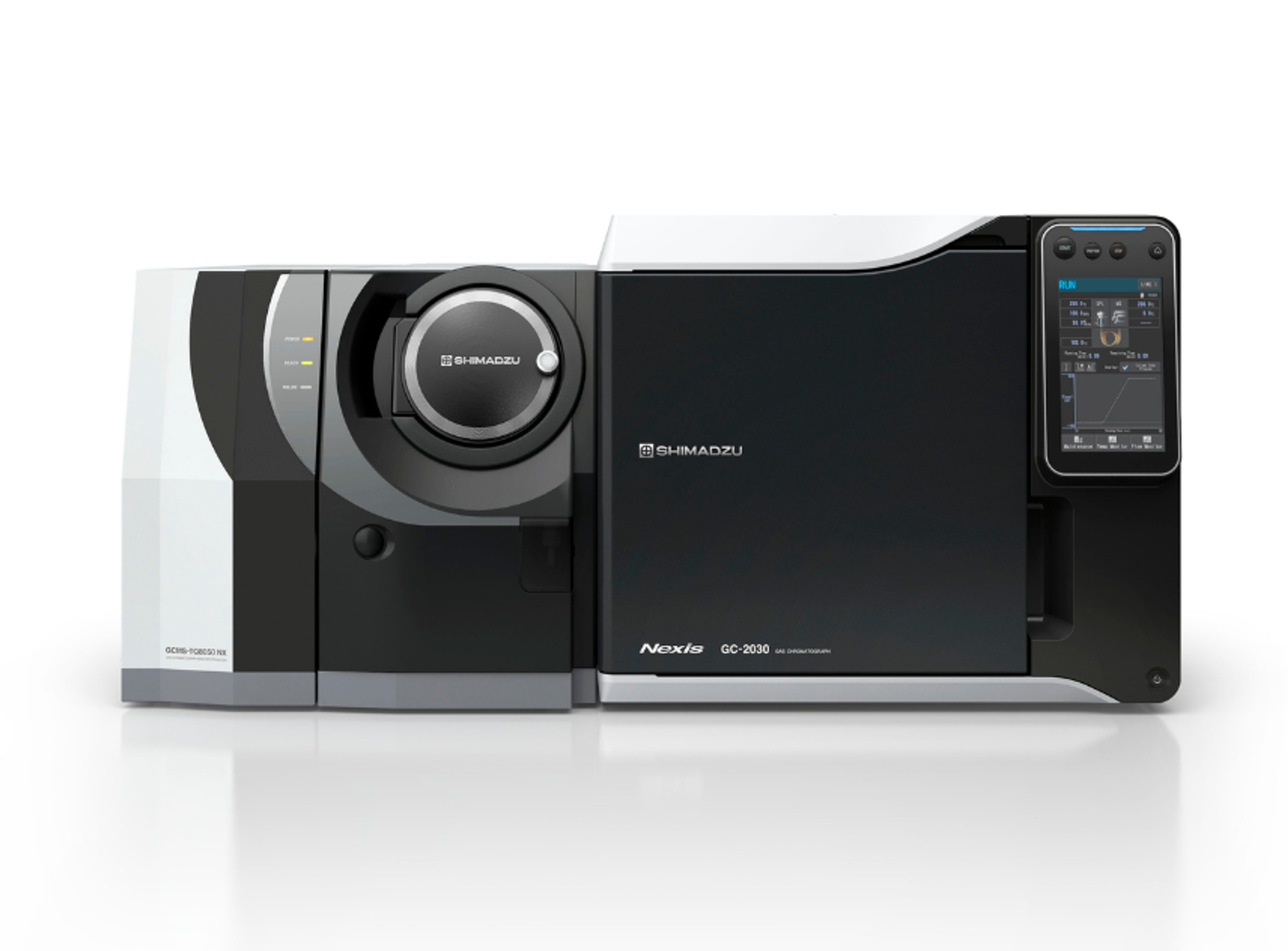
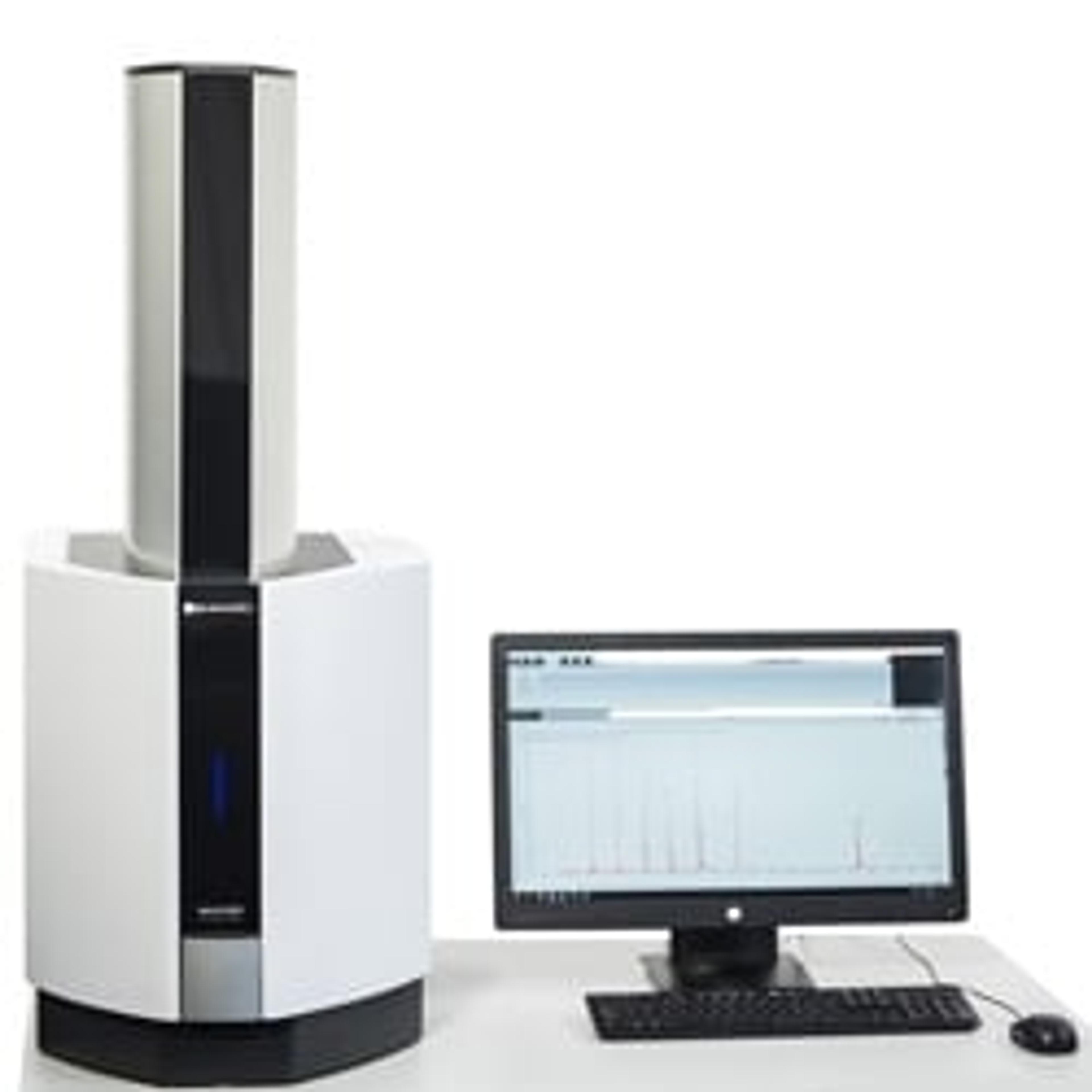
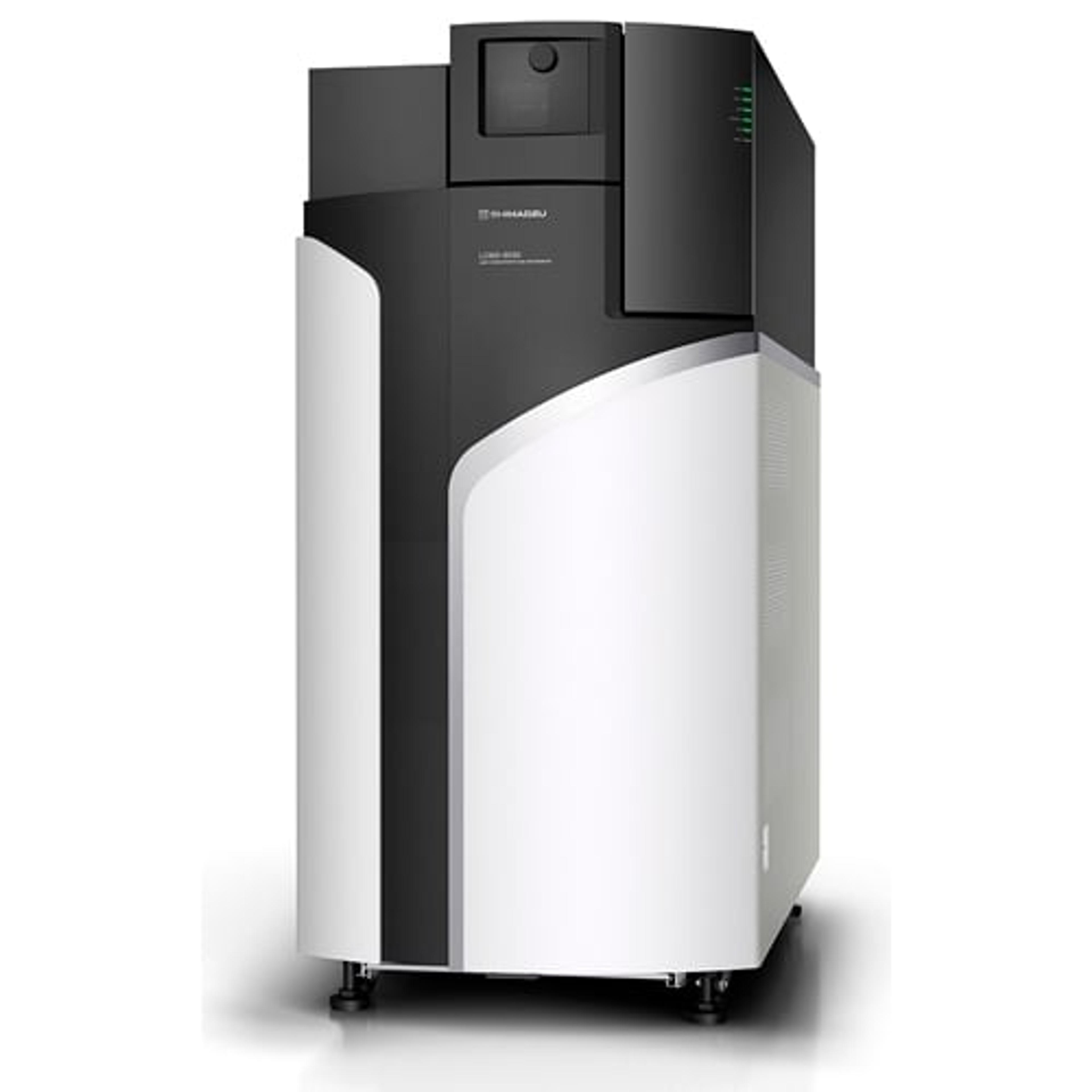
ICPE-9800 Series: Simultaneous ICP Emission Spectrometers
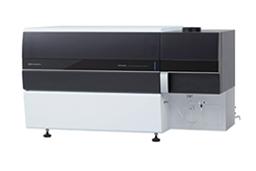
Featuring user-friendly software and a proprietary design, the simultaneous ICPE-9800 series instruments enable sensitive, high-speed simultaneous analysis of multiple elements regardless of concentration levels while significantly reducing operating costs. Key features include a vertically oriented plasma torch with dual view (axial/radial) capabilities that achieves the ideal combination of sensitivity and dynam…

Receive your quote directly from the manufacturer.
Good to operate and manage to user friendly
Analysis of pharmaceutical products
The product is having good futures for the method development and routine analysis. This instrument software having good controls and making the operate easy and data privacy.
Review Date: 29 Oct 2022 | Shimadzu Corporation
Less expensive consumables than offered by other brands.
Metal analysis
Excellent value for the price. Good results and good after sales service.
Review Date: 5 Mar 2020 | Shimadzu Corporation
Great technical support.
Elemantal impurity analysis
Easy to use the instrument. For the cost of the instrument, it works much better than those of other vendors. Good tech support.
Review Date: 4 Mar 2020 | Shimadzu Corporation
Featuring user-friendly software and a proprietary design, the simultaneous ICPE-9800 series instruments enable sensitive, high-speed simultaneous analysis of multiple elements regardless of concentration levels while significantly reducing operating costs.
Key features include a vertically oriented plasma torch with dual view (axial/radial) capabilities that achieves the ideal combination of sensitivity and dynamic range, and a leading-edge CCD (charge-coupled device) detector with one million pixels. Eco Mode and a mini-torch system significantly minimize argon gas consumption, resulting in substantial cost savings.
Easy-to-use, 21 CFR compliant software helps users optimize methods and enables a smooth analysis process. The Assistant functions help users optimize methods by automatically acquiring wavelength data, selecting optimal wavelengths, diagnosing methods and providing inter-element correction for an all-around smooth analysis process.
In addition to the standard accessories, additional torches, chambers, nebulizers, drains and other parts are available for the ICPE-9800 series so users can customize their systems for their specific application needs.

Analysis of Highly Mineralized Aqueous Solutions by ICP-AES, a Non-dilution Method with Multi-wavelength Calibration for Major, Minor and Trace Elements
This application note describes an analysis method that uses low-sensitivity analytical lines for the high concentration major components and high-sensitivity analytical lines for the low-concentration trace components. This eliminates the need for multiple dilutions to get major elements on-scale.
Analysis of Highly Mineralized Aqueous Solutions by ICP-AES, a Non-Dilution Method with Multi-Wavelength Calibration for Major, Minor and Trace Elements
Standard EPA methods using Inductively Coupled Plasma (ICP) expect that samples will be fairly dilute without an overabundance of dissolved constituents. However, geochemical samples with more than 2000ppm dissolved solids may give incorrect results when running methods as written. This application note demonstrates an analysis method that uses low-sensitivity analytical lines for the high-concentration major components and high-sensitivity analytical lines for the low-concentration trace components. This eliminates the need for multiple dilutions to get major elements on-scale.
Determination of Heavy Metals in Wine Using Simultaneous ICP-OES
In this application note, elemental analysis is carried out using ICP-OES Spectrometry for the daily quality control checks of wine samples. The ICPE-9820 in dual view configuration is flexible enough to achieve calibration ranges in axial view in ppb level concentrations and at the same time high concentration levels of Boron, Potassium, Sodium and others in ppm scale in radial observation as well.
Expanding Solutions for Elemental Impurity Analysis in Pharmaceutical Products
Shimadzu releases the ICPMS-2030 inductively coupled plasma mass spectrometer