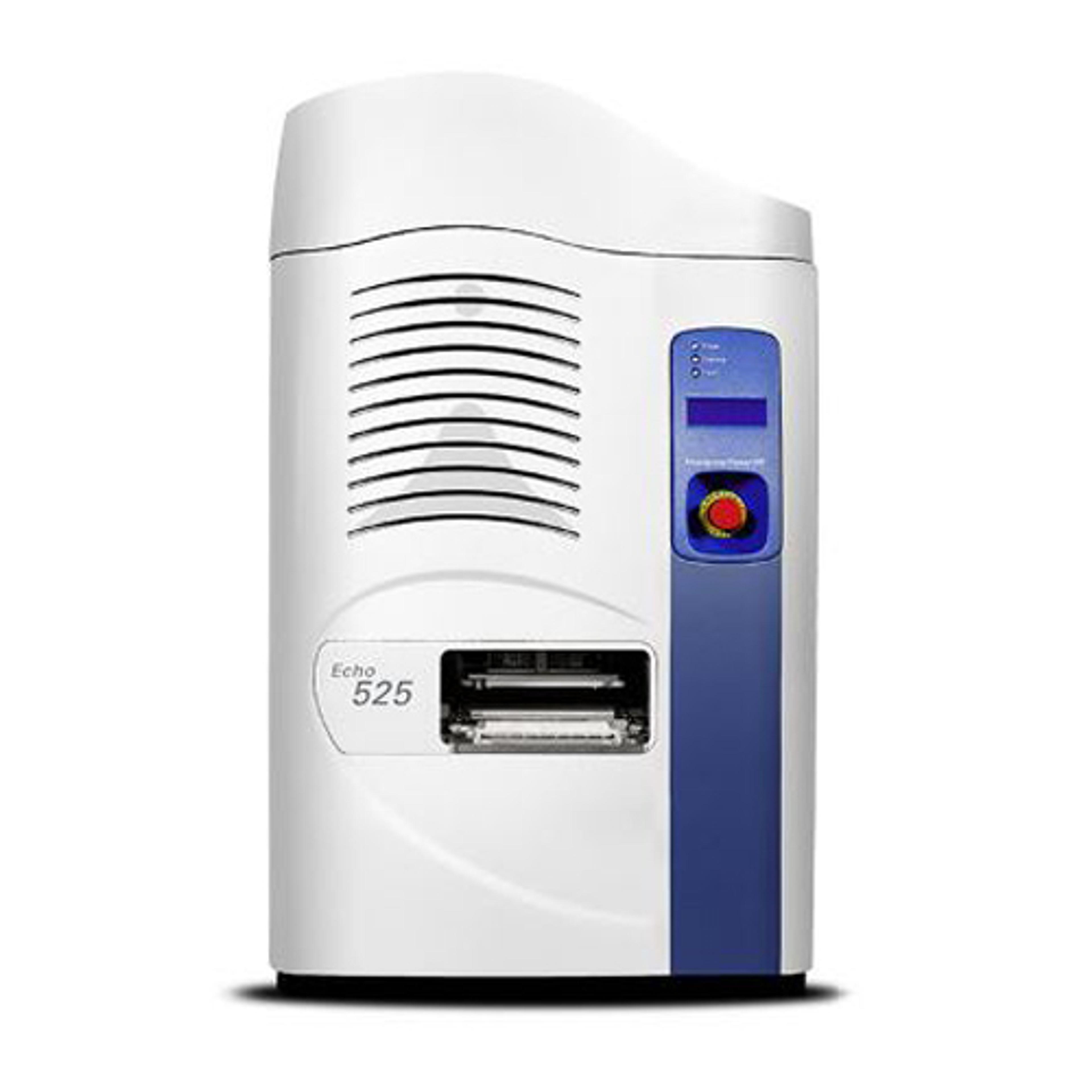
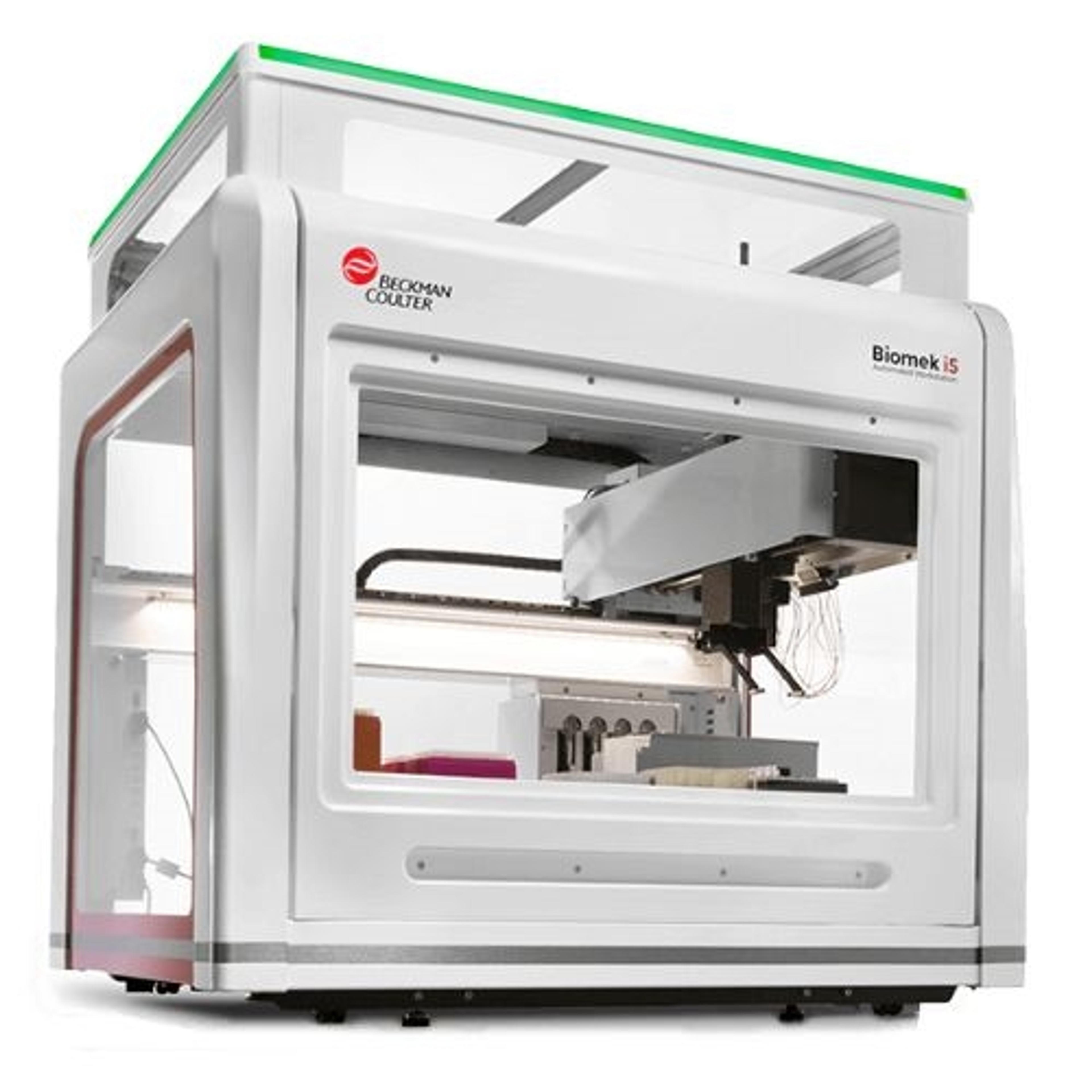
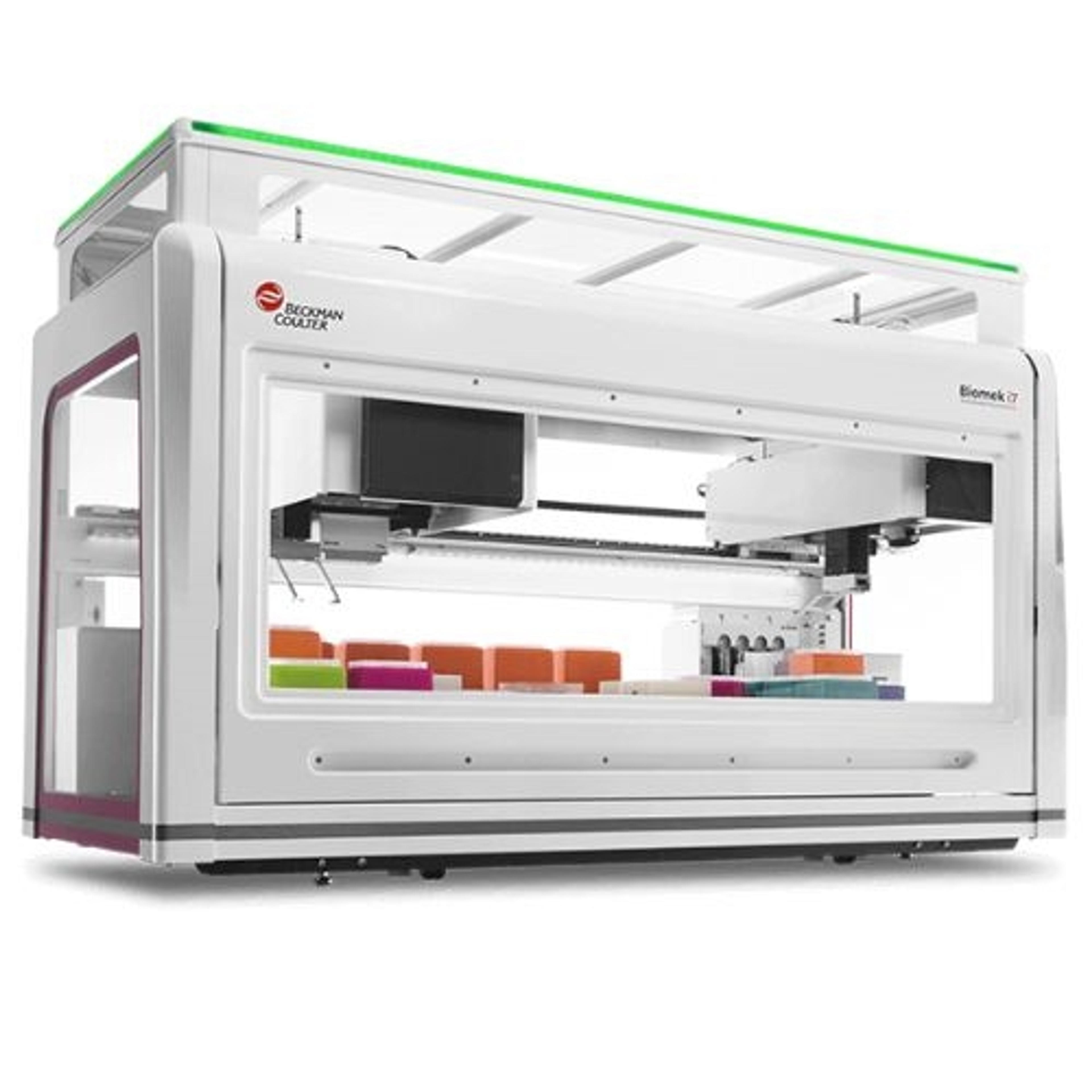
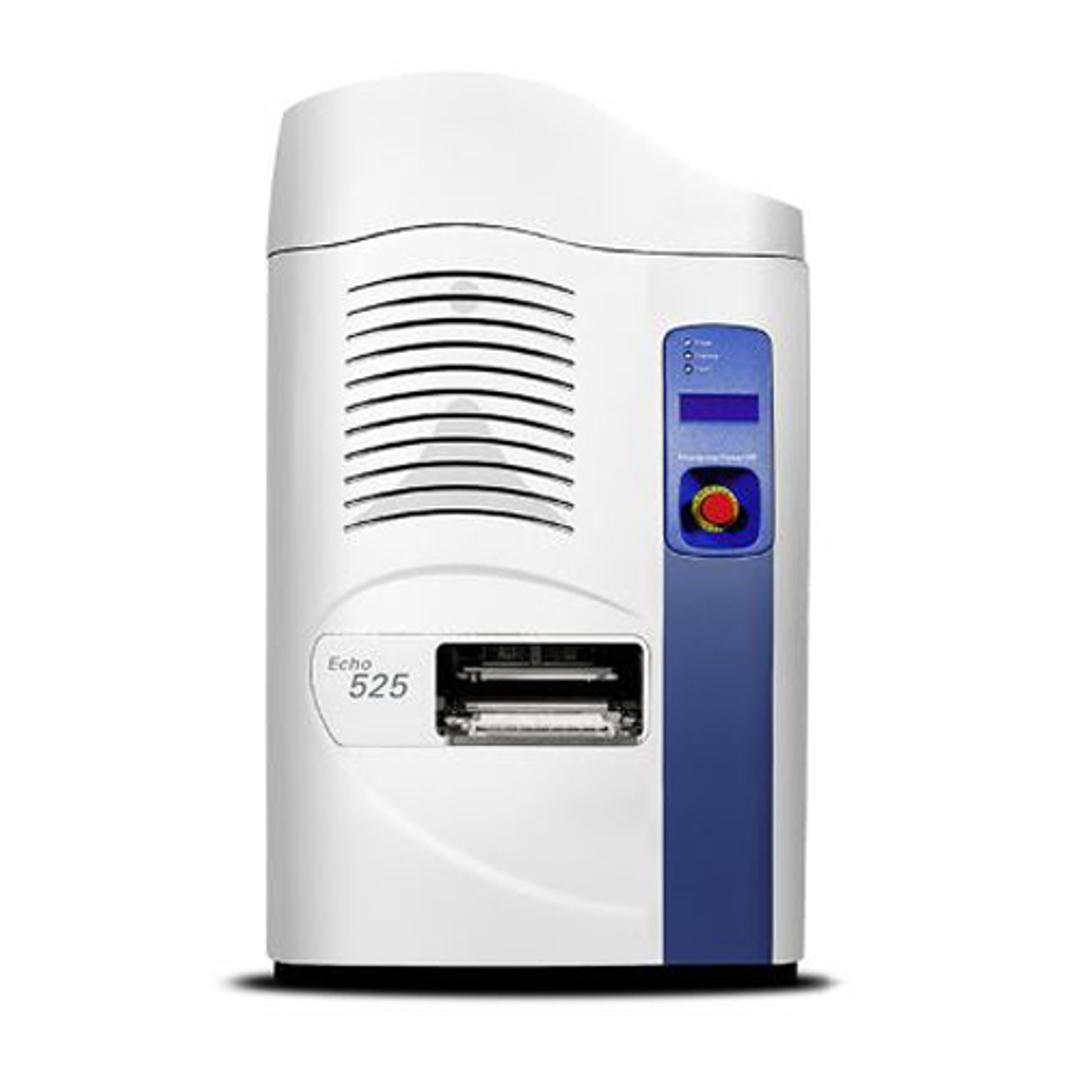
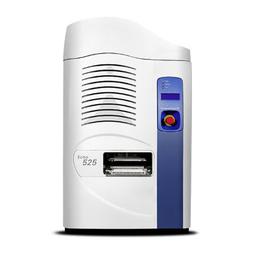
Echo® 525 Liquid Handler
The Echo 525 platform, like the other Echo liquid handler models, is designed to use sound energy to transfer reagents. Unlike the other Echo models, the Echo 525 platform transfers at a larger volume increment (25 nL). This enables the more rapid transfer of aqueous reagents required in biochemical and genomics assays setup.
Receive your quote directly from the manufacturer.
The echo 525 is the work horse of our lab
PCR Assembly
The echo 525 is the work horse of our lab. It greatly reduces the time needed to assemble PCR reactions. It removes any contamination issues and is very reliable.
Review Date: 14 Feb 2019 | Beckman Coulter Life Sciences
The echo is the only option for high-throughput, miniaturized NGS library generation.
NGS library prep
The echo allows us to generate NGS libraries at a miniaturized scale that is not possible with any other liquid handling device. Miniaturization allows us to process samples for a fraction of the cost of traditional preps. Integrating our echos in a larger automated workcell is allowing us to generate libraries at an unprecedented throughput.
Review Date: 30 Aug 2018 | Beckman Coulter Life Sciences
Love it! Makes my job easy
mix reagents to create PCR reactions
The Echo is fairly simple to use, more concrete directions could be useful in terms of different applications, and a better understanding for the size of the liquid flying prior to operation.
Review Date: 18 Jul 2018 | Beckman Coulter Life Sciences
Days of work done in minutes!
Mixing chemical reagents for high throughput assays
Trying to do 400 reactions by hand in the complexity we need would take days. With the Echo, it takes minutes. Needless to say, the Echo's ability to quickly and precisely dispense liquids is mandatory for our lab.
Review Date: 18 Jul 2018 | Beckman Coulter Life Sciences
The Echo 525 platform, like the other Echo liquid handler models, is designed to use sound energy to transfer reagents. Unlike the other Echo models, the Echo 525 platform transfers at a larger volume increment (25 nL). This enables the more rapid transfer of aqueous reagents required in biochemical and genomics assays setup.
The benefits of acoustic transfer are enabled at volumes to allow full assay assembly at volumes that are typical of medium and high-throughput screening assays:
- Elimination of the need for calibration through Dynamic Fluid Analysis™ technology, a patented Labcyte process
- Elimination of cross-contamination, carryover or leachates
- Tipless transfer, resulting in dramatic cost savings
- Greatly simplified assay development and dilution processes through the flexibility to transfer any volume of liquid from any well to any other well
- Accurate, precise movement of nanoliter-scale quantities, enabling assay miniaturization and further reducing costs
Accelerate green chemistry with smarter synthetic biology
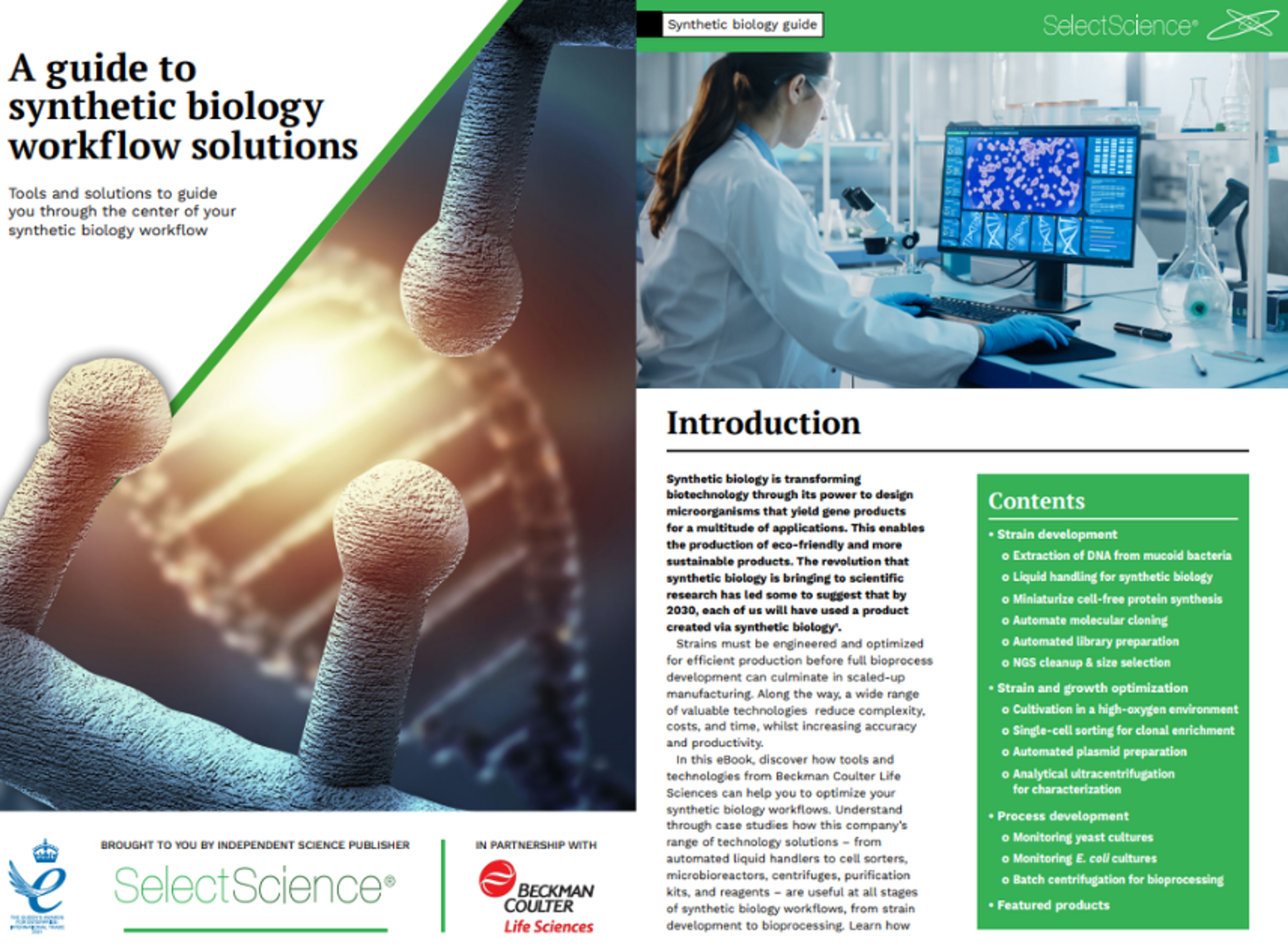
Synthetic biology is driving a new era in sustainable science—enabling researchers to design microorganisms for the efficient production of environmentally friendly materials. Whether you're engineering microbial strains or optimizing growth conditions, minimizing waste and maximizing process efficiency are core goals of any green chemistry workflow.
Download this eBook to:
- Miniaturize and automate strain development — cut reagent use and reduce plastic waste
- Improve strain growth and optimization — minimize costly trial-and-error steps
- Speed up process development — reduce timelines without sacrificing data quality
Explore real-world case studies and practical tools that support sustainable innovation—from DNA purification to high-throughput bioprocessing. Learn how automation, precision liquid handling, and scalable workflows can help you bring green chemistry principles to life in your lab.
Resource details:
- Document type: SelectScience guide
- Page count: 91
- Read time: 2.5 hours
- Edition: 1st
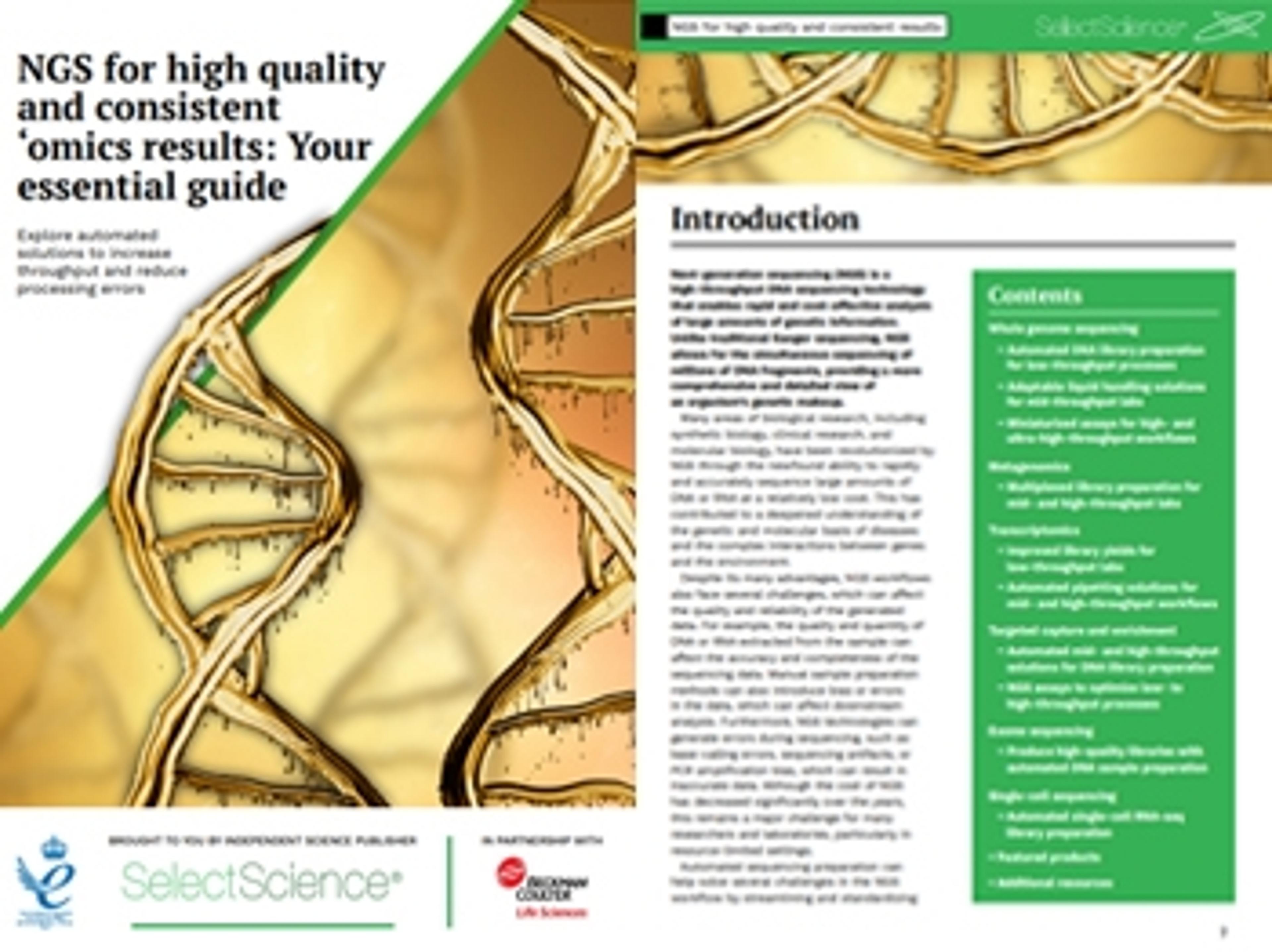
NGS for high quality and consistent ‘omics results: Your essential guide
Next-generation sequencing (NGS) is a high-throughput DNA sequencing technology that enables rapid and cost-effective analysis of large amounts of genetic information. Unlike traditional Sanger sequencing, NGS allows for the simultaneous sequencing of millions of DNA fragments, providing a more comprehensive and detailed view of an organism’s genetic makeup.
Despite its many advantages, NGS workflows also face several challenges, which can affect the quality and reliability of the generated data. Automated sequencing preparation can help solve several challenges in the NGS workflow by streamlining and standardizing the sample preparation process, reducing manual processing errors, and increasing efficiency. This eBook provides an informative guide on how automated solutions can be leveraged to optimize your NGS workflows for the following fields:
- Whole genome sequencing
- Metagenomics
- Transcriptomics
- Targeted capture and enrichment
- Exome sequencing
- Single-cell sequencing

Two platforms, one team: Automate your liquid handling
In this application note, Beckman Coulter Life Sciences shows how its flexible solutions can automate your liquid handling at any volume and throughput.
Automating cell line development for biologics: A complete guide
In the context of biopharmaceuticals such as vaccines, recombinant proteins, and revolutionary gene and antibody therapies, cell line development (CLD) is the process by which host cell machinery is leveraged through the generation of biologic-producing cell lines to manufacture crucial components. However, the process of producing a desired lineage is often a long and arduous process, with numerous steps and challenges.
This dedicated guide takes a detailed, application-based look at automated cell line development innovations and workflows with the aim of addressing these challenges, spanning the entire biologics pipeline from cell line engineering and selection, to characterization and process development.
Download to explore content including:
- An introduction to accelerated workflows
- Optimization of transfection conditions
- Efficient cell line development with enrichment
- Limiting dilution for monoclonality
- Automating data handling
- Ensuring data integrity for hit picking
- Applied automated workflows
Miniaturized Multi-Piece DNA Assembly with Labcyte Echo 525 Liquid Handler
This application note describes studies that combined the NEB NEBuilder® HiFi DNA Assembly Cloning Kit with the Labcyte® Echo® 525 Liquid Handler to generate DNA constructs using various assembly chemistries. Through use of a minimized protocol, the Echo Liquid Handler enables lower-cost methods and more efficient workflows.
Modular DNA Assembly of PIK3CA Using Acoustic Liquid Transfer in Nanoliter Volumes
In this study, NEBuilder® HiFi was combined with the 25 nL increment dispensing Labcyte Echo® 525 Liquid Handler to assemble a modular oncogene construct encoding phosphatidylinositol-4,5-bisphosphate 3-kinase catalytic subunit alpha (PIK3CA) over five modular pieces. The goal of this experiment was to utilize the Echo 525 Liquid Handler in assembling five, five-piece assemblies by substituting modular DNA pieces at the nanoliter scale. The Labcyte Echo Liquid Handler enables lower-cost methods and workflows to produce high-quality synthetic DNA constructs which expands design-based testing with higher throughput and affords the scientist a broader biological landscape to interrogate.
High-Precision Cell Dispensing with the Labcyte Echo Liquid Handler
In this technical note, the utility of the Labcyte Echo Liquid Handler to accurately dispense a variety of cell lines to ensure uniformity and viability for cell-based applications is demonstrated. The addition of Histodenz™ maintained the cells in suspension in the source plate to provide a stable and homogeneous cell solution through the dispense step. The Labcyte Echo Liquid Handler provides high-quality cell dispensing and provides a robust, automated solution for situations in which biological material is limited or non-contact cell dispensing is required.
Preparation of Mouse Plasma Microsamples for LC-MS/MS Analysis Using the Echo Liquid Handler
Serial microsampling of animals reduces the overall number of animals sampled and euthanized for toxicology studies. Traditional composite studies in mice can require up to 700 μL of blood for each time point in a pharmacokinetic study. A draw of 700 μL from a mouse would require the animal to be euthanized and often require the use of addition “satellite” animals to complete the study. Thus, in a 9-point time course analysis of mouse plasma, nine mice would be sacrificed. In response to programs like the EU 3Rs initiative to reduce the use of animals in research researchers have turned to microsampling as an alternative to composite studies. With advances in bioanalytical techniques drug levels can be determined from samples of 20 μL or less. This small sample volume or microsample enables reduces the dependency on satellite animals to complete a study. Additionally, microsampling is faster and less stressful than traditional composite studies.
Echo-Enhanced SMART-Seq v4 for RNA Sequencing
As the cost of sequencing has continued to decline by orders of magnitude in the past ten years, scientists are enabled to ask deeper and more complex questions about transcriptomics. Consequently, the variety, quantity, and demands of RNA sequencing experiments have all increased. The Clontech SMART-Seq® v4 Ultra® Low Input RNA Kit incorporates the SMART (Switching Mechanism at 5’ End of RNA Template) technology. This technology utilizes the template switching activity of reverse transcriptases to add PCR adapters directly to both the 5’ and 3’ ends of the first-strand cDNA before amplification using LD PCR. Here, we document information and results pertaining to the miniaturization of this process utilizing the Echo® 525 Liquid Handler, effectively reducing the reagent cost and processing time for the workflow, addressing current throughput needs of RNA sequencing.
Whole Genome Sequencing of Microbial Communities for Scaling Microbiome and Metagenomic Studies
A workflow utilizing the Labcyte® Echo® 525 Liquid Handler can provide the solution to cost-effectively scale whole genome sequencing (WGS) of microbiomes to meet the demands of this new era of microbiome research. This application note demonstrates how the Echo 525 Liquid Handler can be used to miniaturize WGS of microbial communities. Raw data can be processed, analyzed, and ready for interpretation within the hour, by utilizing CosmosID’s best-in-class microbiome bioinformatics platform.
Enable seamless, scalable high-throughput proteomics sample prep solutions with open platform liquid handling
Evosep and Beckman Coulter Life Sciences have partnered to automate sample preparation workflows utilizing the unique analytical properties of the Evotip Pure to facilitate end-to-end workflows for proteomics applications and LC-MS analysis using the Evosep One.
The Evosep One is designed for high-throughput and high-volume applications, where standardized methods with increasing robustness enable routine analysis of hundreds of samples per instrument per day. This has moved the bottleneck towards sample preparation, which requires standardized and fully automated end-to-end workflows.
The integration of the Biomek i-Series workstation with Evosep technology offers a robust and scalable solution for high-throughput sample preparation for proteomics.
This is illustrated by fully automated sample loading on the Evotip integrated with digestion workflows for both cell lysates and plasma. By combining cutting-edge technologies in automation with liquid chromatography, these workflows address the growing demand for standardized and scalable proteomics solutions.
Key learning objectives:
- Explore how the Evotip Pure can be seamlessly integrated into LC-MS workflows
- Learn how to setup the Biomek i-Series for proteomics
- Discover how standard proteomics workflows can be automated and cost-efficient for scalability
Who should attend?
- Researchers from the pharmaceutical and biotech industries, as well as academia, who have an interest in proteomics and multiomics.
- Scientists and end users of all skill levels who are currently conducting or wish to conduct proteomic sample preparation.
- Scientists and end users seeking a standardized solution to the challenges of proteomic sample preparation.
Certificate of attendance
All webinar participants can request a certificate of attendance, including a learning outcomes summary, for continuing education purposes.
Advantages of Automated Workflow Miniaturization for Synthetic Biology
Dr Linda D'Amore, Operational Manager at the GeneMill Foundry at the University of Liverpool, discusses the challenges and advantages of workflow miniaturization for synthetic biology processes.
Advanced Technology Automating High Throughput Genomics
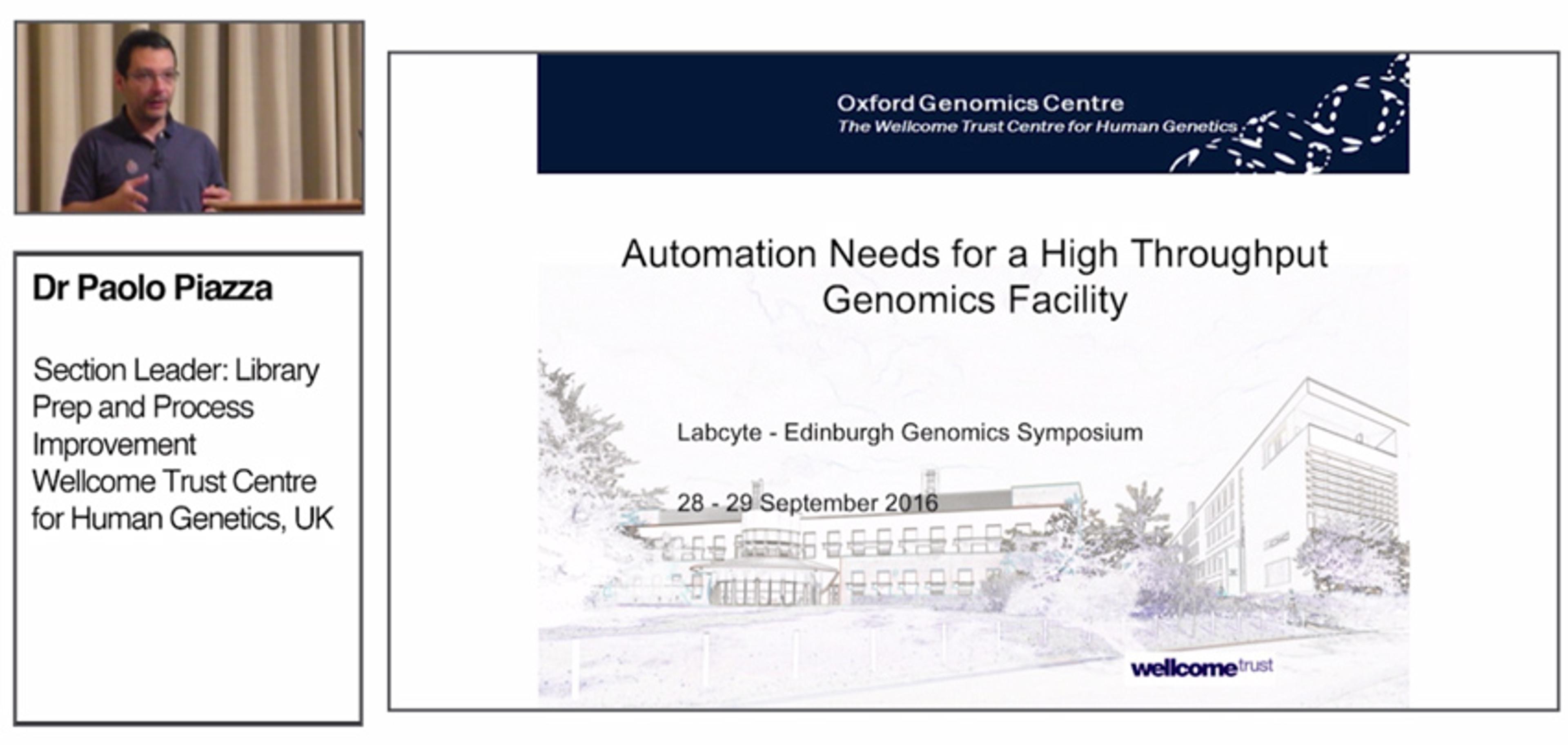
Dr Paolo Piazza, Section Leader: Library Prep and Process Improvement at the Wellcome Trust Centre for Human Genetics, UK, describes the technologies meeting the automation needs of a high throughput genomics facility.
Optimization of High Throughput Sequencing using Acoustic Liquid Handling
Dr Paolo Piazza, Section Leader for Library Prep and Process Development at the Wellcome Trust Centre for Human Genetics, UK, explains how automated liquid handling & miniaturization technology has optimized high throughput sequencing and facilitated the development of new and custom workflows at the centre.
Single Cell Genomics for Bioenergy and Environmental Applications
Dr Robert Bowers, a Research Scientist at the US Department of Energy Joint Genome Institute, explains how automated processes are facilitating single cell genomics research for bioenergy, carbon cycling and biogeochamical applications.
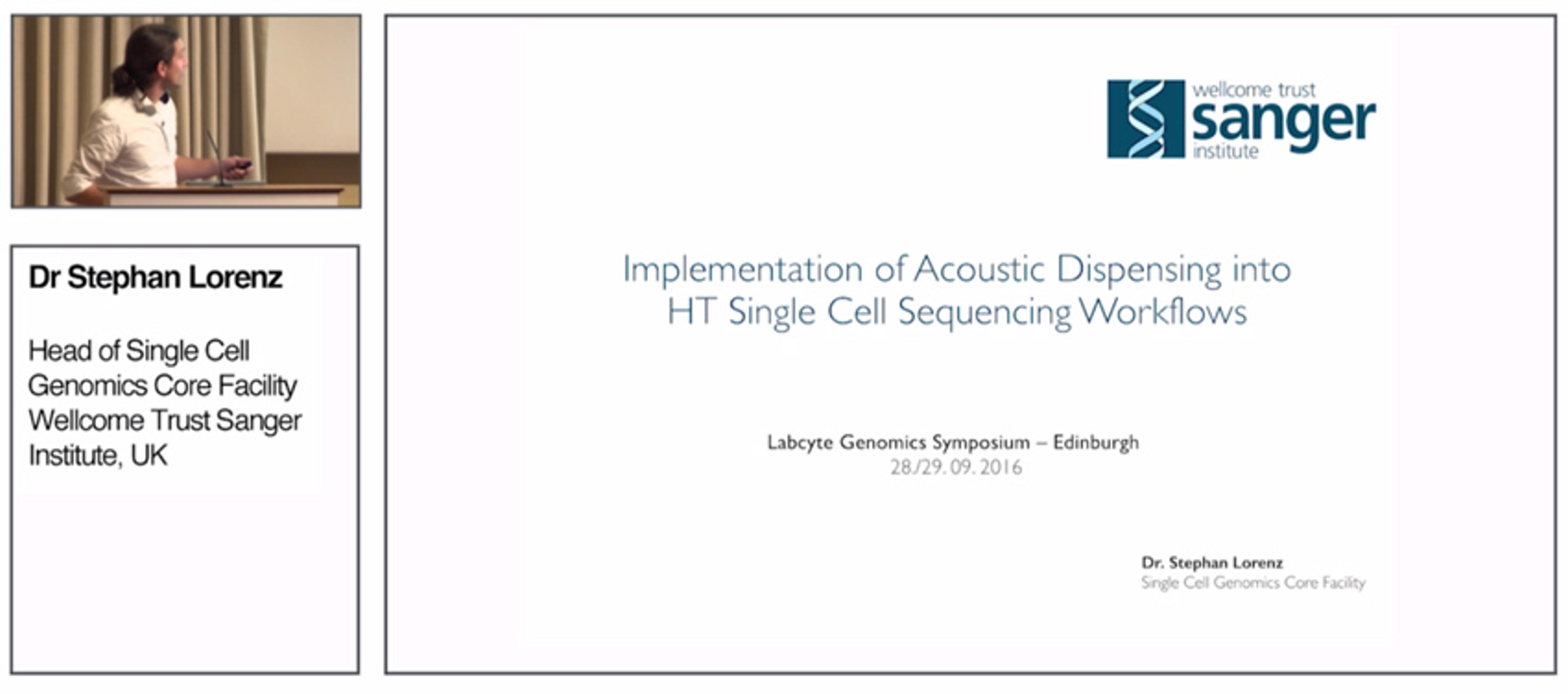
Acoustic Dispensing for High Throughput Single Cell Sequencing Workflows
Dr Stephan Lorenz, Head of the Single Cell Genomics Core Facility at the Wellcome Trust Sanger Institute, describes how implementation of acoustic liquid dispensing can facilitate high throughput single cell sequencing workflows.
Synthetic Biology Meets Systems Biology
Dr Patrick Cai, Co-director of the Edinburgh Genome Foundry, discusses how acoustic dispensing has facilitated DNA synthesis and assembly, chromosome wide genotyping, DNA origami self-assembly investigation and even some bio-art.
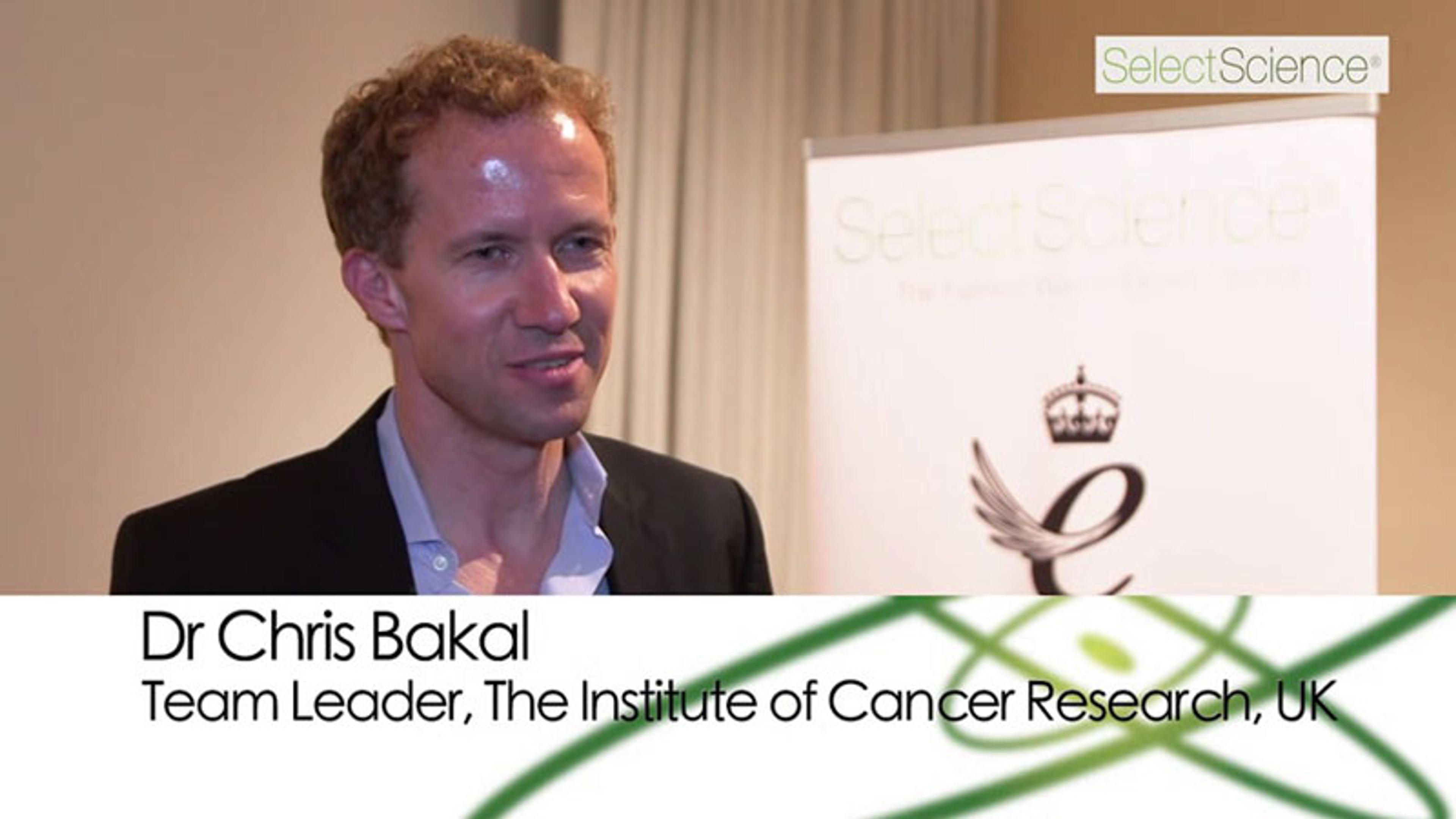
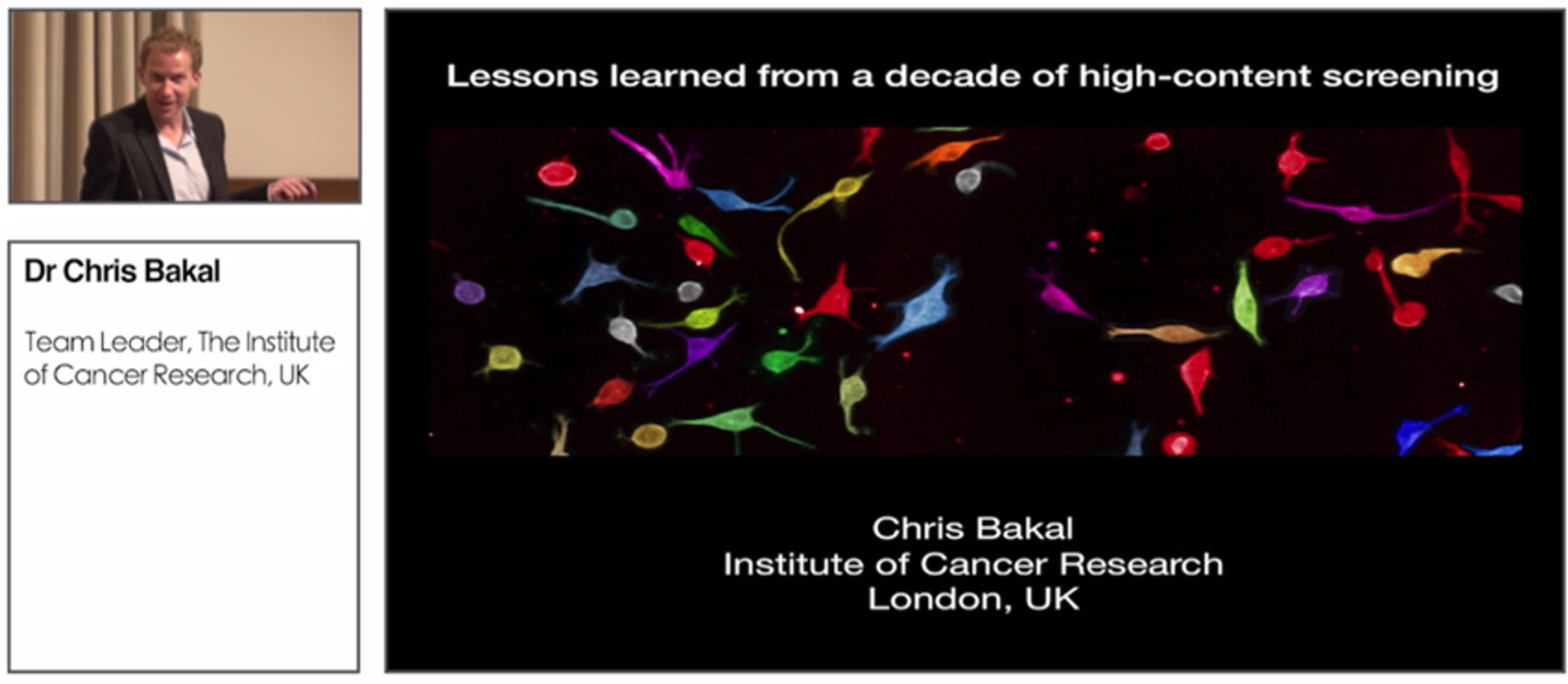
Effective Assay Miniaturization at The Institute of Cancer Research
Dr Chris Bakal, Team Leader at The Institute of Cancer Research, UK, discusses his research on cancer cell proliferation and signaling and how the lab utilizes automation technology for miniaturization and high throughput screening of complex cell assays.
Enhancing Crop Sustainability Using Automated Synthetic Biology
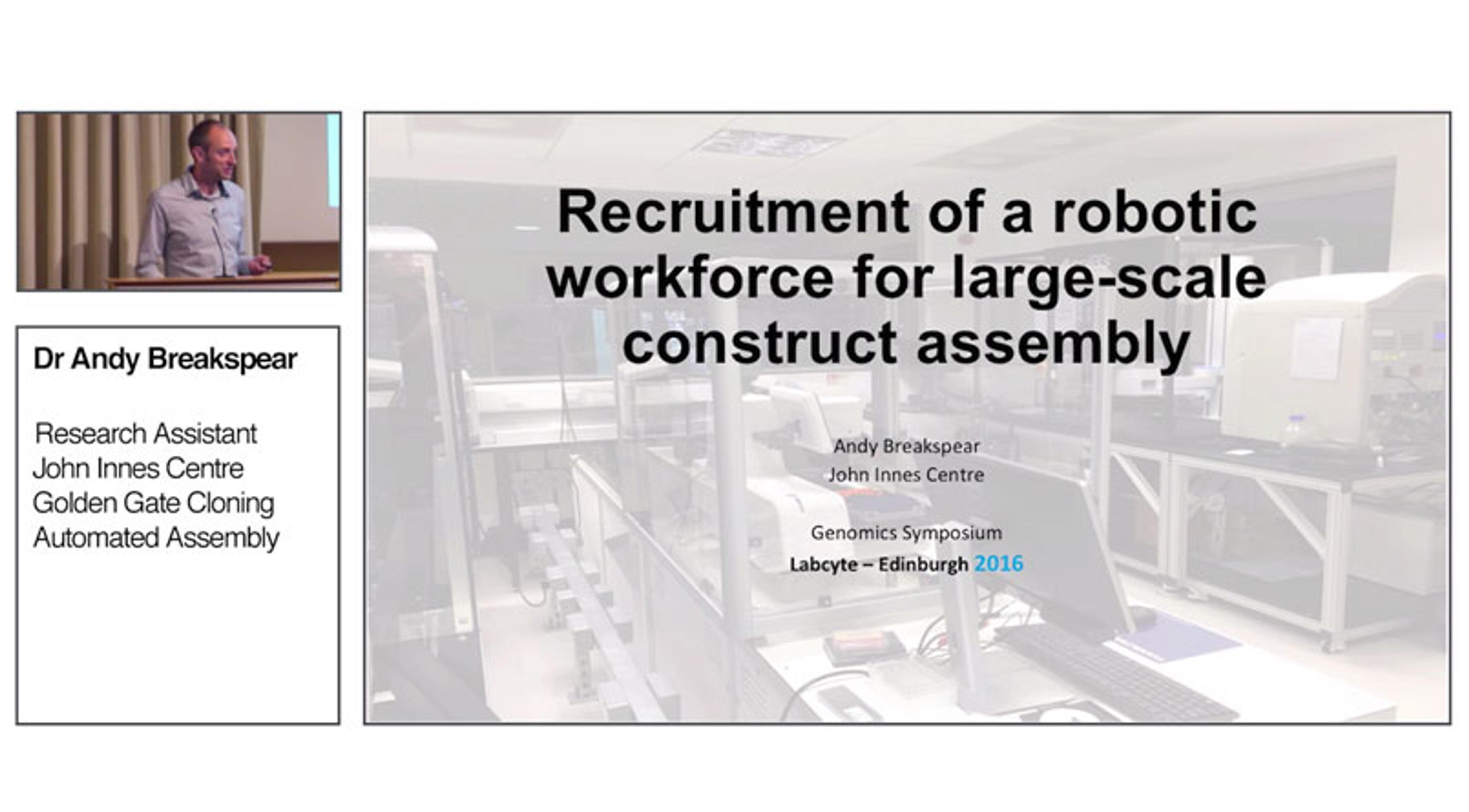
Dr Andy Breakspear, research assistant at John Innes Centre, UK, explains how large-scale construct assembly is accelerating his synthetic biology research, into the development of crops with increased sustainably.
High Content Screening for Phenotypic Profiling
Dr Chris Bakal, Team Leader at The Institute of Cancer Research, UK, describes the benefits of high content screening for phenotypic profiling.
Supercharging synthetic biology for a sustainable future
Discover how Beckman Coulter Life Sciences is advancing synthetic biology research to tackle the challenges of our growing population
Explore Eight of The Latest Advances in Next-Generation Sequencing Technology
In this SelectScience special feature, learn about the latest in next-generation sequencing (NGS) technologies and techniques
How Gut Microbes Control our Health: Latest News, Methods and Interviews
Read the latest on how 39 trillion bacteria in the gut regulate our health
7 Steps to Better Gene Editing and CRISPR technology - Special Feature
In this editorial feature, we bring you the latest developments in gene editing and CRISPR technology
Labcyte Launches New Family of Echo® Acoustic Liquid Handlers featuring 21 CFR Part 11 Compliance Software
State-of-the-art software supports laboratories working in regulated environments
Single Cell Genomics for Bioenergy and Environmental Applications
Expanding environmental microbial phylogeny with single cell genomics and metagenomics
World Class NHS Facility Drives Research and Innovation in Next Generation Sequencing
Discover how this leading London Biomedical Research Center is using state-of-the-art genomics to improve healthcare
Advantages of Automated Workflow Miniaturization for Synthetic Biology
Adapting platform technologies to push the boundaries of experimental design
Enhancing Crop Sustainability Using Automated Synthetic Biology Methodology
Take a tour through the Crop Engineering Consortium’s high-throughput pipeline for creating nitrogen-fixing cereal crops