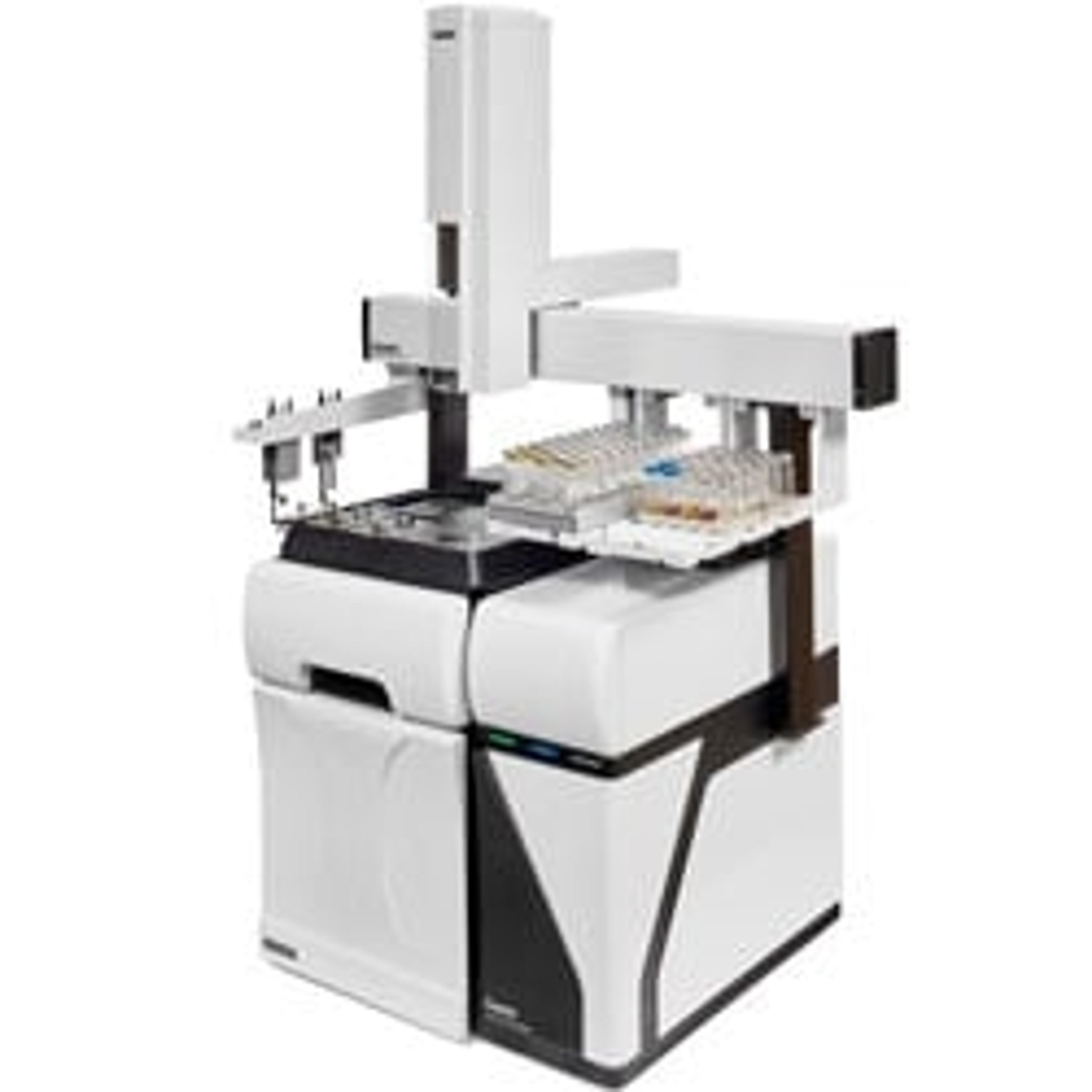
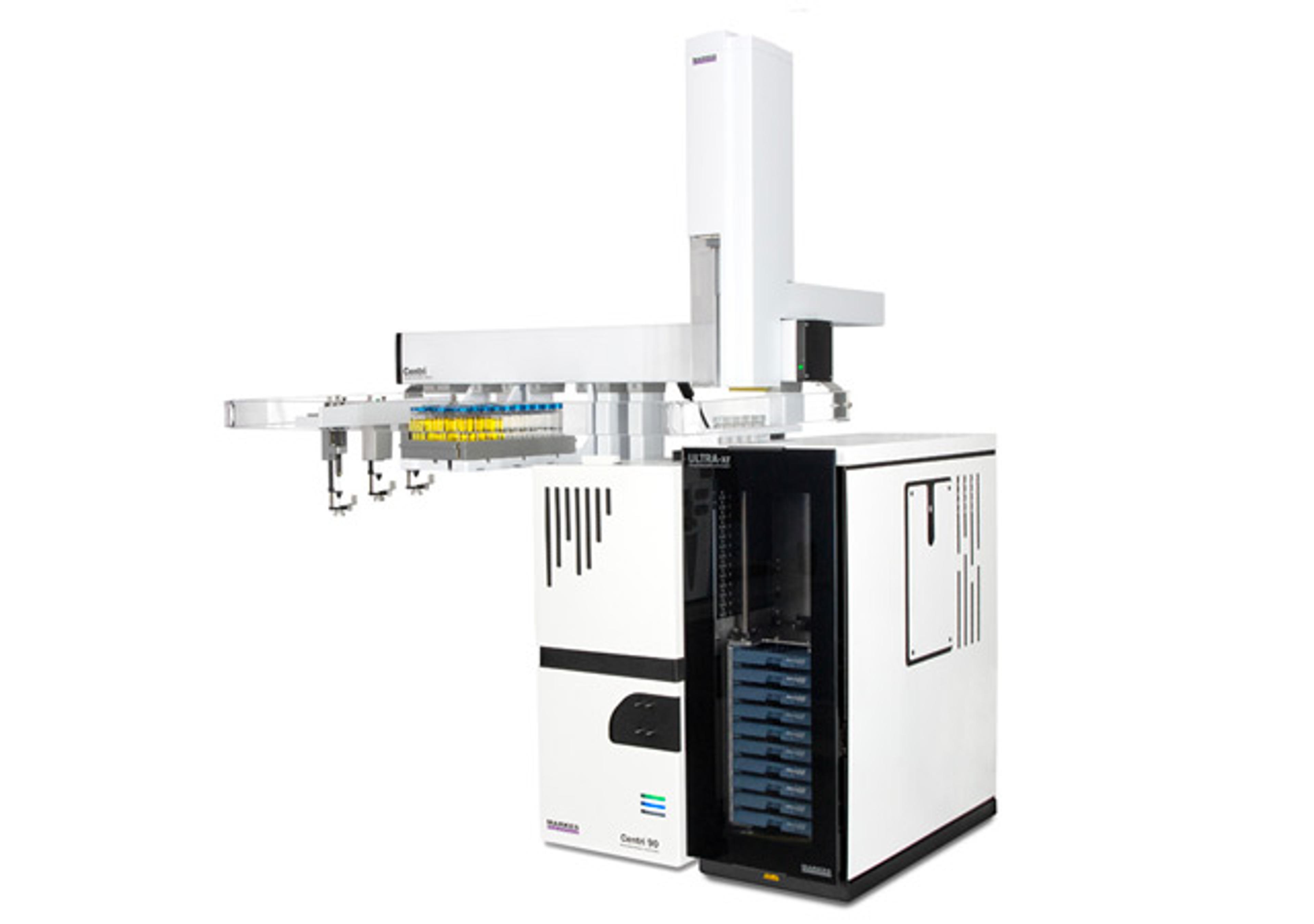
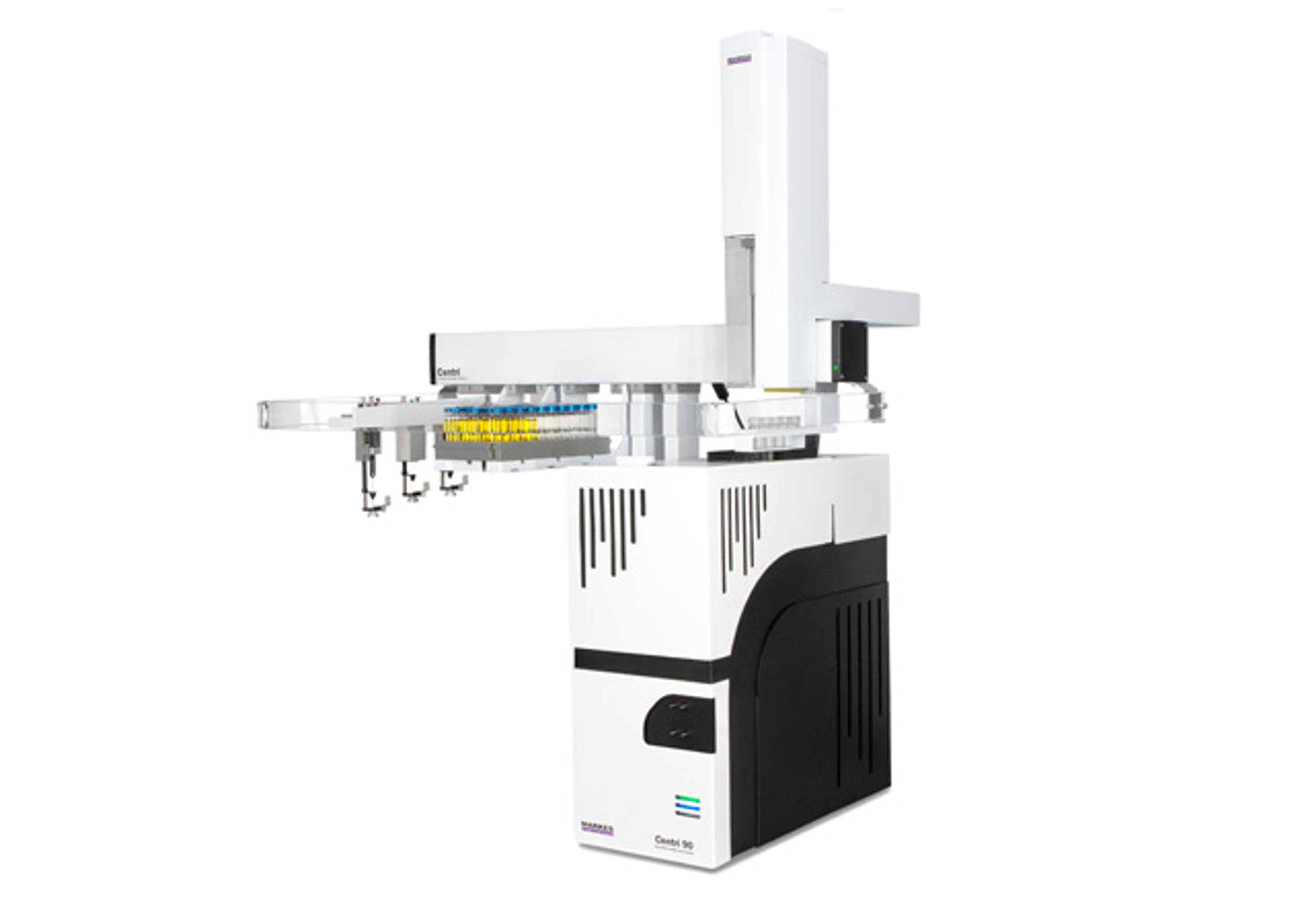
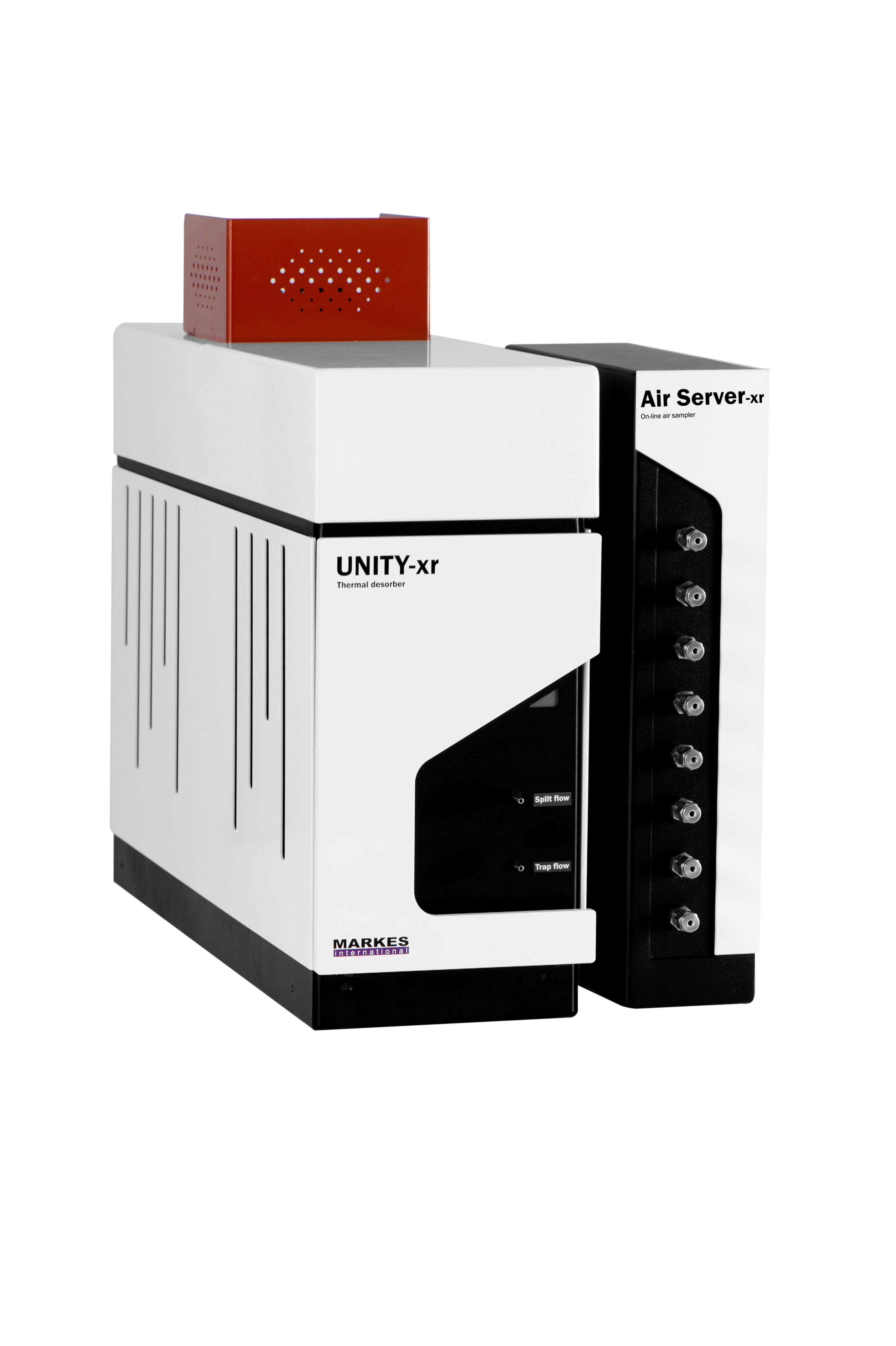
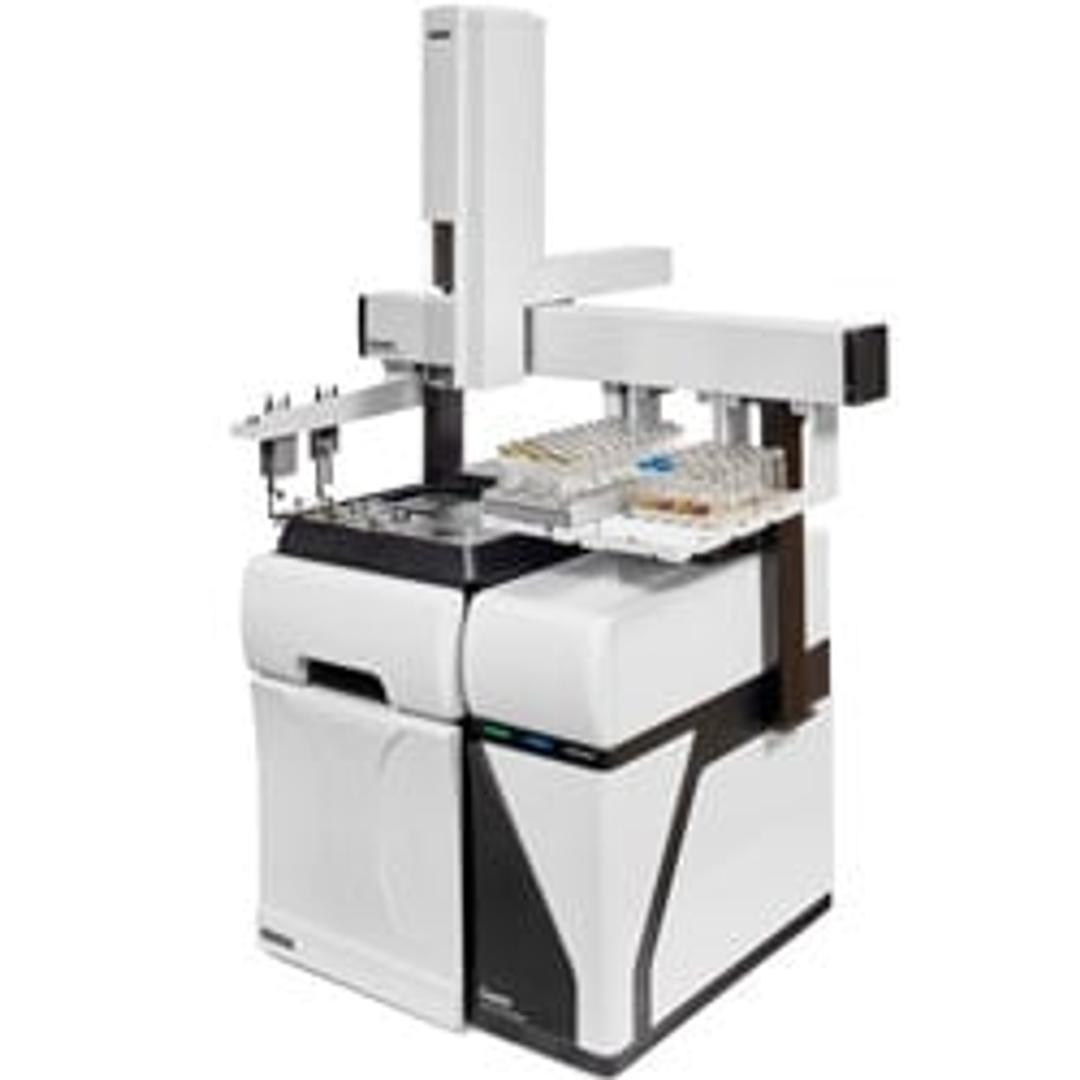
Centri®
A breakthrough in sample automation and concentration for GC–MS




Receive your quote directly from the manufacturer.
very useful instrument, but the column door design not good at all
PAH measurement
Valid tool for PAH measurement
Review Date: 5 Jun 2023 | Markes International Ltd
This is a very useful system, very reliable.
Sample preparation
Excelent instrument. Very reliable, and functional.
Review Date: 26 Mar 2019 | Markes International Ltd
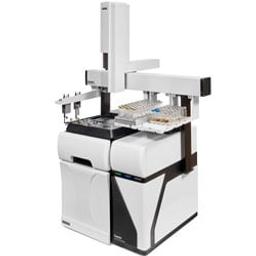
Centri is the first platform to offer high-sensitivity unattended sampling and pre‑concentration of VOCs and SVOCs in liquid, solid and gaseous samples.
Building on 20 years of excellence and leadership by Markes in the analysis of trace organic chemicals, Centri combines market-leading robotics and analyte-trapping technologies to offer enhanced throughput and performance for HiSorb™ high-capacity sorptive extraction, headspace, SPME and thermal desorption.
Centri is ideal for environmental, food, fragrance and clinical laboratories who:
- Struggle with time-consuming manual sample preparation such as liquid–liquid extraction and SPE, and want to replace these with automated high-capacity sorptive extraction, thermal desorption, headspace or SPME techniques.
- Need improved sensitivity for the analysis of organic species in solids or liquids.
- Want to run many different GC–MS analyses on one platform, using various injection techniques and workflows.
Benefits
- Improve performance – Achieve ppt-level sensitivity for VOCs and SVOCs by cryogen-free analyte trapping.
- Improve versatility – Analyse VOCs and SVOCs over a wide concentration range in liquid, solid and gaseous samples.
- Improve sample throughput – Benefit from Centri’s ability to run integrated sequences of multiple sampling techniques and run in ‘overlap’ mode, for unattended operation all weekend.
- Peace of mind – Future-proof your lab with a wide range of sampling options.
Features
Sample modes:
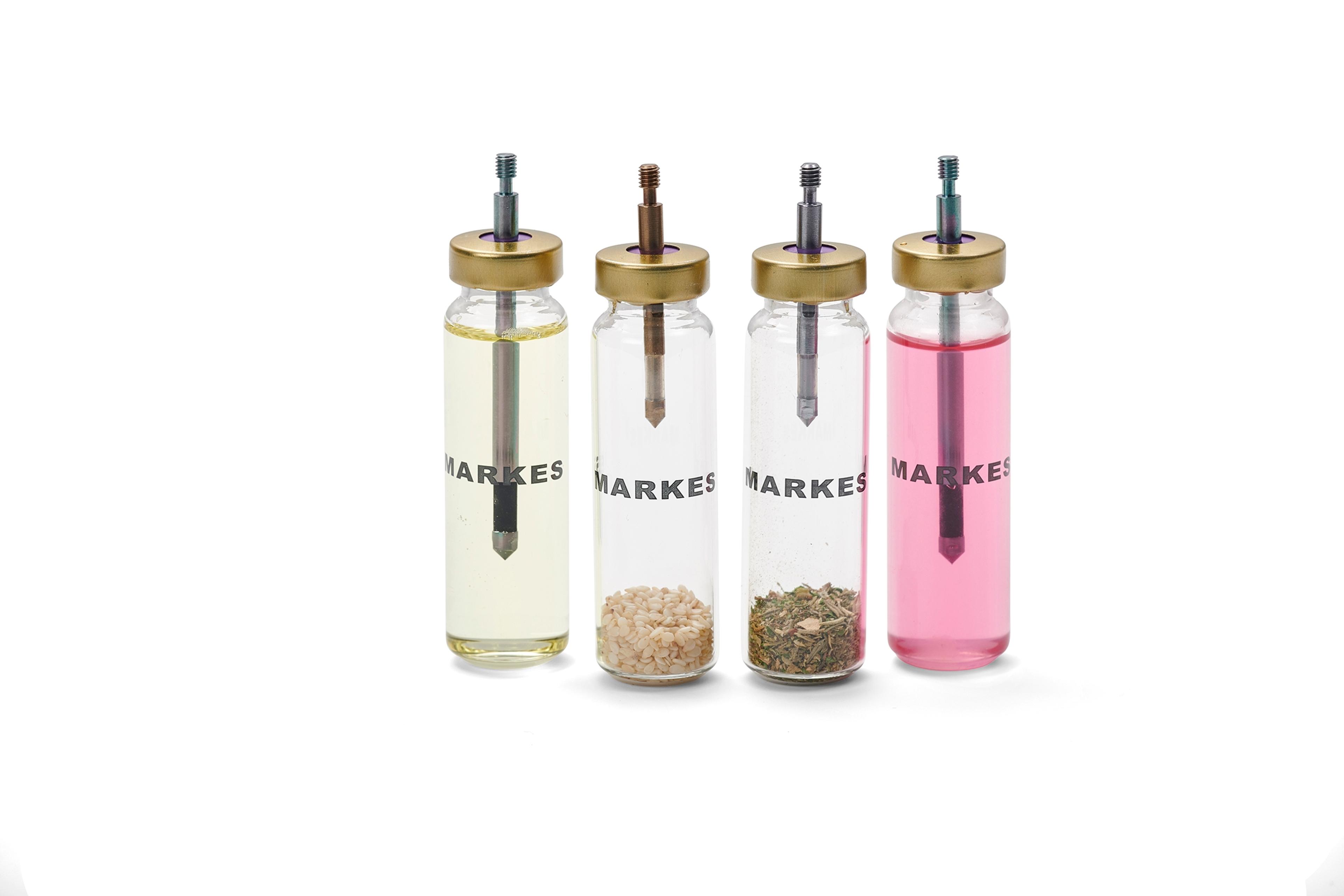
- HiSorb™ high-capacity sorptive extraction – Robust, fully automated probe-based immersive or headspace sampling from liquids and solids.
- Headspace and Headspace–trap – Versatile sampling from solids and liquids contained in regular headspace vials.
- SPME and SPME–trap – Fast and sensitive sample extraction, with a range of fibre types offering analyte selectivity.
- Thermal desorption – Using industry-standard tubes to analyse VOCs and SVOCs in air, or released from materials.
- Cryogen-free analyte trapping increases sensitivity and allows water and solvents to be selectively purged.
- Re-collection of split flows, available with every injection mode, avoids having to repeat lengthy sample extraction procedures, and enables storage and re-analysis at a later date.
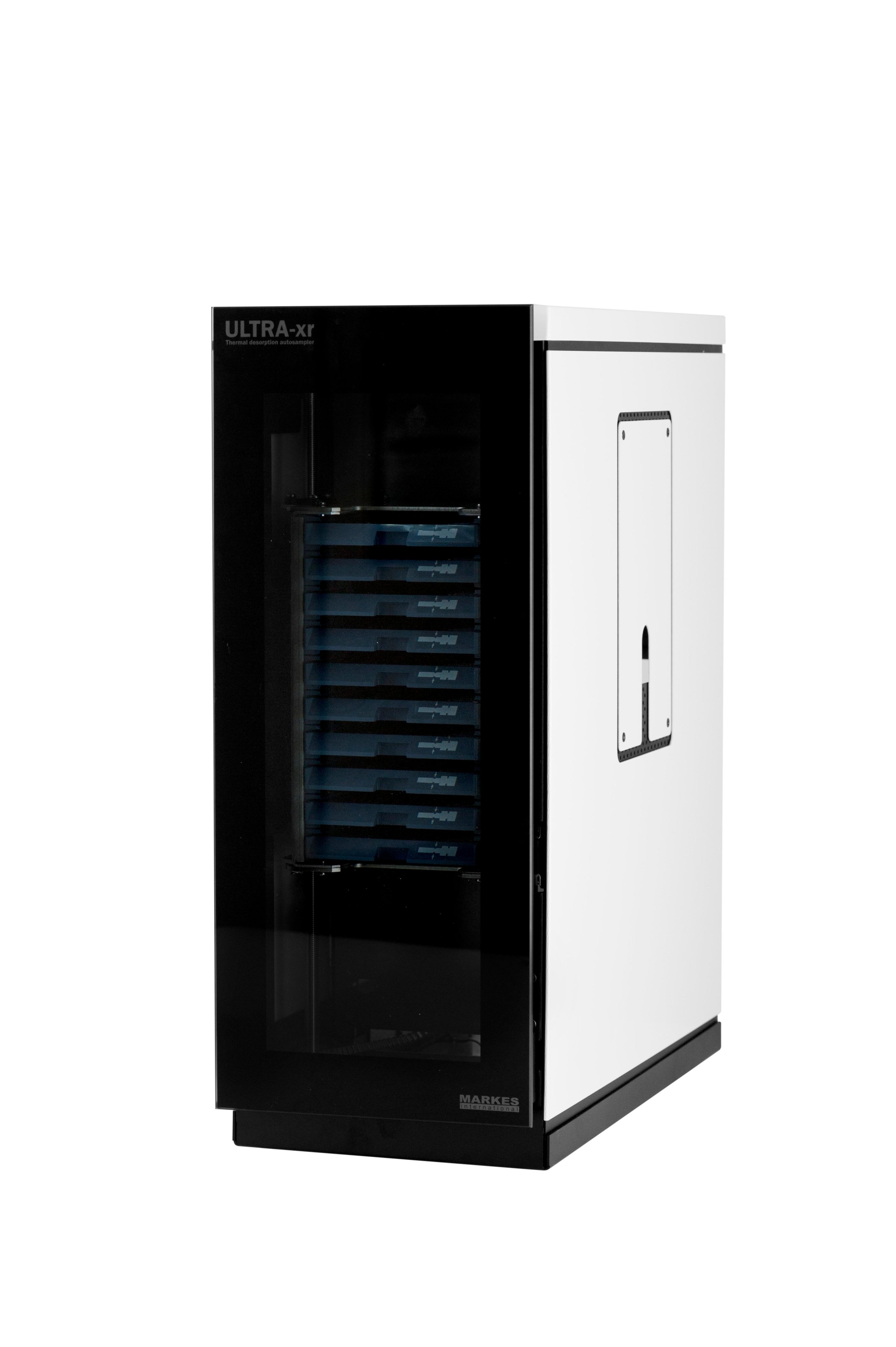
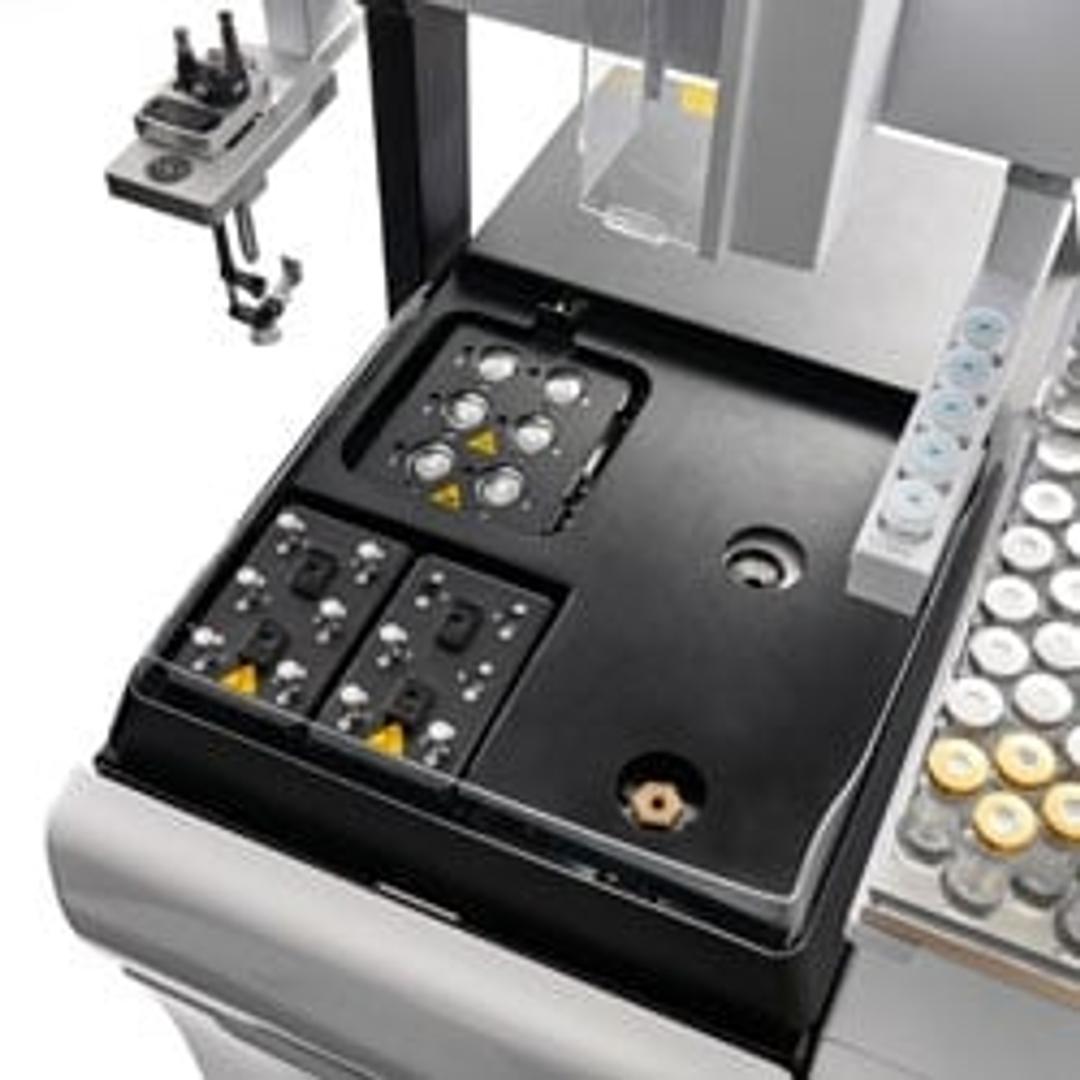
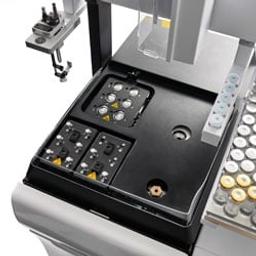
- Market-leading robotics and 50-tube TD autosampler reliably automate all operations.
- Barcode readers and RFID TubeTAGs allow samples to be easily tracked, for a complete chain of custody from the original sample to the re-collected aliquot.
- Cryogen-free and solvent-free operation reduces cost per sample and is more environmentally friendly than conventional tedious manual sample preparation techniques.
Brochures

A fully automated multi-mode sampling and concentration system for GC–MS
This brochure provides more information on the Centri® platform which is the first system to offer high-sensitivity unattended sampling and pre-concentration of VOCs and SVOCs in liquid, solid and gaseous samples.
Centri: Sample Automation & Concentration for GC-MS
Built using best-in-class robotic automation and harnessing a versatile, modular design, Centri allows unattended sampling and preconcentration of VOCs and SVOCs in liquid, solid and gaseous samples, and is compatible with all major brands of GC–MS.
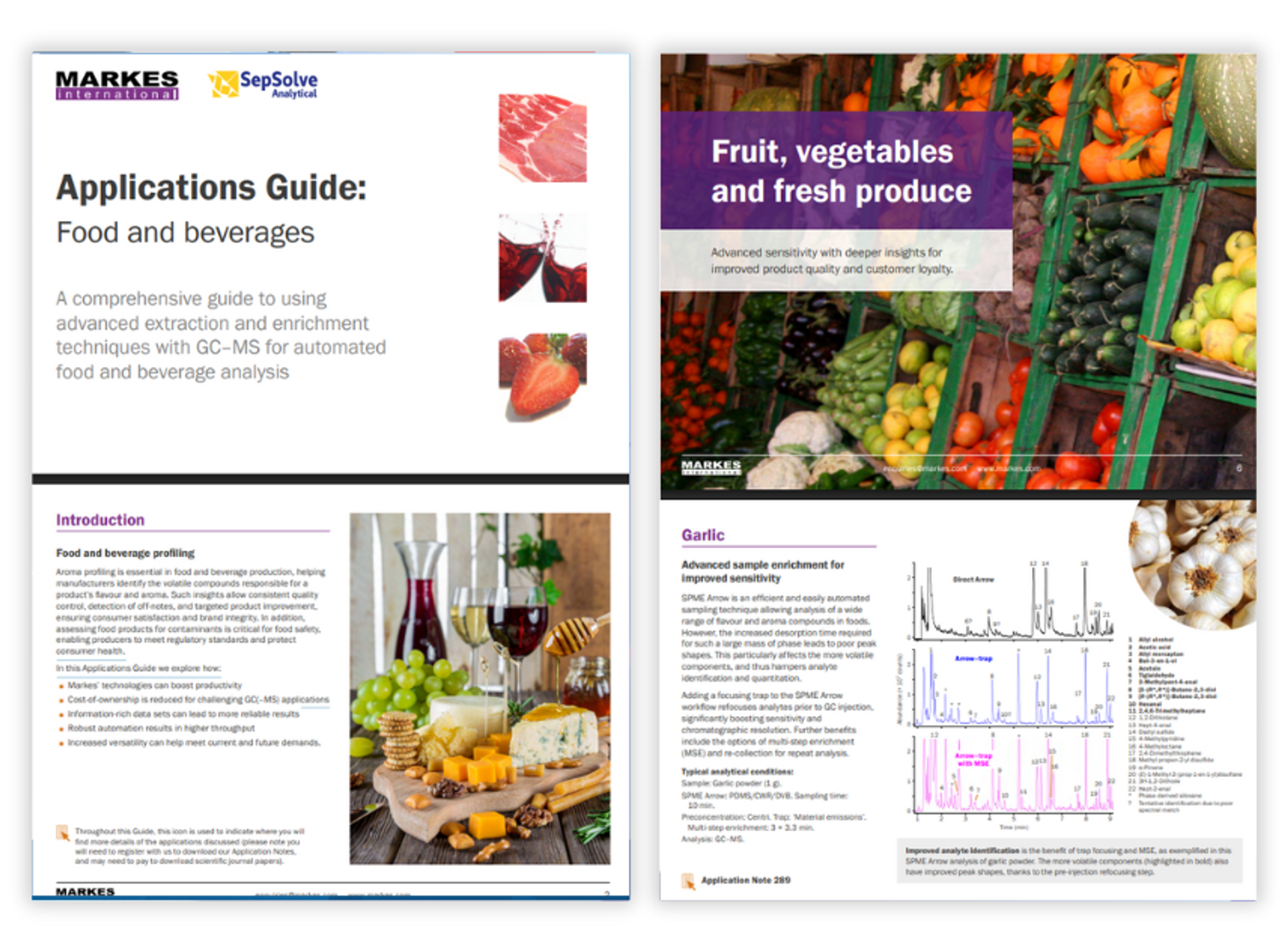
Applications guide to food and beverages
For food and beverage manufacturers, identifying volatile compounds not only is essential for aroma profiling, but also provides insights into quality control, detection of off-notes, and targeted product improvement, ensuring consumer satisfaction and brand integrity.
Explore this comprehensive guide to using advanced extraction and enrichment techniques with GC–MS for automated food and beverage analysis. Discover how Markes' technologies can provide rich data for reliable results and help you to meet current and future demands with the support of automation.
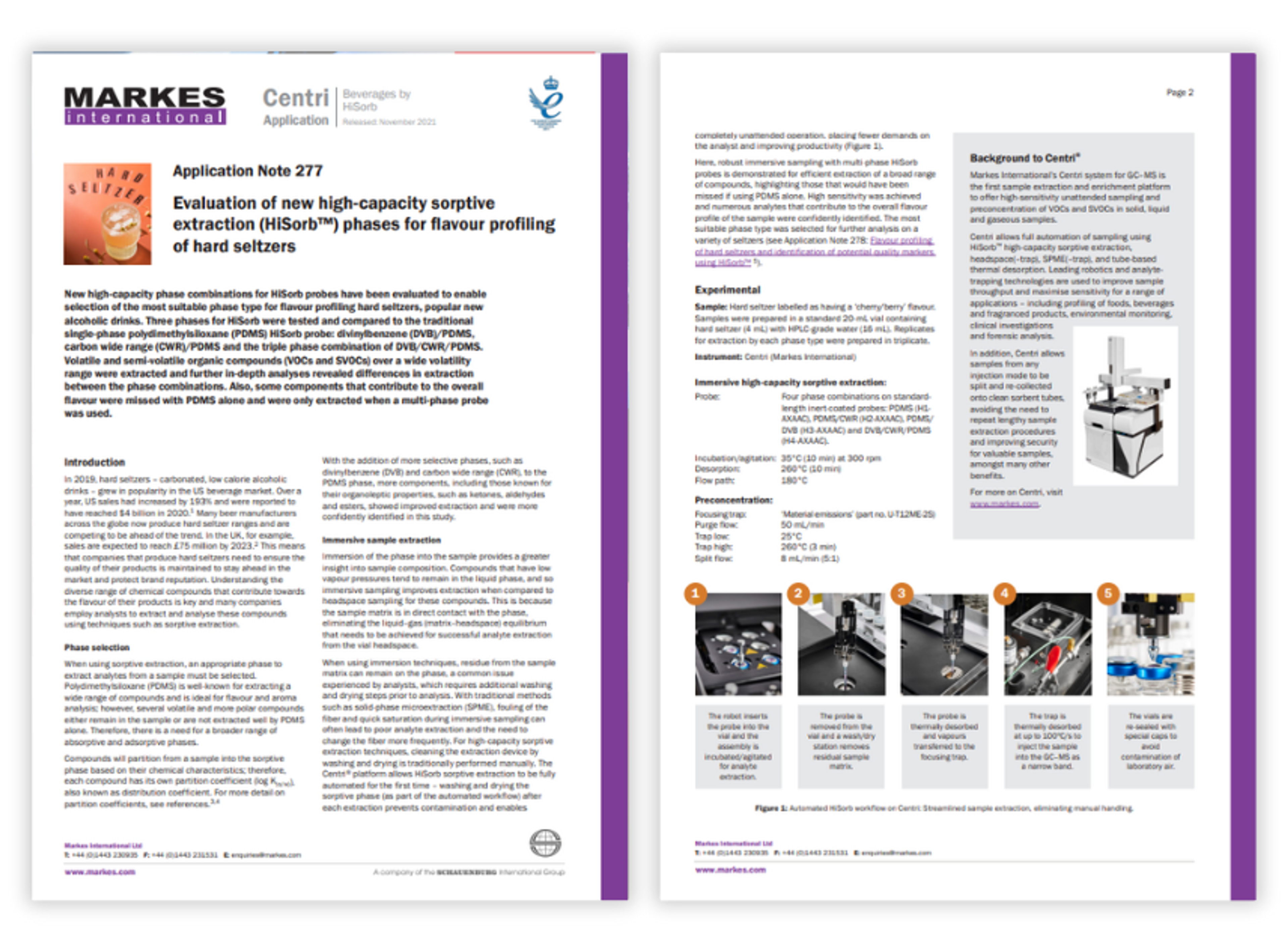
Evaluation of new high-capacity sorptive extraction (HiSorb™) phases for flavor profiling of hard seltzers
In 2019, hard seltzers, a carbonated, low calorie alcoholic drink, grew in popularity in the US beverage market. Companies that produce hard seltzers need to ensure the quality of their products is maintained to stay ahead in the market and protect brand reputation.
Discover how the HiSorb™ probe can be used to determine the optimal phase type for flavor profiling hard seltzers. Compared against the traditional single-phase phase polydimethylsiloxane (PDMS), learn how HiSorb sorptive extraction provides high sensitivity and efficiency in the detection of a hard seltzer’s flavor components, and how it can be full automated on the Centri platform.
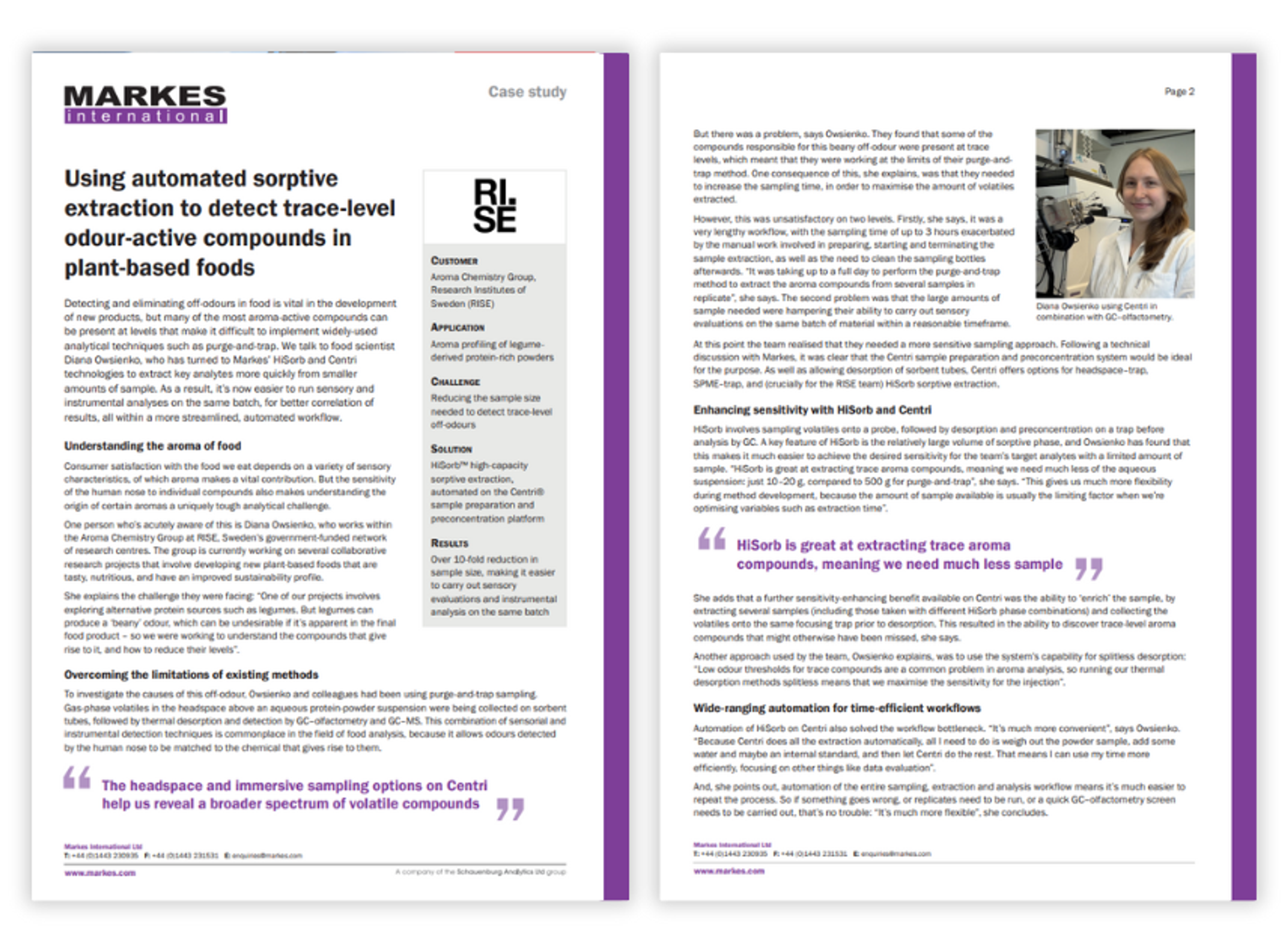
Using automated sorptive extraction to detect trace-level odor-active compounds in plant-based foods
Detecting and eliminating off-odors in food is vital in the development of new products, but many of the most aroma-active compounds can be present at levels that make it difficult to implement widely-used analytical techniques such as purge-and-trap.
Explore this interview with food scientist Diana Owsienko, where she shares how she uses Markes’ HiSorb™ and Centri technologies to extract key analytes more quickly from smaller amounts of sample. Discover how it is simpler to run sensory and instrumental analyses on the same batch to gain improved results in a streamlined and automated workflow.
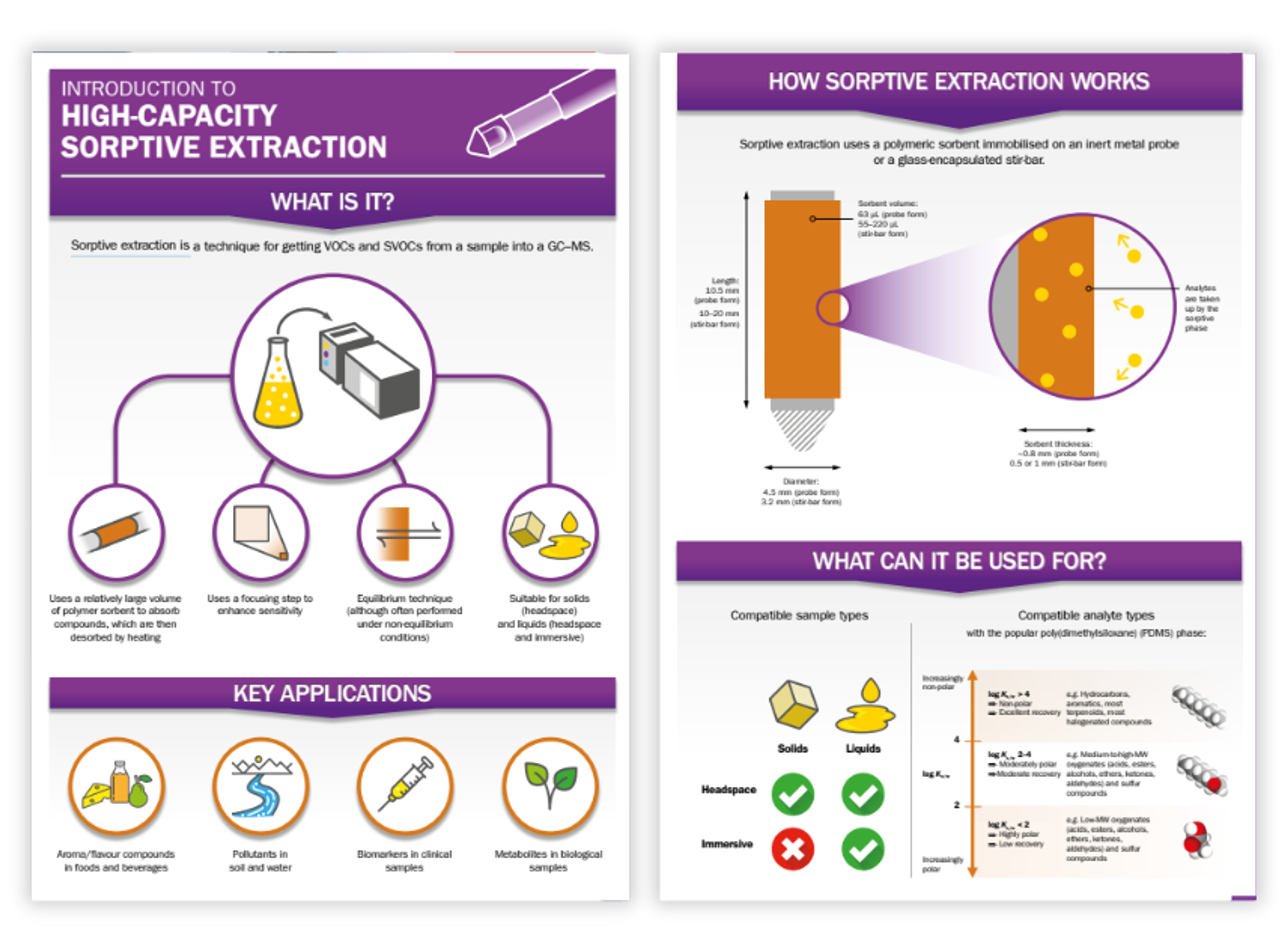
An introduction to high-capacity sorptive extraction
In the world of complex chemical analysis, the ability to accurately extract and concentrate trace-level compounds is vital. High-capacity sorptive extraction is redefining the standards for sensitivity and versatility, offering laboratories a robust alternative to traditional sample preparation methods. Whether you are identifying subtle flavor profiles or monitoring environmental pollutants, mastering this technique is key to unlocking high-quality analytical data.
This SelectScience infographic, produced in partnership with Markes International, a pioneer in thermal desorption and sample preparation technology, provides a clear, visual introduction to the power of sorptive extraction. Discover how this flexible technique simplifies the analysis of volatile and semi-volatile organic compounds (VOCs and SVOCs) across a vast array of challenging matrices.
What you will discover in this infographic:
- How sorptive extraction is used to determine flavor compounds in food and beverage, detect environmental pollutants, and identify clinical biomarkers.
- Why this technique is superior for capturing a broad range of metabolites and volatile compounds in biological samples.
- A visual guide to the advantages of sorptive extraction, including improved sensitivity and reduced manual labor.
- Key insights into handling the unique challenges of volatile and semi-volatile organic compound analysis.
Whether you are new to the technique or looking to improve your lab's extraction efficiency, this infographic delivers a fast, effective overview of how to leverage high-capacity sorptive extraction for better results.
Download now to see how high-capacity extraction can transform your analytical capabilities.
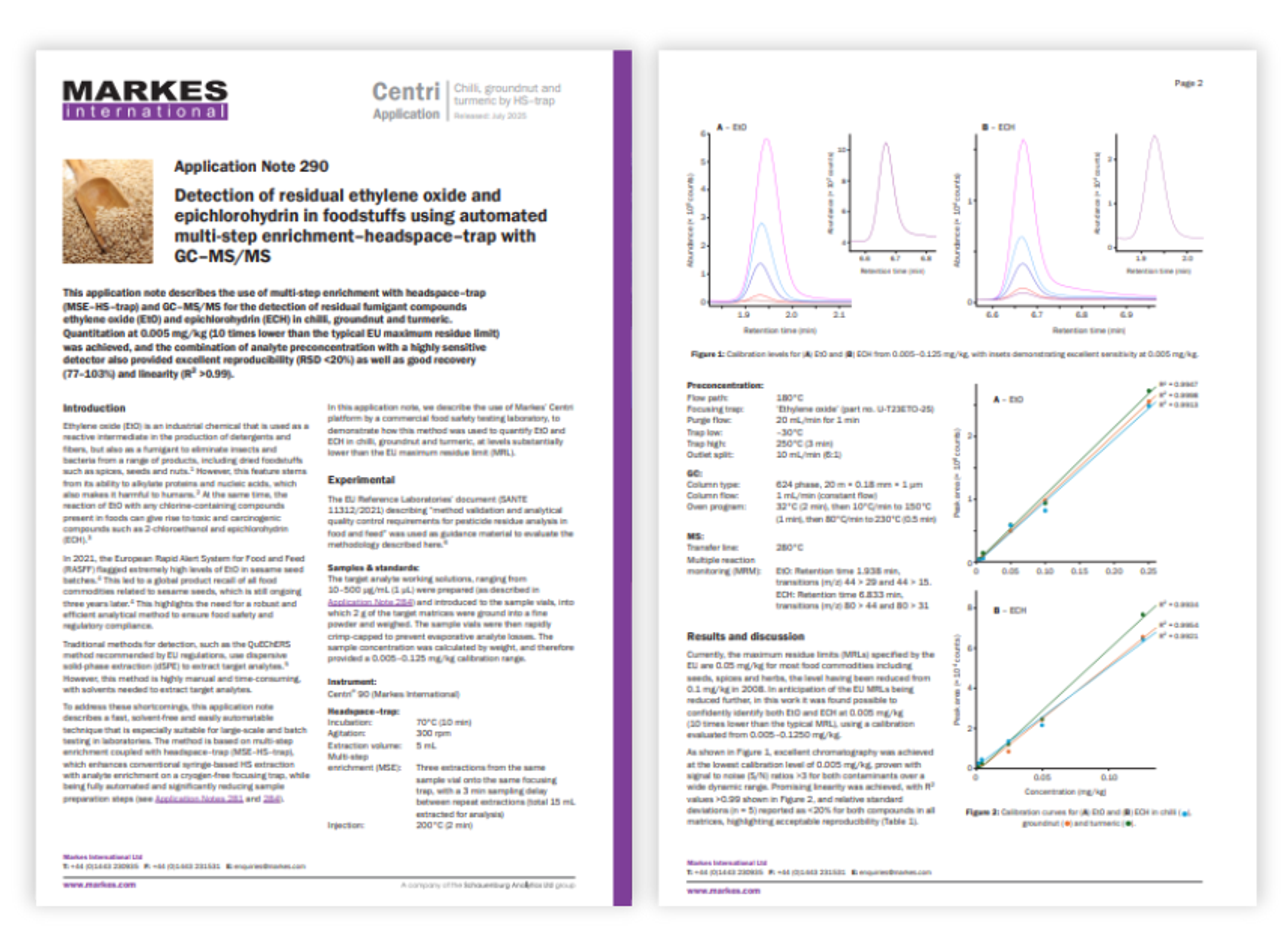
Detection of residual ethylene oxide and epichlorohydrin in foodstuffs using automated multi-step enrichment–headspace–trap with GC–MS/MS
Ethylene oxide (EtO) is an industrial chemical that is used as a reactive intermediate in the production of detergents and fibers, but also as a fumigant to eliminate insects and bacteria from a range of dried foodstuffs.
In this application note, Markes International describes the use of multi-step enrichment with headspace–trap (MSE–HS–trap) and GC–MS/MS for the detection of residual fumigant compounds ethylene oxide (EtO) and epichlorohydrin (ECH) in chilli, groundnut and turmeric.
Centri applications compendium
The Centri® platform from Markes International offers high-sensitivity unattended extraction and enrichment of volatile and semi-volatile organic compounds (VOCs and SVOCs) in liquid, solid and gaseous samples. Markes provides a comprehensive overview of the Centri sample extraction and enrichment platform's capabilities, emphasizing its versatility and high sensitivity for GC–MS analysis of VOCs and SVOCs in various sample types. The guide highlights Centri's advanced robotic automation, modular design, and cryogen-free focusing trap, which enhance analytical sensitivity and sample throughput. It details applications across multiple fields, including environmental, food, beverage, fragrance, health, and forensic analysis, illustrating Centri's ability to handle complex matrices and improve detection limits.
Fully automated aroma and flavor analysis of ground beef
Analysis of volatile organic compounds (VOCs) that contribute to the aroma and flavor of a food product is important for quality control. The results can indicate whether a product is spoiled, and can reveal the source of this spoilage, such as contamination from packaging. Markes International describes the headspace analysis of ground beef samples using Centri®, a fully automated, multi-mode extraction and enrichment platform. Two sampling modes are compared – static headspace–trap and high-capacity sorptive extraction (HiSorb™) – to assess the VOCs that contribute to the aroma and flavor of ground beef as well as give an insight into other compounds of concern that cause a negative impact on human health.
HiSorb high-capacity sorptive extraction for flavor profiling
Analysis of the volatile organic compound (VOC) content of foodstuffs are an important tool in the food and beverage industry, with applications in research and development, quality control, shelf-life assessment, and even the detection of food fraud. Markes International demonstrates the performance of HiSorb™ high-capacity sorptive extraction probes for flavor profiling of two samples – cider and potato snacks (crisps) – contrasting the unflavoured product with those that have had flavorings added. HiSorb is a solvent-free technique utilizing a high-capacity sorptive phase to ensure good extraction efficiency and is readily applicable to both headspace and immersive sampling. In conjunction with the Centri® extraction and enrichment platform, HiSorb is fully automatable.
Fully automated cryogen-free analysis of ethylene oxide and 2-chloroethanol in contaminated sesame seeds
High levels of ethylene oxide (EtO) and 2-chloroethanol (2-CE) present in sesame seeds and other agricultural products have led to multiple product recalls throughout the EU. In this application note from Markes International Ltd., explore how headspace–trap with multi-step enrichment (MSE) on the Centri® platform has been used to quantitatively determine the contaminants at the required 0.05 mg/kg (50 ppb) reporting threshold or maximum residue limit (MRL) without extensive and manual sample preparation.
High-throughput analysis of 1,4-dioxane in drinking water using SPME Arrow–trap with multi-step enrichment (MSE)
In this application note, Markes International presents a study in which solid-phase microextraction (SPME) Arrow–trap with multi-step enrichment (MSE®) on the Centri® extraction and enrichment platform was combined with gas chromatography–mass spectrometry (GC–MS) to analyze levels of the contaminant 1,4-dioxane in water samples. The system detected 1,4-dioxane at the lowest calibration point of 0.01 µg/L (10 ppt), which is beyond the detection limits required in German REACH and US EPA regulations.
Investigating the impact of volatile compounds on the flavor profiles of foods and drinks
Volatile profiling of food and beverages is crucial for understanding and enhancing their quality, safety, and consumer appeal. Analysing these volatiles presents several challenges due to the diversity of chemical classes, their varying concentrations, and the complex matrices involved, which can be problematic for conventional gas chromatography–mass spectrometry (GC–MS) approaches.
Join Prof. Kieran Kilcawley, Principal Research Officer at Teagasc Food Research Centre and Adjunct Professor, University College Cork and Technological University Dublin, as he explores how innovative extraction and enrichment techniques, combined with state-of-the-art GC–MS analyses, can overcome these difficulties and deliver more detailed and accurate volatile profiles.
Key learning objectives
- Understand the critical role volatile compounds play in shaping the flavor and overall quality of food and beverages
- Learn about the latest techniques for the sensitive extraction and analysis of aroma-active compounds, including high-capacity sorptive extraction and comprehensive two-dimensional gas chromatography (GCxGC).
- Explore practical applications through case studies, including volatile profiling of whiskey, analysis of fatty acids in dairy products, and evaluating the impact of cooking temperature on the volatile profile of beef
Who should attend?
- Food scientists who want to understand more about profiling, odour perception, sensory evaluation, and food authenticity analysis.
- R&D food scientists and analytical scientists who want to enhance their understanding of analysing complex samples.
- GC(–MS) users eager to hear about the latest instrument developments.
Certificate of attendance
All webinar participants can request a certificate of attendance, including a learning outcomes summary, for continuing education purposes.
Mastering sorptive extraction for GC–MS
Wednesday, January 21 at 16:00 GMT | 17:00 CET | 11:00 EST | 08:00 PST
For many GC–MS laboratories, sample preparation remains the biggest bottleneck. While traditional techniques like liquid–liquid extraction (LLE) and solid-phase microextraction (SPME) are well-established, they often force analysts to compromise on sensitivity, robustness, or automation capability, especially when dealing with complex matrices in food, environmental, and clinical research.
In this webinar, Rachael Szafnauer from Markes International will take a deep dive into the fundamentals and practical applications of modern sorptive extraction. She will explore how high-capacity sorptive extraction bridges the gap between exhaustive extraction and equilibrium sampling, offering a robust, complementary technique for trace-level GC–MS analysis.
You will learn how to select the right phase and extraction mechanism for your target compounds, how to optimize key parameters like temperature and agitation, and how coupling sorptive extraction with cryogen-free trap focusing can significantly boost sensitivity.
Key learning objectives
- Understand the fundamental differences between SPME, TF-SPME, and high-capacity sorptive extraction (HiSorb) regarding surface area and sensitivity.
- Learn the considerations you must take when selecting the optimal sorptive phase and extraction mode (immersive vs. headspace) for your matrix.
- Discover how analyte enrichment using a backflush, cryogen-free focusing trap can overcome the limitations of standard injection techniques.
- See how these techniques are applied to complex samples, from aroma profiling in foods to contaminant monitoring.
Who should attend?
- GC–MS analysts and researchers looking to improve sensitivity and workflow efficiency.
- R&D aroma and flavor scientists wanting to enhance their ability to extract and analyze complex samples.
- Current users of SPME or stir-bar techniques looking for robust, high-capacity alternatives.
- Laboratory managers and directors interested in how advanced automation can provide a competitive edge.
Certificate of attendance
If you attend the live webinar, you will automatically receive a certificate of attendance, including a learning outcomes summary, for continuing education purposes.
If you view the on-demand webinar, you can request a certificate of attendance by emailing editor@selectscience.net.

Detect, discover, diagnose: Uncovering biomarkers to advance non-invasive breath-based diagnostics
Headspace sampling is a simple and elegant method for volatile organic compound (VOC) extraction, which has been successfully used to detect and quantify biomarkers for respiratory disease and liver impairment.
Learn about an optimized method for the detection of key analytes such as aldehydes, alkanes and ketones from culture media samples. The method combines high-capacity sorptive extraction technology with automated thermal desorption (TD), coupled with gas chromatography (GC) separation and mass spectrometry (MS) analysis, to provide reliable detection below 1 ng and high-throughput analysis of samples.
This webinar will showcase how Owlstone Medical, in collaboration with Markes, has developed headspace analytical methods for the detection of volatile biomarkers, putting us much closer to breath-based diagnostics for lung disease and liver impairment.
By attending this webinar, you will:
- Learn about HiSorb™ for the extraction and analysis of volatile and semi-volatile organic compounds as indicators of disease and organ impairment
- See how the Centri® platform can fully automate sample extraction & desorption, improving laboratory productivity and analytical sensitivity.
- Understand how analyte preconcentration, using cryogen-free trapping technology, can be optimized for low-level compounds of interest in complex sample types
- Hear how the technique helped to overcome complex challenges, enabling the discovery of biomarkers to advance breath-based diagnostics
Who should attend?
- Laboratories thinking of extending their sample extraction and analysis portfolio to answer growing business and research demands
- Scientists interested in simplifying and expediting the analysis of complex samples, whether for discovery and development or routine monitoring and quality control
- Environmental, flavor, scents, toxicology and diagnostics scientists
- Laboratory managers/directors/supervisors interested in how advanced analytical techniques can provide a competitive edge and expand capabilities
Certificate of attendance
- All webinar participants can request a certificate of attendance, including a learning outcomes summary for continuing education purposes.
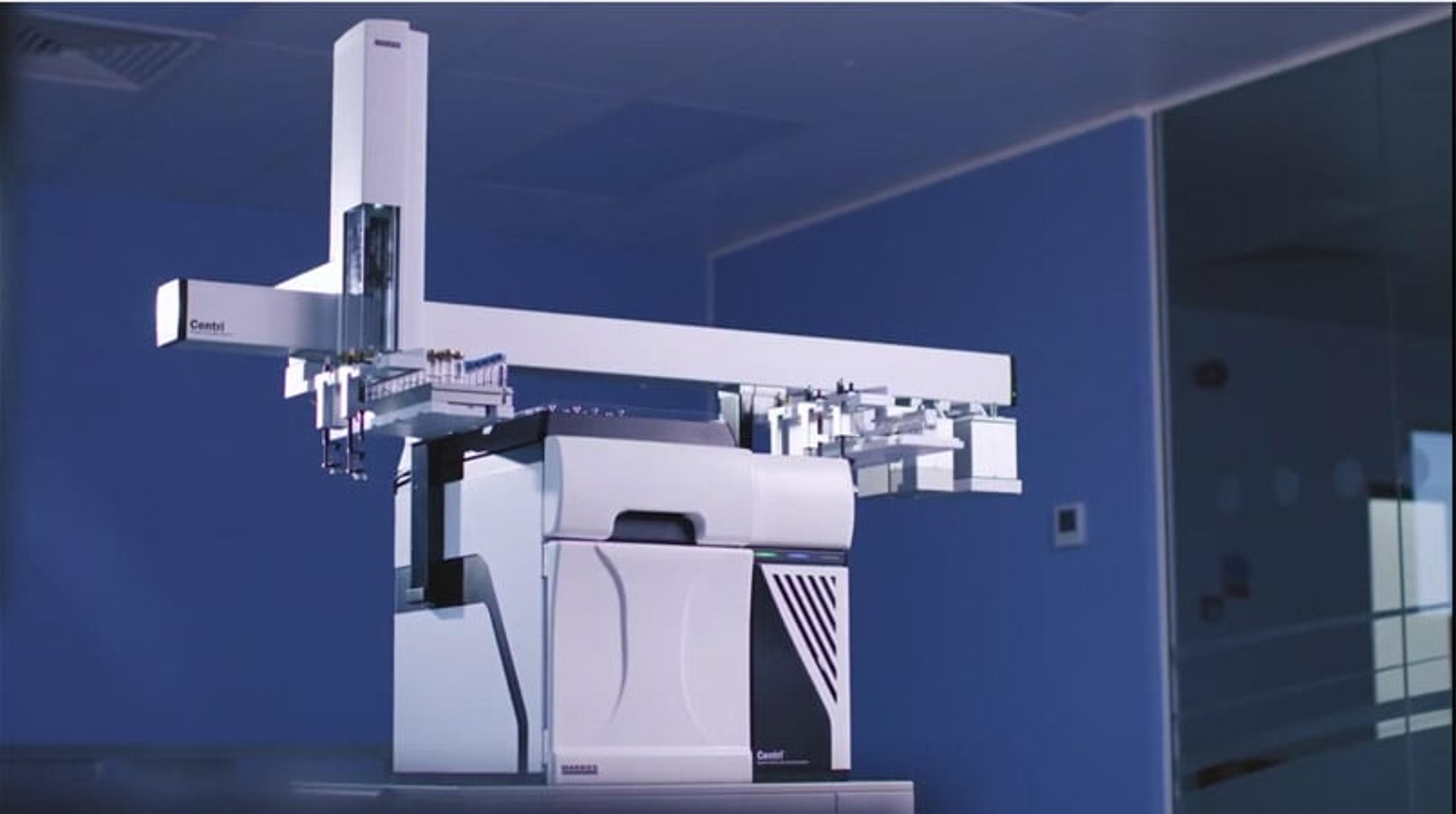
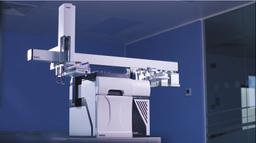
Centri: The ultimate automated multi-mode extraction and enrichment platform for GC–MS
In this video, Markes International introduces the Centri®, a modular platform for automated extraction, enrichment, and analysis of volatile organic compounds in liquid, solid, and gaseous samples. Watch now for insights into how this cutting-edge GC-MS technology can provide performance, automation, and flexibility in your lab.
Equipping scientists across the globe in research and routine analysis
In this video, Gavin Davies, discusses how scientists can get the best from their GC analysis, enabling them to discover more and deliver more across a wide range of applications.

Detect, discover, diagnose: Uncovering biomarkers to advance non-invasive breath-based diagnostics
Watch this free on-demand webinar to discover how headspace analytical methods are being utilized in the detection of volatile biomarkers

How to analyze VOCs to assess food and beverage quality throughout the supply chain
Get expert advice on how to use preconcentration, GC×GC and time-of-flight mass spectrometry to overcome profiling applications out of reach for traditional GC-MS

Pittcon 2020: 14 tech highlights to provide advanced analytical research solutions
Top innovations and technology news from the laboratory science conference and expo in Chicago, U.S.A.

Download 4 infographics on sample prep techniques for GC and GC-MS
Series of free explainer infographics summarize headspace, SPME, high capacity sorptive extraction (HiSorb) and thermal desorption
Trending in analytical chemistry – 10 top resources for vodka, beer, wine & water analysis
From vodka aroma profiling to microplastics in water and better beer making, discover our pick of application guides and top tips to help you develop and optimize your analytical methods

Your Questions Answered - Best Practices for Automated, Unattended Analysis of VOCs and SVOCs in Water
In this on-demand webinar, hear how cryogen-free trapping technology for conventional headspace and SPME sampling can help you keep up with the challenges of ever lowering VOC detection limits