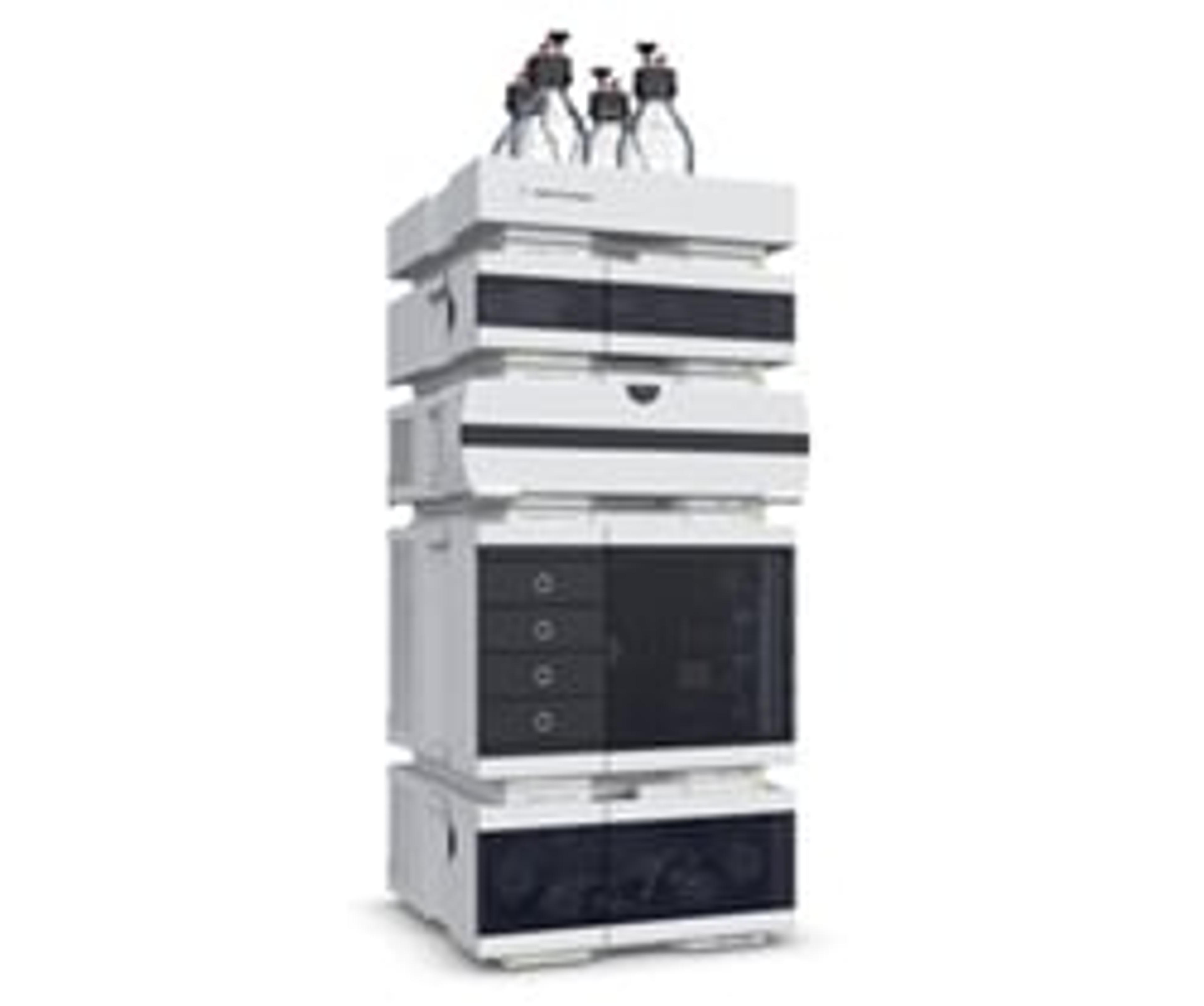
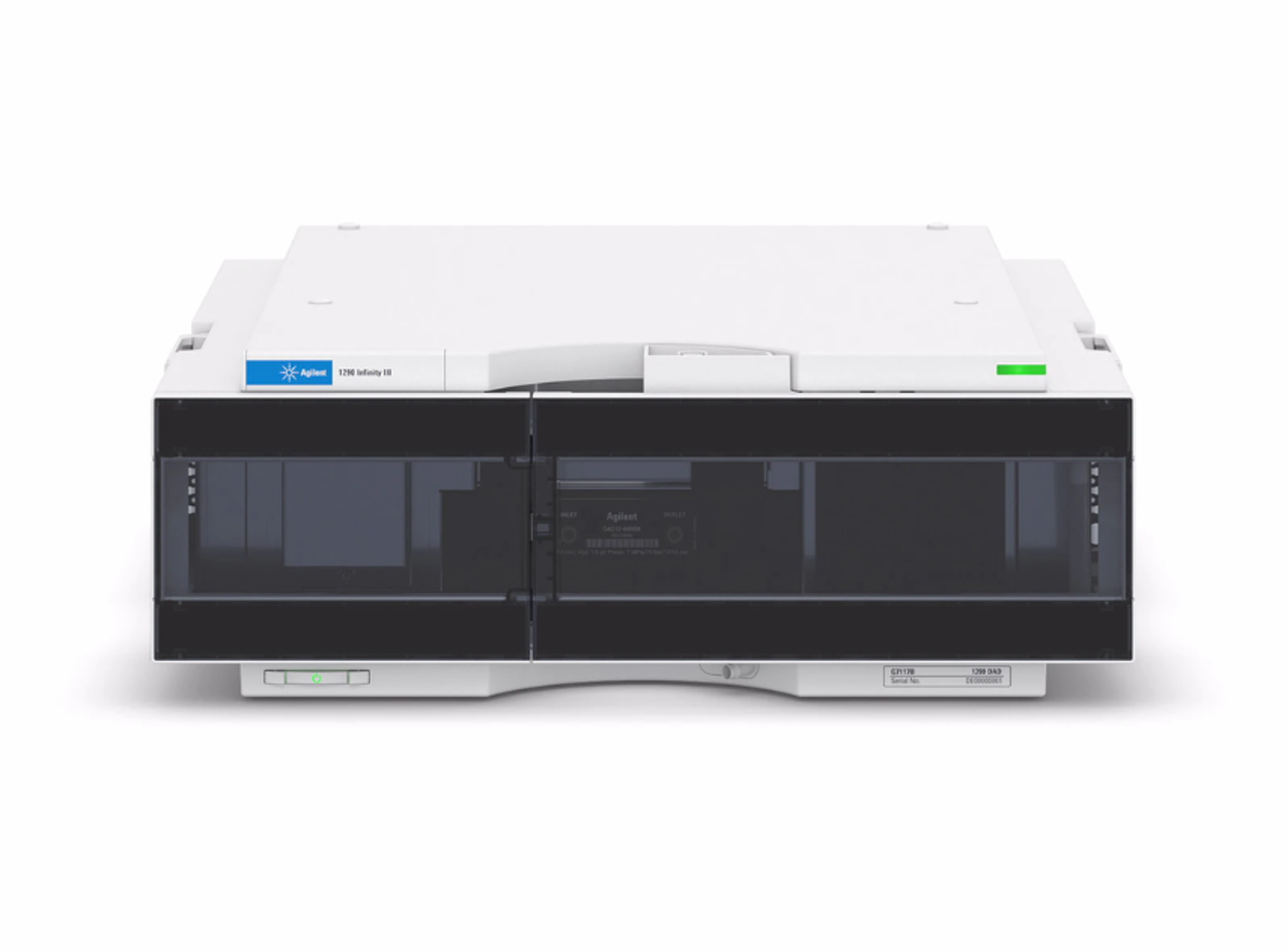
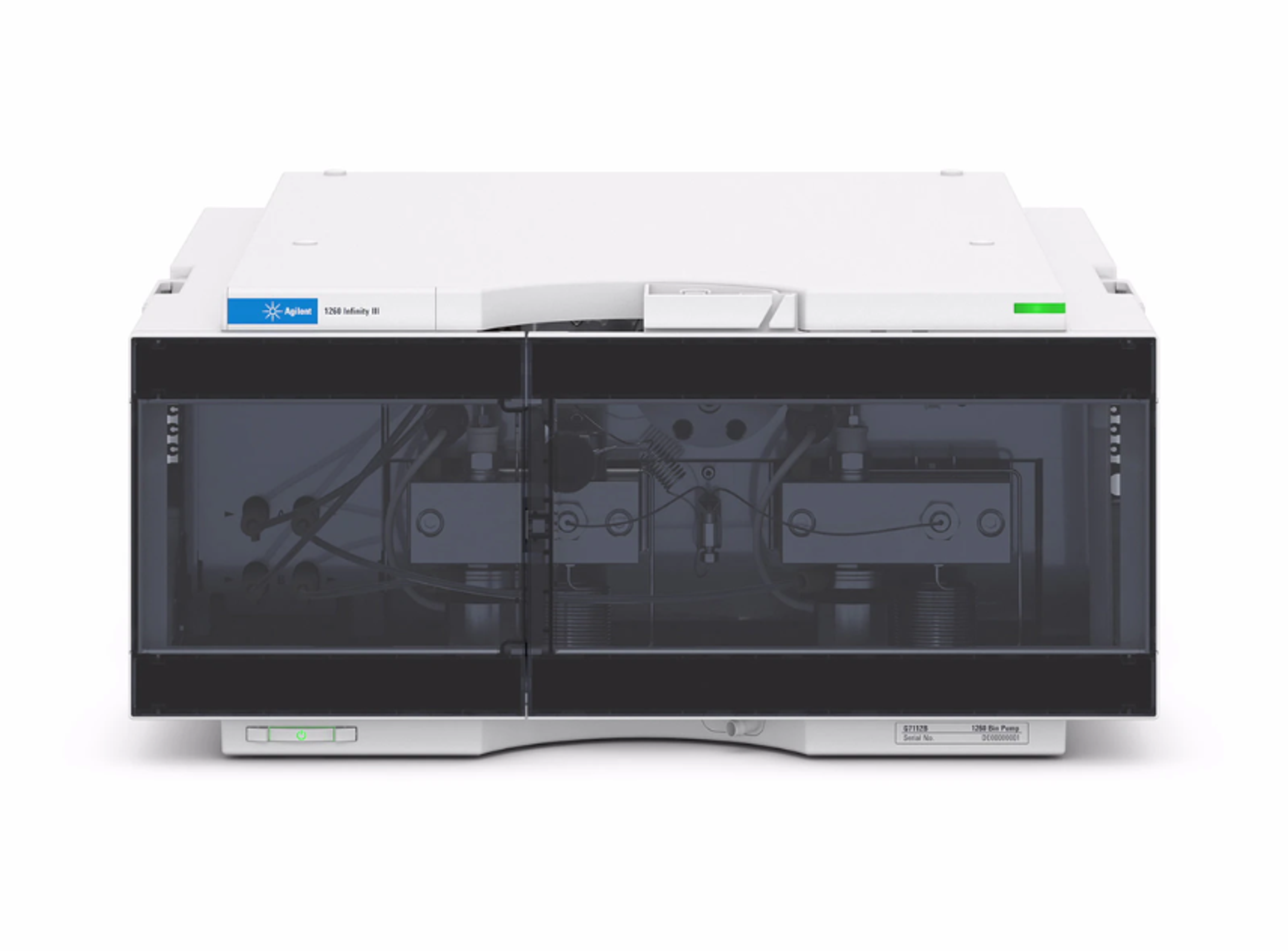
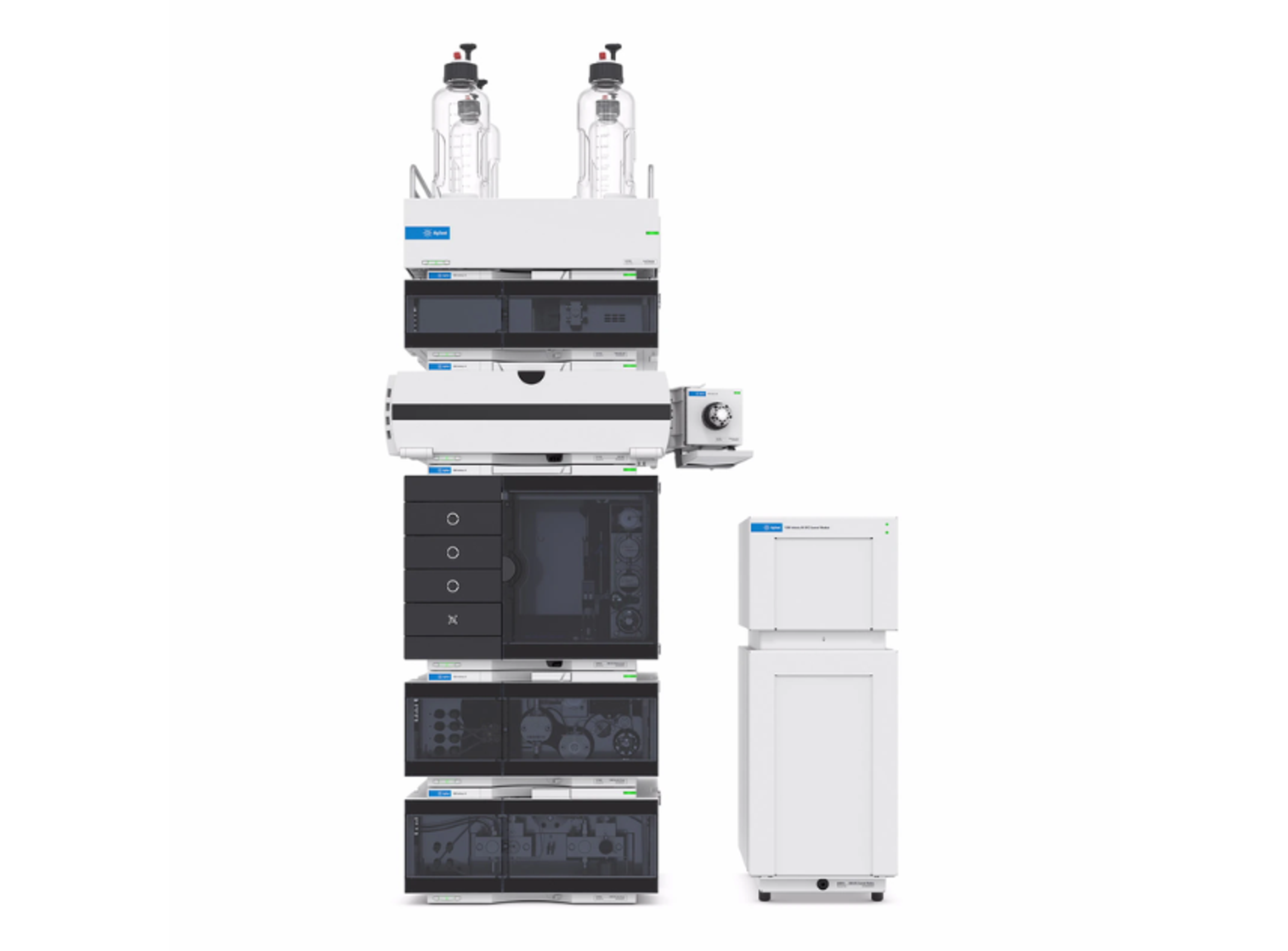
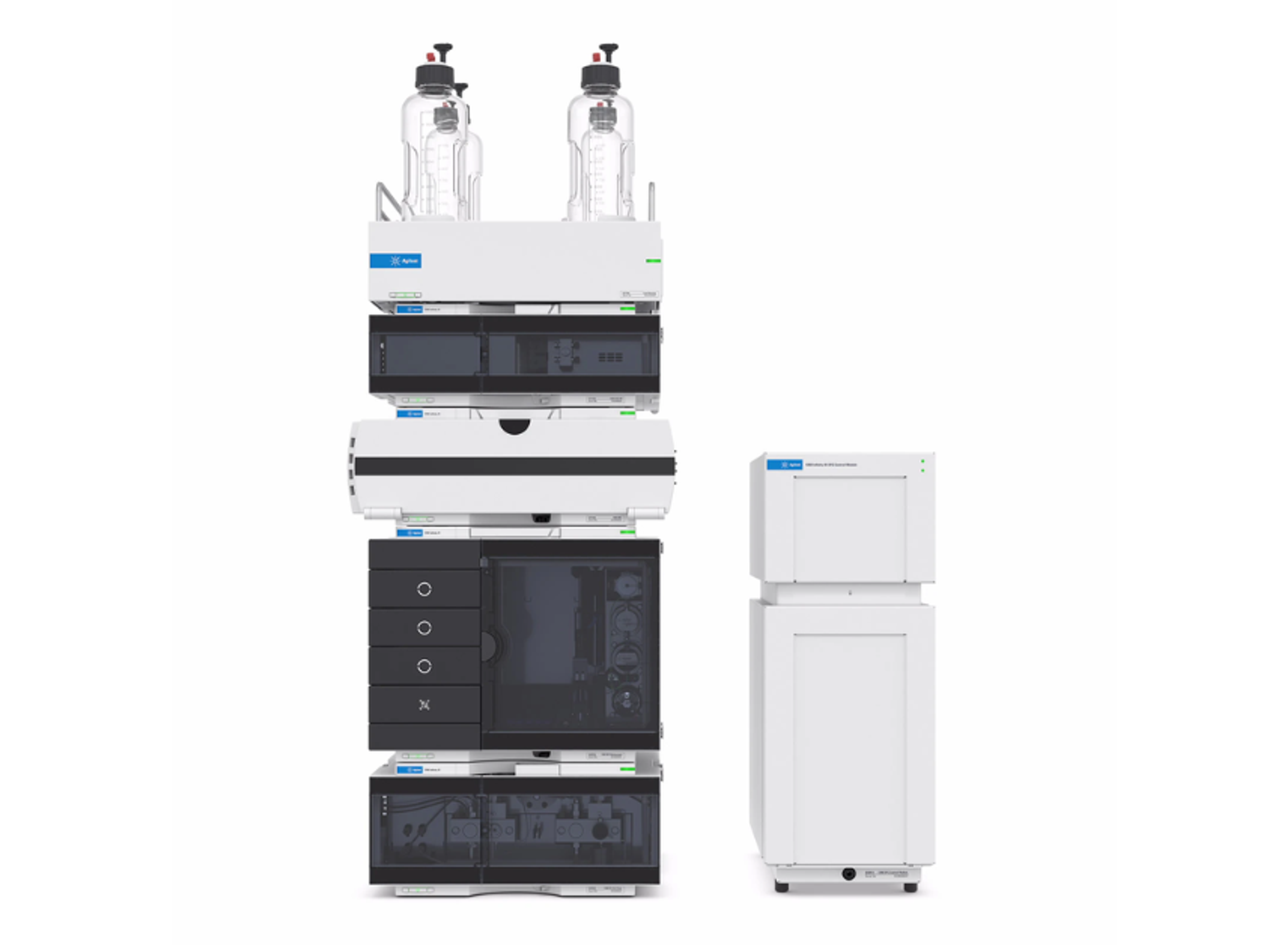
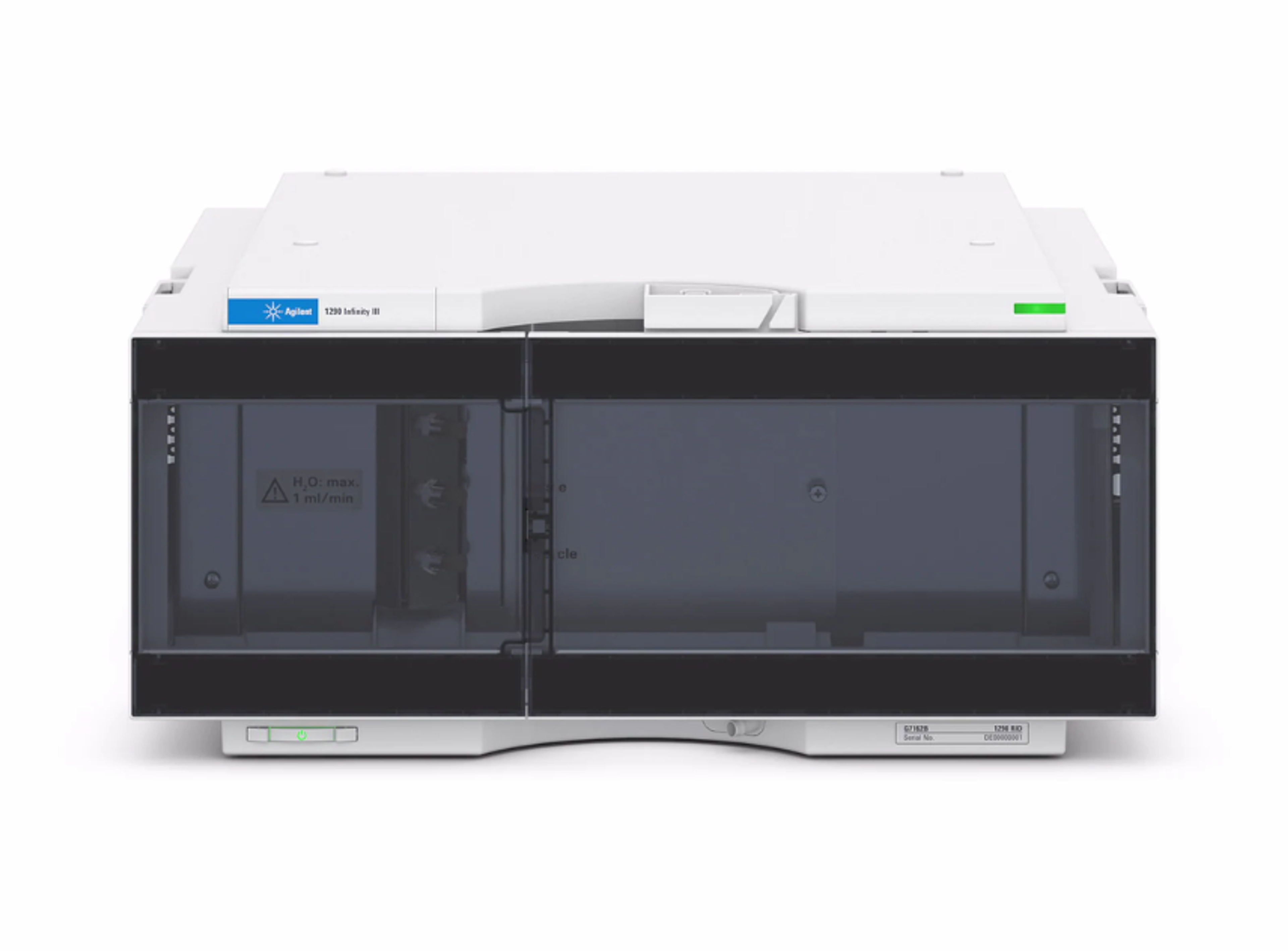
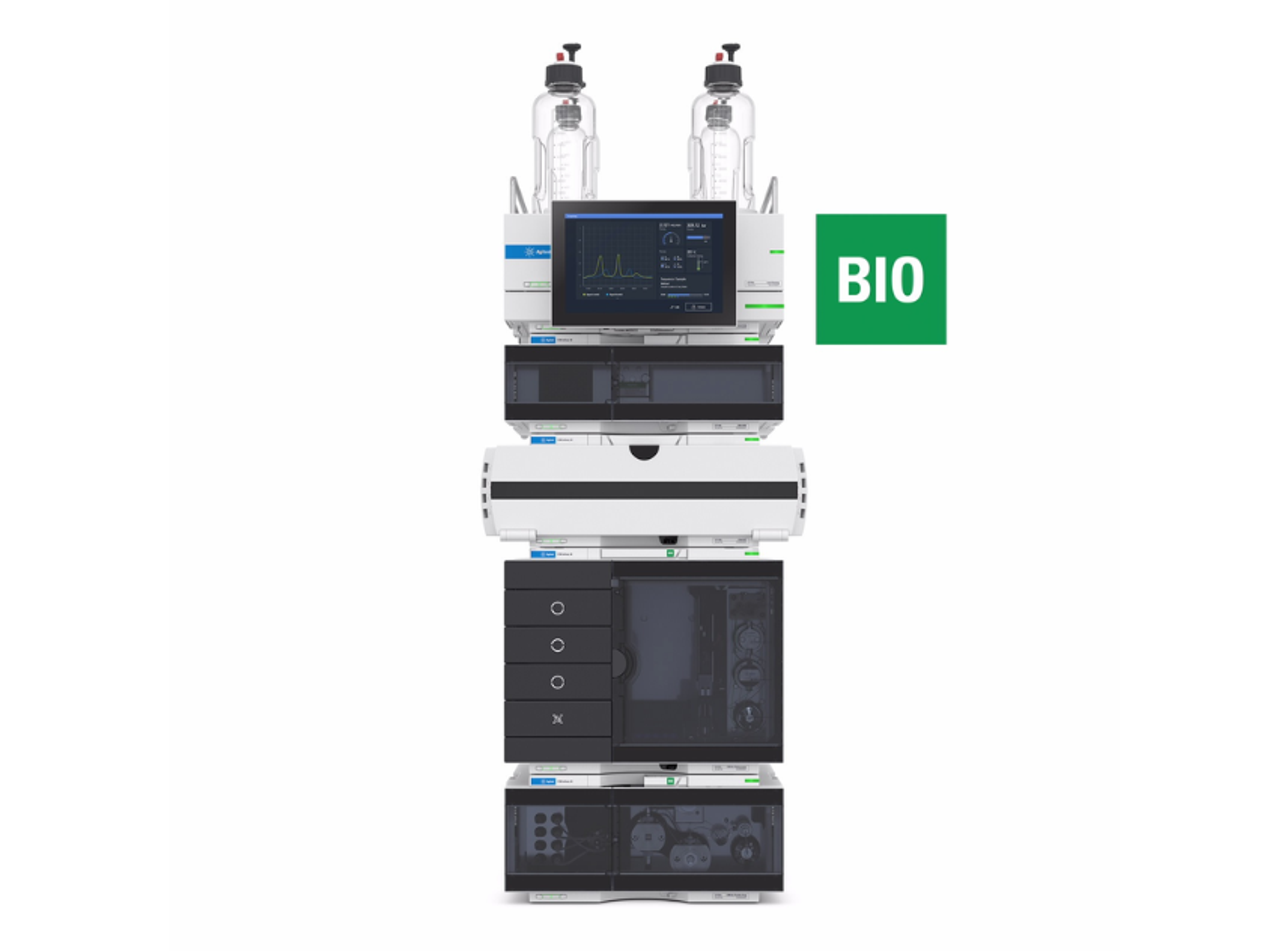
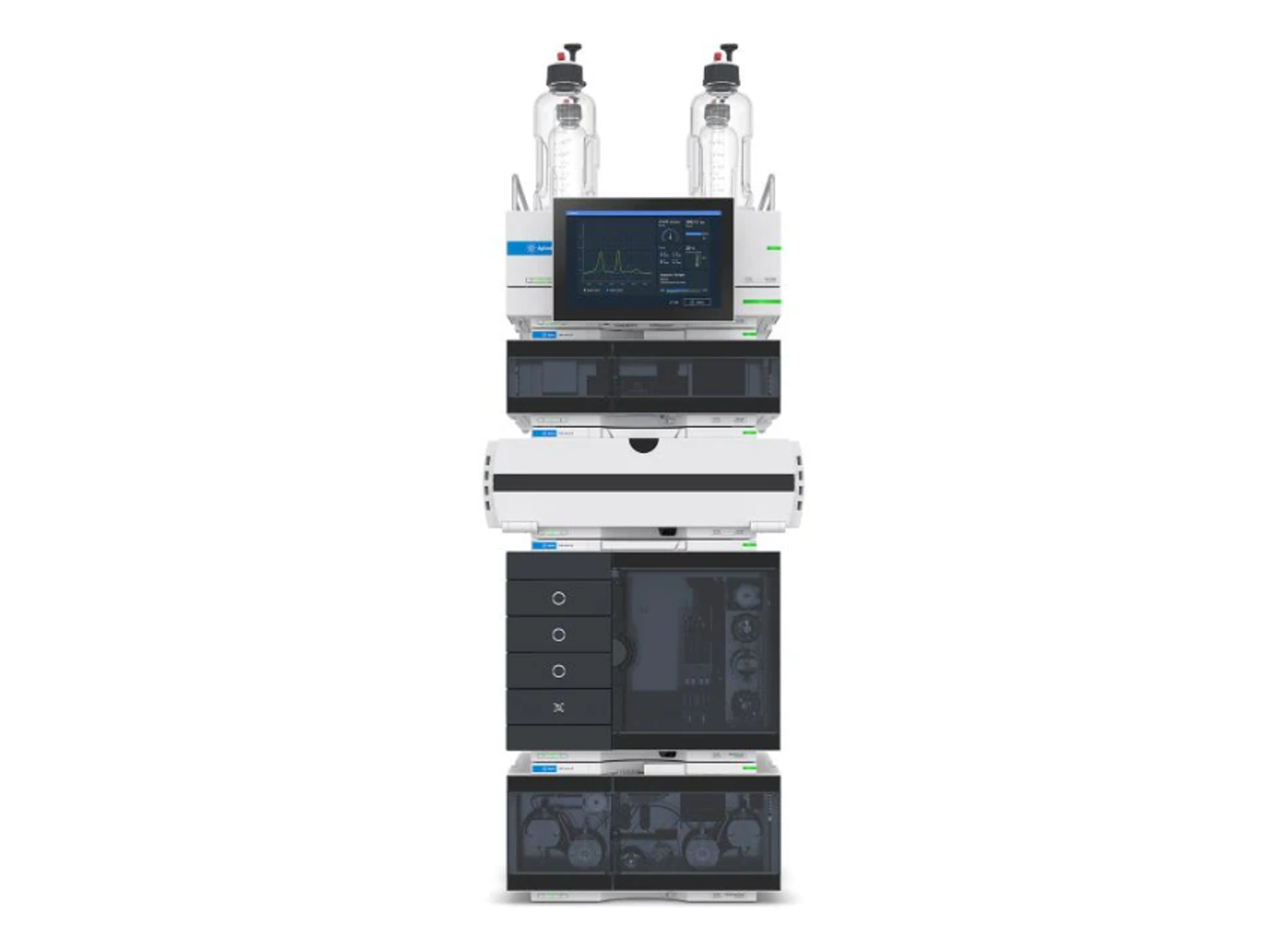
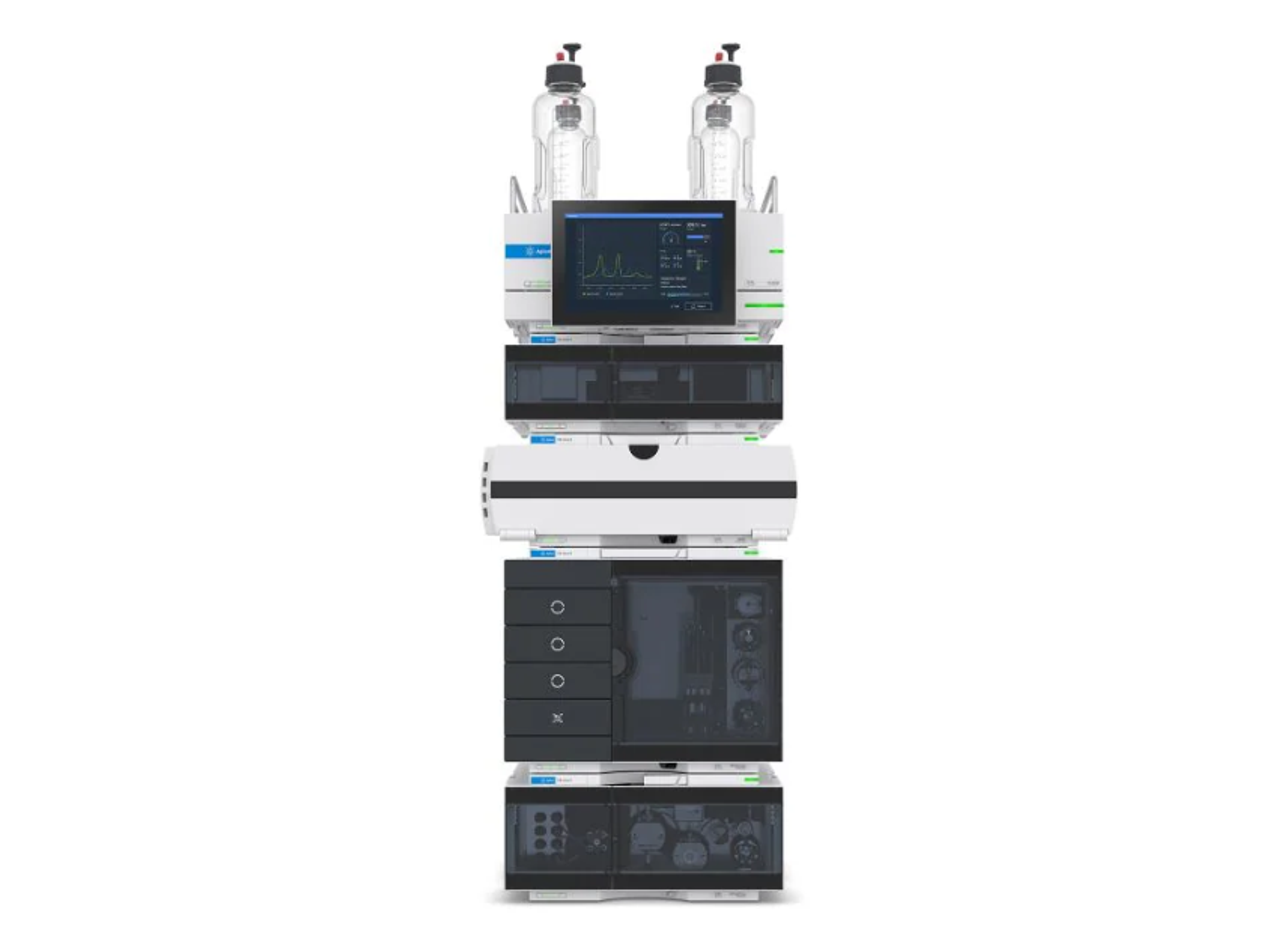
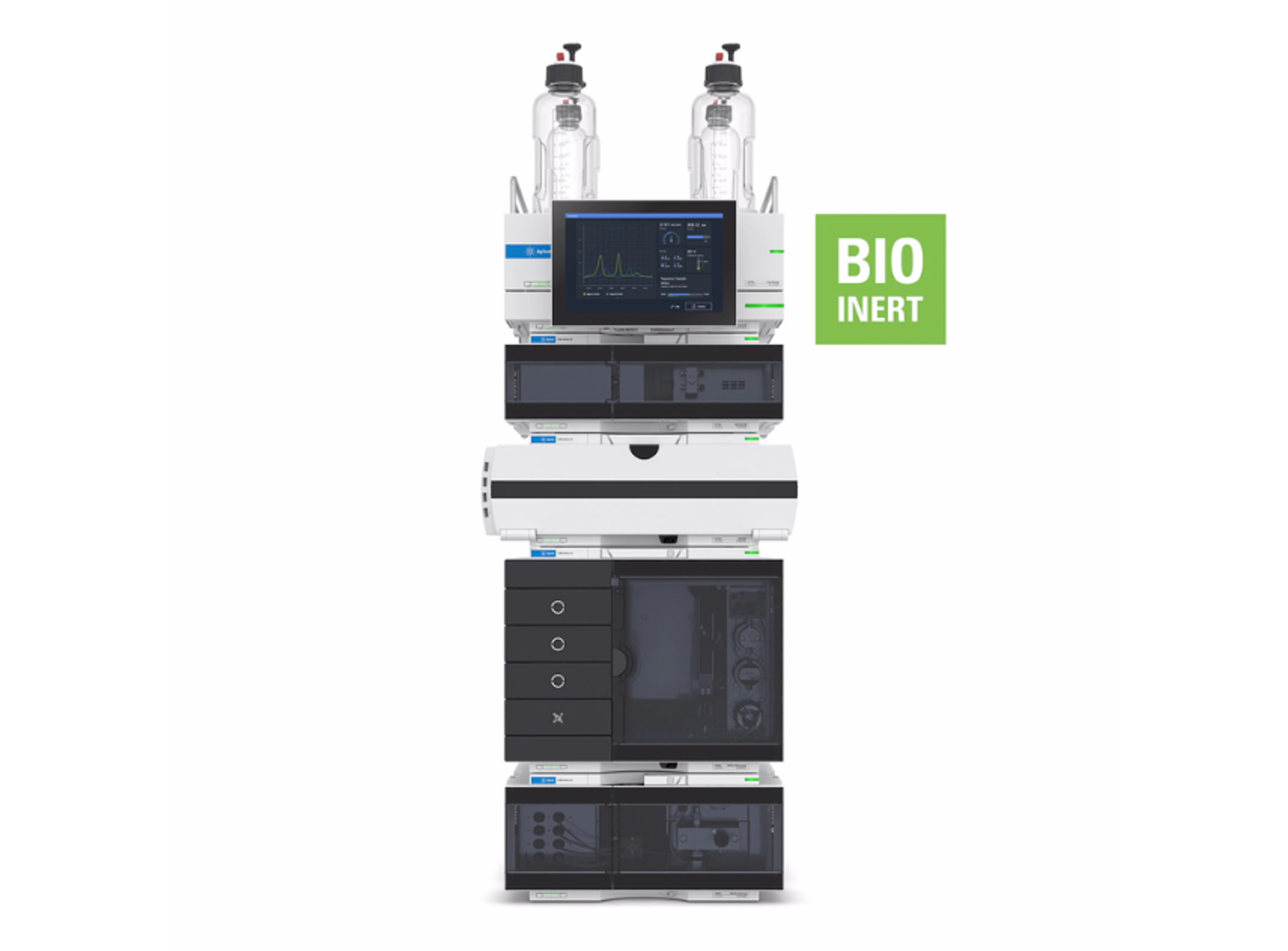
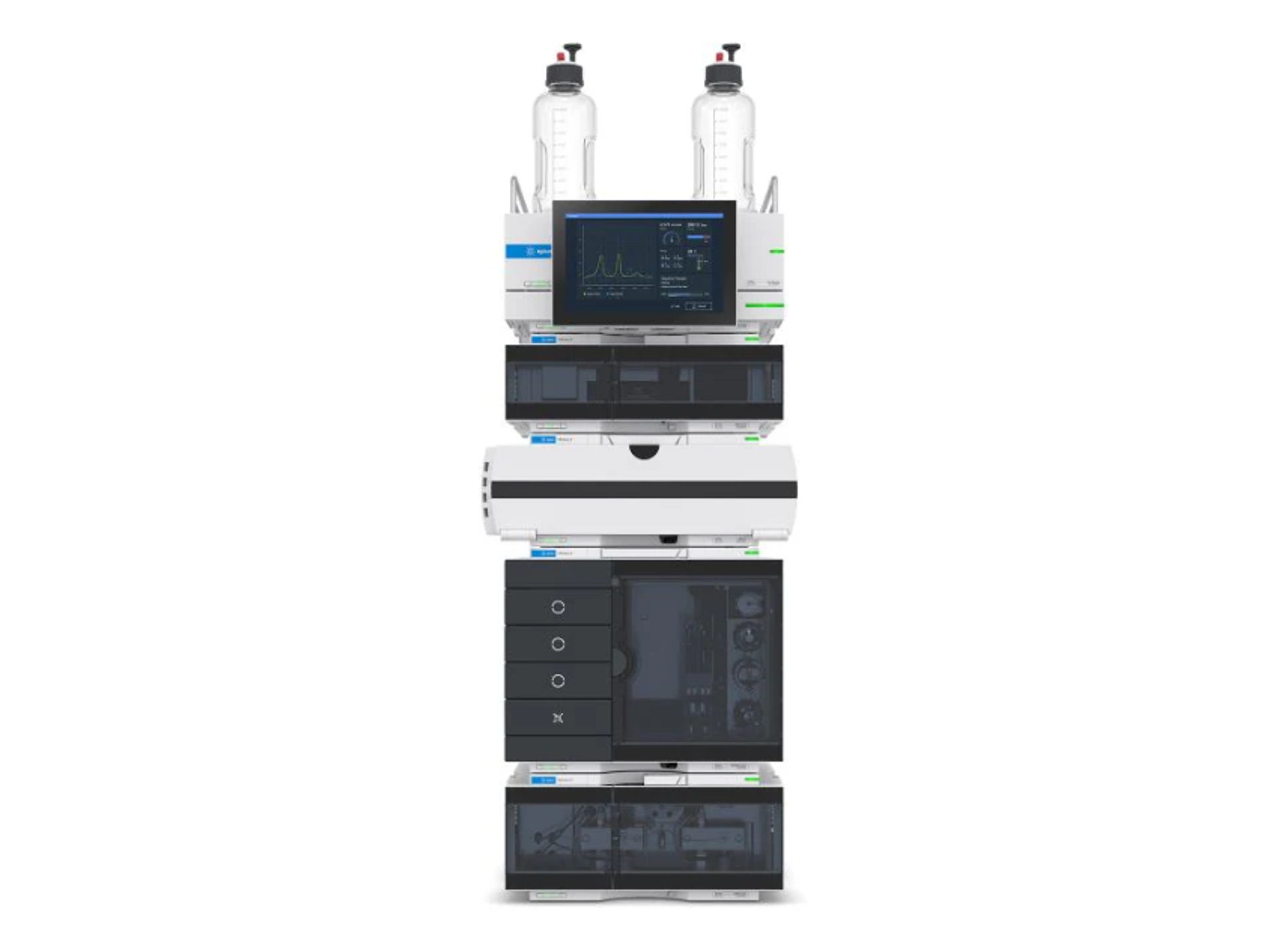
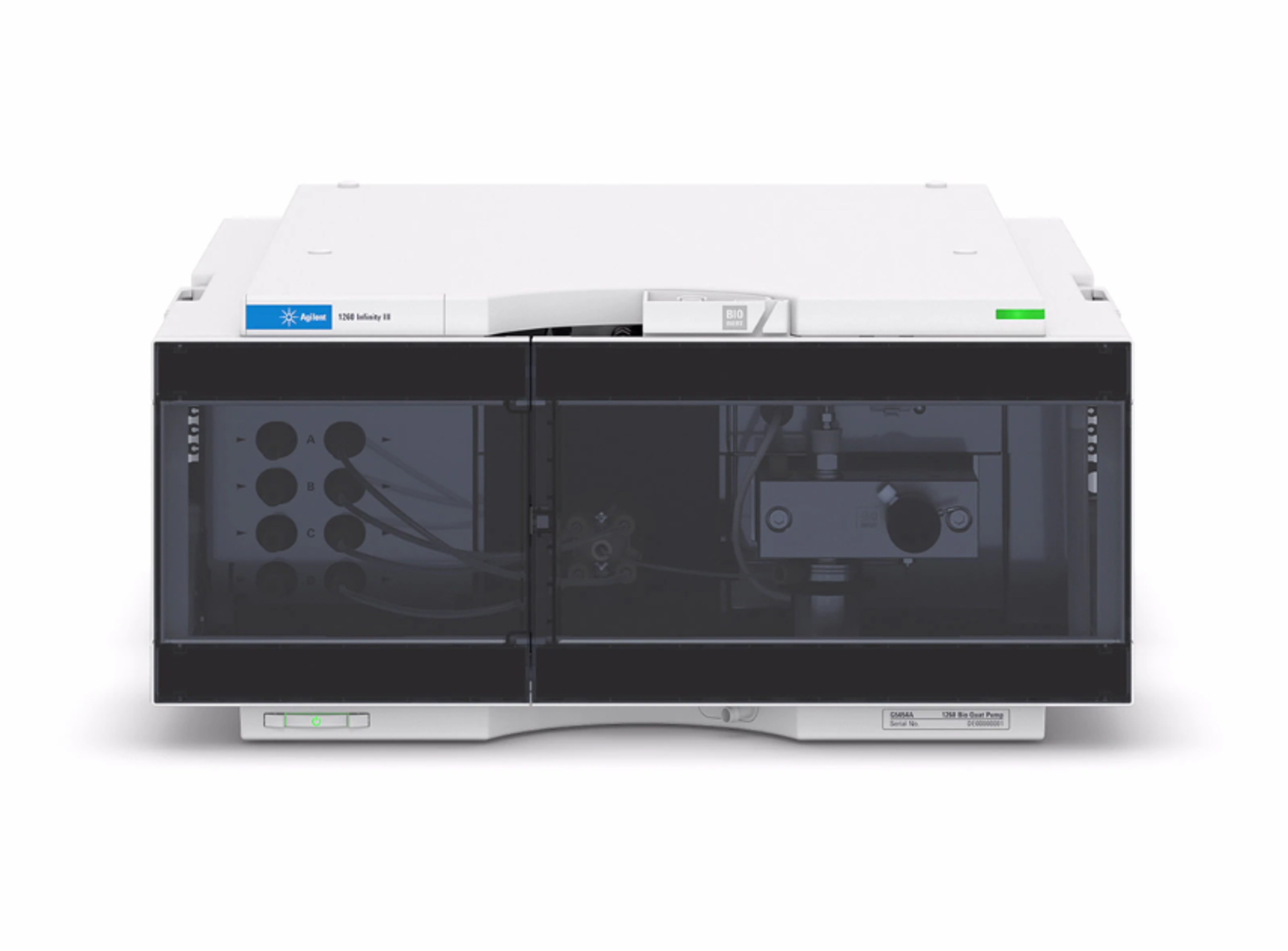
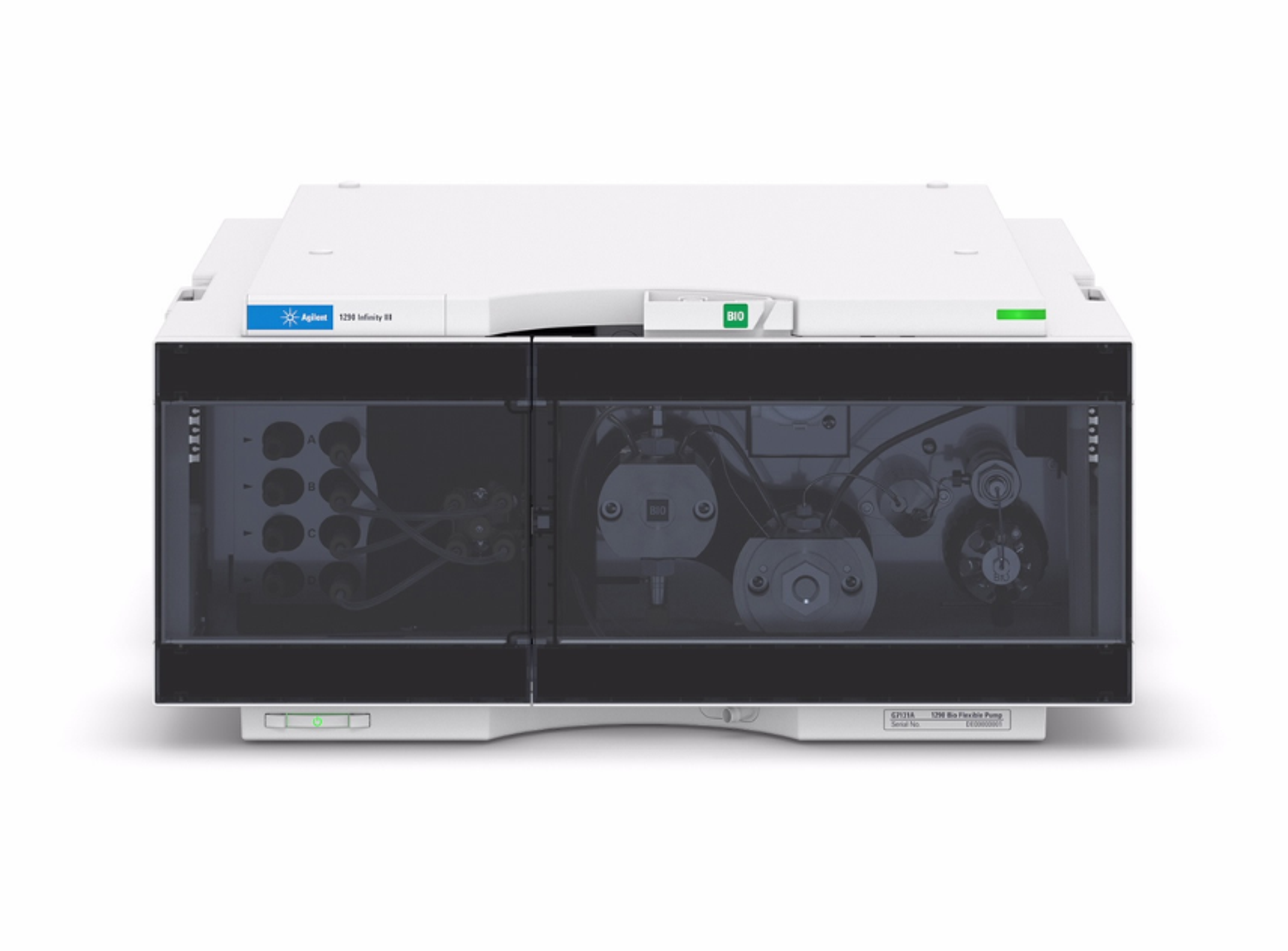
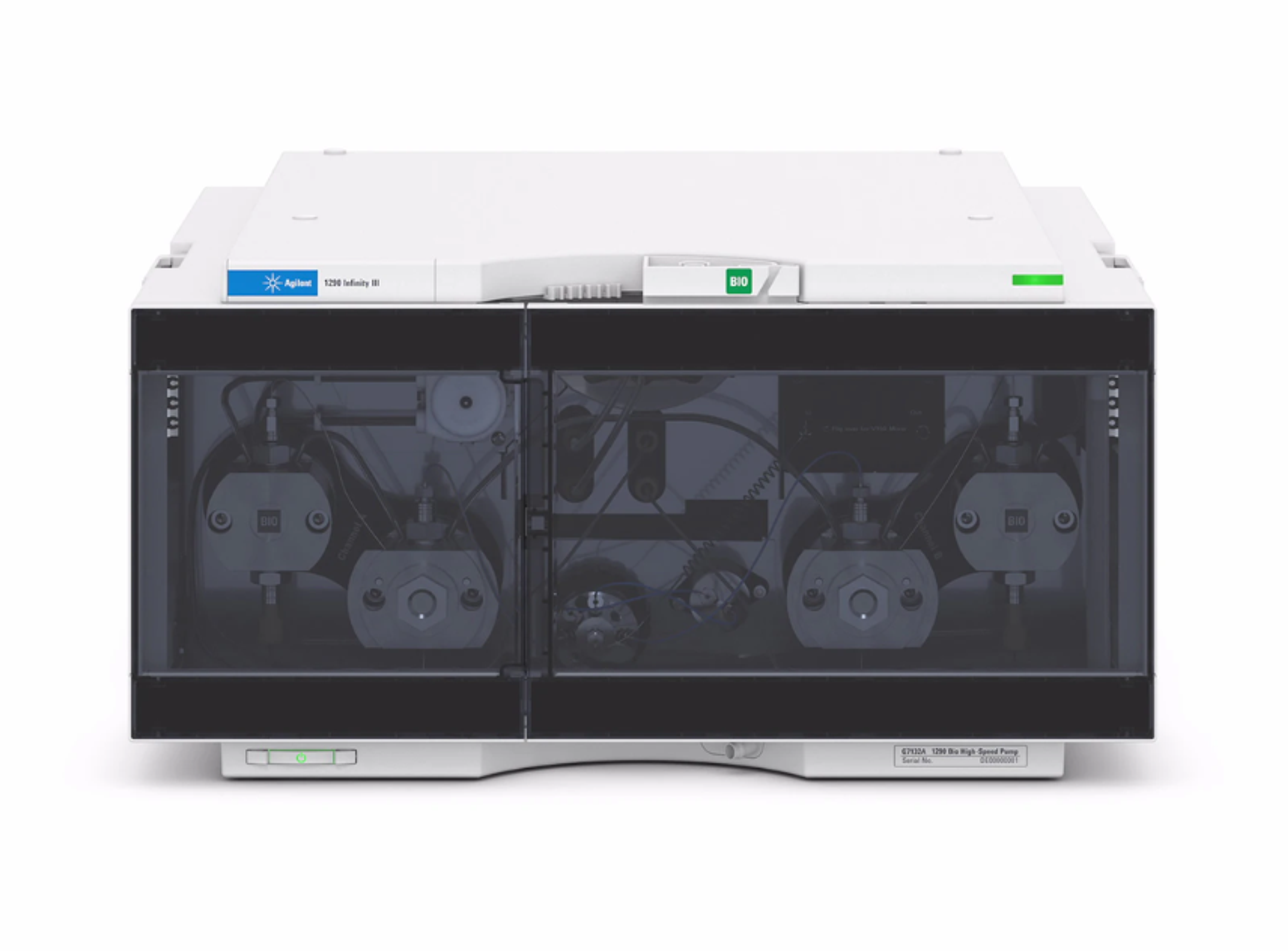
Agilent 1290 Infinity II LC System
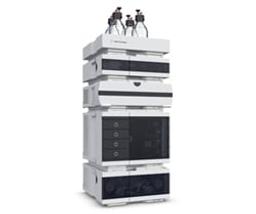
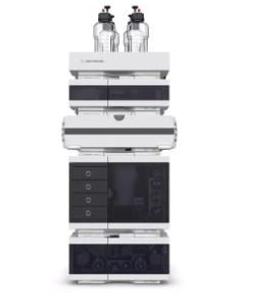
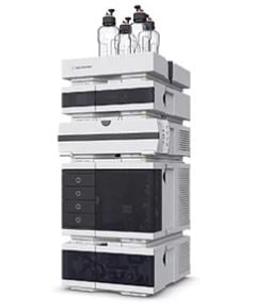
The 1290 Infinity II LC System is an ultra-high performance LC that has market-leading sample capacity and is designed for the lowest dispersion for the most challenging ultra-HPLC experiments. The 1290 Infinity II LC system is designed to be both a HPLC and high-end UHPLC system in a single flow path, giving you robust and excellent performance no matter what application you are running while seamlessly integrating into your…












Receive your quote directly from the manufacturer.
For analytical activities, it is excellent equipment and comes highly recommended.
Analysis of active pharmaceutical Ingredients (APIs).
High-performance equipment, very reliable and effective. It is simple to operate and designed for any analytical activities.
Review Date: 9 Feb 2023 | Agilent Technologies
Useful for analysis of multiple temperature sensitive material samples
Analysis of impurities
The equipment is easy to setup and use. Helps with analysis of multiple samples at one go without having an operator by it. The temperature control on the sample tray allows us to analyze temperature sensitive materials . Analysis is simple on the Chem station software too
Review Date: 15 Sept 2022 | Agilent Technologies
Overall good to use
Analyzing dyes in samples using LCMS
Currently using LCMS 1290 for analysing dyes in samples. Personally prefer 1290 over 1260 because less troubleshooting involved using 1290 and it’s ability to withstand higher pressure.
Review Date: 15 Sept 2022 | Agilent Technologies
Excellent Robustness and highest sensitivity
Pesticide Residues Analysis
Agilent LCMSMS 1290 with 6420 has excellent robustness and high sensitivity for analysis of multiple pesticides in multiple food and environmental matrixes. Its method acquisition and data analysis software are user-friendly. My Pesticide Residues Testing laboratory got acceptance z score in many proficiency schemes with this instrument. Excellent choice for covering LC amenable pesticides analysis for compliance with EU-MRL and CAC- MRL.
Review Date: 15 Jul 2022 | Agilent Technologies
An instrument without downtime
Bioanalytical Studies, Nitrosamine impurities and impurity profiling
The 1290 Infinity II LC system is a rugged system and has been efficiently working without downtime. I have been a user of this system for three years but it passes the calibration test and qualifications on first trial.
Review Date: 8 Jul 2022 | Agilent Technologies
Great Instruments for Analytical field
Analytical Development
All products are easy to handle and rugged. Engineer are well supportive at any time.
Review Date: 29 Apr 2022 | Agilent Technologies
Fantastic performance and after sales service.
Phenol degradation
As an Indian, Agilent is my 1st preference, because their service centre is in India. Within a week they are giving their service. I have personally used their HPLC and GC too. The results are very accurate.
Review Date: 29 Apr 2022 | Agilent Technologies
Good separation
Chemical analytical laboratory
HPLC produce good results which can easily be interpretated
Review Date: 24 Jan 2022 | Agilent Technologies
Great result
Quality control
It’s perfect for quality control, and easy to use. It is easy to transfer the method to other HPLCs.
Review Date: 15 Dec 2021 | Agilent Technologies
This instrument is the workhorse in our Laboratory. Highly recommend.
Sugar analysis
This instrument is a workhorse in our laboratory. It is easy to use, reliable and when issues arise the service technicians are knowledgeable and onsite in a timely manner. Downtime is minimal with this instrument,.
Review Date: 19 Nov 2021 | Agilent Technologies
The 1290 Infinity II LC System is an ultra-high performance LC that has market-leading sample capacity and is designed for the lowest dispersion for the most challenging ultra-HPLC experiments. The 1290 Infinity II LC system is designed to be both a HPLC and high-end UHPLC system in a single flow path, giving you robust and excellent performance no matter what application you are running while seamlessly integrating into your existing laboratory environment.
Features:
- More chromatographic resolution from specially designed components in the sample flow path to achieve the lowest system dispersion
- Higher peak capacity for challenging separations - switch easily between single dimension high-end UHPLC and the ultimate chromatographic power of 2D-LC
- Lower carryover for uncompromised data quality - multiwash capabilities of the Agilent 1290 Infinity II Multisampler reduce carryover to less than 10 ppm even for challenging compounds such as chlorohexidine
- Unique detection capabilities - combine lowest detection limits with an ultrawide dynamic range by using the new Agilent 1290 Infinity II HDR-DAD or 1290 Infinity II ELSD
- Faster injection cycles with dual-needle injection - for higher sample throughput
- Higher sample capacity per bench space - up to 6144 samples within the footprint of a standard Agilent stack
- Flexibility for all applications - through wide power, temperature, an automatically scalable injection range, and gradient options
- Seamless transfer of methods between LCs, regardless of the brand - facilitated by intelligent system emulation technology (ISET) delivering unchanged retention time and peak resolution
- Seamless integration in your chromatography data system - Agilent InfinityLab LC instrumentation runs smoother when controlled through third-party chromatography data systems such as Waters Empower or Thermo Scientific’s Chromeleon using the Agilent instrument control framework (ICF)
- Lower total cost of ownership - select from a variety of tools to achieve lowest cost-per-sample
Brochures
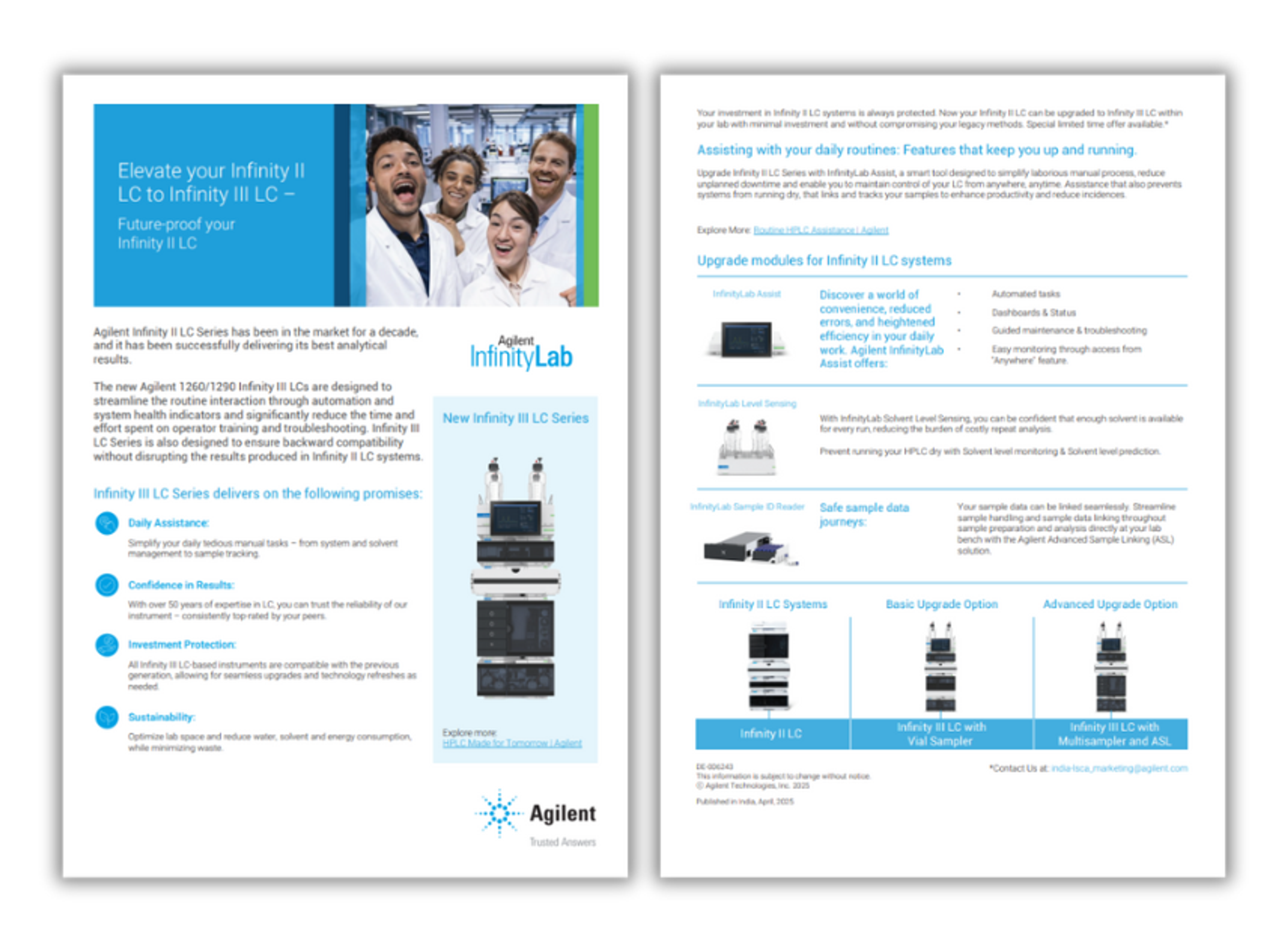
Elevate your Infinity II LC to Infinity III LC
The Agilent Infinity II LC Series has been a trusted solution for over a decade, consistently delivering reliable analytical results. Building on this proven foundation, the Agilent 1260/1290 Infinity III LC Series introduces enhanced automation, system health indicators, and guided assistance to simplify routine operations and significantly reduce operator training and troubleshooting time. Designed with full backward compatibility, the Infinity III LC Series enables seamless upgrades without compromising existing methods or results from Infinity II LC systems.
Download this resource to explore what’s new in the Agilent Infinity III LC Series and learn how you can future-proof your Infinity II LC investment with minimal disruption.

Per- and polyfluoroalkyl substances (PFAS) analysis
This product guide provides recommendations for Agilent products for PFAS analysis by regulatory method, so you can find what you’re looking for quickly. PFAS have been used in industry and consumer products since the 1940s and have been widely detected in drinking water, wastewater, ground and surface water, soil, and other complex matrices. Agilent offers complete end-to-end workflows for extraction, quantification and reporting of PFAS in the environment as detailed in this guide.
Agilent's commitment to sustainability
In this product brochure, discover Agilent's commitment to sustainability and learn more about its recent sponsorship of My Green Lab – a non-profit organization dedicated to improving the sustainability of scientific research.
Keep your CQA analysis biocompatible from start to finish
PEEK-lined columns and bio-inert supplies to complement the Agilent 1290 Infinity II Bio LC system
Intelligent reflex targeted reinjection workflow for pesticide screening in food matrices
Robust and reliable screening methods for pesticide analysis in food matrices are a continuous point of challenge with the growing number of matrix samples, varying detection limits, and a continuously expanding list of emerging contaminants. Data-independent acquisition (DIA) methods allow users to simultaneously screen for targets of interest while also evaluating valuable information on unknown compounds. Agilent Technologies demonstrates a DIA methodology for the screening of pesticides in a complex matrix with the Agilent Revident Q-TOF LC/MS. Plus, discover how intelligent reflex automated targeted reinjection has been used for the acquisition of compounds screened as present or questionable.
Quantitation of over 1,000 pesticide residues in tomato according to SANTE 11312/2021 guideline
Residues of pesticides remaining in or on commodities such as fruits, vegetables, or cereals can cause adverse health effects as well as environmental concerns. In Europe, pesticide testing laboratories adhere to the SANTE 11312/2021 guideline, which ensures a consistent approach for controlling maximum residue levels (MRLs) that are legally permitted in food or animal feed, and requires an elaborate analysis. Agilent highlights a workflow that will help streamline routine pesticide analysis, analyzing over 1,000 pesticide residues in tomato using a single QuEChERS extraction for sample preparation.
Guide to targeted quantification and screening of PFAS compounds in environmental matrices
From nonstick cookware to fire-fighting foam, per- and polyfluoroalkyl substances (PFAS) have been some of the most widely used chemicals in industry and manufacture for the past 70+ years. These human-made chemicals do not break down easily and thus are extremely pervasive in the environment and the body. In this application note, Agilent explores the basics of PFAS analysis and the regulatory framework for PFAS analysis. Both laboratories new to PFAS analysis and experts alike will learn best practices for PFAS analysis and how to future-proof their lab for this ever-evolving area of environmental analysis.
Simplified and fast analysis of per- and polyfluoroalkyl substances in non-potable waters
In this application note, Agilent describes a method for the separation and detection of 28 per- and polyfluoroalkyl substances (PFAS) in water samples. The method uses an Agilent 1290 Infinity II LC coupled to an Agilent 6470A triple quadrupole LC/MS system with Agilent MassHunter workstation software. All the PFASs included in the ASTM 7979 method are analyzed, and the same sample preparation protocol is used. Water samples of 5 mL are diluted with an equal volume of methanol and injected directly for a reporting limit of 10 parts per trillion (ppt, ng/L) or lower for most of the compounds.
A comprehensive workflow for PFAS analysis in wastewater with extended EPA draft method 1633 list
In this application note, Agilent addresses the challenge of detecting trace levels of per- and polyfluoroalkyl substances (PFAS) in wastewater due to their stability and bioaccumulation potential. Agilent presents a comprehensive workflow based on EPA draft Method 1633, involving solid-phase extraction (SPE) and clean-up steps, followed by LC-MS/MS analysis and automated reporting. This methodology provides a reliable and robust solution for targeted PFAS analysis in complex matrices, overcoming interference from environmental matrices and background contaminants.
FluoroMatch 3.0 – Automated PFAS non-targeted analysis and visualizations applied to mammalian biofluids
In this application note, Agilent highlights the growing concern over the persistence and toxicity of per- and polyfluorinated substances (PFAS). While most attention focuses on a limited number of PFAS, targeted analysis often covers only a fraction of the total compounds. Uncommonly measured or unknown PFAS are increasing due to manufacturing alternatives, necessitating non-targeted analysis. Agilent introduces FluoroMatch 3.0 to address this gap, presenting its new developments and application to dried blood spots, aiming to enhance PFAS measurement coverage and understand their implications on human health more comprehensively.
Evaluation of different ion-pairing reagents for LC-UV and LC-MS analysis of oligonucleotides
The effect of various ion pairing reagents (amines and acidic counterions) on the LC-UV and LC-MS analysis of oligonucleotides (ONs) has been studied. The type of amine and concentration of the counterion play a significant role in the retention and resolution of the ONs and strongly affect the MS data.
In this application note, Agilent Technologies demonstrates that there are numerous variables available for optimization of the analytical conditions for ONs. The analyses were carried out on an Agilent 1290 Infinity II LC System with UV detection by DAD and an Agilent 6530 LC/Q-TOF.
Glycan analysis application compendium
In this application compendium from Agilent, discover a range of glycan analysis solutions to optimize your workflows.
Targeted quantitation of legacy and emerging per- and polyfluoroalkyl substances (PFAS) in water
The presence of per- and polyfluoroalkyl substances (PFAS) in drinking water is of emerging concern globally due to their widespread usage, environmental persistence, and bio-accumulative tendency. This application note includes a comprehensive step-by-step workflow guide, ready to run acquisition and quantitation methods, and detailed ordering information to facilitate implementation of a new PFAS analysis workflow.
An improved workflow for profiling and quantitation of sialic acids in biotherapeutics
This application note describes the use of the Agilent AdvanceBio Sialic Acid profiling and quantitation kit to profile and perform absolute quantitation of sialic acids present in biotherapeutic glycoproteins as well as the NISTmAb.
Unravel the PFAS puzzle with comprehensive targeted & untargeted workflows
Per- and polyfluorinated substances (PFAS) are a group of human-made chemicals used in various industries, known for their persistence in the environment and potential health risks. In this webinar, Agilent discusses the use of both targeted and untargeted workflows, emphasizing a comprehensive approach to understanding PFAS. Experts share information on the latest techniques and technologies, enabling researchers and professionals to gain deeper insights into PFAS and address environmental and health concerns related to these substances.
The PFAS lab of the future
In this webinar, Agilent presents a glimpse into the future of PFAS labs, focusing on optimized workflows, enhanced efficiency, artificial intelligence, and increased throughput. Unlike traditional discussions about methods and regulations, this session explores a forward-looking lab environment. It delves into automated sample collection and preparation, employing smart, self-driving analytical instruments capable of automated maintenance feedback, minimizing manual data review through intuitive software. The future PFAS lab prioritizes user experience, compliance, and seamless data transfer, creating a streamlined and productive analytical space.
Sustainable solutions for life science research
In this video, Agilent Technologies emphasizes the importance of sustainability in life science research, and introduces its adjuvant chromatography instruments, which are built sustainably and designed to be resource efficient. Agilent Technologies has collaborated with My Green Lab to achieve excellent results with the ACT label (accountability, consistency, and transparency), a Global Green Accreditation.
Reliable targeted analysis solutions to fight food fraud
See how Chris Elliott, Professor of Food Safety and founder of the Institute for Global Food Security at Queen's University Belfast employs Agilent mass spectrometry to help reliably analyze food fraud.
Advances in Analytical Techniques Aid Environmental Engineering
Discover insights from environmental engineer Michael Thurman, from Colorado University.
Agilent Technologies' 2D-LC and IMS-QTof Instrumentation for High-Throughput, Non-Targeted Screening of Complex Samples
Find out how the separation power of Agilent’s 2D-LC solution, together with the ion mobility-capability of the Agilent 6560 Ion Mobility Q-TOF LC/MS, are ideal for the analysis of isobaric compounds, like those commonly found in Chinese medicine, and how the speed and ease of operation means several thousands of compounds can be analyzed in a single run, in one hour.
Fast Method Optimization and Simple Data Analysis using 2D-LC
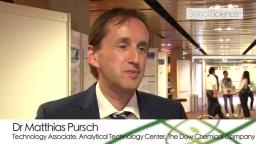
In this video, learn how Dr Matthias Pursch, of The Dow Chemical Company, uses Agilent's multi-heart-cutting 2D-LC and comprehensive 2D-LC solution for better resolution and quantitation, and the intuitive operation software for faster method development and higher throughput.
Top-rated lab products awarded new Seals of Quality
We reveal the latest products to earn these coveted awards based on exceptional reviewer feedback

HPLC: 5 top resources to maximize accurate data generation
From video interviews with top scientists to our interactive application guide, explore this collection of resources to help hone your technique for optimum results
‘Effective communication enables you to stand on other people's shoulders and see much further'
Gang Chen, lab manager at Simon Fraser University, reveals his contribution to tackling the pandemic and how communication is vital in science
Most loved by scientists: 5 top-rated lab products awarded new Seal of Quality
We reveal the cell counters, LC systems and particle size analyzer that have earned one of these coveted awards based on exceptional reviewer feedback

All you need to know about HPLC columns in under an hour
Don't miss upcoming masterclass on how to maximize the lifetime and performance of your LC columns

Agilent Technologies Introduces InfinityLab Liquid Chromatography Instruments, Columns and Supplies
Company showcases new 1260 Infinity II LC System

Agilent Technologies Introduces New Autosampler for 1290 Infinity II LC System
Module shortens injection cycles, enlarges sample capacity, lowers carryover