
Recent Advances in LC Systems
15 Dec 2014
Discover recent advances in liquid chromatography systems, such as an affordable high resolution orbitrap mass spectrometer, a next generation chromatography (NGC) system, and an LC-MS software for small molecule analysis.
Bio-Rad’s Newest NGC™ Chromatography Systems Automate Workflow
New Thermo Scientific Orbitrap-Based Mass Spectrometer Makes High-Resolution Accurate-Mass Analysis Widely Accessible
Faster Pesticide Analysis with Positive/Negative Switching LC-MS/MS Demonstrated by Bruker
Agilent Technologies’ Next-Generation UHPLC System Sets New Benchmark in Laboratory Efficiency
Waters Launches Progenesis QI Version 2.0 LC-MS Software for Small Molecule Data Analysis
i-series of Integrated HPLC and UHPLC Systems from Shimadzu Offer Innovation, Intuition and Intelligence
Related products
Request Quote for All Products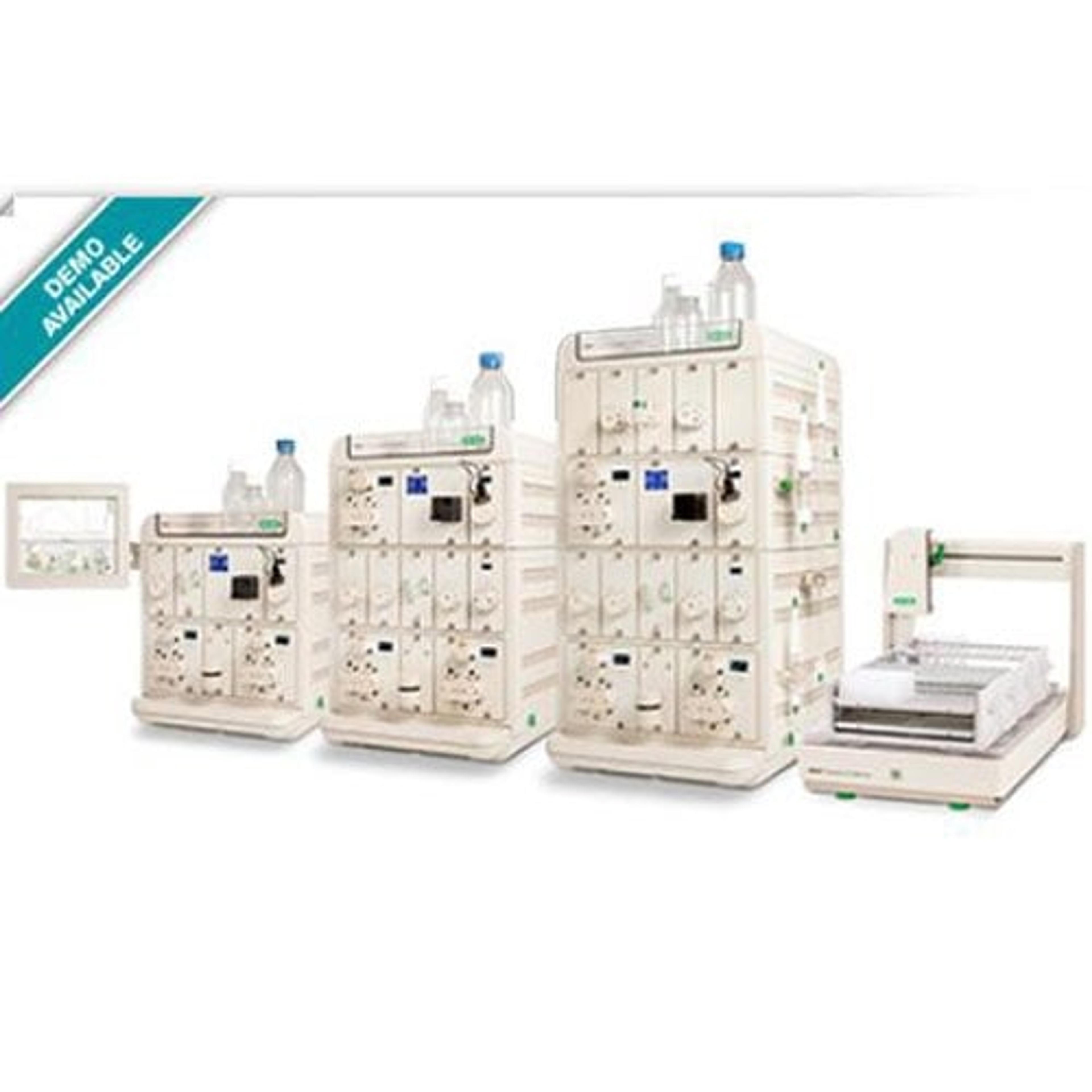
NGC 10 Medium-Pressure Chromatography Systems
Bio-RadPreconfigured NGC 10 Chromatography Systems meet a range of throughput and application needs. Each system can be easily upgraded. All configurations share a common software platform. For analytical and preparative chromatography.
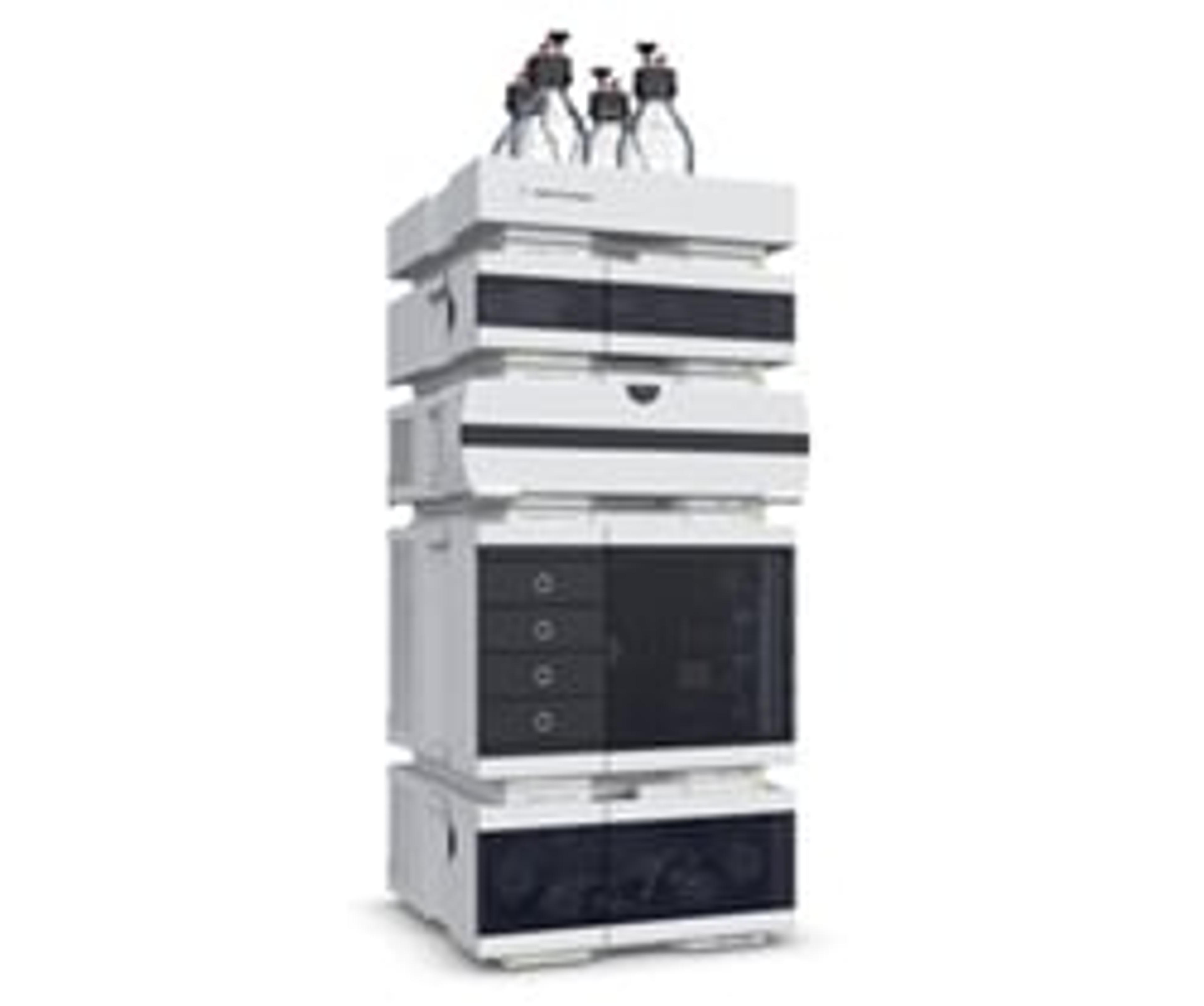
Agilent 1290 Infinity II LC System
Agilent TechnologiesThe 1290 Infinity II LC System is an ultra-high performance LC that has market-leading sample capacity and is designed for the lowest dispersion for the most challenging ultra-HPLC experiments. The 1290 Infinity II LC system is designed to be both a HPLC and high-end UHPLC system in a single flow path, giving you robust and excellent performance no matter what application you are running while seamlessly integrating into your existing laboratory environment.
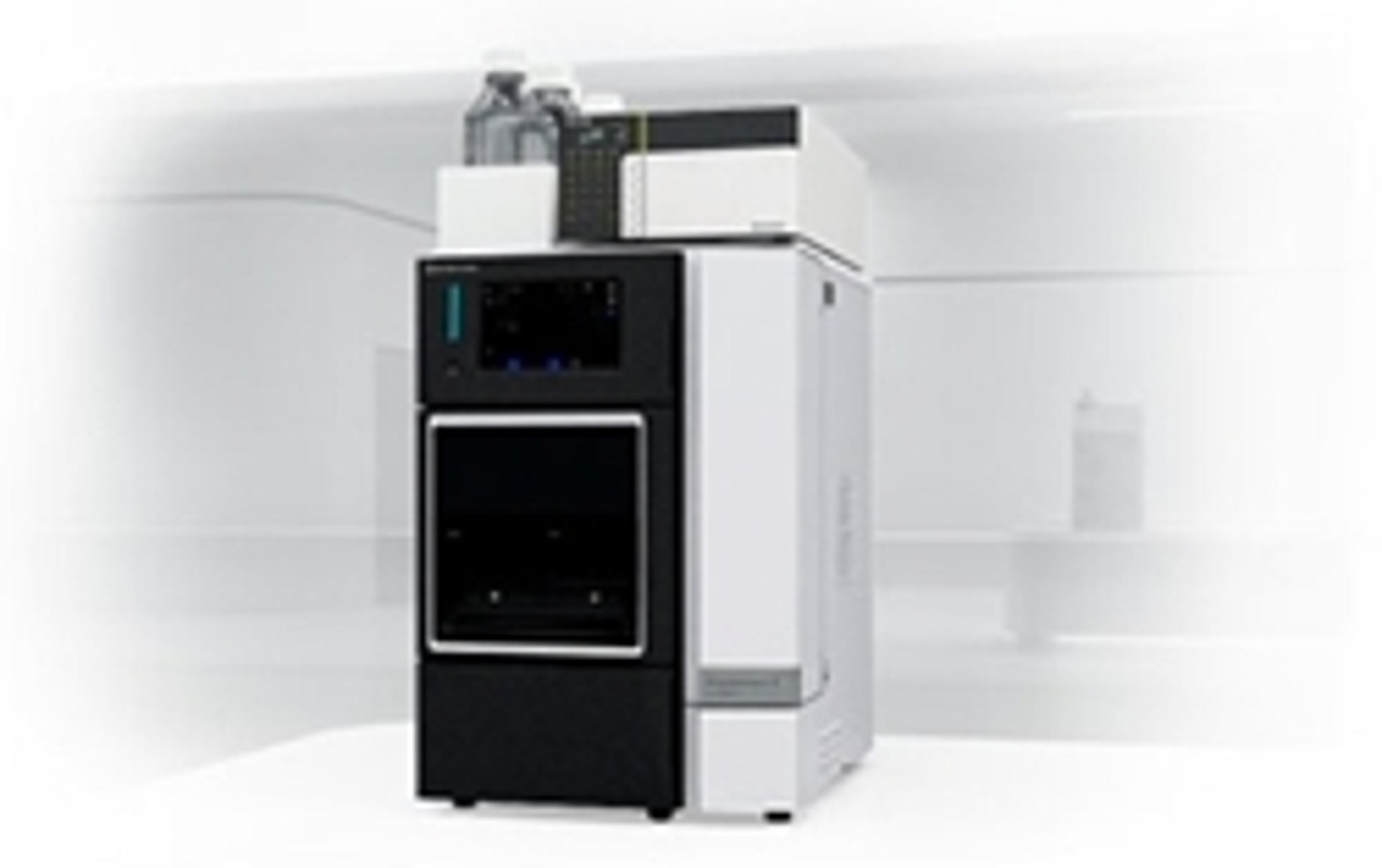
Prominence-i GPC System
World-class Small Multi Detection GPC System. A refractive index detector is generally used for GPC analysis of hydrophobic polymers. When trace-level additives that have UV absorption are contained in a polymer, both a UV detector and a photodiode array detector, which offers high-sensitivity detection, are used complementarily.By using the Prominence-i (PDA model), LabSolutions workstation, and LabSolutions GPC software (option), it is possible to simultaneously perform measurement of molecular weight distribution of a main component polymer using analysis results from the refractive index detector, and quantitative and qualitative analysis of trace-level additives using analysis results from the photodiode array detector.By incorporating a dual-temperature control function, which suppresses the effects of room temperature fluctuations, the RID-20A achieves excellent baseline stability and reproducibility. Moreover, the RID-20A significantly reduces stabilization time after being powered on. The stable baseline enables accurate analysis of molecular weight distribution. Shown below are a chromatogram and reproducibility of elution time results, over the course of five days, for an analysis of polystyrene containing additives.