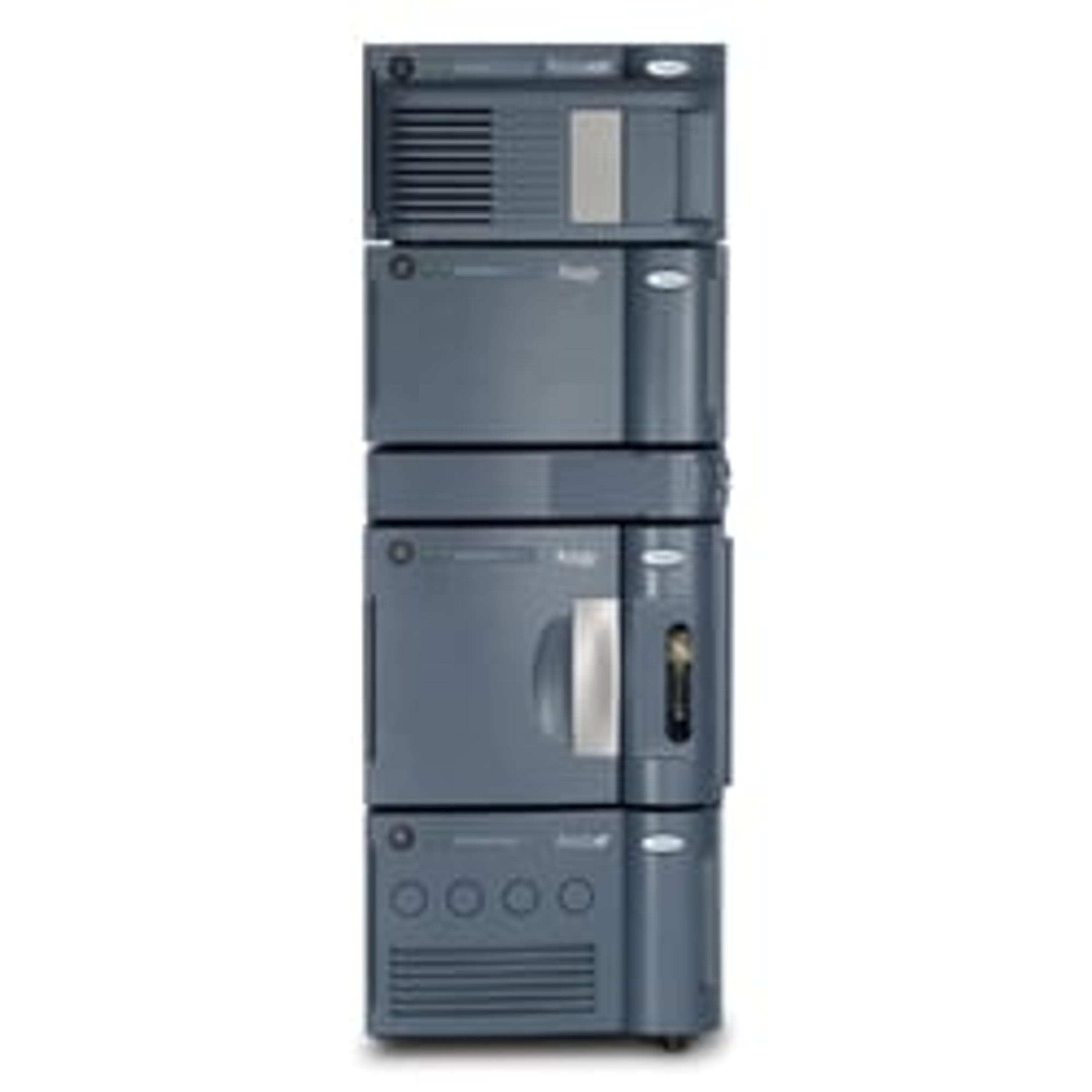
ACQUITY UPLC® I-Class PLUS System
The most powerful solution to the most critical need in separation science today.




The supplier does not provide quotations for this product through SelectScience. You can search for similar products in our Product Directory.
Useful and friendly laboratory companion.
Material and product analysis
Reliable, consistent and retrievable results with consistency and instrument durability.
Review Date: 14 Mar 2019 | Waters
Good system to use for biopharma applications
Pharma analysis for antibodies
Waters is overall a robust system for bio analysis
Review Date: 21 Jun 2017 | Waters
The most powerful solution to the most critical need in separation science today.
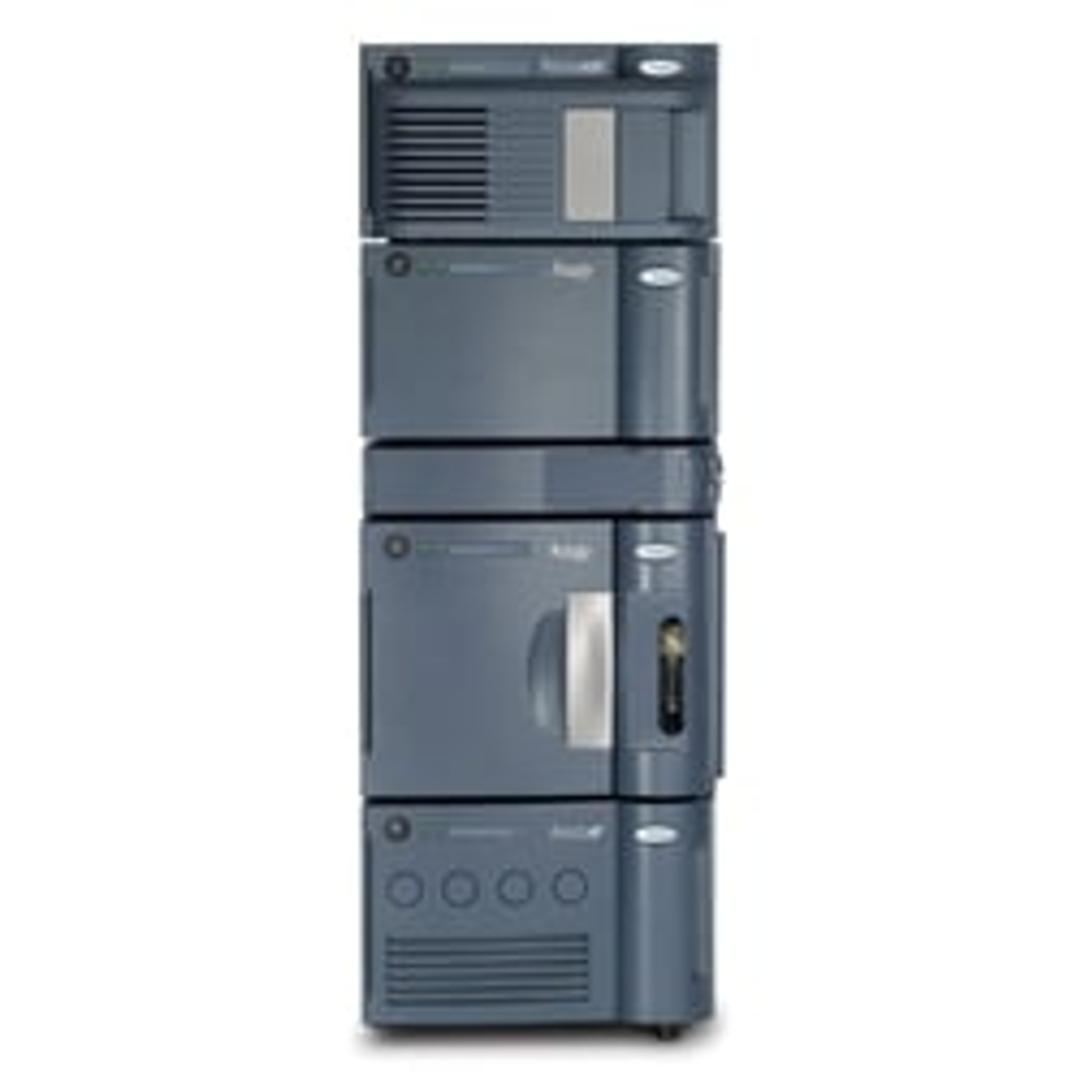
Successfully analyze compounds that are limited in amount or availability amid a complex matrix – more rapidly than ever before. The ACQUITY UPLC® I-Class PLUS System is designed specifically for the rapid pace of laboratories on the cutting edge of research, and provides the most powerful solution to the most critical need in separation science today. Developed to produce the most accurate and reproducible separations, you will get the most information possible and accelerate your laboratory results. The high pressure (18,000k psi-capable) ACQUITY UPLC I-Class PLUS System has been purposefully engineered for the lowest dispersion, and with an extended pressure/flow envelope, complex separations can be accelerated without compromising chromatographic fidelity. It also provides the lowest carryover, complementing MS sensitivity and extending MS linear dynamic range. Whether your work involves therapeutics or combinations of medicines and dosing levels, as in high potency medications or biotherapeutics, or your lab focuses on areas in trace analyses such as food safety, the ACQUITY UPLC I-Class PLUS System will enable you to solve your most complex challenges.
ACQUITY UPLC I-Class PLUS System Features:
- Maximizes peak capacity to enhance MS sensitivity
- Provides the lowest carryover, complementing MS sensitivity and extending MS linear dynamic range
- Has been purposefully engineered for the lowest dispersion; with an extended pressure/flow envelope, complex separations can be accelerated without compromising chromatographic fidelity
- Decreased dispersion for the highest resolution
- Rapid injection cycles and sample throughput
- Dramatically reduced carryover
Brochures
The ACQUITY UPLC I-Class PLUS from Waters
In this brochure note, Waters introduces the ACQUITY UPLC I-Class PLUS which promises maximum resolution and high sensitivity.
Lipid nanoparticle compositional analysis using Charged Surface Hybrid Phenyl-Hexyl separation with evaporative light scattering detection
This application note demonstrates the advantage of a lower hydrophobicity stationary phase that bears a charged surface potential, namely the CSH Phenyl-Hexyl stationary phase from Waters Corporation.
The making of a modern biopharmaceutical
In this white paper, Waters Corporation discusses the future trends in the biopharmaceutical industry including multi attribute monitoring (MAM), biophysical analysis as a complement to analytical characterization, and the rise of mass detection as a foundational technology.
An automated, compliance-ready LC-MS workflow for intact mass confirmation and purity analysis of oligonucleotides
Oligonucleotide therapeutics have emerged in recent years as a powerful alternative to small molecule and protein therapeutics. Manufacturing and quality control of oligonucleotide therapeutics requires highly selective and sensitive LC-MS methods. The method often used for mass spectrometry-based oligonucleotide analysis has been reversed-phase chromatography employing a variety of ion-pairing reagents and modifiers in negative ESI-MS mode. Integrated LC-MS workflows for oligonucleotide analysis have been recently implemented on quadrupole and QTof LC-MS platforms.
How to achieve the lowest carryover across different injection platforms
In this application note, Waters discusses using the ACQUITY UPLC I-Class system for highly sensitive MS methods, without compromising on important factors such as sample throughput.
Comparison of Binary Ultra High Performance Liquid Chromatography Systems
In this application note, Waters Corporation evaluates the performance of three high-pressure binary liquid chromatography (LC) systems using a generic peptide mapping method. This evaluation highlights the reproducibility of the ACQUITY UPLC I-Class PLUS System compared to methods from other vendors that utilize long, shallow gradients.
A comparison of Extraction Techniques in Bioanalysis and Forensic Toxicology Analyses
In this application note, a comparison was performed between Oasis PRiME HLB SPE, SLE and LLE in both plasma and urine matrices for bioanalysis and forensic toxicology. In plasma, 22 comonly analyzed pharmaceuticals, steroids, and drugs of abuse were extracted using the three aforementioned methods and the results were compared. In urine, 23 drugs of abuse representing opioids, stimulants, benzodiazepines, and synthetic cannabinoid metabolites were tested for forensic toxicology analysis.
The Analysis of Cyanotoxins in Drinking and Surface Waters by Liquid Chromatography-Tandem Quadruple Mass Spectrometry
Cyanobacteria produce secondary metabolites, some of which are toxic to higher order organisms, such as microcystins. Microcystins are highly soluble compounds that can induce severe hepatotoxicity; the risk to human health is a concern. This application note describes a method for the analysis of drinking and surface waters for 10 well known cyanotoxins - using liquid chromatography tandem mass spectrometry.
Determination of Beta Agonists in Animal Tissue and Urine
Beta-adrenergic receptor agonists are synthetic compounds that mimic some of the effects of naturally-occuring compounds by binding to beta-receptors on the surface of cells within the muscle, fat, and other tissues of animals. Some beta-agonists are used in human medicine for the treatment of conditions such as asthma, but they have also been used in livestock production to enhance growth and alter body composition.
Waters Clinical LC-MS/MS Systems: Analytical Capabilities
Explore the analytical capabilities of Waters LC-MS/MS technology for analytes commonly used in the areas of endocrinology and therapeutic drug monitoring (TDM) work in the clinical laboratory.
Why Choose the Acquity UPLC Plus Series: An Infographic
Since its introduction in 2004, each addition to the Acquity family has continuously pushed forward to enable you to find faster, simpler and better ways to support the work that you do.
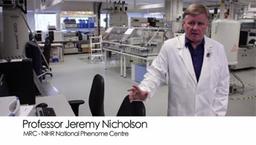
The Imperial International Phenome Training Centre
Watch this video to learn about The Imperial International Phenome Centre (IIPTC), which is part of the MRC-NIHR Phenome Centre. The Imperial IIPTC offers training in the techniques of both liquid-chromatography mass spectrometry (LC-MS) and nuclear magnetic resonance (NMR) spectroscopy in the field of metabonomics, metabolomics and metabolic profiling. The basics of LC-MS and NMR are covered, along with data analysis of large sample sets using statistical techniques such as PCA and O2-PLS.
Forensic Toxicology Screening Application with UNIFI
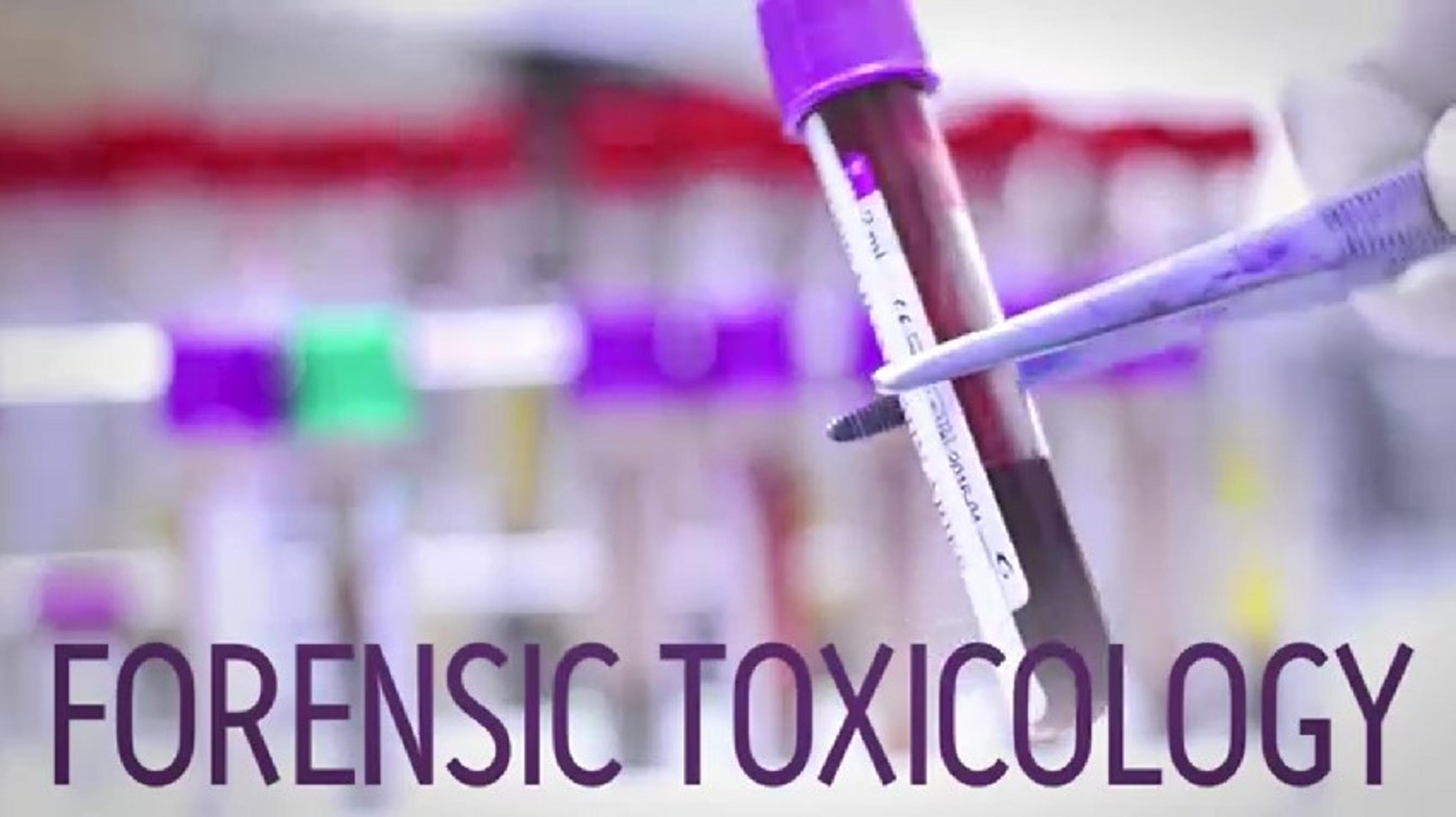
In this video the ACQUITY UPLC I-Class, Xevo G2-XS QTof and UNIFI Scientific Information System brings the power and versatility of high resolution mass spectrometry to the routine forensic toxicology laboratory.
Integrating LC-MS into the Clinical Laboratory
As a leading clinical LC-MS/MS solutions partner, Waters is a trusted provider of in vitro diagnostic medical devices, consumables, informatics, and support services for high performance LC-MS/MS systems. Learn how and why University Hospital of South Manchester has introduced Waters LC-MS/MS IVD instrumentation into their busy clinical laboratory.
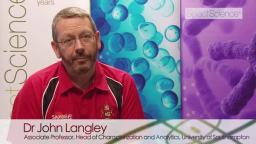
Discover a Cutting-Edge Open Access Mass Spectrometry Core Facility
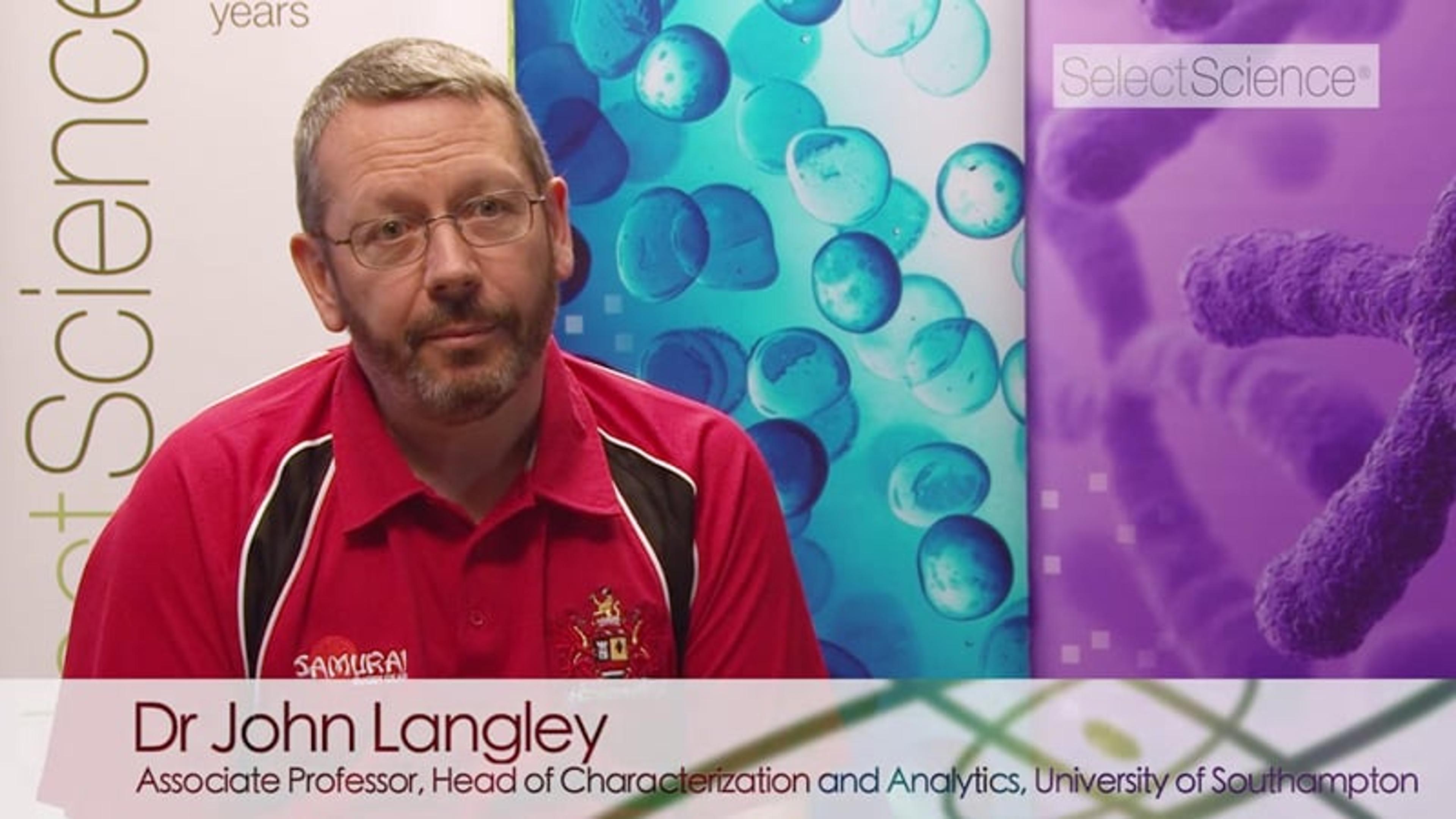
At ASMS 2015, Dr John Langley, Associate Professor in Mass Spectrometry at the University of Southampton, discussed how he keeps his lab at the cutting edge of separation science, with help from the ACQUITY UHPLC and UPC2 systems from Waters. In this video, he explains why he made the change from HPLC to UHPLC and how Open Access analysis has revolutionized his research.
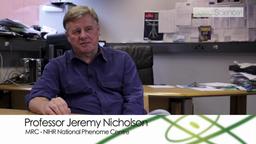
Mass Spec and NMR Aid Advancement in Personalized Medicine
Personalized medicine is all about delivering the correct treatment for the right individual based on their genes and environment. Find out how the use of mass spectrometry and NMR spectroscopy enables an overview of hundreds of thousands of metabolites in a single analytical run covering a large number of physiological and metabolic processes.
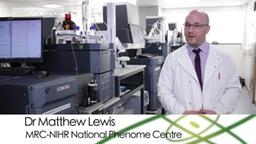
Metabonomics: Understanding Human Metabolism
Dr Matthew Lewis describes how the MRC-NIHR Phenome Centre investigates what makes people metabolically different. By analyzing large cohorts of patients and performing epidemiological studies, an insight into the understanding of human metabolism can be achieved. NMR and UPLC mass spectrometry are used with a combination of different chromatography methods to gain accurate analysis of small molecules in human samples.
ACQUITY UPLC® I-Class System
Watch this video to see how the ACQUITY UPLC® I-Class System provides the most powerful solution to the most critical need in separation science today. Discover how the ACQUITY UPLC® I-Class System can successfully analyse compounds that are limited in amount or availability amid a complex matrix, more rapidly than ever before.
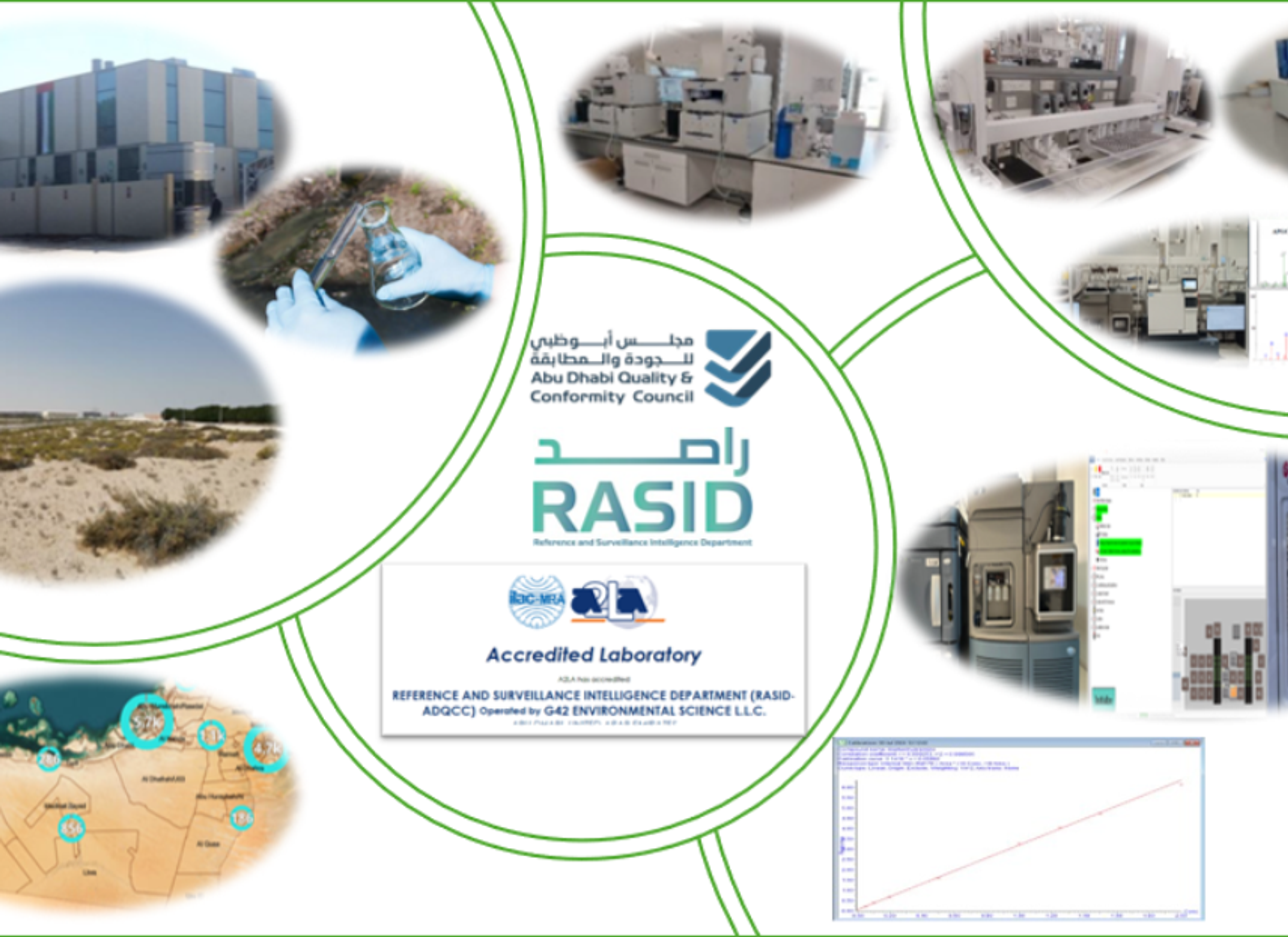
RASID lab sets new standard for wastewater-based health surveillance
Scientists from Abu Dhabi’s RASID lab provide an insider’s look at the high-throughput wastewater analysis facility
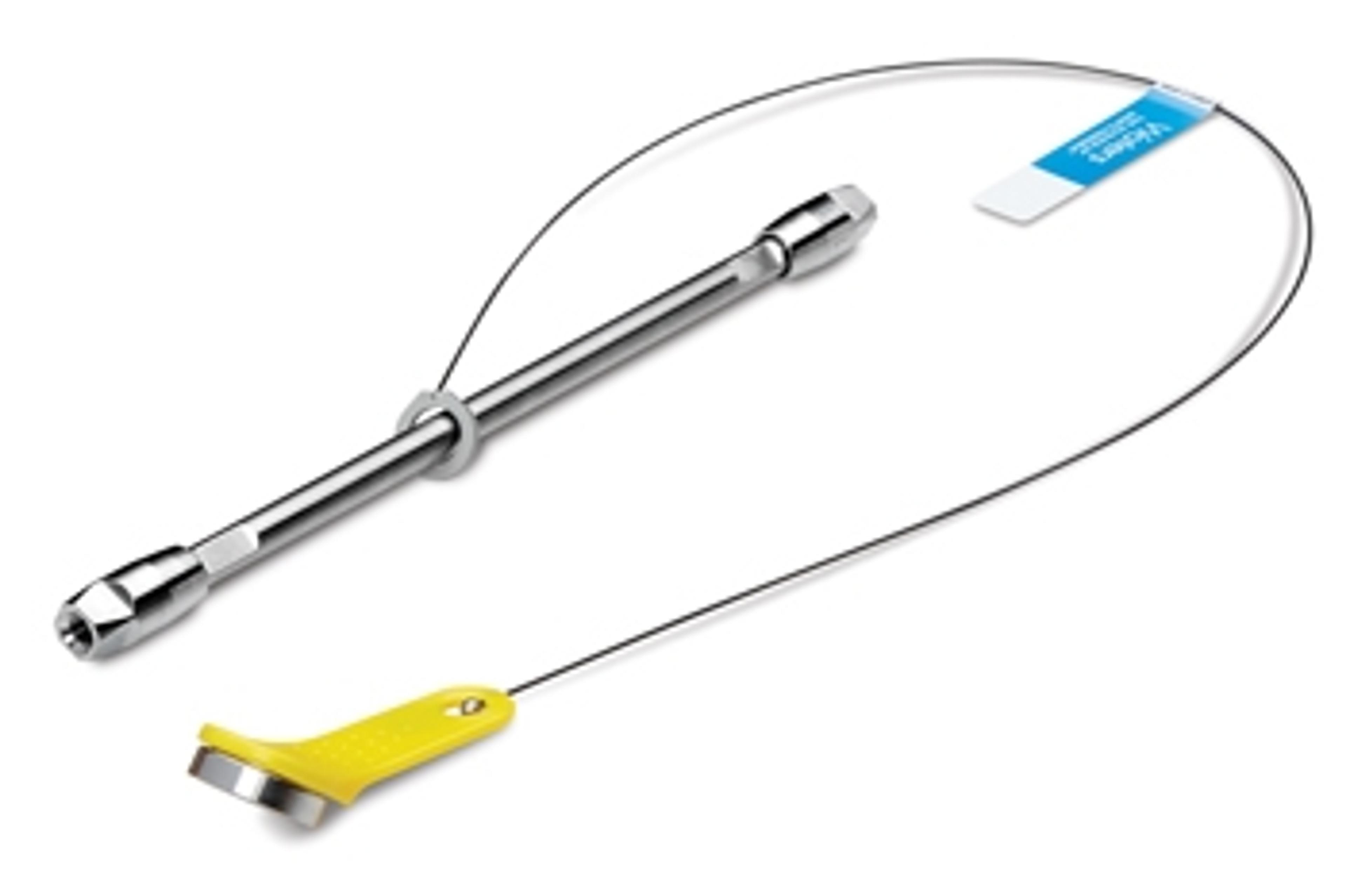
Take control over your chromatographic separations: It’s your loss
Discover how to minimize the loss of metal-sensitive analytes and achieve fast analysis and high recovery of oligonucleotides

The ‘One Stop Shot’ method: The key to combating drug-related crime?
Kristen Burke from the California Department of Justice explains her department's cutting-edge LC/MS method for optimized analysis of routinely encountered drugs of abuse
Biomarker discovery for lysosomal storage disorders using a metabolomic approach: Your questions answered
Watch this on-demand webinar to learn how to perform untargeted/semi-targeted metabolomic studies to discover novel biomarkers by mass spectrometry
How to choose the best LC autosampler design for your application needs – on demand webinar
Experts Dr. Paula Hong and Jennifer Simeone review how each autosampler aliquots and delivers the sample and discuss their differences
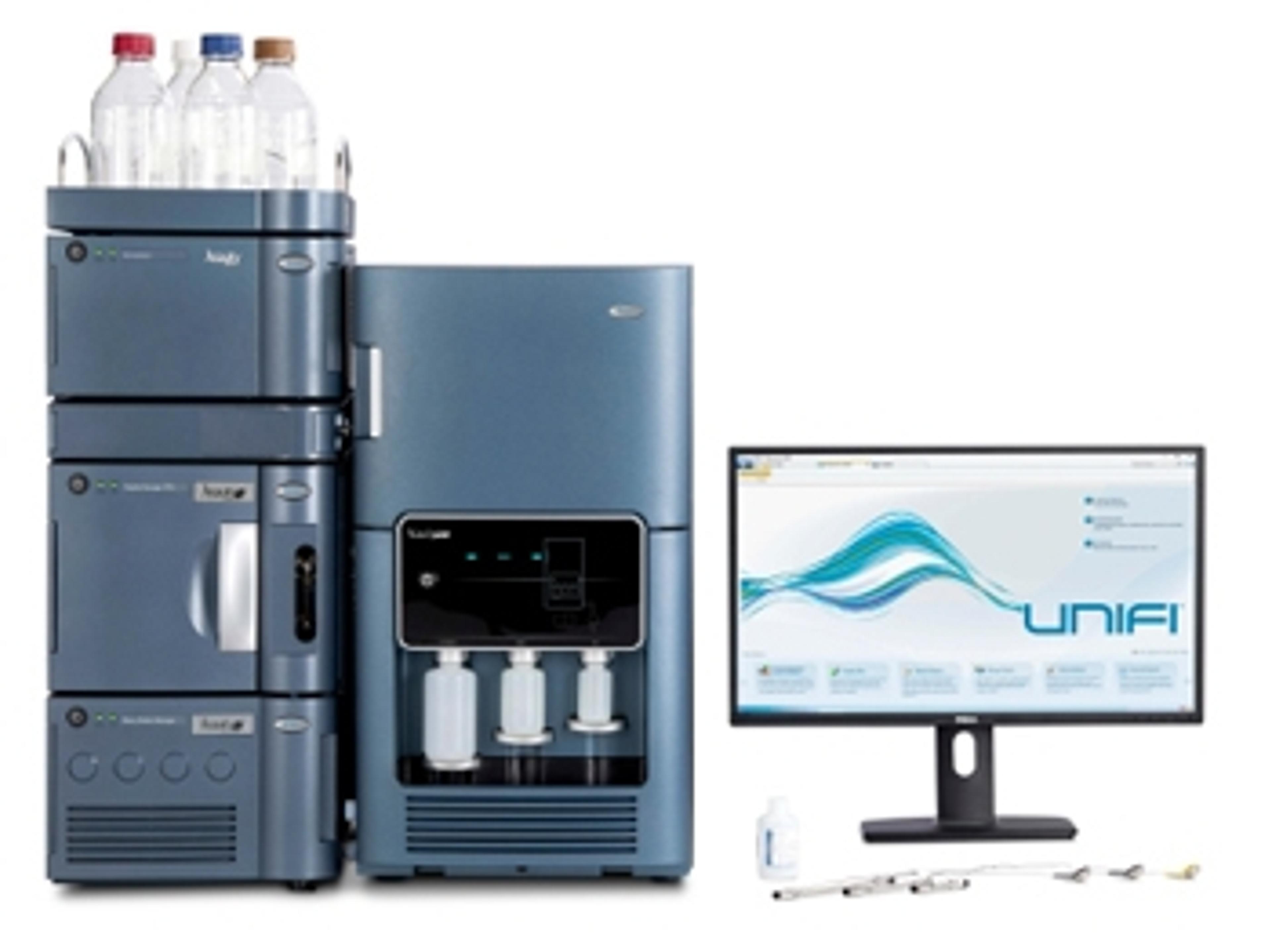
Waters Expands Accessibility to High Resolution MS Data with the First SmartMS-Enabled LC-MS Biopharma System
As the number of analytical monitoring tests for biopharmaceuticals skyrockets, Waters builds intelligence into a fit-for-purpose system
Catching Cancer Early – Advanced Analysis of Key Biomarkers in Urine
Learn how a lab in the US is using enhanced chromatography and spectrometry techniques to analyze cellular metabolites in urine linked with future cancer risks
Webinar Highlights: Life Cycle Management of Chromatographic Methods for Biopharmaceuticals
Read the highlights from our recent webinar on chromatography for biopharma
GO GREEN: Reduce Solvent Consumption and Increase Productivity
How the Acquity UPLC system can save you time, money and solvent consumption