xMAP® Technology
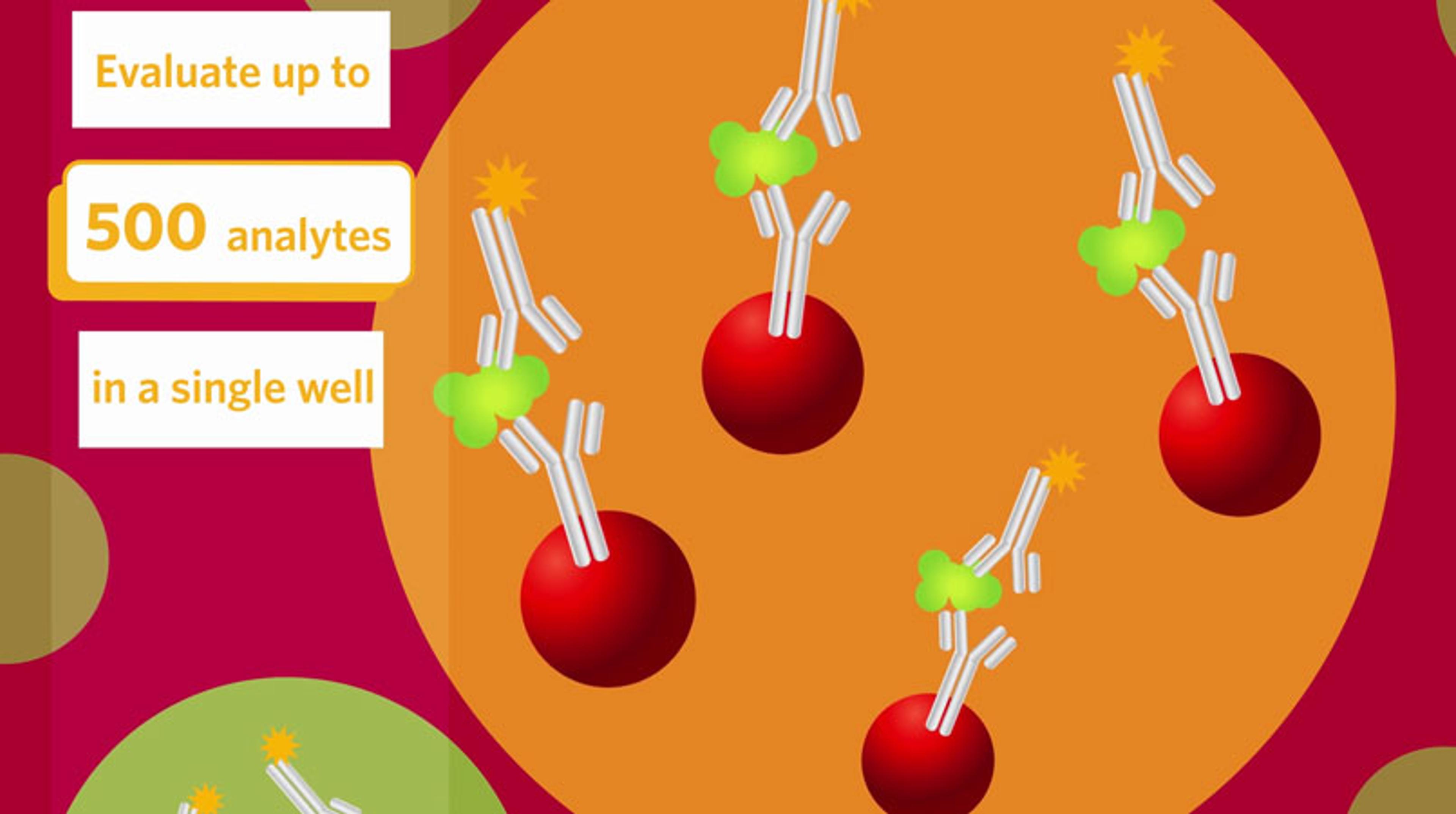
Bead-based multiplexing of up to 500 analytes per sample.
















The supplier does not provide quotations for this product through SelectScience. You can search for similar products in our Product Directory.
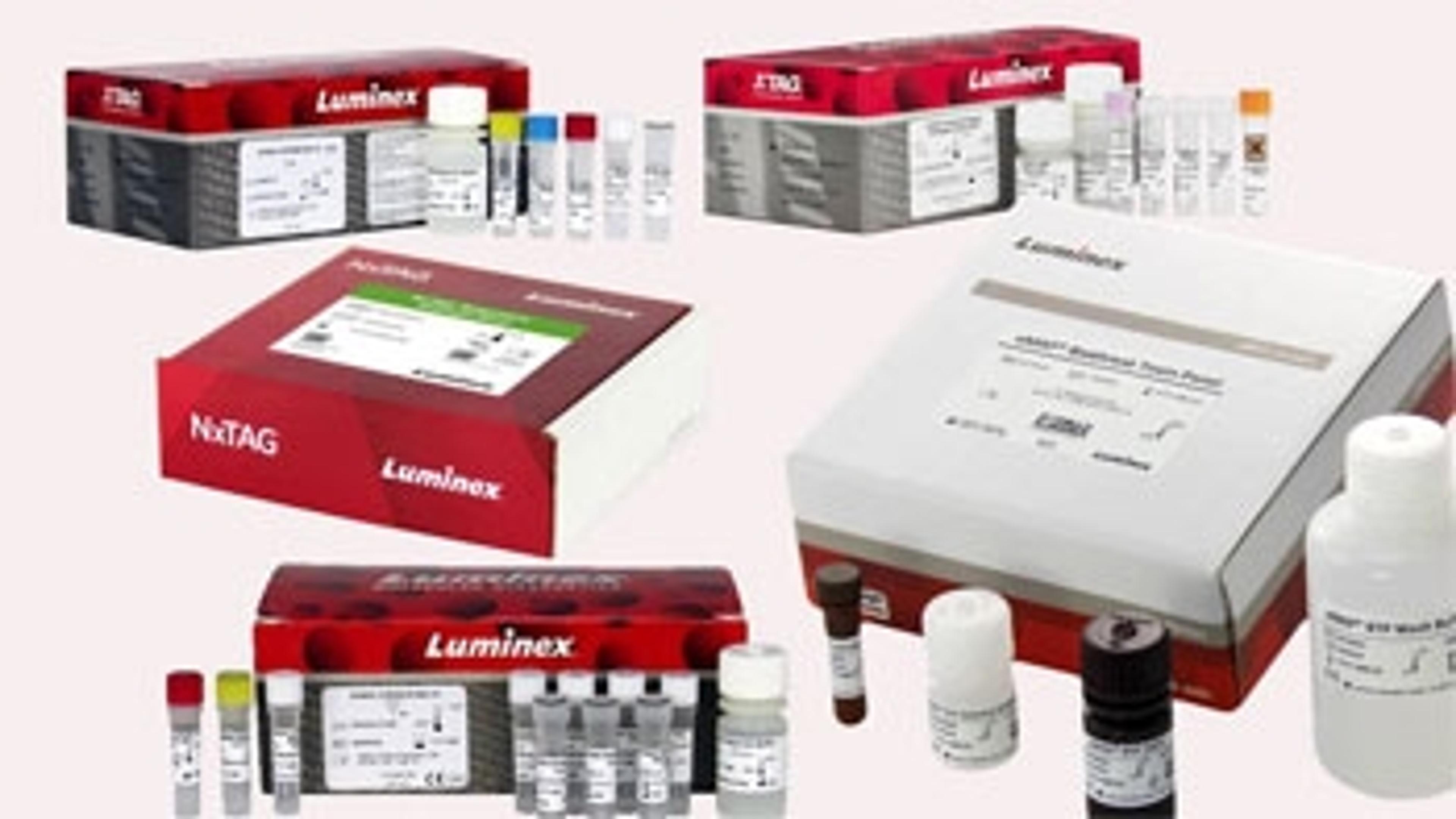
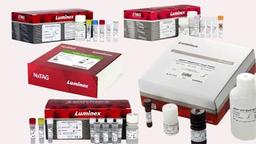
Luminex’s xMAP® Technology combines advanced fluidics, optics, and digital signal processing with proprietary microsphere technology to deliver multiplexed assay capabilities. Featuring a flexible, open-architecture design, xMAP Technology can be configured to perform a wide variety of protein or nucleic acid assays quickly, cost-effectively and accurately.
Open-architecture xMAP Technology enables multiplexing of biological tests (assays), reducing time, labor, and costs over traditional methods such as ELISA, western blotting, PCR, and traditional arrays. Systems using xMAP Technology perform discrete assays on the surface of color coded beads known as microspheres, which are then read in a compact analyzer. Using multiple lasers or LEDs and high-speed digital-signal processors, the analyzer reads multiplex assay results by reporting the reactions occurring on each individual microsphere.
Features & Benefits:
- Multiplexing reduces costs and labor
- Generates more data with less sample
- Delivers faster, more reproducible results than solid, planar arrays
- Focused, flexible multiplexing of one to 500 analytes meets the needs of a wide variety of applications — protein expression profiling, focused gene expression profiling, autoimmune disease, genetic disease, molecular infectious disease, and HLA testing
- Open architecture platform allows leading partner companies to provide compatible kits and software for the xMAP Technology platform

xMAP® Cookbook
Since biological assays are typically coupled to a colorimetric readout, the notion of ‘multiplexing’, or reading multiple test results in a single sample volume has been complicated primarily by spectral overlap. Color from one assay detection channel interferes with color in other detection channels. This limitation has made such multi-color assays useful only to a few analytes per sample. Download this application note to find a variety of methods and protocols for multiplex assays using xMAP® Technology.
The Development of HPV Vaccines and the Contributions of Luminex xMAP® Technology
The 4vHPV and 9vHPV vaccines provide additional protection against types of HPV responsible for other diseases, including genital warts along with vulvar, vaginal, and anal cancers. xMAP multiplexing technology, especially the cLIA and total IgG LIA assays, has facilitated the development and clinical testing of these vaccines in a high-throughput and robust manner. Download this white paper to find out the true power of xMAP technology.
xMAP technology: A benchmark for serological testing
In this white paper, Luminex outlines the applications and benefits of its xMAP technology for serological analysis. Multiplex serological testing can be particularly useful in a pandemic, as it can simultaneously analyze large numbers of antigens for large-scale screening and has the potential to replace traditional ELISA assays. Here, it is demonstrated that xMAP technology has become an established benchmark for running these multiplex serology tests.
Multiplex Methods to Examine Epigentic Modifications
This whitepaper explains how multiplex methods deep bisulfite sequencing and bisulfite PCR-Luminex can be used for DNA methylation analysis in research examining epigenetic modification.
Flexible Respiratory Pathogen Testing
Until recently, none of the commercially available multiplex molecular tests could provide the flexibility to satisfy clinicians' desire for both targeted and broad respiratory pathogen testing in a cost-effective manner for the lab and patient. The VERIEGENE® Respiratory Pathogens Flex Test (RP Flex) is the first commercial test that allows the user to choose any combination of 16 viral and bacterial targets for an individual sample at the time of test ordering, based on the clinician and patient’s needs. The purpose of this white paper is to deliver an overview of the advantages of using VERIEGENE® for your diagnostic needs.
xTAG Gastrointestinal Pathogen Panel for State-of-the-Art Molecular GI Testing
Timely and accurate identification of suspected pathogens in stool specimens from gastroenteritis patients can be challenging due to the similar clinical signs and symptoms in many diarrheal diseases. In this white paper, Luminex describes the use of the xTAG® Gastrointestinal Pathogen Panel (GPP) to accurately identify pathogen species involved in diarrheal and gastrointestinal infections.

Empowering multiplexing innovations and assay development through supportive partnerships
In this video, Luminex describes how it is working with Wageningen University to help the center explore the potential of nature to improve the quality of life.

Best in Digital Marketing: Luminex parody video wins award
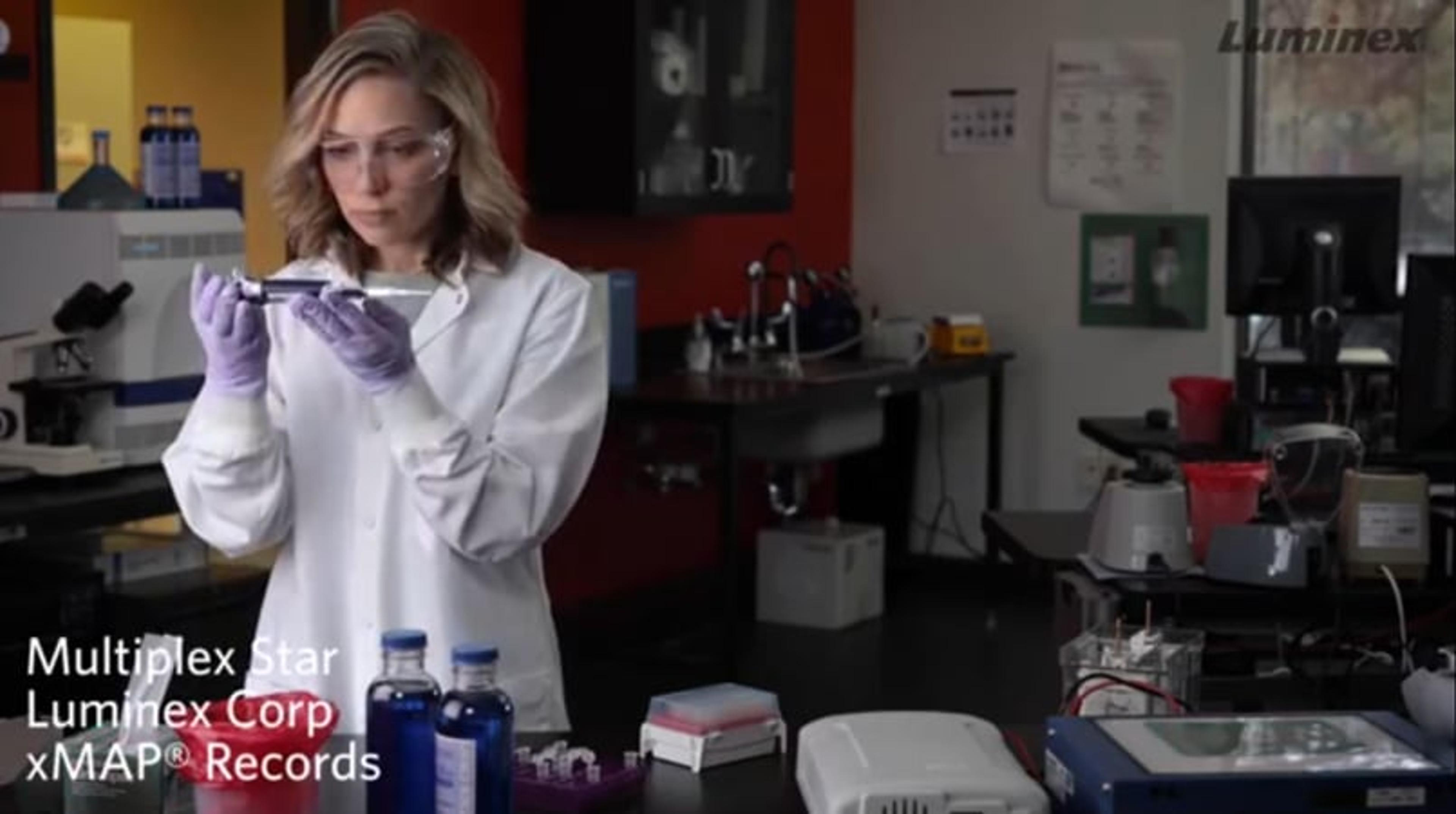
Luminex Corporation was awarded with a SelectScience Digital Marketing Award for its social media parody video, Multiplex Star. Here, Hilary Graham, Ph.D., virtually accepts the award for Best Viral Branded Video.

DigiWest: The high-throughput immunoassay
In this video, discover DigiWest, a high-throughput immunoassay that can analyse up to 800 proteins. DigiWest combines xMAP® multiplexing technology from Luminex with classic Western Blot procedure for high-content protein profiling.
Multiplex Star by Luminex (Parody)
Luminex’s xMAP® Technology combines advanced fluidics, optics, and digital signal processing with proprietary microsphere technology to deliver multiplexed assay capabilities. Featuring a flexible, open-architecture design, xMAP Technology can be configured to perform a wide variety of protein or nucleic acid assays quickly, cost-effectively and accurately.
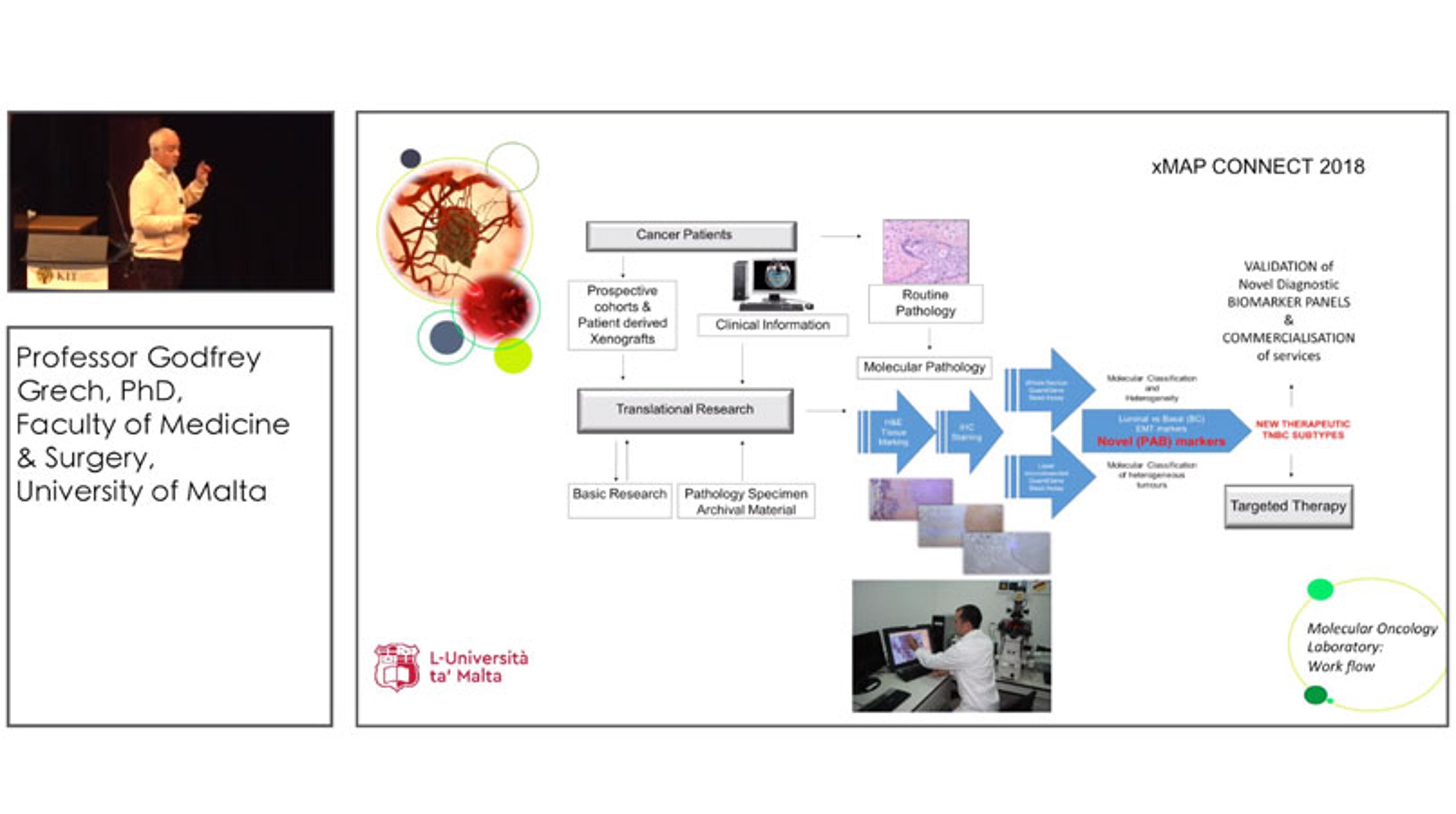
Understanding Cancer-Related Amplifications with Bead-Based RNA Assays
In this video, Professor Godfrey Grech, of the University of Malta, presents data on how multiplex bead-based RNA assays have enabled his team to identify key cancer-driving amplifications in triple negative breast cancer and develop novel therapeutic compounds.
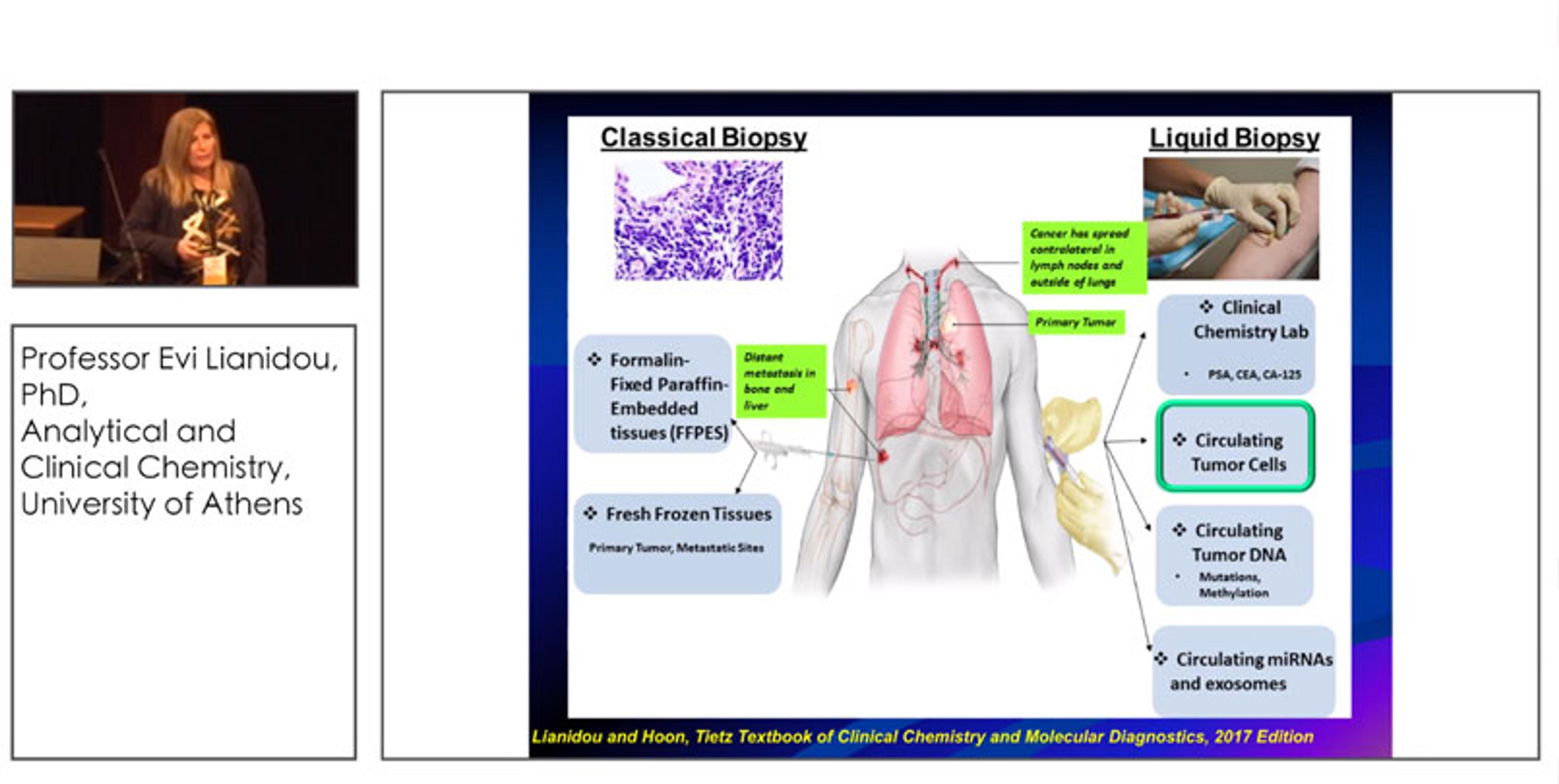
Pre-empting Metastases by Characterizing and Enumerating Circulating Tumor Cells at the Single-Cell Level
Professor Evi Lianidou discusses how her team at the University of Athens is using multiplex bead-based assays to profile circulating tumor cells at the single-cell level, in an attempt to understand why some have a greater propensity to metastasize than others.
Mapping the Human Proteome with Highly Multiplexed Affinity-Based Proteomics
Associate Professor Jochen Schwenk discusses how bead-based affinity proteomics, using xMAP technology, is enabling researchers at the KTH Royal Institute of Technology, Stockholm, to map the entire human proteome.
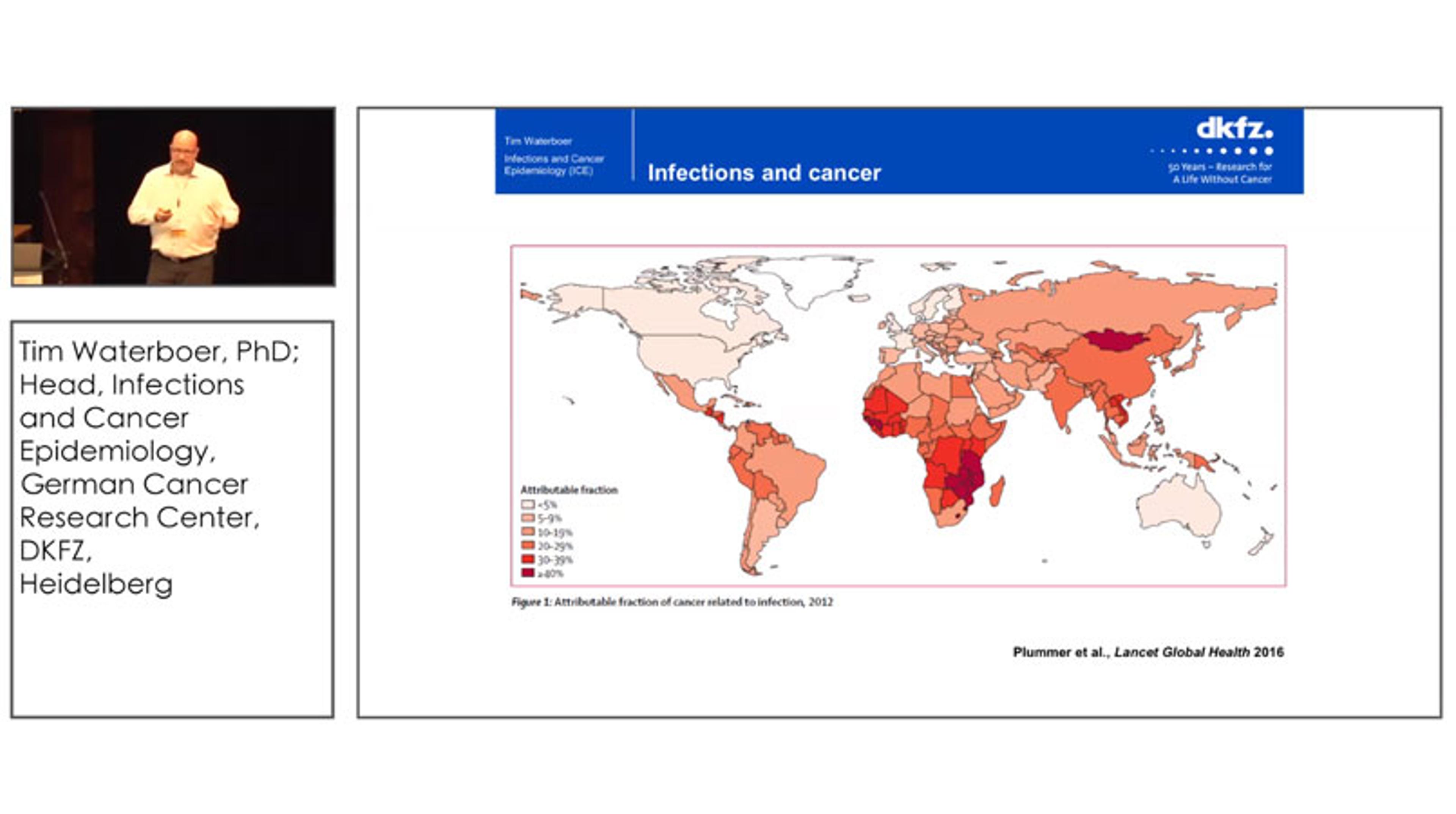
Infections and Cancer - Understanding Changing Trends in the Population with Multiplex Serology
Dr. Tim Waterboer, head of the Infection and Cancer Epidemiology research group at the German Cancer Research Center, specializes in understanding population trends in infectious disease and cancer. In this video, he provides an insight into some of his most recent findings using multiplex serology – including the realization that HPV accounts for a large proportion of head and neck squamous cell carcinoma cases in men.
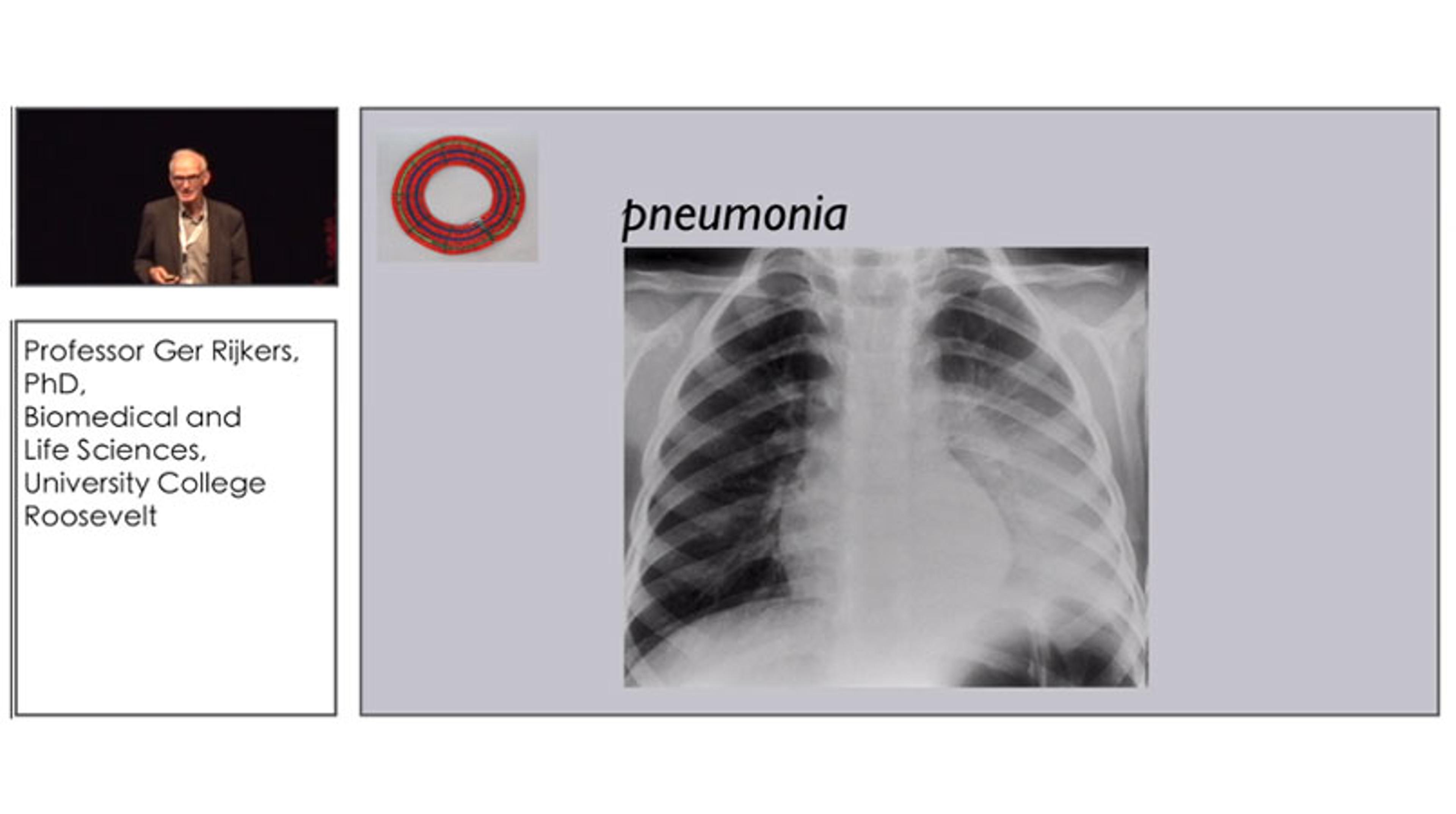
Taking Steps Towards Discriminating all Pneumococcal Serotypes with Multiplex Serology
Accurate discrimination of pneumococcal serotypes is critical to defining the most appropriate treatment regimen for patients and tracking population changes. In this video, Ger Rijkers, Professor in Biomedical and Life Sciences at University College Roosevelt, discusses how his team is focused on developing tools for easy and accurate identification of all serotypes, with multiplex antigen serology.

How NMI Uses xMAP Technology to Help Differentiate From Other Biomarker Testing Service Providers
Discover how Thomas Joos and his team at Natural Medicines Institute (NMI) are utilizing the xMap Technology from Luminex and have become leaders in multiplex immunoassay development.

Luminex licensed technologies partner spotlight: Wageningen prime diagnostics
Multiplex molecular testing for plant pathogens
Latest advances in biomarker research: SelectScience special feature
The latest research and new method downloads: multiplex assays, ELISA, proteomics, genomics, imaging and more

Protein Biology: SelectScience Special Feature
From optimized sample prep, imaging, and analysis to mapping the entire human proteome, discover the latest technologies, top tips, and best practices for protein biology research

Latest Advances in Precision Medicine: SelectScience Special Feature
From patient-derived organoids to virus-specific T cells, explore the latest techniques and technologies advancing the field of precision medicine

Latest Advances in Infectious Disease Diagnostics: SelectScience Special Feature
From rare pathogens to pandemic prevention, explore the latest techniques and technologies that are shaping today’s diagnosis and treatment of infectious diseases

IMMUNOLOGY 2019: 5 Exhibition Highlights You May Have Missed
SelectScience attended this year’s AAI IMMUNOLOGY conference to bring you the latest news and technology in the field

Trending in Life Sciences: January 2019
Relive the biggest stories of the month and find out what’s been making waves in the SelectScience life sciences community since the turn of the year

Stanford University Immunologists Share Top Tips for Multiplex Assay Success
Learn about best practices for immune monitoring assays using xMAP® Technology from Luminex
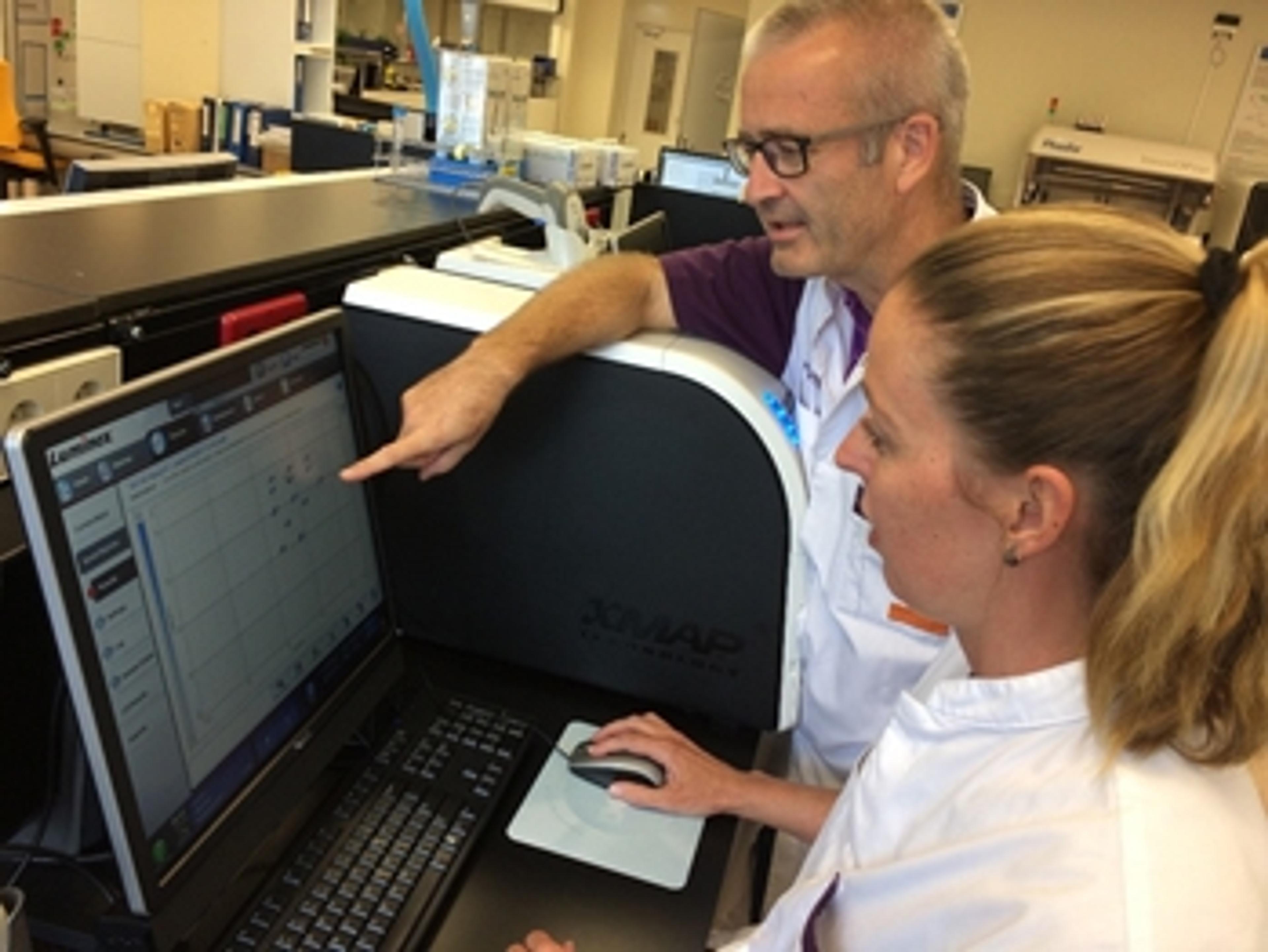
Multiplex Assay Technology Enables In-Depth Insights into Pneumonia Infections
Prof. Dr. Ger Rijkers tells SelectScience how he is using Luminex xMAP Technology® to develop a multiplex assay that can identify specific antibodies to multiple serotypes of S. pneumoniae in a single test

Multiplex Technology Supports Multi-Biomarker Assay Development at UC Davis Medical Center
Customized multiplex xMAP assays enable the development of efficient, cost-effective diagnostic tests for cancer and infectious diseases