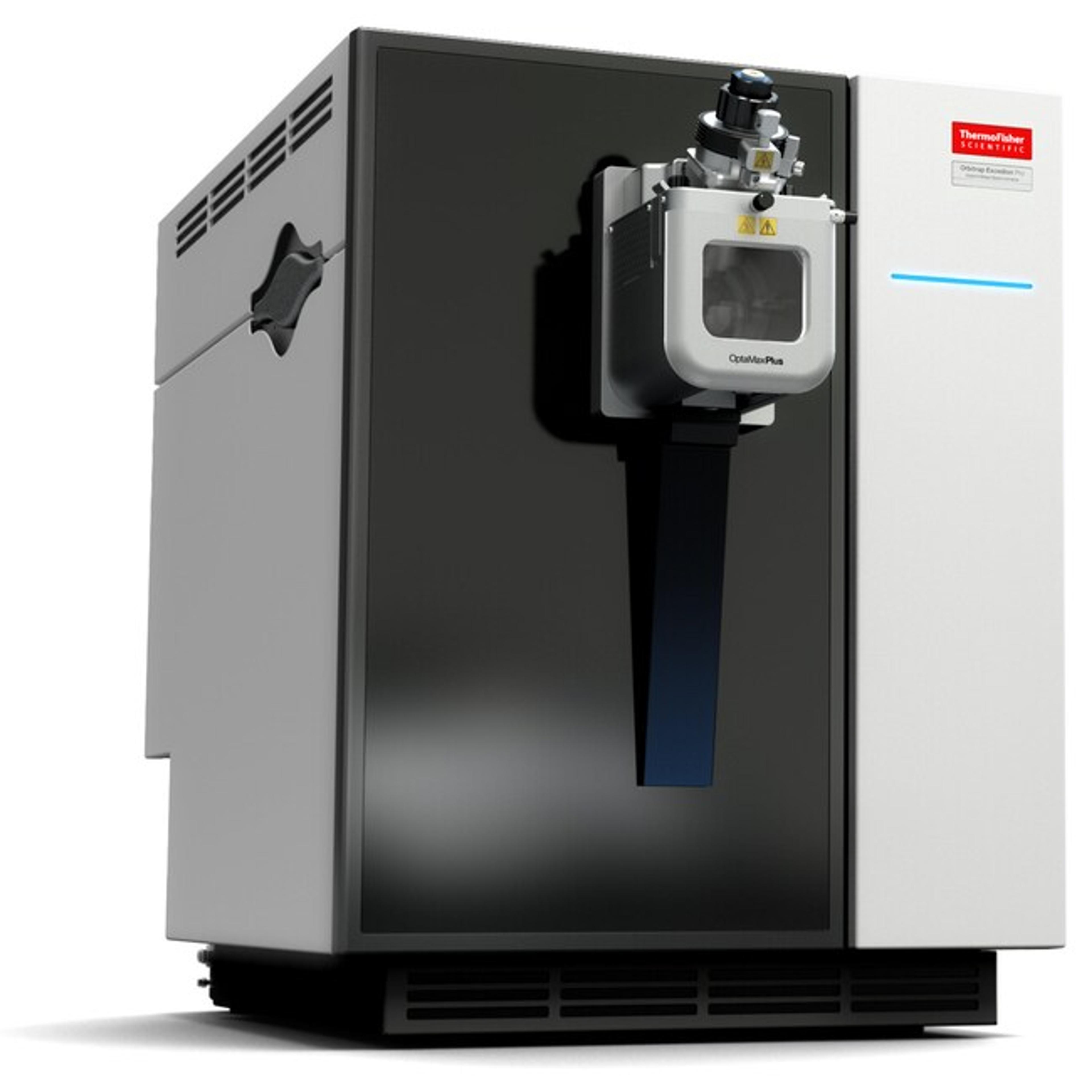
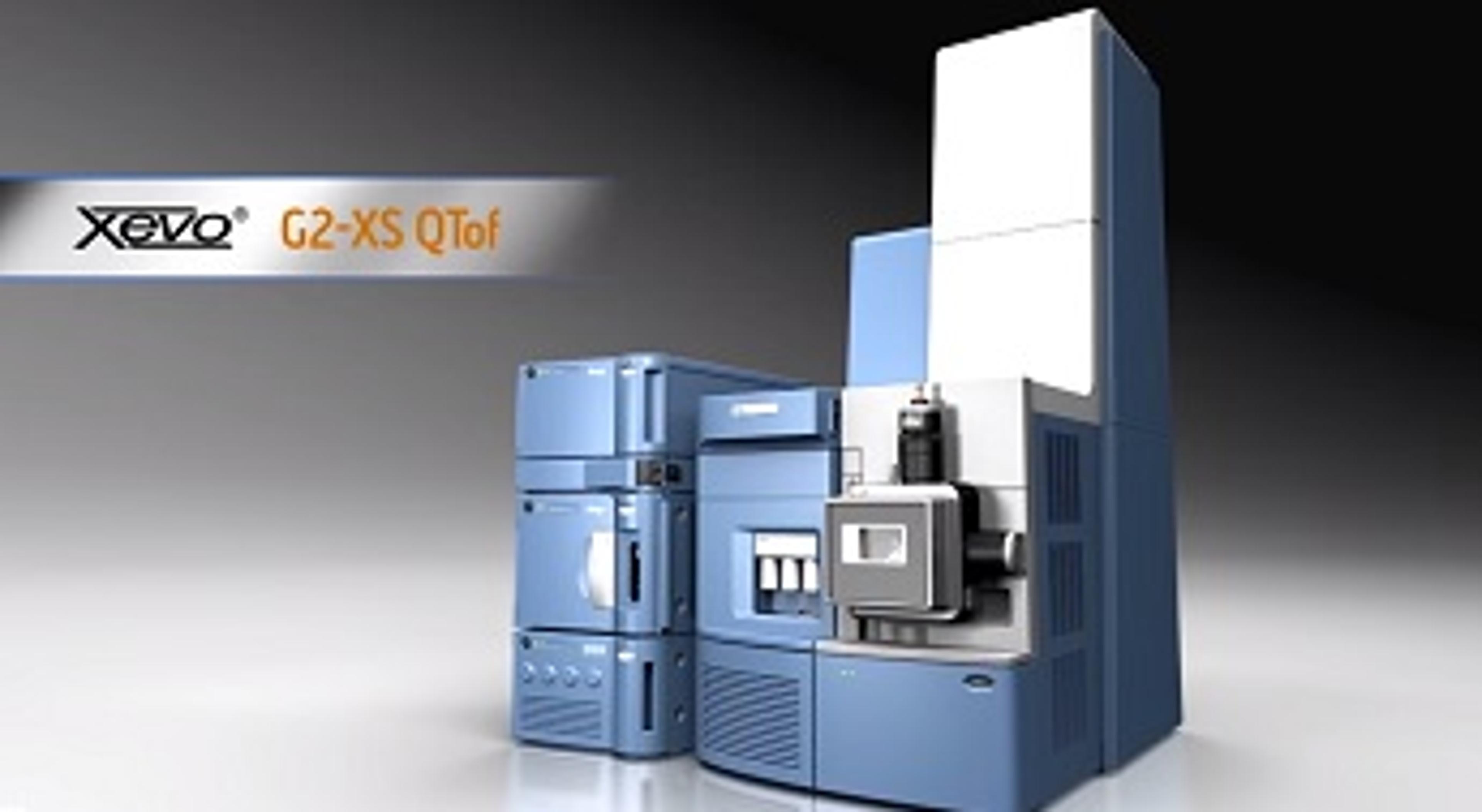
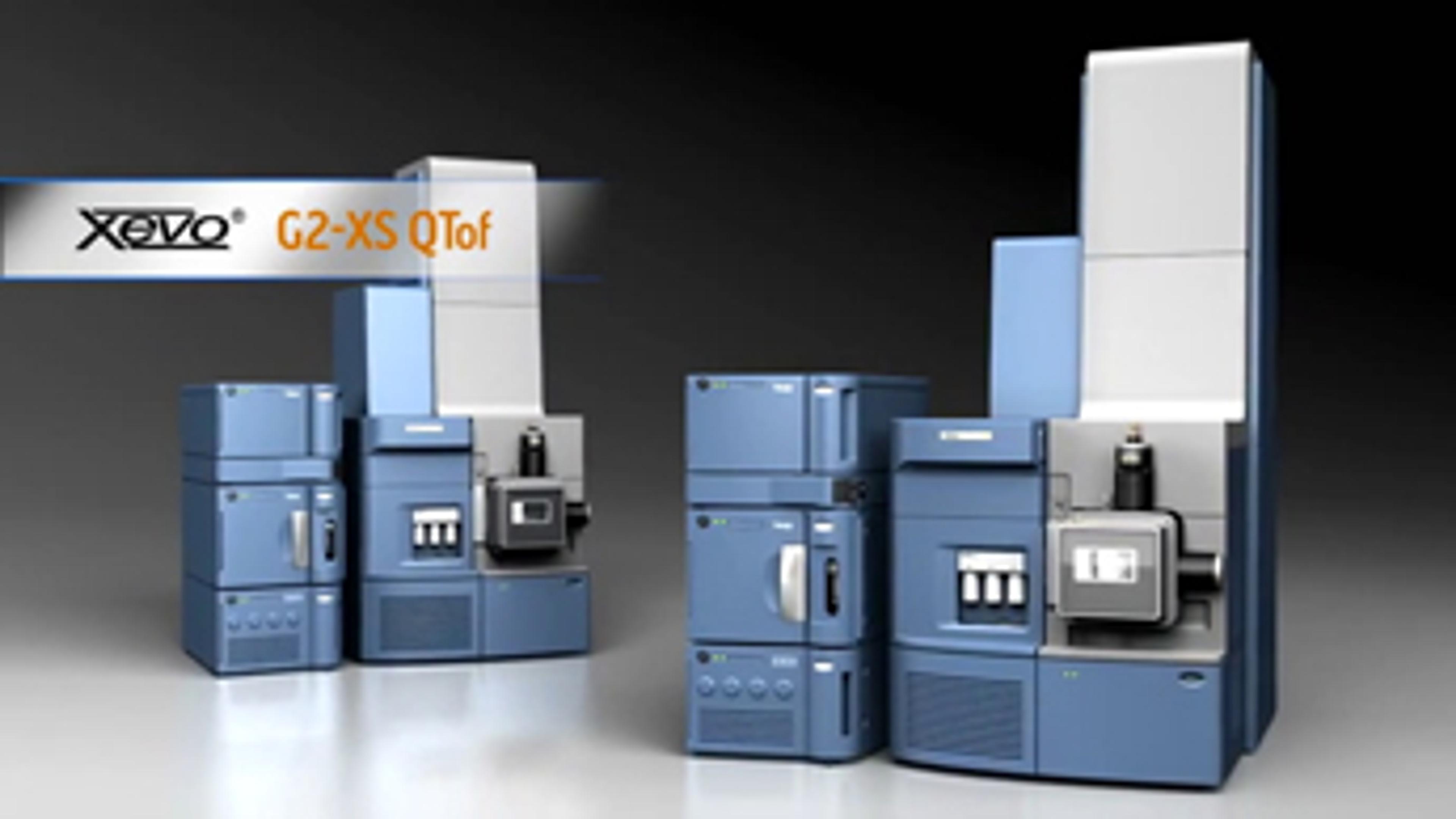
Xevo G2-XS QTof
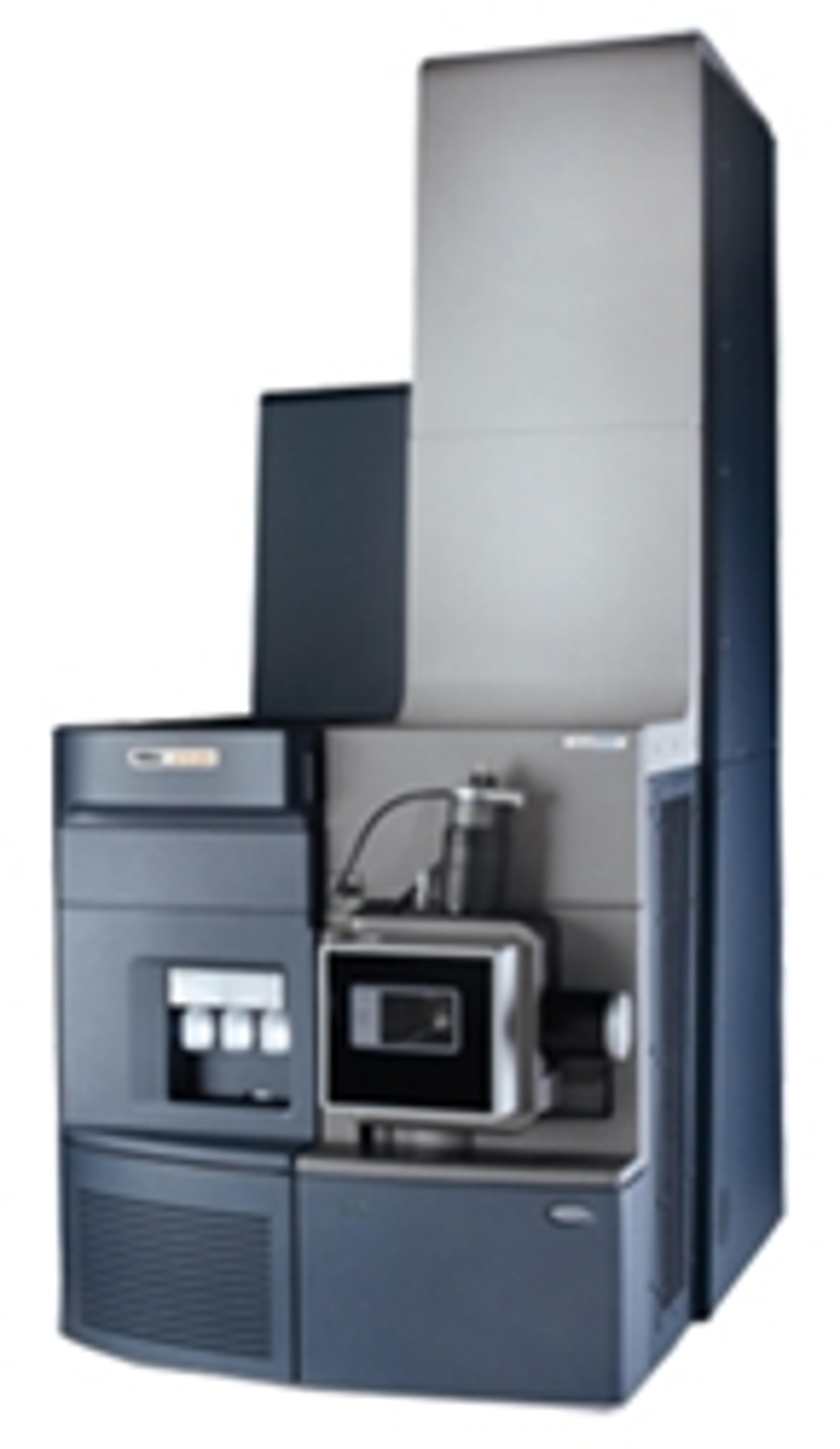
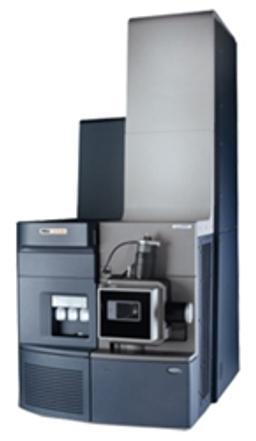
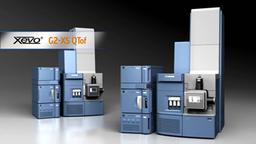
Xevo G2-XS QTof - eXtreme Sensitivity, eXtraordinary Selectivity, eXceptional Solutions. For the scientist who needs to identify, quantify and confirm the broadest range of compounds in the most complex and challenging samples the Xevo G2-XS QTof provides maximum robustness with no compromise in performance, class-leading real-world quantitative sensitivity, the highest quality, most comprehensive qualitative information, fle…
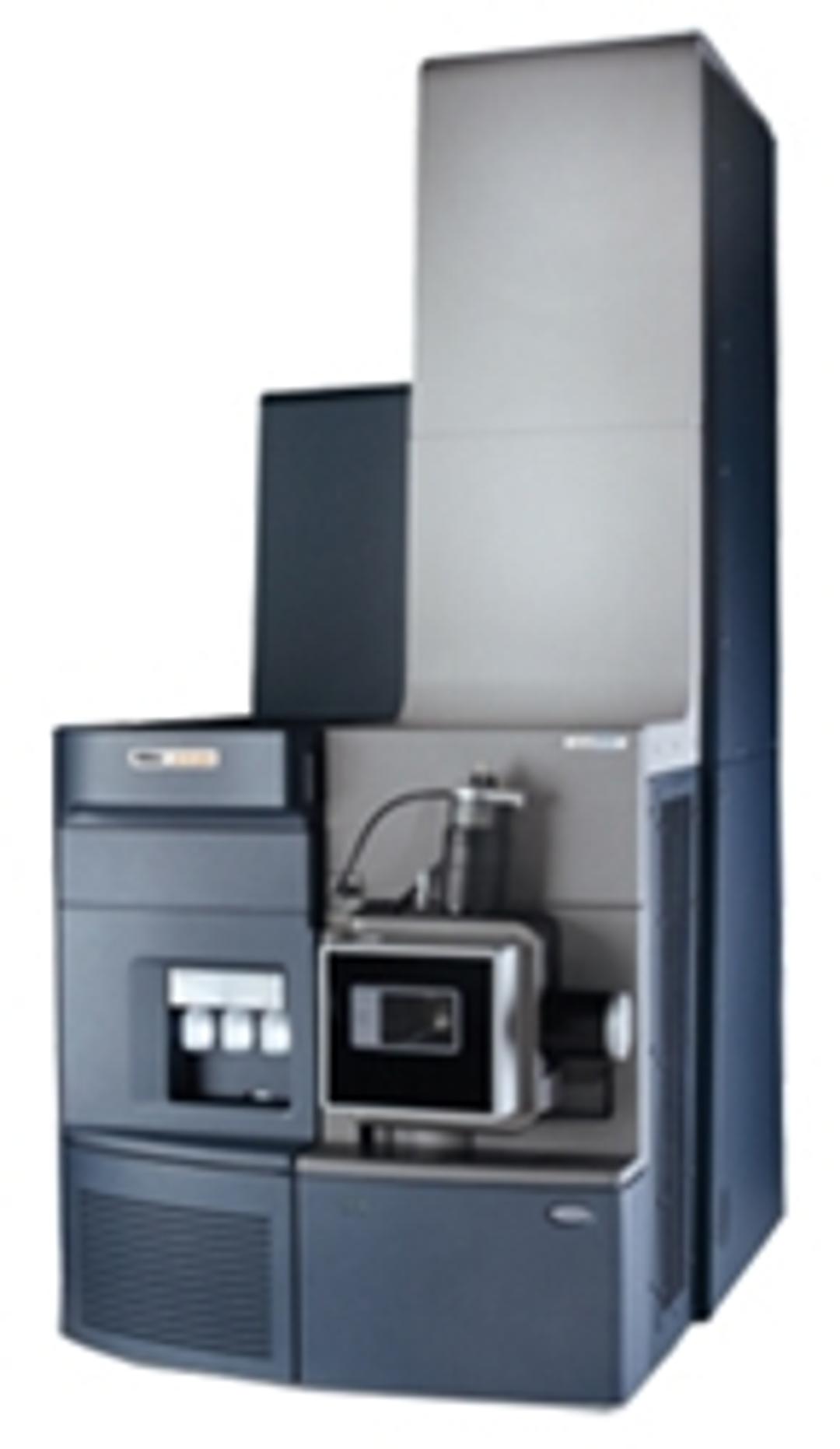













The supplier does not provide quotations for this product through SelectScience. You can search for similar products in our Product Directory.
Great response
Lipidomics
High reproducibility
Review Date: 8 Apr 2026 | Waters
Ok to use , not perfect
Method development
Low accuracy of the above model
Review Date: 3 Feb 2023 | Waters
Would recommend to researchers conducting untargeted metabolomics.
Metabolomics (targeted and untargeted)
Easy to use Q-TOF instrument for the qualitative, and quantitative, analysis of metabolites, natural products, and proteins. We are using it to identify biologically active products of interest in complex matrices and it works great. Paired with the Masslynx, Unifi, and Progenesis software.
Review Date: 24 Oct 2022 | Waters
it is a high end and excellent instrument for new molecules
Synthetic organic chemistry, Mass Calculation
It's a very intelligent and user-friendly product for the calculation of the mass of organic compounds and biological samples too.
Review Date: 26 Sept 2022 | Waters
Good product
Small Molecules for Extractable and leachables
I am happy with the product and support from Waters was excellent
Review Date: 11 Feb 2022 | Waters
Unstable software and difficult to operate and not reproducible results
Small molecule unknown impurity identification in pharmaceutical finished product
The instrument's software UNIFI is difficult to operate and instable. The software frequently causes EPC failure and disconnection to mass spectrometer. It is also difficult to get vendor's technical support or user training from Waters. The instrument is also difficult to pass precision and sensitivity during qualification. I do not recommend the instrument.
Review Date: 15 Nov 2021 | Waters
NMR is the lifeline and HRMS is the backbone for every organic chemist
Analysis of mass of organic samples as well as proteins
This is a piece of high-end equipment and therefore expensive because of its accurate measurements. Its usage is hassle-free and you won't find any difficulties during the operation of this instrument. In addition, the service and the demo given by the company were easy to understand. Overall it's a necessary instrument that should be present in every laboratory.
Review Date: 30 Sept 2021 | Waters
Overall, Waters instruments are great to work with.
Clinical metabolomics and proteomics
Waters Xevo G2 XS QTOF is a very powerful and reliable instrument for carrying out high-resolution mass spectrometry based metabolomics study. The ease of doing DIA analysis (MSE) using this instrument greatly increases high-throughput and ease of use. Moreover, as an end-user, the Waters Application group actively helps in discussing method development and troubleshooting.
Review Date: 15 Jul 2021 | Waters
Good instrument.
Pesticides and organic compounds
Very useful apparatus. We use an UPLC QTOF, it's very sensitive and reproducible. It maintains the stability of the m/z range with a standard.
Review Date: 9 Apr 2021 | Waters
Great results, great instrument.
Drug discovery
The Xevo G2-xs qTOF is very easy to use even for beginners. It's highly sensitive with extremely low limits of detection and with impressive mass accuracy. After care sales by Waters has been perfect with all of the questions and problems that we raised/encountered addressed quickly. It's an expensive instrument but definitely worth its price.
Review Date: 24 Dec 2020 | Waters
Xevo G2-XS QTof - eXtreme Sensitivity, eXtraordinary Selectivity, eXceptional Solutions.
For the scientist who needs to identify, quantify and confirm the broadest range of compounds in the most complex and challenging samples the Xevo G2-XS QTof provides maximum robustness with no compromise in performance, class-leading real-world quantitative sensitivity, the highest quality, most comprehensive qualitative information, flexibility to adapt to changing needs and is accessible to experts and non-experts alike.

Fully Automated Tissue Classification by Imaging Mass Spectrometry
Desorption electrospray ionisation mass spectrometry is a surface analysis technique that can rapidly analyse the lipid and metabolite composition of a tissue section. By moving the tissue under the analysis probe, a chemical map of the sample can be generated in a matter of minutes. Each tissue type or disease state has its own characteristic molecular fingerprint, therefore, using histologically annotated databases of these molecular profiles, these maps can be classified using machine learning approaches. This poster investigates how this technique could potentially be used to assist in histopathology workflows.
Harnessing the Efficiency of Nitrogen Carrier Gas with the Atmospheric Pressure Gas Chromatography (APGC) Source
Helium is the most commonly used carrier gas in gas chromatography, however, finite reserves results in periodic price increases and concern of availability. Nitrogen is a more affordable alternative. This application note highlights the ease of implementing nitrogen as a replacement carrier gas for helium in GC separations, illustrating a cost-effective approach for atmospheric pressure MS sources, while maintaining critical separations and chromatographic performance.
Untargeted Metabolomics and Lipidomics Notebook
Untargeted metabolomics and lipidomics are hypothesis-generating and exploratory in nature, their purpose is to perform an unbiased screening of metabolites and lipids in biological samples, allowing us to determine patterns or variations between different groups: healthy versus diseased, control versus treated or wild-type versus genetically modified.
This application notebook explains the use of novel and unique chromatographic and spectroscopic tools and methods for metabolomic and lipidomic solutions.
Metabolomic Workflow Utilizing Rapid Microbore Metabolic Processing (RAMMP) in Conjunction with SONAR
RAMMP studies have shown comparable group discrimination and improved selectivity over conventional UPLC chromatography. This application note demonstrates further improvements to the workflow by coupling RAMMP with a novel DIA method (SONAR), providing highly specific and unbiased two-dimensional metabolomic data.
SONAR is an acquisition technique comprised of a low-resolution quadrupole mass filter, which is scanned repetitively and both precursor and MS-MS data are acquired at spectral rates approaching 2000 spectra/s.
SONAR – Delivering MS/MS Data from a DIA Experiment
SONAR™ is the newest data independent aquisition (DIA) mode from Waters and is complementary to MS. The strength of SONAR is its increased selectivity, which translates to cleaner MS/MS data, allowing both discovery and quantification from a single injection using commonly accepted and established workflows.
SONAR delivers this increased selectivity with rapid scan rates to provide the following analytical benefits:
- All the information required for quantification and identification in a single injection
- Scan rates compatible with UPLC speeds for reliable quantitation
- Library searches are more reliable due to cleaner MS/MS spectra
- Laboratory workflows become more efficient as time consuming method development associated with MS/MS analysis is removed
This white paper discusses in detail the principles and applications of SONAR
Streamlined Multivariate Analytical Tools to Determine Compositional Aqueous Film-Forming Foams (AFFFs) Subject to Environmental Release
Used to extinguish flammable liquid fuels, AFFFs consist of numerous fluorocarbon and hydrocarbon compounds. Tracking these constituents' inadvertent release into the environment is important. This application note demonstrates the use of UNIFI software for easy identification of the markers of interest using a multivariate analysis approach.
Selecting a Reversed-Phase Column for the Peptide Mapping Analysis of a Biotherapeutic Protein
A chromatographic peptide mapping method must provide adequate resolution and recovery of a broad set of peptides if it is to be used in the quality analysis of a biotherapeutic protein. In this application note, a range of reversed phase columns by Waters are analysed for their applicability to peptide mapping, demonstrating high peak capacity separations.
Screening for a Panel of 12 Toxicologically- Relevant Drugs in Urine using Tof-MRM
Laboratory testing for illicit drug substances frequently employs a combination of immunoassay based screening followed by confirmatory testing using LC-MS/MS techniques. This application note presents a technique for the analysis of 12 common drugs detected in urine using Tof-MRM, utilizing the same well-established chromatographic separation as used for Forensic Toxicology Screening Application Solution with UNIFI.
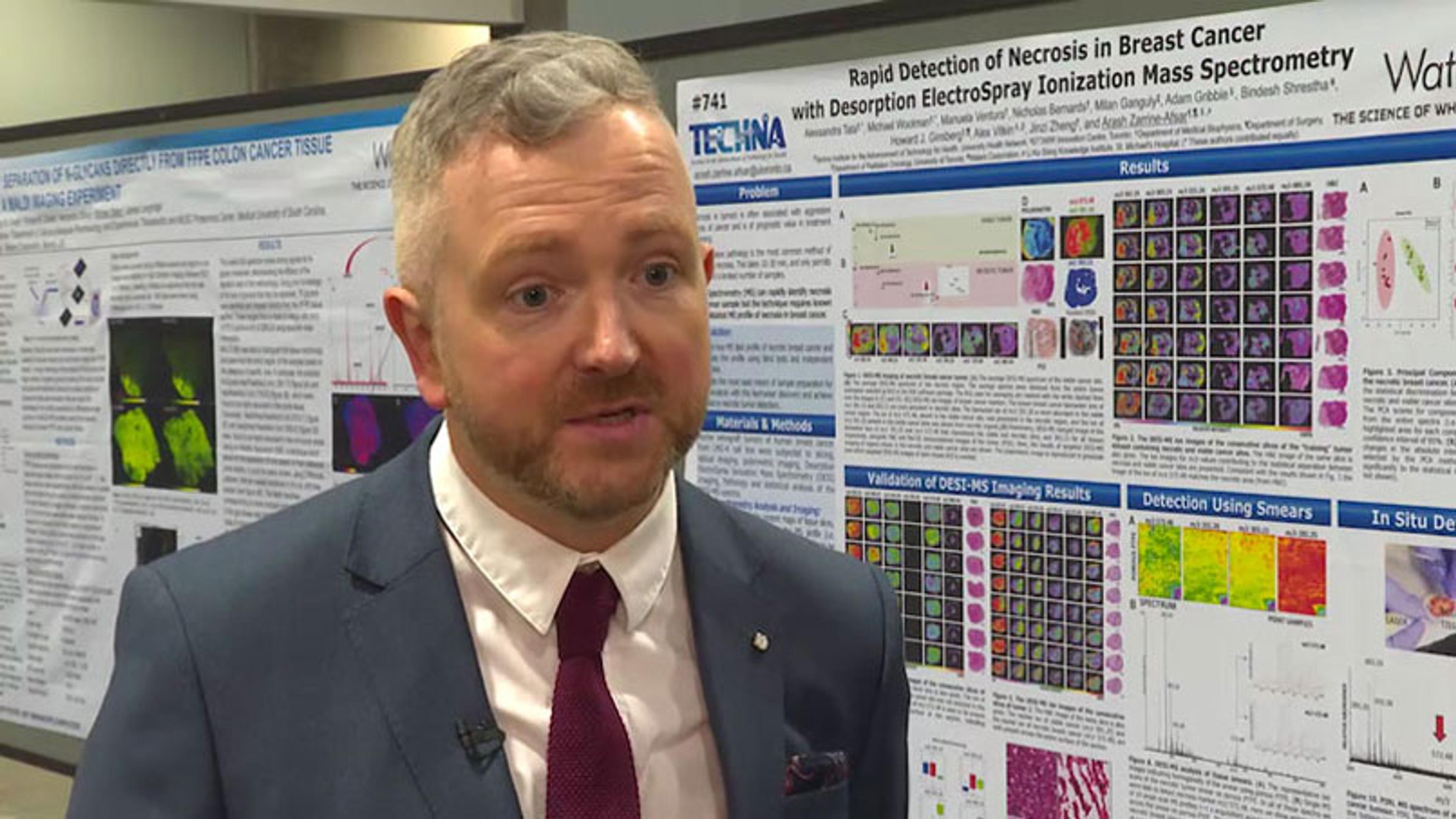
Rapid Detection of Necrosis in Breast Cancer with Desorption ElectroSpray Ionization Mass Spectrometry
This poster highlights how mass spectrometric analysis of ex vivo tissue slices from metastatic murine xenograft tumors from LM2-4 cell line with Desorption Electrospray Ionization Mass Spectrometry (DESI-MS) allowed direct comparisons with histology images to determine the molecular profile of necrotic tissues. Showcasing that mass spectrometry is an ideal novel tool for rapid pathology and is highly complementary to current histology based methods widely used in characterization of cancer.
Ovarian Cancerous Tissue Identification by DESI Imaging for Clinical Research
Waters® introduces DESI imaging for tissue identification and characterization in ovarian cancer research using the Xevo® G2-XS QTof mass spectrometer and lipidomic analysis. The use of DESI can help distinguish between several different tissue types in ovarian cancer samples during clinical research.
Cutting-Edge Mass Spectrometry Imaging Technology for Oncology Research
From desorption electrospray ionization (DESI) for mass spectrometry imaging, to discovery and targeted omics, accelerate your oncology research with the wide range of analytical technologies for characterizing biomolecular signatures of cancer from Waters Corporation.
This interview was filmed as part of our coverage of AACR 2019 - see other video highlights here >>

Classify Hundreds of Samples a Day with this Fully Automated Mass Spec Imaging Workflow
Unlike conventional mass spec, imaging mass spectrometry enables the construction of molecular images that reveal the spatial resolution of the tissue. In this video, Dr. Bindesh Shrestha, Senior Application Support Scientist at Waters Corporation, explains a fully automated workflow for mass spec imaging from Waters that can process hundreds of samples without human intervention. This high-throughput protocol, as Shrestha describes, has a variety of applications such as tumor tissue classification and 3D mapping of spheroids.
Learn more about mass spec imaging in this downloadable poster.
Analysis of Antibody Drug Conjugates
As biopharmaceutical organizations explore the use of Antibody Drug Conjugates (ADC) as a class of cancer therapies, significant challenges are found in analyzing their complex, heterogeneous structures. The determination of drug-to-antibody ratios (DAR) and sites of conjugation presents unique analytical challenges that can be addressed with Waters' fit-for-purpose UPLC, QTof MS, and informatics solutions.
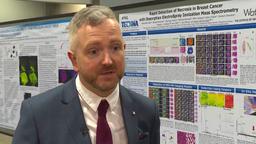
Identifying Necrosis in Breast Cancer Using Electrospray Ionization Mass Spectrometry
Michael Batey, Senior Manager Business Development, Waters Corporation, presents a poster by Dr. Zarrine-Afsar, University of Toronto, demonstrating the use of DESI-MSI (Desorption Electrospray Ionization-Mass Spectrometry Imaging) to rapidly detect necrosis in a preclinical model of breast cancer. Speaking at AACR 2017, Michael describes how this technique can identify a biomarker which is specific for necrosis, and its location within the tumor. Michael also presents data which highlights the advantages of DESI-MSI to identify necrosis over traditional histology techniques, such as H&E staining.
Can Metabolomics Help Olympic Athletes Win Gold?
Watch this video to find out more about metabolic profiling and its use in analyzing athletic performance at the Rio Olympic Games in 2016.
Advantages of Mass Spectrometry Imaging for Cancer Research
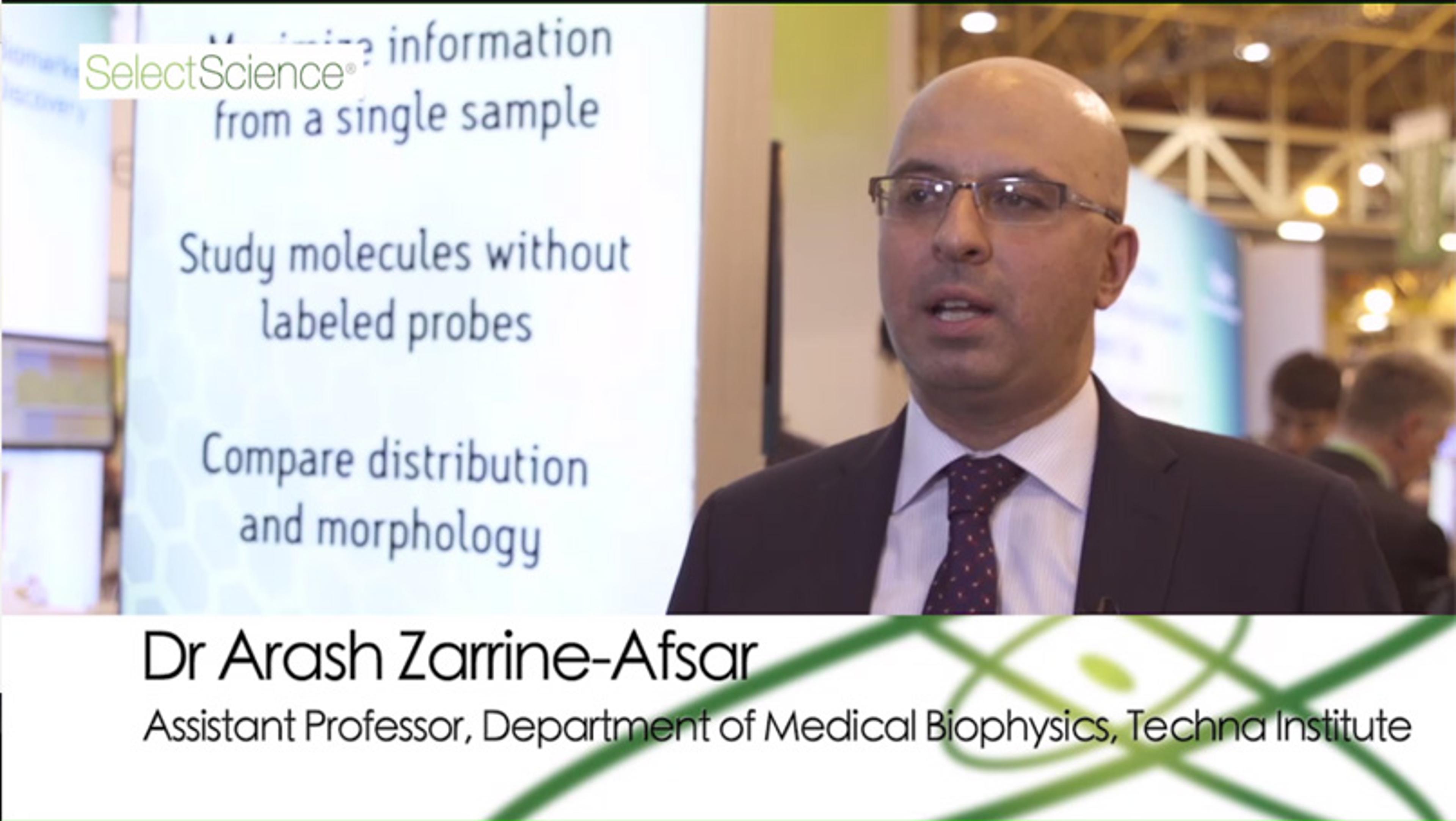
Find out how scientists at the University of Toronto are using the Waters Xevo G2-XS QTof for the mass spec analysis of tumors.
Discover more in this poster.
Unparalleled Sensitivity and Precision in the Screening of Leached Compounds from Food Packaging
Watch this video to learn how the Xevo G2-XS from Waters is essential in the highly sensitive screening of compounds leached from food packaging. Cristina Nerin, Professor of Analytical Chemistry at the University of Zaragoza, Spain, describes how she uses UPLC and the Xevo G2-XS to separate then detect unknown compounds at levels as low as 1ppb.
Forensic Toxicology Screening Application with UNIFI
In this video the ACQUITY UPLC I-Class, Xevo G2-XS QTof and UNIFI Scientific Information System brings the power and versatility of high resolution mass spectrometry to the routine forensic toxicology laboratory.
QTOF Mass Spectrometry: Screening for Designer Drugs in Toxicological Samples
Learn about the use of QTOF technology for screening toxicology samples for designer drugs. In the absence of known targets, scientists must use non-targeted and semi-targeted screening methods to screen for drug fragments predicted from models of existing designer drugs.
Identification and Characterization of Proteins and Small Molecules in Biological Systems using Mass Spectrometry
Watch this video to discover how the TOF mass spectrometers from Waters have led to advances in proteomics and metabolomics at Colorado State University. Their robustness and speed allows for non-targeting metabolite identification which has transformed agricultural breeding approaches.
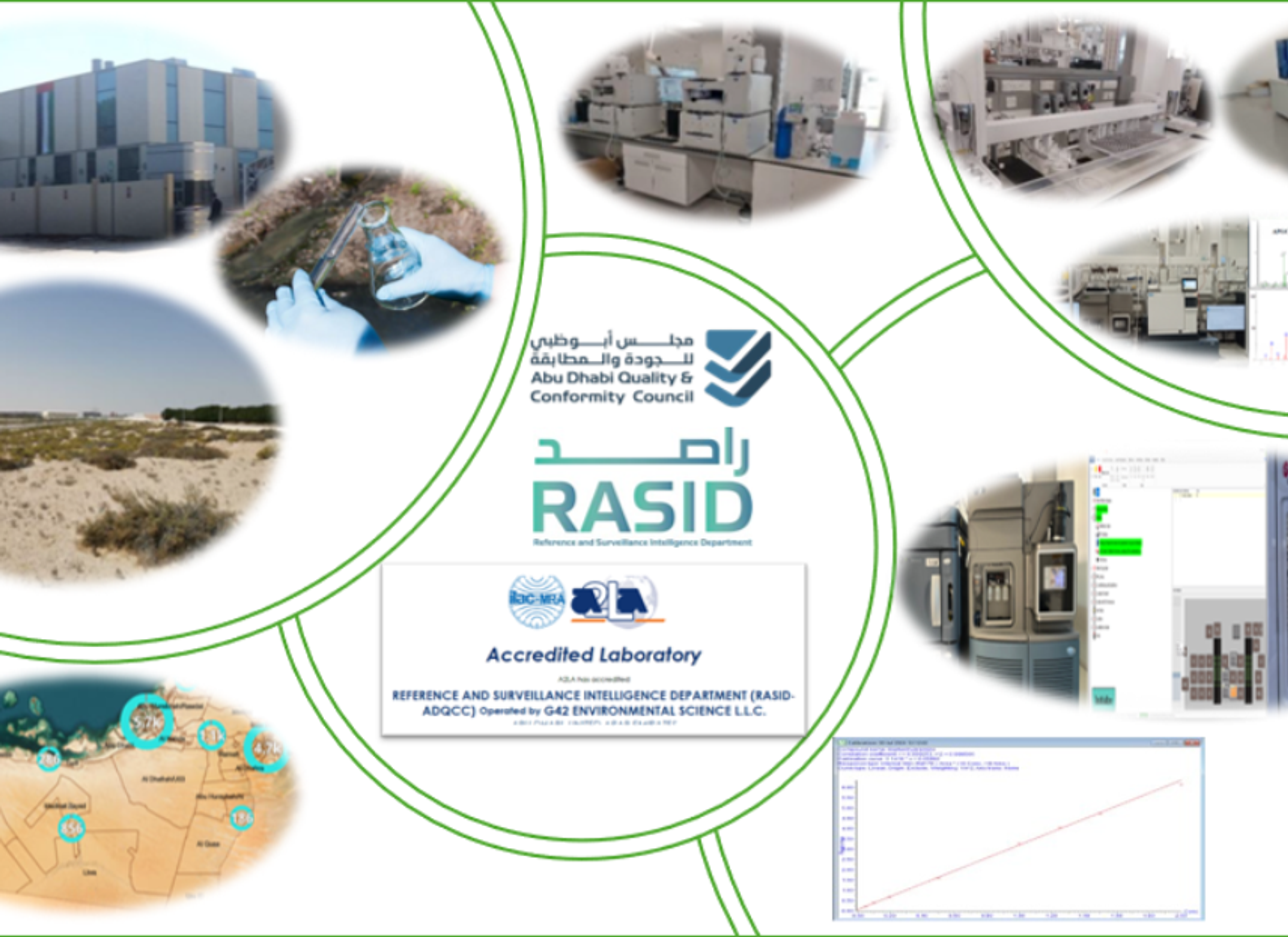
RASID lab sets new standard for wastewater-based health surveillance
Scientists from Abu Dhabi’s RASID lab provide an insider’s look at the high-throughput wastewater analysis facility
Top 10 technology launches at ASMS 2022
Catch up on some of the most exciting advancements in mass spectrometry presented at ASMS 2022

Waters extends the capability and power of its high-resolution mass spectrometers
Enhancements for the Waters Xevo G2-XS QTof, SYNAPT XS and SELECT SERIES Cyclic IMS instruments accelerate biomedical and pharmaceutical research

Excellent Results Across All Symptomatic Risk Groups from Immunovia IMMray™ PanCan-d Optimization Work
IMMray™ PanCan-d blood-based test for early detection of pancreatic cancer now set for Q3 2020 launch
Cancer Research Video Highlights: Our Top Interviews from AACR 2019
We look back at the 2019 American Association for Cancer Research (AACR) annual meeting and the technology set to propel cancer research

Waters Introduces LiveID Software for Real-Time, Direct-from-Sample Food Analysis and Plant Phenotyping
Direct sample classification by mass spectrometry speeds creation of test results and decision-making
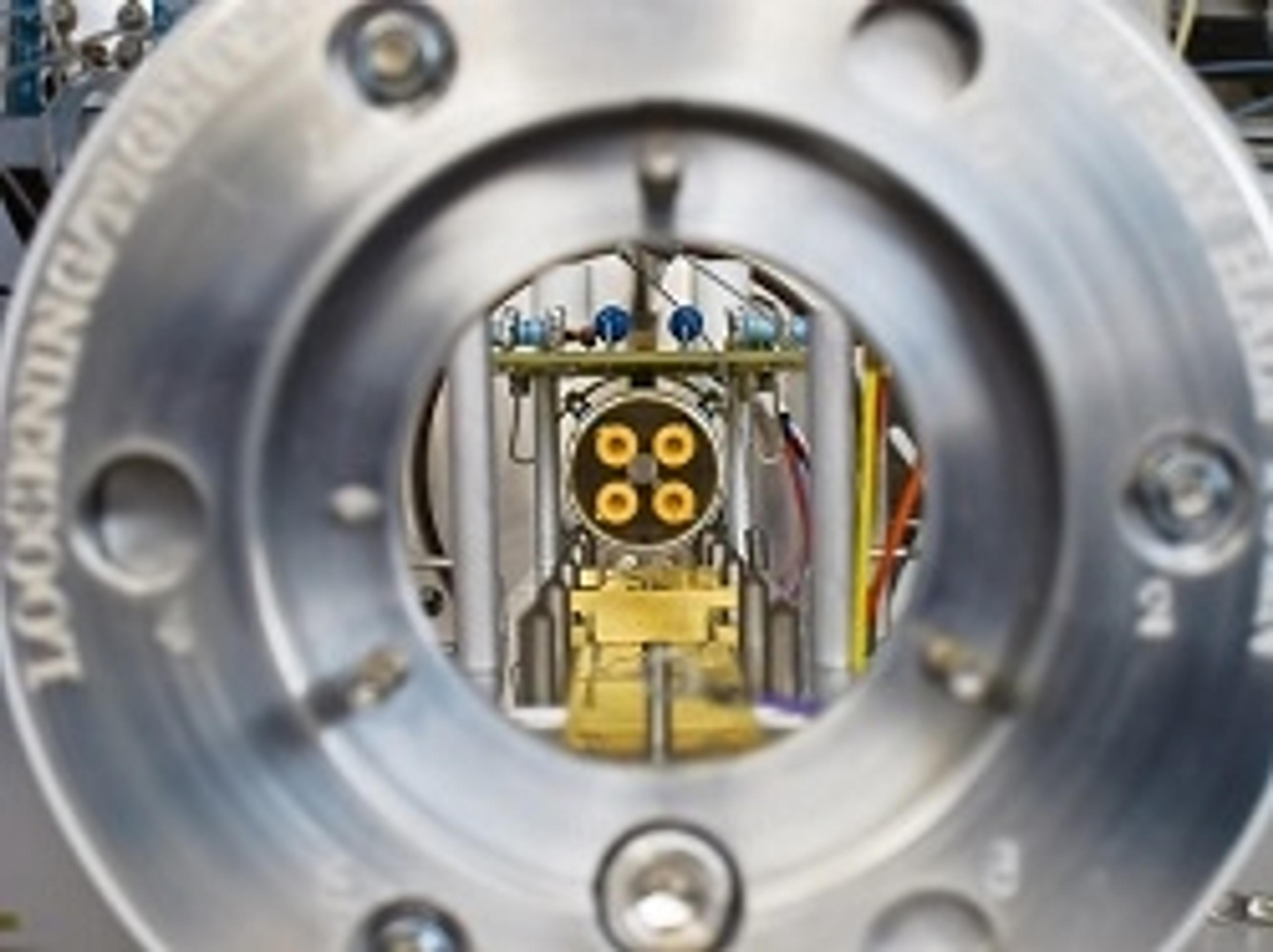
The Latest Applications of Mass Spectrometry
Prepare for the American Society for Mass Spectrometry(ASMS) Annual Meeting by discovering the many applications of mass spectrometry – from pesticide detection to imaging for cancer therapy
Identifying Unknown Leached Compounds from Food Packaging
Trace amounts of unknown compounds detected with revolutionary accuracy